
What Causes Press Alignment Errors in Aluminium Extrusion Press Machines?

Introduction to Alignment in Aluminium Extrusion
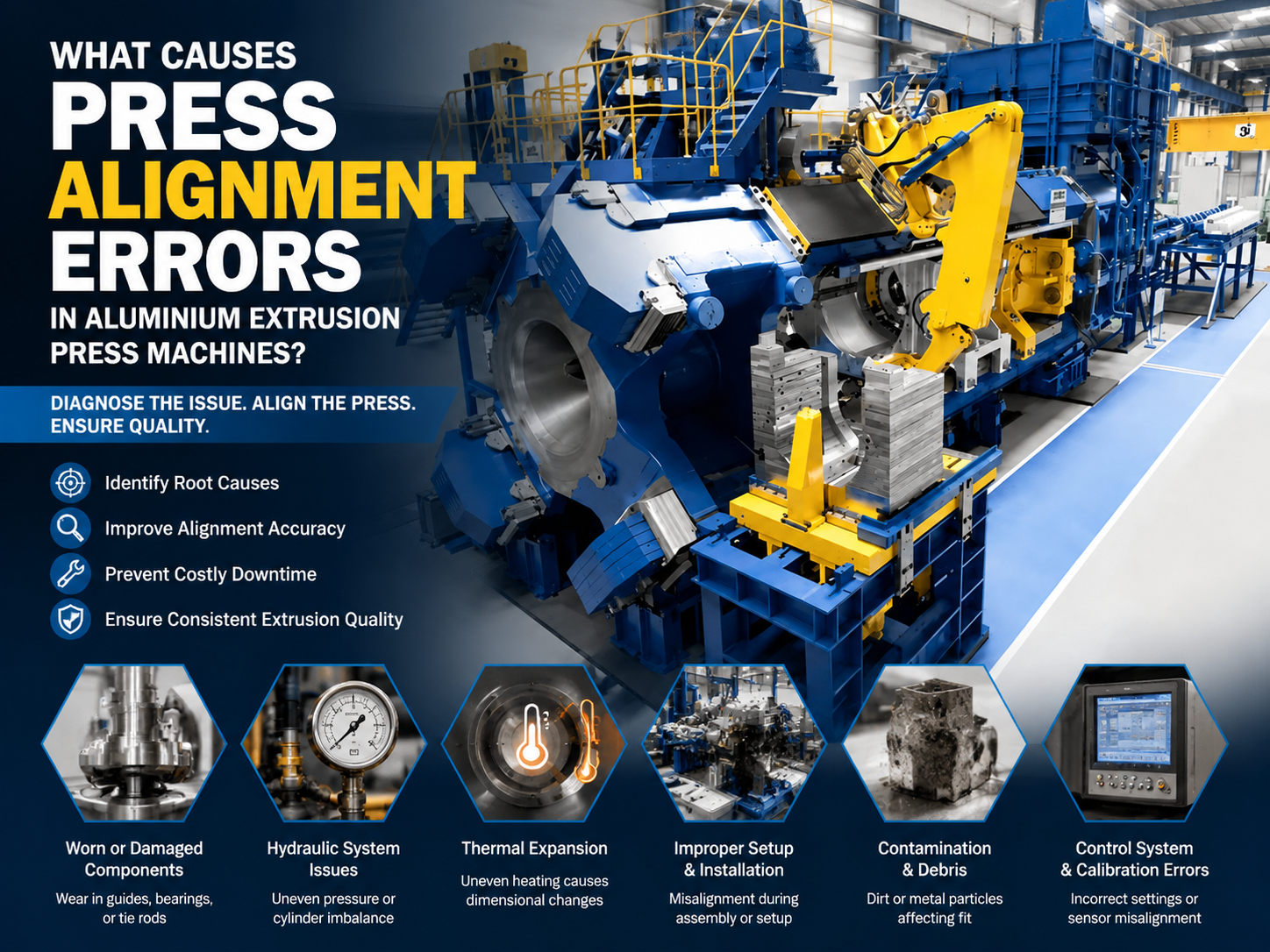
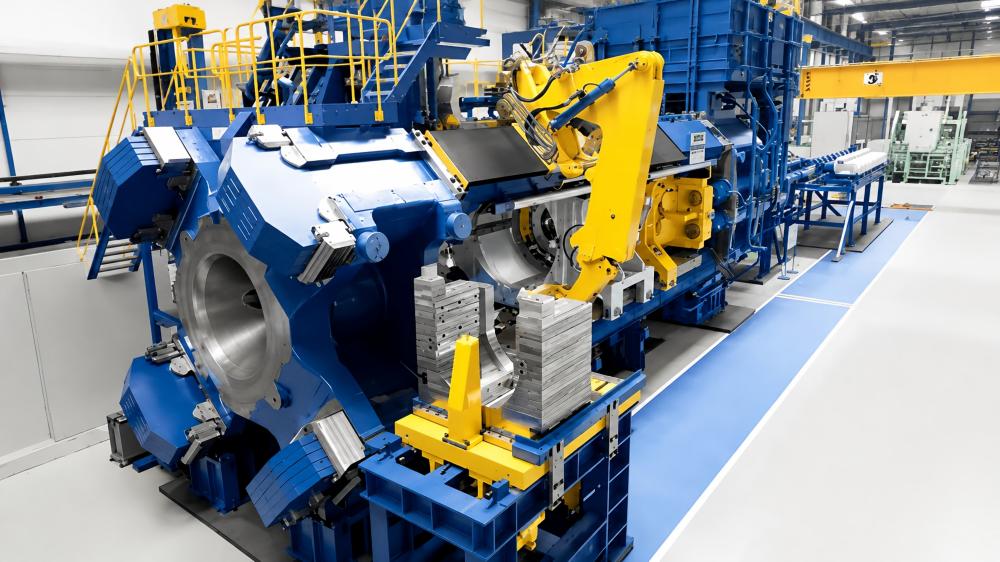
In the world of metal fabrication, precision is the cornerstone of quality. For aluminium extrusion, the alignment of the press is perhaps the most critical factor determining the success of the operation. When we ask, what causes press alignment errors in aluminium extrusion press machines?, we are diving into a complex interplay of mechanical engineering, thermodynamics, and material science. An aluminium extrusion press is a massive piece of industrial machinery designed to force heated aluminium billets through a die to create specific profiles. If the components—the main ram, the stem, the container, and the die—are not perfectly centered along a single longitudinal axis, the results can be catastrophic for both the product and the machine.
Alignment errors are not merely a nuisance; they are a primary driver of operational costs. Misalignment leads to uneven wall thickness in profiles, structural weaknesses in the extruded metal, and excessive wear on expensive tooling. Furthermore, the mechanical stress placed on a misaligned press can lead to cracked platens, broken tie rods, and hydraulic seal failures. Understanding the root causes of these errors is essential for any facility looking to maintain high OEE (Overall Equipment Effectiveness) and minimize downtime. At HARSLE, we emphasize that a press is only as good as its last calibration.
This comprehensive guide will explore the multifaceted reasons why alignment shifts occur, ranging from the initial installation environment to the microscopic changes caused by thermal cycling. By identifying these causes, operators and maintenance engineers can implement proactive strategies to ensure their aluminium extrusion press remains a precision instrument rather than a source of constant frustration.
Key Considerations: The Primary Drivers of Misalignment
1. Thermal Expansion and Temperature Gradients
One of the most prevalent causes press alignment errors in aluminium extrusion press machines is thermal expansion. Extrusion is a hot process, typically involving billets heated to between 400°C and 500°C. As this heat transfers from the billet to the container, the stem, and the platens, the metal components of the press expand. If this expansion is non-uniform, it causes the press frame to warp or shift.
For instance, if the bottom of the press is cooler than the top due to floor-level drafts or uneven cooling systems, the top of the machine will expand more than the bottom. This creates a “bowing” effect, tilting the platens and throwing the stem out of center relative to the container. Managing thermal gradients through sophisticated cooling systems and insulated housings is a key consideration for maintaining long-term alignment.
2. Foundation Stability and Settling
An aluminium extrusion press can weigh hundreds of tons. The foundation upon which it sits must be engineered to withstand not only this static weight but also the dynamic forces generated during the extrusion stroke. Over time, even the most robust concrete foundations can settle or crack. If one corner of the press foundation sinks by even a few millimeters, the entire geometry of the machine is compromised.
Environmental factors such as groundwater levels, seismic activity, or vibrations from nearby heavy machinery can also affect foundation stability. Regular checks of the press leveling are necessary to ensure that the “earth” hasn’t moved beneath the machine, leading to subtle but damaging alignment shifts.
3. Component Wear and Tear
The moving parts of an extrusion press—specifically the main ram, the crosshead, and the container housing—rely on guide ways and wear plates to maintain their path. These wear plates are sacrificial components designed to be replaced, but as they thin out, they introduce “play” or clearance into the system. This clearance allows the components to deviate from the centerline under pressure.
When the stem enters the container, any looseness in the guide system can cause it to hit the container wall or enter at an angle. This not only damages the tooling but also creates lateral forces that further stress the press frame. Monitoring the thickness and lubrication of wear plates is a fundamental maintenance task that directly impacts alignment.
Technical Details: The Mechanics of Alignment Errors
Platen Parallelism and Tie-Rod Tension
The structural integrity of an extrusion press is maintained by its tie rods, which hold the front and rear platens together against the massive force of the hydraulic ram. If the tension in these tie rods is unequal, the platens will not remain parallel. This lack of parallelism is a major technical cause of alignment errors. When the platens are not parallel, the container and the die will not meet squarely, leading to “flash” (excess metal leaking out) and uneven pressure distribution.
Modern presses use hydraulic nut systems to ensure precise and equal tensioning of tie rods. However, over years of operation, tie rods can stretch or develop fatigue cracks. A technical audit of an aluminium extrusion press must include ultrasonic testing of tie rods and laser-based measurements of platen parallelism to ensure the machine’s “box” remains square under load.
The Stem-to-Container Relationship
The most critical alignment point is where the stem meets the container. The stem must be perfectly concentric with the container bore. If the stem is slightly off-center, it will apply uneven pressure to the billet, causing the metal to flow faster on one side of the die than the other. This results in the “dog-leg” effect, where the extruded profile emerges curved or twisted.
Technically, this alignment is managed by the adjustment of the container housing and the crosshead guides. Many high-end HARSLE machines feature independent adjustment points that allow for micro-movements in the vertical and horizontal planes. Without these adjustments, correcting a 0.5mm deviation would be nearly impossible without a full machine teardown.
Hydraulic Imbalance and Side Loading
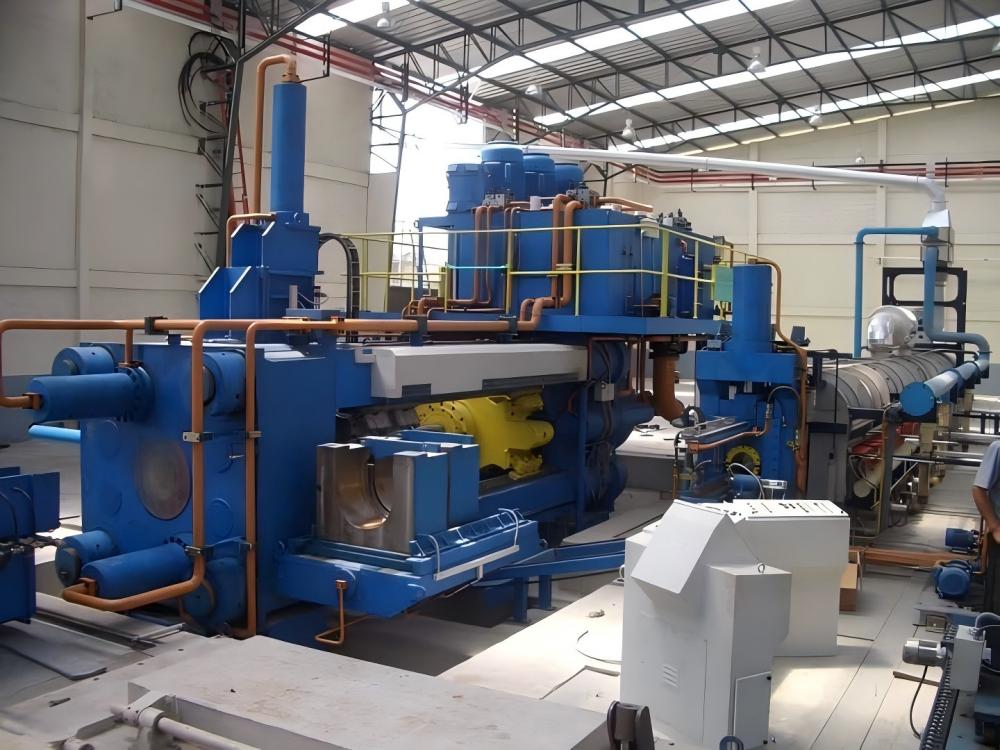
Hydraulic systems are the muscles of the press. If there is an imbalance in the hydraulic pressure—perhaps due to a sticking valve or a worn cylinder seal—the ram may not extend perfectly straight. This creates “side loading,” where the force is not directed purely along the longitudinal axis. Side loading is a silent killer of extrusion presses; it wears out bushings prematurely and can even lead to the catastrophic failure of the main cylinder. Technical monitoring of hydraulic pressures and the use of high-quality filtration systems are essential to prevent these imbalances from occurring.
Selection Advice: Choosing a Press for Long-Term Alignment
When purchasing an aluminium extrusion press, it is vital to look beyond the maximum tonnage. The design of the frame and the ease of alignment maintenance are far more important for long-term profitability. Here are several factors to consider:
- Frame Rigidity: Look for presses with a pre-stressed frame design. Pre-stressing the tie rods during manufacturing helps the machine resist the deflections that cause misalignment during high-pressure cycles.
- X-Guide Design: Many modern presses utilize “X-guides” for the container and crosshead. This design allows for thermal expansion while keeping the components centered on the axis, significantly reducing alignment errors caused by heat.
- Ease of Adjustment: Ensure the press has accessible adjustment bolts for the container and stem. If a machine is difficult to align, maintenance teams are more likely to delay the task, leading to prolonged periods of sub-optimal production.
- Control Systems: Advanced presses come equipped with sensors that monitor alignment in real-time. These systems can alert operators to a shift in parallelism or centering before it results in scrap material.
At HARSLE, we recommend that buyers request a detailed alignment report during the Factory Acceptance Test (FAT). This report should include measurements of platen parallelism, stem centering, and foundation leveling. Investing in a machine with a proven track record of stability will save thousands of dollars in maintenance and scrap costs over its lifespan.
Troubleshooting Alignment Issues: A Practical Table
| Symptom | Potential Alignment Cause | Recommended Action |
|---|---|---|
| Uneven wall thickness in profiles | Stem is off-center relative to the die | Re-center the stem and check crosshead guides |
| Excessive “flash” at the die head | Platens are not parallel; container not sealing | Check tie-rod tension and platen parallelism |
| Curved or twisted extrusions | Container is tilted or stem is entering at an angle | Adjust container housing leveling |
| Rapid wear on container liners | Misalignment causing friction between stem and liner | Inspect wear plates and lubrication systems |
| Hydraulic oil leaks at main ram | Side loading due to frame deflection | Perform a full laser alignment audit of the press frame |
FAQ: Common Questions About Press Alignment
How often should I check the alignment of my aluminium extrusion press?
For high-volume operations, a basic alignment check (stem-to-container) should be performed weekly. A comprehensive laser alignment audit, including platen parallelism and foundation leveling, should be conducted annually or whenever the press is moved or undergoes major repairs.
Can thermal expansion be completely eliminated?
No, thermal expansion is a physical reality. However, its effects on alignment can be managed through symmetrical press design, controlled cooling, and the use of specialized guide systems (like X-guides) that allow the metal to expand without shifting the centerline.
What is the most common sign that my press is out of alignment?
The most immediate sign is usually found in the product itself. If you notice consistent dimensional inaccuracies, such as one side of a profile being thicker than the other, or if the extrusion is consistently “banana-ing” (curving) as it leaves the die, alignment is the likely culprit.
Do worn wear plates really affect alignment that much?
Yes. Even a 0.2mm wear on a guide plate can translate into a much larger deviation at the end of the long extrusion stem. This “play” allows the components to shift under the massive pressures of extrusion, leading to inconsistent results and potential damage.
Is laser alignment better than traditional mechanical methods?
Laser alignment is significantly more accurate and faster than using traditional wire-and-plumb-bob methods. It provides a digital map of the press’s geometry, allowing for much finer adjustments and better record-keeping for preventative maintenance.
Conclusion: The Path to Precision
Understanding what causes press alignment errors in aluminium extrusion press machines is the first step toward achieving manufacturing excellence. From the foundational stability of the factory floor to the complex thermal dynamics of the extrusion process, every factor plays a role in the final quality of the aluminium profile. Misalignment is not an inevitable part of the process; it is a manageable technical challenge that requires diligence, the right equipment, and a proactive maintenance philosophy.
By focusing on rigid frame designs, regular calibration, and the monitoring of wear components, manufacturers can significantly extend the life of their machinery and reduce the cost of production. HARSLE remains committed to providing the industry with high-quality extrusion presses and the technical knowledge required to keep them running at peak performance. Remember, in the world of extrusion, precision isn’t just a goal—it’s the difference between profit and loss. Ensure your press is aligned, your team is trained, and your foundation is solid to stay ahead in the competitive metal fabrication market.


