Best Practices for Lubrication in Aluminium Extrusion Press Machinery: A Comprehensive Technical Guide

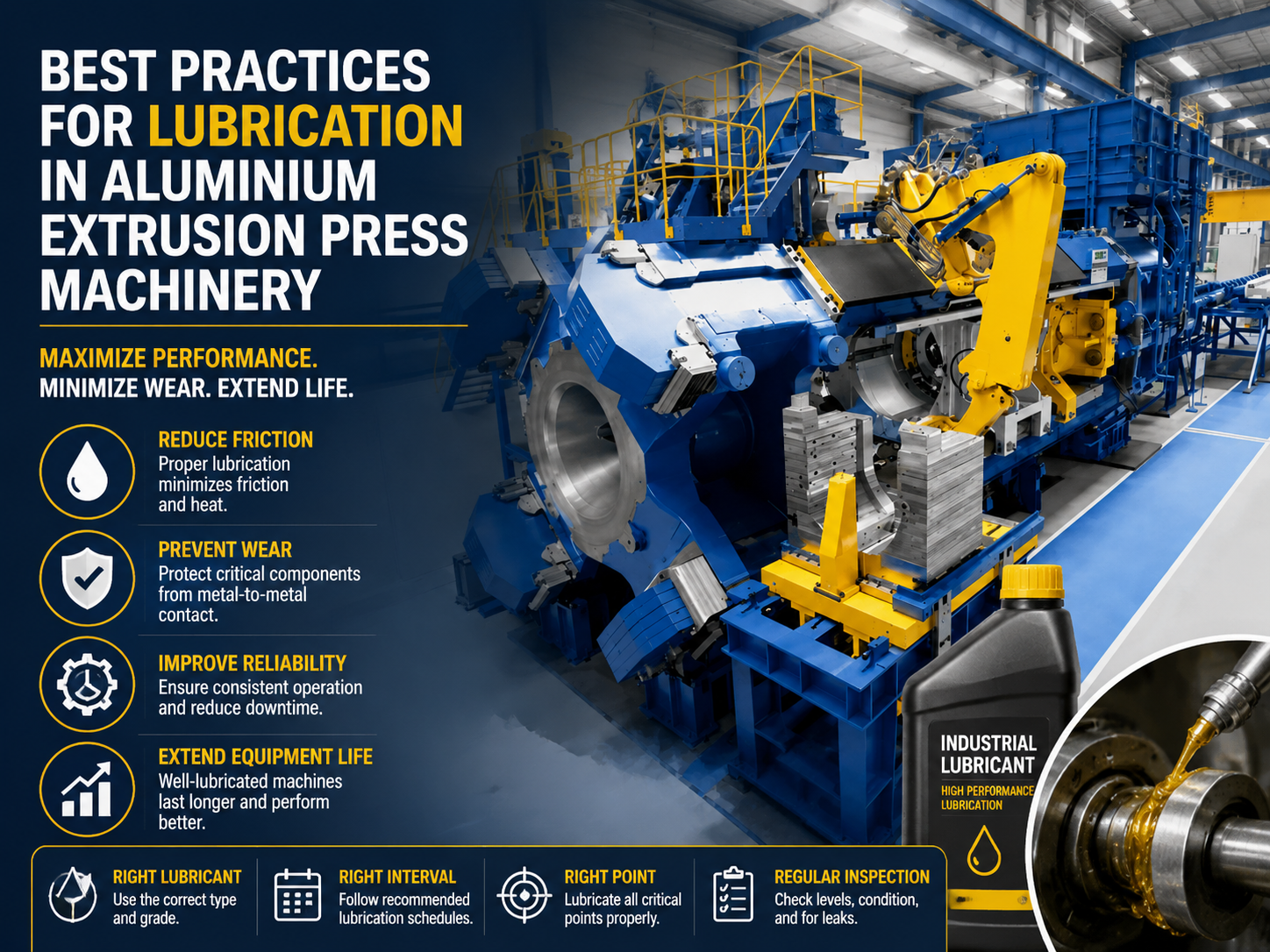
Technical Overview of Lubrication in Aluminium Extrusion
In the high-pressure environment of an aluminium extrusion press, lubrication is not merely a maintenance task; it is a critical operational requirement that dictates the longevity and precision of the machinery. Aluminium extrusion involves forcing heated aluminium billets through a shaped die under immense hydraulic pressure. This process generates significant heat and friction, which, if not managed by a robust lubrication system, can lead to catastrophic component failure, surface defects on the extruded profiles, and excessive energy consumption.
The lubrication system in an extrusion press serves multiple functions. Primarily, it reduces the coefficient of friction between the moving parts, such as the main ram, the container, and the die assembly. By maintaining a consistent film of lubricant, the system prevents metal-to-metal contact, which is the leading cause of galling and premature wear. Furthermore, lubricants act as a thermal transfer medium, helping to dissipate the intense heat generated during the extrusion cycle, thereby protecting sensitive hydraulic seals and mechanical linkages.
Modern HARSLE aluminium extrusion presses utilize sophisticated, automated lubrication systems that deliver precise amounts of lubricant to critical friction points. These systems are designed to operate under extreme conditions, including high temperatures and high-pressure environments. Understanding the chemistry and application methods of these lubricants is essential for any facility manager or maintenance engineer looking to maximize the ROI of their metal fabrication equipment.
Effective lubrication protocols also contribute to the overall quality of the final product. When the container and die are properly lubricated, the flow of the aluminium alloy becomes more uniform, reducing the likelihood of internal stresses and surface tearing. This technical guide explores the best practices for lubrication in aluminium extrusion press machinery, ensuring that your equipment operates at peak performance levels consistently.
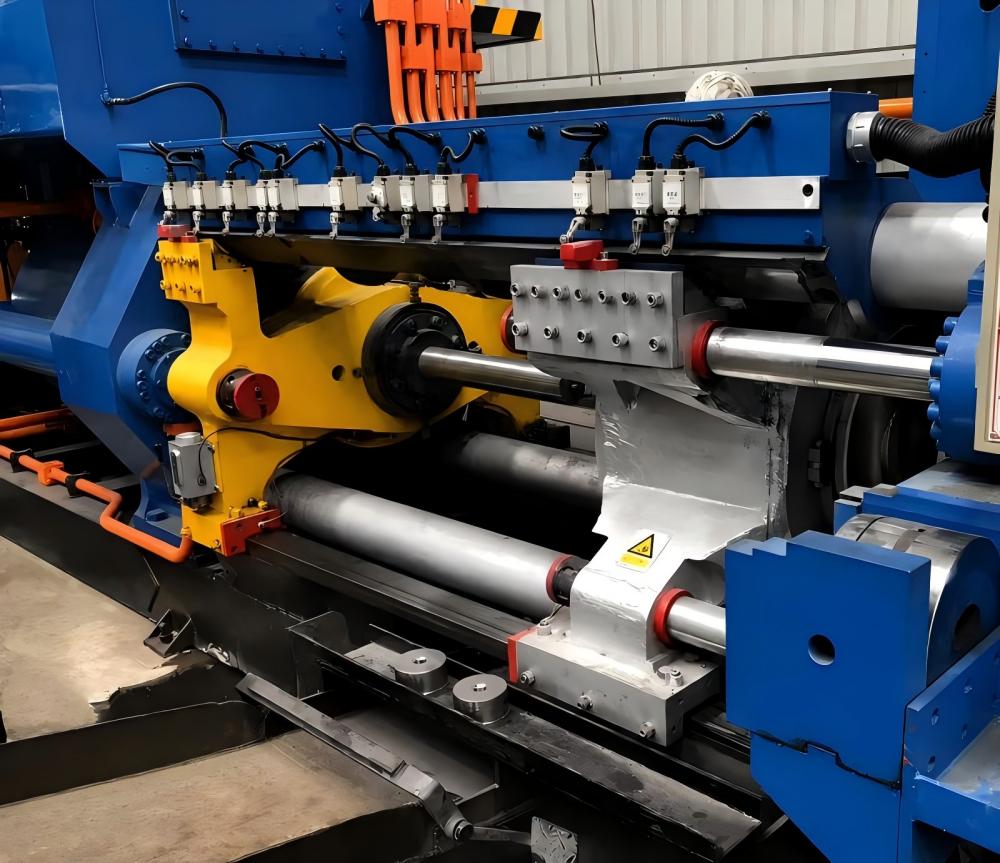
Core Parameters for Lubrication Systems
To implement the best practices for lubrication in aluminium extrusion press machinery, one must first understand the core parameters that define system performance. The most critical parameter is the viscosity index of the lubricant. Because extrusion presses operate at varying temperatures, the lubricant must maintain a stable viscosity to ensure it remains effective during both the cold start-up phase and the high-temperature production phase. A lubricant that is too thin at high temperatures will fail to provide a protective film, while one that is too thick at low temperatures will increase drag and energy consumption.
Another vital parameter is the oxidation stability of the hydraulic and lubricating oils. Extrusion presses often run for extended periods, exposing the oil to heat and air, which can lead to the formation of sludge and varnish. These contaminants can clog filters, restrict flow, and damage precision valves. High-quality lubricants with advanced oxidation inhibitors are necessary to maintain system cleanliness and prevent the degradation of hydraulic performance over time.
The additive package within the lubricant is also a core parameter. In extrusion applications, extreme pressure (EP) additives are essential. These additives chemically react with metal surfaces under high load to form a sacrificial layer that prevents welding and galling. However, these additives must be compatible with the seals and gaskets used in the press. Incompatible additives can cause seals to swell, shrink, or harden, leading to leaks and system downtime.
Finally, the delivery pressure and flow rate of the lubrication system must be calibrated to the specific requirements of the press. Automated systems must be programmed to deliver the exact volume of lubricant required for each cycle. Over-lubrication can lead to waste and environmental contamination, while under-lubrication will inevitably lead to accelerated wear. Monitoring these parameters through integrated sensors allows for real-time adjustments, ensuring that the lubrication process remains optimized throughout the production run.
Calculation Method for Lubricant Consumption
Calculating the correct amount of lubricant is a cornerstone of best practices for lubrication in aluminium extrusion press machinery. The goal is to achieve the ‘Goldilocks’ zone: enough to protect the surfaces, but not so much that it causes contamination or waste. The calculation begins with determining the surface area of the components requiring lubrication, specifically the container liner and the dummy block.
The formula generally involves the surface area of the contact zone multiplied by the desired film thickness, adjusted for the frequency of the extrusion cycle. For example, if the container liner has a circumference of ‘C’ and a length of ‘L’, the surface area ‘A’ is C x L. The required volume ‘V’ per cycle is then A x T, where ‘T’ is the target film thickness in microns. Engineers must also factor in the ‘evaporation rate’ of the lubricant, as a significant portion of the lubricant may vaporize due to the high temperatures of the aluminium billet.
Another factor in the calculation is the ‘recovery rate’ of the lubricant. In some advanced systems, excess lubricant is collected, filtered, and recirculated. If your system has this capability, the net consumption rate is reduced. Maintenance teams should conduct periodic audits to compare theoretical consumption (based on the formula) with actual consumption (based on reservoir levels). Discrepancies often indicate leaks, calibration errors in the pump, or excessive wear on the application nozzles.
It is also important to consider the alloy type being extruded. Harder alloys or those with higher magnesium content may require different lubrication volumes compared to softer, more ductile alloys. By maintaining a log of lubricant usage per ton of extruded aluminium, facilities can establish a baseline and identify trends that suggest the need for maintenance or a change in lubrication strategy.
Parameter Table: Recommended Lubricant Specifications
| Parameter | Recommended Value/Range | Importance |
|---|---|---|
| Viscosity at 40°C | 46 – 68 cSt | Ensures proper film strength |
| Viscosity Index | > 100 | Stability across temperature ranges |
| Flash Point | > 200°C | Safety and thermal resistance |
| Water Content | < 500 ppm | Prevents corrosion and cavitation |
| EP Additive Level | High (Sulfur/Phosphorus) | Prevents metal-to-metal welding |
| Filterability | < 10 microns | Protects hydraulic valves |
The table above provides a general guideline for selecting lubricants for aluminium extrusion presses. However, it is imperative to consult the specific manual provided by HARSLE for your particular machine model. Different press designs, such as direct vs. indirect extrusion presses, may have unique requirements that supersede general industry standards. Always prioritize the manufacturer’s recommendations to ensure warranty compliance and optimal machine health.
Common Engineering Mistakes in Lubrication
One of the most frequent mistakes in the industry is the ‘set it and forget it’ mentality. Many operators assume that because a system is automated, it does not require regular inspection. This leads to neglected filters, clogged nozzles, and undetected leaks. Best practices for lubrication in aluminium extrusion press machinery dictate that a proactive inspection schedule must be strictly followed, regardless of the level of automation.
Another common error is the mixing of different lubricant brands or types. Even if two oils have similar viscosity ratings, their additive packages may be chemically incompatible. Mixing them can lead to the precipitation of additives, which creates sludge that can block internal passages and cause the hydraulic system to fail. Always perform a full system flush when switching to a new lubricant brand or grade.
Ignoring the environmental conditions of the shop floor is also a major oversight. Aluminium extrusion facilities are often dusty and humid. If the lubricant storage or the reservoir breather systems are not properly sealed, contaminants will enter the system. These particulates act as an abrasive paste, rapidly wearing down the internal components of the press. Implementing a strict ‘clean-room’ approach to lubricant handling and storage is essential for long-term reliability.
Finally, failing to train personnel on the importance of lubrication is a critical mistake. Lubrication is often viewed as a low-skill task, but it requires an understanding of the machine’s mechanics and the chemistry of the fluids being used. When operators and maintenance staff understand the ‘why’ behind the lubrication protocols, they are more likely to identify early warning signs of failure, such as unusual noises, temperature spikes, or changes in the color of the lubricant, before they escalate into costly repairs.
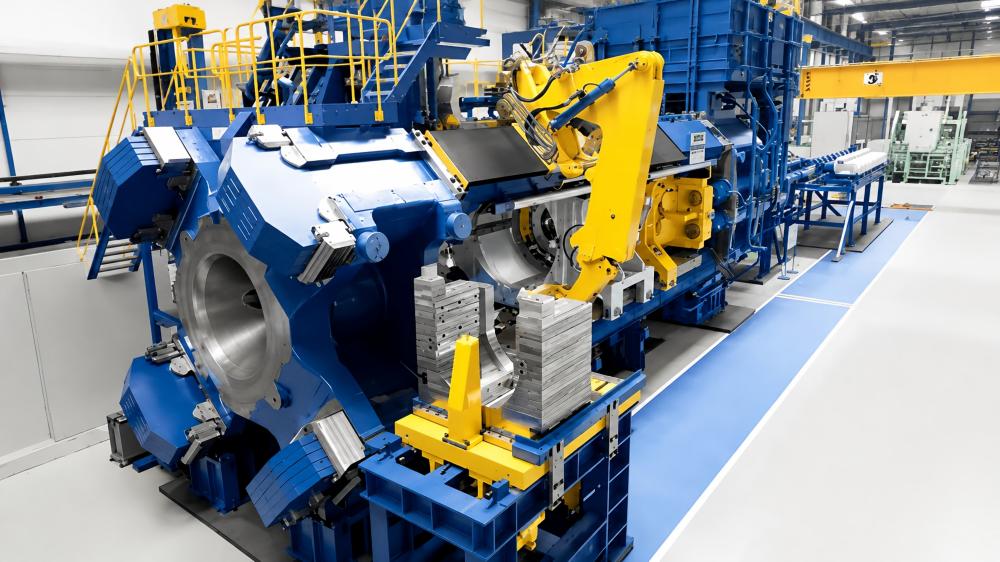
Selection Checklist for Lubrication Systems
When selecting a lubrication system or lubricant for your HARSLE aluminium extrusion press, use this checklist to ensure you are making an informed decision:
- Compatibility: Does the lubricant meet the OEM specifications for seal materials and metal alloys?
- Thermal Stability: Can the lubricant withstand the peak temperatures of the extrusion process without breaking down?
- Application Precision: Does the system allow for adjustable flow rates based on the specific extrusion profile?
- Monitoring Capabilities: Does the system include sensors for pressure, flow, and temperature with alarm outputs?
- Ease of Maintenance: Are the filters and reservoirs easily accessible for routine service?
- Environmental Impact: Is the lubricant biodegradable or easily recyclable to meet local environmental regulations?
- Supplier Support: Does the lubricant supplier provide technical support and oil analysis services?
By systematically evaluating these criteria, you can ensure that your lubrication strategy supports the long-term goals of your production facility. Investing in high-quality lubricants and reliable delivery systems is a small cost compared to the expense of unplanned downtime and major component replacement.
FAQ: Best Practices for Lubrication in Aluminium Extrusion Press Machinery
Q: How often should I perform an oil analysis on my extrusion press?
A: For most high-production facilities, an oil analysis should be performed every 500 to 1,000 operating hours. This helps identify wear metals, moisture, and additive depletion before they cause damage.
Q: Can I use the same lubricant for the hydraulic system and the die lubrication system?
A: Generally, no. Hydraulic systems require high-purity, anti-wear oils, while die lubrication often requires specialized release agents or graphite-based lubricants that are designed to withstand direct contact with the hot aluminium billet.
Q: What are the signs that my lubrication system is failing?
A: Common signs include increased operating temperatures, unusual ‘chatter’ or vibration during the extrusion stroke, visible leaks, and a decrease in the surface quality of the extruded aluminium profiles.
Q: Is it necessary to use synthetic lubricants in an extrusion press?
A: While mineral-based oils are common, synthetic lubricants offer superior thermal stability and a longer service life, which can be highly beneficial in high-temperature extrusion environments. Consult your HARSLE representative for specific recommendations.
Q: How does proper lubrication affect the energy efficiency of the press?
A: By reducing friction, the press requires less force to move the ram and push the billet through the die. This directly translates to lower power consumption and reduced strain on the hydraulic pump and motor.
In conclusion, adhering to the best practices for lubrication in aluminium extrusion press machinery is essential for maintaining a competitive edge in the metal fabrication industry. By focusing on proper parameter management, accurate consumption calculations, and rigorous maintenance schedules, you can ensure that your HARSLE equipment delivers consistent, high-quality results for years to come.