Automatic Briquetting Machine Features That Increase Production Efficiency: A Technical Guide

Technical Overview: The Evolution of Briquetting Technology
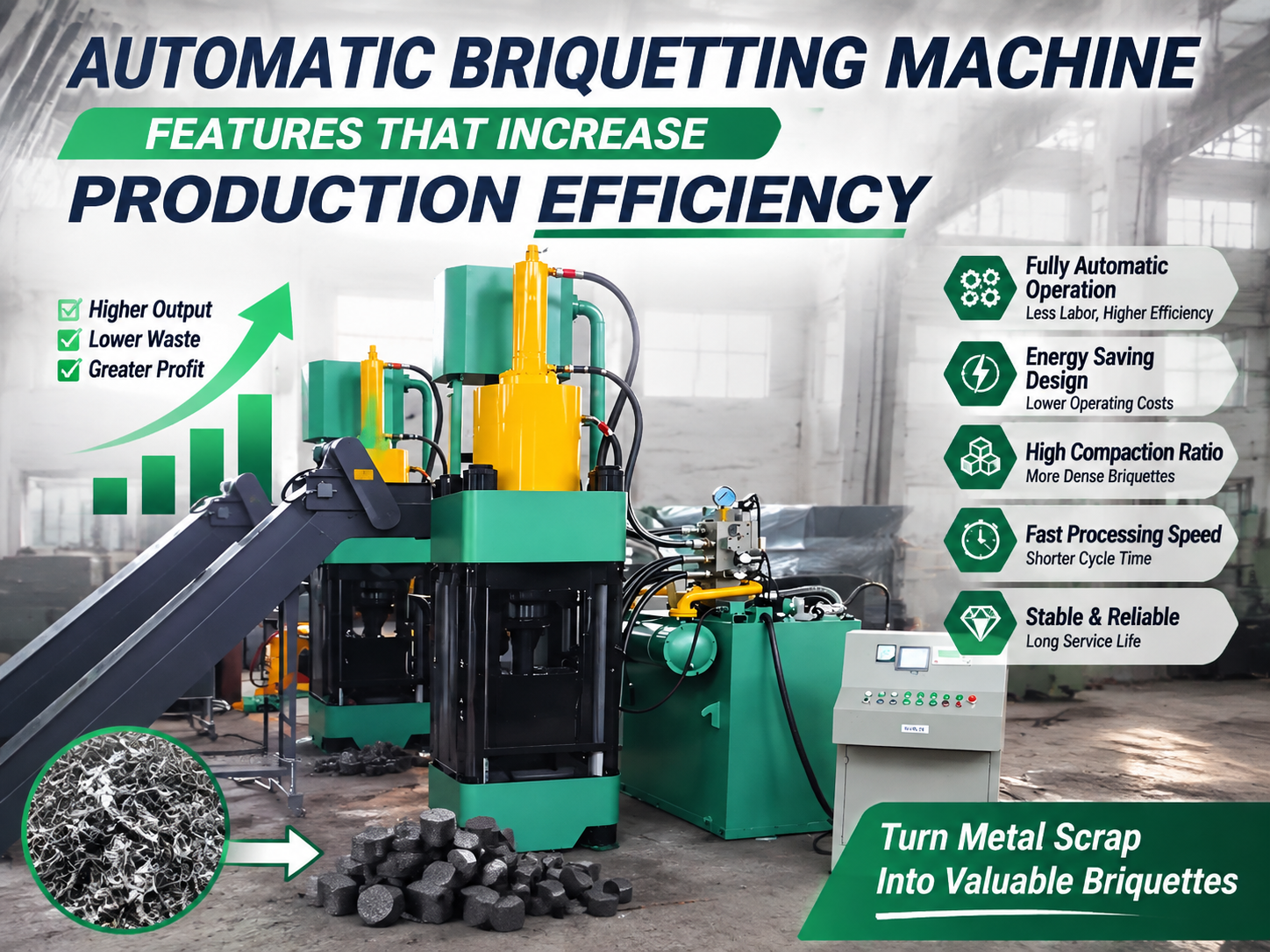
In the modern metal fabrication landscape, the management of metal chips, swarf, and turnings represents a significant operational challenge. Traditional disposal methods are not only environmentally taxing but also economically inefficient. HARSLE’s advanced briquetting systems have revolutionized this process by transforming loose, voluminous metal waste into dense, high-value briquettes. Understanding the automatic briquetting machine features that increase production efficiency is essential for facility managers looking to optimize their scrap handling workflows.
At its core, an automatic briquetting machine utilizes high-pressure hydraulic force to compress metal particles into a solid form without the need for binders. This process significantly reduces the volume of the material, often by a ratio of 10:1 or higher. By consolidating the material, manufacturers can reclaim valuable cutting fluids, reduce storage space requirements, and command higher prices from metal recyclers who prefer dense, clean scrap over loose turnings.
The integration of automation into these systems has shifted the paradigm from manual, labor-intensive scrap handling to a seamless, continuous-flow operation. Modern HARSLE machines feature sophisticated PLC control systems that monitor pressure, cycle times, and material density in real-time. This level of automation ensures that the machine operates at peak performance regardless of the operator’s experience level, effectively minimizing downtime and maximizing throughput.
Furthermore, the structural integrity of these machines is designed to withstand the harsh environments of high-volume fabrication shops. By utilizing high-grade steel and precision-engineered hydraulic components, HARSLE ensures that the briquetting process remains consistent over thousands of cycles. This reliability is a cornerstone of production efficiency, as it prevents the bottlenecks often associated with equipment failure or inconsistent output quality.
Core Parameters: Defining Performance and Throughput
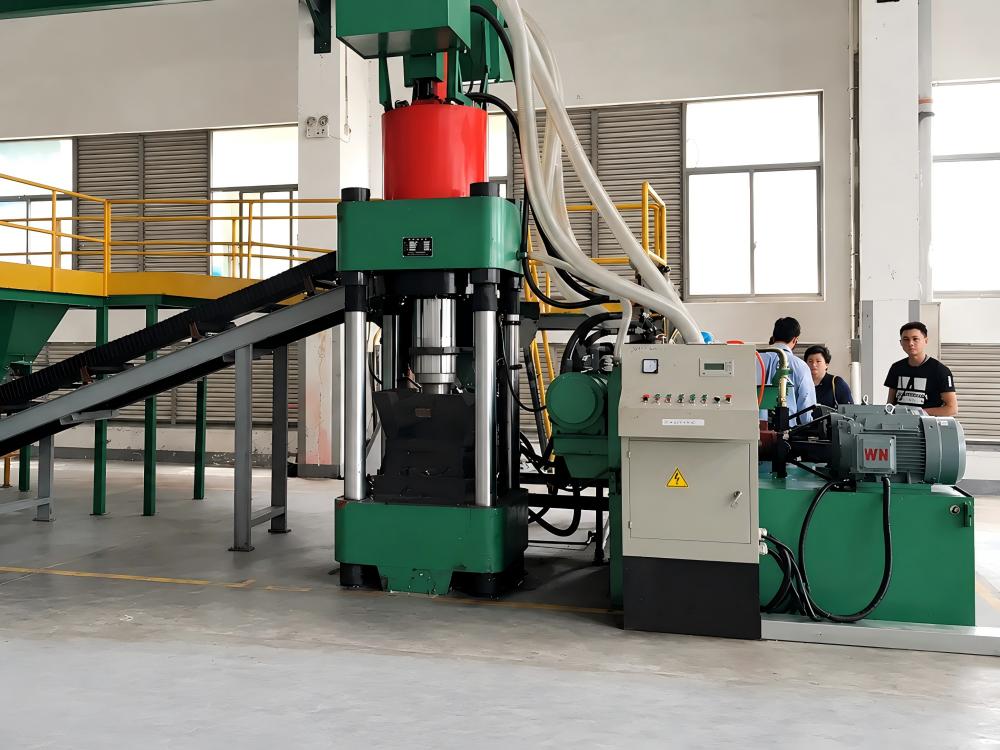
To fully leverage the automatic briquetting machine features that increase production efficiency, one must understand the core technical parameters that dictate machine performance. The primary metric is the compression force, measured in kilonewtons (kN) or tons. This force determines the density of the final briquette and the machine’s ability to process harder alloys like stainless steel or titanium versus softer materials like aluminum.
Cycle time is another critical parameter. An efficient machine should be capable of completing a full compression cycle—from material intake to briquette ejection—in a matter of seconds. HARSLE machines are engineered with high-speed hydraulic pumps and optimized valve configurations to ensure that the cycle time remains consistent even under heavy loads. This consistency is vital for maintaining a predictable production schedule.
Material density and moisture content also play a significant role in machine performance. The automatic feeding system must be calibrated to handle the specific bulk density of the incoming scrap. If the feed rate is too high, the compression chamber may clog; if it is too low, the machine operates below its potential capacity. Advanced sensors in HARSLE machines automatically adjust the feed rate based on the pressure readings in the compression chamber.
Finally, the briquette size and shape are parameters that influence downstream logistics. Standardized briquette sizes allow for easier stacking, transport, and melting in foundry furnaces. By producing uniform briquettes, manufacturers can optimize their logistics costs and improve the melting efficiency of their scrap, as dense briquettes have a lower surface-area-to-volume ratio, leading to reduced oxidation during the smelting process.
Calculation Method: Determining ROI and Efficiency Gains
Calculating the efficiency gains provided by an automatic briquetting machine involves a multi-faceted approach. First, consider the volume reduction ratio. If a facility produces 10 cubic meters of loose chips per day, and the briquetting process reduces this to 1 cubic meter, the storage and transport costs are immediately reduced by 90%. This is a direct contribution to the bottom line.
Second, calculate the fluid recovery rate. Metal chips are often saturated with expensive cutting oils or coolants. A HARSLE briquetting machine can recover up to 95% of these fluids. By multiplying the volume of recovered fluid by the cost per liter, facilities can identify a significant recurring cost saving. This recovered fluid can be filtered and reused, further extending the life of the coolant and reducing procurement costs.
Third, evaluate the scrap value premium. Metal recyclers pay significantly more for briquetted scrap than for loose turnings. The price difference per ton, multiplied by the annual tonnage processed, provides a clear picture of the revenue increase. When combined with the reduction in labor costs—as the machine automates the handling process—the Return on Investment (ROI) is often achieved within 12 to 24 months.
To perform a precise calculation, use the following formula: Efficiency Gain = (Cost Savings from Fluid Recovery + Increased Scrap Revenue + Reduced Logistics Costs) – (Energy Consumption + Maintenance Costs). By tracking these variables over a quarterly period, management can justify the capital expenditure and identify further areas for process optimization.
Parameter Table: HARSLE Briquetting Machine Specifications
| Parameter | Model HBS-100 | Model HBS-200 | Model HBS-400 |
|---|---|---|---|
| Compression Force (kN) | 1000 | 2000 | 4000 |
| Briquette Diameter (mm) | 60-80 | 80-100 | 100-150 |
| Production Capacity (kg/h) | 150-200 | 300-400 | 600-800 |
| Motor Power (kW) | 11 | 18.5 | 30 |
| Fluid Recovery Rate (%) | >90% | >92% | >95% |
Common Engineering Mistakes in Briquetting Operations
One of the most frequent mistakes in briquetting operations is the failure to properly segregate metal types. Mixing aluminum chips with steel or brass turnings can lead to inconsistent briquette density and potential contamination of the final melt. HARSLE recommends dedicated lines or thorough cleaning cycles between different material runs to ensure the highest quality output.
Another common error is neglecting the maintenance of the hydraulic system. Because briquetting machines operate under extreme pressure, the hydraulic oil must be kept clean and at the correct viscosity. Failure to monitor oil temperature or replace filters on schedule can lead to pump failure and significant downtime. Implementing a proactive maintenance schedule is a key automatic briquetting machine feature that increases production efficiency.
Improper feeding techniques also plague many facilities. Overloading the hopper with long, stringy turnings can cause bridging, where the material gets stuck and fails to enter the compression chamber. Using a shredder or crusher before the briquetting machine is often necessary for long-chip materials. Ignoring this pre-processing step forces the briquetting machine to work harder, leading to premature wear on the compression ram and die.
Finally, many operators fail to calibrate the machine for the specific material being processed. Every metal has a different compression ratio and spring-back characteristic. Using the same pressure settings for aluminum as for cast iron will result in either crumbling briquettes or excessive energy consumption. Regularly adjusting the PLC settings to match the material profile is essential for maintaining optimal efficiency.
Selection Checklist: Choosing the Right HARSLE Machine
When selecting a briquetting machine, start by analyzing your daily scrap volume. If your facility produces less than 500kg of scrap per day, a smaller, semi-automatic model may suffice. For high-volume production environments, a fully automatic, high-capacity system is required to keep up with the output of your CNC machines.
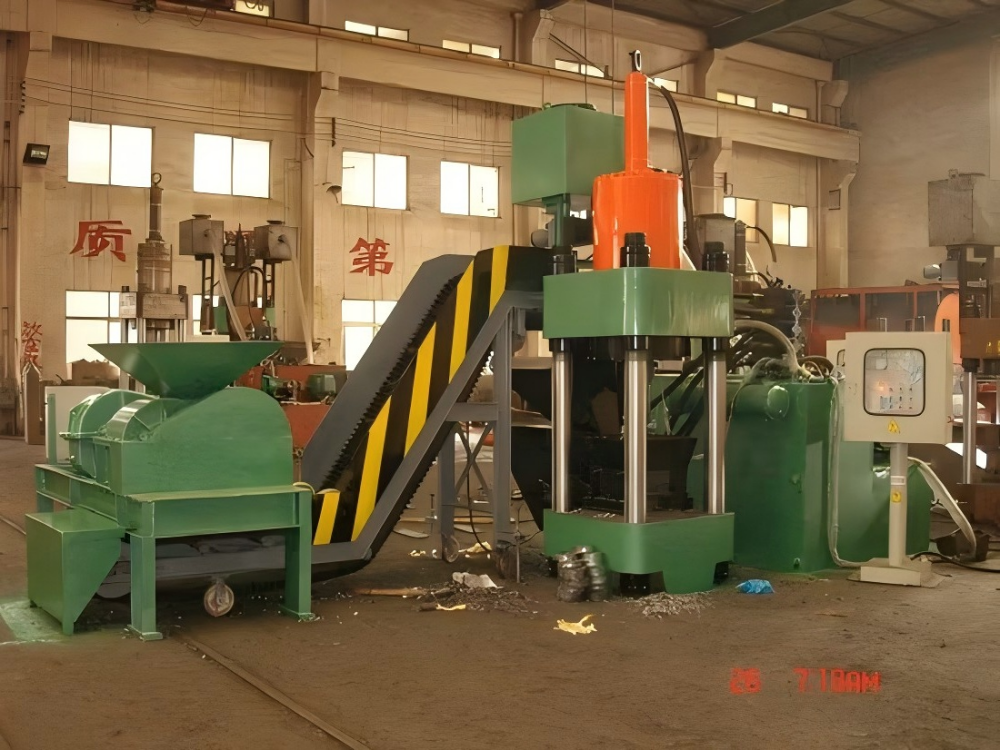
Consider the physical space available in your facility. HARSLE offers compact designs that can be integrated directly under or adjacent to machining centers. Ensure that the machine footprint allows for easy access for maintenance and that the discharge area is configured for efficient collection, such as via a conveyor belt or bin system.
Evaluate the material type. Are you processing ductile materials like steel or brittle materials like cast iron? The compression chamber design and the force required will vary significantly. Discuss your specific material composition with HARSLE engineers to ensure the machine is equipped with the correct die material and hydraulic configuration.
Look for advanced control features. An automatic briquetting machine that includes remote monitoring capabilities allows your maintenance team to track performance and receive alerts before a failure occurs. This proactive approach is one of the most effective automatic briquetting machine features that increase production efficiency, as it minimizes unplanned downtime and optimizes the service life of the equipment.
FAQ: Frequently Asked Questions
How does an automatic briquetting machine increase production efficiency?
It increases efficiency by automating the scrap handling process, reducing the volume of waste for storage, recovering valuable cutting fluids, and increasing the resale value of the metal. This reduces labor costs and creates a cleaner, safer work environment.
What types of metal can be processed?
HARSLE briquetting machines can process a wide range of metals, including aluminum, steel, copper, brass, cast iron, and various alloys. The machine settings are adjusted based on the material’s density and hardness.
How often should the machine be serviced?
Routine maintenance, such as checking hydraulic fluid levels and cleaning filters, should be performed weekly. A comprehensive professional service is recommended every 1,000 to 2,000 operating hours to ensure the longevity of the hydraulic components.
Can the briquettes be fed directly into a furnace?
Yes, the high density of the briquettes makes them ideal for direct charging into melting furnaces. They sink into the melt more effectively than loose chips, reducing oxidation and improving the overall yield of the smelting process.
What is the typical lifespan of a HARSLE briquetting machine?
With proper maintenance and regular replacement of wear parts like the compression die, a HARSLE briquetting machine can provide reliable service for 10 to 15 years in a standard industrial environment.