Aluminium Extrusion Press Overheating Issues: Troubleshooting and Solutions

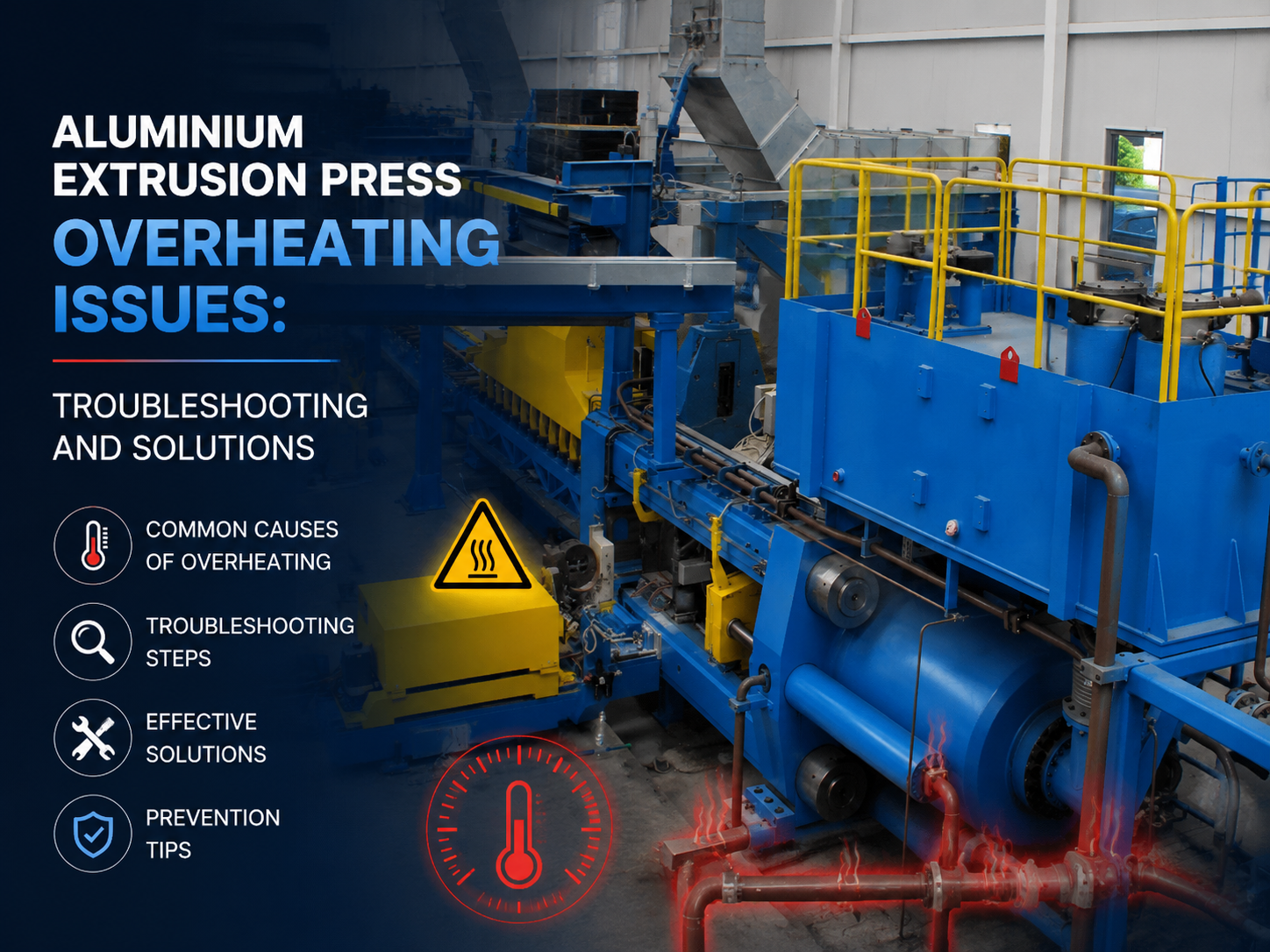
Introduction to Thermal Management in Aluminium Extrusion
In the world of metal fabrication, the aluminium extrusion press stands as a cornerstone of production, transforming raw billets into complex profiles used in everything from aerospace to construction. However, the efficiency and longevity of these massive machines are heavily dependent on one critical factor: temperature control. Aluminium Extrusion Press Overheating Issues: Troubleshooting Solutions are not just a matter of maintenance; they are essential for ensuring product quality and operational safety. When a press exceeds its optimal operating temperature, the consequences range from minor surface defects on the profiles to catastrophic hydraulic failure.
At HARSLE, we understand that an extrusion press is a high-energy system where mechanical force is converted into heat. The process involves pushing a heated aluminium billet through a die under immense pressure. This naturally generates significant friction and thermal energy. If this heat is not managed through robust cooling systems and precise operational parameters, the machine enters a state of thermal instability. Overheating affects the viscosity of hydraulic fluids, the structural integrity of the die, and the precision of the electronic control systems.
This comprehensive guide aims to delve deep into the causes of overheating in aluminium extrusion presses, providing technical insights and actionable troubleshooting steps. By understanding the interplay between hydraulic pressure, friction, and cooling capacity, operators can maximize the uptime of their HARSLE machinery and maintain the highest standards of production excellence. Whether you are dealing with a legacy system or a modern high-speed press, managing heat is the key to industrial success.
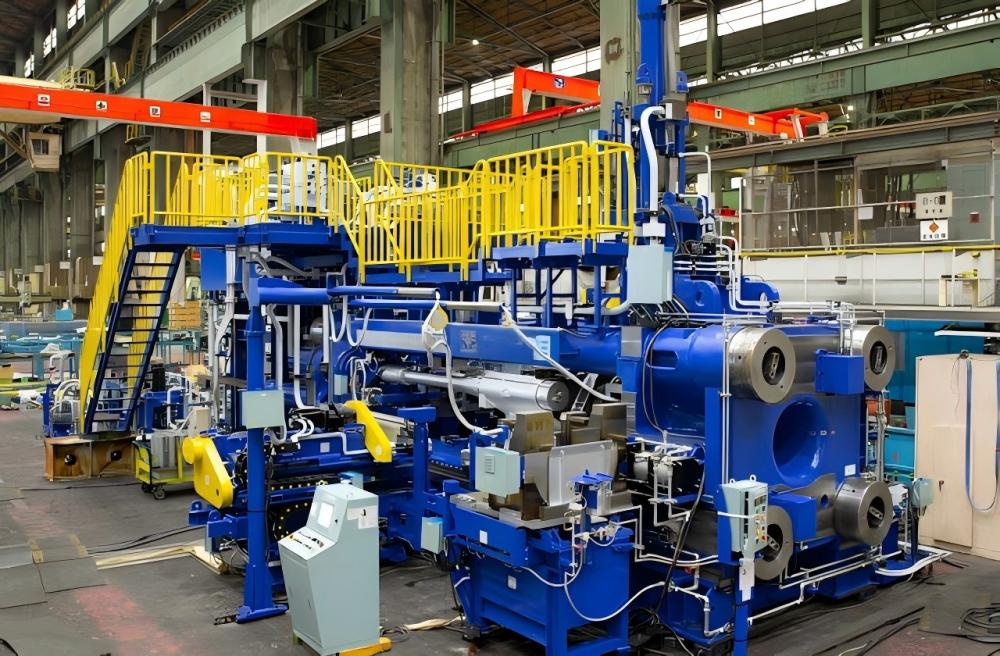
Key Considerations: Why Overheating Occurs
The primary challenge in aluminium extrusion is the “Speed-Temperature” paradox. To increase productivity, operators often want to increase the extrusion speed. However, higher speeds generate more frictional heat at the die land and within the container. If the heat generation exceeds the rate of heat dissipation, the temperature of the profile and the machine components will rise uncontrollably. This is the fundamental root of most Aluminium Extrusion Press Overheating Issues: Troubleshooting Solutions must therefore address both the heat source and the cooling mechanism.
Another key consideration is the condition of the hydraulic oil. Hydraulic systems are the lifeblood of the extrusion press, providing the force necessary for the ram to push the billet. Hydraulic oil has a specific operating window, typically between 40°C and 55°C. When the oil overheats, its viscosity drops, leading to internal leakage within pumps and valves. This not only reduces the efficiency of the press but also creates a feedback loop where the pump has to work harder, generating even more heat. Monitoring oil quality and temperature is the first line of defense against system-wide overheating.
Ambient environment and ventilation also play a significant role. In many industrial settings, the factory floor can reach high temperatures, especially during summer months. If the press is located in a poorly ventilated area, the heat exchangers (radiators or water-cooled chillers) cannot effectively dump the heat into the atmosphere. Furthermore, the accumulation of dust and aluminium fines on cooling fins can act as an insulator, further trapping heat within the system. Regular cleaning and environmental control are often overlooked but are vital for thermal stability.
Finally, the mechanical alignment of the press components must be considered. Misalignment between the ram, the container, and the die can cause uneven pressure distribution and excessive friction. This localized friction can lead to “hot spots” that are difficult for the general cooling system to manage. Ensuring that the press is perfectly leveled and aligned according to HARSLE’s technical specifications is essential for minimizing unnecessary heat generation during the extrusion cycle.
Technical Details of Overheating Mechanisms
Hydraulic System Thermal Dynamics
The hydraulic system of an aluminium extrusion press is a complex network of pumps, cylinders, and valves. Heat is generated here primarily through fluid friction and pressure drops. When oil passes through a narrow orifice or a relief valve at high pressure, the pressure energy is converted into heat. In a well-designed HARSLE press, the hydraulic circuit is optimized to minimize these losses, but wear and tear over time can increase internal leakage. This leakage is a major contributor to oil overheating, as the energy used to compress the fluid is lost as heat rather than being used for mechanical work.
The heat exchanger is the primary component responsible for removing this heat. Most presses use either air-cooled or water-cooled heat exchangers. In water-cooled systems, scaling and mineral buildup inside the tubes can significantly reduce the heat transfer coefficient. In air-cooled systems, the fan motor or the fins themselves may be the point of failure. Technical troubleshooting involves measuring the temperature differential (Delta T) across the heat exchanger to ensure it is operating within its design parameters.
Friction and the Extrusion Zone
The extrusion zone, consisting of the container, the die, and the dummy block, is where the most intense heat is generated. As the aluminium billet is forced through the die, the deformation of the metal and the friction against the die walls generate immense thermal energy. This is known as adiabatic heating. If the container heating elements are not properly calibrated, or if the cooling system for the container is failing, the temperature can spike, leading to “pick-up” or tearing on the surface of the extruded profile.
Modern HARSLE presses utilize sophisticated sensors to monitor the temperature of the container and the die in real-time. If these sensors fail or provide inaccurate readings, the control system may overcompensate, leading to overheating. Furthermore, the choice of lubricant for the dummy block and the die can influence the amount of frictional heat produced. Using high-quality, high-temperature lubricants is a technical necessity for maintaining thermal equilibrium during long production runs.
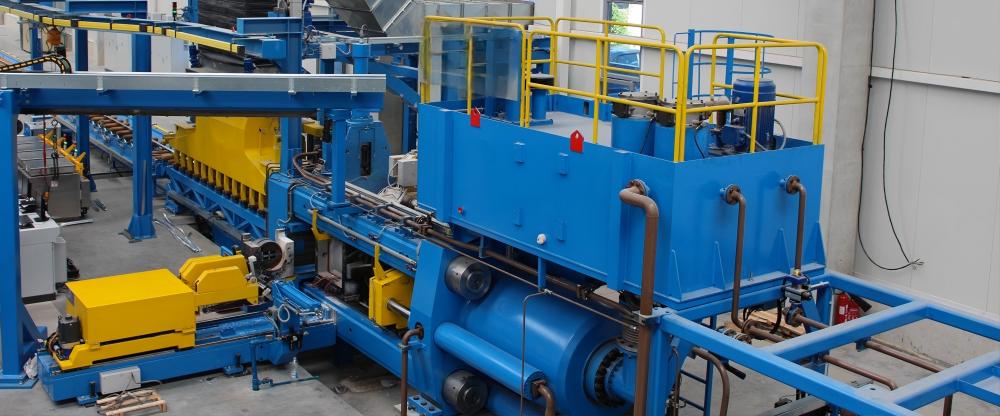
Troubleshooting and Solutions: A Step-by-Step Guide
When faced with Aluminium Extrusion Press Overheating Issues: Troubleshooting Solutions should follow a logical progression from the simplest to the most complex components. The following table provides a quick reference for common overheating symptoms and their corresponding fixes:
| Symptom | Potential Cause | Recommended Solution |
|---|---|---|
| Hydraulic oil temperature exceeds 60°C | Clogged heat exchanger or failing cooling pump | Clean cooling fins/tubes; check pump flow rate and pressure. |
| Profile surface tearing or melting | Extrusion speed too high or die temperature too high | Reduce ram speed; check die oven settings and container cooling. |
| Inconsistent ram pressure | Oil viscosity too low due to heat | Check oil quality; ensure cooling system is active before starting. |
| Loud noise from hydraulic pumps | Cavitation caused by overheated, aerated oil | Inspect suction lines for leaks; replace oil if degraded. |
| Control system thermal alarms | Electrical cabinet cooling fan failure | Replace cabinet fans; ensure filters are clean. |
Beyond the table, a deeper dive into the cooling water circuit is often necessary. If the press uses a cooling tower, the water chemistry must be monitored. High levels of calcium or algae growth can insulate the heat exchanger. Implementing a water treatment program is a long-term solution to prevent recurring overheating. Additionally, checking the bypass valves in the hydraulic circuit is crucial. If a relief valve is stuck partially open, it will continuously dump high-pressure oil back to the tank, generating massive amounts of heat without doing any work.
For the mechanical side, inspecting the container liners for wear is essential. A worn liner increases friction and allows aluminium to bypass the dummy block, creating excessive heat and potential damage to the press. Replacing liners and dummy blocks at the first sign of significant wear is a proactive solution that prevents overheating and maintains profile tolerances. HARSLE provides detailed maintenance schedules to help operators stay ahead of these issues.
Selection Advice for High-Thermal-Efficiency Presses
When purchasing a new aluminium extrusion press, thermal management should be a top priority in the selection criteria. A machine that cannot handle the heat will never reach its rated production capacity. Look for presses that feature “Isothermal Extrusion” capabilities. This technology automatically adjusts the ram speed based on real-time temperature feedback from the die, ensuring that the profile exits at a constant temperature. This not only prevents overheating but also ensures uniform mechanical properties throughout the length of the extrusion.
The design of the hydraulic tank and cooling circuit is another critical factor. A larger hydraulic reservoir allows for better natural heat dissipation and gives air bubbles more time to escape the fluid. HARSLE presses are designed with optimized tank geometries and high-efficiency plate heat exchangers that offer superior cooling performance compared to traditional shell-and-tube designs. Furthermore, consider the accessibility of the cooling components; if a heat exchanger is difficult to reach, it is less likely to be cleaned regularly by maintenance staff.
Energy efficiency and thermal management often go hand-in-hand. Modern presses equipped with servo-driven pumps generate significantly less heat than those with traditional fixed-displacement pumps. Servo pumps only deliver the flow and pressure required for the current stage of the cycle, meaning they aren’t constantly bypassing oil and generating heat during idle times. Investing in a HARSLE servo-hydraulic press can drastically reduce the load on your cooling system and lower your overall energy costs.
Frequently Asked Questions (FAQ)
What is the ideal operating temperature for an aluminium extrusion press?
The ideal temperature depends on the component. Hydraulic oil should ideally stay between 40°C and 50°C. The aluminium billet is typically pre-heated to 400°C-500°C, while the container is maintained slightly lower to allow for frictional heat gain during the stroke. If any of these exceed their set points by more than 10%, troubleshooting should begin immediately.
How does overheating affect the quality of the aluminium profiles?
Overheating leads to several defects, most notably “hot shortness” or tearing, where the surface of the aluminium becomes brittle and cracks as it exits the die. It can also cause dimensional instability, as the metal expands more than calculated, and can lead to a poor surface finish known as “pick-up,” where small particles of aluminium weld themselves to the die and then scratch subsequent profiles.
Can I use any hydraulic oil in my HARSLE press?
No, it is critical to use the specific grade and type of hydraulic oil recommended in the HARSLE manual. These oils are formulated with anti-wear additives and viscosity index improvers that are designed to handle the specific thermal loads of an extrusion press. Using the wrong oil can lead to rapid degradation and overheating.
How often should I clean the cooling system?
In a standard industrial environment, air filters and cooling fins should be inspected weekly and cleaned monthly. For water-cooled systems, the heat exchanger should be flushed and inspected for scaling every six months, or more frequently if the water quality is poor.
Conclusion: Mastering the Heat for Maximum Productivity
Managing Aluminium Extrusion Press Overheating Issues: Troubleshooting Solutions is a continuous process that requires a combination of robust machine design, diligent maintenance, and operator expertise. Heat is an inevitable byproduct of the extrusion process, but it does not have to be a limiting factor for your production. By monitoring hydraulic health, maintaining cooling systems, and utilizing the advanced control features found in HARSLE machinery, manufacturers can achieve high-speed production without compromising on quality or safety.
Ultimately, the goal is to achieve a state of thermal equilibrium where the heat generated is perfectly balanced by the heat removed. This stability leads to longer component life, lower energy consumption, and superior aluminium profiles. As the industry moves toward more automated and high-speed extrusion technologies, the importance of sophisticated thermal management will only grow. Partnering with a knowledgeable manufacturer like HARSLE ensures that you have the equipment and the support necessary to keep your operations running cool and efficient, even under the most demanding production schedules.