Affordable Scrap Metal Baler Options for Metal Recycling Businesses: A Comprehensive Guide

Price Range Overview
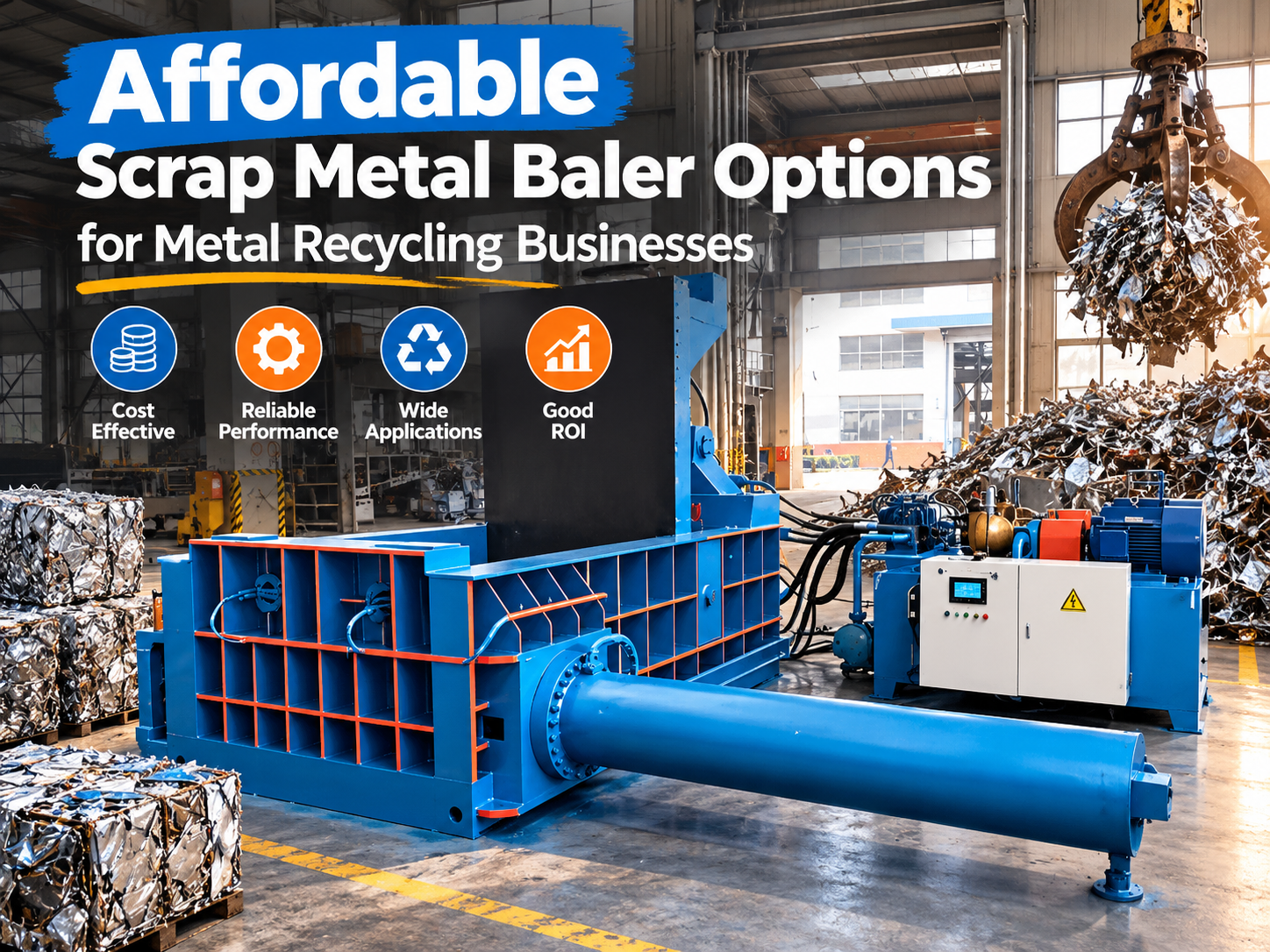
For metal recycling businesses, the investment in a scrap metal baler is often the most significant capital expenditure. Understanding the market landscape is crucial for finding affordable scrap metal baler options for metal recycling businesses. Generally, entry-level vertical balers designed for light-gauge aluminum or copper can range from $8,000 to $15,000. These machines are ideal for smaller facilities or those just beginning their recycling journey.
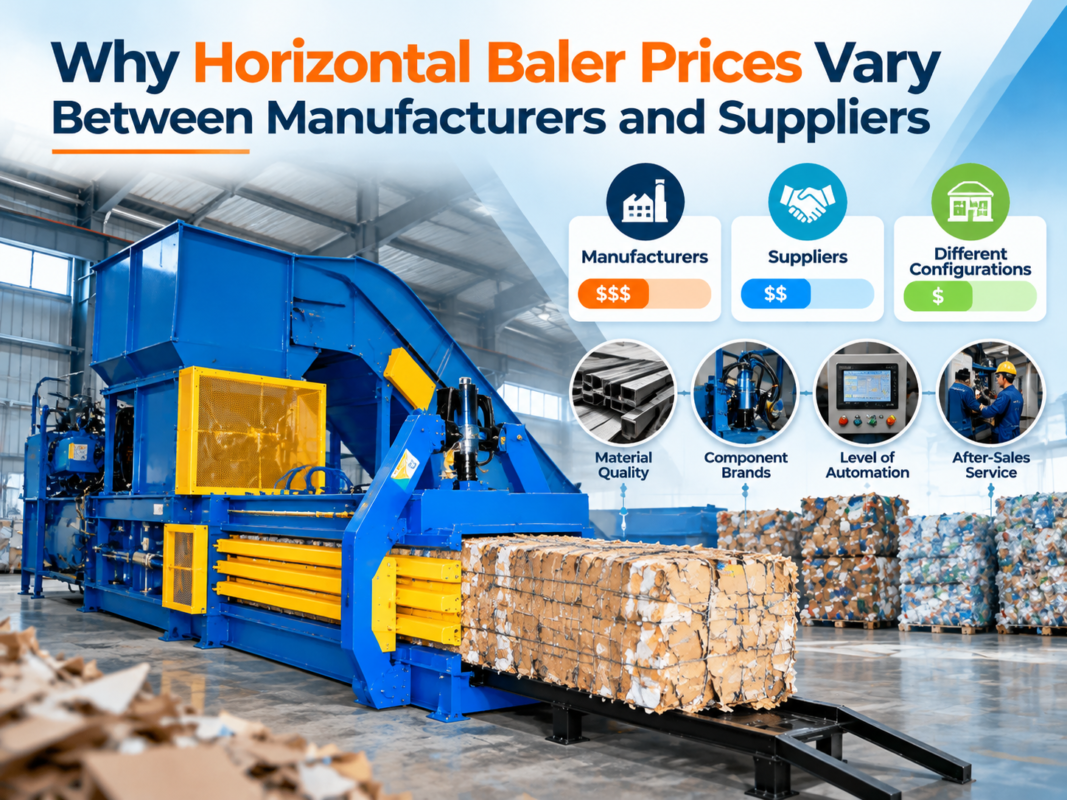
Moving into the mid-range category, semi-automatic horizontal balers typically fall between $25,000 and $60,000. These units offer higher throughput and are better suited for businesses processing moderate volumes of mixed scrap. The price variation here is largely dictated by the motor horsepower, cylinder bore size, and the level of automation integrated into the control system.
High-capacity, fully automatic balers represent the top tier of the market, often exceeding $100,000. While these may seem expensive, they are designed for high-volume industrial operations where labor costs and processing speed are the primary concerns. When searching for affordable options, it is essential to balance the initial purchase price against the long-term operational efficiency of the machine.
HARSLE provides a range of solutions that bridge the gap between industrial-grade performance and cost-effectiveness. By focusing on essential features rather than unnecessary bells and whistles, recycling businesses can secure high-quality machinery that fits their budget without compromising on structural integrity or safety standards.
Main Cost Drivers
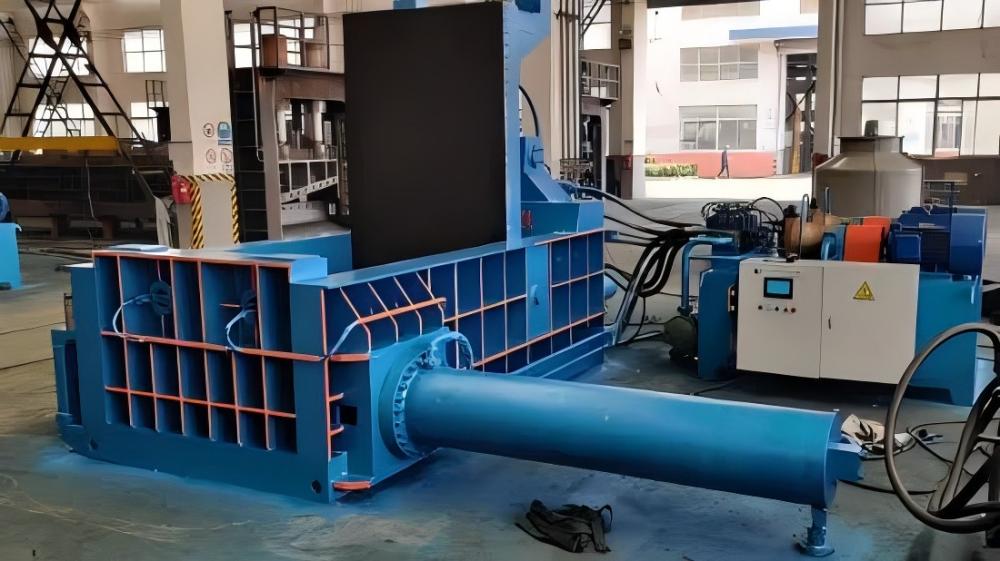
Several factors influence the final price tag of a scrap metal baler. The most significant driver is the hydraulic system’s power. A larger motor and a more robust hydraulic pump increase the force the machine can exert, which is necessary for compressing dense metals like steel or heavy-gauge copper. Higher force requirements necessitate thicker steel plating and reinforced structural components, which directly increase manufacturing costs.
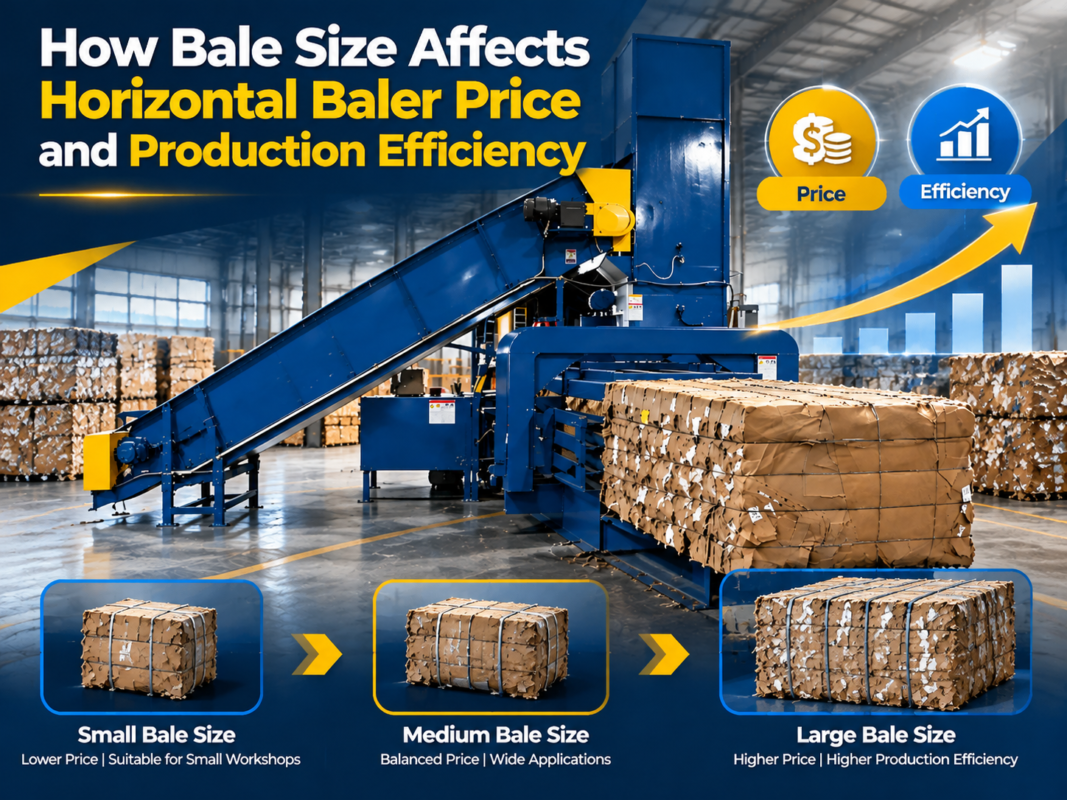
The physical size and throughput capacity of the baler also play a major role. Larger feed openings and wider chambers allow for faster processing of bulky scrap, but they require more raw material to build. Businesses must carefully assess their daily volume requirements; purchasing a machine that is significantly larger than necessary leads to wasted capital, while an undersized machine leads to bottlenecks and increased labor costs.
Automation levels are another critical cost factor. Manual tie-off systems are significantly cheaper than automatic wire-tying systems. While manual systems require more operator intervention, they are often the most affordable scrap metal baler options for metal recycling businesses that are just starting out or have lower daily throughput requirements.
Finally, the quality of the control system and safety features impacts the price. Modern PLC (Programmable Logic Controller) systems provide better diagnostics and operational control, which can reduce downtime. While these systems add to the upfront cost, they often pay for themselves by preventing mechanical failures and ensuring consistent bale density, which is vital for maximizing the resale value of the scrap.
Configuration Impact
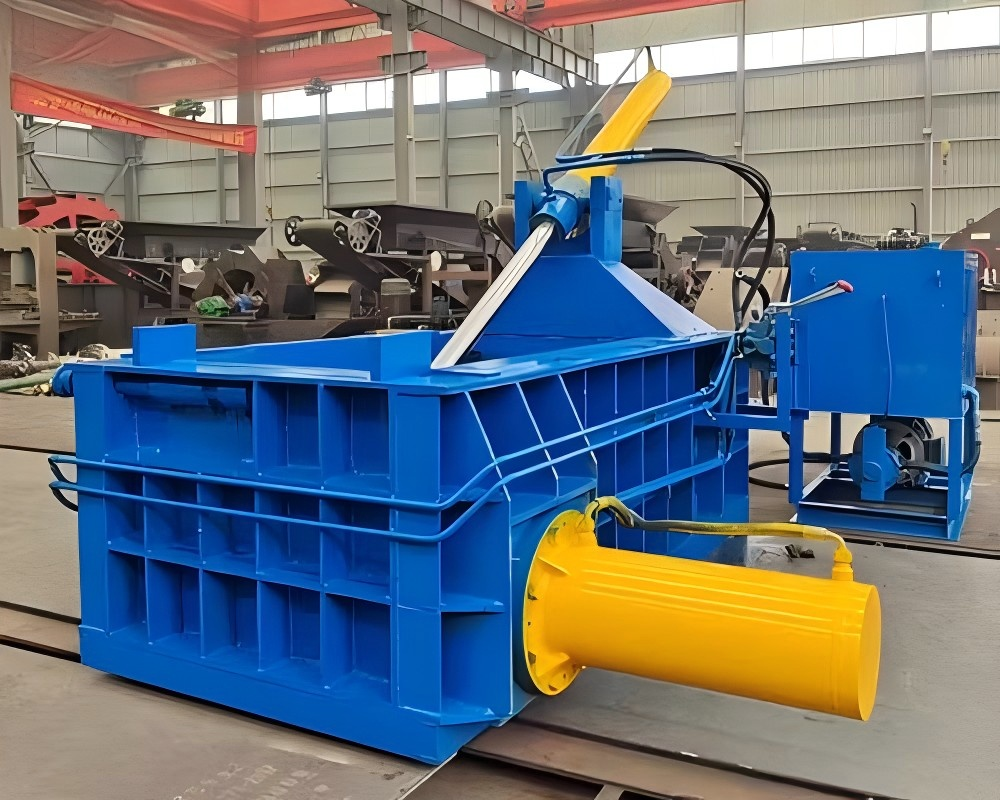
The configuration of a scrap metal baler significantly alters its price and operational suitability. Vertical balers are generally the most affordable option, occupying a small footprint and requiring minimal installation effort. They are perfect for facilities with limited space, though they do require more manual labor for loading and tying off the bales compared to horizontal counterparts.
Horizontal balers offer a more continuous workflow. A closed-end horizontal baler is a popular choice for businesses seeking a balance between price and performance. These machines allow for a steady feed of material, which is then compressed into a bale and ejected. This configuration is highly efficient for processing various types of metal scrap, including cans, wire, and sheet metal offcuts.
For businesses handling high volumes of uniform scrap, an open-end horizontal baler with automatic wire tying is the gold standard. While these are at the higher end of the price spectrum, they drastically reduce labor costs. When evaluating affordable scrap metal baler options for metal recycling businesses, consider whether a semi-automatic configuration can be upgraded later to an automatic system, allowing for a phased investment approach.
Customization options, such as specialized feed conveyors or hopper designs, can also impact the final cost. A standard hopper is usually sufficient for most applications, but if your facility processes long, awkward pieces of scrap, a custom-designed feed system may be necessary. Always prioritize the core structural components over aesthetic or non-essential features to keep costs manageable.
Hidden Costs
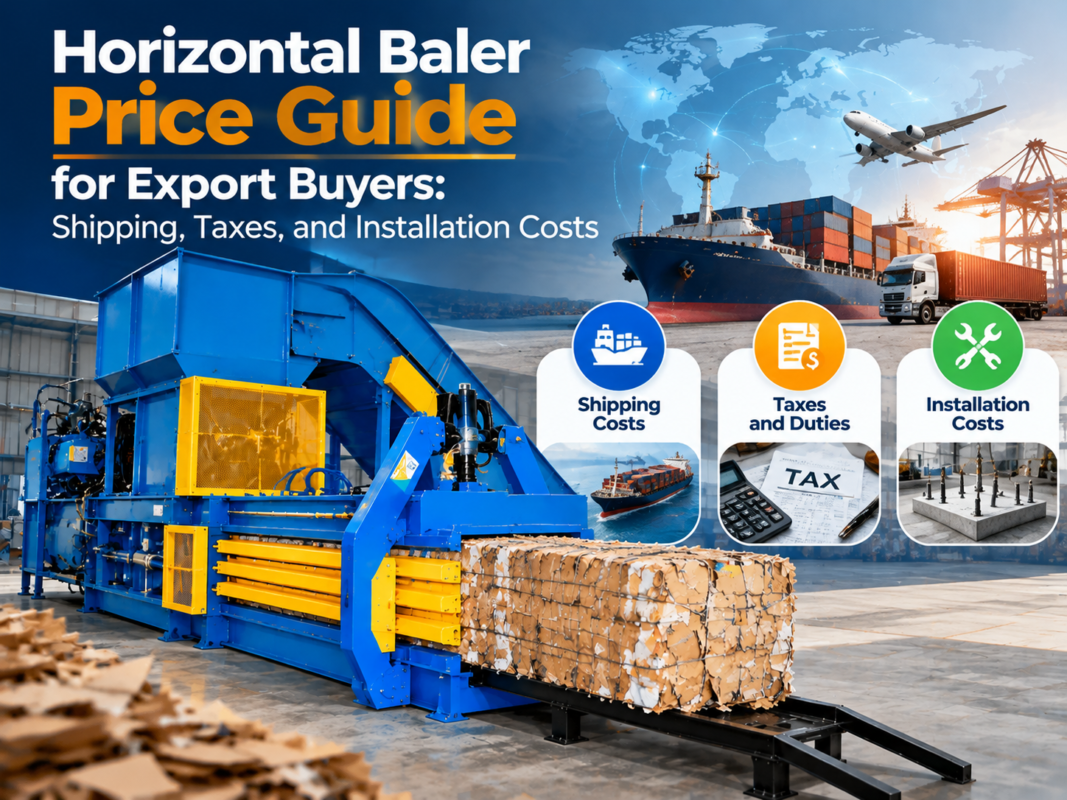
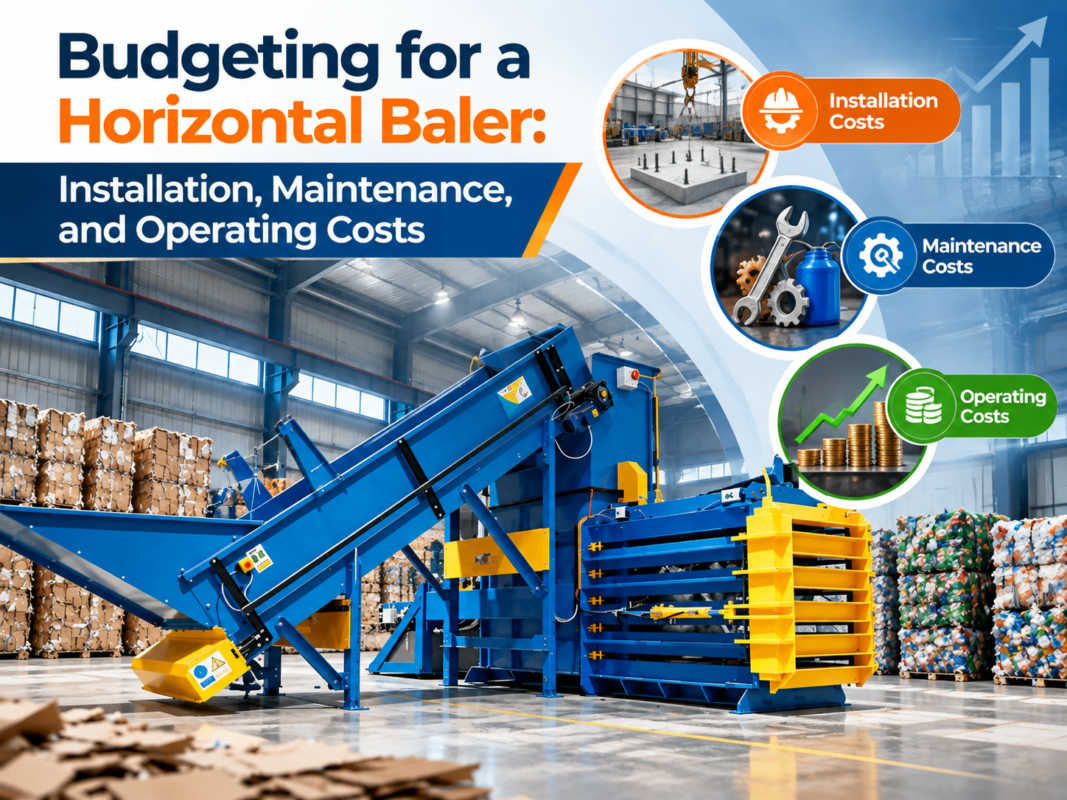
When budgeting for a new baler, many businesses overlook the hidden costs associated with installation and ongoing operation. Site preparation is a major factor; heavy-duty balers often require a reinforced concrete pad to handle the weight and the vibration generated during the compression cycle. Electrical upgrades, such as installing high-voltage lines or dedicated circuits, can also add thousands to the total project cost.
Shipping and logistics are frequently underestimated. Because these machines are massive and heavy, freight costs can be substantial, especially if the equipment is being imported. It is vital to get a clear quote that includes delivery, offloading, and positioning of the machine within your facility. Some suppliers may offer turnkey installation services, which, while more expensive upfront, can prevent costly mistakes during setup.
Maintenance and spare parts are ongoing expenses that must be factored into the total cost of ownership. Hydraulic oil, filters, seals, and wire for tying are recurring costs. Choosing a machine from a reputable manufacturer like HARSLE ensures that spare parts are readily available and that the machine is designed for ease of maintenance, which reduces long-term service costs.
Training and safety compliance are also essential. Operators must be trained to use the equipment safely and efficiently to prevent accidents and machine damage. Additionally, depending on your local jurisdiction, you may need to invest in safety guards, emergency stop systems, or noise mitigation measures to comply with industrial regulations. Ignoring these requirements can lead to fines and operational shutdowns.
ROI Calculation
Calculating the Return on Investment (ROI) for a scrap metal baler involves looking at both direct and indirect savings. The primary financial benefit comes from the increased value of baled scrap compared to loose scrap. Metal recyclers pay a premium for dense, uniform bales because they are easier to transport and process at the smelter. By baling your scrap, you can significantly increase the price per ton you receive from your scrap dealer.
Labor savings are another major component of the ROI. A baler reduces the time spent manually sorting, stacking, and moving loose scrap. By automating the compaction process, your team can focus on higher-value tasks, such as sorting different metal grades or managing customer relationships. Over time, the reduction in man-hours required to process the same volume of material can be substantial.
Logistics and storage savings should also be included in your ROI analysis. Baled scrap takes up significantly less space, allowing you to store more material on-site before needing a pickup. This reduces the frequency of truck visits, lowering your overall logistics costs. Furthermore, many transport companies charge by the load; being able to maximize the weight of each load through dense baling directly translates to lower shipping costs per ton.
To calculate your ROI, estimate the difference in revenue between loose and baled scrap, subtract the monthly operating costs (electricity, maintenance, labor), and divide the initial investment by the net monthly savings. This will give you a clear picture of the payback period. For many businesses, a well-chosen baler pays for itself within 18 to 36 months, making it a sound financial decision.
Buying Advice
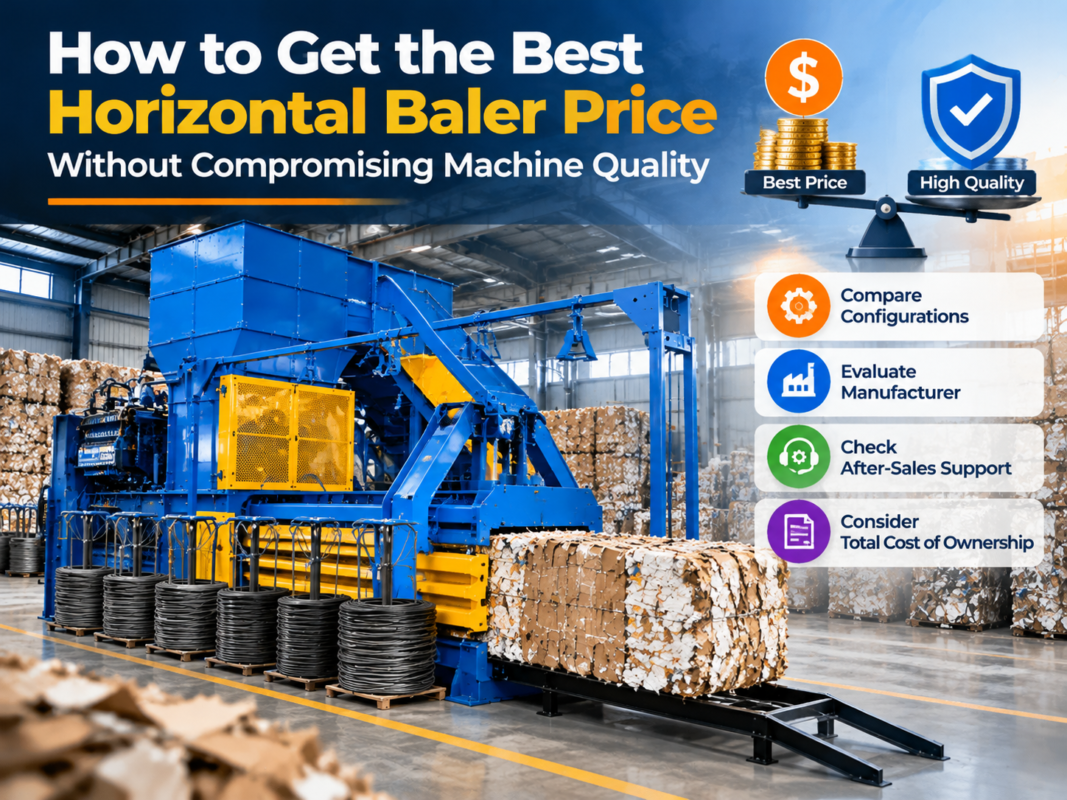
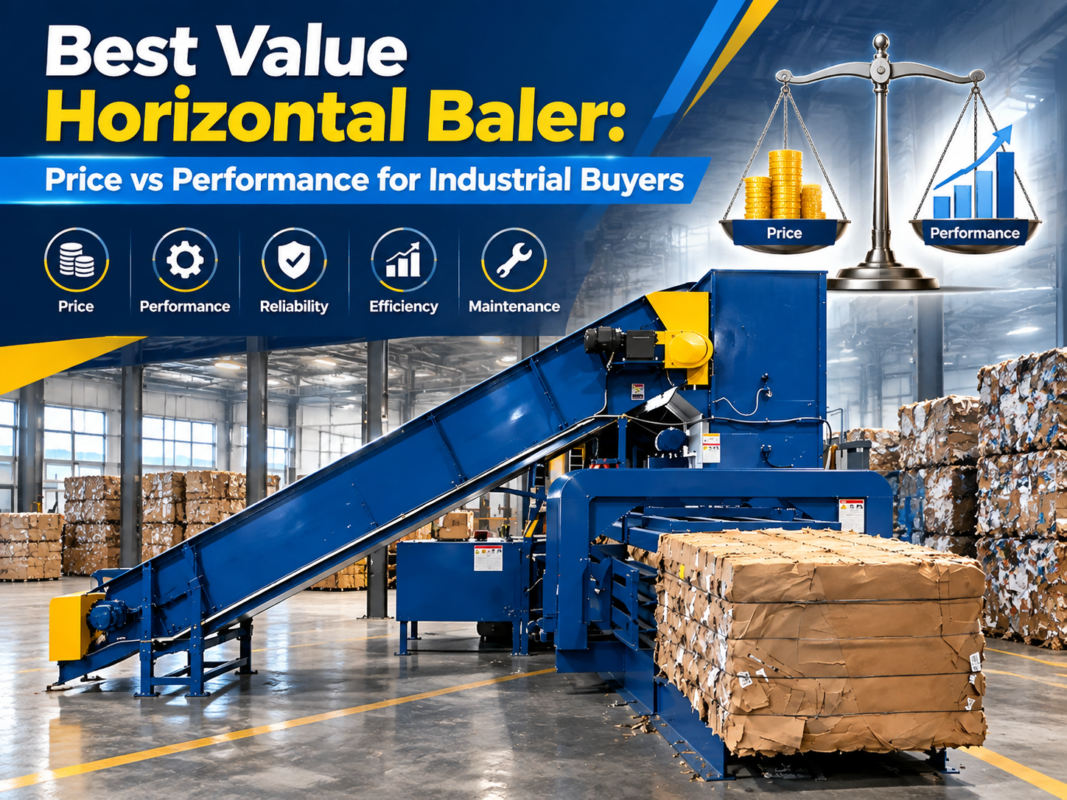
When searching for affordable scrap metal baler options for metal recycling businesses, start by conducting a thorough audit of your current scrap volume and material types. Do not overbuy; a machine that is too large for your needs will be inefficient and costly to run. Conversely, do not sacrifice quality for a lower price. A cheap machine that breaks down frequently will cost more in downtime and repairs than a slightly more expensive, reliable unit.
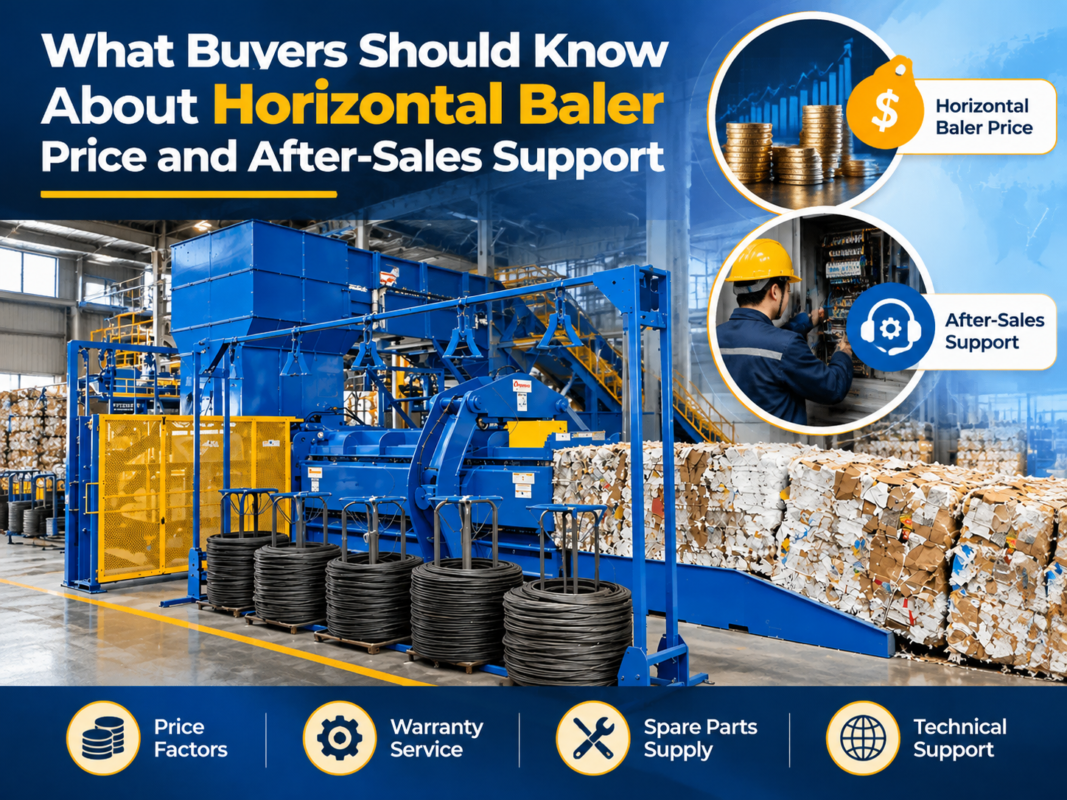
Always prioritize manufacturers that offer strong technical support and a clear warranty. A baler is a long-term asset, and you need to know that you can get help if something goes wrong. Ask about the availability of local service technicians and the typical lead time for spare parts. HARSLE prides itself on providing comprehensive support to ensure your operations remain uninterrupted.
Consider the ease of operation. A user-friendly interface reduces the learning curve for your staff and minimizes the risk of operator error. Look for features like intuitive control panels, clear safety indicators, and accessible maintenance points. A machine that is easy to clean and service will last significantly longer than one that is difficult to maintain.
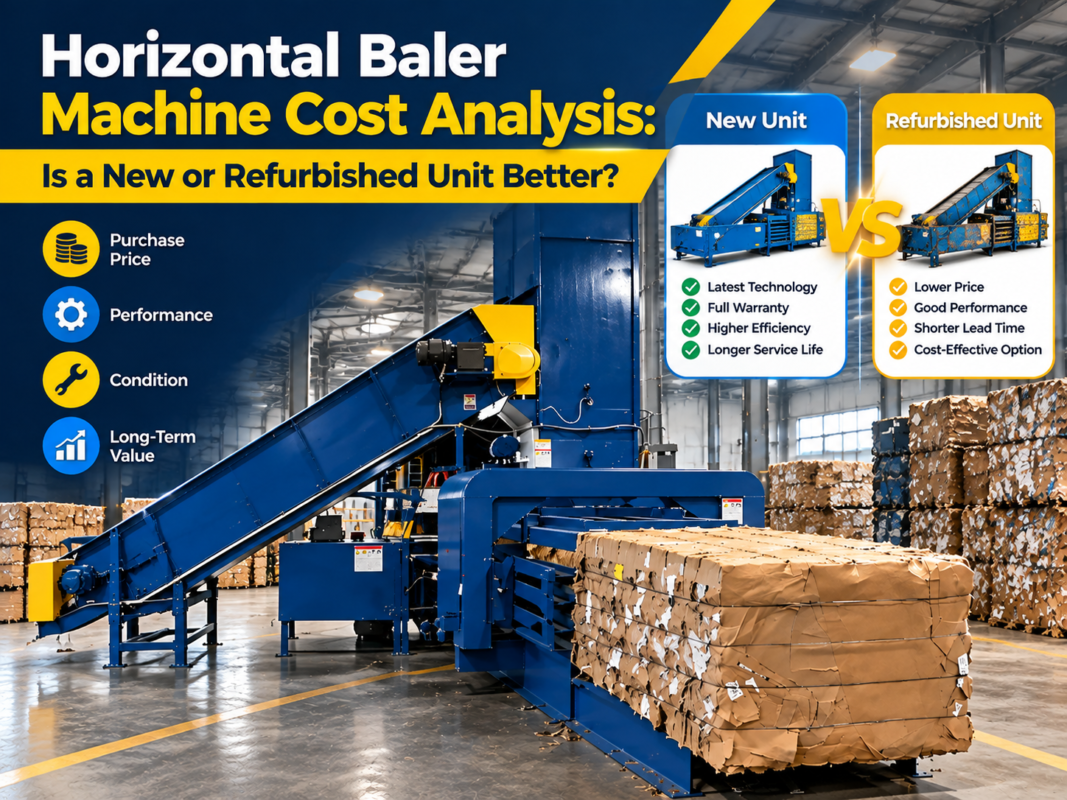
Finally, consider the secondary market, but proceed with caution. While used balers can be cheaper, they often come with hidden mechanical issues and no warranty. If you choose to go the used route, have a qualified technician inspect the machine before purchase. For most businesses, buying a new, entry-level machine from a trusted brand is the safer and more cost-effective choice in the long run.
FAQ
What is the most affordable type of scrap metal baler?
Vertical balers are generally the most affordable option. They are compact, require less power, and have a lower purchase price compared to horizontal balers, making them ideal for smaller recycling operations.
How much does a scrap metal baler cost?
Prices vary widely based on capacity and automation. Entry-level vertical balers start around $8,000, while industrial-grade horizontal balers can cost over $100,000. It is best to request a quote based on your specific volume requirements.
Does baling scrap metal really increase profit?
Yes. Baled scrap is easier to transport and process, which allows recyclers to offer higher prices per ton. Additionally, you save on storage space and logistics costs by reducing the volume of your scrap.
What maintenance is required for a scrap metal baler?
Regular maintenance includes checking hydraulic fluid levels, inspecting hoses for leaks, cleaning the chamber, and ensuring that all safety sensors are functioning correctly. Following the manufacturer’s maintenance schedule is critical for longevity.
Can HARSLE help me choose the right baler?
Absolutely. HARSLE provides expert consultation to help you analyze your scrap volume and material types, ensuring you select the most cost-effective and efficient baler for your specific business needs.