Heavy Duty Scrap Metal Baler Price Guide for High Volume Operations

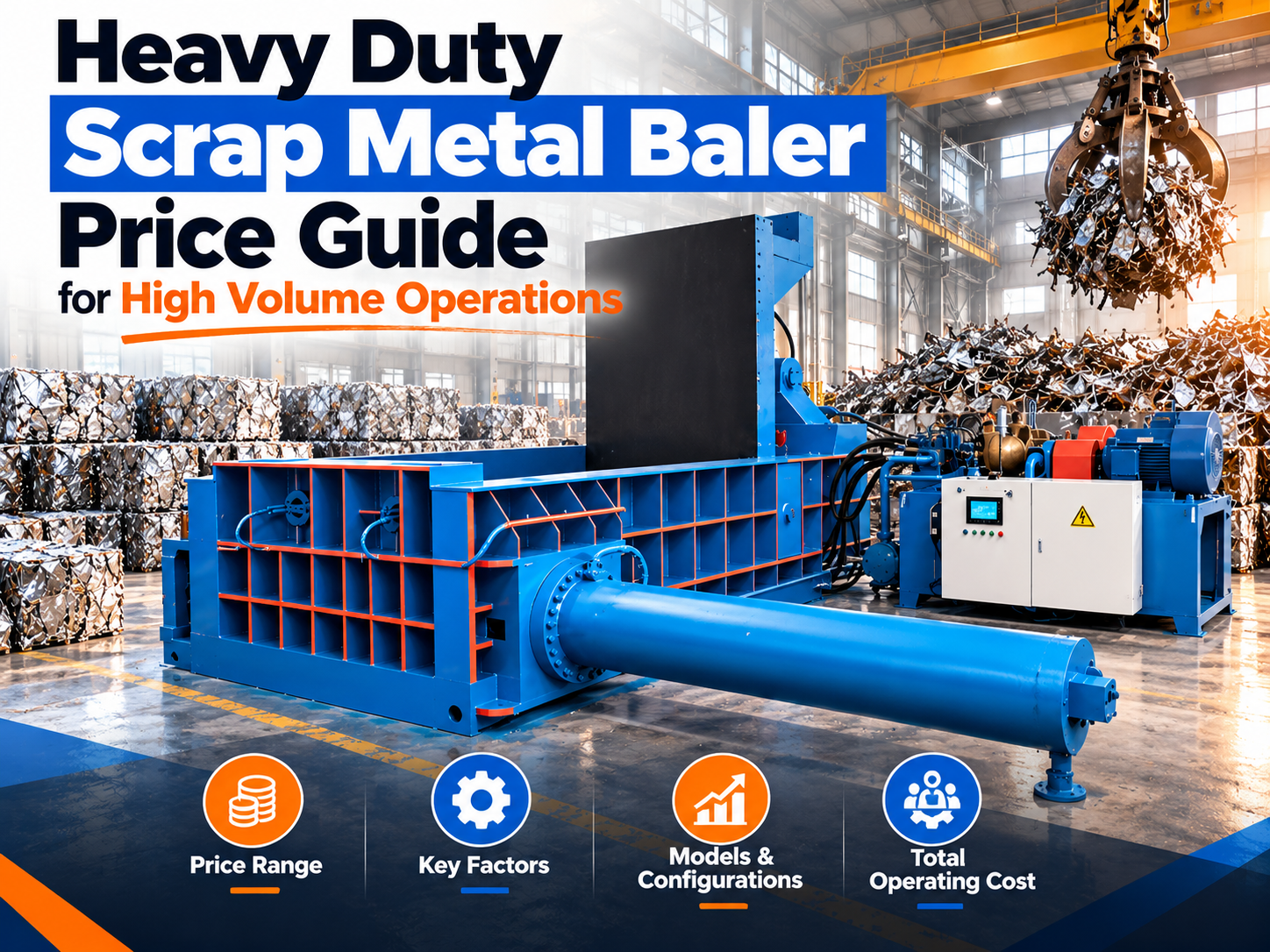
Price Range Overview for High-Volume Scrap Metal Balers
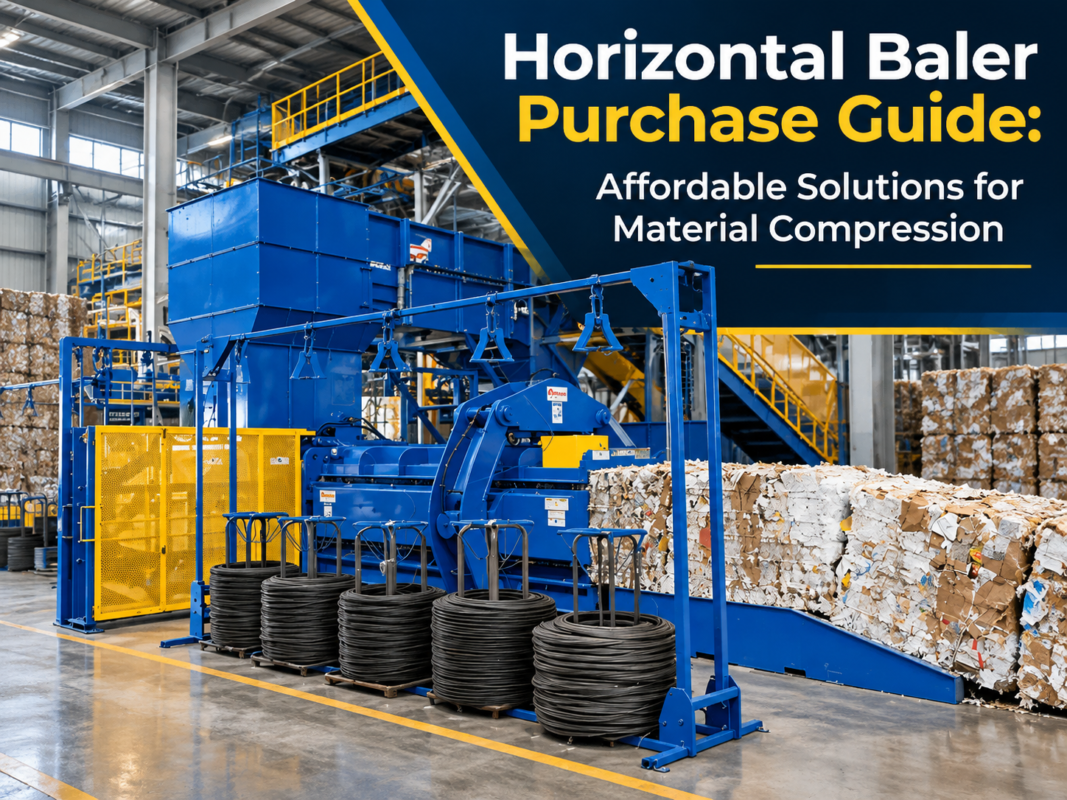
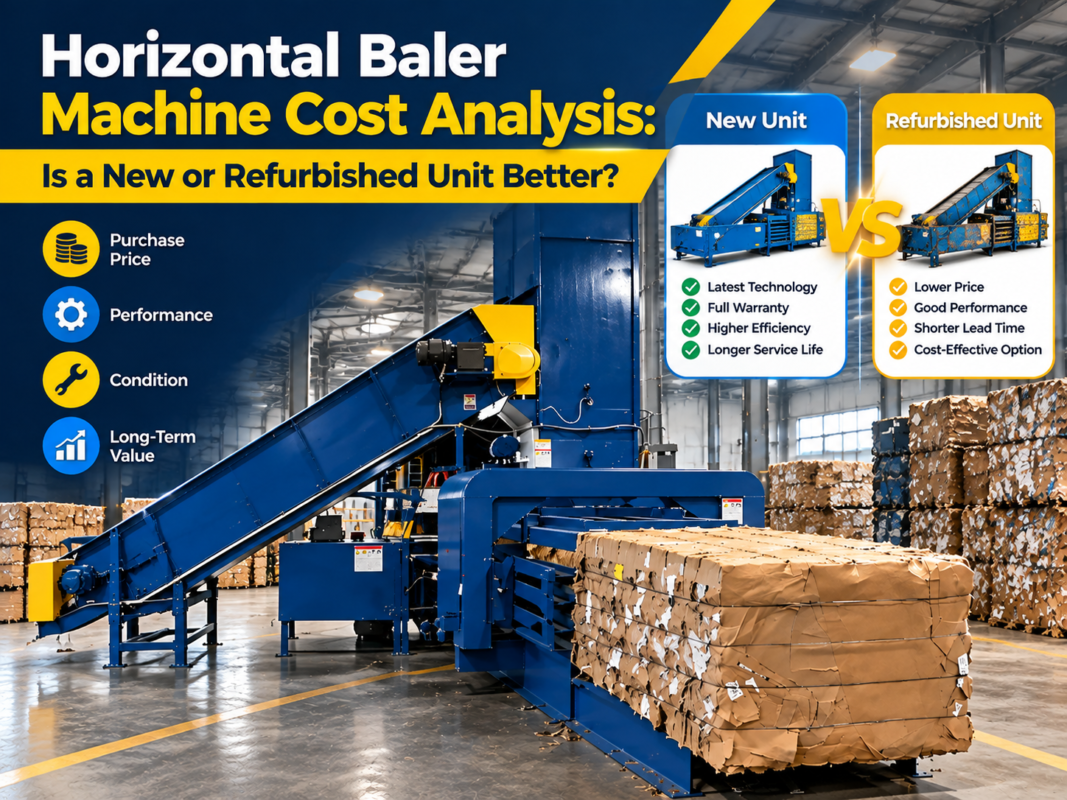
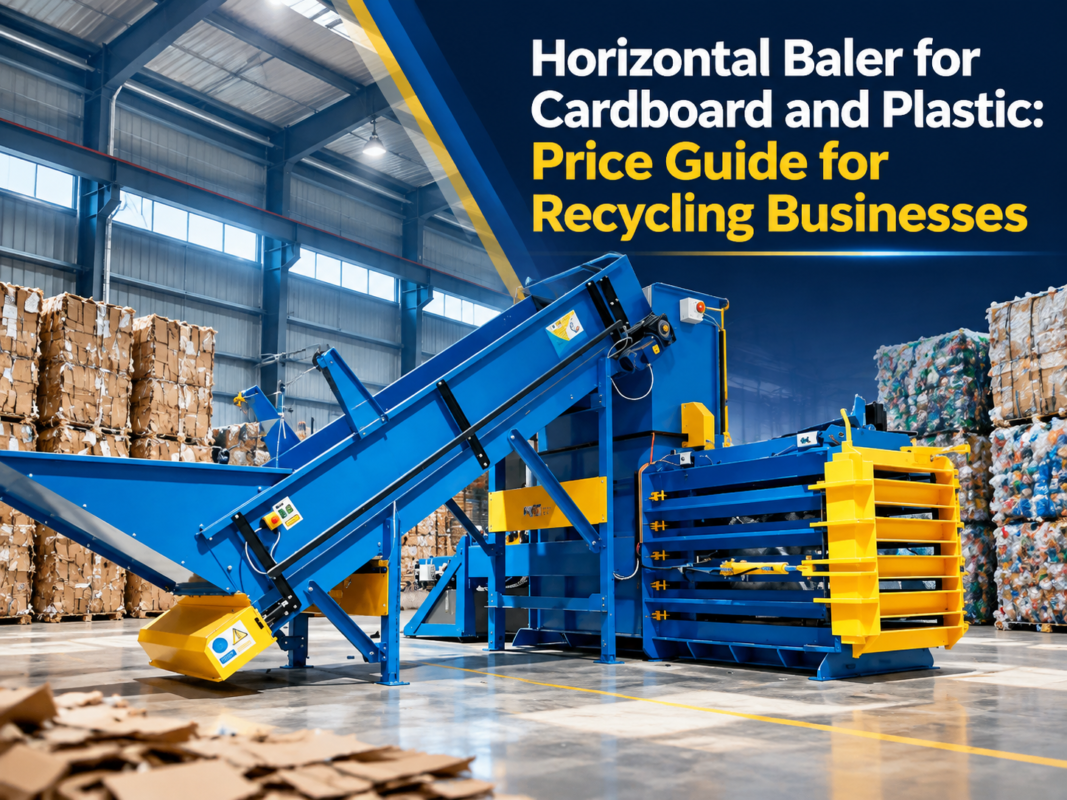
Investing in a heavy duty scrap metal baler is a significant capital expenditure for any high-volume recycling facility or metal fabrication plant. When researching the Heavy Duty Scrap Metal Baler Price High Volume Operations, it is essential to understand that these machines are not off-the-shelf commodities. Prices typically range from $50,000 for entry-level industrial models to upwards of $500,000 for fully automated, high-throughput systems capable of processing tons of ferrous and non-ferrous scrap per hour.
For mid-sized operations looking to scale, the investment usually falls in the $120,000 to $250,000 bracket. These machines offer the necessary force and cycle times to handle continuous shifts without overheating or mechanical fatigue. At this price point, buyers can expect robust hydraulic systems, reinforced steel chambers, and programmable logic controllers (PLC) that optimize the baling process for different metal densities.
Large-scale scrap yards and automotive shredding facilities often require custom-engineered solutions. In these scenarios, the Heavy Duty Scrap Metal Baler Price Guide for High Volume Operations suggests that costs can escalate quickly due to the need for integrated conveyor systems, shear blades, and specialized sorting technology. These high-end units are designed for 24/7 operation, ensuring that the cost-per-ton of processed material remains as low as possible over the machine’s lifespan.
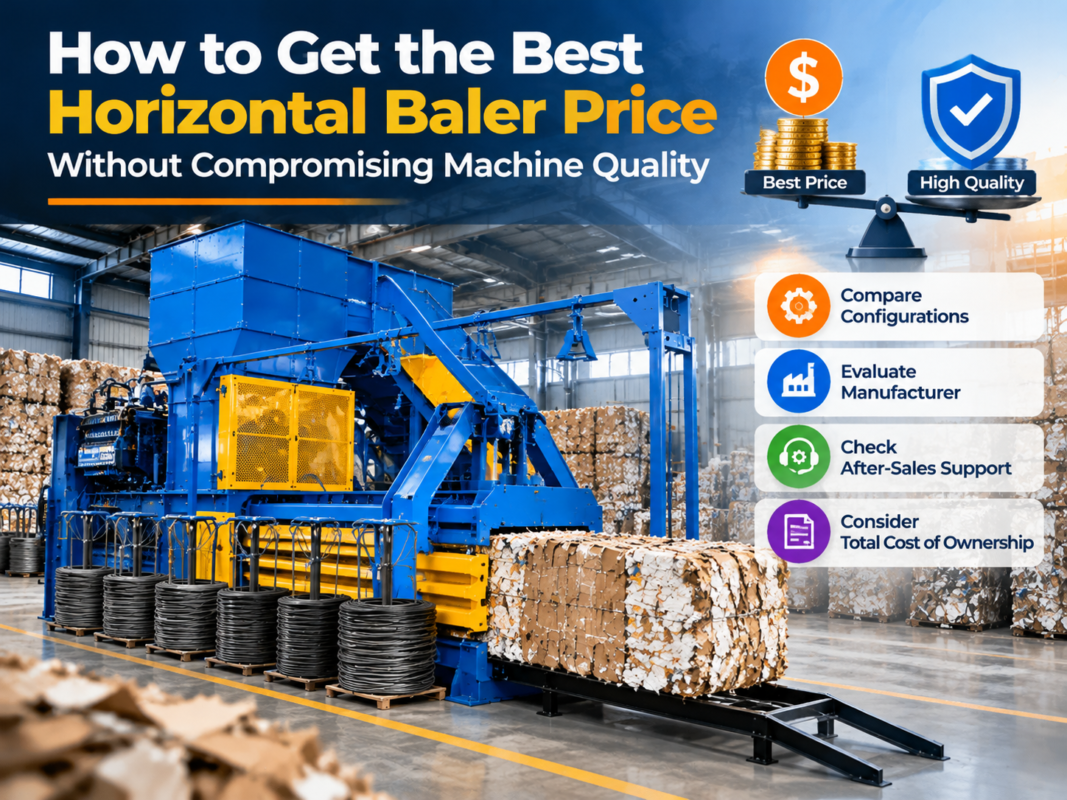
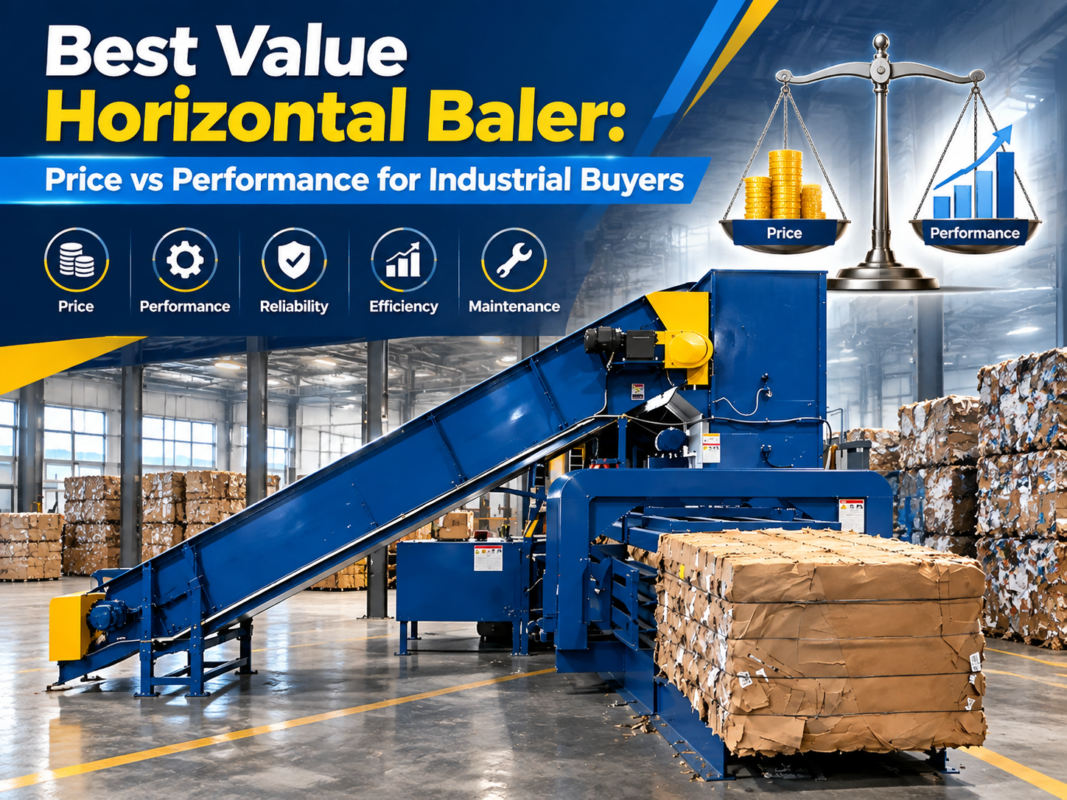
It is important to note that price is often a reflection of the machine’s structural integrity and the quality of its hydraulic components. Cheaper alternatives may seem attractive initially, but they often fail to meet the rigorous demands of high-volume environments, leading to increased downtime and maintenance costs. HARSLE emphasizes that the initial purchase price should always be weighed against the expected operational lifespan and the machine’s ability to maintain consistent bale density.
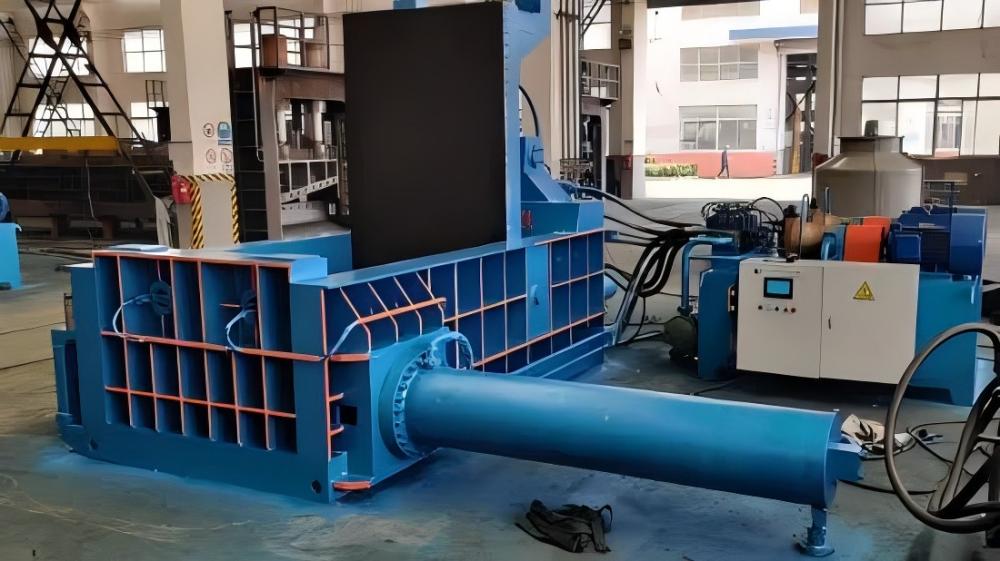
Main Cost Drivers in Industrial Balers
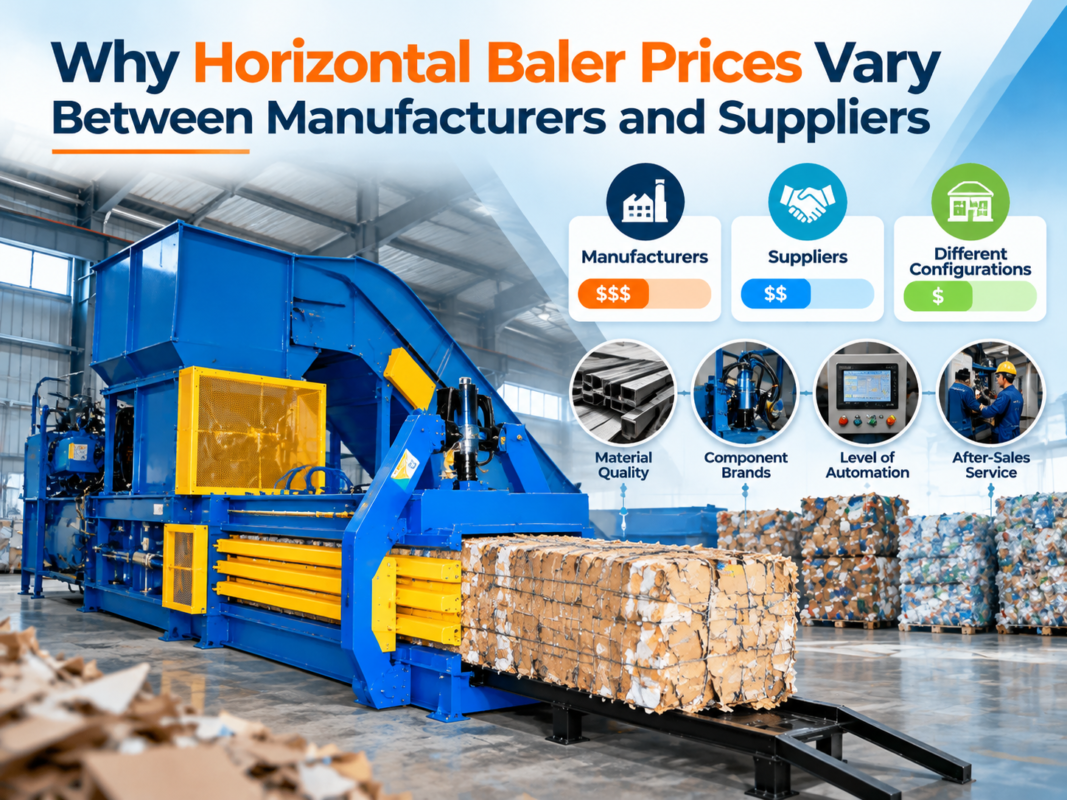
The primary driver behind the Heavy Duty Scrap Metal Baler Price High Volume Operations is the pressing force, measured in tons. A machine’s ability to compress dense materials like steel, aluminum, or copper depends entirely on its hydraulic pressure capabilities. Higher force requirements necessitate thicker steel plate construction, larger hydraulic cylinders, and more powerful electric motors, all of which drive up the manufacturing cost.
Another significant cost factor is the throughput capacity, or the number of bales produced per hour. High-volume operations require fast cycle times. To achieve this, manufacturers must integrate high-flow hydraulic pumps and sophisticated valve systems that allow for rapid ram movement without sacrificing power. These components are precision-engineered and represent a substantial portion of the total machine cost.
Automation levels also play a critical role in pricing. A manual baler requires an operator to monitor every stage of the process, whereas a fully automated system uses sensors and PLC integration to manage material feeding, compression, and bale ejection. While the upfront cost for automation is higher, it significantly reduces labor costs and increases safety, making it a preferred choice for high-volume facilities.
Finally, the quality of wear parts—such as the shear blades, liners, and seals—impacts the price. In high-volume settings, these parts are subjected to extreme abrasion and stress. Premium balers utilize hardened, replaceable wear liners and high-grade alloy shear blades that extend the time between maintenance intervals. Investing in these higher-quality components during the initial purchase is a strategic move to lower the total cost of ownership.
Configuration Impact on Total Investment
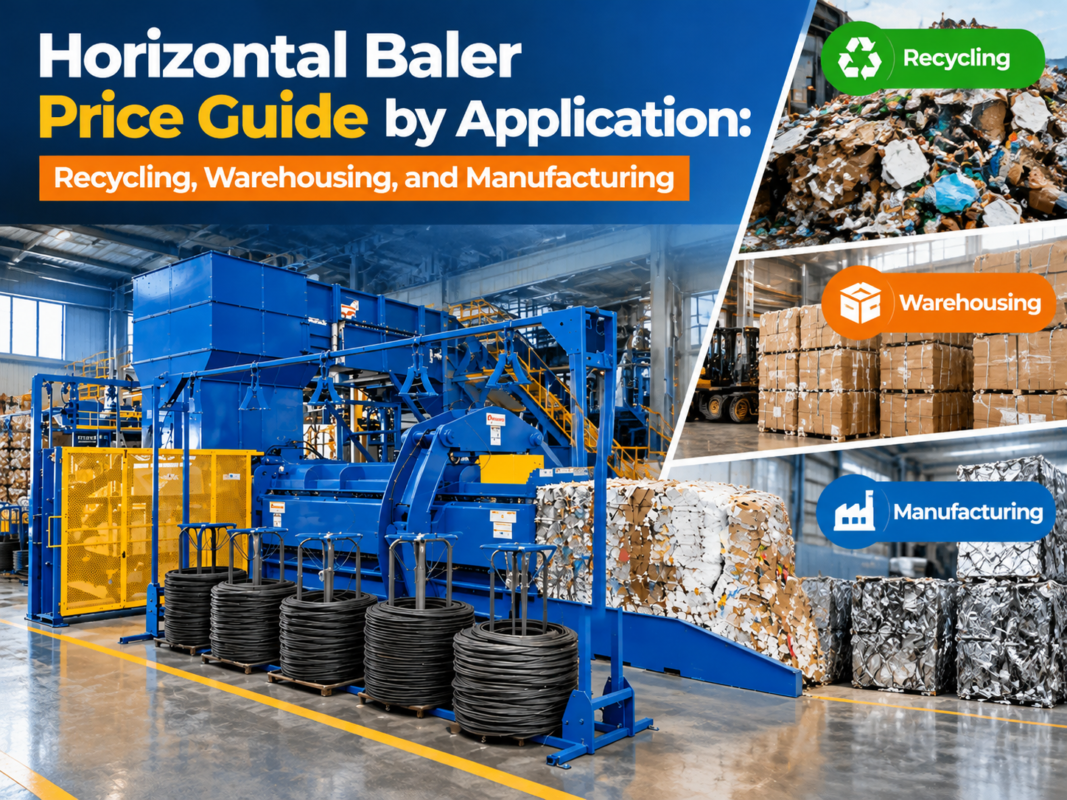
The configuration of your baler is not just about the machine itself, but how it fits into your existing workflow. A standard horizontal baler might be sufficient for some, but high-volume operations often require custom configurations. For instance, adding a pre-load hopper or a specialized in-feed conveyor can significantly increase the price but will also drastically improve the efficiency of your scrap processing line.
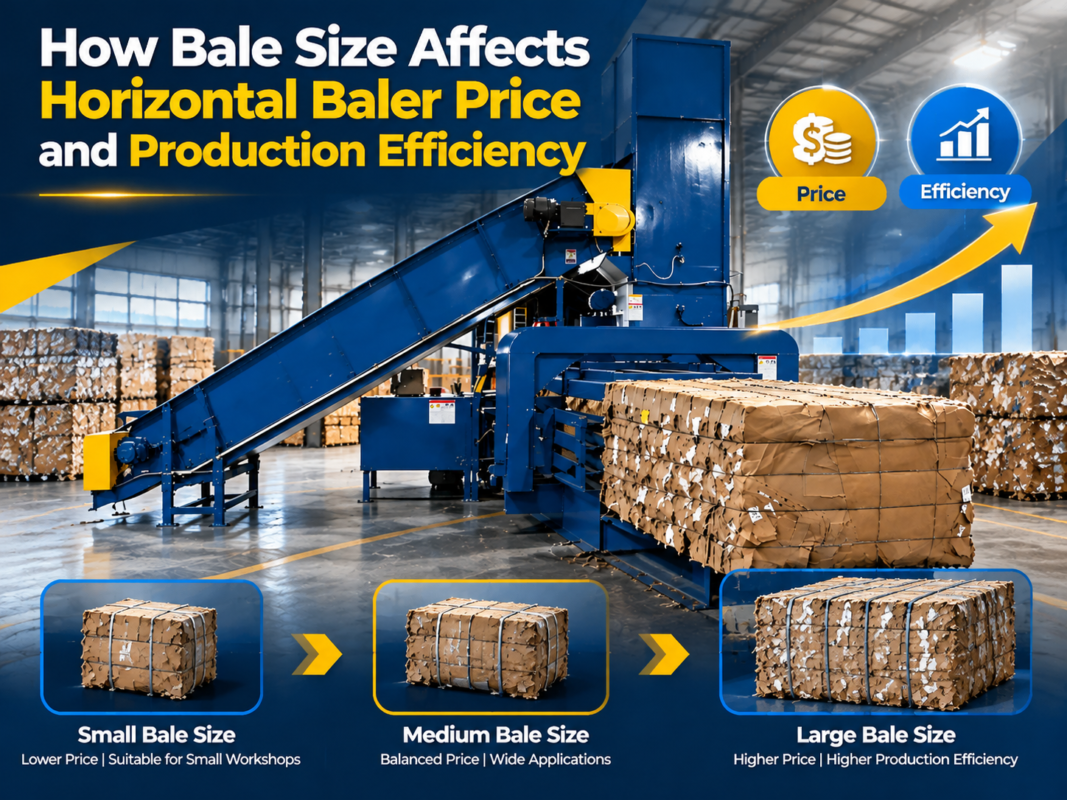
Consider the impact of bale size and density requirements. If your downstream buyers require specific bale dimensions for shipping or furnace charging, your baler must be configured to meet those exact specifications. Custom chamber sizes and adjustable bale length settings add complexity to the machine’s design, which is reflected in the final quote. HARSLE recommends evaluating your specific material output needs before finalizing a configuration.
Integration with peripheral equipment is another configuration factor. Many high-volume facilities require their baler to communicate with shredders, magnetic separators, or automated sorting lines. This requires advanced control systems and software integration, which adds to the engineering and development costs. However, a seamless system prevents bottlenecks and ensures a steady flow of material, which is vital for profitability.
Environmental and safety configurations also influence the price. Features such as noise reduction enclosures, oil cooling systems for hot climates, and advanced safety interlocks are essential for modern industrial facilities. While these features increase the initial investment, they are often necessary to comply with local regulations and to ensure a safe working environment for your employees.
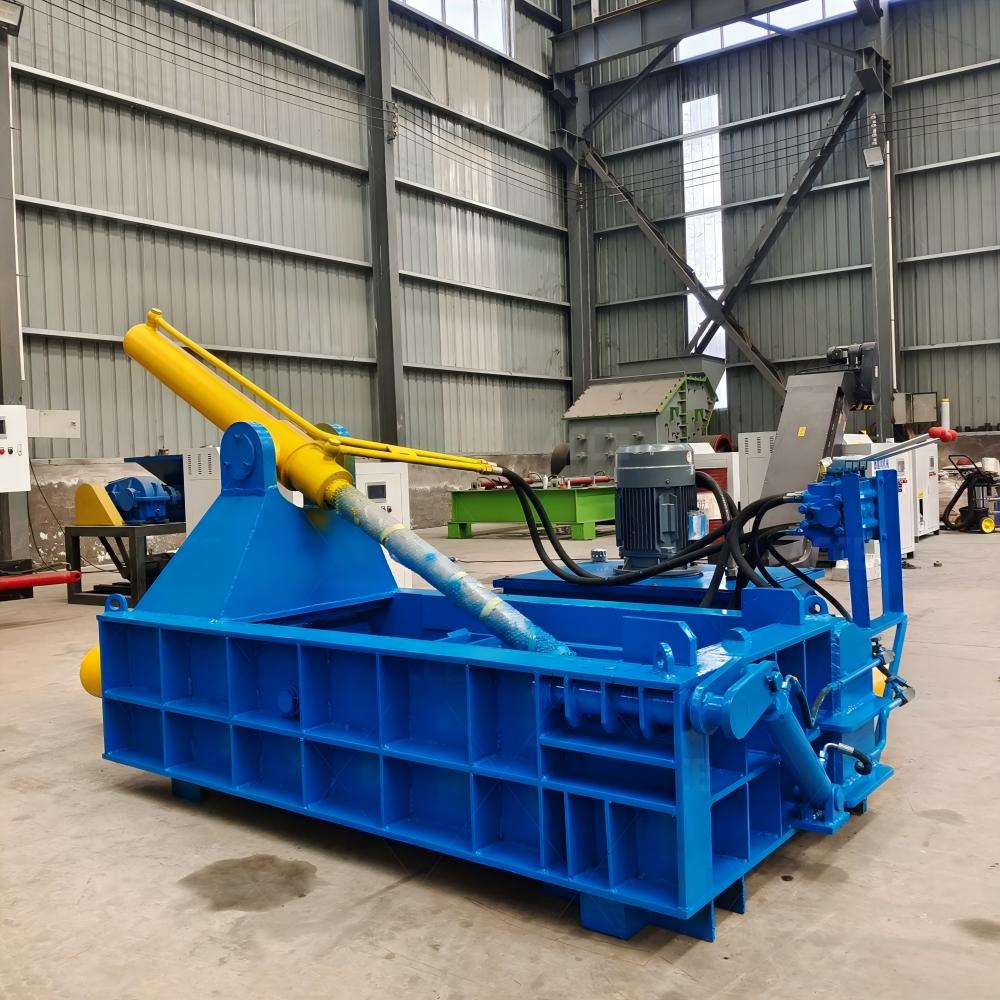
Hidden Costs of Scrap Metal Balers
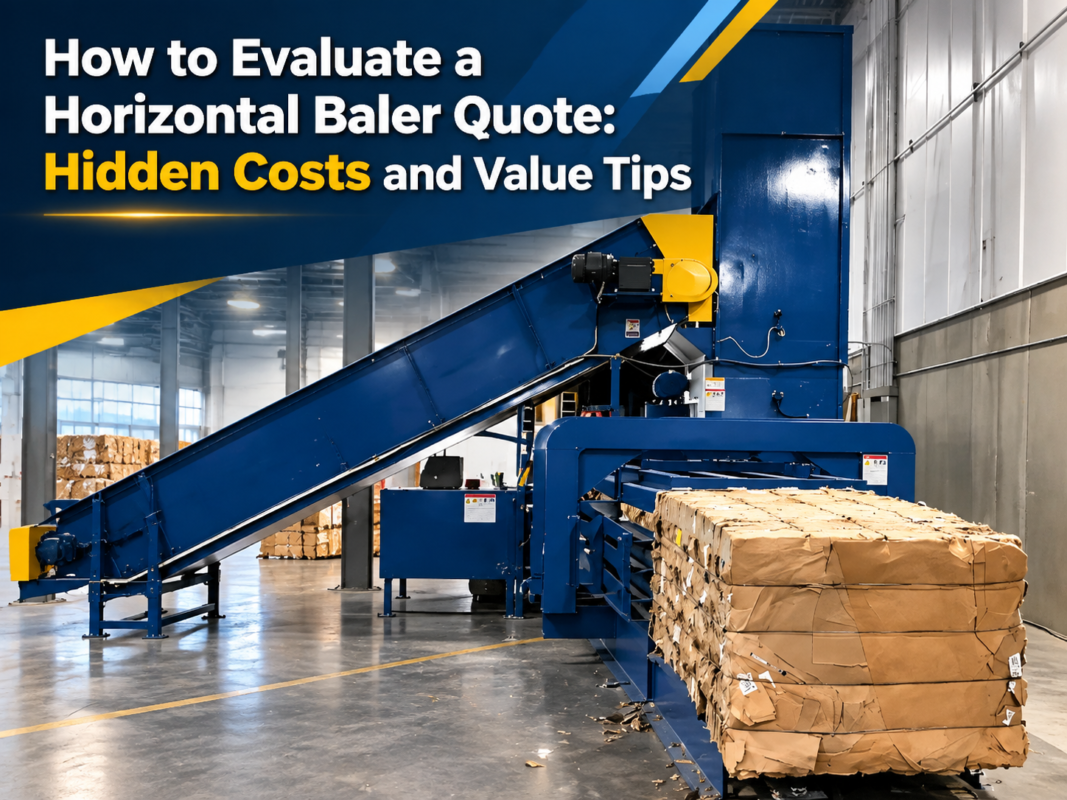
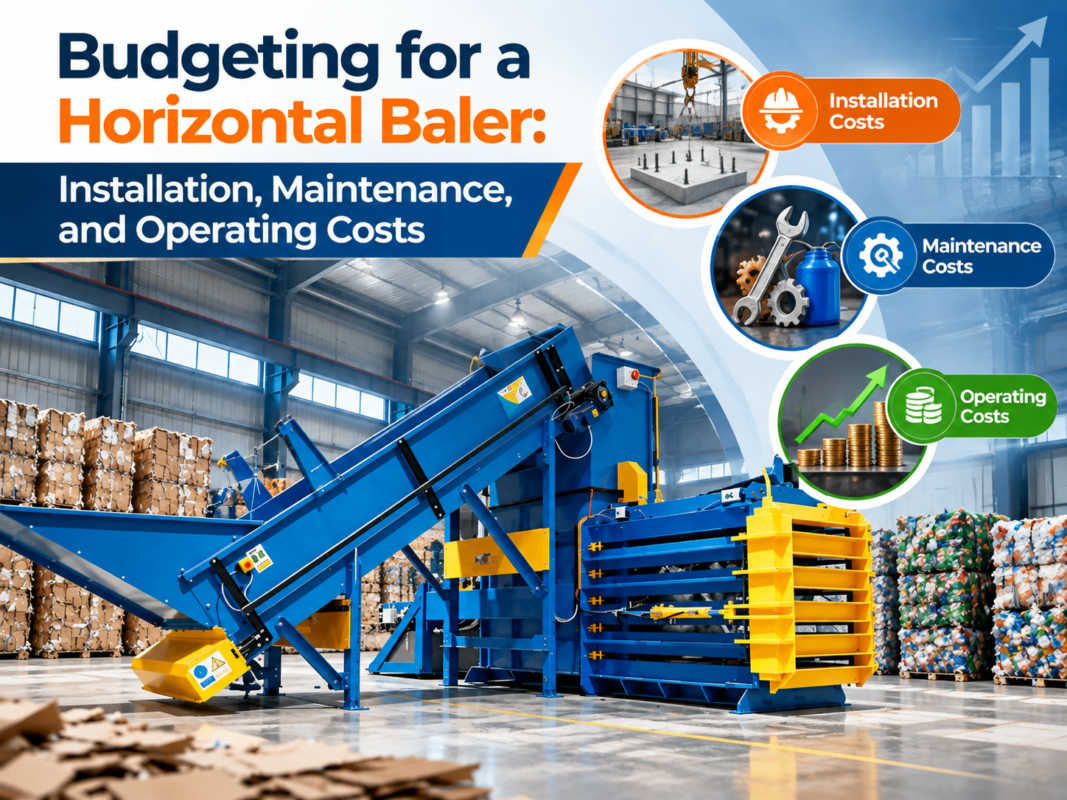
When budgeting for a Heavy Duty Scrap Metal Baler, many buyers overlook the hidden costs associated with installation and site preparation. These machines are massive and require a reinforced concrete foundation to handle the weight and the vibration generated during the compression cycle. Site preparation, including electrical upgrades to support high-voltage motors and hydraulic oil containment systems, can add thousands to the project budget.
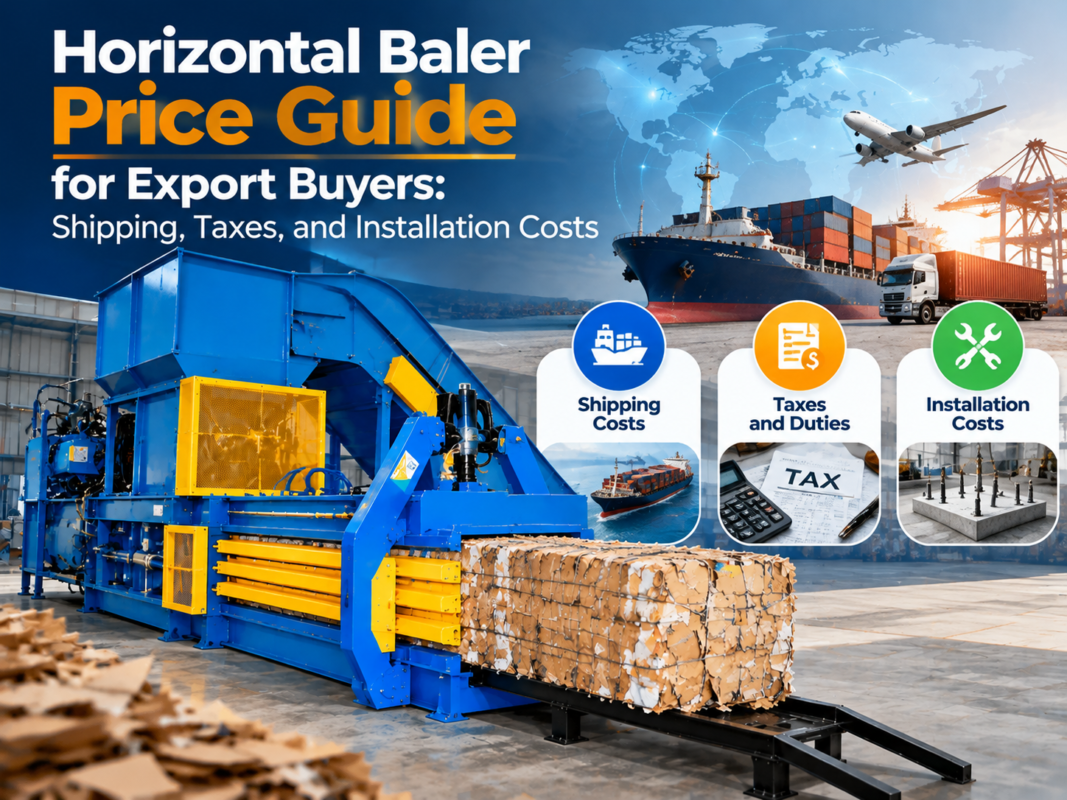
Shipping and logistics are often underestimated. Because of their size and weight, industrial balers require specialized heavy-haul transport and crane services for offloading and installation. Depending on the distance from the manufacturer and the complexity of the site access, these logistics costs can be substantial. It is crucial to get a clear quote that includes delivery and on-site positioning.
Operational costs, specifically electricity and hydraulic fluid, are ongoing expenses that should be factored into the total cost of ownership. High-volume balers consume significant amounts of power. Modern, energy-efficient motors and variable frequency drives (VFDs) can help mitigate these costs, but they may come with a higher initial price tag. Similarly, the cost of high-quality hydraulic oil and the frequency of oil changes should be considered in your long-term budget.
Maintenance and spare parts represent another hidden cost. Even the most robust machines require regular servicing. Budgeting for a comprehensive maintenance contract or stocking essential spare parts—such as seals, filters, and shear blades—is necessary to prevent unexpected downtime. Ignoring these costs can lead to a situation where a machine is idle, costing the business thousands of dollars in lost productivity every day.
ROI Calculation for High-Volume Operations
Calculating the Return on Investment (ROI) for a heavy duty scrap metal baler involves more than just looking at the purchase price. You must consider the increase in the value of your scrap. Baled metal is significantly easier to transport and store, and it commands a higher price from smelters and foundries compared to loose scrap. By densifying your material, you reduce logistics costs and maximize the payload of every truckload.
Labor savings are a major component of the ROI. An automated baler can replace several manual labor roles, allowing you to reallocate your workforce to more value-added tasks. When calculating ROI, compare the cost of the machine against the reduction in labor hours, the increase in processing speed, and the potential for higher throughput over a five-year period.
Consider the reduction in waste disposal costs. If your facility produces large volumes of metal scrap, paying for frequent, inefficient waste pickups is a drain on resources. A baler allows you to consolidate this waste into high-density, marketable commodities. The revenue generated from selling these bales can often cover the monthly financing payments of the machine, effectively turning a cost center into a profit center.
Finally, factor in the longevity and resale value of the equipment. High-quality industrial balers from reputable manufacturers like HARSLE retain their value well. When the time comes to upgrade or expand, a well-maintained baler can be sold on the secondary market, recouping a portion of the initial investment. A thorough ROI analysis should look at the total lifecycle value, not just the short-term expenditure.
Buying Advice: Selecting the Right Machine
Choosing the right baler starts with a detailed audit of your material stream. Are you processing light-gauge aluminum, heavy steel plate, or a mix of both? The type of material dictates the required force and the design of the shear blades. Do not over-specify for materials you don’t have, but ensure the machine is capable of handling your toughest scrap to avoid future limitations.
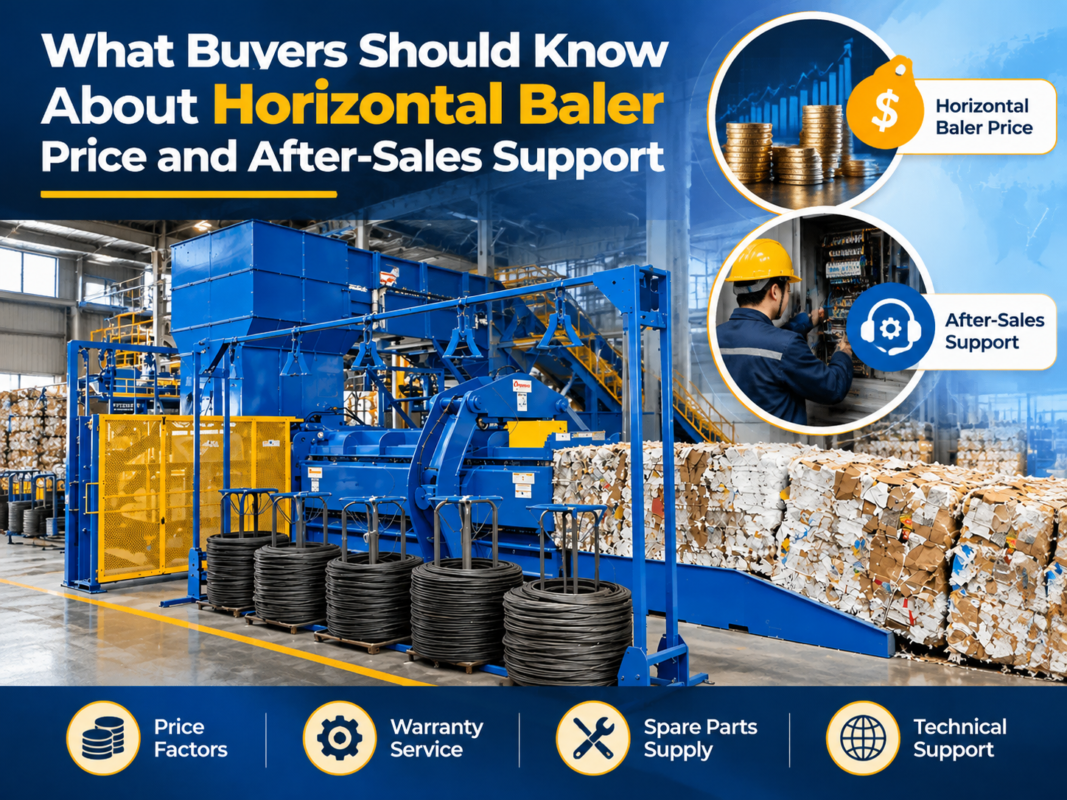
Always prioritize manufacturers that offer strong after-sales support. In the world of industrial machinery, the relationship with the supplier is as important as the machine itself. Look for companies that provide readily available spare parts, remote technical support, and a network of qualified service technicians. HARSLE prides itself on providing comprehensive support to ensure your operations remain uninterrupted.
Request a demonstration or visit a facility where the machine is currently in operation. Seeing the baler in a real-world environment allows you to assess its cycle time, noise levels, and ease of operation. Ask the current owner about their experience with maintenance and whether the machine has met their throughput expectations. This firsthand information is invaluable during the decision-making process.
Finally, review the warranty and service agreements carefully. A comprehensive warranty provides peace of mind and protects your investment during the critical early stages of operation. Ensure that the agreement covers major components and that there is a clear process for addressing any technical issues. A transparent and supportive manufacturer will be happy to provide these details upfront.
FAQ: Heavy Duty Scrap Metal Baler Price Guide
- What is the typical lead time for a custom high-volume baler? Lead times vary based on complexity, but generally range from 12 to 24 weeks for custom-engineered solutions.
- Can I finance a scrap metal baler? Yes, most industrial machinery suppliers offer financing options or work with leasing partners to help manage the capital expenditure.
- How often should I perform maintenance on a heavy-duty baler? Routine maintenance should be performed according to the manufacturer’s schedule, typically every 500 to 1,000 operating hours, to ensure longevity.
- What is the difference between a horizontal and vertical baler for high-volume use? Horizontal balers are designed for continuous feeding and high-volume throughput, whereas vertical balers are generally for smaller, intermittent operations.
- Does the price include installation? It depends on the contract. Always clarify if the quote includes shipping, rigging, installation, and operator training.
- How do I determine the required pressing force? This is determined by the material density and the desired bale size. Consult with a HARSLE engineer to perform a material analysis for your specific needs.