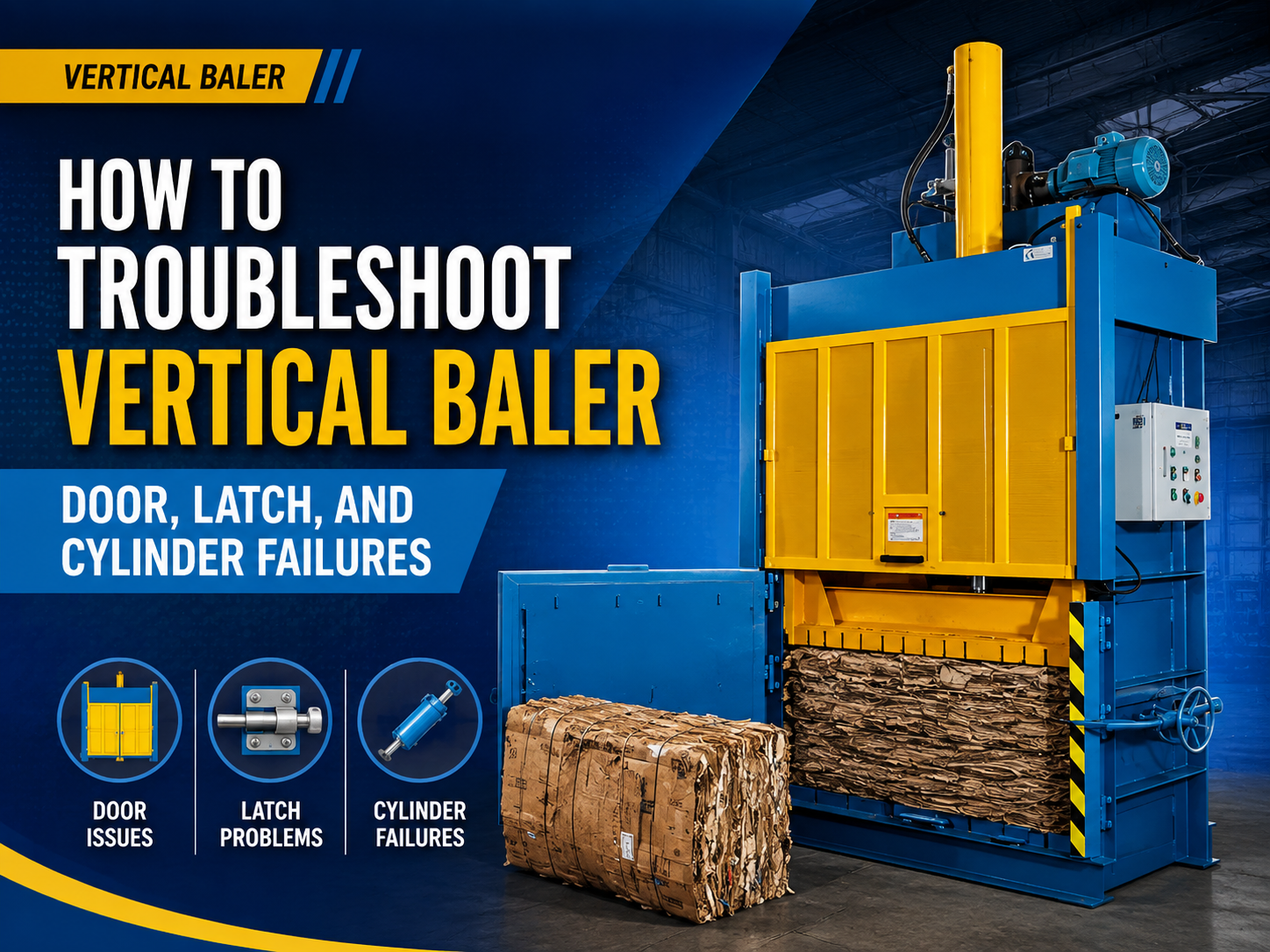
How to Troubleshoot Vertical Baler Door, Latch, and Cylinder Failures: A Comprehensive Guide

Introduction
Vertical balers are essential components in modern waste management and recycling facilities, providing a robust solution for compressing bulky materials into manageable, transportable bales. As a leader in metal fabrication equipment, HARSLE understands that the reliability of these machines is paramount to your operational throughput. However, like any heavy-duty industrial machinery, vertical balers are subject to mechanical wear and tear. One of the most common areas where operators encounter issues involves the door assembly, the latching mechanism, and the hydraulic cylinders.
When you need to troubleshoot vertical baler door, latch, and cylinder failures, it is critical to approach the problem with a systematic mindset. These components work in tandem to ensure the safety of the operator and the integrity of the compression cycle. A failure in one often leads to a cascade of issues, ranging from minor operational delays to significant safety hazards. This guide provides an in-depth look at identifying, diagnosing, and resolving these specific mechanical challenges.
Understanding the anatomy of your HARSLE vertical baler is the first step toward effective maintenance. By recognizing the early warning signs of component fatigue, you can prevent costly downtime and extend the lifespan of your equipment. Whether you are dealing with a door that refuses to lock, a latch that has become misaligned, or a cylinder that is losing pressure, this article serves as your comprehensive technical manual for maintaining peak performance.
Key Considerations for Baler Maintenance
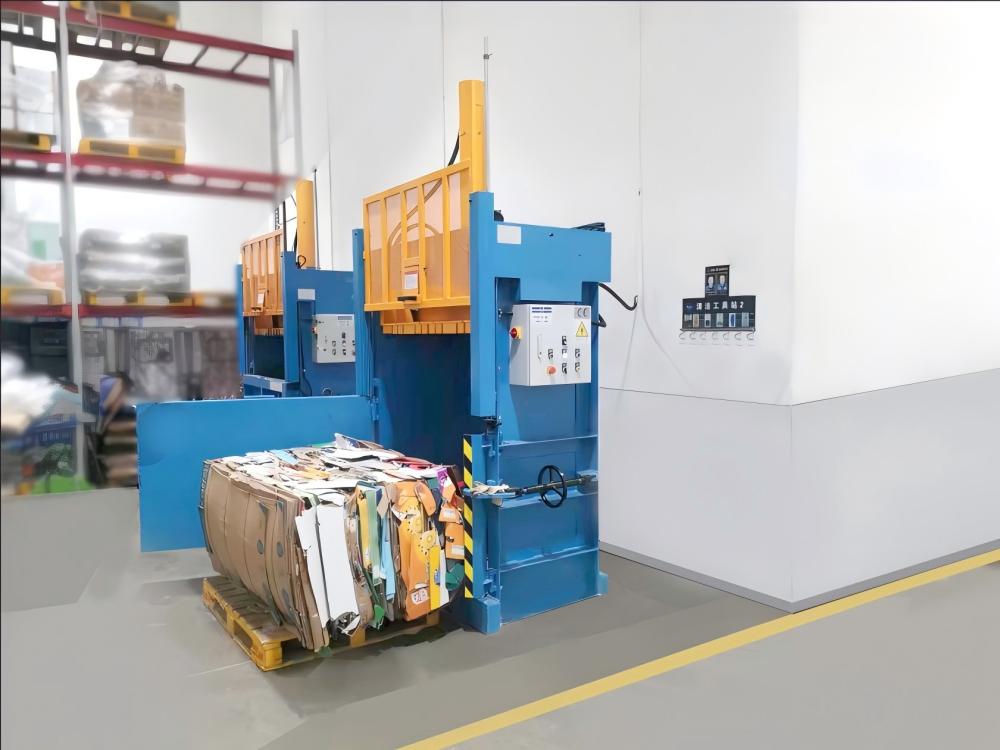
Before diving into specific troubleshooting steps, it is vital to establish a culture of safety. Vertical balers operate under immense hydraulic pressure, and the door assemblies are heavy. Always ensure that the machine is locked out and tagged out (LOTO) before performing any inspection or repair work. Never attempt to bypass safety interlocks, as these are designed to prevent catastrophic injury during the compression cycle.
Regular inspection schedules are the best defense against unexpected failures. We recommend a daily visual check of the door hinges and latch pins. Look for signs of metal fatigue, such as hairline cracks or excessive deformation. Lubrication is another key factor; the latching mechanism and door hinges should be greased according to the manufacturer’s specifications to prevent friction-induced wear, which is a leading cause of latch failure.
Environmental factors also play a significant role in the longevity of your baler. If your equipment is located in an area with high humidity or exposure to corrosive materials, the door seals and hydraulic cylinders may degrade faster. Implementing a climate-controlled environment or using protective covers can significantly reduce the frequency of maintenance interventions. Always keep the area around the baler clean to prevent debris from interfering with the door closure sensors.
Finally, keep a detailed maintenance log. Tracking when a cylinder was last serviced or when a latch was adjusted allows you to predict when parts will reach the end of their service life. By moving from reactive repairs to proactive maintenance, you ensure that your HARSLE equipment remains a reliable asset in your production line. Documenting these steps is also essential for warranty compliance and long-term asset management.
Technical Details: Troubleshooting Door and Latch Failures
The door assembly is the most frequently interacted part of a vertical baler. When the door fails to close properly, the machine’s safety interlock system will prevent the motor from starting. The most common cause is misalignment. Over time, the weight of the door can cause the hinges to sag, preventing the latch from engaging correctly with the receiver. To troubleshoot this, check the hinge pins for wear and ensure the door is level. If the door is sagging, you may need to adjust the hinge bolts or replace the hinge bushings.
Latch failures are often linked to the latching mechanism’s alignment or the accumulation of debris. If the latch does not “click” into place, inspect the latch hook and the receiver for obstructions. Even a small piece of cardboard or metal scrap can prevent a secure lock. Furthermore, check the tension of the latch spring. If the spring has lost its elasticity, the latch will not hold under the pressure of the bale expansion. Replacing the spring is a straightforward task that can resolve persistent latching issues.
Electrical interlocks are often mistaken for mechanical latch failures. If the latch appears to be physically secure but the machine still won’t start, the proximity sensor or limit switch may be faulty. Use a multimeter to check for continuity in the switch circuit. If the switch is not sending a signal to the PLC (Programmable Logic Controller), the baler will remain in a locked-out state. Ensure the sensor is clean and properly aligned with the target on the door frame.
In cases where the door is difficult to open, check for structural deformation. If the baler has been overloaded, the door frame may have bowed, causing the door to bind. This is a serious issue that requires professional inspection. Attempting to force a bound door can lead to further damage to the frame or injury to the operator. If you notice signs of bowing, contact HARSLE technical support to discuss structural reinforcement or repair options.
Troubleshooting Hydraulic Cylinder Failures
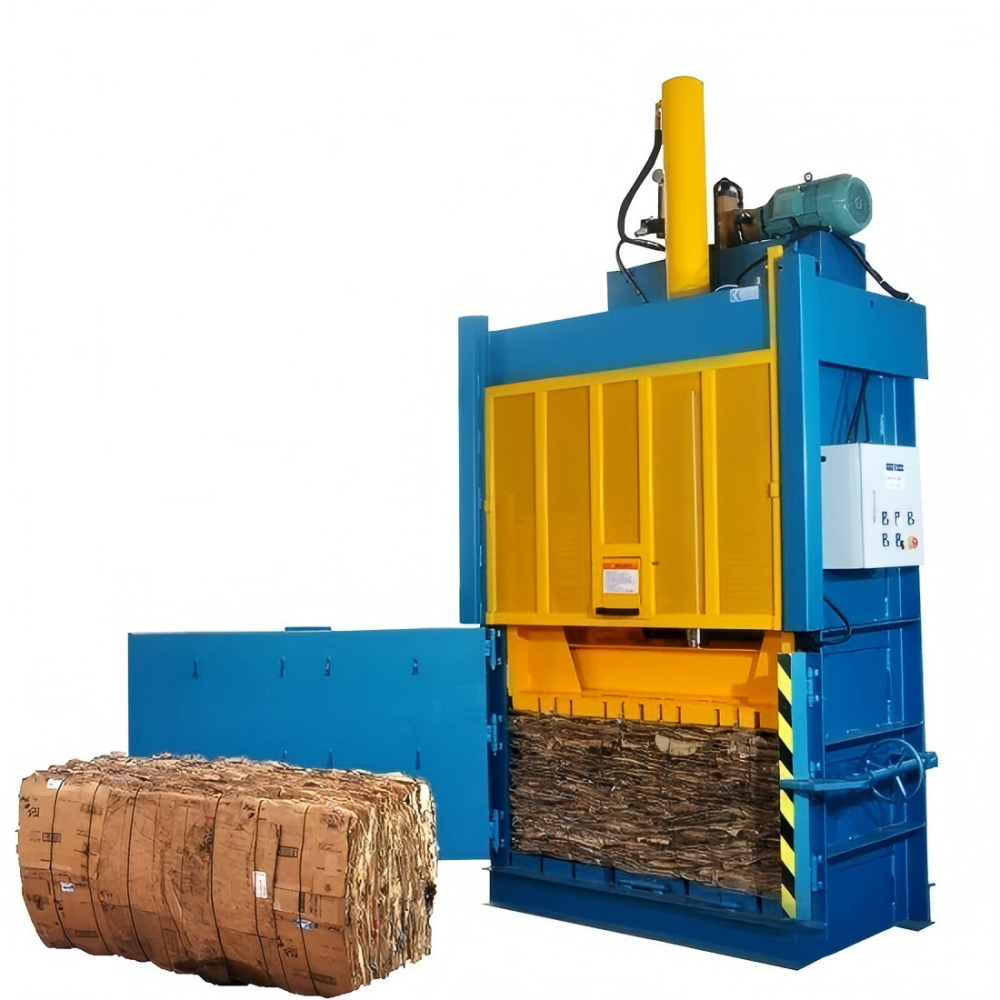
The hydraulic cylinder is the heart of the vertical baler. When it fails, the machine loses its ability to compress material effectively. The most common symptom of a cylinder failure is a slow compression cycle or a complete lack of force. This is often caused by internal leakage, where hydraulic fluid bypasses the piston seals. To test for this, listen for a “hissing” sound during the compression stroke, which indicates fluid leaking past the seals.
External leaks are easier to identify. Inspect the cylinder rod and the gland nut for signs of oil seepage. If you see oil pooling at the base of the cylinder, the rod seals are likely worn. Replacing these seals is a standard maintenance procedure, but it requires precision. Ensure that the hydraulic system is fully depressurized before attempting to disassemble the cylinder. Contamination is the enemy of hydraulic systems; use clean rags and ensure no dust enters the cylinder during the seal replacement process.
Air in the hydraulic system can also cause erratic cylinder movement. If the cylinder “chatters” or moves in jerks, you may need to bleed the system. Consult your HARSLE manual for the specific bleeding procedure, as it varies by model. Additionally, check the hydraulic fluid level and quality. If the oil is milky, it indicates water contamination, which can cause internal rust and catastrophic cylinder failure. Always use the recommended hydraulic oil grade to maintain optimal viscosity and lubrication.
Finally, consider the condition of the cylinder mounting pins. If these pins are worn, the cylinder will not be perfectly aligned with the platen, leading to side-loading. Side-loading puts uneven pressure on the cylinder seals and the rod, leading to premature failure. Regularly inspect the mounting points and replace any worn pins or bushings to ensure the cylinder operates in a perfectly vertical plane. This simple step can add years to the life of your hydraulic components.
Selection Advice for Replacement Parts
When the time comes to replace components, quality should be your primary concern. Using non-OEM (Original Equipment Manufacturer) parts may seem like a cost-saving measure, but it often leads to compatibility issues and shorter service lives. HARSLE provides genuine replacement parts that are engineered to meet the exact specifications of your machine, ensuring a perfect fit and reliable performance.
When selecting a replacement hydraulic cylinder, consider the bore size, stroke length, and mounting style. Even a slight deviation in these dimensions can cause the cylinder to bind or fail to reach the required compression force. Always refer to the serial number of your baler when ordering parts to ensure you receive the correct revision of the component. Our technical team is available to assist you in identifying the exact part number required for your specific model.
For latching mechanisms and door hardware, look for high-strength steel components that are treated for corrosion resistance. In high-volume environments, consider upgrading to heavy-duty versions of these parts if they are available. While the initial cost may be higher, the reduction in maintenance frequency and downtime will provide a superior return on investment over the life of the machine.
Lastly, always keep a small inventory of critical spare parts on-site. This includes items like proximity sensors, limit switches, seal kits, and latch springs. Having these parts readily available means that a minor failure does not turn into a multi-day production stoppage. Consult our recommended spare parts list for your specific baler model to build an effective contingency kit.
FAQ: Common Questions
- Q: Why does my baler door keep popping open during compression?
A: This is usually due to a worn latch hook or a weak latch spring. Inspect the latch assembly for wear and ensure the door is fully closed before engaging the cycle. - Q: How often should I change the hydraulic oil?
A: We recommend changing the hydraulic oil every 1,000 to 2,000 operating hours, or sooner if the oil appears contaminated or discolored. - Q: Can I repair a bent cylinder rod?
A: It is generally not recommended to repair a bent rod. A bent rod will quickly destroy new seals and can lead to internal cylinder damage. It is safer and more cost-effective to replace the rod or the entire cylinder. - Q: What should I do if the baler makes a loud noise during operation?
A: Loud noises often indicate air in the system, low oil levels, or a failing hydraulic pump. Stop the machine immediately and check the oil reservoir and hydraulic lines. - Q: Are there specific safety protocols for working on the door?
A: Yes. Always use a mechanical support or locking pin to hold the door in place while working on hinges or latches to prevent it from swinging unexpectedly.
Conclusion
Troubleshooting vertical baler door, latch, and cylinder failures is a manageable task when you have the right knowledge and a systematic approach. By focusing on regular inspections, proper lubrication, and the use of genuine HARSLE replacement parts, you can ensure that your equipment remains a productive and safe part of your facility. Remember that the longevity of your baler is directly linked to the care you provide it.
If you encounter a problem that you cannot resolve with the steps outlined in this guide, do not hesitate to reach out to the HARSLE support team. Our experts are dedicated to helping you maintain your metal fabrication equipment to the highest standards. By staying proactive and informed, you can minimize downtime, maximize efficiency, and keep your operations running smoothly for years to come.