Vertical Baler Safety Switch Problems: Troubleshooting Interlocks and Emergency Stops

Introduction to Vertical Baler Safety Systems
In the demanding environment of metal fabrication and waste management, the vertical baler stands as a cornerstone of operational efficiency. However, the complexity of these machines necessitates rigorous safety protocols. Vertical Baler Safety Switch Problems: Troubleshooting Interlocks and Emergency Stops are critical areas that every facility manager and maintenance technician must master. When a baler fails to cycle, the culprit is frequently a compromised safety interlock or a tripped emergency stop circuit, designed specifically to protect operators from the immense forces generated by hydraulic rams.
HARSLE machinery is engineered with high-grade safety components, but even the most robust industrial equipment is subject to wear, environmental debris, and electrical fatigue. Understanding how these systems interact is the first step in minimizing downtime. Safety switches are not merely accessories; they are the primary defense against workplace accidents. When these systems fail, the machine enters a ‘fail-safe’ mode, effectively locking out operations until the fault is rectified. This article provides a comprehensive technical guide to diagnosing and resolving these common electrical and mechanical hurdles.
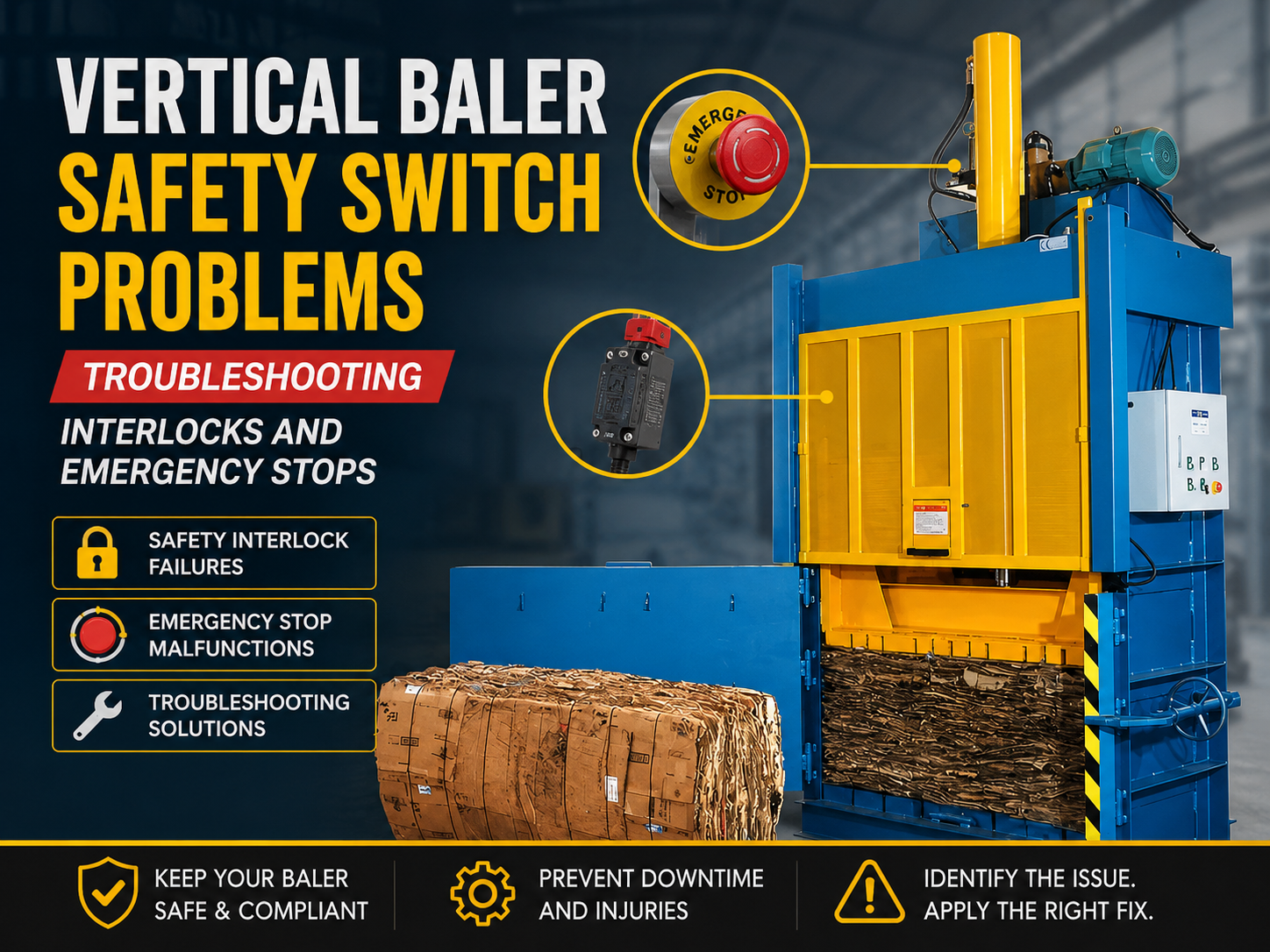
The integration of interlocks and emergency stops forms a redundant safety architecture. An interlock switch typically monitors the position of the loading door or the bale ejection gate, ensuring that the hydraulic pump cannot engage while the chamber is open. Conversely, the emergency stop (E-stop) is a manual override that instantly cuts power to the control circuit. When these systems experience intermittent failures, it often points to wiring degradation, misalignment of the switch actuator, or internal contact welding. By following a systematic troubleshooting approach, maintenance teams can restore productivity while maintaining strict adherence to safety standards.
Safety is not a static condition; it is a continuous process of inspection and verification. As we delve into the technical nuances of these systems, it is essential to remember that bypassing safety switches is a dangerous practice that violates OSHA and international safety regulations. Instead, we focus on identifying the root cause of the failure—whether it be a physical obstruction, a loose terminal, or a faulty relay—and implementing a permanent, compliant repair. This guide serves as a roadmap for HARSLE equipment owners to maintain their machinery at peak performance levels.
Key Considerations for Safety System Integrity
The reliability of a vertical baler is intrinsically linked to the health of its electrical control circuit. When addressing Vertical Baler Safety Switch Problems: Troubleshooting Interlocks and Emergency Stops, the first consideration is the environment. Metal fabrication shops are often dusty, humid, and subject to vibration. These factors can cause micro-switches to lose calibration or electrical connectors to oxidize. Regular cleaning of the switch housings and checking for vibration-induced loosening of mounting bolts are foundational maintenance tasks that prevent premature failure.
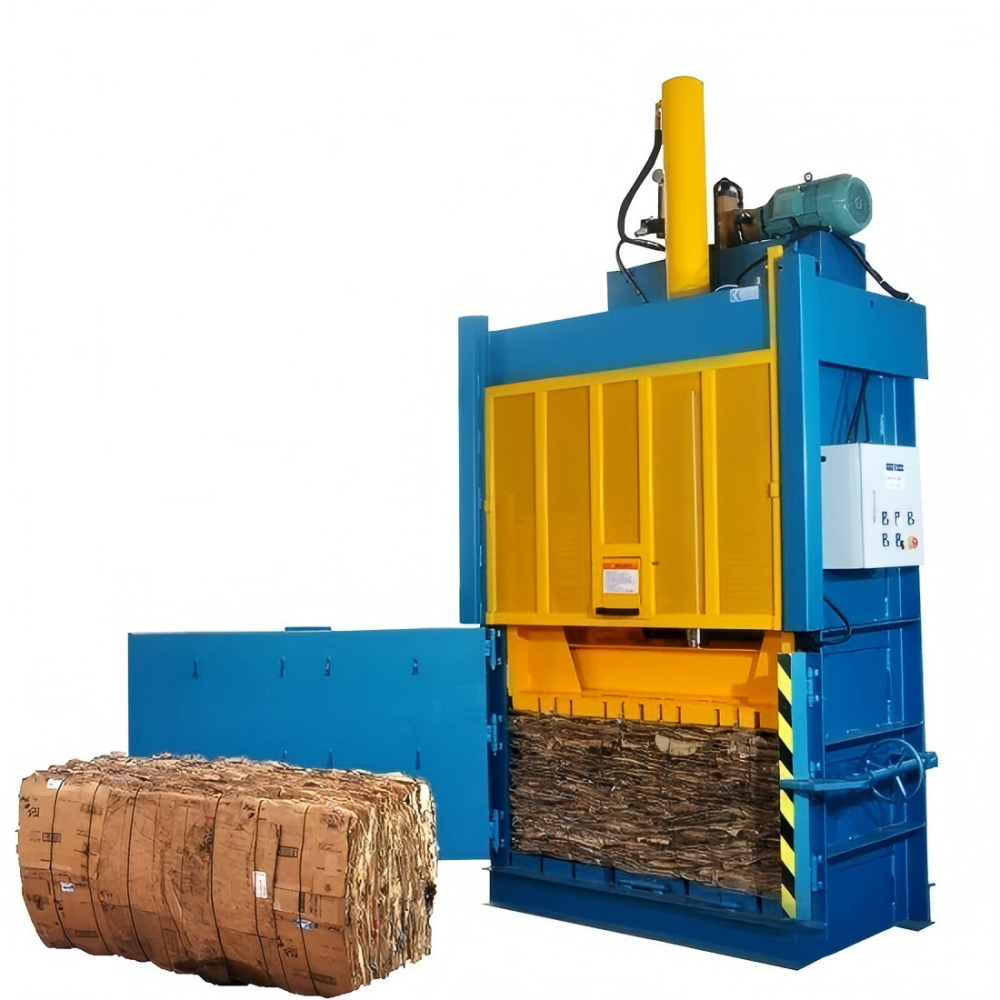
Another key consideration is the mechanical alignment of the interlock actuator. Most vertical balers utilize a tongue-and-groove or magnetic proximity sensor system. If the loading door sags over time due to the weight of the steel or heavy-duty hinges, the actuator may no longer align perfectly with the switch head. This misalignment can cause the machine to ‘stutter’ or fail to start, as the PLC (Programmable Logic Controller) detects an ‘open’ status even when the door appears closed. Checking hinge tension and door latch alignment should be the first step in any troubleshooting sequence.
Electrical continuity is the third pillar of safety system integrity. Over years of operation, the wiring harnesses that run to the door switches are subjected to constant flexing. This can lead to internal wire fatigue, where the insulation remains intact but the copper conductor breaks. Using a multimeter to check for continuity while moving the door through its full range of motion is an effective way to identify intermittent wiring faults. Furthermore, ensuring that all terminal blocks are tight and free from corrosion is vital for preventing high-resistance connections that can trigger false safety errors.
Finally, the human element cannot be ignored. Operators should be trained to recognize the difference between a machine that is ‘locked out’ due to a safety fault and one that is simply waiting for a cycle to complete. Misunderstanding the control panel indicators often leads to unnecessary service calls. Clear labeling of safety status lights and providing operators with a basic ‘pre-shift’ checklist—such as verifying that the E-stop button is pulled out and the door is fully latched—can significantly reduce the frequency of reported safety switch problems.
Technical Details: Troubleshooting Interlocks and Emergency Stops
Troubleshooting the safety circuit requires a logical, step-by-step approach. Start by consulting the HARSLE electrical schematic specific to your machine model. The safety circuit is typically a series loop; if any single component in the loop is open, the entire system will fail to energize. Begin by checking the Emergency Stop buttons. These are often the most exposed components. Inspect the contact blocks behind the E-stop button for signs of arcing or physical damage. If the button does not ‘click’ firmly into the pulled-out position, the internal spring mechanism may be worn, necessitating a replacement of the contact block.
Next, move to the interlock switches. If the machine indicates a ‘Door Open’ error despite the door being shut, use a multimeter to verify the state of the switch. With the power safely isolated, check the switch for continuity. If the switch is a mechanical limit switch, listen for a distinct ‘click’ when the actuator is engaged. If the switch is a proximity sensor, ensure that the target (the door) is within the specified sensing distance, usually 2-5mm. If the sensor LED does not illuminate when the door is closed, the sensor itself may have failed or the power supply to the sensor may be interrupted.
The role of the safety relay or PLC input module is also critical. In modern HARSLE balers, safety switches are often wired into a dedicated safety relay that monitors for short circuits or ground faults. If the relay is flashing a fault code, refer to the manufacturer’s manual to decode the specific error. Sometimes, a safety relay can ‘latch’ in a fault state if it detects a discrepancy between two channels of a dual-channel safety circuit. Resetting the relay or cycling the main power can sometimes clear a transient fault, but if the error persists, it indicates a genuine hardware issue that requires immediate attention.
When replacing components, always use OEM-specified parts. Safety switches are rated for specific current and voltage loads and often feature positive-break contacts. Using a generic hardware-store switch can lead to contact welding, where the switch fails in the ‘closed’ position, effectively disabling the safety system. This is a catastrophic risk. Ensure that all replacements are rated for the industrial environment of a metal fabrication facility, featuring IP67 or higher ingress protection to guard against dust and moisture.
Selection Advice for Long-Term Reliability
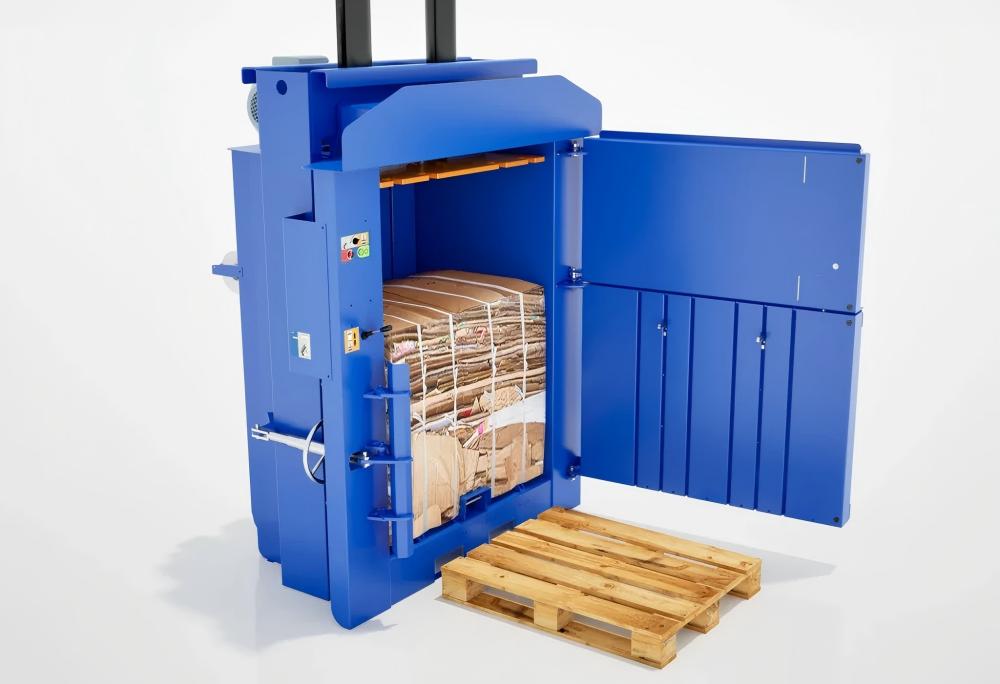
When investing in new HARSLE equipment, the selection process should prioritize the quality of safety components. Look for balers that utilize dual-channel safety circuits, which provide redundancy; if one switch fails, the second channel ensures the machine remains safe. Additionally, opt for non-contact safety switches where possible. These sensors are less prone to mechanical wear and misalignment compared to traditional limit switches, making them ideal for the heavy-duty cycles of a metal fabrication shop.
Consider the ease of maintenance when selecting your baler. Machines that feature modular control panels and clearly labeled terminal strips allow for faster troubleshooting. A well-organized electrical cabinet, where safety wiring is color-coded and separated from high-voltage power lines, reduces the risk of electromagnetic interference (EMI) causing false trips. During the procurement phase, ask the manufacturer about the availability of spare parts and the accessibility of the safety switches. A machine that requires significant disassembly to reach a simple interlock switch will inevitably lead to higher maintenance costs over its lifespan.
Evaluate the integration of the E-stop system. High-quality balers will have multiple E-stop locations: one on the main control panel, one near the loading door, and potentially one near the bale ejection area. This strategic placement ensures that an operator can reach a stop button from any position around the machine. Furthermore, ensure that the E-stop buttons are of the ‘twist-to-release’ variety, which prevents accidental activation while ensuring a positive, tactile response when pressed.
Finally, consider the manufacturer’s support network. HARSLE provides comprehensive documentation and technical support, which is invaluable when dealing with complex safety interlocks. When selecting a machine, ensure that the documentation includes detailed wiring diagrams and a troubleshooting matrix. Having access to this information allows your internal maintenance team to resolve minor issues quickly, minimizing the need for external service technicians and reducing total cost of ownership.
Frequently Asked Questions (FAQ)
- Q: Why does my vertical baler show a ‘Door Open’ error even when the door is closed?
A: This is usually caused by a misaligned interlock actuator or a faulty limit switch. Check the door hinges for sag and ensure the switch actuator is making firm contact with the sensor. - Q: Can I bypass the safety switch to finish a job?
A: Absolutely not. Bypassing safety switches is illegal in most jurisdictions and poses a severe risk of injury or death. Always repair the fault using compliant parts. - Q: How often should I test the emergency stop buttons?
A: E-stop buttons should be tested as part of your daily pre-shift inspection. Press each button to ensure the machine stops immediately and that the control circuit resets correctly upon release. - Q: What should I do if the safety relay keeps tripping?
A: A tripping safety relay often indicates a short circuit in the wiring or a faulty contact block. Inspect the wiring harnesses for signs of abrasion or pinching, especially near moving parts. - Q: Are proximity sensors better than mechanical limit switches?
A: Proximity sensors are generally more reliable in dusty environments because they have no moving parts to wear out. However, they must be kept clean to function correctly.
Conclusion
Vertical Baler Safety Switch Problems: Troubleshooting Interlocks and Emergency Stops are manageable challenges when approached with a systematic, safety-first mindset. By understanding the electrical and mechanical components that govern your HARSLE baler, you can ensure that your facility remains both productive and safe. Regular maintenance, proper component selection, and rigorous adherence to safety protocols are the hallmarks of a well-run metal fabrication operation. Remember that the safety system is the most important part of your machine; treat it with the care and attention it deserves to protect your most valuable assets—your employees.
As technology advances, the integration of smarter sensors and more robust PLC diagnostics will continue to improve the reliability of industrial machinery. However, the fundamentals of troubleshooting—inspecting for physical damage, verifying electrical continuity, and ensuring correct alignment—will remain the core skills required for any maintenance professional. By documenting your troubleshooting efforts and keeping a log of safety system repairs, you can identify patterns that may indicate a need for a more permanent upgrade or a change in operational procedures.
Ultimately, the goal of any maintenance program is to prevent failures before they occur. By implementing a proactive inspection schedule that focuses on the safety interlocks and E-stop circuits, you can avoid the frustration of unexpected downtime. HARSLE is committed to providing the tools and knowledge necessary to keep your equipment running at peak performance. If you encounter a persistent safety issue that cannot be resolved through standard troubleshooting, do not hesitate to contact our technical support team for expert guidance. Your commitment to safety is the foundation of a successful and sustainable metal fabrication business.