Vertical Baler Bale Tying Issues: Troubleshooting Wire, Strap, and Eject Problems

Introduction to Vertical Baler Operational Challenges
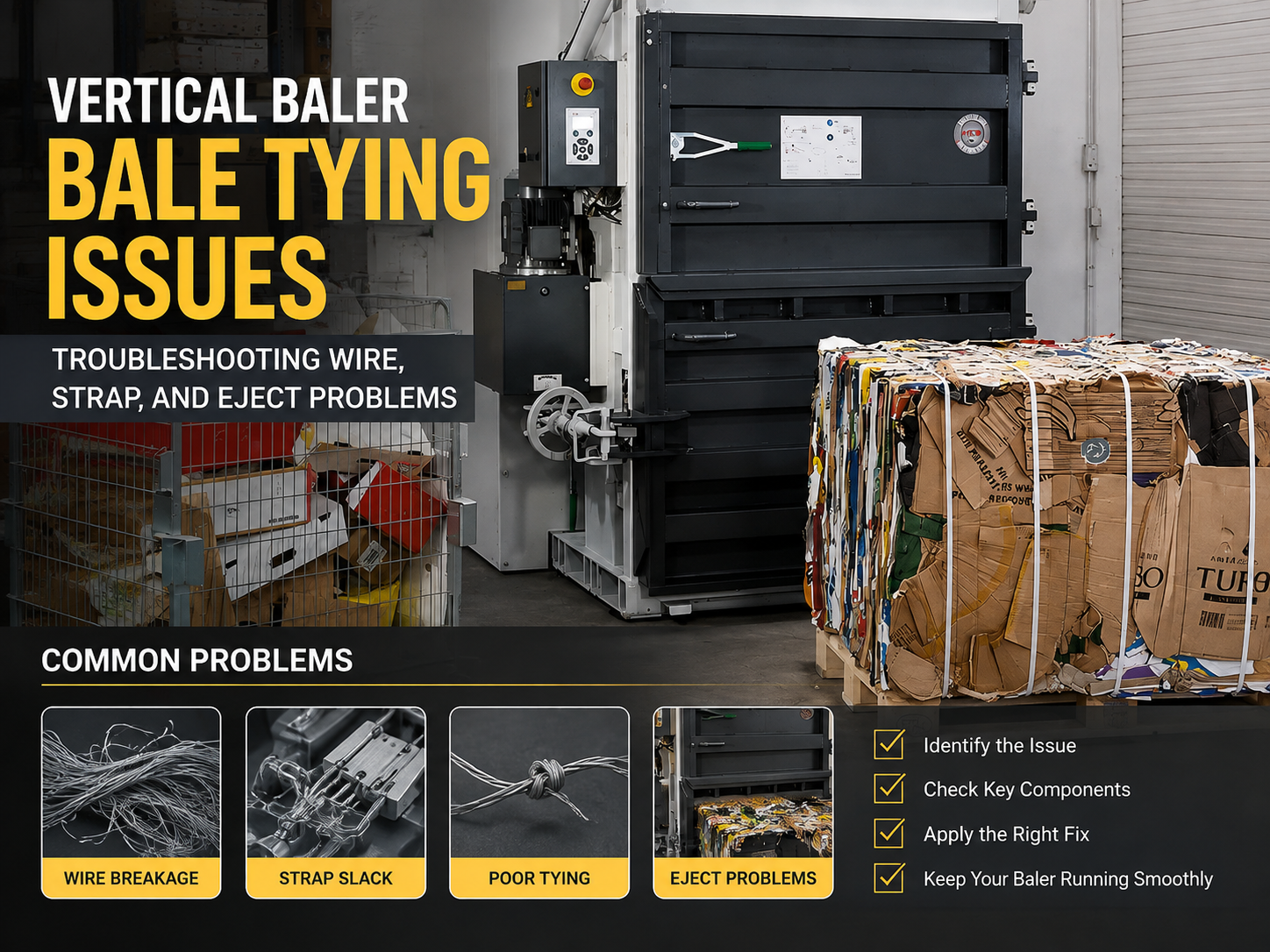
In the high-stakes environment of metal fabrication and industrial waste management, the vertical baler serves as a critical component for volume reduction and material handling. However, even the most robust HARSLE vertical baler can encounter operational hurdles. Vertical Baler Bale Tying Issues: Troubleshooting Wire, Strap, and Eject Problems is a comprehensive guide designed to help facility managers and operators maintain peak productivity. When a baler fails to tie correctly or struggles to eject a finished bale, it creates a bottleneck that ripples through the entire production line.
Understanding the mechanical nuances of your equipment is the first step toward minimizing downtime. Whether you are dealing with snapping wires, loose strapping, or a bale that refuses to exit the chamber, these issues are rarely random. They are typically symptoms of mechanical misalignment, incorrect material density, or improper maintenance routines. By addressing these problems systematically, you can extend the lifespan of your HARSLE machinery and ensure a safer working environment for your team.
This article explores the technical intricacies of the tying and ejection process. We will break down the common failure points, provide actionable troubleshooting steps, and offer advice on selecting the right consumables for your specific material types. By mastering these maintenance protocols, you transform your baler from a potential source of frustration into a reliable workhorse that consistently delivers high-density, well-secured bales.
Key Considerations for Bale Tying Integrity
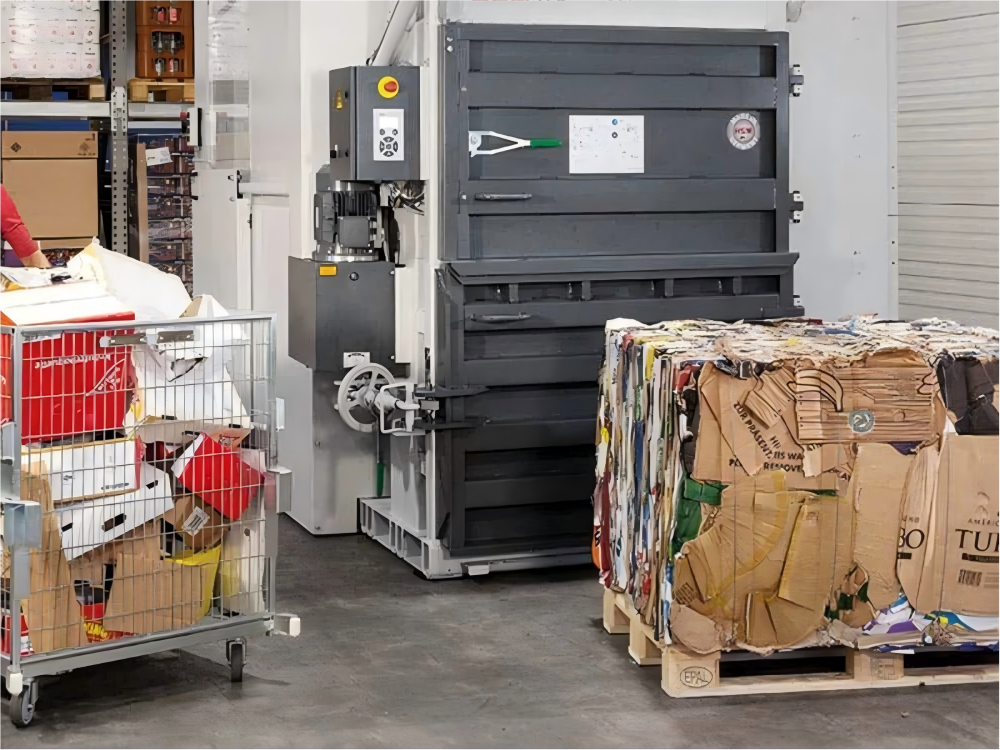
The integrity of a bale depends entirely on the tension and placement of the tying medium. Whether your facility utilizes galvanized steel wire or high-tensile polypropylene strapping, the physics of the tie remain the same. If the tension is inconsistent, the bale will expand once the pressure is released, potentially causing the tie to snap or the bale to lose its structural shape. This is often the primary cause of Vertical Baler Bale Tying Issues: Troubleshooting Wire, Strap, and Eject Problems.
Operators must consider the material being baled. Metal scrap, for instance, requires significantly higher tensile strength in the tying medium compared to corrugated cardboard. Using the wrong gauge of wire or the incorrect strap width is a common oversight that leads to premature failure. Furthermore, the environment in which the baler operates—such as high-humidity areas—can affect the performance of certain strapping materials, making it vital to choose consumables that are rated for your specific industrial climate.
Another critical factor is the threading path. If the wire or strap is not routed through the baler’s channels correctly, it will encounter friction that prevents proper tensioning. Over time, this friction can wear down the guide channels, creating burrs that snag the wire. Regular inspection of the threading path is a non-negotiable aspect of preventative maintenance. Ensuring that the channels are clean and free of debris is a simple yet effective way to prevent the most common tying failures.
Finally, the timing of the tying cycle is paramount. Modern HARSLE vertical balers are equipped with sensors that detect when the bale has reached the desired height. If these sensors are misaligned or dirty, the baler may attempt to tie a bale that is either too small or too large, placing undue stress on the tying mechanism. Maintaining sensor cleanliness and calibration is essential for consistent performance and long-term operational success.
Technical Details: Troubleshooting Wire and Strap Failures
When wire or strap breakage occurs, the first step is to inspect the tensioning mechanism. If the tension is set too high, the material will reach its breaking point before the knot or seal is secured. Conversely, if the tension is too low, the bale will expand, causing the tie to slip. Troubleshooting this requires a systematic adjustment of the tensioning valve or the electronic control settings, depending on the specific model of your HARSLE baler.
The quality of the knot or seal is equally important. For wire-tied bales, ensure that the twisting mechanism is free of metal shavings. Small pieces of debris can interfere with the twister’s ability to create a tight, secure loop. For strapped bales, check the heat-sealing or friction-welding head. If the seal is weak, it may be due to a worn heating element or an accumulation of plastic residue on the welding plates. Regular cleaning of these components is vital to ensure a strong, reliable bond every time.
If you are experiencing frequent snapping, examine the wire or strap path for sharp edges. Over time, the constant movement of the tying medium can create grooves in the steel guide channels. These grooves act like a knife, slicing into the wire as it is pulled tight. If you identify such wear, the channels must be smoothed or replaced. Ignoring these physical defects will only lead to recurring failures, regardless of how many adjustments you make to the tension settings.
Lastly, consider the material density. If the baler is being overloaded, the internal pressure can cause the bale to bulge in a way that puts uneven stress on the ties. Always adhere to the manufacturer’s guidelines regarding maximum bale weight and dimensions. If the bale is consistently too heavy, the tying mechanism will inevitably struggle, leading to the very issues you are trying to avoid. Balancing the load is a fundamental aspect of effective baler management.
Resolving Ejection Problems and Chamber Obstructions
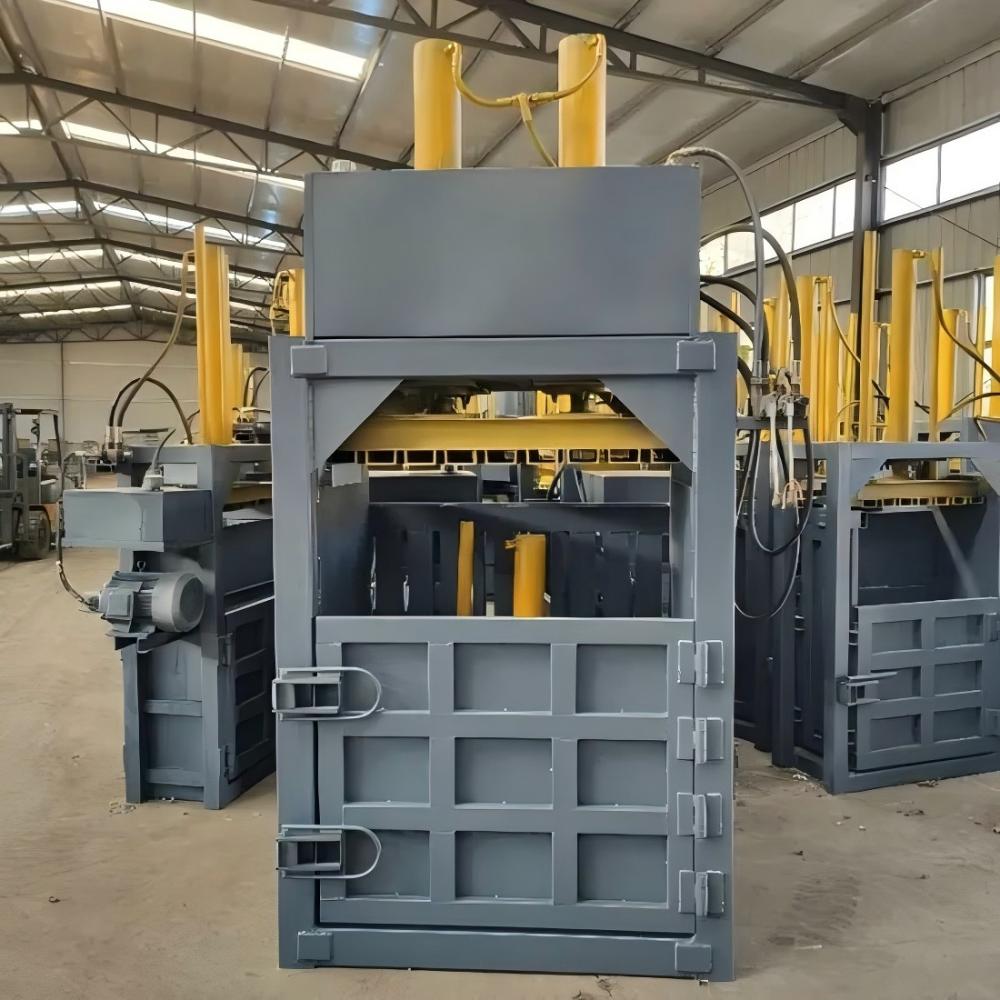
Bale ejection problems are often linked to the physical state of the chamber. If the chamber walls are dented or if there is a buildup of sticky residue, the bale will encounter resistance as it is pushed out. This resistance can cause the ejection ram to stall or, in severe cases, damage the hydraulic system. Keeping the chamber interior clean and free of debris is the most effective way to ensure smooth ejection cycles.
Another common cause of ejection failure is the improper placement of the bale ejector chains or straps. If these are not positioned correctly before the baling process begins, they may become tangled or fail to engage with the bale when the time comes to eject. Always verify the positioning of the ejection mechanism before starting a new cycle. A quick visual check can save significant time and prevent the need for manual intervention, which is both time-consuming and potentially hazardous.
Hydraulic pressure issues can also manifest as ejection problems. If the hydraulic pump is not delivering sufficient pressure, the ram may lack the force required to push a dense bale out of the chamber. Check the hydraulic fluid levels and the condition of the filters regularly. A drop in pressure is often a sign that the system is working harder than it should, which can be caused by a blockage or a failing pump component. Addressing these hydraulic issues early prevents more costly repairs down the line.
Finally, consider the bale size. If the bale is too large for the ejection door, it will become wedged. This is often a result of the operator ignoring the “bale full” indicator. When the indicator light flashes, the baling process must stop. Attempting to squeeze in “just one more” load of material creates an oversized bale that is difficult to tie and nearly impossible to eject safely. Adhering to operational limits is the simplest way to maintain a smooth workflow.
Selection Advice: Choosing the Right Baler for Your Needs
Selecting the right vertical baler is the most effective way to prevent Vertical Baler Bale Tying Issues: Troubleshooting Wire, Strap, and Eject Problems before they start. When evaluating HARSLE equipment, consider the volume and type of material you handle daily. A baler designed for light cardboard will quickly fail if used for heavy metal scrap. Always consult with technical experts to match the machine’s force, chamber size, and tying mechanism to your specific industrial application.
Look for features that enhance ease of maintenance. Modern balers often include automated tying systems that reduce human error. While these systems require a higher initial investment, they significantly decrease the likelihood of tying failures. Additionally, prioritize machines with accessible maintenance panels and clear diagnostic displays. Being able to quickly identify a sensor fault or a pressure drop allows your maintenance team to resolve issues before they escalate into full-scale machine downtime.
Consider the availability of spare parts and technical support. A machine is only as good as the service behind it. HARSLE provides comprehensive support, ensuring that if you do encounter a complex issue, you have access to the necessary components and expertise to get back up and running quickly. When purchasing, ask about the expected maintenance schedule and the availability of training for your operators. A well-trained team is the best defense against operational errors.
Finally, think about the future growth of your facility. If you anticipate an increase in waste volume, it may be more cost-effective to invest in a higher-capacity baler now rather than upgrading later. A machine that is consistently running at its maximum capacity is more prone to wear and tear. By choosing a baler that offers a buffer for your production needs, you ensure that the equipment operates within its optimal range, leading to fewer tying and ejection problems over the long term.
Frequently Asked Questions (FAQ)
Why does my baler wire keep snapping during the tying process?
Wire snapping is usually caused by excessive tension, a misaligned threading path, or sharp burrs in the guide channels. Check the tension settings and inspect the channels for wear.
How can I prevent the bale from getting stuck in the chamber?
Ensure the chamber is kept clean of debris and residue. Do not exceed the maximum bale weight, and verify that the ejection chains are properly positioned before starting the baling cycle.
What is the best way to maintain the tying mechanism?
Regularly clean the twister or sealing head to remove dust and debris. Lubricate moving parts according to the HARSLE maintenance manual and inspect for signs of wear on a weekly basis.
Can I use any type of wire for my vertical baler?
No, you must use the gauge and material type specified by the manufacturer. Using the wrong wire can damage the tying mechanism and lead to frequent failures.
How often should I check the hydraulic system?
Hydraulic fluid levels and filters should be checked monthly. If you notice a decrease in ram force or unusual noises, perform an inspection immediately to prevent pump failure.
Conclusion
Mastering the intricacies of your HARSLE vertical baler is essential for maintaining a productive and safe fabrication environment. By understanding the root causes of Vertical Baler Bale Tying Issues: Troubleshooting Wire, Strap, and Eject Problems, you can implement proactive maintenance strategies that keep your equipment running smoothly. From ensuring the correct tension of your tying medium to keeping the chamber clean and the hydraulic system well-maintained, every step you take contributes to the longevity and efficiency of your machinery.
Remember that troubleshooting is a systematic process. By observing the machine’s behavior, checking for mechanical wear, and adhering to operational guidelines, you can resolve most issues without the need for external repairs. Investing time in operator training and routine inspections will pay dividends in the form of reduced downtime and increased throughput. When you treat your baler with the care it requires, it will continue to be a reliable asset in your metal fabrication or waste management operations for years to come.
If you encounter persistent issues that cannot be resolved through standard troubleshooting, do not hesitate to reach out to HARSLE technical support. Our team is dedicated to helping you optimize your equipment performance and ensuring that your facility remains at the cutting edge of industrial efficiency. Stay proactive, stay safe, and keep your production lines moving with confidence.