Gantry Shear Fault Diagnosis Guide for Faster Repair and Less Downtime

Introduction to Gantry Shear Fault Diagnosis
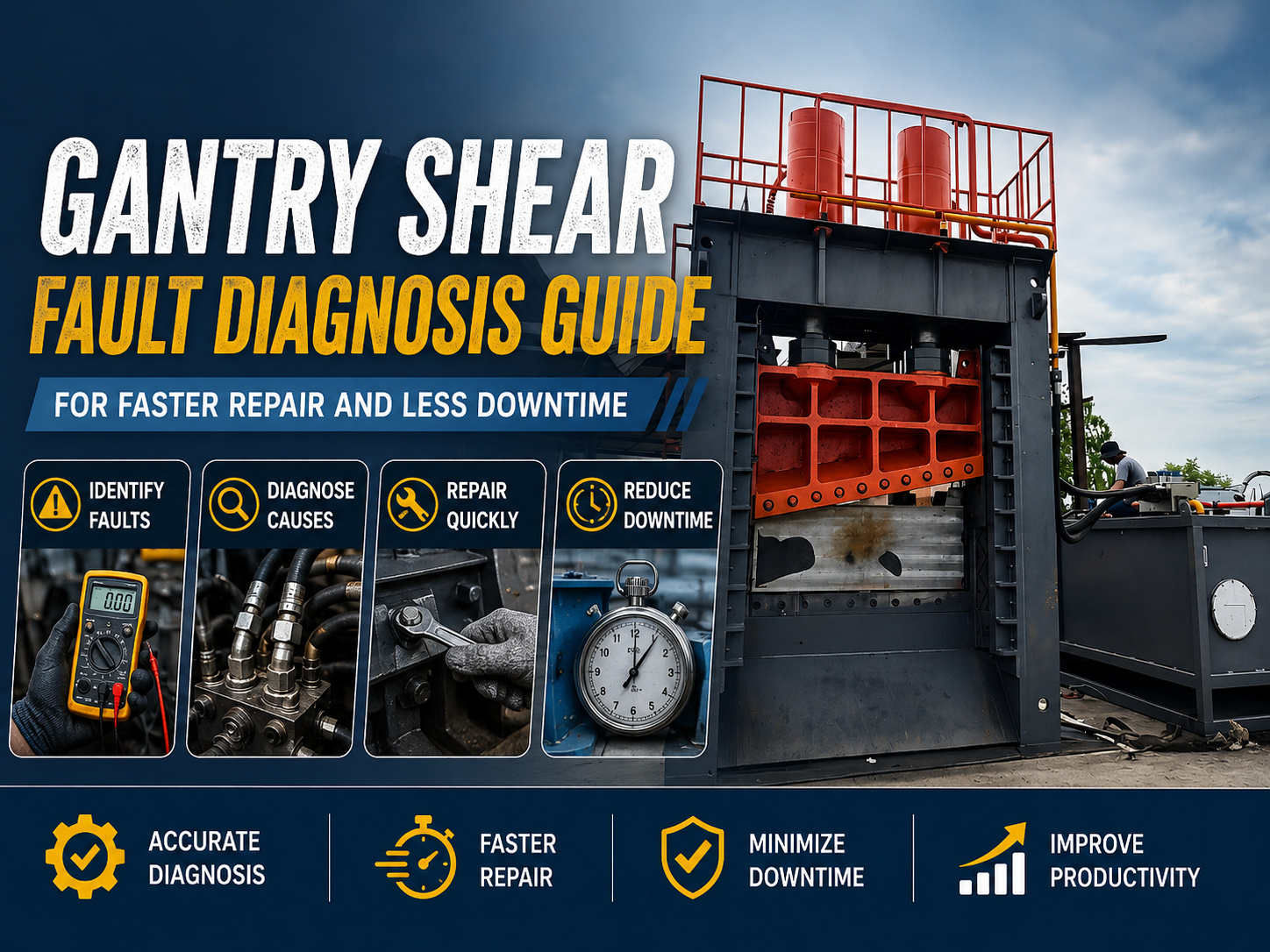
In the high-stakes world of heavy metal fabrication, the gantry shear stands as a cornerstone of production efficiency. When this robust piece of machinery experiences an unexpected stoppage, the ripple effect on your production schedule can be catastrophic. Mastering a systematic approach to Gantry Shear Fault Diagnosis Faster Repair Less Downtime is not merely a technical skill; it is a strategic necessity for any shop floor manager or maintenance engineer. By understanding the intricate relationship between hydraulic pressure, mechanical alignment, and electrical control, operators can transition from reactive firefighting to proactive maintenance.
HARSLE understands that downtime is the enemy of profitability. This guide is designed to provide a comprehensive framework for identifying, isolating, and resolving common faults in gantry shearing systems. Whether you are dealing with inconsistent cut quality, hydraulic leaks, or electrical control failures, the ability to diagnose issues quickly ensures that your equipment remains operational, safe, and precise. We will explore the technical nuances of these machines, offering actionable insights that bridge the gap between complex engineering and daily operational reality.
Effective fault diagnosis begins with a deep understanding of the machine’s baseline performance. When operators are trained to recognize the subtle signs of wear—such as slight changes in motor pitch, vibration patterns, or minor fluctuations in cycle time—they can intervene before a catastrophic failure occurs. This proactive stance is the foundation of our Gantry Shear Fault Diagnosis Faster Repair Less Downtime methodology, allowing your team to maintain peak output while extending the service life of your investment.
Throughout this article, we will dissect the various subsystems of the gantry shear, providing a roadmap for troubleshooting that minimizes guesswork. By following these structured diagnostic protocols, you can significantly reduce the time spent on troubleshooting, ensuring that your metal fabrication equipment remains a reliable asset rather than a bottleneck in your production line.
Key Considerations for Operational Reliability
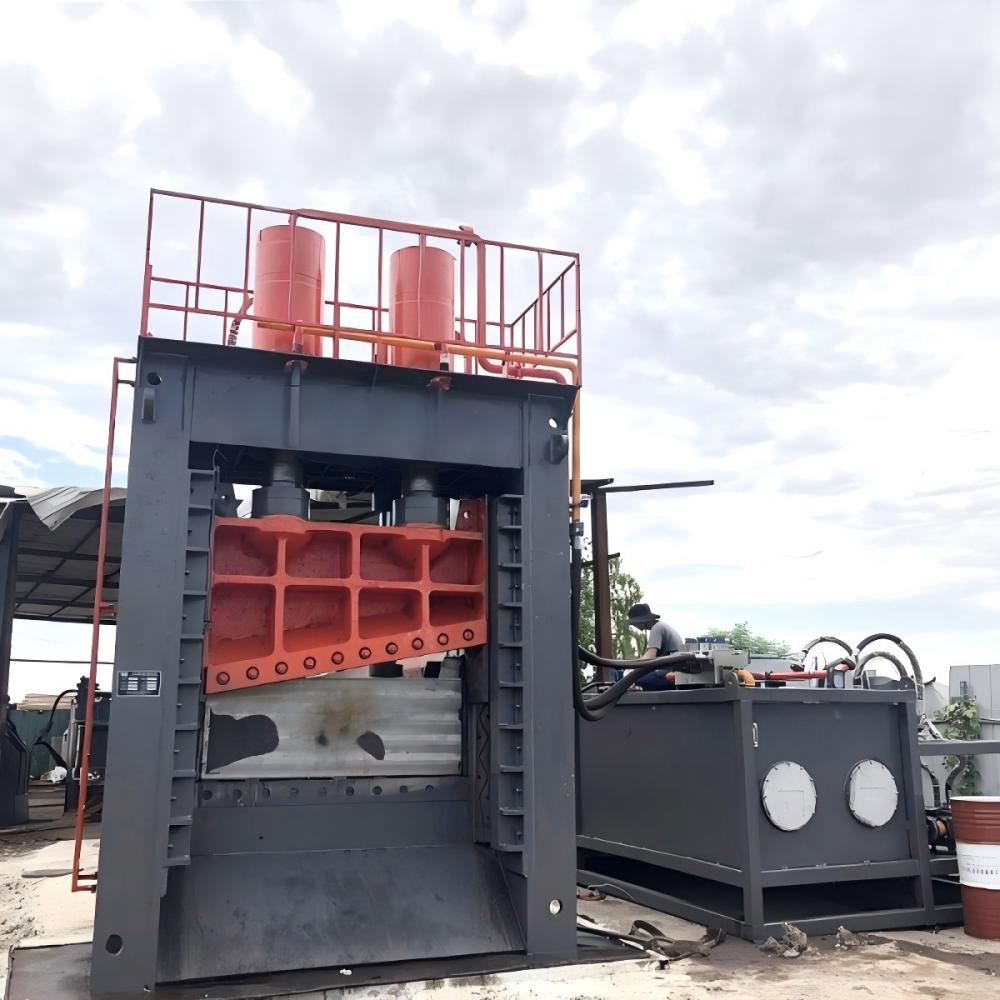
The first step in any maintenance strategy is establishing a rigorous inspection schedule. A gantry shear is a complex assembly of hydraulic, mechanical, and electrical components, each requiring specific attention. Operators should perform daily checks on fluid levels, filter condition, and the integrity of safety guards. By documenting these daily status reports, maintenance teams can identify trends in machine behavior that might indicate an impending fault, allowing for scheduled repairs during planned downtime rather than emergency interventions.
Environmental factors play a significant role in the longevity of your gantry shear. Dust, metal shavings, and extreme temperature fluctuations can wreak havoc on sensitive electronic components and hydraulic seals. Ensuring that the machine is housed in a clean, climate-controlled environment—or at least protected by robust shielding—is essential. Furthermore, the quality of the hydraulic oil must be monitored regularly. Contaminated oil is the leading cause of valve failure and pump degradation, both of which are difficult and expensive to repair.
Operator training is another critical pillar of reliability. A well-trained operator is the first line of defense in Gantry Shear Fault Diagnosis Faster Repair Less Downtime. They should be empowered to perform basic troubleshooting, such as checking limit switches, verifying electrical connections, and inspecting cutting blades for signs of dullness or chipping. When operators understand the ‘why’ behind the machine’s operation, they are far more likely to report minor issues before they escalate into major failures.
Finally, consider the importance of original spare parts. While generic components may seem cost-effective in the short term, they often lack the precision and durability required for heavy-duty metal fabrication. Using OEM-certified parts ensures that your machine operates within its design specifications, maintaining the accuracy and safety standards that HARSLE machines are known for. Investing in quality components is an investment in the long-term uptime of your facility.
Technical Details: Troubleshooting Hydraulic and Mechanical Systems
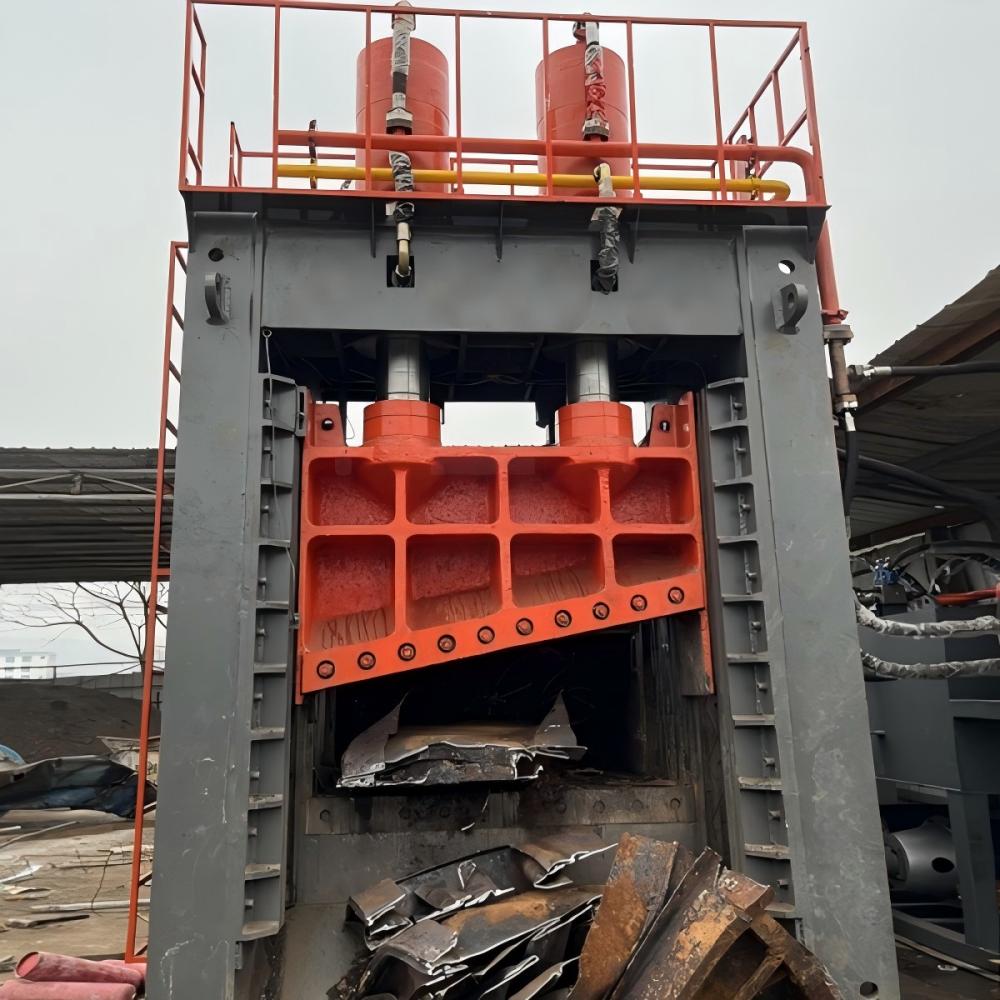
Hydraulic systems are the heart of the gantry shear, providing the immense force required to cut through thick metal plates. When the shear fails to cut or operates sluggishly, the hydraulic system is the primary suspect. Start by checking the hydraulic pump pressure against the manufacturer’s specifications. If the pressure is low, investigate the relief valves for debris or wear. Often, a simple cleaning of a stuck valve can restore full functionality, saving hours of unnecessary disassembly.
Mechanical alignment is equally vital. If the gantry shear produces burrs or uneven cuts, the issue often lies in the blade clearance or the parallelism of the upper and lower blades. Over time, the constant impact of shearing can cause slight shifts in the blade housing. Regularly checking the blade gap with a feeler gauge is a standard procedure that prevents damage to the blades and ensures a clean, professional cut every time. If the blades are dull, they must be sharpened or replaced immediately to prevent excessive strain on the hydraulic cylinders.
Electrical control systems manage the timing and safety of the shearing cycle. Modern gantry shears utilize PLC (Programmable Logic Controller) systems to coordinate the movement of the hold-downs and the blade beam. If the machine fails to cycle, check the status lights on the PLC. Often, a tripped safety light curtain or a faulty limit switch is the culprit. By using a multimeter to check for continuity in the safety circuits, maintenance teams can quickly isolate the fault and bypass the need for extensive system diagnostics.
Lubrication is the silent hero of mechanical longevity. The guide rails and sliding surfaces of the gantry must be kept well-lubricated to prevent friction-induced wear. If you notice jerky movement or unusual noise during the cutting stroke, check the automatic lubrication system. Ensure that all lines are clear and that the lubricant is reaching the intended friction points. A consistent lubrication schedule is one of the most effective ways to ensure Gantry Shear Fault Diagnosis Faster Repair Less Downtime.
Selection Advice: Choosing the Right Equipment for Your Shop
When selecting a gantry shear, it is important to consider the specific requirements of your production environment. Not all shears are created equal; some are designed for high-volume, thin-gauge work, while others are built for heavy-duty plate processing. Choosing a machine that is underpowered for your typical workload will lead to premature wear and frequent breakdowns. Always consult with HARSLE experts to match the machine’s capacity with your material thickness and volume requirements.
Look for features that enhance maintainability. Modern gantry shears often include diagnostic interfaces that provide real-time feedback on system health. These digital displays can alert operators to low oil levels, overheating, or electrical faults before they cause a stoppage. Investing in a machine with advanced diagnostic capabilities is a proactive step toward achieving Gantry Shear Fault Diagnosis Faster Repair Less Downtime, as it removes the guesswork from the troubleshooting process.
Consider the availability of support and service. A machine is only as good as the support behind it. HARSLE provides comprehensive documentation, remote diagnostic support, and a global network of technicians to assist with complex repairs. When evaluating potential equipment, ask about the availability of spare parts and the ease of accessing critical components for maintenance. A machine that is designed for easy serviceability will always outperform a more complex, difficult-to-access alternative.
Finally, evaluate the build quality and material standards. A robust frame, high-quality hydraulic components, and precision-ground blades are the hallmarks of a reliable gantry shear. While the initial investment may be higher, the total cost of ownership is significantly lower when you account for reduced downtime and fewer repair interventions. By prioritizing quality and serviceability, you ensure that your metal fabrication equipment remains a productive asset for years to come.
FAQ: Common Questions on Gantry Shear Maintenance
- Q: How often should I check the blade clearance on my gantry shear?
A: Blade clearance should be checked weekly or after any significant change in material thickness. Proper clearance is essential for clean cuts and blade longevity. - Q: What is the most common cause of hydraulic pressure loss?
A: The most common cause is a contaminated or stuck relief valve, followed by worn pump seals or leaks in the hydraulic lines. - Q: Can I use generic hydraulic oil in my HARSLE gantry shear?
A: We strongly recommend using the oil grade specified in your manual. Using the wrong viscosity can lead to pump failure and sluggish operation. - Q: Why does my machine stop mid-cycle?
A: This is often triggered by a safety interlock, such as a light curtain obstruction or a door switch, or a PLC error. Check the diagnostic panel for specific error codes. - Q: How can I reduce downtime during blade changes?
A: Keep a spare set of sharpened blades on hand and ensure your maintenance team is trained on the specific alignment procedure for your model.
Conclusion
Achieving Gantry Shear Fault Diagnosis Faster Repair Less Downtime is a continuous process of learning, monitoring, and maintaining. By implementing the strategies outlined in this guide—from daily inspections and operator training to the use of high-quality OEM parts—you can transform your maintenance department from a reactive cost center into a proactive engine of productivity. HARSLE is committed to supporting your success by providing not only the highest quality metal fabrication equipment but also the knowledge required to keep it running at peak performance.
Remember that every minute spent on preventive maintenance is a minute saved during a potential emergency repair. As you integrate these diagnostic practices into your daily routine, you will find that your gantry shear becomes more reliable, your production schedules more predictable, and your overall operational costs more manageable. Stay vigilant, keep your equipment clean, and always prioritize the health of your machinery to ensure long-term success in the competitive metal fabrication industry.
For further assistance with your specific machine model or to schedule a professional maintenance audit, please contact the HARSLE support team. We are here to help you optimize your shop floor and achieve the highest standards of efficiency and precision in your metal cutting operations.