How to Troubleshoot Excessive Scrap Loss in a Gantry Shear Operation: A Comprehensive Guide

Introduction
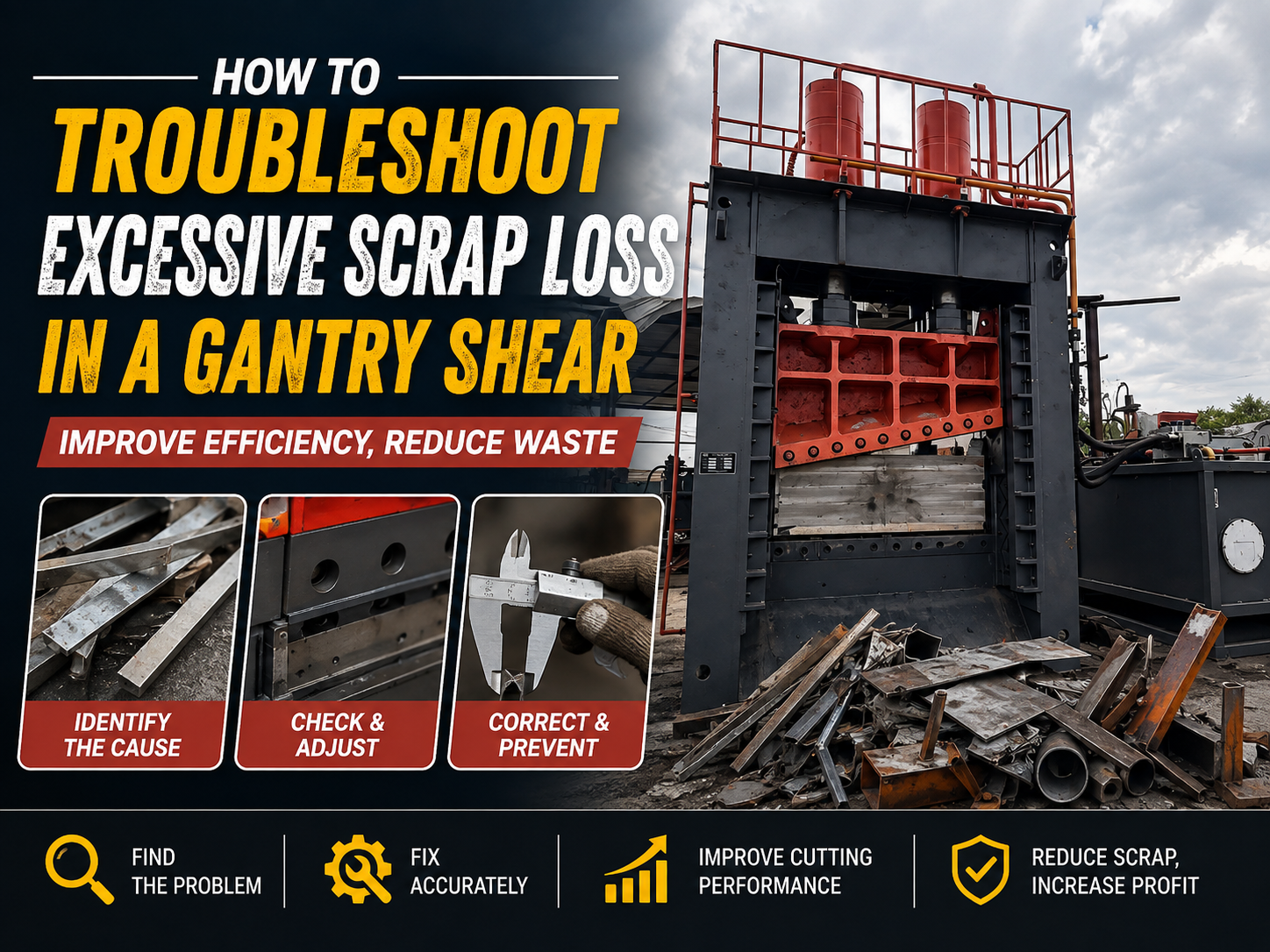
In the high-stakes world of metal fabrication, efficiency is the primary driver of profitability. For facilities utilizing heavy-duty gantry shears, material waste is not just an environmental concern—it is a direct hit to the bottom line. When you need to troubleshoot excessive scrap loss in a gantry shear operation, you are essentially looking at a breakdown in precision, material handling, or mechanical integrity. Excessive scrap often manifests as irregular cut lengths, jagged edges, or material deformation that renders the off-cuts unusable for secondary processes.
HARSLE understands that the gantry shear is the backbone of many recycling and structural steel operations. When this machine begins to produce excessive scrap, it indicates that the synchronization between the blade gap, material feeding system, and hydraulic pressure has been compromised. This guide is designed to help plant managers and machine operators systematically identify the root causes of material loss and implement corrective measures to restore operational efficiency.
Troubleshooting is not merely about fixing a broken part; it is about auditing the entire workflow. From the initial loading of the scrap metal or structural beams to the final discharge of the sheared product, every stage must be scrutinized. By focusing on the mechanical health of the shear and the precision of the feeding mechanism, operators can significantly reduce waste and maximize the yield of every ton of metal processed.
Throughout this article, we will explore the technical nuances of gantry shear operation, the importance of blade clearance, and the role of advanced automation in minimizing waste. Whether you are dealing with thin-gauge sheet metal or heavy structural profiles, the principles of scrap reduction remain consistent. Let us dive into the technical details required to optimize your production line.
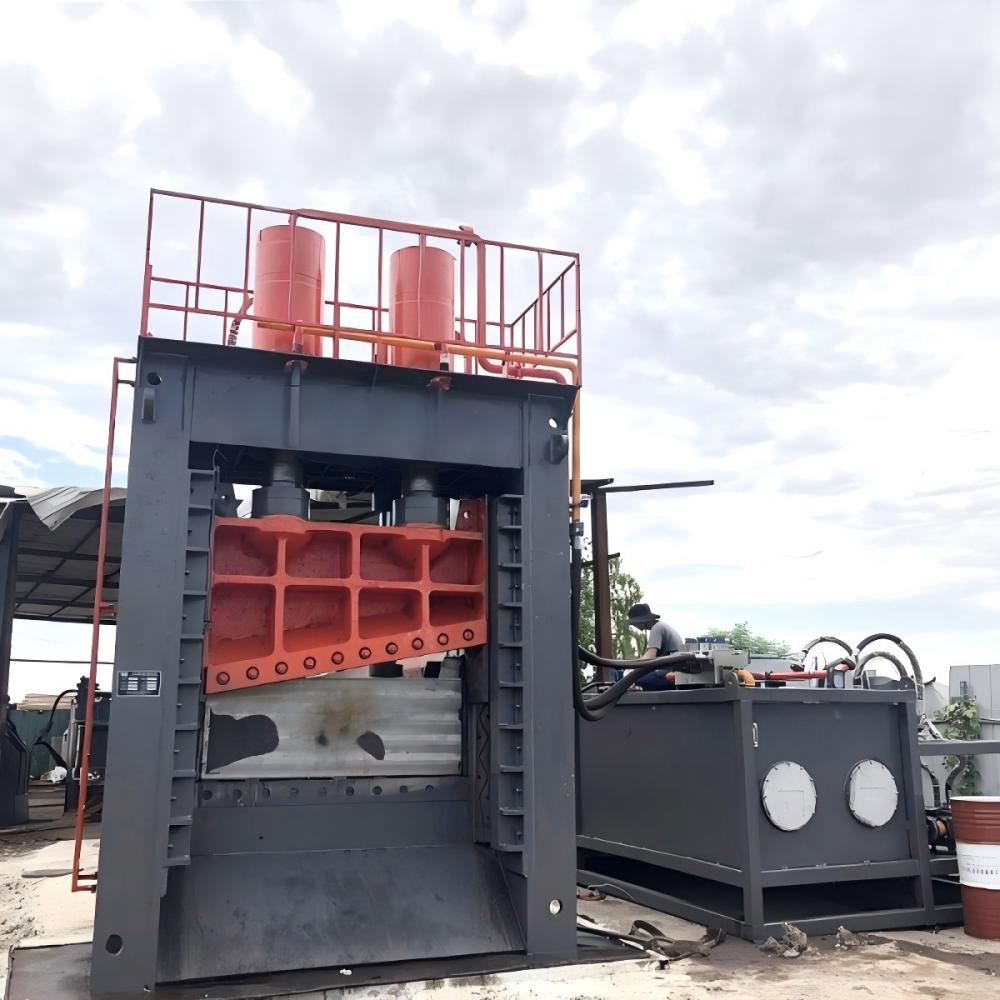
Key Considerations for Gantry Shear Efficiency
The first step to troubleshoot excessive scrap loss in a gantry shear operation is to evaluate the material feeding process. If the material is not fed into the shear at a consistent angle or speed, the resulting cuts will inevitably be off-specification. Misalignment during the feeding stage often leads to “short-cutting” or “long-cutting,” where the material is either too small for the intended application or too large, requiring secondary trimming that generates unnecessary scrap.
Another critical consideration is the material quality and preparation. Gantry shears are designed to handle specific thicknesses and hardness levels. If the input material is mixed—containing high-tensile alloys alongside mild steel—the shear force required will fluctuate. This inconsistency can cause the blade to deflect or the material to twist, leading to poor cut quality. Operators must ensure that the feed stock is sorted and that the shear settings are adjusted accordingly to handle the specific material properties.
The human element also plays a significant role in scrap generation. Improper training regarding the machine’s control interface can lead to incorrect programming of cut lengths. If the operator does not understand how to optimize the nesting of cuts, the machine will default to standard settings that may not be the most efficient for the specific batch of material. Regular training sessions are essential to ensure that the team knows how to adjust parameters for different material profiles.
Finally, environmental factors in the workshop can impact performance. Excessive vibration, uneven flooring, or fluctuating hydraulic temperatures can affect the precision of the gantry shear. A stable, level foundation is non-negotiable for heavy-duty shearing equipment. If the machine is not properly anchored, the structural integrity of the cut will suffer, leading to burrs and deformation that force the operator to discard the affected sections of the metal.
Technical Details: Identifying Mechanical Root Causes
When you troubleshoot excessive scrap loss in a gantry shear operation, the mechanical components are the most likely culprits. The most common technical issue is an incorrect blade gap. The clearance between the upper and lower blades must be precisely calibrated based on the thickness and tensile strength of the material being cut. If the gap is too wide, the material will bend and pull into the gap rather than shearing cleanly, resulting in a “ragged” edge that must be trimmed off, thus increasing scrap.
Hydraulic pressure stability is another technical pillar. Gantry shears rely on massive hydraulic force to drive the blade through the material. If the hydraulic system is experiencing pressure drops or if the seals are worn, the blade speed may become inconsistent. This inconsistency prevents a clean, single-stroke shear. Instead, the material may be partially crushed before it is cut, causing deformation that makes the piece unusable for high-tolerance fabrication tasks.
Blade wear is an inevitable reality, but it is often overlooked until scrap levels become unacceptable. As blades dull, they require more force to penetrate the material. This increased force puts additional stress on the entire machine frame and can lead to blade deflection. A deflected blade will not cut at a perfect 90-degree angle, resulting in trapezoidal shapes instead of rectangular ones. Regularly inspecting the blade edge for chipping or rounding is vital to maintaining cut accuracy.
The backgauge system is the final piece of the technical puzzle. The backgauge determines the length of the cut. If the backgauge is not calibrated or if the sensors are dirty or malfunctioning, the machine will not stop the material at the correct position. This leads to cumulative errors where every piece cut is slightly off-dimension. Implementing a routine calibration schedule for the backgauge sensors and drive motors is a proactive way to prevent scrap before it starts.
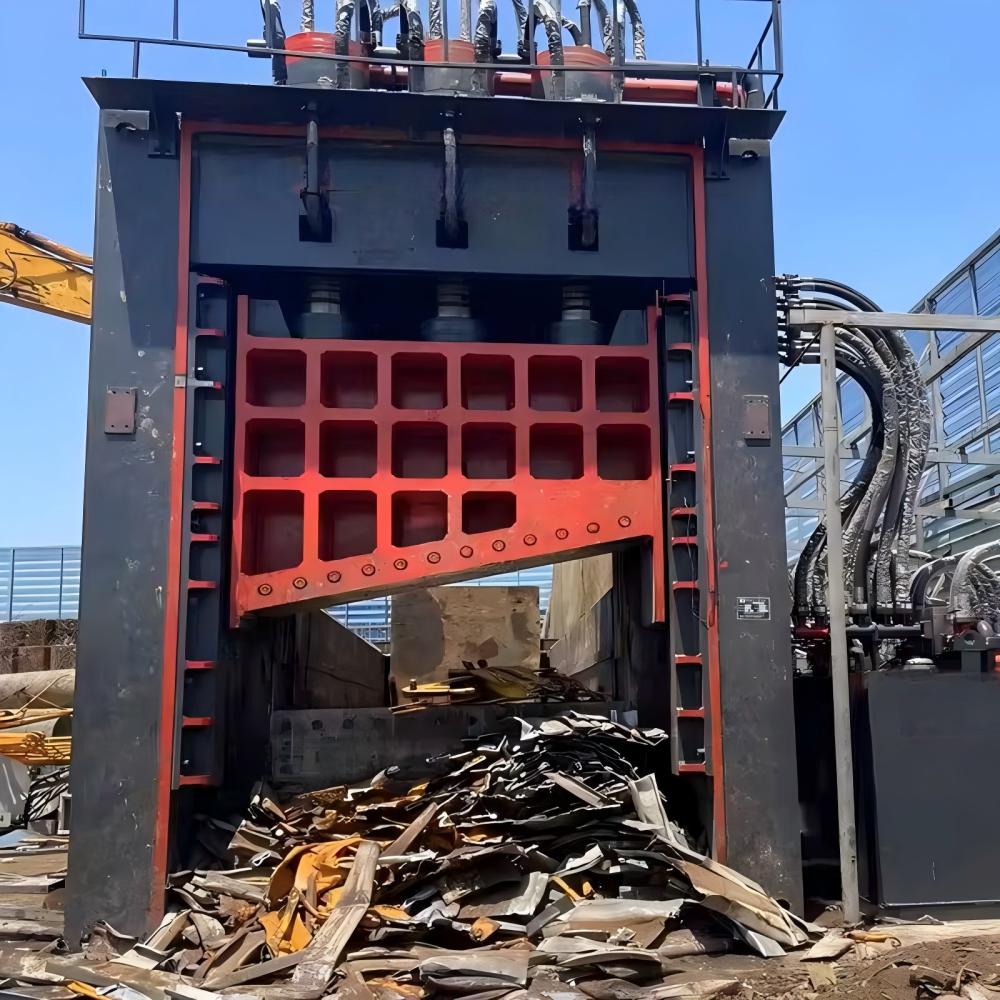
Selection Advice: Choosing the Right Equipment for Your Needs
If you find that you are constantly struggling to troubleshoot excessive scrap loss in a gantry shear operation despite rigorous maintenance, the issue may be that your current machine is not suited for your specific application. Selecting the right gantry shear requires a deep understanding of your production volume and the variety of materials you process. A machine designed for light-gauge recycling will never perform with the precision required for structural steel fabrication.
When purchasing a new gantry shear, look for features that enhance precision. Modern HARSLE gantry shears come equipped with CNC control systems that allow for automated nesting and optimized cut patterns. These systems calculate the most efficient way to cut a piece of material, significantly reducing the “skeleton” or scrap left over after the job is complete. Investing in software-driven automation is one of the most effective ways to minimize waste in a high-volume environment.
Consider the rigidity of the machine frame. A heavy-duty, stress-relieved steel frame is essential for preventing vibration and deflection during the shearing process. If the frame is too light, the energy of the shear will cause the machine to flex, leading to inconsistent cuts. Always prioritize build quality over initial cost; a machine that is built to last will pay for itself through reduced scrap and lower maintenance costs over its lifespan.
Finally, evaluate the availability of support and spare parts. A gantry shear is a long-term investment. Choosing a manufacturer that provides comprehensive technical support and easy access to replacement blades and hydraulic components ensures that your machine stays in peak operating condition. When you can quickly source high-quality parts, you avoid the temptation to “make do” with worn components that contribute to scrap loss.
FAQ: Common Questions About Gantry Shear Scrap
Why does my gantry shear produce burrs on the cut edge?
Burrs are typically caused by an incorrect blade gap or dull blades. If the gap is too wide, the material is pulled into the gap rather than sheared. If the blades are dull, they fail to penetrate cleanly. Adjust the gap according to the material thickness and sharpen or replace the blades.
How often should I calibrate the backgauge?
The backgauge should be checked for accuracy at the start of every shift or whenever you switch to a new material profile. If you notice consistent length deviations, perform a full recalibration of the CNC control system.
Can hydraulic oil temperature affect scrap rates?
Yes. If the hydraulic oil is too hot, the viscosity changes, which can lead to slower or inconsistent blade movement. Ensure your cooling system is functioning correctly to maintain optimal oil temperature for consistent shearing force.
What is the best way to minimize scrap when cutting structural beams?
Use an automated nesting software that calculates the most efficient cut sequence. Additionally, ensure the material is properly clamped to prevent shifting during the cut, which is a common cause of scrap in structural applications.
Conclusion
To troubleshoot excessive scrap loss in a gantry shear operation is to commit to a culture of precision and continuous improvement. By systematically addressing the mechanical health of your machine—specifically the blade gap, hydraulic stability, and backgauge accuracy—you can transform your production line from a source of waste into a model of efficiency. Remember that scrap is not just a byproduct; it is a metric of your operational success.
HARSLE remains dedicated to providing the metal fabrication industry with the tools and knowledge necessary to succeed. Whether you are looking to upgrade your current machinery or simply need guidance on optimizing your existing processes, our team is here to support your goals. By implementing the strategies outlined in this guide, you can reduce your scrap rates, improve your product quality, and ultimately increase the profitability of your fabrication business. Stay proactive, keep your equipment well-maintained, and always prioritize precision in every cut.