
What to Do When a Gantry Shear Trips the Breaker Repeatedly: A Comprehensive Troubleshooting Guide

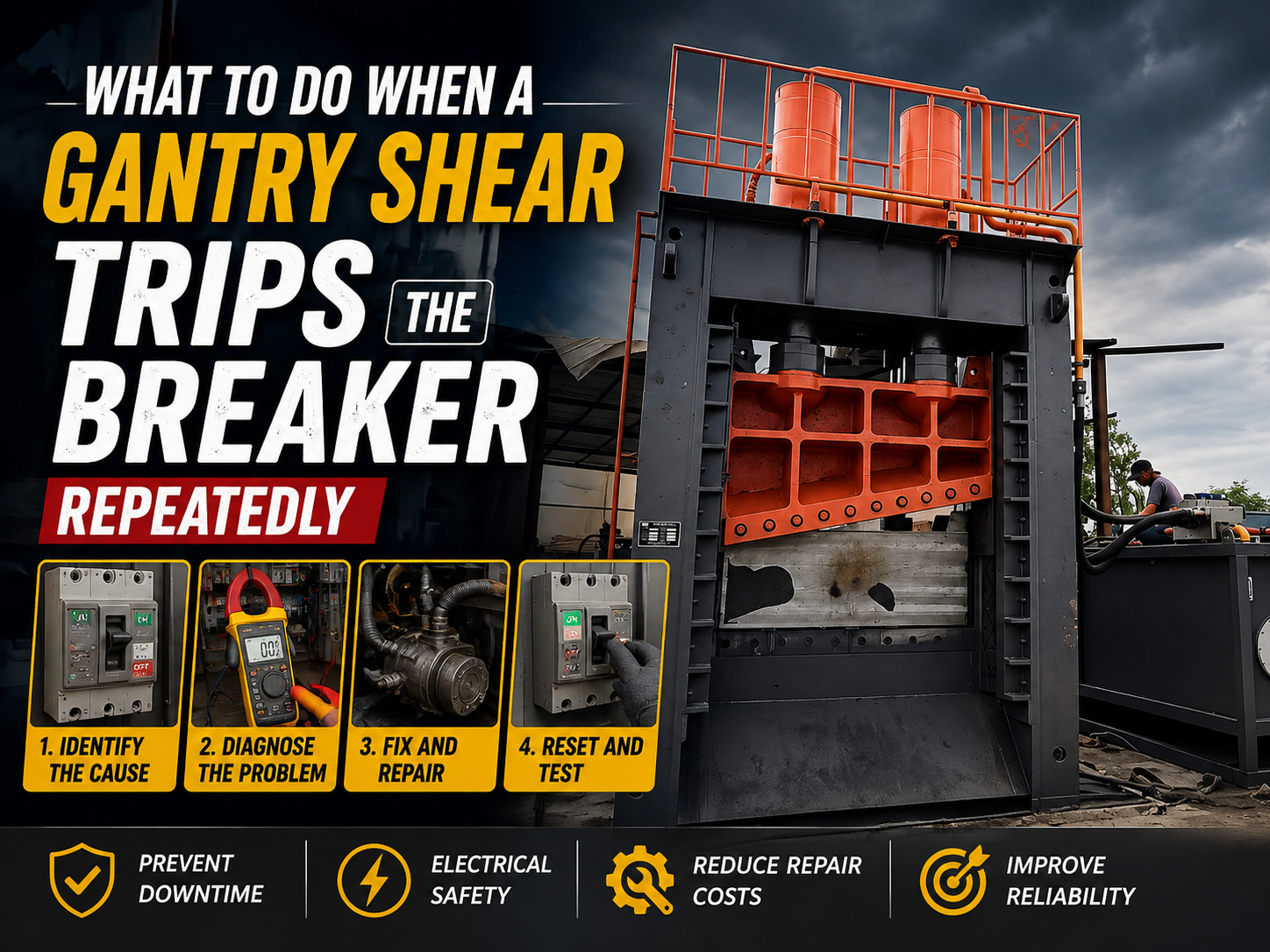
Introduction
In the high-stakes environment of a metal fabrication facility, downtime is the enemy of productivity. When you encounter a situation where your heavy-duty gantry shear trips the breaker repeatedly, it is not just a minor inconvenience—it is a signal that your electrical infrastructure or the machine’s internal components are under significant stress. Understanding what to do when a gantry shear trips the breaker repeatedly is essential for every plant manager and maintenance technician to ensure safety and operational longevity.
A gantry shear is a powerful piece of metal fabrication equipment designed to process large-scale scrap metal and structural steel. Because these machines rely on high-amperage motors and complex hydraulic systems, their electrical requirements are substantial. When a circuit breaker trips, it is performing its primary function: protecting the machine and the facility from catastrophic electrical failure, such as fire or motor burnout. However, frequent tripping indicates an underlying issue that must be diagnosed systematically.
This guide explores the technical, mechanical, and electrical factors that contribute to power instability in gantry shears. By following these troubleshooting steps, you can identify whether the problem stems from a simple power surge, a failing motor, or a deteriorating electrical panel. At HARSLE, we prioritize the safety and efficiency of your production line, and this article serves as your roadmap to restoring stability to your metal processing operations.
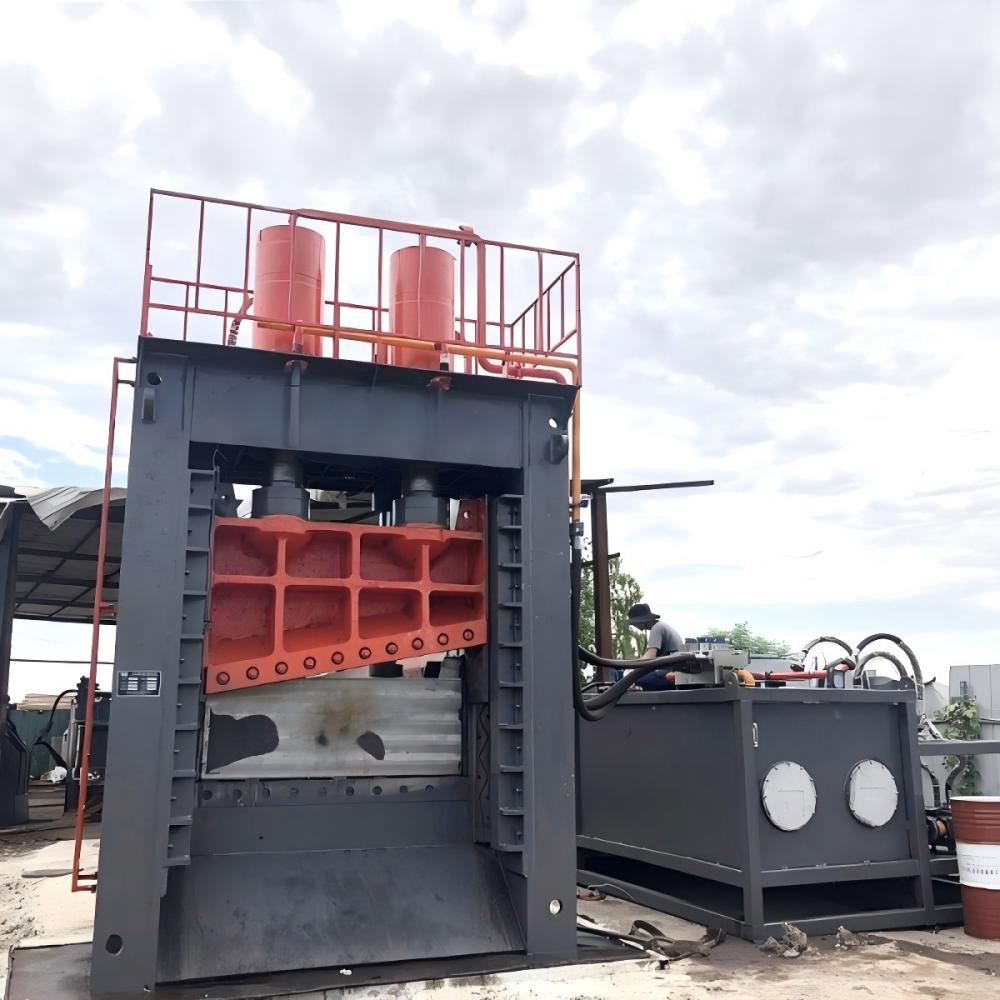
Key Considerations for Electrical Stability
Before diving into complex repairs, it is vital to understand the environment in which your gantry shear operates. Electrical stability is rarely just about the machine itself; it is about the relationship between the machine’s power draw and the facility’s electrical distribution system. When you ask what to do when a gantry shear trips the breaker repeatedly, the first consideration should always be the load profile of the equipment.
Start by checking the startup current, also known as inrush current. Large induction motors found in gantry shears often require a significant surge of power to overcome inertia during the initial start-up phase. If your breaker is sized too closely to the machine’s nominal running current, the inrush current may trigger the breaker prematurely. This is a common issue in older facilities where the electrical infrastructure has not been upgraded to match the demands of modern, high-capacity fabrication machinery.
Environmental factors also play a critical role. Metal fabrication shops are often filled with conductive dust, humidity, and temperature fluctuations. Over time, these elements can infiltrate electrical cabinets, leading to corrosion on terminals or short circuits on circuit boards. Regular cleaning and environmental control within your electrical enclosures are essential to preventing the intermittent shorts that cause breakers to trip without an obvious mechanical cause.
Finally, consider the integrity of the power supply lines. Loose connections at the breaker panel or the machine’s main disconnect switch can create high-resistance points. These points generate heat, which can cause a breaker to trip due to thermal overload rather than an actual short circuit. Always perform a visual inspection of all power cables and terminal blocks for signs of discoloration, melting, or oxidation before assuming the machine itself is at fault.
Technical Details: Troubleshooting the Power System
When you are determining what to do when a gantry shear trips the breaker repeatedly, you must adopt a methodical approach to isolate the fault. The first step is to differentiate between a mechanical overload and an electrical short. A mechanical overload occurs when the shear is forced to cut material beyond its rated capacity, causing the motor to draw excessive current. If the breaker trips only during heavy cuts, the issue is likely process-related rather than a machine defect.
If the breaker trips immediately upon power-up or during idle states, you are likely dealing with an electrical short or a ground fault. Use a multimeter to check for continuity between the phases and the ground. A ground fault in the motor windings or the main power cable is a common culprit. If you detect a low-resistance path to the ground, the machine must be disconnected from power immediately to prevent further damage to the motor or the control system.
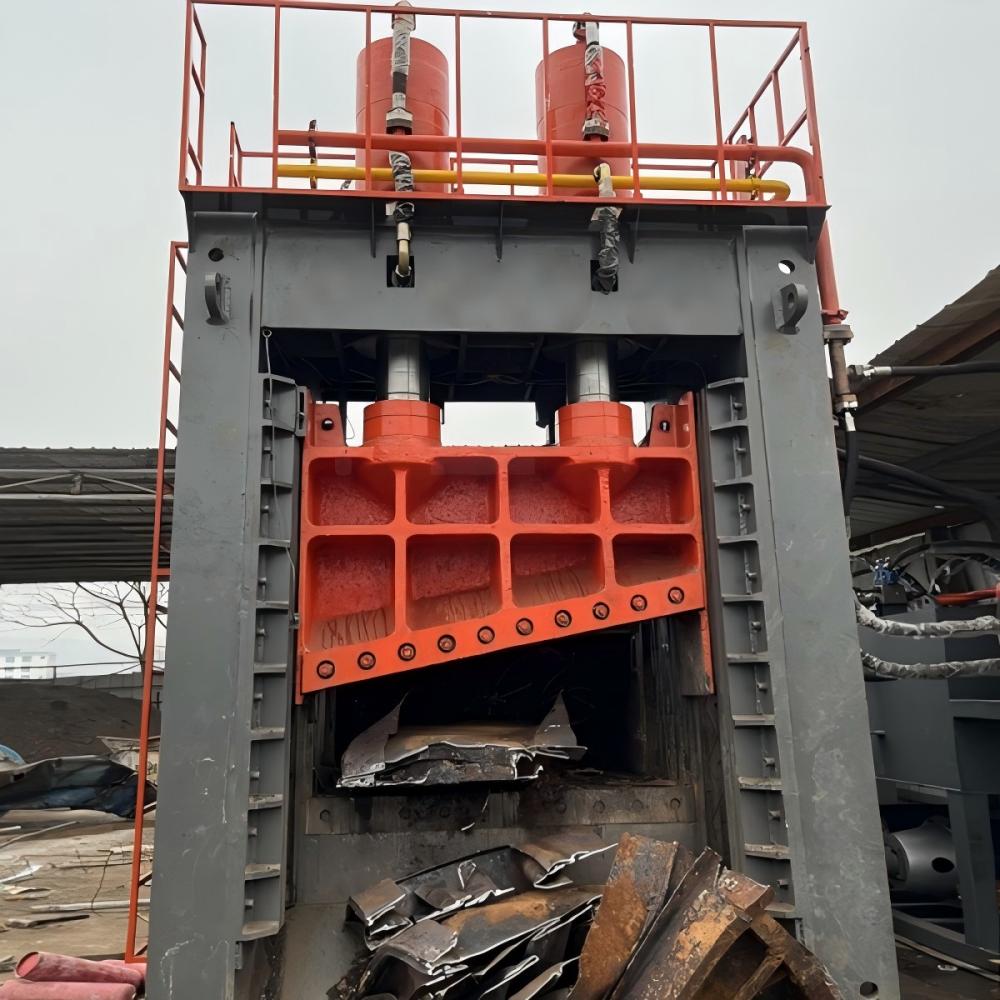
Another technical area to investigate is the hydraulic pump motor. Gantry shears utilize high-pressure hydraulic systems. If the hydraulic pump is failing or if there is a blockage in the hydraulic lines, the motor will struggle to maintain pressure, leading to an increase in current draw. Check the hydraulic fluid levels and the condition of the pump. If the pump is seizing, it will place an immense load on the motor, which will inevitably trip the breaker as the motor attempts to compensate for the mechanical resistance.
The control cabinet components, specifically contactors and relays, should also be inspected. Over time, the contacts within these devices can weld together or become pitted, leading to erratic electrical behavior. If a contactor is failing to close properly, it can cause an unbalanced load on the motor, leading to overheating and subsequent breaker trips. Replacing worn contactors is a standard maintenance procedure that can often resolve persistent electrical instability.
Selection Advice: Preventing Future Electrical Issues
Choosing the right equipment is the first step in avoiding electrical headaches. When selecting a gantry shear, ensure that the machine’s power requirements are fully compatible with your facility’s electrical capacity. Many operators fail to account for the total harmonic distortion or the specific power factor requirements of large industrial motors. HARSLE recommends consulting with a certified electrician to perform a load study before installing new, high-capacity metal fabrication equipment.
Consider investing in soft-start technology or Variable Frequency Drives (VFDs). These devices manage the power delivery to the motor, significantly reducing the inrush current during start-up. By smoothing out the power demand, VFDs not only prevent the breaker from tripping but also extend the lifespan of the motor and the mechanical drive train by reducing the physical shock of starting the machine.
Maintenance schedules are equally important. A proactive maintenance plan should include annual infrared thermography of your electrical panels. This non-invasive testing method allows technicians to identify “hot spots” in your electrical system before they become critical failures. By catching loose connections or overloaded circuits early, you can prevent the breaker from tripping and avoid the costly downtime associated with emergency repairs.
Finally, ensure that your staff is trained in the proper operation of the gantry shear. Overloading the machine by attempting to cut material that exceeds the shear’s specifications is a leading cause of electrical stress. Providing clear signage regarding the machine’s capacity and ensuring that operators understand the limitations of the equipment will go a long way in maintaining the health of your electrical system.
Frequently Asked Questions (FAQ)
- Q: Can a faulty breaker cause the machine to trip even if the machine is fine?
A: Yes. Circuit breakers have a lifespan. Over time, the internal thermal-magnetic mechanism can weaken, causing the breaker to trip at lower-than-rated currents. If you have ruled out all machine-side issues, consider having the breaker tested or replaced by a qualified electrician. - Q: How often should I inspect the electrical connections on my gantry shear?
A: We recommend a quarterly inspection of all electrical terminals, contactors, and ground connections. Vibration from the shear can loosen connections over time, leading to heat buildup and potential trips. - Q: Does the ambient temperature in the factory affect the breaker?
A: Absolutely. Breakers are sensitive to heat. If your electrical panel is located in a hot, poorly ventilated area, the breaker may trip prematurely due to the ambient heat, even if the current draw is within normal limits. Ensure your electrical cabinets are properly ventilated or air-conditioned. - Q: What is the first thing I should do when the breaker trips?
A: First, ensure the machine is in a safe state and disconnect the power. Do not attempt to reset the breaker repeatedly, as this can cause permanent damage to the motor or lead to an electrical fire. Investigate the cause before attempting to restore power.
Conclusion
Knowing what to do when a gantry shear trips the breaker repeatedly is a critical skill for maintaining a productive and safe metal fabrication shop. By systematically checking for mechanical overloads, electrical shorts, and infrastructure issues, you can identify the root cause of the problem and implement a lasting solution. Whether it is a simple matter of tightening a loose connection or a more complex need for a VFD upgrade, addressing these issues promptly protects your investment and ensures the longevity of your HARSLE machinery.
Remember that electrical safety is paramount. If you are ever unsure about the state of your electrical system, always consult with a licensed professional. Regular maintenance, proper operator training, and an understanding of your facility’s power capacity are the best defenses against unexpected downtime. By following the guidelines outlined in this article, you can keep your gantry shear running smoothly and efficiently, ensuring that your production line remains as robust as the metal you process.












