How to Diagnose and Fix Gantry Shear Motor Failure Issues: A Comprehensive Industrial Guide

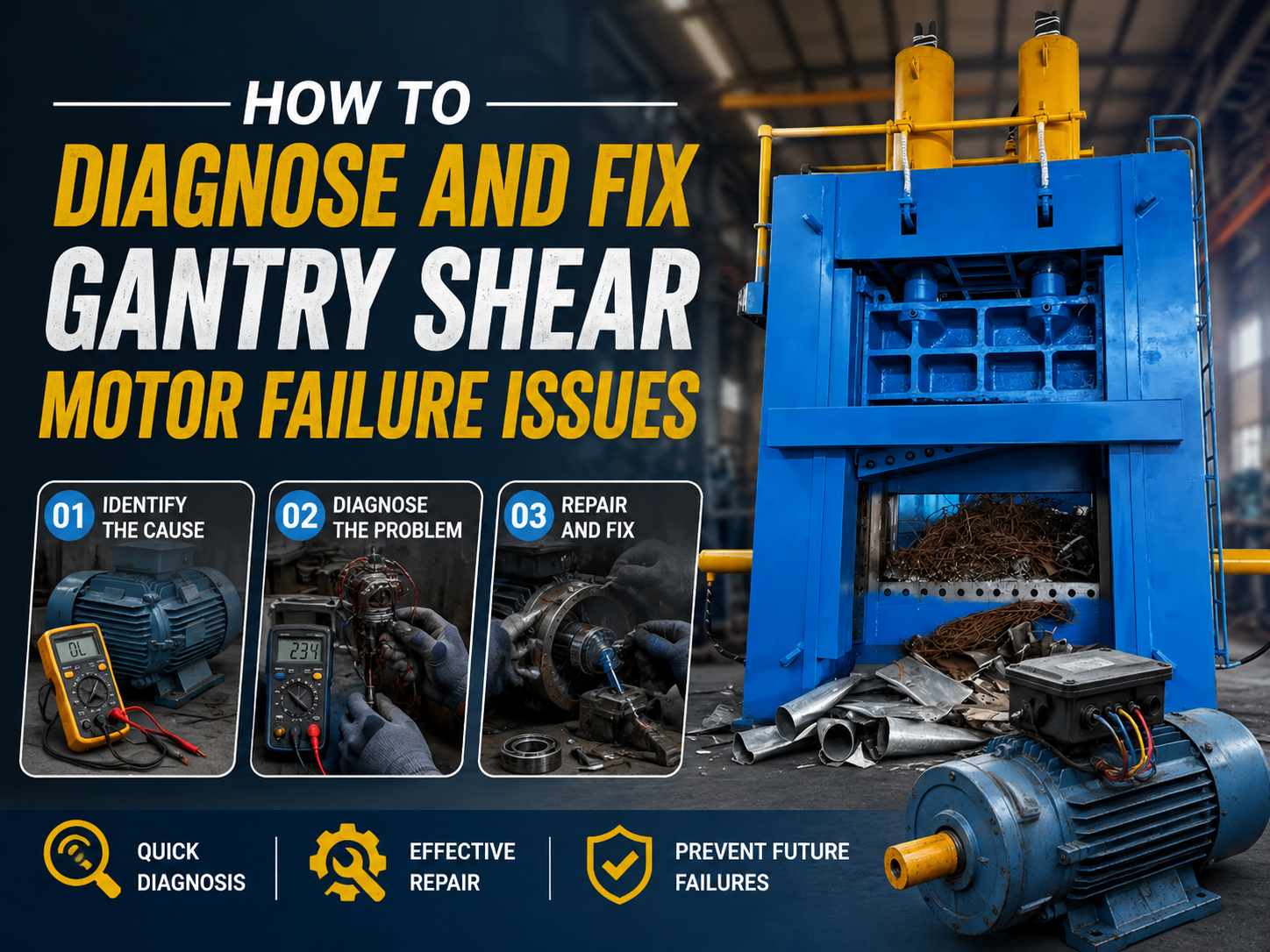
Introduction to Gantry Shear Motor Reliability
In the high-stakes environment of metal fabrication, the gantry shear stands as a cornerstone of productivity. Whether you are processing heavy steel plates, rebar, or scrap metal, the motor is the heart of the operation. When the motor fails, the entire production line grinds to a halt, leading to costly downtime and missed deadlines. Understanding how to diagnose and fix gantry shear motor failure issues is not just a technical skill; it is a vital operational necessity for any facility manager or maintenance technician.
HARSLE has engineered these machines for durability, but even the most robust industrial equipment requires periodic attention. Motor failure can manifest in various ways—from unusual vibrations and overheating to complete electrical shutdowns. By mastering the diagnostic process, you can differentiate between minor electrical glitches and catastrophic mechanical failures, saving your company thousands in unnecessary replacement costs and emergency service fees.
This guide provides a deep dive into the systematic approach required to maintain your gantry shear. We will explore the electrical, mechanical, and environmental factors that contribute to motor degradation. By following these professional protocols, you can ensure that your HARSLE equipment continues to deliver the precision and power required for your daily fabrication tasks.
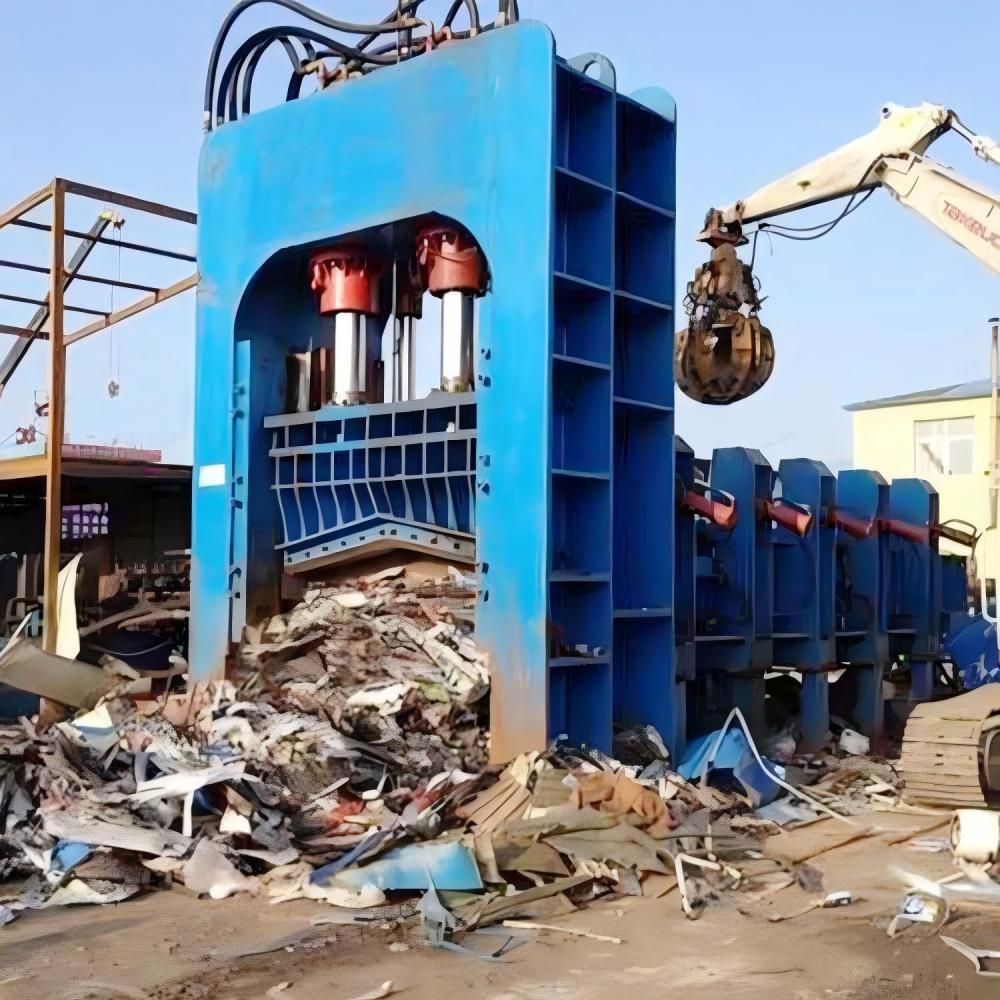
Key Considerations for Motor Health
Before diving into the technical diagnostics, it is essential to establish a baseline for motor health. The environment in which a gantry shear operates is often harsh, characterized by metal dust, extreme temperature fluctuations, and high-vibration cycles. These factors are the primary enemies of electric motors. Regular inspection schedules are the first line of defense against unexpected failure.
One of the most critical considerations is the power supply stability. Gantry shears require significant starting torque, and any voltage drop or phase imbalance can lead to rapid motor overheating. Ensure that your facility’s electrical infrastructure is rated for the specific amperage requirements of your shear. A motor that is starved of power will struggle to reach operational speeds, leading to internal winding damage over time.
Lubrication and cooling systems also play a pivotal role. Many gantry shear motors rely on integrated cooling fans or external heat exchangers. If these systems are clogged with metal shavings or debris, the motor will operate outside of its thermal design limits. Routine cleaning of the motor housing and intake vents is a simple yet highly effective preventative measure that is often overlooked in busy fabrication shops.
Finally, consider the duty cycle of your machine. Every motor has a specific rating for how long it can run under load before needing a rest period. Pushing a machine beyond its duty cycle leads to insulation breakdown within the motor windings. By monitoring the temperature of the motor casing during peak production hours, you can identify potential failure points before they result in a total system shutdown.
Technical Details: Diagnosing Motor Failure
When you suspect a motor issue, the diagnostic process must be methodical. Start by performing a visual inspection. Look for signs of discoloration on the motor housing, which indicates localized overheating. Check the electrical connections for any signs of arcing, loose terminals, or frayed wiring. Often, the issue is not the motor itself, but the power delivery system leading to it.
Next, utilize a multimeter or a clamp meter to check for phase balance. In a three-phase motor, the current draw should be relatively equal across all three legs. If one phase shows a significantly higher or lower amperage, it indicates a potential winding short or a problem with the motor starter/contactor. This is a common point of failure that can be easily rectified by replacing a faulty contactor rather than the entire motor.
Listen to the motor while it is running under a light load. Unusual grinding noises often point to bearing failure. Bearings are wear items, and if they seize, they can cause the motor to stall and draw excessive current, leading to a burnout. If you detect a metallic screeching or rhythmic clicking, it is time to schedule a bearing replacement before the shaft is damaged.
Check the insulation resistance using a megohmmeter (megger). This test measures the integrity of the insulation between the motor windings and the ground. A low reading indicates that the insulation has degraded, likely due to moisture ingress or chemical contamination. If the insulation is compromised, the motor is at high risk of a short circuit and should be professionally rewound or replaced.
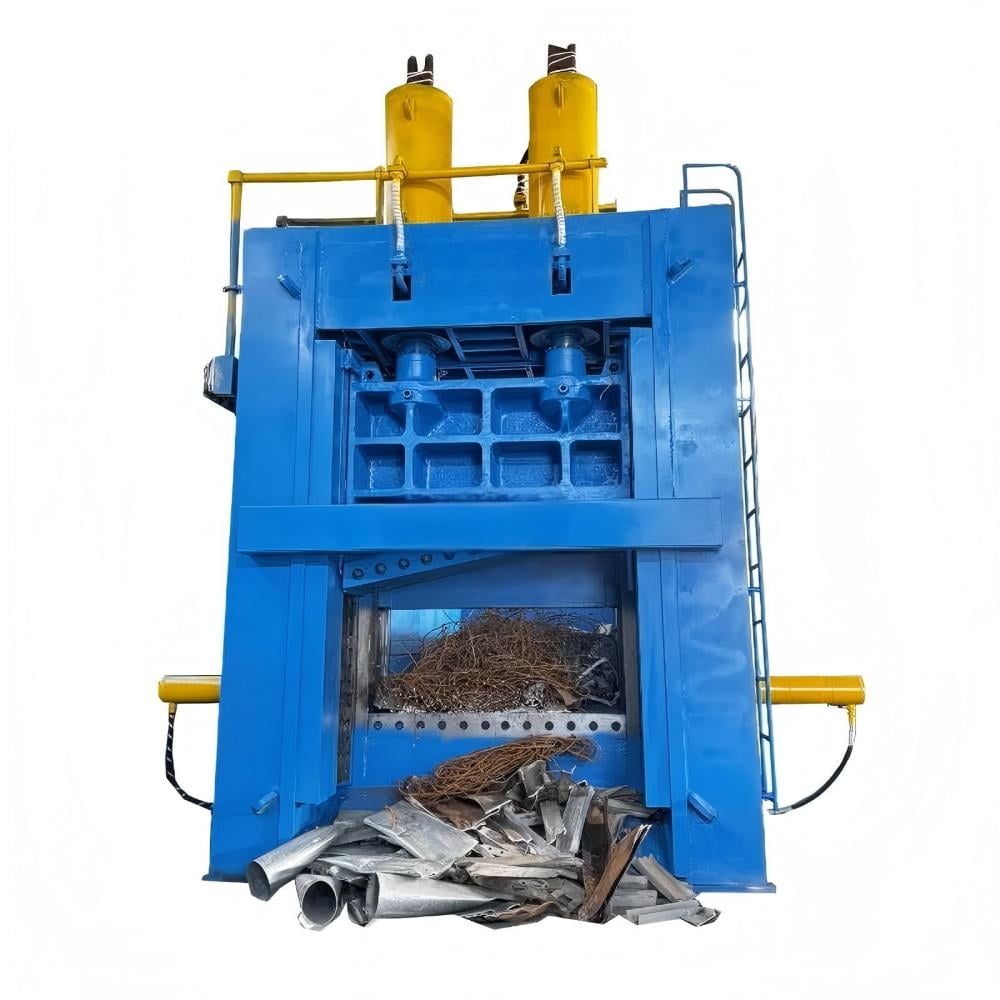
Fixing Common Motor Issues
Once the diagnosis is complete, the repair phase begins. For minor electrical issues, such as a faulty contactor or a loose connection, the fix is straightforward. Always ensure the machine is locked out and tagged out (LOTO) before performing any electrical work. Tighten all terminal connections and replace any contactors that show signs of pitting or carbon buildup.
If the issue is mechanical, such as a bearing failure, you will need to disassemble the motor housing. This process requires precision tools and a clean environment. When replacing bearings, ensure that you use high-quality, sealed bearings that are rated for the specific RPM and load of your gantry shear. Improperly seated bearings can lead to shaft misalignment, which will destroy the new bearings in a matter of hours.
For motors that have suffered from overheating, check the cooling fan and the air intake paths. If the fan blades are damaged, replace them immediately. If the motor has been running hot for an extended period, it is also wise to inspect the drive belts or couplings. Misaligned drive components put unnecessary strain on the motor shaft, leading to premature failure of the internal seals and bearings.
In cases where the motor windings are damaged, you have two options: professional rewinding or replacement. Rewinding is often a cost-effective solution for large, specialized motors, but for standard gantry shear motors, replacing the unit with an OEM-spec motor from HARSLE is often the most reliable path. A new motor ensures that you have the latest efficiency standards and a full manufacturer warranty, minimizing the risk of a repeat failure.
Selection Advice for Replacement Motors
When the time comes to replace a motor, do not simply look for the cheapest option. The motor is the engine of your gantry shear, and its performance directly impacts your production quality. Always match the specifications of the original motor, including horsepower, RPM, frame size, and mounting configuration. Deviating from these specs can lead to mechanical stress on the shear’s drive train.
Consider the environment of your shop when selecting a motor. If your facility is particularly dusty or humid, look for motors with a higher IP (Ingress Protection) rating. Totally Enclosed Fan-Cooled (TEFC) motors are generally the standard for metal fabrication, as they prevent metal dust from entering the internal components. Investing in a motor with superior thermal protection features can also save you from future headaches.
Check the efficiency rating of the motor. Modern high-efficiency motors (IE3 or IE4) not only consume less electricity but also run cooler, which extends the life of the internal insulation. While the upfront cost may be slightly higher, the reduction in energy consumption and the increased reliability make them a smart long-term investment for any industrial operation.
Finally, ensure that the motor is compatible with your existing Variable Frequency Drive (VFD) if your shear uses one. A motor that is not rated for VFD use can suffer from shaft currents that erode bearings rapidly. Always consult with HARSLE support or your local distributor to ensure that the replacement motor is fully compatible with your machine’s control system.
FAQ: Frequently Asked Questions
How often should I perform preventative maintenance on my gantry shear motor?
We recommend a full inspection every 500 to 1,000 operating hours. This includes cleaning the vents, checking electrical connections, and listening for unusual bearing noise.
Can I repair a motor that smells like burning insulation?
A burning smell is a sign of severe insulation breakdown. While it might still run, it is likely on the verge of a short circuit. It is highly recommended to have the motor inspected by a professional shop or replaced immediately to prevent fire hazards.
Why does my motor trip the circuit breaker during the shearing cycle?
This is often caused by an overload condition. Check if the shear blades are dull, as dull blades require significantly more force to cut through metal, causing the motor to draw excessive current. Also, check for mechanical binding in the gantry slide.
Is it better to rewind or replace a failed motor?
For small to medium-sized motors, replacement is usually more cost-effective and reliable. For very large, custom-engineered motors, rewinding by a certified shop can be a viable alternative.
Conclusion
Learning how to diagnose and fix gantry shear motor failure issues is a critical component of maintaining a high-output metal fabrication shop. By staying proactive with your maintenance, monitoring for early warning signs, and choosing high-quality replacement components, you can significantly extend the lifespan of your HARSLE machinery. Remember that a well-maintained motor is the foundation of a safe, efficient, and profitable production environment. If you encounter complex issues that fall outside your internal maintenance capabilities, always reach out to HARSLE’s technical support team to ensure your equipment is serviced to the highest industrial standards.