Gantry Shear Safety Lock Problems: Troubleshooting and Reset Tips

Introduction to Gantry Shear Safety Systems
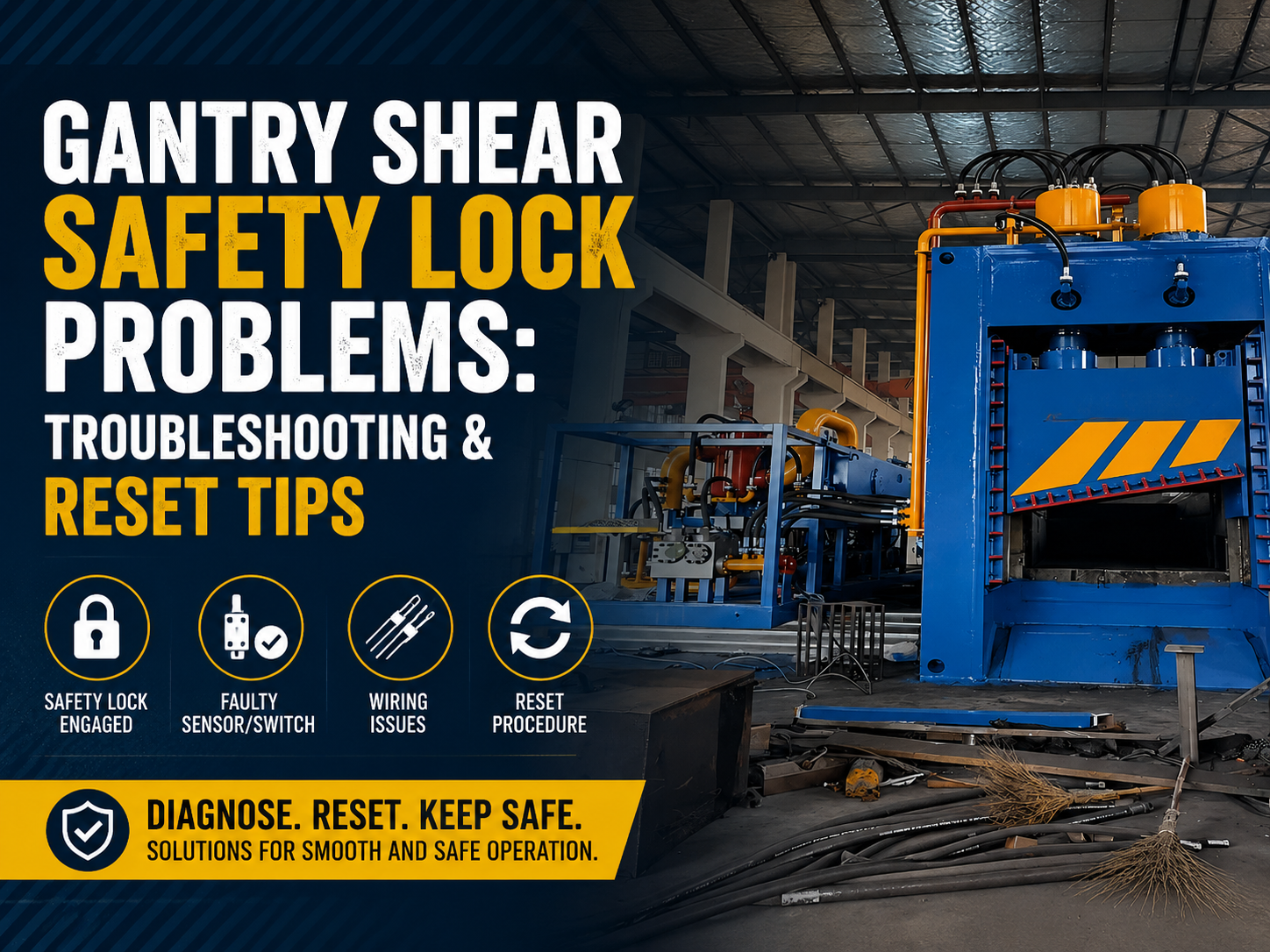
In the high-stakes environment of metal fabrication, the gantry shear stands as a cornerstone of efficiency and precision. However, like any heavy-duty industrial machinery, these units rely on complex safety interlock systems to protect operators and the equipment itself. When you encounter Gantry Shear Safety Lock Problems: Troubleshooting and Reset Tips become the most critical resources in your maintenance manual. Understanding how these locks function is the first step toward minimizing downtime and ensuring a safe working environment.
Safety locks on a gantry shear are designed to prevent the machine from cycling if the protective guards are open, if the hydraulic pressure is unstable, or if an emergency stop has been triggered. When these systems fail or trigger a false positive, the machine enters a lockout state. This is not merely a nuisance; it is a vital protective feature that requires a systematic approach to resolve. By mastering the troubleshooting process, maintenance teams can restore productivity while upholding the highest safety standards.
HARSLE is committed to providing robust equipment, but even the most durable machinery requires periodic attention to its safety architecture. Whether you are dealing with a sensor misalignment, a faulty relay, or a software-based interlock error, this guide provides the technical depth necessary to diagnose and resolve these issues. We will explore the mechanical and electrical components that often cause these lockouts and provide actionable steps to get your production line moving again.
Safety is never an area where shortcuts should be taken. Before attempting any troubleshooting, ensure that the machine is powered down according to your facility’s Lockout/Tagout (LOTO) procedures. The following sections will detail the common failure points, the diagnostic steps required to identify the root cause, and the precise methods for resetting your gantry shear safety system.
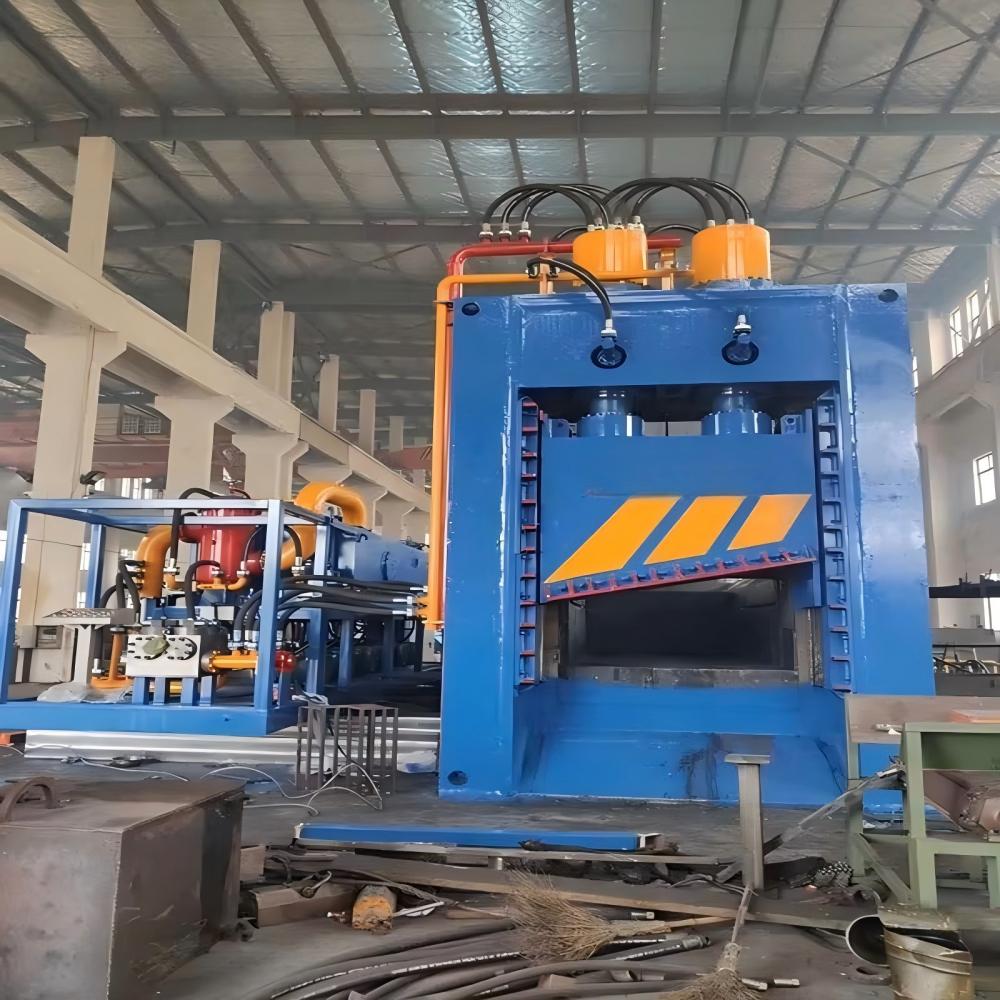
Key Considerations for Safety Lock Maintenance
Maintaining the safety lock system of a gantry shear requires a proactive mindset. Many operators wait until a failure occurs before inspecting the safety interlocks, but this reactive approach often leads to extended downtime. Instead, integrate safety lock checks into your daily and weekly preventative maintenance schedules. A clean, well-lubricated, and properly aligned safety switch is far less likely to fail during a critical production run.
Environmental factors play a significant role in the longevity of safety locks. Metal fabrication shops are inherently dusty, and the presence of metal shavings, coolant mist, and oil can infiltrate sensitive electronic components. Over time, these contaminants can cause micro-switches to stick or optical sensors to become obscured. Regularly cleaning the area around the safety gates and sensors is a simple yet effective way to prevent the majority of lockout issues.
Another key consideration is the integrity of the wiring and connections. Vibration is a constant force in a shearing environment, and it can gradually loosen terminal screws or cause wire fatigue. During your routine inspections, check for any signs of frayed insulation or loose connections at the safety relay and the sensor terminals. Ensuring that all electrical paths are secure will prevent intermittent signal loss, which is a common cause of mysterious machine lockouts.
Finally, operator training is paramount. Often, a “safety lock problem” is actually a result of an operator failing to close a gate completely or failing to clear the light curtain area properly. Ensure that all personnel are trained on the specific sequence of operations required to engage the safety system. When operators understand the “why” behind the safety protocols, they are more likely to follow them correctly, reducing the frequency of accidental lockouts.
Technical Details: Troubleshooting the Safety Circuit
When the gantry shear refuses to cycle, the first step is to consult the machine’s HMI (Human-Machine Interface) or the diagnostic LED panel on the main control cabinet. Most modern HARSLE gantry shears feature diagnostic codes that pinpoint exactly which safety circuit is open. If the HMI displays a “Safety Gate Open” or “E-Stop Active” error, you have a clear starting point for your investigation.
If the diagnostic panel indicates a fault but the physical gates are closed, the issue likely lies within the sensor or the wiring. Start by checking the proximity switches or limit switches on the safety guards. Use a multimeter to check for continuity. When the gate is closed, the switch should be in the closed position, allowing the signal to pass to the safety relay. If you detect no continuity even when the gate is firmly shut, the switch itself may be faulty or misaligned.
The safety relay is the “brain” of the safety circuit. It monitors all inputs and determines whether it is safe to energize the hydraulic valves and the motor. If the relay itself is damaged or if its internal contacts have welded shut due to a power surge, the machine will remain locked out regardless of the status of the sensors. In such cases, testing the relay’s output voltage is necessary to confirm if the relay is receiving the correct signals but failing to act on them.
Hydraulic pressure switches also act as safety locks. If the system detects that the hydraulic pressure is below the minimum threshold required for a safe cut, the safety circuit will prevent the shear from operating. Check your hydraulic gauges against the pressure sensor readings. If the pressure is sufficient but the sensor reports a low-pressure fault, the sensor may be calibrated incorrectly or failing. Always ensure that your hydraulic fluid levels are topped off and that the filters are clean, as low flow can also trigger these pressure-based safety locks.
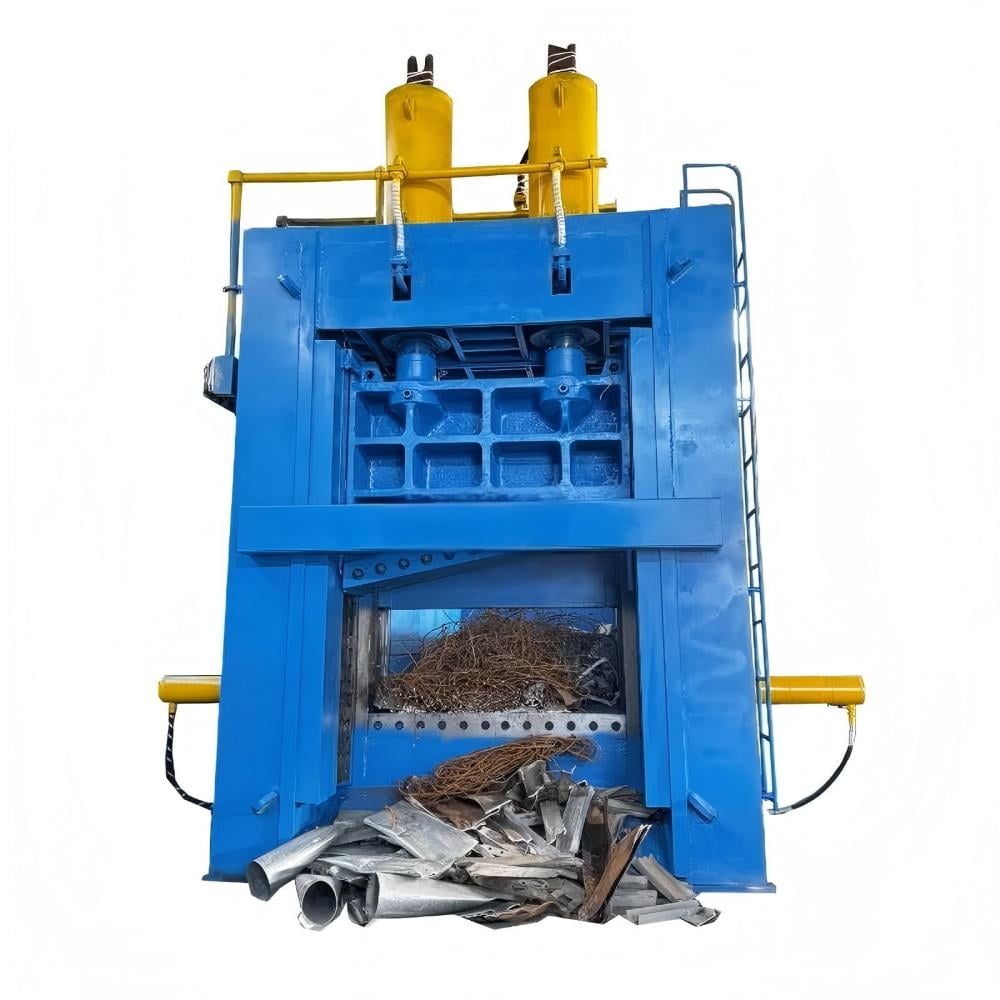
Reset Tips and Best Practices
Resetting a gantry shear after a safety lockout should never be a rushed process. Once you have identified and repaired the underlying issue—whether it was a misaligned sensor, a loose wire, or a faulty relay—the system must be reset in the correct order. Start by clearing the work area of any debris or tools that may have been placed there during the troubleshooting process.
Most HARSLE systems require a manual reset of the safety relay. This is usually done via a physical “Reset” button on the control panel. Before pressing this button, ensure that all emergency stop buttons are pulled out and that all safety gates are fully closed and latched. If you press the reset button while a fault is still present, the system will simply remain in the lockout state, which is a design feature to prevent accidental operation.
If the machine still refuses to reset, perform a “power cycle.” Turn off the main power disconnect, wait for at least 60 seconds to allow the capacitors in the control system to discharge, and then turn the power back on. This clears the volatile memory of the PLC (Programmable Logic Controller) and forces a fresh diagnostic check of all safety inputs. If the error persists after a power cycle, the fault is likely a hard failure that requires further investigation.
Documenting the reset process is highly recommended. Keep a log of when safety lockouts occur and what was done to resolve them. If you find that the same sensor is triggering a lockout repeatedly, it is a clear indicator that the component is nearing the end of its service life and should be replaced during the next scheduled maintenance window. This data-driven approach helps in predicting failures before they cause significant production delays.
Selection Advice: Choosing Reliable Safety Components
When it comes to metal fabrication equipment, the quality of your safety components is non-negotiable. If you are in the market for a new gantry shear or are looking to upgrade your existing safety system, prioritize components with high IP (Ingress Protection) ratings. In a shop environment, IP67 or higher is ideal, as it ensures the sensors are protected against dust and moisture ingress, which are the primary enemies of safety switches.
Consider the type of safety interlock system being used. Magnetic safety switches are often more durable than mechanical limit switches because they have no moving parts that can wear out or become jammed with metal chips. While they may have a slightly higher upfront cost, the reduction in maintenance and the increased reliability make them a superior choice for heavy-duty gantry shears.
Integration with the machine’s PLC is another critical factor. Look for systems that provide detailed diagnostic feedback. A system that simply says “Safety Fault” is much harder to troubleshoot than one that identifies the specific zone or sensor that has been triggered. HARSLE machinery is designed with these diagnostic capabilities in mind, ensuring that your maintenance team spends less time guessing and more time fixing.
Finally, always source replacement parts directly from the manufacturer or authorized distributors. Using generic, off-the-shelf safety switches may seem like a cost-saving measure, but these parts often lack the specific vibration resistance or electrical compatibility required for high-performance industrial shears. Investing in OEM-certified components ensures that your safety system remains compliant with international safety standards and operates exactly as intended.
FAQ: Common Questions About Gantry Shear Safety
- Q: Why does my gantry shear show a safety fault even when the gate is closed?
A: This is usually due to a misaligned sensor or a buildup of metal dust on the sensor face. Check the alignment of the gate and clean the sensor surface. - Q: Can I bypass the safety lock to finish a job quickly?
A: Absolutely not. Bypassing safety locks is a severe violation of safety protocols and poses a life-threatening risk to operators. Always repair the fault correctly. - Q: How often should I test the emergency stop buttons?
A: Emergency stop buttons should be tested at the start of every shift to ensure they are functioning correctly and that the machine stops immediately when pressed. - Q: What should I do if the safety relay keeps tripping?
A: If the relay trips repeatedly, it may be failing internally or there may be a short circuit in the safety wiring. Inspect the wiring for damage and consider replacing the relay if the issue persists. - Q: Are there specific environmental conditions that affect safety sensors?
A: Yes, extreme heat, excessive vibration, and high levels of coolant mist can degrade sensor performance. Ensure your machine is installed in a stable environment and that sensors are shielded where necessary.
Conclusion
Gantry Shear Safety Lock Problems: Troubleshooting and Reset Tips are essential knowledge for any facility manager or maintenance technician working with HARSLE equipment. By understanding the interplay between mechanical guards, electrical sensors, and the safety relay, you can transform a potential production nightmare into a manageable maintenance task. Remember that the safety system is your most valuable asset; it protects your workers and preserves the integrity of your machinery.
Consistency is the key to success. By implementing a rigorous schedule of cleaning, inspection, and testing, you can prevent the vast majority of safety lockouts before they occur. When problems do arise, approach them methodically, use the diagnostic tools provided by your HARSLE control system, and never compromise on safety by attempting to bypass critical interlocks. With the right approach, your gantry shear will continue to provide years of reliable, high-precision service to your metal fabrication operations.
For further assistance or to order genuine replacement parts, always reach out to the HARSLE support team. We are dedicated to ensuring that your equipment operates at peak performance, safely and efficiently. Keep your documentation updated, train your staff regularly, and maintain a proactive stance on safety to ensure your shop remains a leader in the metal fabrication industry.