Troubleshooting Gantry Shear Control Panel and PLC Faults: A Comprehensive HARSLE Guide

Introduction to Gantry Shear Control Systems
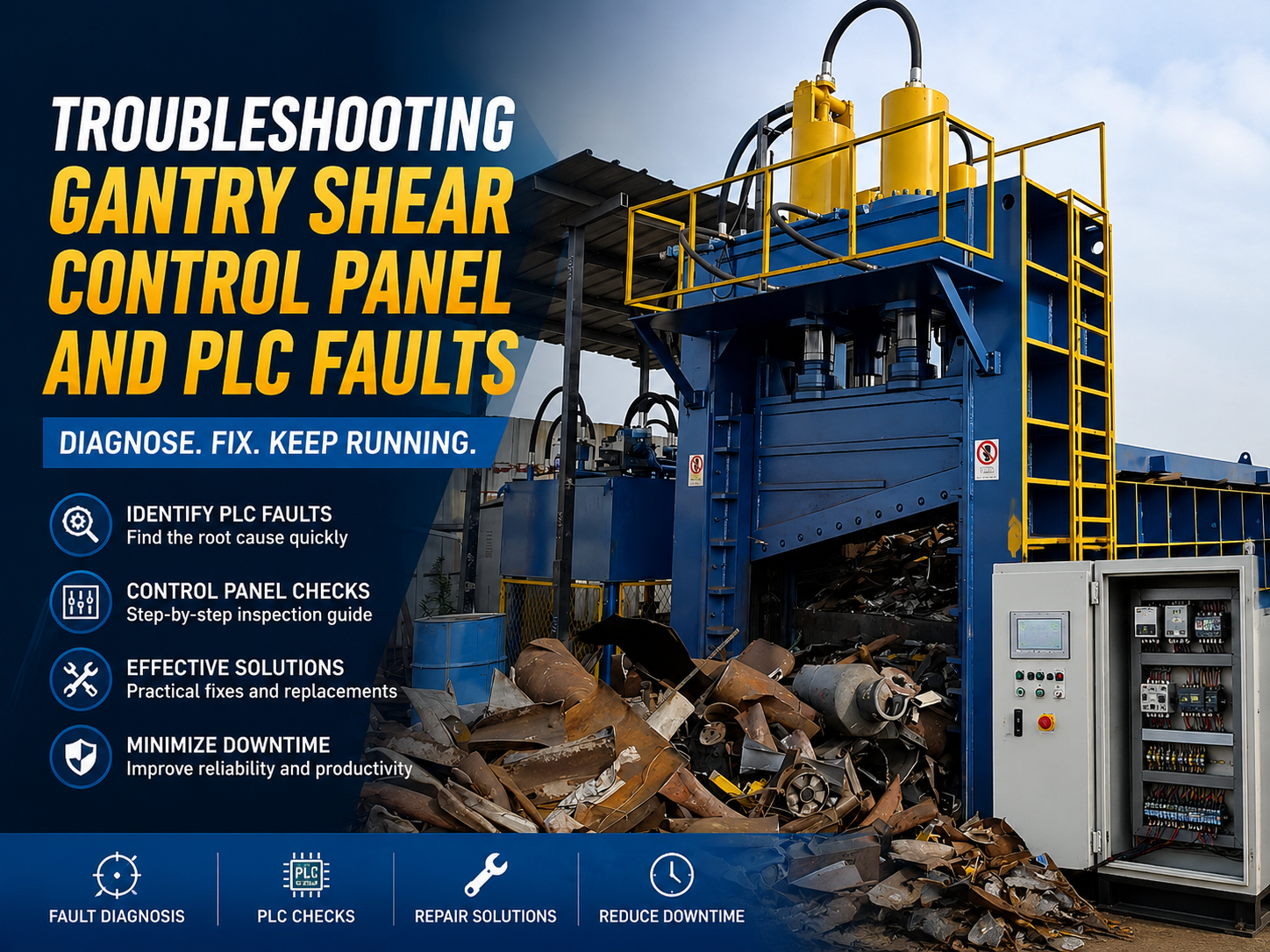
In the demanding environment of modern metal fabrication, the gantry shear stands as a cornerstone of productivity. As a high-capacity machine, its reliability is intrinsically linked to the health of its electronic control systems. Troubleshooting Gantry Shear Control Panel and PLC Faults is a critical skill for maintenance technicians and operators alike. When the control panel becomes unresponsive or the Programmable Logic Controller (PLC) signals an error, the entire production line can grind to a halt, leading to costly downtime and missed deadlines.
At HARSLE, we understand that precision is the hallmark of quality metalwork. A gantry shear relies on a complex interplay between hydraulic pressure, mechanical movement, and electronic oversight. The PLC acts as the brain of this operation, processing inputs from sensors and switches to execute cutting cycles with millimeter accuracy. Understanding how to diagnose and resolve faults within this system is not just about fixing a broken machine; it is about ensuring the longevity and safety of your industrial investment.
This guide explores the systematic approach required to identify, isolate, and rectify common electronic issues. Whether you are dealing with communication errors, sensor malfunctions, or power supply inconsistencies, the following sections provide the technical depth required to restore your HARSLE equipment to peak operational status. By mastering these diagnostic procedures, you can minimize reactive maintenance and move toward a more proactive, predictive maintenance strategy.
Key Considerations for Electrical System Integrity
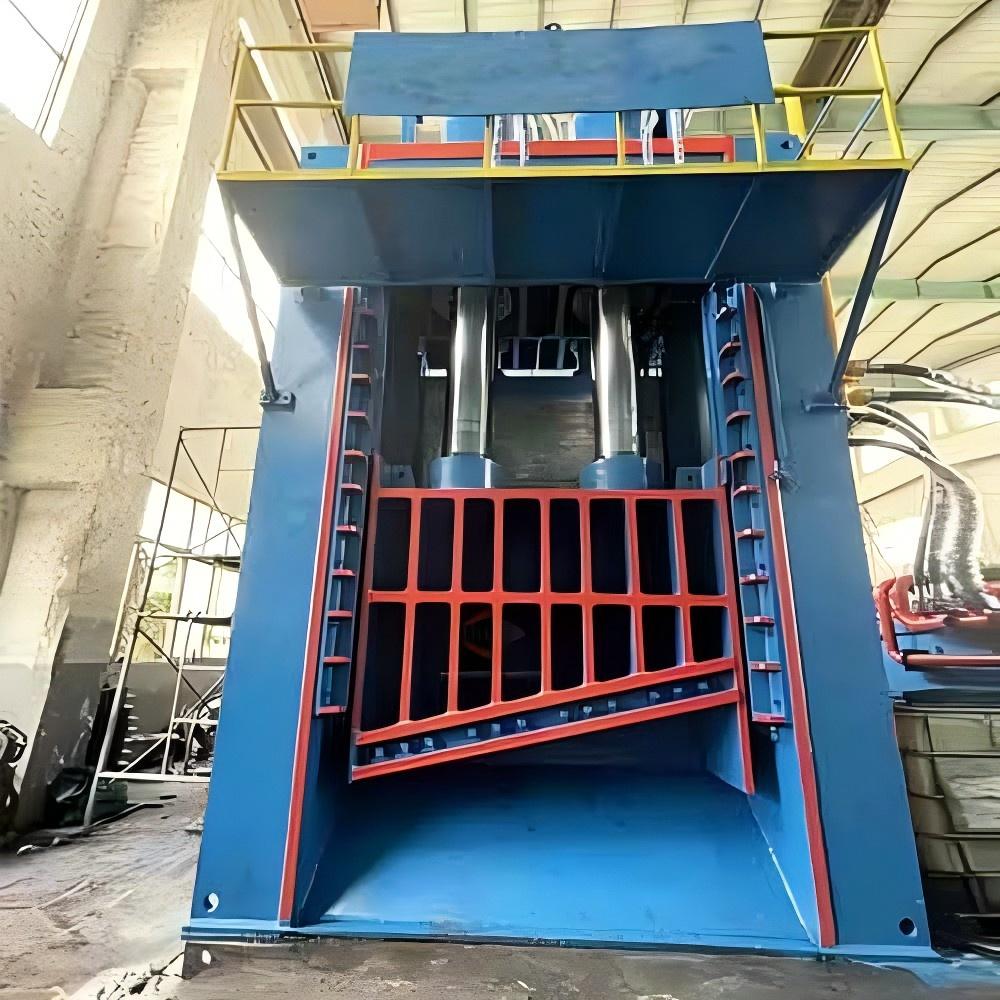
Before diving into specific PLC codes, it is essential to establish a baseline for electrical system integrity. Many perceived PLC faults are actually symptoms of external electrical noise, poor grounding, or unstable power supply. In an industrial setting, electromagnetic interference (EMI) from nearby motors or welding equipment can induce voltage spikes that confuse sensitive control electronics. Ensuring that all control cabinets are properly shielded and that signal cables are separated from high-voltage power lines is the first step in any troubleshooting process.
Environmental factors also play a significant role in the lifespan of control panels. Dust, metal shavings, and humidity are the primary enemies of electronic components. If the cooling fans on your control cabinet are clogged, the resulting heat buildup can cause intermittent PLC errors that disappear once the machine cools down. Regular cleaning of air filters and the use of cabinet climate control systems are non-negotiable requirements for maintaining the stability of your Gantry Shear control panel.
Furthermore, the quality of the power supply must be verified. PLC units are sensitive to voltage fluctuations. If your facility experiences frequent brownouts or surges, the internal power supply of the PLC may fail to maintain the necessary logic voltage, leading to unexpected resets or “watchdog” errors. Installing a dedicated voltage stabilizer or an uninterruptible power supply (UPS) for the control circuit can often resolve persistent, mysterious faults that seem to defy logical explanation.
Finally, consider the human element. Unauthorized modifications to the PLC program or changes to parameter settings can lead to operational instability. Always maintain a backup of the original machine program and keep a detailed log of any changes made to the system. By documenting the state of the machine before and after any troubleshooting attempt, you create a historical record that makes future diagnostics significantly faster and more accurate.
Technical Details: Diagnosing PLC and Control Panel Faults
When a fault occurs, the first point of contact is the Human Machine Interface (HMI) screen. Modern HARSLE gantry shears are equipped with diagnostic displays that provide specific error codes. These codes are your roadmap. A “Communication Timeout” error, for instance, often points to a loose cable between the HMI and the PLC, or a failure in the communication module. Checking the physical integrity of the communication bus—typically RS-485 or Ethernet—is the immediate next step.
If the HMI is blank or unresponsive, the issue likely lies in the power distribution circuit. Use a multimeter to verify that the 24V DC power supply is delivering the correct voltage to the control panel. If the voltage is present but the screen remains dark, check the fuse blocks and circuit breakers within the cabinet. Often, a tripped miniature circuit breaker (MCB) is the culprit, hidden behind a panel that hasn’t been opened in months. Always ensure the machine is locked out and tagged out (LOTO) before performing these physical inspections.
PLC input and output (I/O) modules are another common failure point. If the machine refuses to initiate a cut, check the status LEDs on the PLC input cards. If a sensor—such as the blade position limit switch—is triggered, the corresponding LED on the PLC should illuminate. If the sensor is physically activated but the LED remains dark, the fault lies in the sensor wiring or the sensor itself. Conversely, if the LED is lit but the machine does not move, the issue is likely within the PLC logic or the output relay that drives the hydraulic valve solenoid.
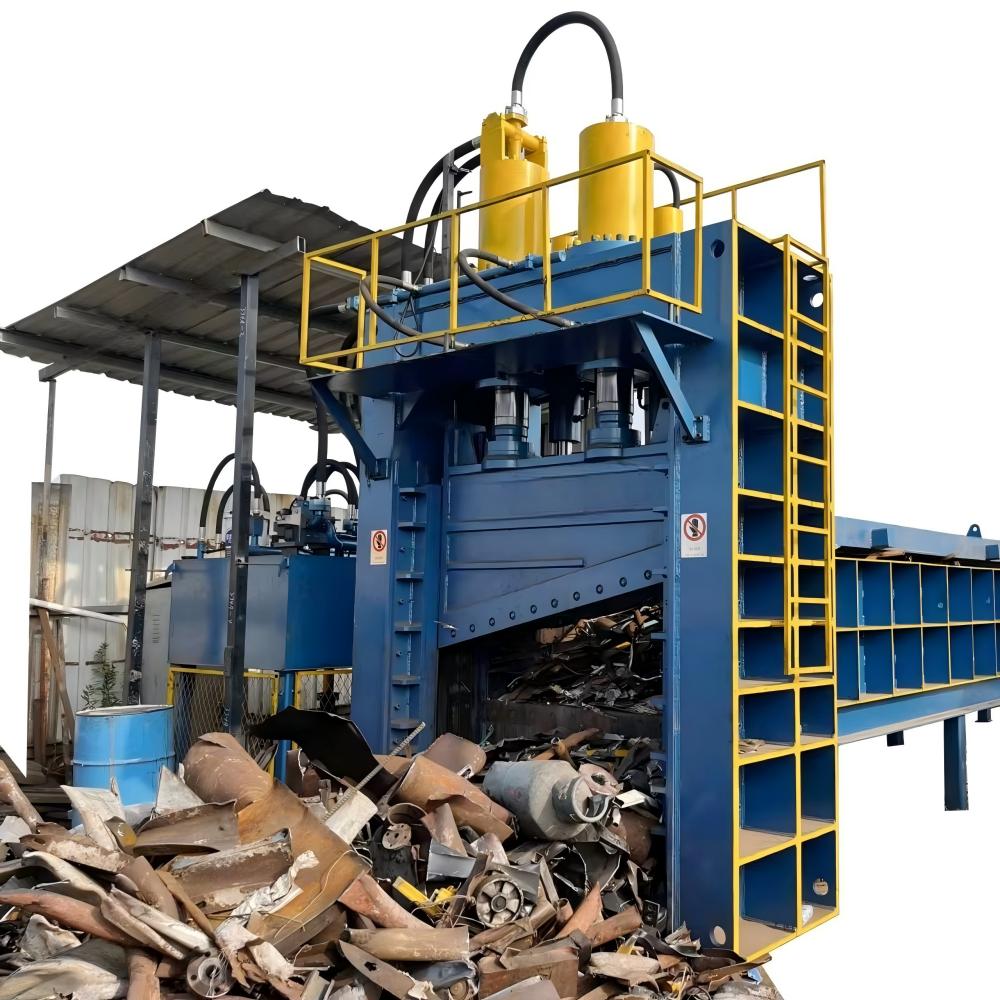
For more complex issues, you may need to connect a laptop to the PLC using the manufacturer’s programming software. This allows you to view the “live” state of the ladder logic. You can observe which rungs of the program are failing to execute. For example, if a safety interlock rung is not “true,” the PLC will prevent the shear from operating. By tracing the logic, you can identify exactly which safety gate or emergency stop button is preventing the machine from starting, saving hours of manual wire tracing.
Selection Advice: Choosing Reliable Control Components
When upgrading or replacing components in your Gantry Shear, the quality of the hardware is paramount. Not all PLCs and control panels are created equal. For industrial metal fabrication, you should prioritize components that are rated for high-vibration environments and have a high ingress protection (IP) rating. HARSLE recommends using industrial-grade controllers that offer robust diagnostic capabilities and modular I/O, which allows for easier replacement of individual failed cards without needing to replace the entire system.
Consider the availability of spare parts. Choosing a control system from a globally recognized manufacturer ensures that you can source replacement modules, cables, and interface screens quickly. Avoid proprietary, “black box” control systems that lock you into a single vendor for service and parts. An open-architecture system allows your internal maintenance team or a local contractor to perform repairs without needing specialized, restricted software keys.
Ergonomics and user interface design should also influence your selection. A control panel that is intuitive reduces operator error, which is a leading cause of machine damage. Look for HMIs that offer clear, descriptive alarm messages rather than cryptic numerical codes. Features like remote monitoring and data logging can also be invaluable, allowing you to track the performance of your gantry shear over time and identify trends that precede a total system failure.
Finally, consider the scalability of the system. As your business grows, you may want to integrate your gantry shear into a larger automated production line. Choosing a control system that supports standard industrial communication protocols like Profinet, EtherCAT, or Modbus TCP will ensure that your equipment remains compatible with future automation upgrades, protecting your long-term investment.
Frequently Asked Questions (FAQ)
1. Why does my Gantry Shear PLC show a ‘Watchdog’ error?
A watchdog error typically indicates that the PLC processor has stopped executing the program loop within the expected timeframe. This can be caused by a corrupted program, a hardware failure in the CPU, or severe electrical interference. Try power-cycling the machine; if the error persists, you may need to reload the PLC program from a backup.
2. How often should I perform maintenance on the control cabinet?
We recommend a full inspection of the control cabinet every six months. This includes vacuuming out dust, checking for loose terminal connections, and verifying that all cooling fans are operational. In high-dust environments, this should be done quarterly.
3. Can I replace a PLC module while the machine is powered on?
No. Never attempt to replace or service PLC modules while the machine is powered. Always perform a proper LOTO procedure to ensure the safety of the technician and the integrity of the electronic components.
4. What is the most common cause of intermittent sensor faults?
Intermittent sensor faults are most frequently caused by damaged cabling or loose connections at the terminal block. Vibrations from the shear can cause wires to work loose over time. Regularly check and tighten all terminal screws.
5. How do I know if my HMI is failing or if it’s a communication issue?
If the HMI screen is lit but displays a “Communication Error” or “PLC Not Found” message, the screen is likely functional, but the data link is broken. If the screen is completely black or frozen, the HMI hardware itself may have failed.
Conclusion: Maintaining Operational Excellence
Troubleshooting Gantry Shear Control Panel and PLC Faults is a fundamental aspect of maintaining a high-performance metal fabrication shop. By understanding the relationship between the physical machine and its digital brain, you can transform your maintenance approach from reactive to proactive. Remember that the longevity of your HARSLE equipment depends on consistent care, proper environmental management, and a systematic approach to diagnostics.
When you encounter a fault, stay calm and follow the logical steps outlined in this guide. Start with the power supply, move to the physical connections, and utilize the PLC’s diagnostic software to pinpoint the exact location of the failure. By investing time in training your staff and maintaining a library of backups and documentation, you ensure that your gantry shear remains a reliable, productive asset for years to come. For further technical support or to explore our latest range of metal fabrication machinery, contact the HARSLE support team today.