How to Solve Container Shear Uneven Cutting Problems in Scrap Processing: A Comprehensive Guide

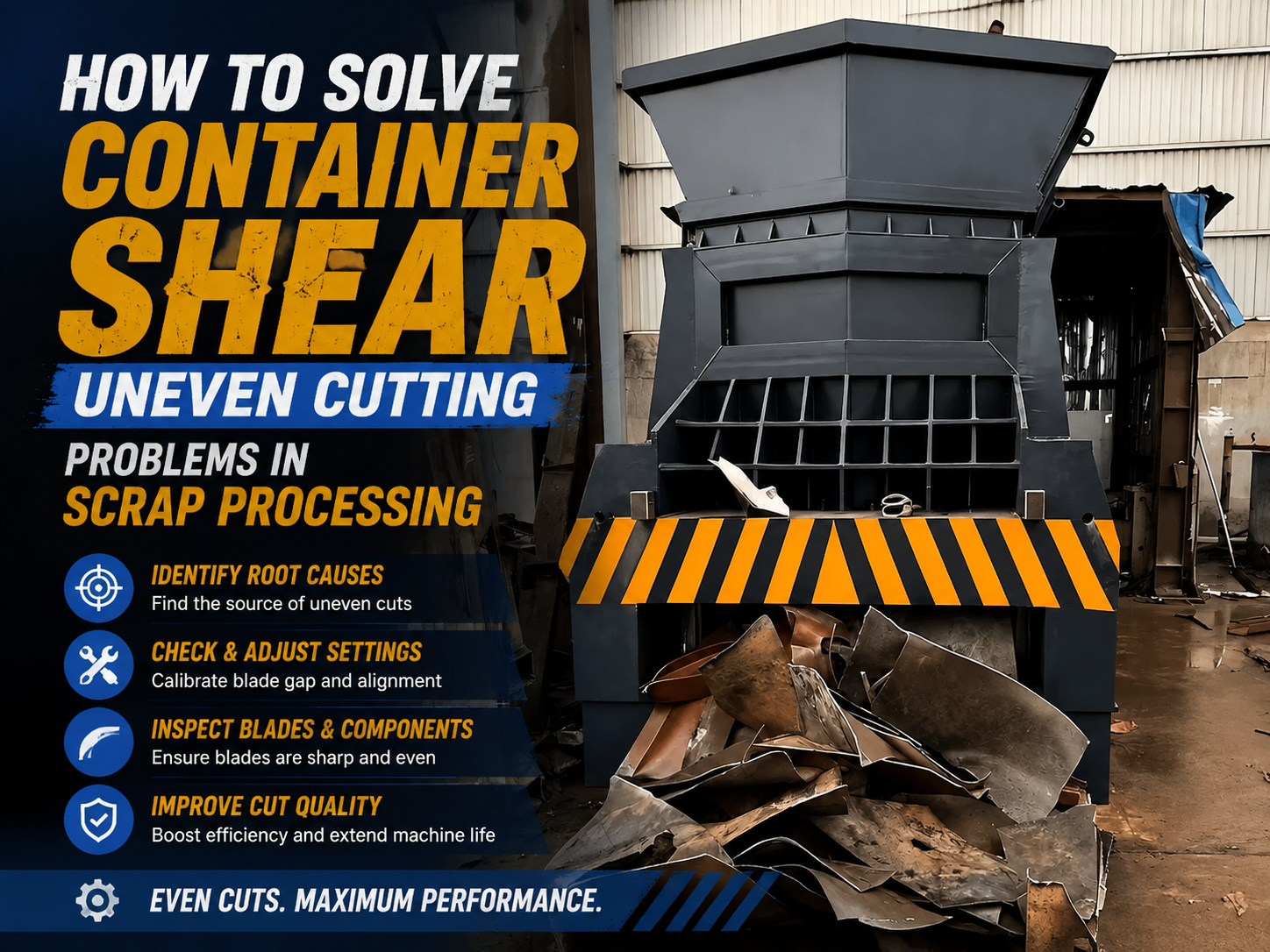
Introduction to Container Shear Performance
In the high-stakes world of scrap metal recycling, efficiency and precision are the cornerstones of profitability. A container shear is a heavy-duty piece of metal fabrication equipment designed to process large volumes of scrap metal into manageable sizes. However, operators often face the frustrating challenge of inconsistent or jagged cuts. When you need to solve container shear uneven cutting problems in scrap processing, it is essential to understand that the issue rarely stems from a single source. Instead, it is usually a combination of mechanical wear, hydraulic pressure inconsistencies, and material handling errors.
HARSLE has spent decades refining the design of hydraulic shearing systems to ensure maximum uptime for our clients. Uneven cutting not only slows down production but also puts unnecessary strain on the machine’s structural components, leading to premature failure. By addressing these issues systematically, facility managers can restore their equipment to peak performance levels. This guide explores the technical nuances of shear maintenance and operational adjustments required to achieve clean, uniform cuts every time.
Understanding the anatomy of a container shear is the first step toward troubleshooting. The interaction between the shear blade, the side compression rams, and the main cutting cylinder must be perfectly synchronized. If any of these elements fall out of alignment, the material will shift during the cutting stroke, resulting in a ragged edge or a jammed machine. This article provides a deep dive into the mechanical and hydraulic factors that influence cut quality.
Whether you are operating a stationary shear or a mobile unit, the principles of maintenance remain largely the same. We will examine how to diagnose common faults, the importance of blade clearance, and how to optimize your scrap feeding process. By following these professional guidelines, you can minimize downtime and ensure that your scrap processing line remains a reliable asset for your business.
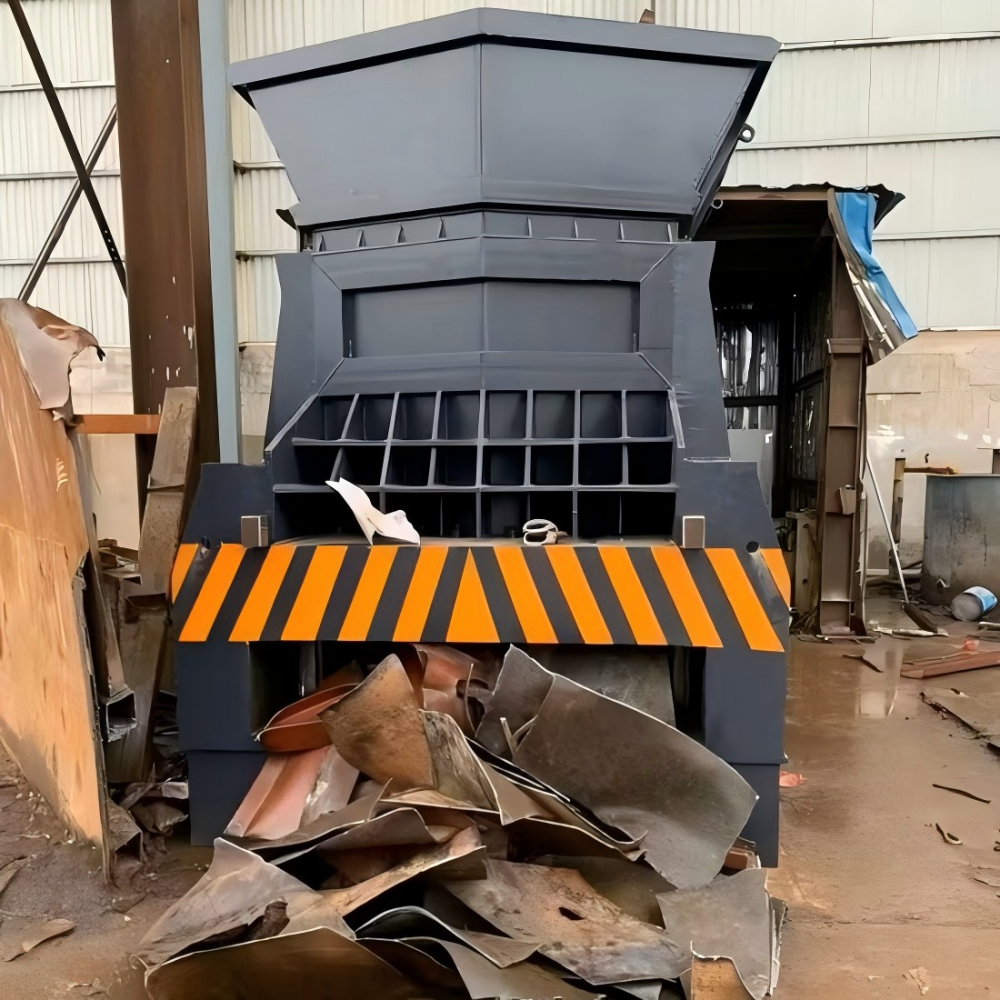
Key Considerations for Consistent Cutting
The primary cause of uneven cutting in container shears is often related to the material density and the way it is fed into the cutting chamber. If the scrap is not properly compressed before the shear blade descends, the material will move laterally, causing the blade to deflect. This deflection is the enemy of a clean cut. To solve container shear uneven cutting problems in scrap processing, operators must ensure that the side compression rams are applying sufficient force to create a dense, uniform “bale” of scrap before the cutting cycle begins.
Another critical factor is the blade clearance. In industrial metal fabrication equipment, the gap between the upper moving blade and the lower stationary blade is vital. If this gap is too wide, the metal will bend into the space rather than being sheared cleanly. Conversely, if the gap is too tight, the blades may clash, causing catastrophic damage to the cutting edge. Regularly checking and adjusting this clearance is a mandatory maintenance task that should never be overlooked.
Material composition also plays a significant role. Processing mixed scrap—such as a combination of thin sheet metal and thick structural steel—can lead to uneven results. The shear blade is designed to handle specific thicknesses and hardness levels. When the material density varies wildly within a single cut, the shear force distribution becomes unbalanced, leading to potential blade chatter or uneven shearing. Sorting scrap by grade before feeding it into the shear is a best practice that significantly improves cut quality.
Finally, consider the structural integrity of the shear frame. Over time, the constant vibration and high-pressure cycles can cause bolts to loosen or structural welds to fatigue. If the frame flexes during the cutting process, the blade alignment will shift, leading to inconsistent cuts. A routine inspection of the machine’s structural bolts and mounting points is essential to maintain the rigidity required for high-precision shearing operations.
Technical Details: Hydraulic and Mechanical Troubleshooting
To effectively solve container shear uneven cutting problems in scrap processing, one must look at the hydraulic system. The main cutting cylinder relies on consistent pressure to maintain a steady downward force. If the hydraulic oil is contaminated, or if the pressure relief valves are not set correctly, the shear may experience “stuttering” during the cut. This stuttering causes the blade to pause or slow down, which inevitably leads to a jagged or incomplete cut. Regularly testing hydraulic pressure and replacing filters is a fundamental requirement for any scrap processing facility.
Blade maintenance is perhaps the most technical aspect of shear performance. Blades are made from high-carbon, high-chromium tool steel, but even the best materials will dull over time. A dull blade requires more force to penetrate the metal, which increases the likelihood of the material shifting. When sharpening blades, it is crucial to maintain the correct bevel angle. An incorrect angle can cause the blade to “pull” the material rather than slice through it, leading to uneven edges and increased wear on the hydraulic cylinders.
The synchronization of the compression rams is another technical area that requires attention. In many modern container shears, the side compression and the main shear are controlled by a PLC (Programmable Logic Controller). If the timing of these cycles is off, the shear blade might begin its descent before the material is fully compressed. This timing issue is a common culprit for uneven cuts. Checking the PLC settings and sensor feedback loops can often resolve these synchronization errors.
Lubrication of the blade guides and sliding surfaces is often neglected. If the moving blade assembly is not sliding smoothly within its guides, it will experience friction-induced drag. This drag can cause the blade to tilt slightly, resulting in a non-perpendicular cut. Using high-quality, high-pressure lubricants on all sliding surfaces ensures that the blade travels in a perfectly vertical path, which is essential for achieving a clean, square cut on heavy scrap metal.
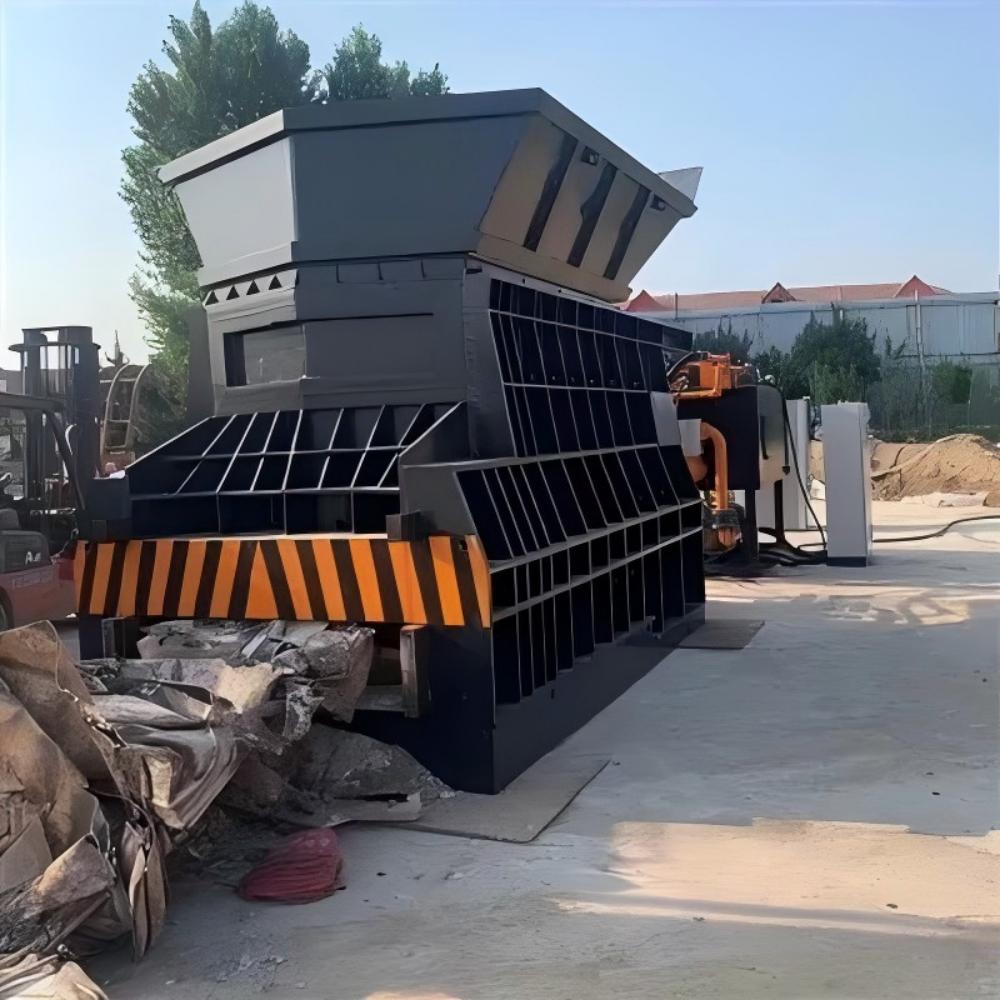
Selection Advice: Choosing the Right Equipment
When you are in the market for new metal fabrication equipment, selecting a shear that is appropriately sized for your typical scrap volume is the best way to prevent future cutting issues. Many operators try to push their machines beyond their rated capacity, which leads to structural fatigue and uneven cutting. When evaluating a container shear, look for models that offer robust side compression and high-tonnage cutting cylinders that exceed your maximum expected material thickness.
Consider the automation features of the machine. Modern shears from manufacturers like HARSLE come equipped with advanced diagnostic systems that monitor cutting force and blade health. These systems can alert operators to potential issues before they result in poor cut quality. Investing in a machine with real-time monitoring capabilities is a proactive way to solve container shear uneven cutting problems in scrap processing before they become expensive downtime events.
The design of the cutting chamber is also a key selection criterion. A chamber that allows for easy access to the blades will significantly reduce the time required for maintenance. If changing or shimming the blades is a difficult, multi-hour process, operators are more likely to delay this critical task, leading to prolonged periods of poor cutting performance. Choose a machine that prioritizes serviceability and ergonomic access to all critical wear parts.
Lastly, consider the manufacturer’s support network. A container shear is a long-term investment. You need a partner who can provide technical support, spare parts, and expert advice on machine optimization. HARSLE provides comprehensive documentation and remote support to help our clients troubleshoot issues quickly. When selecting your equipment, prioritize manufacturers who have a proven track record in the scrap recycling industry and who offer robust after-sales support.
FAQ: Troubleshooting Common Shear Issues
- Q: Why does my shear blade leave a jagged edge on the scrap?
A: This is usually caused by a dull blade or incorrect blade clearance. Check the sharpness of your blades and ensure the gap between the upper and lower blades is set according to the manufacturer’s specifications. - Q: How often should I check the hydraulic pressure?
A: Hydraulic pressure should be checked during every major maintenance interval, typically every 500 operating hours. If you notice a drop in cutting speed or power, check it immediately. - Q: Can mixed scrap cause uneven cuts?
A: Yes. Processing materials of varying hardness and thickness can cause the blade to deflect. Try to sort your scrap or feed it in a way that balances the load across the blade. - Q: What is the most common cause of blade failure?
A: The most common cause is improper blade clearance, which leads to excessive stress on the blade edge, or attempting to cut material that exceeds the machine’s rated hardness. - Q: How do I know if my side compression is sufficient?
A: If the material shifts or “springs back” during the cutting stroke, your side compression is likely insufficient. Ensure the rams are fully extending and that the hydraulic pressure for the compression circuit is within the recommended range.
Conclusion: Maintaining Peak Performance
To solve container shear uneven cutting problems in scrap processing, you must adopt a holistic approach that combines regular maintenance, proper operational techniques, and a deep understanding of your equipment’s capabilities. By focusing on blade sharpness, hydraulic system health, and material handling, you can ensure that your HARSLE container shear delivers consistent, high-quality results day after day. Remember that the goal is not just to fix a problem when it occurs, but to prevent it through proactive management and routine inspections.
Investing time in training your operators is equally important. A well-trained operator can identify the early signs of a cutting issue—such as unusual noises, slower cycle times, or slight variations in cut quality—and address them before they escalate. By fostering a culture of maintenance and precision, you will extend the lifespan of your metal fabrication equipment and maximize the profitability of your scrap processing operations.
HARSLE remains committed to providing the industry with the most reliable and efficient scrap processing solutions. We understand the challenges you face in the field and are here to support your success. Whether you need technical advice, spare parts, or a new machine, our team is ready to help you optimize your production line. By following the guidelines outlined in this article, you are well on your way to achieving the consistent, professional-grade cuts that your business demands.
Ultimately, the longevity of your container shear depends on the care you provide. Treat your equipment with the respect it deserves, and it will continue to be a workhorse for your recycling facility for years to come. If you encounter persistent issues that you cannot resolve, do not hesitate to reach out to our technical support team for a professional assessment. Together, we can keep your operations running smoothly and efficiently.