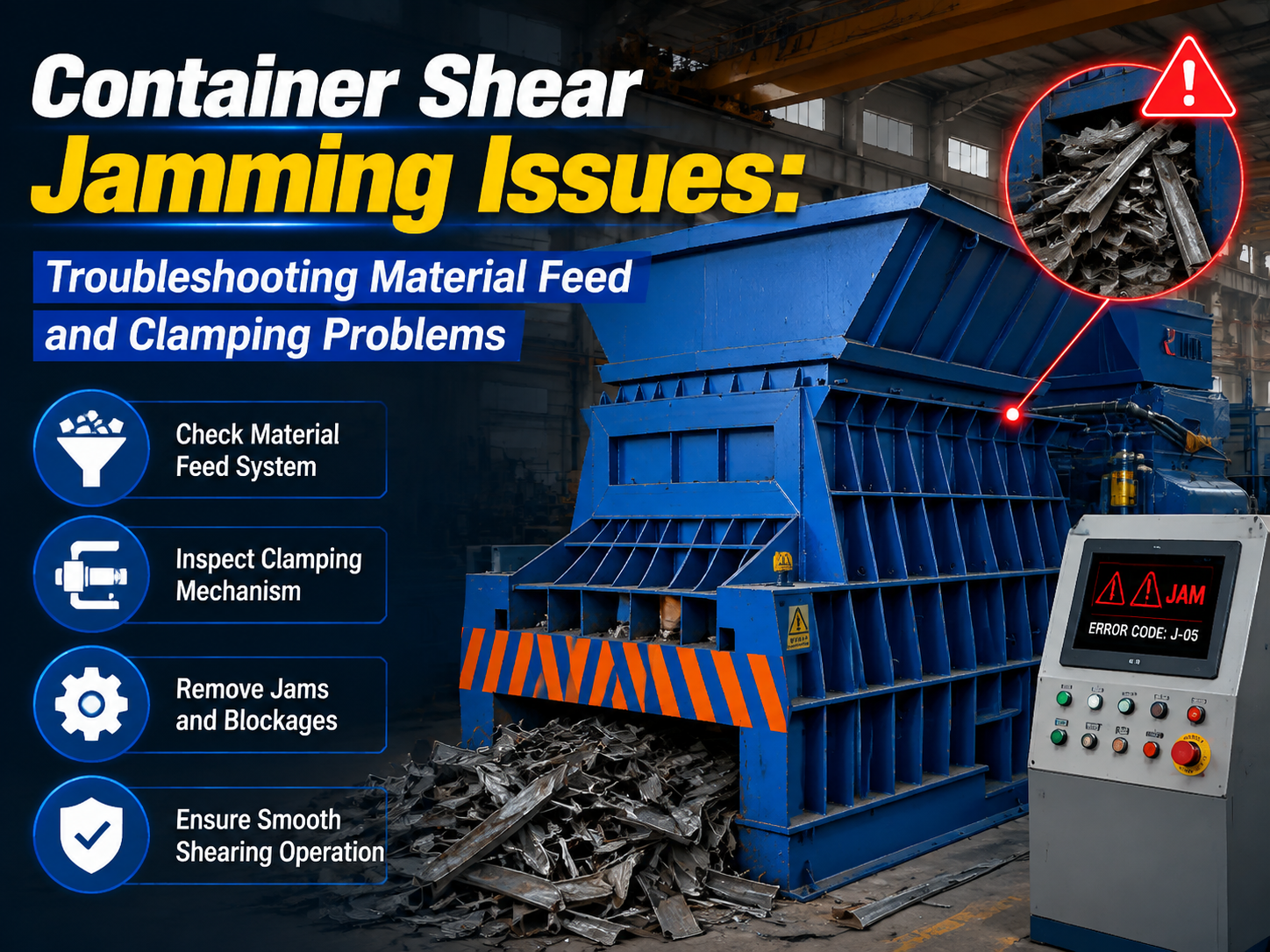
Container Shear Jamming Issues: Troubleshooting Material Feed and Clamping Problems

Introduction to Container Shear Jamming Issues
In the high-stakes environment of scrap metal processing and heavy-duty metal fabrication, the container shear stands as a cornerstone of operational efficiency. However, even the most robust HARSLE machinery can encounter operational bottlenecks. Container Shear Jamming Issues: Troubleshooting Material Feed and Clamping Problems are among the most frequent challenges faced by plant managers and maintenance technicians. When a shear jams, it doesn’t just stop production; it creates safety hazards, increases wear on hydraulic components, and leads to costly downtime.
Understanding the root causes of these jams is essential for any facility looking to maintain high throughput. Often, the issue is not a failure of the machine itself, but a misalignment between the material characteristics and the machine’s feed or clamping settings. By systematically addressing how material enters the shear and how it is held during the cutting cycle, operators can significantly reduce the frequency of these interruptions.
This guide provides a comprehensive look at the mechanics behind these jams. We will explore the interplay between hydraulic pressure, material density, and mechanical clamping force. Whether you are dealing with oversized scrap or inconsistent feed rates, the following sections will equip you with the technical knowledge required to diagnose and resolve these issues effectively.
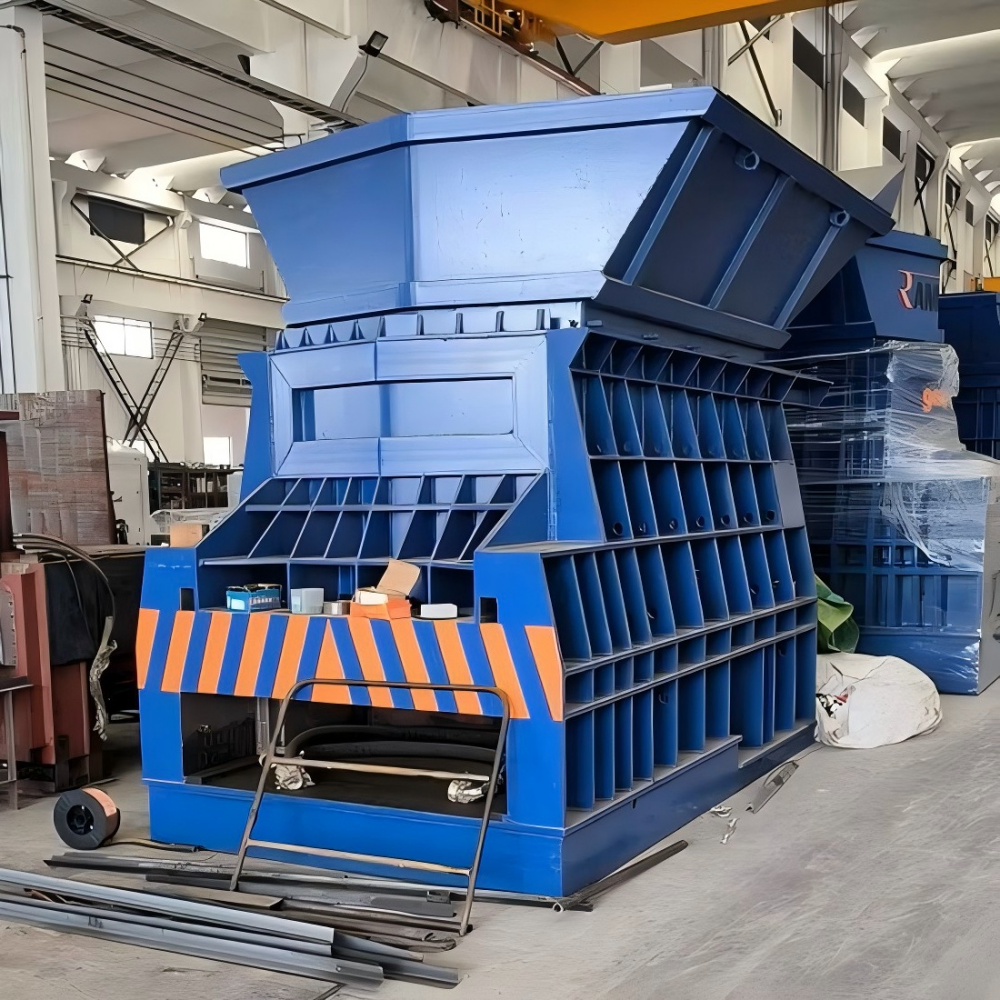
Key Considerations for Material Feed Efficiency
The material feed system is the lifeblood of a container shear. If the material is not presented to the shear blade at the correct angle, speed, or density, the machine will inevitably struggle. The primary consideration here is the ‘feed-to-shear’ ratio. If the pusher ram advances too quickly relative to the cutting cycle, the material can bunch up, causing a jam before the blade even makes contact.
Another critical factor is the geometry of the scrap. Long, stringy, or tangled materials often bridge across the feed opening. This bridging effect prevents the material from settling into the cutting chamber, leading to uneven loads on the shear blade. Operators must ensure that the pre-compression stage is functioning correctly to densify the material into a manageable ‘bale’ or ‘slug’ before it reaches the shear throat.
Environmental factors also play a role. In colder climates, hydraulic fluid viscosity can change, leading to slower response times in the feed rams. If the feed ram is lagging behind the shear cycle, the material may not be fully cleared from the cutting zone, resulting in a ‘double-feed’ scenario where the next batch of material hits the back of the previous cut, causing a catastrophic jam.
Finally, consider the condition of the feed floor. Over time, friction-reducing liners can wear down, increasing the resistance against the pusher ram. This added resistance can trigger pressure relief valves prematurely, causing the feed system to stall. Regular inspection of the feed floor liners is a non-negotiable aspect of preventative maintenance for any industrial shear. Operators should also monitor the feed ram’s stroke limit switches; if these are misaligned, the ram may not retract far enough to allow the next load of scrap to drop into the chamber, creating a bottleneck.
Technical Details: Troubleshooting Clamping Problems
Clamping problems are often mistaken for shear blade issues. The clamp’s job is to hold the material firmly against the shear bed, preventing it from ‘lifting’ or ‘twisting’ during the cut. If the clamping force is insufficient, the material will shift, causing the blade to bind against the side of the shear throat. This binding is a primary cause of Container Shear Jamming Issues: Troubleshooting Material Feed and Clamping Problems.
To troubleshoot clamping, start by checking the hydraulic pressure settings for the clamp cylinder. If the pressure is too low, the material will not be adequately compressed, allowing it to move during the shear stroke. Conversely, if the pressure is too high, it may cause excessive wear on the clamp guides. Use a calibrated pressure gauge to verify that the clamp is delivering the manufacturer-recommended force during the entire cutting cycle.
Inspect the clamp face for signs of uneven wear. If the clamp face is not parallel to the shear bed, it will exert uneven pressure on the scrap. This unevenness allows one side of the material to lift, creating a wedge effect that jams the shear. Resurfacing the clamp face or replacing worn-out wear plates can often resolve persistent jamming issues that seem to defy other troubleshooting efforts.
Check the hydraulic hoses and valves associated with the clamp circuit. A leaking seal or a sticking directional valve can cause the clamp to ‘drift’ or lose pressure mid-cycle. Even a millisecond of pressure loss is enough to allow the material to shift. Ensure that the hydraulic system is free of air, as trapped air can cause the clamp to act ‘spongy’ rather than providing the rigid hold required for heavy-duty shearing. Furthermore, verify that the clamp cylinder seals are not bypassing fluid internally, which is a common silent killer of clamping performance.
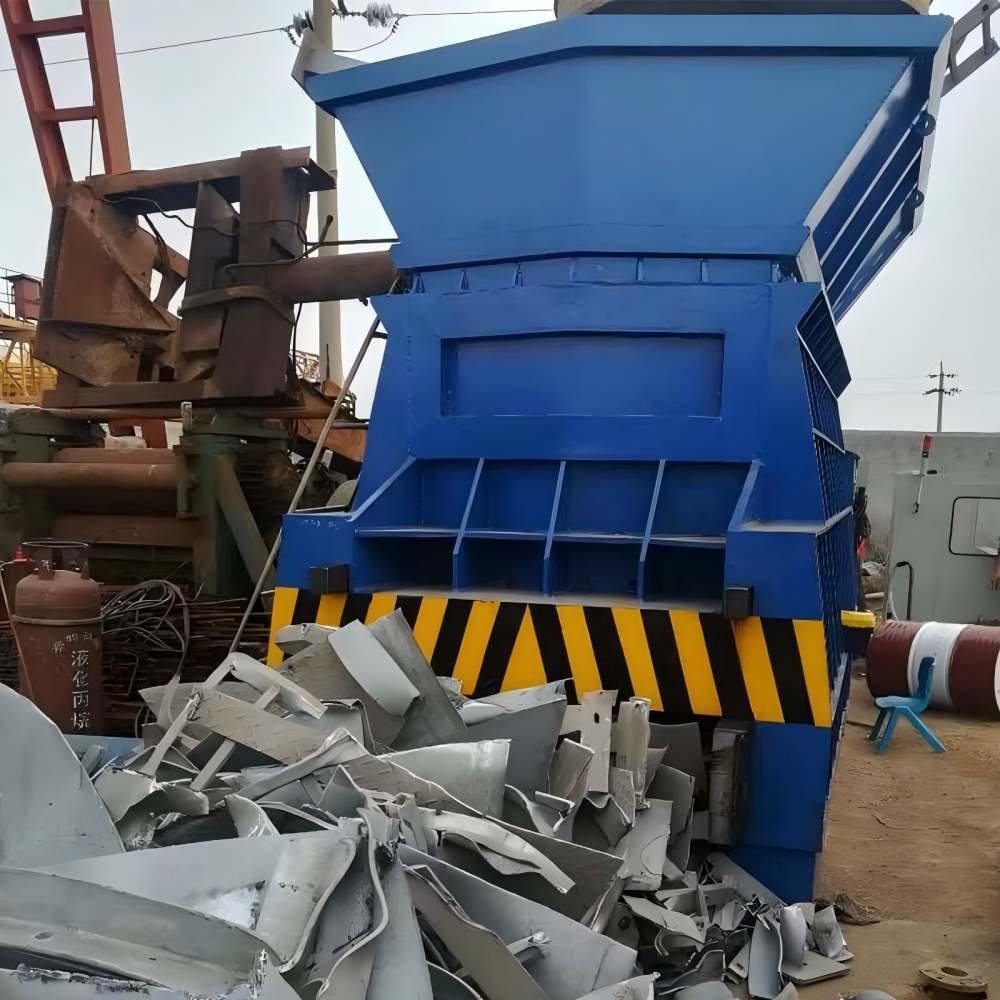
Advanced Diagnostics: The Role of Hydraulic Integrity
Beyond basic pressure checks, troubleshooting Container Shear Jamming Issues requires a deep dive into the hydraulic manifold. Often, the issue lies in the proportional valves that control the speed and force of the clamping and feeding rams. If these valves are contaminated with debris or metallic fines, they may fail to open or close fully, leading to erratic movement. Implementing a rigorous hydraulic filtration schedule is essential. Using high-quality, ISO-rated filters can prevent the microscopic particles that cause valve stiction, a common culprit in intermittent jamming.
Additionally, consider the electrical feedback loop. Modern shears rely on proximity sensors to confirm that the clamp is fully engaged before the shear blade initiates its downward stroke. If a sensor is faulty or covered in grease, the PLC may receive a ‘false positive’ signal, allowing the shear to cycle while the material is still loose. Regularly cleaning and testing these sensors is a critical maintenance task that prevents mechanical damage from occurring in the first place.
Selection Advice for High-Performance Shears
When selecting a container shear, the most important advice is to match the machine’s capacity to your specific material stream. A shear designed for light-gauge aluminum will inevitably jam if tasked with processing heavy structural steel or mixed-density scrap. Always opt for a machine with a higher-than-needed shear force to provide a safety margin for unexpected material variations.
Look for machines that feature advanced PLC (Programmable Logic Controller) integration. Modern HARSLE shears use sensors to detect pressure spikes in the feed and clamp circuits. These systems can automatically pause the feed or adjust the stroke length to prevent a jam before it occurs. Investing in smart technology is one of the most effective ways to mitigate the risks associated with manual operation.
Consider the ease of maintenance when selecting your equipment. A machine that requires a full teardown to access the clamp cylinders will result in longer downtime. Look for designs that offer modular access to hydraulic components and wear parts. This allows your maintenance team to perform quick swaps rather than lengthy repairs, keeping your production line moving.
Finally, prioritize build quality in the shear throat. The throat is the area most susceptible to jamming. Machines with reinforced, hardened steel liners in the throat area are significantly more resistant to the abrasive wear that leads to material snagging. A well-designed throat geometry will naturally guide material into the cutting zone, reducing the reliance on the pusher ram to force material through. When evaluating vendors, ask for documentation on the hardness rating of the liners and the expected service life under heavy-duty conditions.
FAQ: Addressing Common Operational Concerns
- Q: Why does my shear jam only when processing mixed scrap?
A: Mixed scrap often has inconsistent density. The clamp may be set for a specific material type, and when a lighter or heavier piece enters the mix, the clamp fails to hold it securely. Adjust your clamping pressure to accommodate the most difficult material in your stream. - Q: How often should I check the hydraulic pressure for the clamp?
A: We recommend a weekly check of the clamp pressure. If you notice any drift or inconsistent cutting, check it immediately. - Q: Can worn shear blades cause jamming?
A: Yes. A dull blade requires more force to cut through material. This extra force increases the likelihood of the material shifting or ‘bowing’ in the throat, which leads to jams. - Q: What is the most common cause of feed ram failure?
A: Debris buildup behind the ram. Ensure that the area behind the pusher is cleaned regularly to prevent material from obstructing the ram’s full stroke. - Q: Should I use specific lubricants for the shear throat?
A: Yes, using high-pressure, anti-seize lubricants on the shear throat liners can reduce friction and prevent material from ‘sticking’ during the cutting cycle, which is a common precursor to a jam.
Conclusion
Mastering the nuances of Container Shear Jamming Issues: Troubleshooting Material Feed and Clamping Problems is essential for maximizing the ROI of your HARSLE equipment. By focusing on the synchronization of the feed system, the rigidity of the clamping mechanism, and the regular maintenance of wear surfaces, you can transform your shear from a source of frustration into a reliable workhorse. Remember that most jams are preventable through proactive monitoring and a deep understanding of how your specific material stream interacts with the machine’s mechanical limits. When in doubt, prioritize regular calibration and keep your maintenance logs updated to identify patterns before they escalate into full-scale operational failures. Consistent attention to these details will ensure your facility maintains peak production levels and safety standards for years to come.