How to Troubleshoot a Horizontal Baler That Won’t Start: A Comprehensive HARSLE Guide

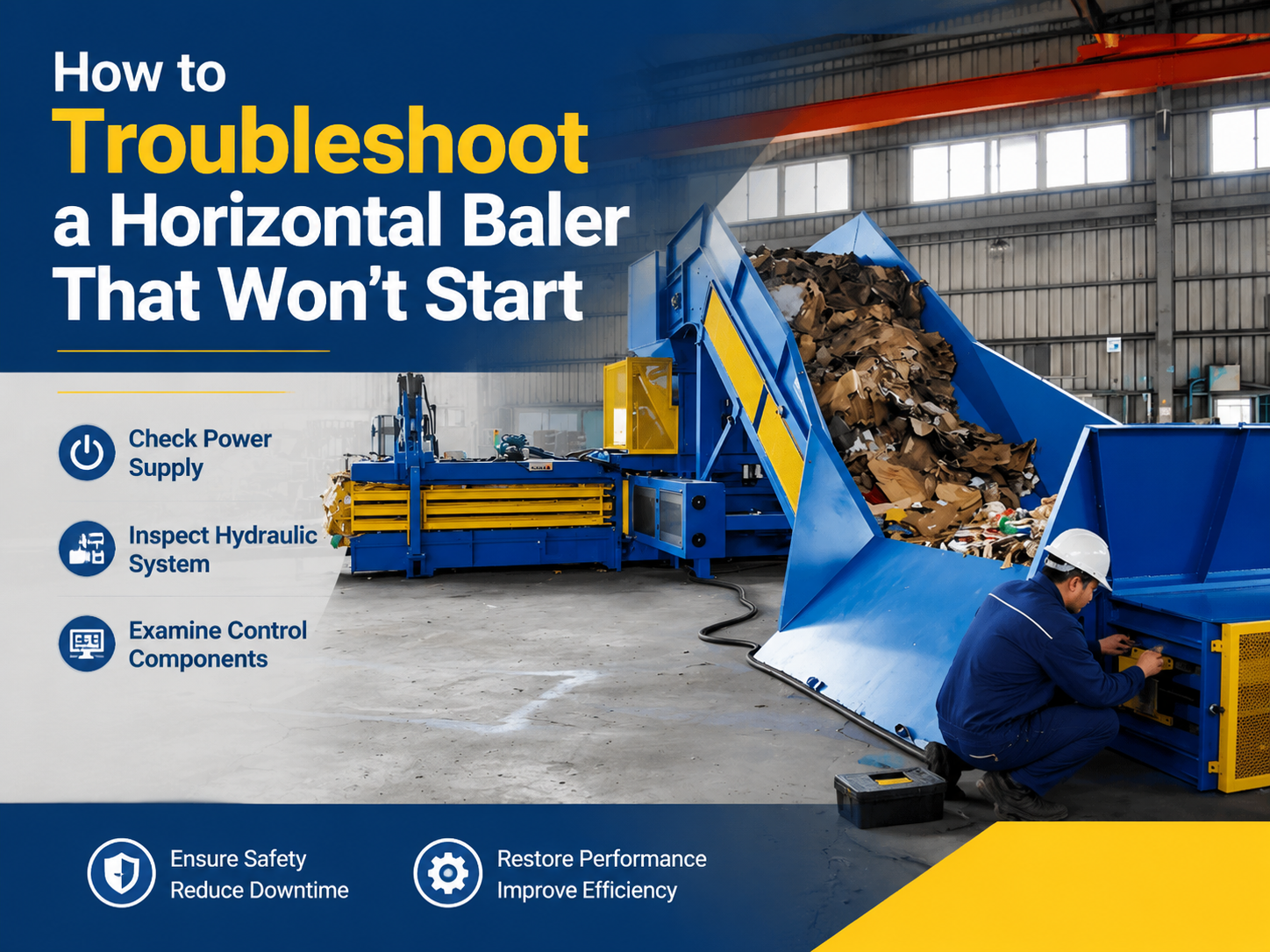
Introduction: Understanding the Importance of Baler Reliability
In the high-stakes environment of metal fabrication and industrial recycling, a horizontal baler is the heartbeat of your waste management system. When this machine stops functioning, the entire production line can grind to a halt, leading to significant financial losses and operational bottlenecks. Knowing how to troubleshoot a horizontal baler that won’t start is not just a technical skill; it is a critical competency for facility managers and maintenance teams who rely on HARSLE equipment to maintain peak efficiency.
A horizontal baler is a complex piece of industrial machinery that integrates hydraulic, electrical, and mechanical systems. When the machine fails to power on or initiate a cycle, the cause can range from a simple tripped safety switch to a complex failure in the programmable logic controller (PLC). This guide is designed to walk you through the systematic process of identifying and resolving these issues, ensuring your equipment returns to service as quickly as possible.
At HARSLE, we prioritize durability and precision. However, even the most robust machinery requires periodic intervention. By following a structured diagnostic approach, you can minimize downtime and avoid unnecessary service calls. This article will serve as your primary reference for diagnosing power-related failures, safety interlock issues, and hydraulic system constraints that prevent your baler from starting.
Before diving into the technical steps, it is essential to emphasize safety. Always follow Lockout/Tagout (LOTO) procedures before inspecting electrical cabinets or hydraulic components. Never attempt to bypass safety sensors or override electrical circuits while the machine is under power unless you are a certified technician performing specific diagnostic tests.
Key Considerations Before Troubleshooting
Before you begin to troubleshoot a horizontal baler that won’t start, you must establish a baseline of the machine’s current state. Start by checking the obvious: the power supply. Many service calls are resolved simply by resetting a main circuit breaker or ensuring the emergency stop (E-stop) buttons are fully disengaged. It is common for operators to accidentally bump an E-stop, which cuts power to the control circuit, leaving the machine unresponsive.
Next, consider the environmental factors. Has there been a recent power surge or a brownout in your facility? Industrial balers are sensitive to voltage fluctuations. If your facility uses a three-phase power supply, ensure that all three phases are active. A single-phase loss can prevent the motor from starting or cause the control system to enter a fault state to protect the internal components from damage.
Examine the control panel for error codes. Modern HARSLE balers are equipped with sophisticated PLC systems that display specific fault messages. These codes are your best roadmap for troubleshooting. If the screen is blank, the issue is likely upstream in the power supply. If the screen is active but shows a fault, consult your operation manual to interpret the specific error code before proceeding to physical inspections.
Finally, consider the recent history of the machine. Was it operating normally until the last cycle? Did it make unusual noises, or was there a sudden drop in pressure? Documenting these details helps in narrowing down the root cause. If the machine was struggling to compress material before it stopped, the issue might be related to a hydraulic pressure relief valve or a motor overload condition rather than a simple electrical failure.
Technical Details: Step-by-Step Diagnostic Procedures
To effectively troubleshoot a horizontal baler that won’t start, you must approach the machine as a series of integrated systems. Start with the electrical system. Verify that the main disconnect switch is in the ‘ON’ position. Check the fuses and circuit breakers within the main control cabinet. If a fuse is blown, do not simply replace it; investigate why it blew, as this often indicates a short circuit or a motor drawing excessive current.
The safety interlock system is the most common culprit for a baler that refuses to start. Horizontal balers are equipped with multiple safety gates, access doors, and light curtains. If any of these sensors detect an open door or an obstructed path, the PLC will prevent the motor from starting. Inspect all gate switches to ensure they are properly aligned and that the magnetic or mechanical contacts are engaging correctly. Dust and debris can often accumulate on these sensors, causing false ‘open’ signals.
Moving to the hydraulic system, check the oil level in the reservoir. If the oil level is too low, the pump may not be able to build the necessary pressure to initiate a cycle, or a low-level sensor might be preventing the motor from starting to protect the pump from cavitation. Additionally, inspect the hydraulic hoses for leaks or signs of wear. While a leak might not prevent the machine from starting, a significant loss of fluid will certainly prevent it from completing a cycle.
Check the motor starter and contactors. If you hear a ‘click’ when you press the start button but the motor does not turn, the contactor may be faulty or the motor itself may be seized. Use a multimeter to check for voltage at the motor terminals. If voltage is present but the motor is silent, the issue is likely mechanical or internal to the motor. If no voltage is present, the issue is electrical, pointing toward the contactor or the control relay.
Common Electrical Faults
- Emergency Stop Engagement: Ensure all E-stops are pulled out and reset.
- Tripped Overload Relay: Check the thermal overload relay in the control panel; if tripped, allow it to cool and reset.
- Phase Imbalance: Verify that all three phases of the power supply are balanced and within the rated voltage range.
- PLC Communication Errors: Check for loose wiring connections between the PLC and the input/output modules.
Hydraulic System Checks
- Oil Temperature: Extremely cold oil can be too viscous, causing the pump to struggle; ensure the oil heater is functioning if applicable.
- Pressure Relief Valve: Ensure the valve is not stuck in the open position, which would prevent the system from building pressure.
- Pump Cavitation: Listen for a ‘gravelly’ sound; this indicates air in the system, which can prevent the pump from engaging correctly.
Selection Advice: Choosing the Right Baler for Your Needs
When selecting a horizontal baler, it is important to consider the volume and type of material you intend to process. A machine that is undersized for your output will be prone to frequent breakdowns, making it much harder to troubleshoot a horizontal baler that won’t start because the components are being pushed beyond their design limits. HARSLE offers a range of balers, from semi-automatic to fully automatic, designed to handle everything from cardboard to scrap metal.
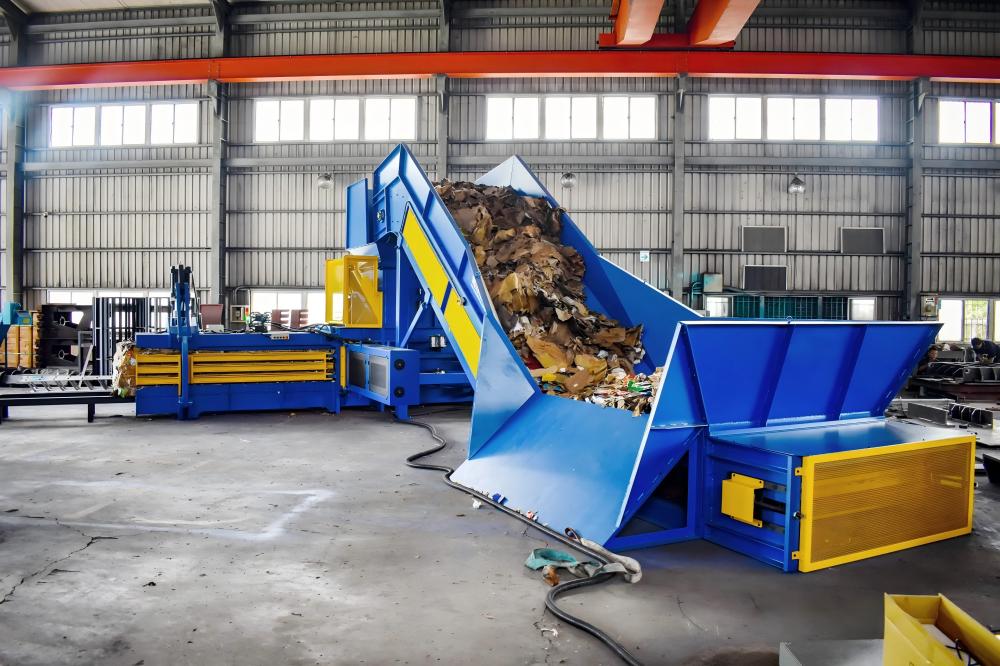
Consider the automation level. If your facility processes high volumes of material, a fully automatic baler with a conveyor feed system is essential. These machines are designed for continuous operation and feature advanced diagnostic systems that make troubleshooting significantly easier. For smaller operations, a semi-automatic baler may be sufficient, but ensure that the hydraulic power unit is sized correctly for your peak load requirements.
Maintenance accessibility is another crucial factor. When choosing a baler, look for designs that offer easy access to the hydraulic pump, valves, and electrical cabinet. HARSLE balers are engineered with maintenance in mind, featuring modular components that can be easily replaced. This design philosophy reduces the time required for repairs and ensures that your team can perform routine inspections without specialized tools.
Finally, consider the support network. A baler is a long-term investment. Ensure that the manufacturer provides comprehensive documentation, including detailed wiring diagrams and hydraulic schematics. Having access to technical support and readily available spare parts is the difference between a minor inconvenience and a week-long production stoppage. HARSLE provides extensive after-sales support to ensure your equipment remains operational throughout its lifecycle.
Frequently Asked Questions (FAQ)
Why does my baler hum but not start?
This usually indicates an electrical issue where the contactor is engaging, but the motor is not receiving enough power or is mechanically seized. Check the motor capacitors (if applicable) and ensure the motor shaft can rotate freely by hand (with power off).
How often should I check the hydraulic oil?
You should check the hydraulic oil level weekly. The oil should be clean and free of debris. Depending on usage, the oil should be changed every 1,000 to 2,000 operating hours to prevent sludge buildup and pump damage.
Can a dirty sensor stop my baler?
Yes. Horizontal balers rely on proximity sensors and limit switches to confirm the position of the ram and the status of the doors. If these sensors are covered in dust or metal shavings, they may fail to send the ‘ready’ signal to the PLC.
What should I do if the PLC shows a ‘System Fault’?
Consult the HARSLE manual for the specific error code. Often, a system fault can be cleared by performing a hard reset of the PLC, but only do this after ensuring that the underlying cause (such as a sensor error or power surge) has been addressed.
Conclusion: Maintaining Operational Excellence
Learning how to troubleshoot a horizontal baler that won’t start is an essential part of managing a modern metal fabrication or recycling facility. By understanding the interplay between the electrical, hydraulic, and safety systems, you can quickly identify the root cause of downtime and implement effective solutions. Remember that most issues are preventable through consistent, scheduled maintenance and by keeping the machine clean and well-lubricated.
HARSLE is committed to providing high-quality metal fabrication equipment that stands the test of time. However, the reliability of your baler is ultimately a partnership between our engineering and your maintenance practices. By following the steps outlined in this guide, you can ensure that your horizontal baler remains a productive asset rather than a source of frustration. If you ever encounter a problem that exceeds your internal capabilities, do not hesitate to reach out to our technical support team for expert guidance.
Regular training for your operators is also a key component of success. When operators understand the basics of the machine’s operation and can identify the early warning signs of failure, they can report issues before they escalate into a complete breakdown. Invest in your team’s knowledge, maintain your equipment with care, and your HARSLE horizontal baler will continue to deliver consistent performance for years to come.