What to Do When a Vertical Baler Cycle Is Too Slow: A Comprehensive Troubleshooting Guide

Introduction
In the fast-paced world of industrial waste management and metal fabrication, efficiency is the cornerstone of profitability. A vertical baler is a critical asset for compressing scrap metal, cardboard, and plastic into manageable, transportable bales. However, operators often face a frustrating bottleneck: a machine that operates at a sluggish pace. Understanding what to do when a vertical baler cycle is too slow is essential for maintaining throughput and preventing operational downtime.
When cycle times increase, it is rarely a sign of a single catastrophic failure. Instead, it is often the result of cumulative wear, hydraulic fluid degradation, or electrical inefficiencies. As a leading manufacturer of metal fabrication equipment, HARSLE emphasizes that proactive maintenance is the most effective way to ensure your machinery remains at peak performance. This guide explores the technical, mechanical, and operational factors that contribute to slow cycle times and provides actionable steps to restore your equipment to its original speed.
Ignoring a slow cycle time does more than just reduce output; it puts unnecessary strain on the hydraulic pump and motor, potentially leading to expensive repairs down the line. By identifying the root cause early, you can extend the lifespan of your vertical baler and ensure that your facility meets its daily processing targets. Whether you are dealing with a minor pressure drop or a complex valve issue, this guide will walk you through the diagnostic process.
Throughout this article, we will delve into the intricacies of hydraulic systems, the importance of regular maintenance schedules, and the signs that it might be time to upgrade your equipment. We aim to provide you with the knowledge required to troubleshoot effectively and keep your production line moving without interruption.
Key Considerations for Baler Performance
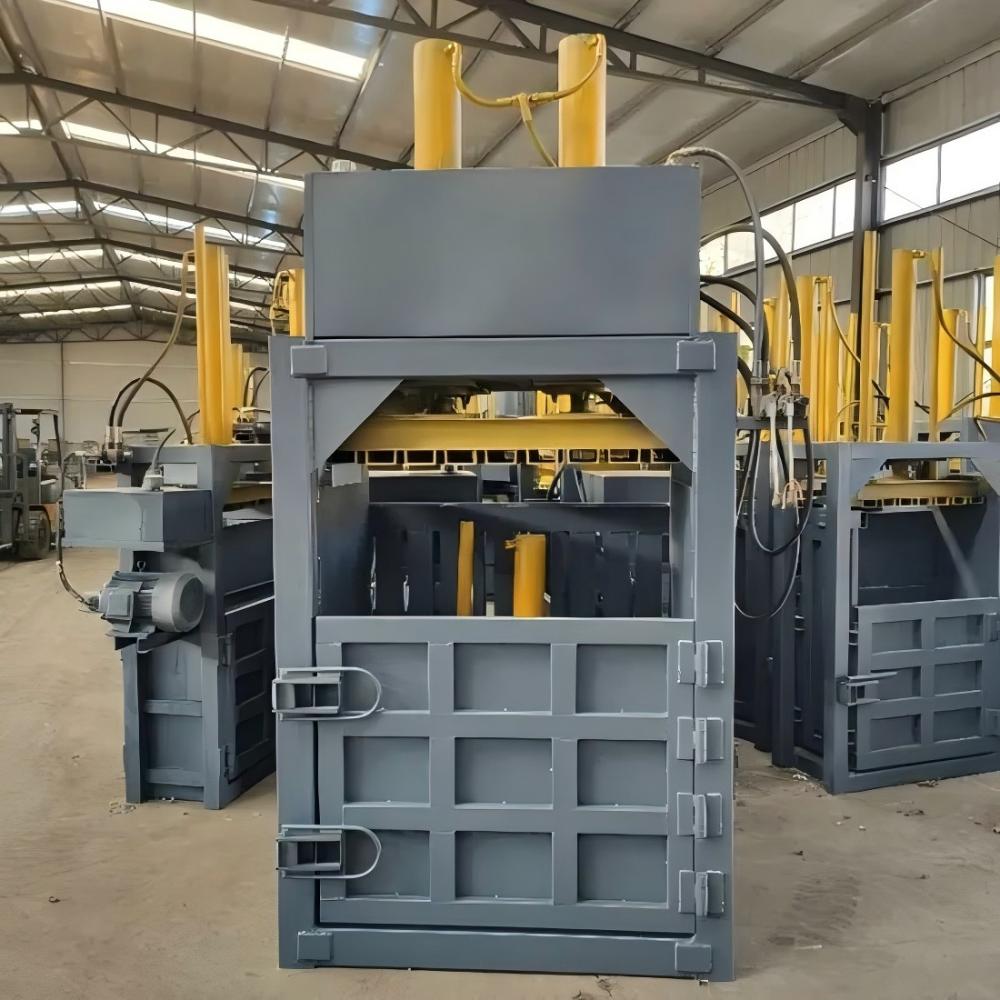
Before diving into complex technical repairs, it is important to consider the operational environment of your vertical baler. Often, the issue is not a mechanical failure but a result of how the machine is being used or maintained. Environmental factors, such as extreme temperatures, can significantly impact the viscosity of hydraulic oil, which in turn affects the speed of the ram.
Another key consideration is the material being processed. If you are attempting to bale materials that exceed the machine’s design specifications, the system will naturally struggle to maintain its cycle speed. Overloading the chamber or failing to distribute material evenly can cause the pressure relief valves to trigger prematurely, slowing down the compression process as the system attempts to compensate for the resistance.
Operator training also plays a vital role. If the baler is not being loaded correctly, or if the safety interlocks are being triggered frequently due to improper door closure, the machine may experience delays. Ensuring that your team understands the optimal loading patterns and the importance of keeping the track and door mechanisms clean can prevent many common performance issues.
Finally, consider the age of your equipment. While a well-maintained vertical baler can last for many years, components like seals, hoses, and pumps eventually reach the end of their service life. If you find yourself asking what to do when a vertical baler cycle is too slow on a machine that is over a decade old, it may be time to evaluate whether a full system overhaul or a replacement is more cost-effective than continuous, minor repairs.
Technical Details: Troubleshooting the Hydraulic System
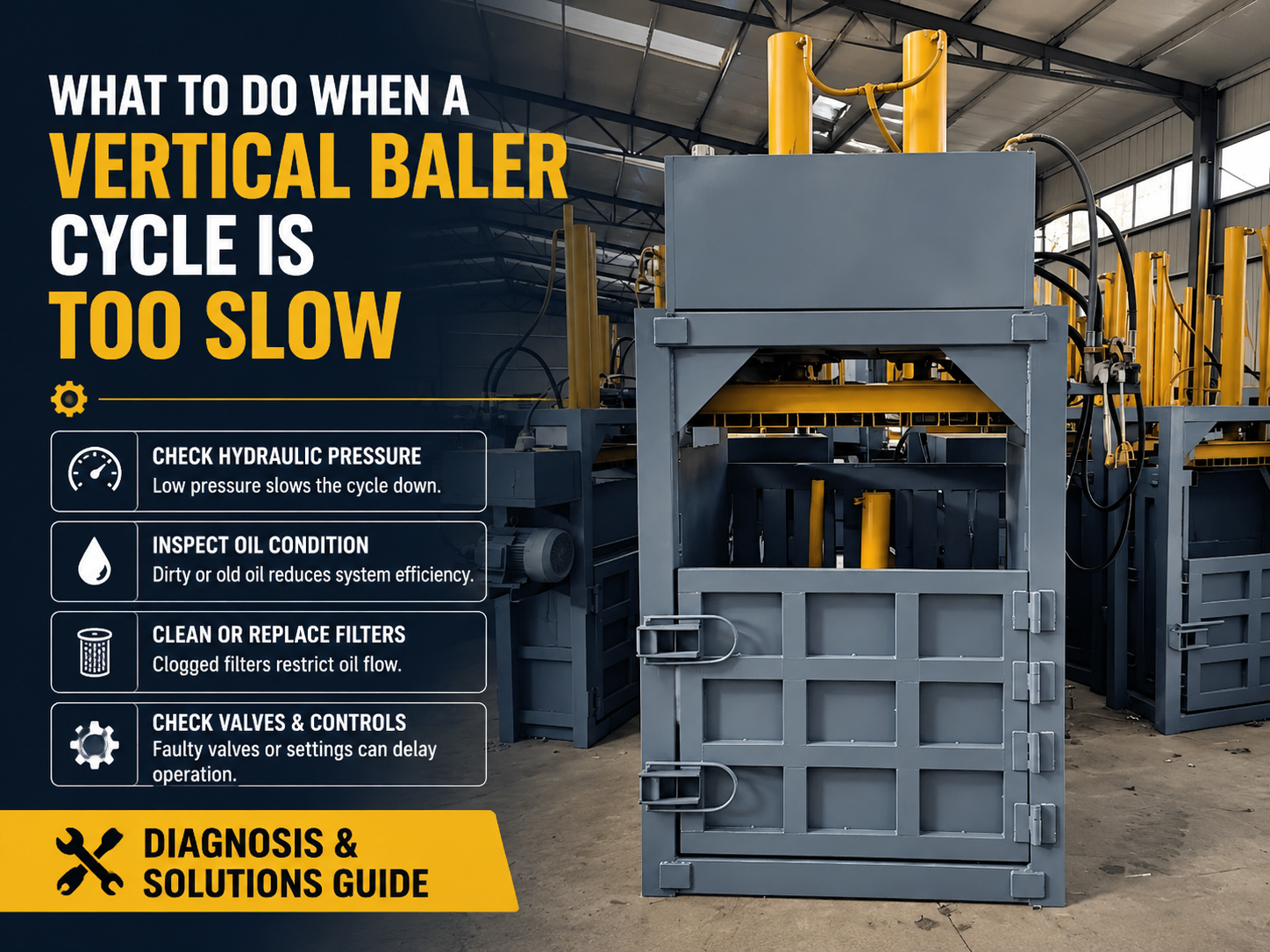
The heart of any vertical baler is its hydraulic system. When a cycle is too slow, the hydraulic fluid is almost always the first place to look. Over time, hydraulic oil can become contaminated with debris, moisture, or air, all of which compromise the efficiency of the pump. If the oil is too thick or too thin due to temperature fluctuations, the pump will struggle to move the ram at the required speed.
Check the hydraulic fluid levels and quality. If the oil appears milky or dark, it is likely contaminated and needs to be replaced immediately. Additionally, inspect the hydraulic filters. A clogged filter restricts the flow of fluid, forcing the pump to work harder and slowing down the entire cycle. Replacing these filters as part of your routine maintenance schedule is one of the simplest ways to improve cycle times.
The hydraulic pump itself can also be a culprit. If the pump is worn, it will not be able to generate the necessary flow rate to move the ram quickly. Listen for unusual noises, such as whining or grinding, which are common indicators of pump cavitation or internal wear. If the pump is failing, it will not be able to maintain the pressure required for efficient compression, leading to a sluggish cycle.
Valves are another critical component. The directional control valves and pressure relief valves must operate smoothly to direct the flow of hydraulic fluid. If a valve is sticking or partially blocked by debris, the fluid flow will be restricted. A professional technician can test the pressure at various points in the system to determine if a valve is failing to open or close fully, which is a common cause of slow cycle times in older vertical balers.
Selection Advice: Matching Capacity to Demand
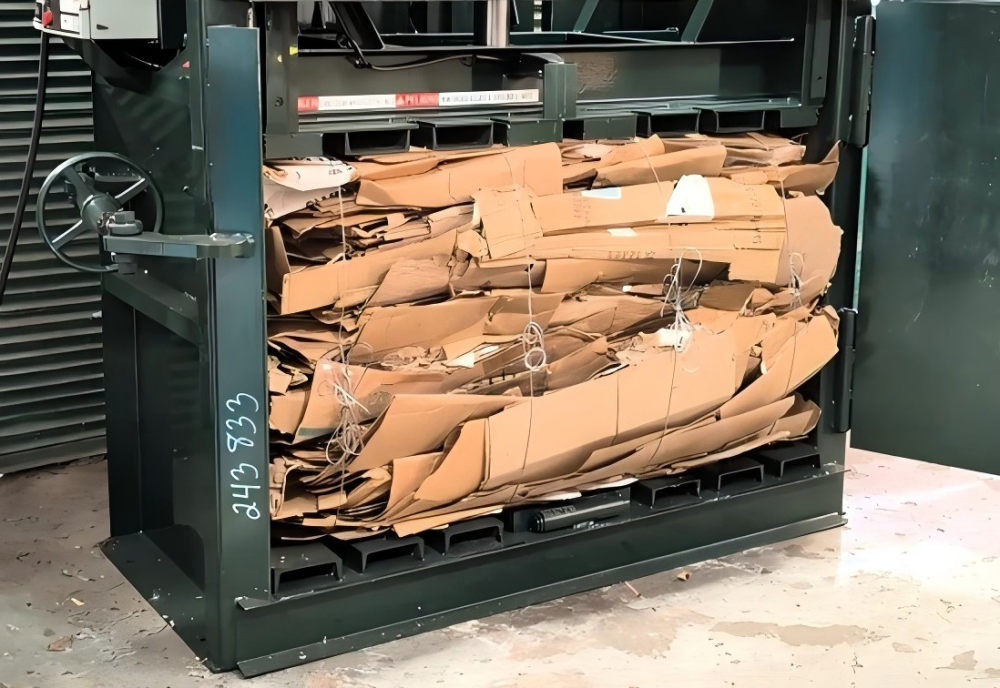
When you are researching what to do when a vertical baler cycle is too slow, you might realize that the machine you purchased is simply undersized for your current production volume. Many businesses start with a smaller, entry-level baler, but as their operations grow, the machine becomes a bottleneck. If your baler is running 24/7 just to keep up, it will inevitably experience premature wear and slower cycle times.
When selecting a new vertical baler, consider the total volume of waste you generate on a daily basis. It is always advisable to choose a machine with a slightly higher capacity than you currently need. This allows the machine to operate within its comfort zone, reducing the strain on the motor and hydraulic system and ensuring that cycle times remain consistent even during peak production periods.
Look for features that enhance throughput, such as automatic bale ejection systems or faster ram travel speeds. Modern vertical balers from HARSLE are designed with high-efficiency hydraulic systems that prioritize speed without sacrificing force. Investing in a machine with advanced diagnostic capabilities can also save you time, as the machine can alert you to potential issues before they cause a significant slowdown.
Consider the footprint and the ease of loading. A machine that is difficult to load will naturally result in longer cycle times because the operator spends more time preparing the material than the machine spends compressing it. Ergonomic design is not just about comfort; it is about efficiency. A well-designed baler allows for rapid loading, which keeps the cycle moving and maximizes your overall output.
FAQ: Common Questions About Baler Speed
Why does my baler slow down as the bale gets fuller?
As the bale reaches its maximum density, the hydraulic system must exert more force to compress the material. If the system is not properly maintained, or if the pump is beginning to wear, it will naturally slow down as it encounters higher resistance. This is a normal part of the process, but if the slowdown is extreme, it indicates a need for maintenance.
How often should I change the hydraulic oil?
Generally, hydraulic oil should be changed every 1,000 to 2,000 hours of operation, depending on the manufacturer’s recommendations and the intensity of your usage. Always check your HARSLE manual for specific intervals, as using the wrong grade of oil can also cause performance issues.
Can air in the hydraulic lines cause slow cycles?
Yes, air in the lines, known as aeration, can cause the ram to move erratically or slowly. This often happens after a hose replacement or if the oil level has dropped too low. Bleeding the hydraulic system is a standard procedure to remove trapped air and restore smooth operation.
Is it worth repairing an old baler or buying a new one?
If the cost of repairs exceeds 50% of the value of the machine, or if the machine is frequently breaking down and causing significant downtime, it is usually more cost-effective to invest in a new, high-efficiency vertical baler. Modern machines offer better energy efficiency and faster cycle times that can pay for themselves through increased productivity.
Conclusion
Dealing with a slow vertical baler is a common challenge in the metal fabrication and waste management industries, but it is one that can be managed with the right approach. By understanding the mechanical and hydraulic factors that influence cycle speed, you can take proactive steps to maintain your equipment and ensure it continues to serve your business effectively. Whether it is replacing contaminated oil, cleaning filters, or upgrading to a higher-capacity machine, the goal is always to minimize downtime and maximize output.
At HARSLE, we are committed to providing high-quality metal fabrication equipment that stands the test of time. We understand that your machinery is the backbone of your operation, and we are here to support you with the expertise and resources you need to keep your facility running smoothly. If you have followed the troubleshooting steps outlined in this guide and are still experiencing issues, do not hesitate to reach out to our technical support team for professional assistance.
Remember that the best way to avoid the question of what to do when a vertical baler cycle is too slow is to implement a rigorous preventative maintenance schedule. By treating your baler with the care it deserves, you will enjoy years of reliable service and consistent performance, allowing you to focus on what matters most: growing your business and delivering value to your customers.