Vertical Baler Bale Not Ejecting: Troubleshooting Checklist for Industrial Efficiency

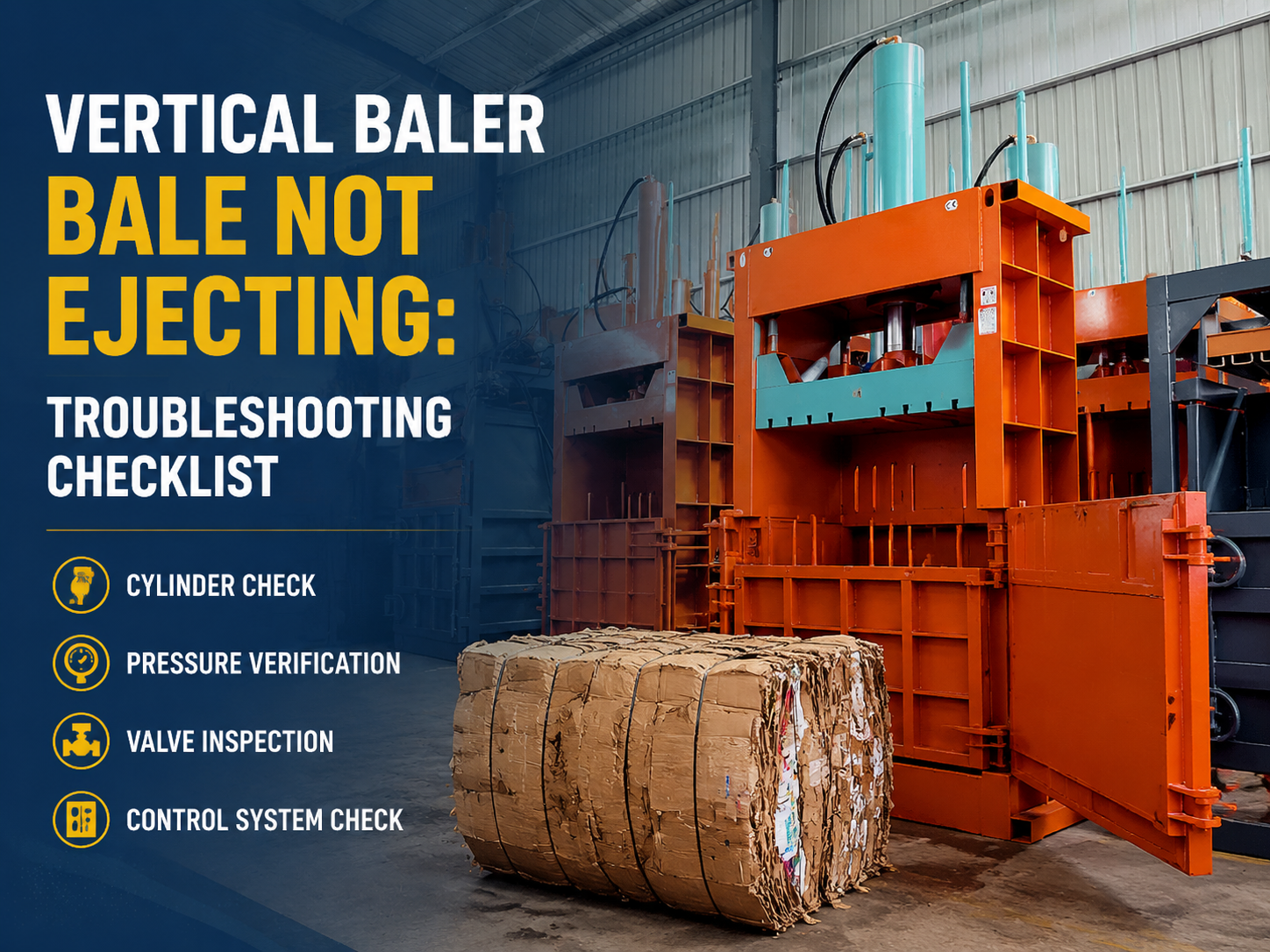
Introduction to Vertical Baler Operational Challenges
In the high-stakes environment of industrial waste management and metal fabrication, the vertical baler stands as a cornerstone of operational efficiency. When your equipment functions correctly, it transforms bulky scrap into manageable, high-density bales, optimizing logistics and storage. However, encountering a situation where the bale refuses to eject can bring your entire production line to a grinding halt. This guide serves as your definitive Vertical Baler Bale Not Ejecting: Troubleshooting Checklist, designed to help operators and maintenance teams diagnose and resolve these critical issues swiftly.
At HARSLE, we understand that downtime is not just an inconvenience—it is a direct hit to your bottom line. Whether you are processing cardboard, plastic, or light metal scrap, the ejection mechanism is a complex interplay of hydraulic force, mechanical alignment, and electrical signaling. When the bale remains stuck in the chamber, it is rarely due to a single catastrophic failure; rather, it is often a symptom of accumulated maintenance neglect or minor calibration drifts that have compounded over time.
This article aims to demystify the ejection process. By following this structured troubleshooting checklist, you can systematically isolate the root cause of the failure. We will explore everything from hydraulic pressure settings to physical obstructions within the chamber walls. Our goal is to empower your team with the technical knowledge required to maintain HARSLE equipment at peak performance, ensuring that your facility remains productive and safe.
Before diving into the technical specifics, it is essential to emphasize safety. Any troubleshooting involving the hydraulic or mechanical components of a vertical baler must be performed by trained personnel. Always ensure the machine is locked out and tagged out (LOTO) before reaching into the chamber or inspecting internal hydraulic lines. With safety as our foundation, let’s explore the critical considerations for maintaining a smooth ejection cycle.
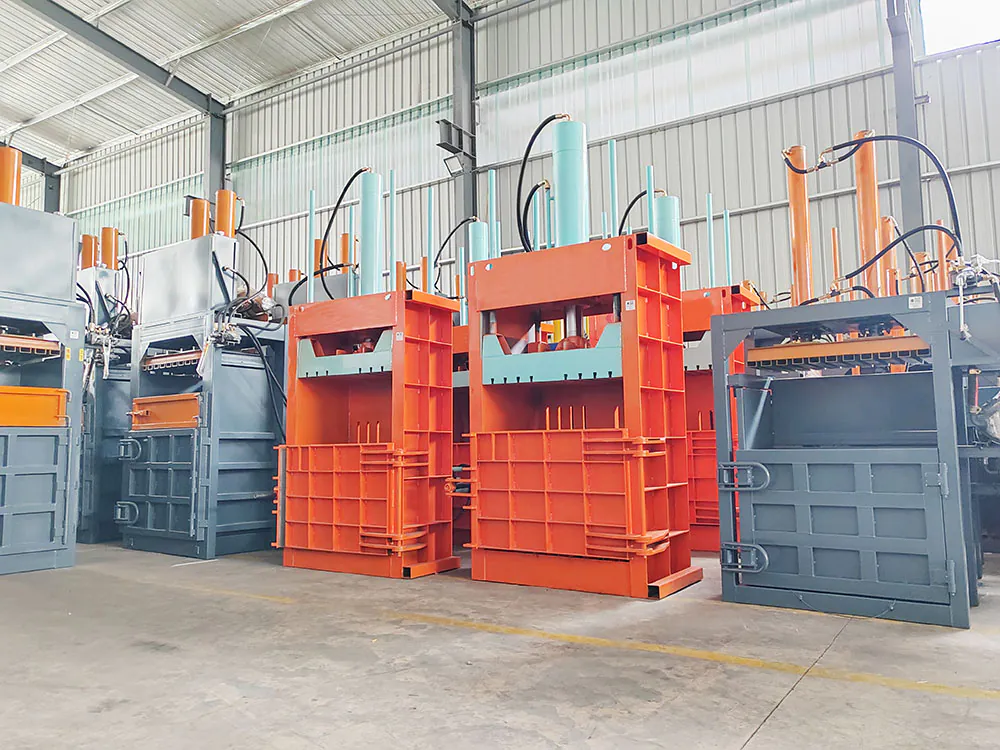
Key Considerations for Ejection Failure
When a vertical baler fails to eject a bale, the first instinct is often to increase hydraulic pressure or force the machine to cycle again. This is frequently the wrong approach and can lead to structural damage to the platen or the ejection cylinders. Instead, the first step in our Vertical Baler Bale Not Ejecting: Troubleshooting Checklist is to perform a visual inspection of the bale density and the chamber walls. Often, the bale has expanded beyond the dimensions of the chamber, creating friction that the ejection system cannot overcome.
Another key consideration is the condition of the strapping or wire ties. If the bale was not tied correctly, or if the wire has snapped during the compression phase, the bale may have lost its structural integrity. A loose or deformed bale will expand unevenly, effectively wedging itself against the chamber walls. In such cases, the ejection mechanism—whether it is a hydraulic ram or a mechanical gate—will struggle to push the mass out, leading to a stall.
Environmental factors also play a significant role. In colder climates, hydraulic oil viscosity can change, leading to slower response times and reduced force during the ejection stroke. If your baler is located in an unheated warehouse, the hydraulic system may require a warm-up period or a change to a lower-viscosity oil grade. Ignoring these environmental variables is a common mistake that leads to unnecessary service calls.
Finally, consider the material being baled. If you are switching between material types—for instance, moving from cardboard to thin-gauge metal scrap—the settings on your baler may need adjustment. Different materials have different spring-back characteristics. If the baler is set to a pressure profile designed for soft materials, it may not be compressing the new material sufficiently to allow for a clean ejection. Always verify that your machine settings align with the material density you are currently processing.
Technical Details: Diagnosing the Hydraulic and Mechanical Systems
The heart of the ejection process is the hydraulic system. If the bale is not moving, the first technical check should be the hydraulic pressure gauge. During the ejection cycle, the system should reach its rated pressure. If the gauge shows a significant drop or fails to reach the required threshold, you likely have a leak in the cylinder seals, a faulty pressure relief valve, or a failing hydraulic pump. A systematic check of the hydraulic circuit is vital for any Vertical Baler Bale Not Ejecting: Troubleshooting Checklist.
Mechanical obstructions are the second most common culprit. Inspect the interior of the chamber for debris, such as stray metal shards or hardened adhesive, that may have built up over time. Even a small protrusion on the chamber wall can act as a hook, snagging the bale as it attempts to exit. Ensure that the chamber walls are clean and that any guide rails are free of rust or damage. If the platen itself is misaligned, it may be pushing the bale at an angle, causing it to bind against the exit door.
The ejection door mechanism itself requires careful scrutiny. Check the hinges and the locking pins. If the door is not opening fully or if the locking mechanism is slightly jammed, the bale will be blocked from exiting. Lubrication of the door hinges is a simple maintenance task that is often overlooked. A dry or seized hinge can prevent the door from swinging wide enough to clear the bale, creating a bottleneck that stalls the entire operation.
Electrical sensors and limit switches also play a critical role in the ejection sequence. The baler’s PLC (Programmable Logic Controller) relies on input from these sensors to know when the door is open and when the ejection stroke should begin. If a limit switch is faulty or covered in dust, the machine may not initiate the ejection sequence at all, or it may stop prematurely. Use a multimeter to test the continuity of these switches to ensure they are sending the correct signals to the control panel.
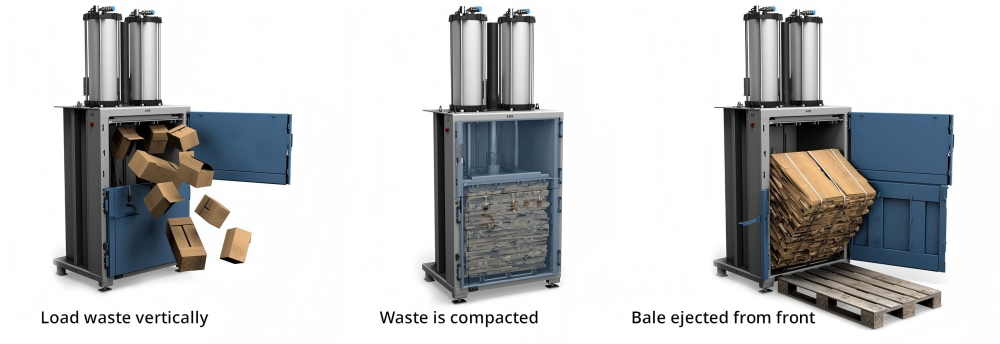
Selection Advice: Choosing the Right Baler for Your Needs
Preventing ejection issues often starts long before the machine is installed. When selecting a vertical baler, it is crucial to match the machine’s capacity to your specific material throughput. A common mistake is purchasing a baler that is under-powered for the volume or density of the material being processed. If you are consistently pushing the machine to its maximum capacity, you are significantly increasing the wear and tear on the hydraulic cylinders and the structural frame, which eventually leads to ejection failures.
Consider the automation level of the baler. For high-volume facilities, semi-automatic or fully automatic ejection systems are recommended. These systems are designed to handle the stress of frequent cycling more effectively than manual ejection models. When evaluating HARSLE equipment, look for features like reinforced platen guides and high-grade hydraulic components that are specifically engineered to handle the resistance of dense bales.
Think about the footprint and the accessibility of the machine. A baler that is tucked into a tight corner may be difficult to maintain, leading to skipped inspections. Ensure that your facility layout allows for easy access to the hydraulic power unit, the electrical cabinet, and the ejection door. Proper maintenance access is a prerequisite for long-term reliability. If your team cannot easily reach the components, they will not be able to perform the necessary checks outlined in this troubleshooting guide.
Finally, invest in a baler that offers robust diagnostic capabilities. Modern HARSLE vertical balers come equipped with advanced control panels that can display error codes, making it much easier to identify the source of a problem. Instead of guessing whether the issue is hydraulic or electrical, a diagnostic screen can point you directly to the faulty sensor or pressure valve. This investment in technology pays for itself by drastically reducing the time spent on troubleshooting and repairs.
Comprehensive Troubleshooting Checklist Table
| Symptom | Potential Cause | Action Required |
|---|---|---|
| Bale stuck in chamber | Material expansion/spring-back | Increase compression time/dwell time |
| Hydraulic pressure low | Leaking seals or pump wear | Inspect hydraulic lines and pump |
| Door fails to open | Hinge friction or lock jam | Lubricate hinges and check locking pins |
| PLC shows error code | Faulty limit switch | Test switch continuity and clean sensors |
| Bale unevenly formed | Platen misalignment | Check guide rails and structural integrity |
FAQ: Common Questions About Vertical Baler Maintenance
Why does my bale expand after compression?
Bale expansion, or “spring-back,” is common with materials like plastic film or light cardboard. To mitigate this, increase the dwell time—the duration the platen stays at the bottom of the stroke—to allow the material to settle and the air to escape.
How often should I check the hydraulic oil?
Hydraulic oil should be checked monthly. Look for signs of contamination, such as a milky appearance (indicating water ingress) or a burnt smell. Replace the oil and the filter according to the manufacturer’s recommended service intervals to ensure the longevity of your hydraulic system.
Can I force the bale out if it is stuck?
No. Forcing the bale out by repeatedly cycling the machine can cause permanent damage to the platen or the hydraulic cylinders. If the bale is stuck, stop the machine, perform a lockout/tagout, and manually inspect the chamber for obstructions.
What is the most common cause of ejection failure?
The most common cause is improper material loading or overloading the chamber. When the chamber is overfilled, the material creates excessive friction against the walls, which the ejection system cannot overcome. Always follow the fill-line indicators.
Conclusion: Maintaining Operational Excellence
Resolving a vertical baler ejection issue does not have to be a daunting task. By utilizing this Vertical Baler Bale Not Ejecting: Troubleshooting Checklist, you can move from a state of reactive panic to one of proactive maintenance. Remember that the key to avoiding these issues lies in consistent care: regular lubrication, monitoring hydraulic health, and ensuring that your operators are trained to load the machine correctly. HARSLE equipment is built for durability, but like any industrial machinery, its performance is a reflection of the maintenance it receives.
If you find that you have exhausted all the steps in this checklist and the bale still refuses to eject, do not hesitate to contact the HARSLE technical support team. Our experts are available to provide guidance on complex repairs and can help you source the correct replacement parts to get your operations back on track. Investing time in understanding your equipment today will save you countless hours of downtime in the future.
Ultimately, the goal of any metal fabrication or waste management facility is to maintain a seamless flow of materials. A functional baler is the silent engine that keeps this flow moving. By prioritizing the health of your baler, you are not just fixing a machine; you are protecting your production schedule, your safety standards, and your overall operational profitability. Keep this guide handy, stay diligent with your maintenance routines, and ensure that your HARSLE vertical baler continues to serve your facility for years to come.