Key Components of a Briquetting Machine and How They Affect Performance: A Technical Guide

Technical Overview: Understanding the Briquetting Machine
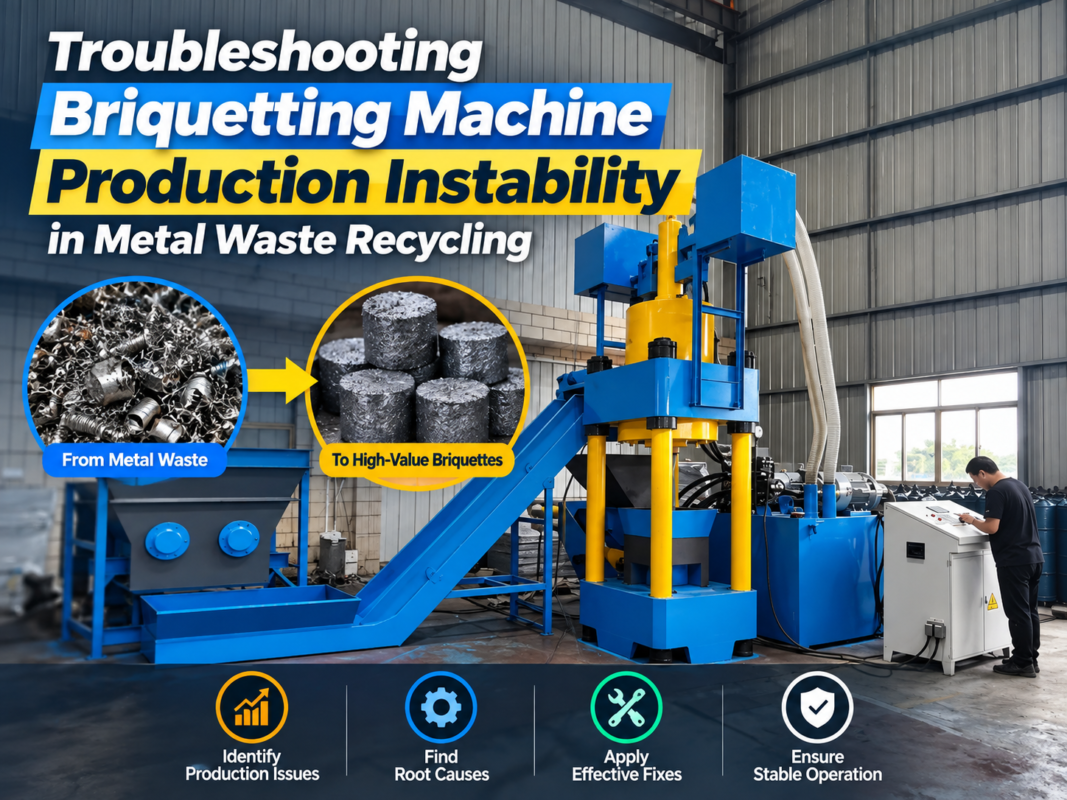
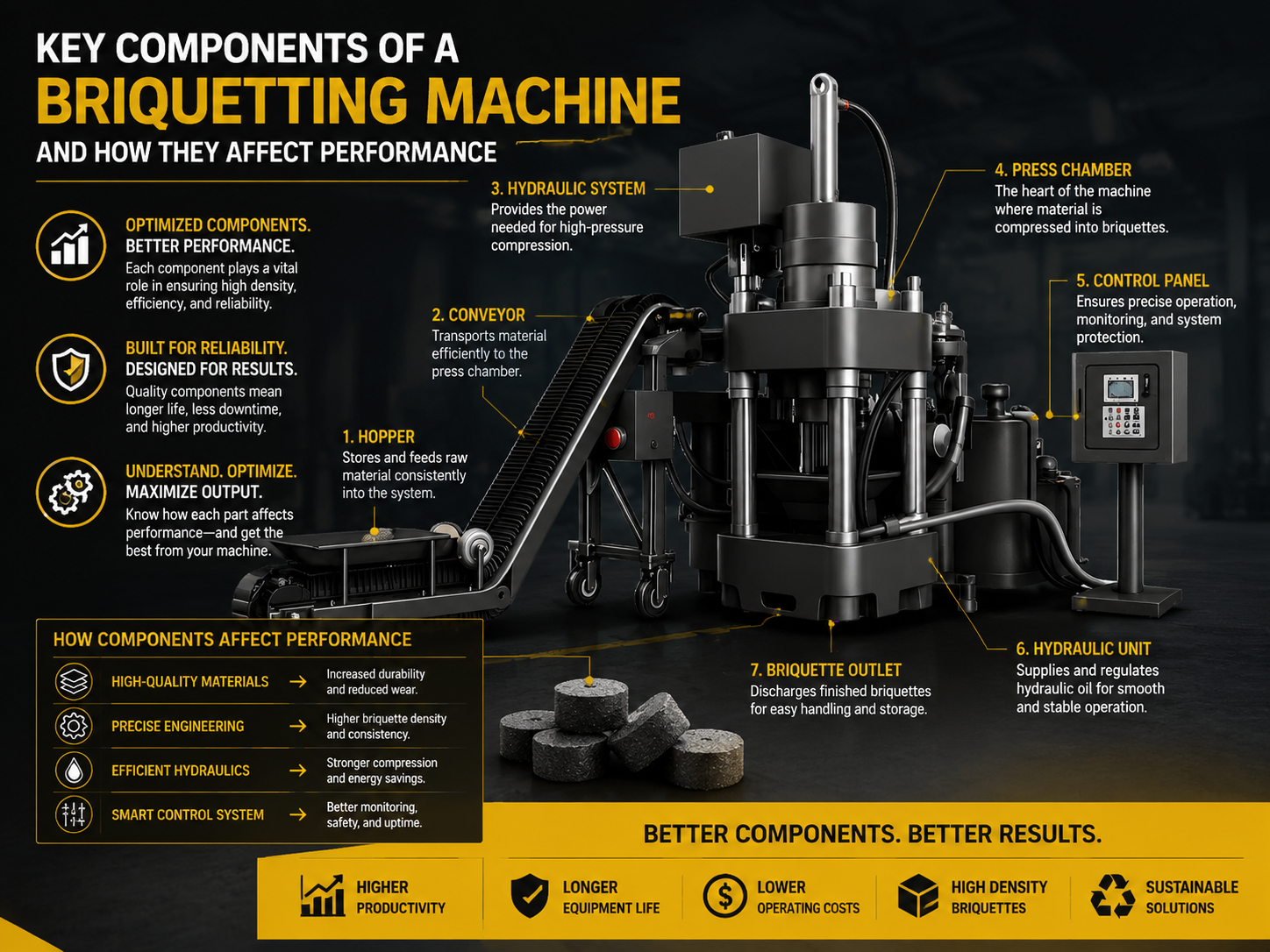
In the modern metal fabrication industry, waste management and material recovery have transitioned from secondary concerns to primary operational strategies. A briquetting machine serves as the critical bridge between scrap generation and resource reclamation. By compressing loose metal chips, turnings, and swarf into dense, manageable briquettes, these machines significantly reduce volume, recover expensive cutting fluids, and increase the market value of scrap metal. Understanding the key components of a briquetting machine and how they affect performance is essential for any facility manager looking to optimize their production line.
At its core, a briquetting machine operates on the principle of high-pressure compaction. Unlike traditional balers that rely on mechanical force alone, industrial-grade briquetting systems utilize sophisticated hydraulic circuits to exert consistent, multi-directional pressure. This process eliminates the need for binders, relying instead on the mechanical interlocking of metal particles under extreme load. The structural integrity of the machine is paramount, as the internal forces generated during the compaction cycle can exceed several hundred tons.
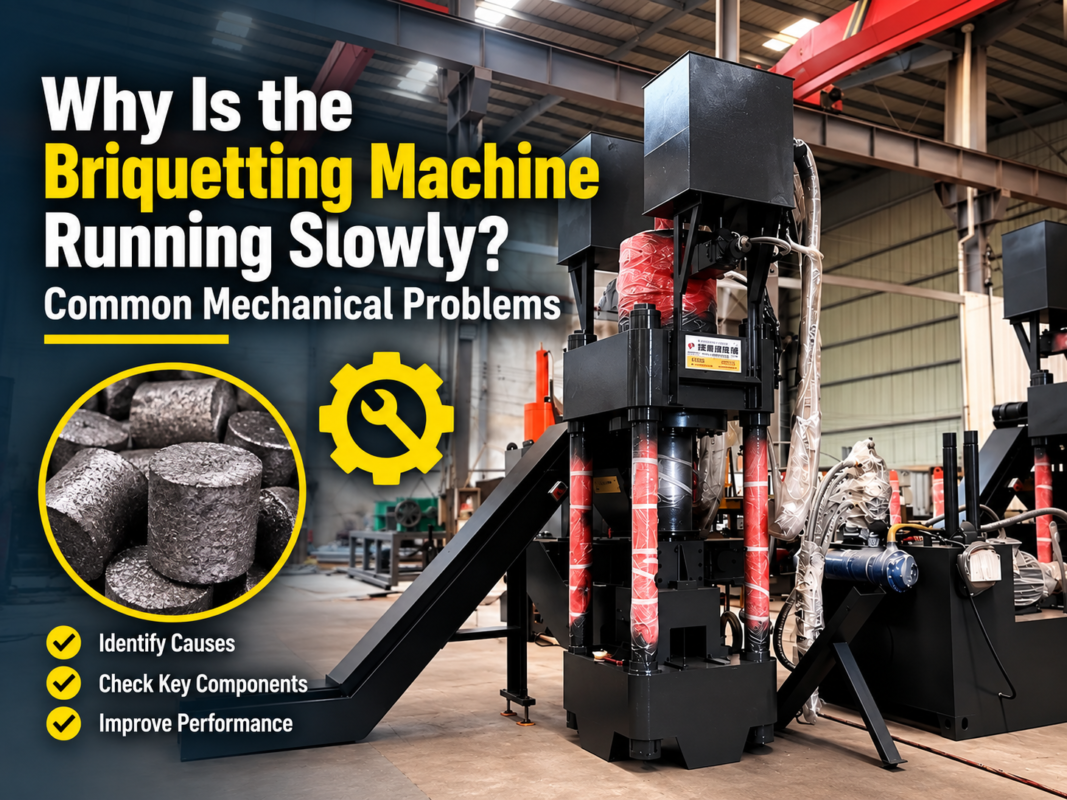
The architecture of a HARSLE briquetting machine is designed for durability and precision. The main frame is typically constructed from high-tensile steel, reinforced to withstand the cyclic stress of continuous operation. Within this frame, the interaction between the feeding system, the compression chamber, and the hydraulic power unit determines the throughput and the density of the final product. Every component, from the smallest seal to the main cylinder, plays a specific role in ensuring that the machine maintains its performance standards over thousands of cycles.
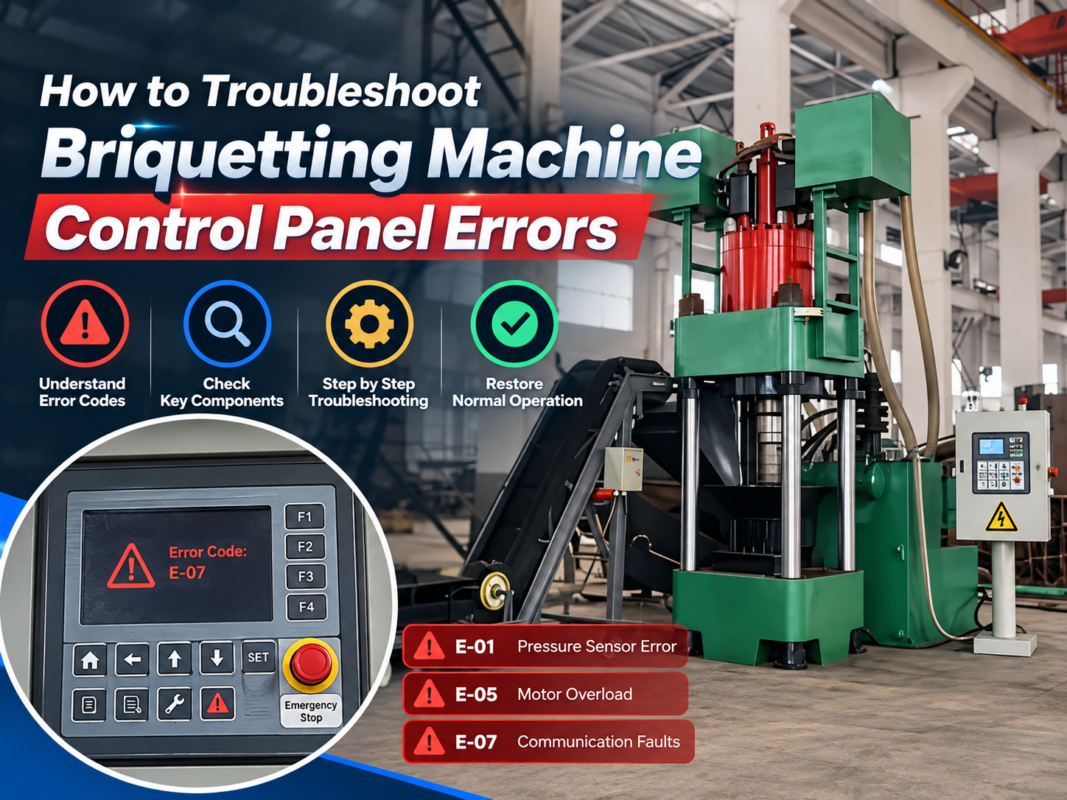
Furthermore, the integration of advanced control systems has revolutionized how these machines function. Modern briquetting units are no longer just mechanical presses; they are intelligent systems that monitor pressure, temperature, and cycle times in real-time. This level of automation ensures that the machine adapts to varying material densities, preventing jams and maximizing the lifespan of wear-prone components. By analyzing the key components of a briquetting machine and how they affect performance, operators can better troubleshoot issues and implement preventive maintenance schedules.
Core Parameters: The Anatomy of Performance
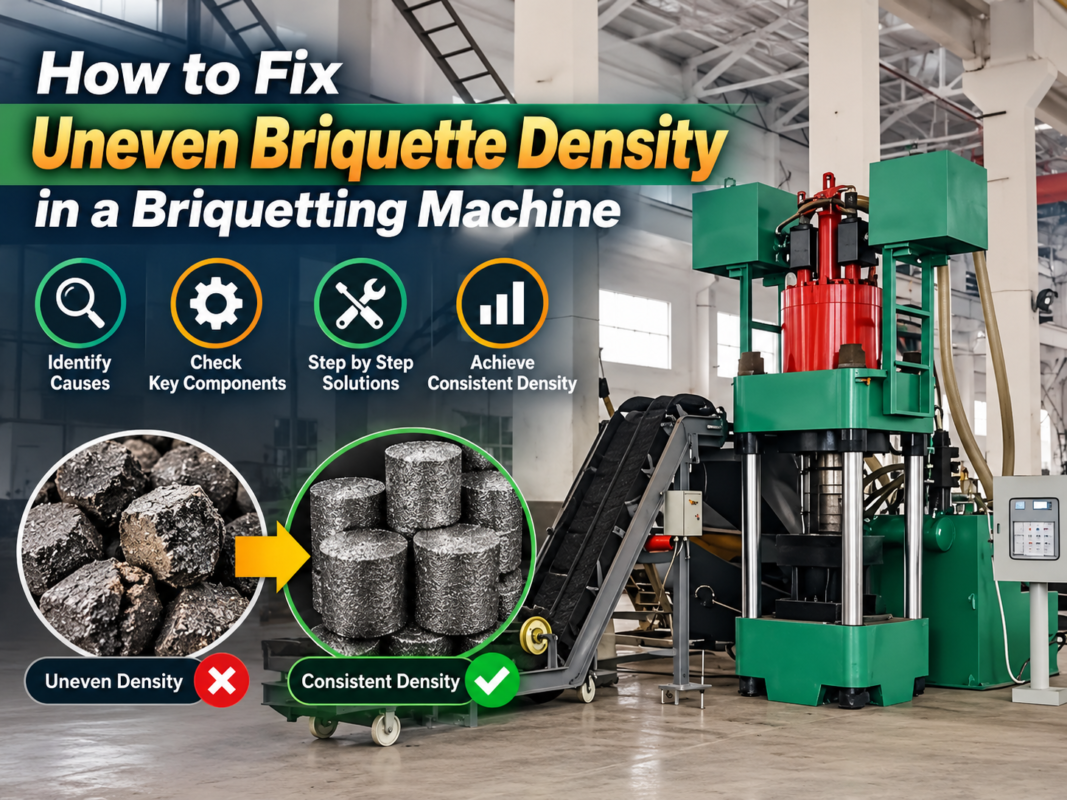
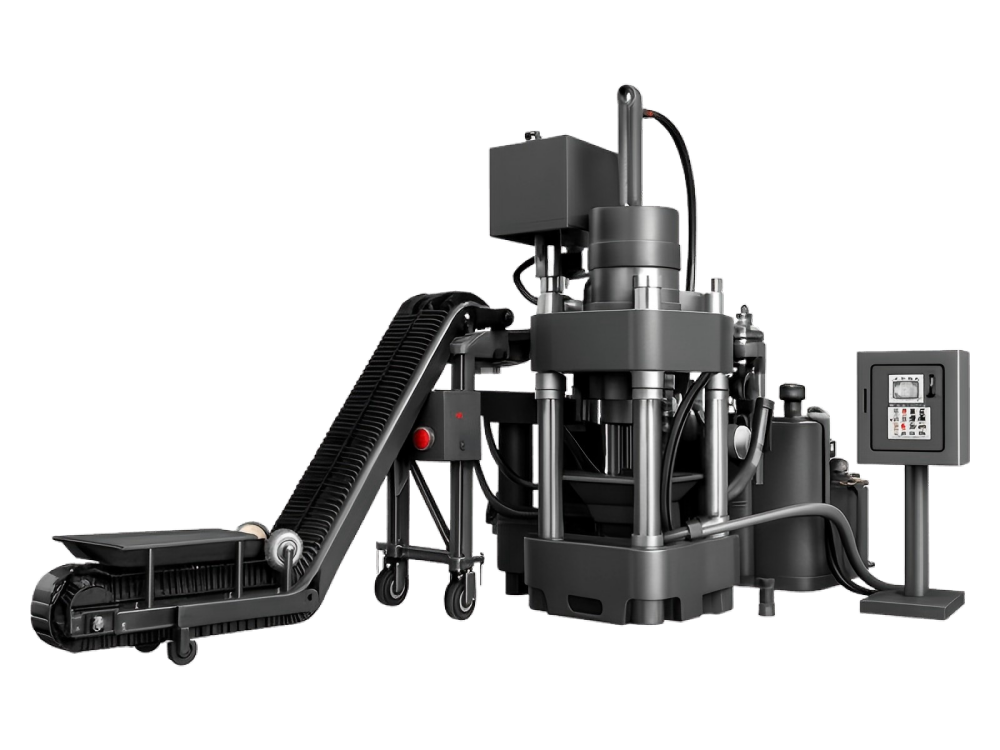
The performance of a briquetting machine is defined by several core parameters, each tied directly to its mechanical components. The most critical of these is the specific pressure exerted by the main ram. If the pressure is insufficient, the resulting briquettes will be porous and prone to crumbling, which defeats the purpose of the compaction process. The hydraulic cylinder diameter and the pump capacity are the primary determinants of this force, and they must be calibrated to the specific type of metal being processed—whether it is aluminum, steel, brass, or cast iron.
Another vital parameter is the cycle time. In a high-production environment, the speed at which the machine can feed, compress, and eject a briquette dictates the overall efficiency of the scrap recovery system. The cycle time is influenced by the hydraulic flow rate and the responsiveness of the solenoid valves. A well-engineered machine balances speed with force; if the cycle is too fast, the material may not have sufficient time to reach the required density, leading to inconsistent product quality.
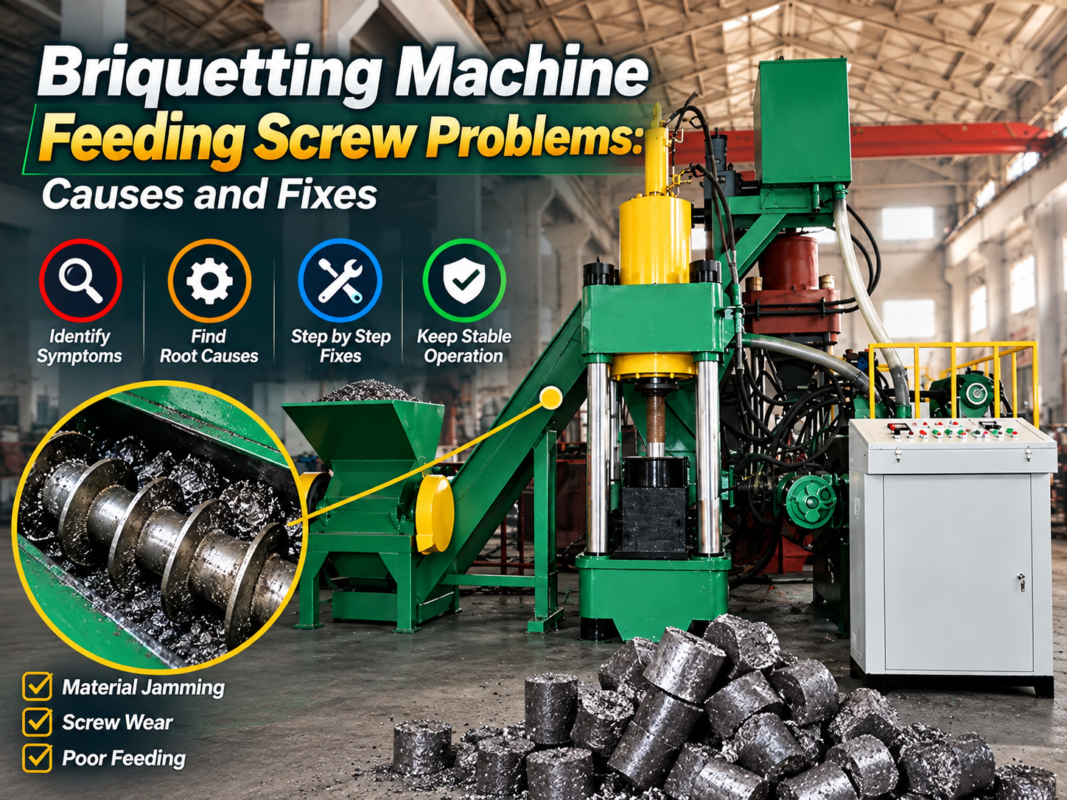
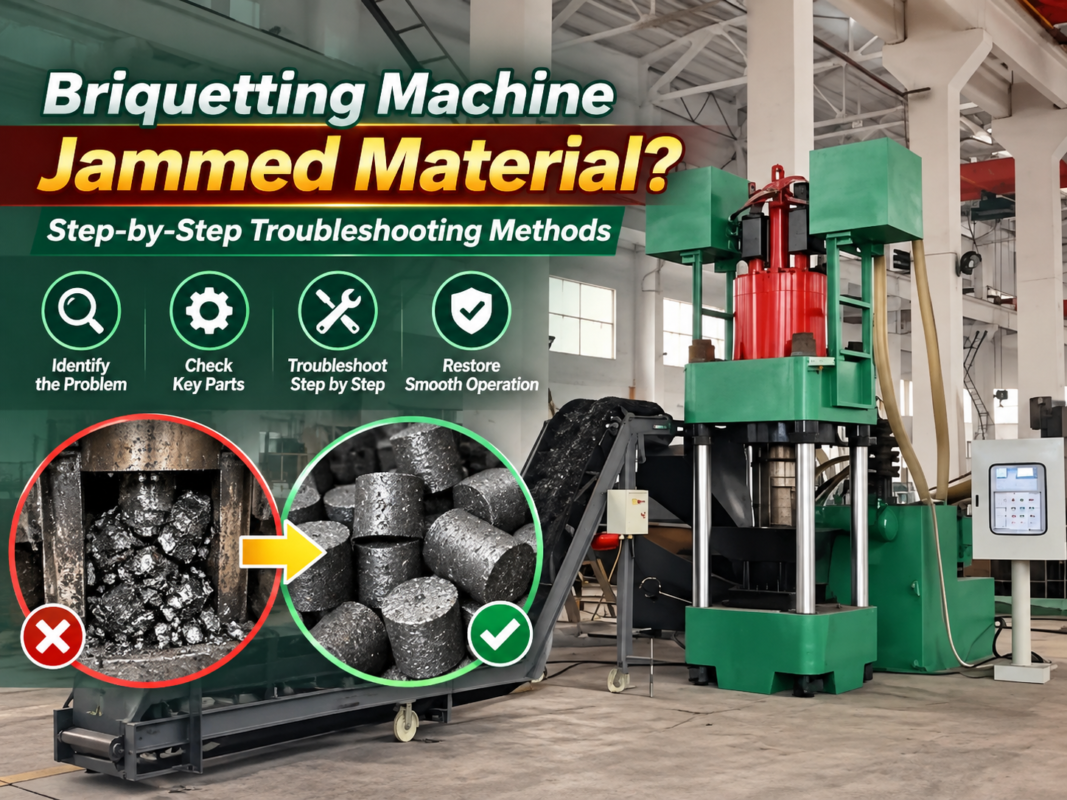
The material feeding mechanism is often overlooked but is arguably one of the most important components. Whether using a screw feeder or a vibratory hopper, the consistency of the material flow into the compression chamber determines the uniformity of the briquettes. If the feeder delivers inconsistent volumes, the machine may experience “short-filling,” which results in uneven pressure distribution and potential damage to the compression chamber walls. HARSLE machines utilize precision-engineered feeding systems to ensure that every cycle receives the optimal volume of material.
Finally, the filtration and cooling systems within the hydraulic power unit are essential for long-term performance. Hydraulic oil that is too hot or contaminated will lead to cavitation in the pumps and degradation of the seals. By maintaining optimal oil temperature and cleanliness, the machine ensures that the hydraulic pressure remains consistent throughout the entire shift. These parameters are not just numbers on a datasheet; they are the operational benchmarks that define the reliability of your metal fabrication equipment.
Calculation Method: Determining Required Compaction Force
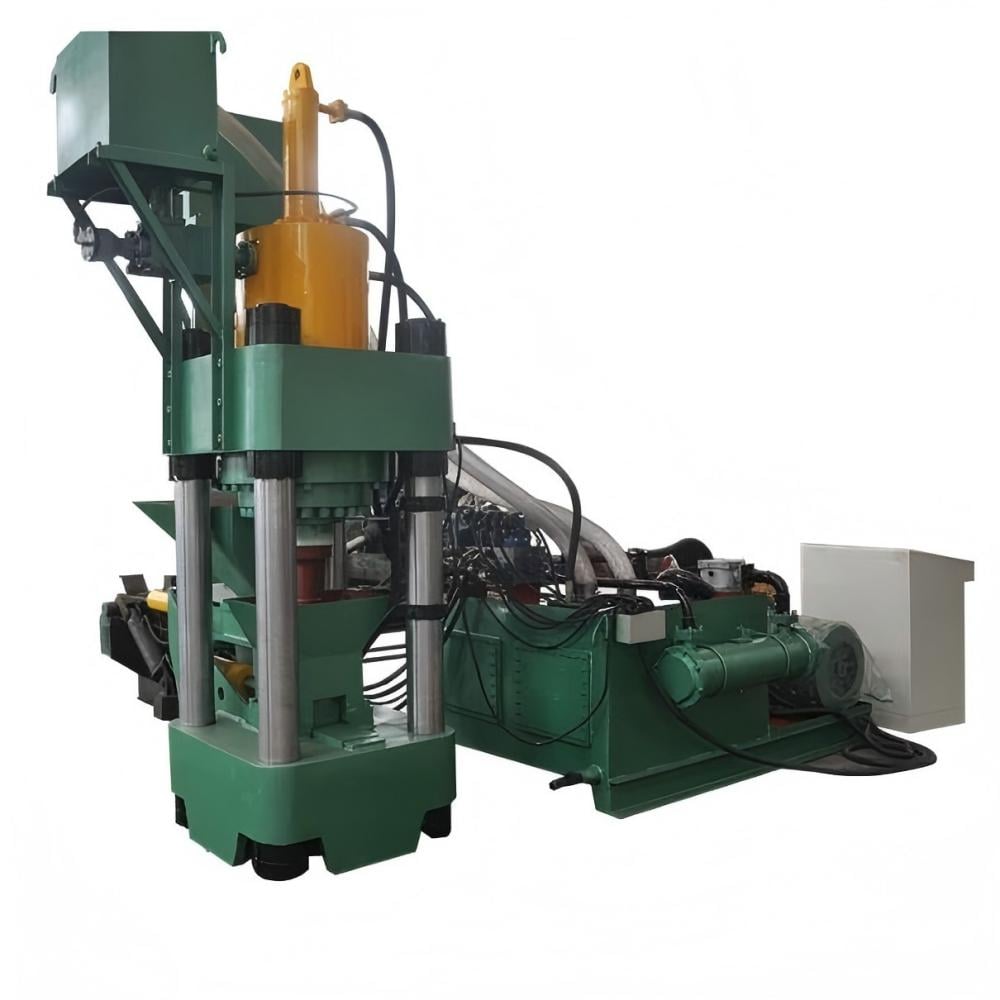
To understand the key components of a briquetting machine and how they affect performance, one must look at the physics of compaction. The required force (F) is calculated based on the material’s yield strength, the desired briquette density, and the surface area of the compression chamber. The formula is generally expressed as F = P × A, where P is the pressure required to overcome the material’s internal friction and A is the cross-sectional area of the briquette.
When calculating the required force, engineers must also account for the “compaction ratio.” This is the ratio between the volume of the loose chips and the volume of the final briquette. For aluminum chips, which are relatively lightweight and bulky, the compaction ratio is significantly higher than that of heavy steel turnings. If the machine’s hydraulic cylinder cannot provide the force necessary to achieve the target compaction ratio, the briquettes will lack the structural integrity required for transport and melting.
Furthermore, the friction coefficient between the metal chips and the chamber walls plays a significant role in the energy loss during the compression stroke. As the ram moves forward, a portion of the hydraulic force is consumed by wall friction rather than material compaction. This is why high-quality briquetting machines utilize hardened, polished liners in the compression chamber. By reducing friction, more of the hydraulic energy is directed into the material, resulting in higher density and lower power consumption.
Operators should also consider the “dwell time” calculation. Dwell time is the duration the ram remains at maximum pressure before retracting. For certain materials, such as stringy steel turnings, a longer dwell time is required to allow the material to “set” and the air to escape. If the dwell time is too short, the briquette may expand upon ejection, causing it to crack. Calculating the optimal dwell time is a process of balancing throughput requirements with the metallurgical properties of the scrap being processed.
Parameter Table: Typical Specifications for Briquetting Systems
| Component/Parameter | Impact on Performance | Recommended Range |
|---|---|---|
| Hydraulic Pressure | Determines briquette density and integrity | 200 – 350 bar |
| Cycle Time | Dictates hourly throughput | 15 – 45 seconds |
| Motor Power | Influences force capacity and energy efficiency | 11 – 45 kW |
| Compression Ratio | Affects volume reduction efficiency | 5:1 to 10:1 |
| Cooling System | Prevents hydraulic oil degradation | Active air/water cooling |
| Feeding Mechanism | Ensures consistent material density | Variable speed screw/vibratory |
Common Engineering Mistakes in Briquetting Operations
One of the most common mistakes in operating a briquetting machine is the failure to properly prepare the input material. Many facilities attempt to feed oversized scrap or mixed materials into the hopper without pre-processing. This can lead to bridging in the hopper, where the material gets stuck and fails to enter the compression chamber. Over time, this causes excessive wear on the feeding screw and can lead to motor failure due to the constant start-stop cycles required to clear the jams.
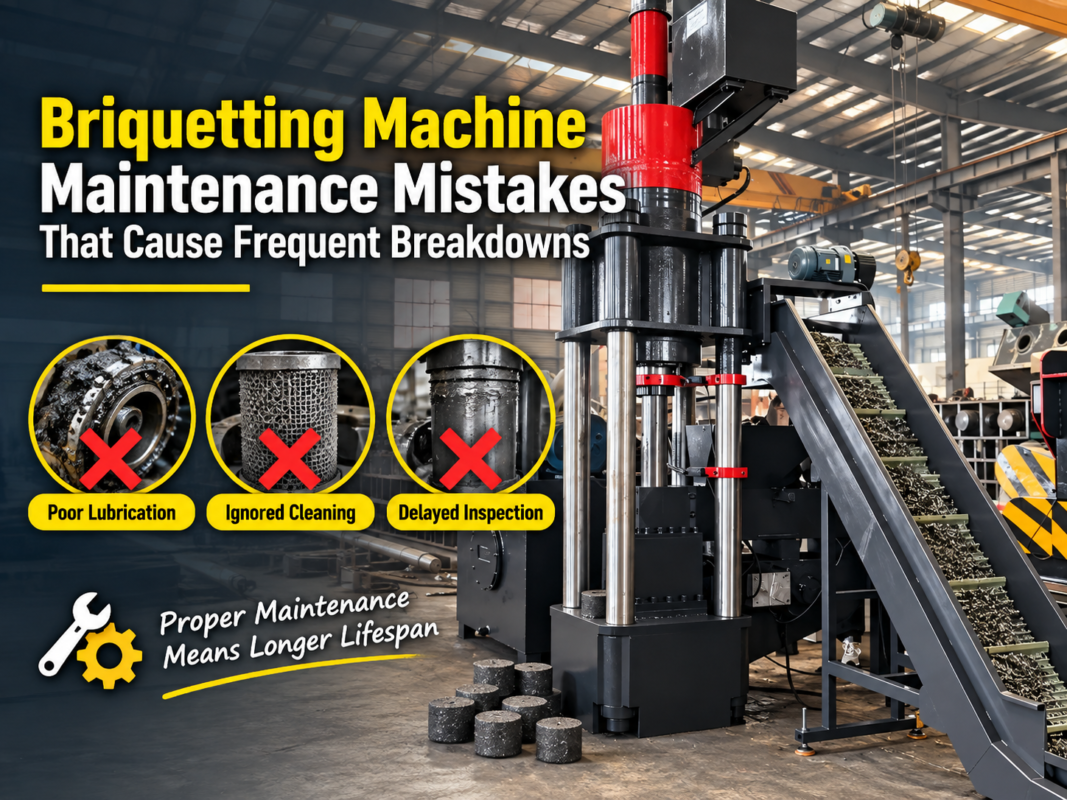
Another frequent error is neglecting the hydraulic oil maintenance schedule. Because the briquetting process generates significant heat, the hydraulic fluid is subjected to extreme thermal stress. If the oil is not changed or filtered according to the manufacturer’s recommendations, the viscosity will drop, leading to internal leakage within the hydraulic valves. This results in a loss of pressure, which directly impacts the density of the briquettes and forces the machine to work harder to achieve the same results.
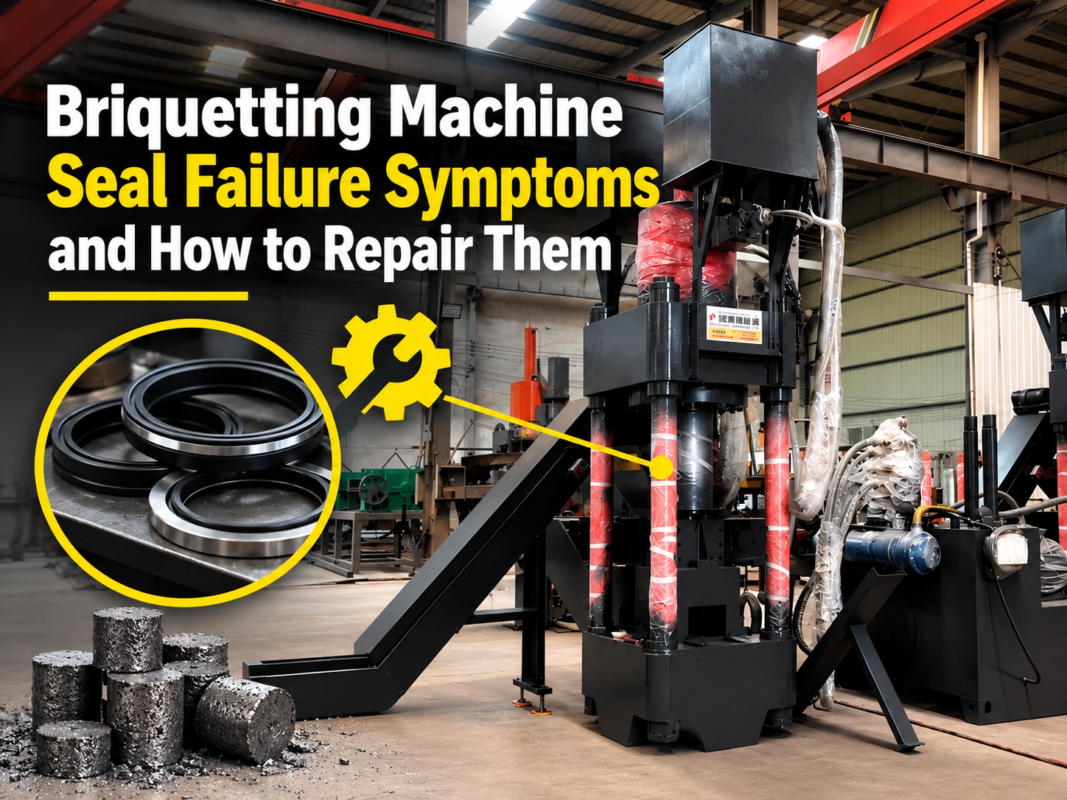
Improper adjustment of the pressure relief valves is also a critical oversight. Some operators increase the pressure beyond the machine’s rated capacity in an attempt to achieve higher density with difficult materials. This is a dangerous practice that can lead to structural fatigue in the frame, cylinder seal failure, and catastrophic damage to the compression chamber. Always operate within the parameters set by the manufacturer to ensure the longevity of the equipment.
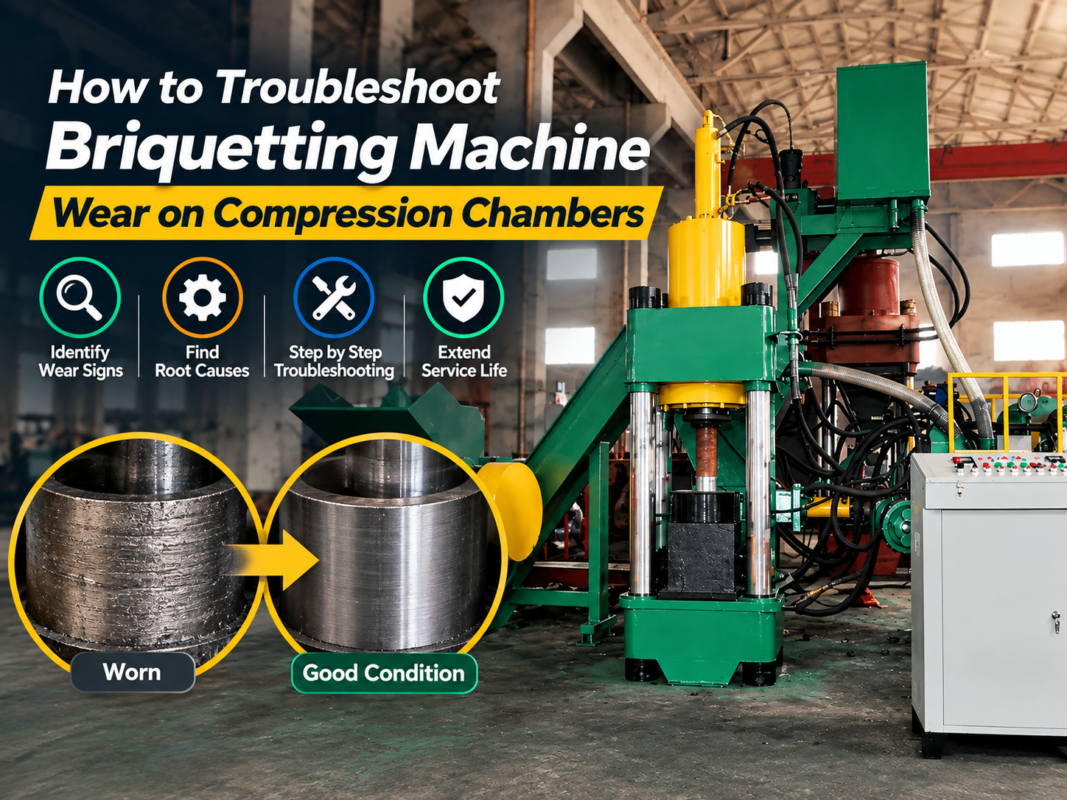
Finally, failing to monitor the wear on the compression chamber liners and the ram face is a common mistake. As these components wear down, the clearance between the ram and the chamber increases. This allows material to escape into the gaps, causing “flashing” on the briquettes and increasing the risk of the ram seizing. Regular inspection and timely replacement of these wear parts are essential to maintaining the performance levels expected from a HARSLE machine.
Selection Checklist: Choosing the Right Briquetting Machine
- Material Type: Identify if you are processing aluminum, steel, copper, or mixed alloys. Different metals require different pressure profiles.
- Throughput Requirements: Calculate the volume of scrap generated per shift to determine the necessary cycle speed and hopper capacity.
- Space Constraints: Ensure the machine footprint fits within your existing floor plan, considering the space needed for material handling and maintenance access.
- Fluid Recovery: If your chips are saturated with cutting fluids, prioritize a machine with an integrated drainage system and fluid collection tank.
- Automation Level: Determine if you need a standalone unit or a fully integrated system with conveyors and automated scrap feeding.
- After-Sales Support: Choose a manufacturer like HARSLE that provides comprehensive technical support, spare parts availability, and operator training.
- Energy Efficiency: Look for machines with variable frequency drives (VFDs) that adjust motor speed based on the load, reducing electricity consumption.
FAQ: Frequently Asked Questions
How do I know if my briquetting machine is underperforming?
Underperformance is usually indicated by low-density briquettes that crumble easily, excessive cycle times, or frequent hydraulic overheating. If you notice these signs, check the hydraulic oil quality and the condition of the compression chamber liners.
Can I process different types of metal in the same machine?
Yes, but it is not recommended to mix them. Different metals have different compaction characteristics. If you must switch materials, ensure the machine is thoroughly cleaned to prevent cross-contamination, which can affect the value of your scrap.
How often should I perform maintenance on the hydraulic system?
Routine maintenance should be performed every 500 to 1,000 operating hours. This includes checking oil levels, replacing filters, and inspecting hoses for leaks. Refer to your HARSLE operation manual for specific intervals.
What is the most important component for briquette quality?
The compression chamber and the hydraulic ram are the most critical components. Their precision and the pressure they exert are the primary factors that determine the density and structural integrity of the final briquette.
Does the briquetting machine require a special foundation?
Most industrial briquetting machines require a level, reinforced concrete floor. Depending on the weight and vibration levels of the specific model, you may need to install anti-vibration pads or anchor bolts to ensure stability.
Why is fluid recovery important in briquetting?
Recovering cutting fluids not only reduces environmental impact but also significantly lowers your operational costs by allowing you to reuse the coolant. A well-designed briquetting machine can recover up to 95% of the fluid from the chips.