What Materials Can a Hammer Shredder Process in the Machinery Industry?

Technical Overview of Hammer Shredder Technology
In the modern industrial landscape, the hammer shredder stands as a cornerstone of material size reduction and recycling. Often referred to as a hammer mill in specific contexts, this machine utilizes high-speed kinetic energy to impact, shatter, and grind materials into smaller, more manageable pieces. The fundamental principle involves a high-speed rotor equipped with heavy-duty hammers (or beaters) that strike the incoming material. This impact causes the material to fracture along its natural grain or stress points, effectively reducing its volume and increasing its bulk density.
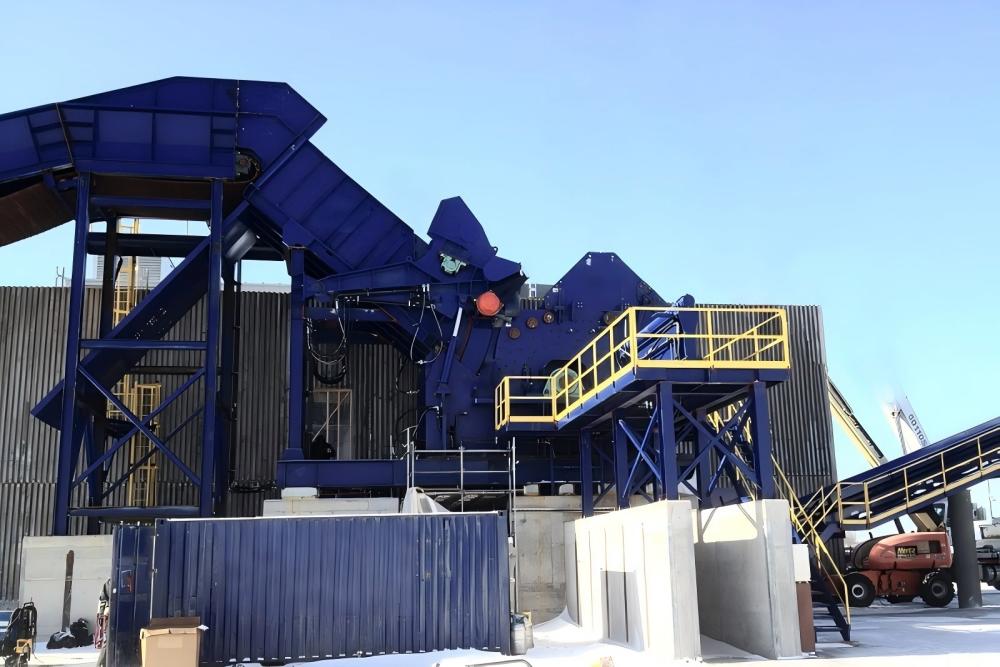
The machinery industry relies on hammer shredders because of their versatility and efficiency. Unlike shear shredders that use a cutting action, hammer shredders rely on dynamic impact. This makes them particularly effective for brittle materials and ductile metals that can be work-hardened and then shattered. The internal chamber of a hammer shredder is typically lined with wear-resistant manganese steel plates to withstand the immense forces generated during operation. Below the rotor, a grate or screen determines the final output size; material remains in the chamber until it is small enough to pass through the openings.
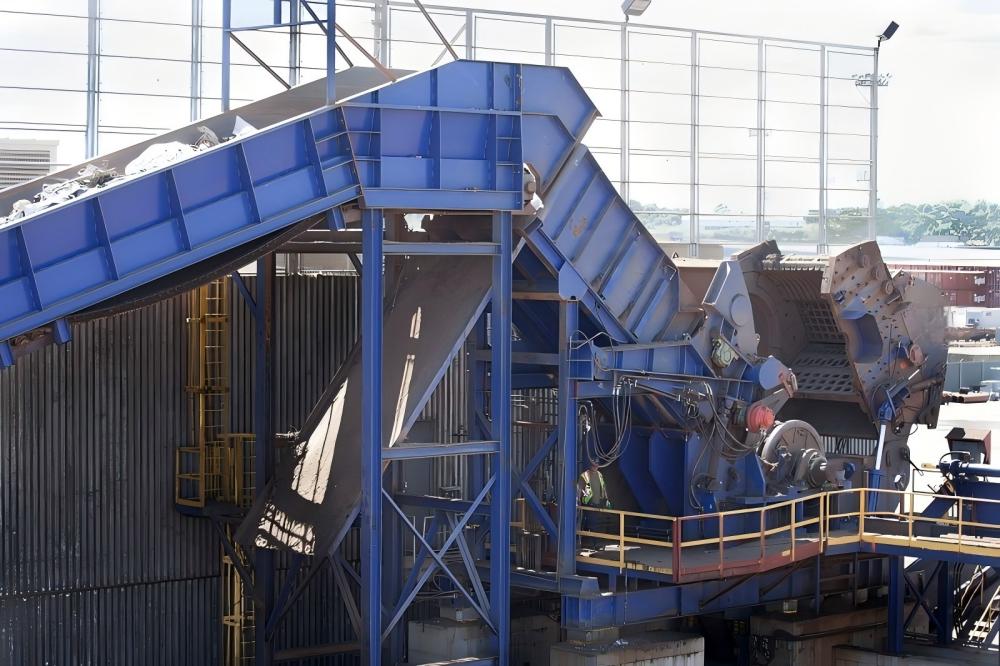
One of the defining characteristics of hammer shredders in the machinery industry is their ability to handle ‘contaminated’ scrap. For instance, when processing an automobile, the shredder can separate the metallic components from the non-metallic ‘fluff’ (plastics, foam, glass) through the sheer violence of the impact process. This liberation of materials is crucial for downstream separation technologies like magnetic separators, eddy current separators, and air classifiers. HARSLE’s engineering approach emphasizes the balance between rotor inertia and motor torque, ensuring that the machine can handle sudden surges in material feed without stalling.
What Materials Can A Hammer Shredder Process In Machinery Industry?
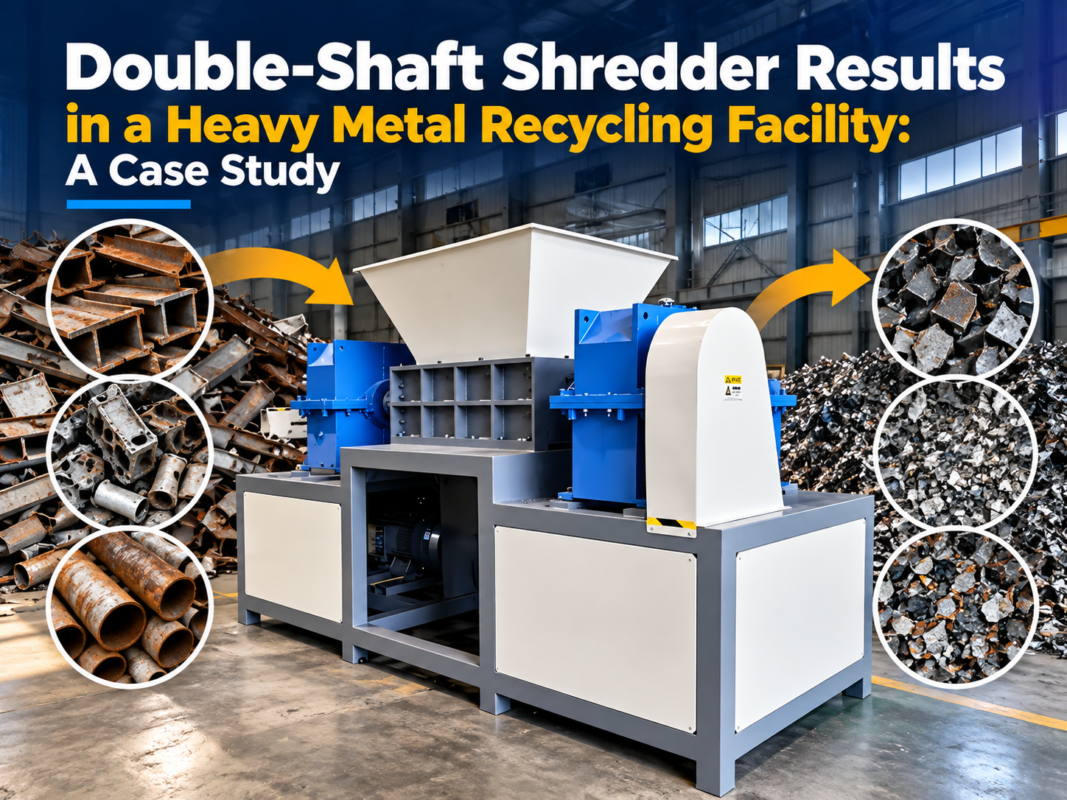
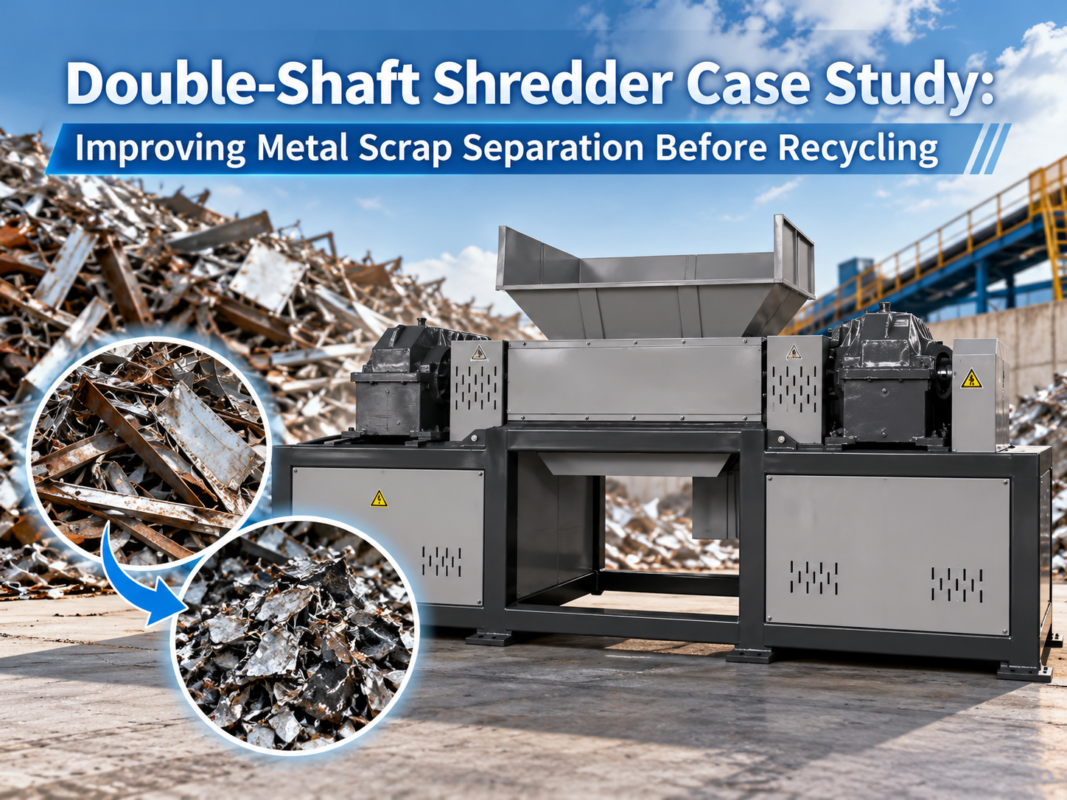
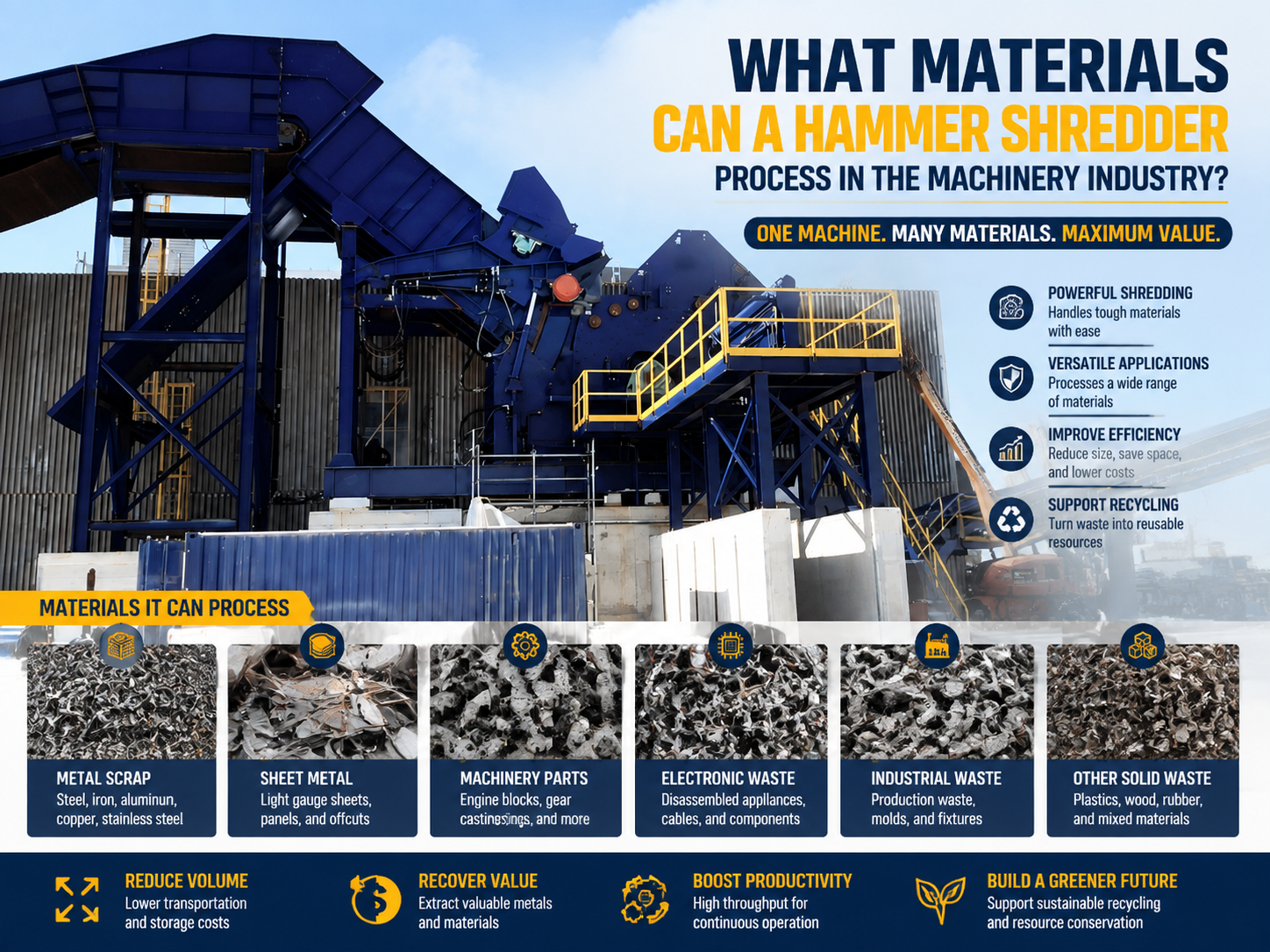
The question of Materials Can A Hammer Shredder Process In Machinery Industry? is central to facility planning and ROI calculations. Generally, hammer shredders are categorized by their ability to process ferrous and non-ferrous metals, as well as various industrial wastes. The most common application is the processing of light to medium-gauge steel scrap. This includes items like end-of-life vehicles (ELVs), household appliances (white goods), and factory offcuts. Because these materials are relatively thin, the hammers can easily deform and break them into ‘shredded scrap,’ which is highly valued by steel mills for its purity and density.
Beyond ferrous metals, hammer shredders are exceptionally proficient at processing non-ferrous materials. Aluminum scrap, such as window frames, engine blocks, and used beverage cans (UBC), is a primary candidate. The impact action helps to strip away paints and coatings, which is a significant advantage for secondary aluminum smelters. Copper and brass scrap, including radiators and electrical motors (often called ‘meatballs’ in the industry), are also processed to liberate the valuable copper windings from the steel or aluminum housings.
Electronic waste (E-waste) represents a growing segment for hammer shredder applications. Circuit boards, hard drives, and entire computer towers can be processed to recover precious metals. The shredder breaks the plastic-metal bonds, allowing for efficient mechanical separation. Additionally, industrial waste such as steel drums, metal pallets, and even certain types of construction and demolition (C&D) waste can be reduced in size. However, it is important to note that very thick structural steel (e.g., I-beams or heavy engine shafts) is typically not suitable for standard hammer shredders and requires pre-shearing.
Core Parameters of Hammer Shredders
Understanding the core parameters of a hammer shredder is essential for matching the machine to the material. The first and most critical parameter is the Rotor Diameter and Width. The dimensions of the rotor determine the ‘bite’ of the machine and the total kinetic energy available. A larger diameter rotor allows for higher tip speeds, which translates to greater impact force. For heavy metal scrap, a larger, heavier rotor is indispensable to maintain momentum through the impact cycle.
The second parameter is Hammer Weight and Geometry. Hammers can range from a few kilograms for light-duty plastic shredding to over 200 kilograms for heavy-duty metal shredding. The shape of the hammer—whether it is a bell shape, a ring, or a fixed T-shape—affects how it interacts with the material. For example, bell-shaped hammers are excellent for ‘densifying’ scrap, while sharp-edged hammers are better for initial tearing. The material of the hammer is usually a high-manganese alloy or a chrome-moly steel, often heat-treated to achieve a balance between hardness (to resist wear) and toughness (to resist breaking).
Motor Power and Drive System also play a pivotal role. Hammer shredders require high starting torque and the ability to handle peak loads. Many industrial shredders use a hydraulic coupling or a frequency inverter (VFD) to protect the motor from shock loads. The power rating (measured in kW or HP) directly correlates with the throughput capacity. For instance, a 500kW shredder might process 10-15 tons of light steel per hour, whereas a 2000kW mega-shredder can exceed 100 tons per hour.
Calculation Method for Shredder Capacity and Force
To optimize the processing of Materials Can A Hammer Shredder Process In Machinery Industry?, engineers use specific calculations to estimate performance. The theoretical throughput capacity (Q) can be estimated using the formula: Q = V × ρ × η, where V is the volume of the shredding chamber processed per unit time, ρ is the bulk density of the material, and η is the efficiency factor (usually between 0.5 and 0.8 depending on the material type).
Another vital calculation is the Kinetic Energy (Ek) of the hammers: Ek = ½ Iω², where I is the moment of inertia of the rotor assembly and ω is the angular velocity. This energy must exceed the fracture energy of the material being processed. If the kinetic energy is too low, the rotor will slow down significantly upon impact, leading to ‘slugging’ or stalling. For ductile materials like aluminum, the energy required is lower than for high-carbon steel, which requires a more violent impact to initiate brittle fracture.
Furthermore, the Screen Openings calculation determines the residence time of the material. The smaller the screen holes, the longer the material stays in the chamber, and the higher the energy consumption per ton. Engineers must calculate the ‘recirculation load’—the percentage of material that doesn’t pass through the screen on the first hit. Balancing this load is key to preventing overheating and excessive wear on the hammer faces and liners.
Parameter Table for Material Processing
| Material Type | Recommended Hammer Type | Rotor Speed (RPM) | Typical Output Size (mm) | Energy Consumption (kWh/t) |
|---|---|---|---|---|
| Light Steel Scrap (ELVs) | Heavy Manganese Bell | 400 – 600 | 50 – 100 | 15 – 25 |
| Aluminum Profiles | Standard Alloy Ring | 700 – 900 | 30 – 60 | 10 – 18 |
| E-Waste (PCBs) | Hardened Steel Fixed | 1000 – 1200 | 10 – 20 | 30 – 50 |
| Copper Radiators | Composite Beater | 600 – 800 | 20 – 40 | 20 – 30 |
| Household Appliances | Heavy Manganese Bell | 500 – 700 | 40 – 80 | 18 – 28 |
| Industrial Plastic Drums | Sharp Edge Beater | 900 – 1100 | 20 – 30 | 12 – 20 |
Common Engineering Mistakes in Hammer Shredder Operation
One of the most frequent mistakes in the machinery industry is Overfeeding the Shredder. Operators often believe that filling the hopper to the brim will increase throughput. However, this often leads to ‘bridging’ or ‘slugging,’ where the rotor is smothered by material, causing a massive spike in amperage and potentially tripping the circuit breaker or damaging the drive belt. Consistent, metered feeding is essential for maintaining the rhythmic impact necessary for efficient shredding.
Another critical error is Ignoring Hammer Wear Patterns. Hammers do not wear evenly. The leading edge typically rounds off, which changes the physics from an ‘impact and shatter’ to a ‘rub and smear’ action. This significantly increases heat generation and reduces the quality of the output. Failing to rotate or replace hammers timely results in higher electricity costs and increased stress on the rotor bearings. HARSLE recommends a strict inspection schedule based on tonnage processed rather than hours operated.
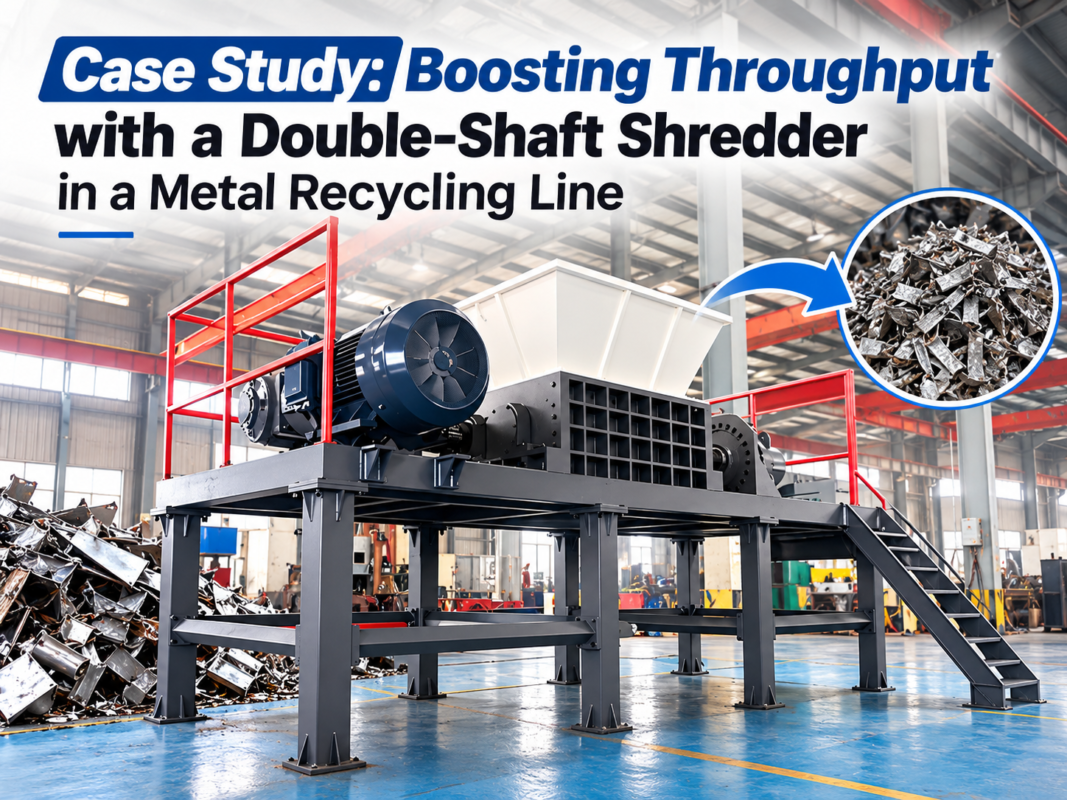
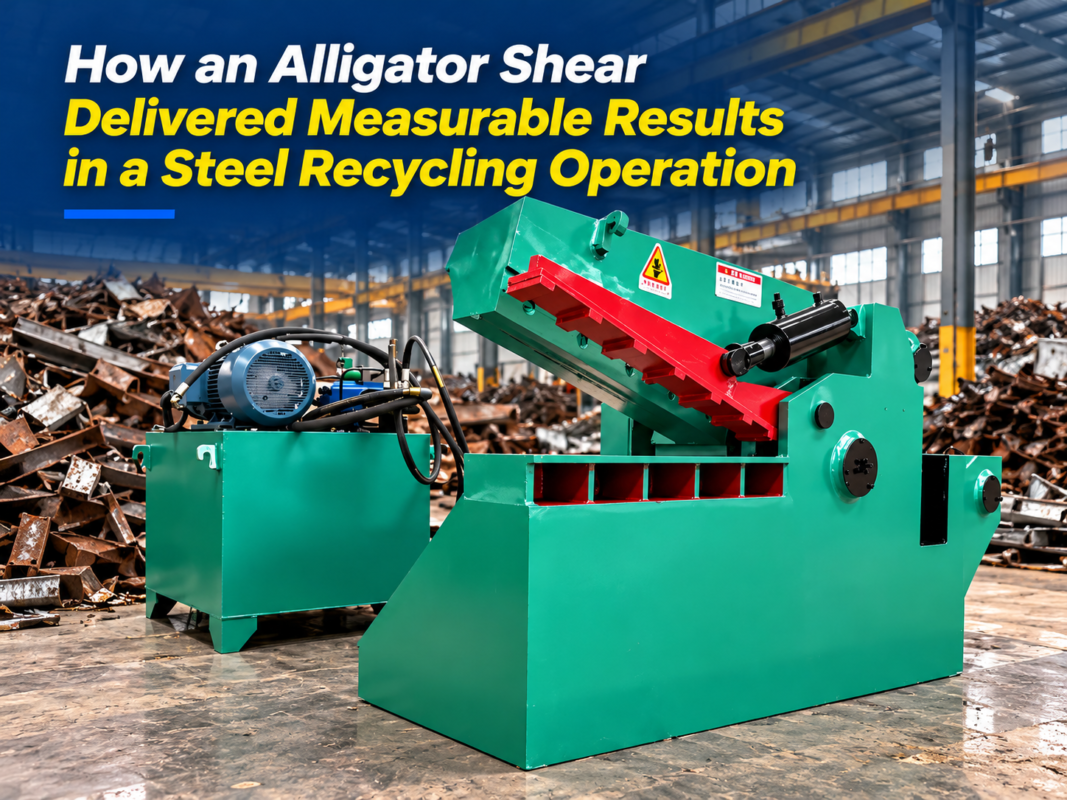
Processing ‘Unshreddables’ is perhaps the most dangerous mistake. Materials like solid steel shafts, heavy engine blocks, or large bundles of high-tensile wire can cause catastrophic failure. While many modern shredders feature a ‘reject door’ or ‘ejection gate’ that allows the machine to spit out items it cannot process, relying on this as a primary sorting method is poor practice. Pre-sorting and the use of a pre-shredder or hydraulic shear for oversized items are necessary for the longevity of a hammer shredder.
Lastly, Inadequate Dust and Fines Management can lead to both mechanical and safety issues. Shredding metals and plastics generates significant amounts of dust and ‘fluff.’ If not properly extracted via a cyclone or baghouse system, this dust can settle in bearings, causing premature wear, or create an explosive atmosphere. Furthermore, the buildup of fines in the bottom of the shredding chamber can ‘cushion’ the impact of the hammers, reducing the machine’s effectiveness.
Selection Checklist for a Hammer Shredder
- Material Hardness and Ductility: Does the material require high-speed impact (brittle) or lower-speed tearing (ductile)?
- Required Throughput: How many tons per hour are needed to meet production targets?
- Desired Final Particle Size: What screen size is required for downstream separation or melting?
- Power Supply Availability: Does the facility have the electrical infrastructure to support high-peak-load motors?
- Maintenance Accessibility: How easy is it to open the housing and change the hammers and liners?
- Wear Part Availability: Are replacement hammers and grates locally available or easily shipped?
- Safety Features: Does the machine include an emergency stop, vibration sensors, and an unshreddable ejection gate?
- Noise and Vibration Control: Will the machine require a specialized foundation or acoustic enclosure?
- Integration Capability: Can the shredder be easily integrated with existing conveyors and magnetic separators?
- Total Cost of Ownership (TCO): Consider not just the purchase price, but the cost of wear parts and energy over 5 years.
Frequently Asked Questions (FAQ)
1. How often should I change the hammers in my shredder?
The frequency of hammer changes depends entirely on the abrasiveness of the material. For clean aluminum, hammers might last several hundred hours. For contaminated steel scrap, they may need to be rotated every 40-80 hours and replaced every 150-200 hours. Monitoring the output size and motor amperage is the best way to determine when a change is needed.
2. Can a hammer shredder process wet materials?
Yes, but with caution. Wet materials can cause the ‘fines’ to stick to the screens, leading to clogging. If processing wet scrap, it is often necessary to use larger screen openings or a ‘wet shredding’ system where water is intentionally added to help clean the material and suppress dust, though this requires specialized water treatment downstream.
3. What is the difference between a hammer shredder and a ring mill?
A hammer shredder uses swinging hammers that are pinned to the rotor. A ring mill uses heavy rings that can rotate independently on the pins. Ring mills are generally better for ‘crushing’ and ‘densifying’ materials like coal or brittle ores, while hammer shredders are superior for ‘tearing’ and ‘shattering’ metal scrap and E-waste.
4. Why is my shredder vibrating excessively?
Excessive vibration is usually caused by an unbalanced rotor. This happens if hammers are worn unevenly, if a hammer has broken off, or if material is stuck to one side of the rotor. Immediate inspection is required, as vibration can quickly destroy the main bearings and the structural integrity of the frame.
5. Can I process stainless steel in a standard hammer shredder?
Stainless steel is much tougher and work-hardens more rapidly than carbon steel. While it can be processed, it will cause significantly higher wear on the hammers and liners. It is recommended to use specialized high-chrome hammers and to reduce the feed rate when processing large quantities of stainless scrap.
6. What is the role of the flywheel in a hammer shredder?
The flywheel (or the mass of the rotor itself acting as a flywheel) stores kinetic energy. When a large piece of scrap enters the chamber, the flywheel provides the extra ‘punch’ needed to break it without the motor stalling. It smooths out the power demand and protects the electrical system from extreme fluctuations.