
Troubleshooting Common Hammer Shredder Problems In Metal Processing Lines

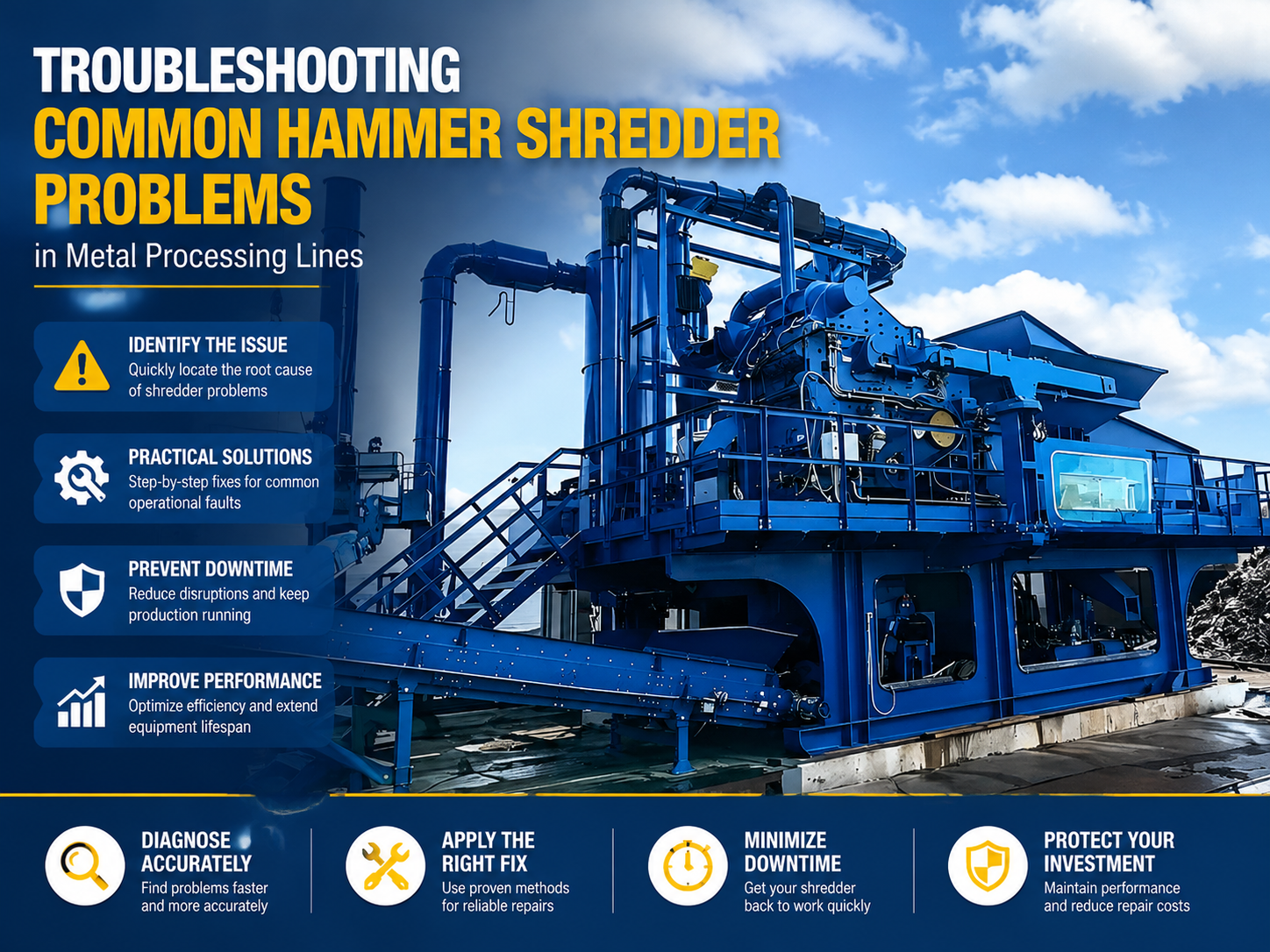
Technical Overview of Hammer Shredders in Metal Processing
In the modern scrap metal recycling industry, the hammer shredder stands as the cornerstone of material preparation and size reduction. These robust machines are engineered to handle high volumes of diverse scrap, ranging from automotive bodies and household appliances to industrial offcuts. The fundamental principle of a hammer shredder involves a high-speed rotor equipped with heavy, pivoting hammers that strike the incoming material, shattering it against internal liners and grate bars until it is small enough to pass through the discharge screens. This process not only reduces the volume of the scrap but also liberates different materials, such as separating ferrous metals from non-ferrous components and plastics, which is essential for downstream sorting efficiency.
The efficiency of a metal processing line is heavily dependent on the uptime and performance of the shredder. Unlike primary crushers used in mining, metal hammer shredders must deal with the inherent elasticity and toughness of steel and aluminum. The kinetic energy stored in the massive rotor assembly is the primary driver of the shredding action. When this energy is transferred to the scrap, the resulting impact forces are immense, often exceeding several hundred tons per square inch at the point of contact. Consequently, the mechanical stresses on the machine are significant, making Troubleshooting Common Hammer Shredder Problems In Metal Processing Lines a critical skill for plant operators and maintenance engineers.
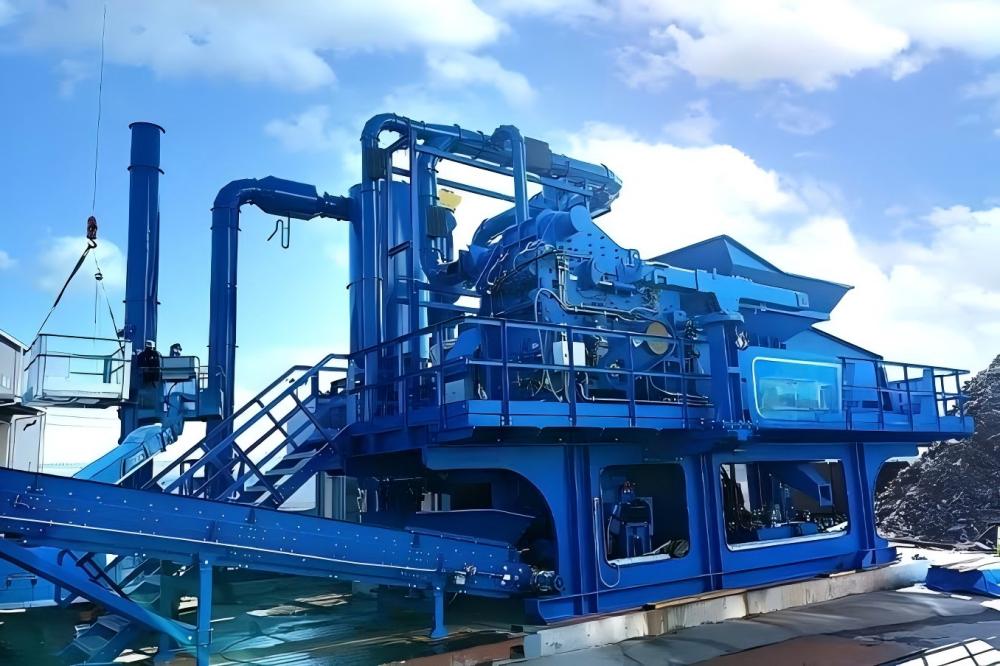
A typical hammer shredder consists of a feed chute, a rotor assembly (including the shaft, discs, and hammers), a shredding chamber lined with wear-resistant plates, and a discharge grate. The rotor is usually driven by a high-voltage electric motor via a fluid coupling or a direct drive system. Modern HARSLE shredders incorporate advanced hydraulic systems for opening the housing, allowing for rapid maintenance and hammer replacement. Understanding the interaction between these components is the first step in diagnosing issues. For instance, the clearance between the hammer tips and the anvil or grate bars determines the final product size and the power consumption of the motor.
Furthermore, the environment in which these machines operate is extremely harsh. Dust, heat, and the unpredictable nature of scrap metal—which may contain unshreddable items like heavy engine blocks or thick structural beams—pose constant threats to the machine’s integrity. Effective troubleshooting requires a holistic view of the processing line, including the vibratory feeders, magnetic separators, and conveyor systems that support the shredder. By maintaining a rigorous inspection schedule and understanding the technical nuances of the equipment, operators can significantly extend the service life of their machinery and maximize their return on investment.
Core Parameters of Hammer Shredders
To effectively engage in Troubleshooting Common Hammer Shredder Problems In Metal Processing Lines, one must first understand the core parameters that define the machine’s performance. These parameters are the benchmarks against which all troubleshooting efforts are measured. The most critical parameter is the Rotor Speed (RPM). The speed of the rotor dictates the tip speed of the hammers, which in turn determines the kinetic energy available for shredding. If the RPM is too low, the hammers may not have enough force to break the material, leading to jams; if it is too high, excessive wear and vibration can occur.
Another vital parameter is the Hammer Mass and Geometry. Hammers are the primary wear parts and come in various weights and shapes depending on the application. For light scrap, lighter hammers with a higher count may be used to increase the frequency of impacts. For heavy scrap, massive “bell” or “box” hammers are required to provide the necessary momentum. The metallurgy of the hammer—typically manganese steel or alloy steel with hard-facing—is also a parameter that affects how the machine handles different types of metal. Monitoring the wear rate of these hammers is essential for maintaining throughput.
The Grate Opening Size is the parameter that controls the final product size. Smaller openings result in a more uniform product but increase the residence time of the material inside the chamber, which raises power consumption and wear. Conversely, larger openings allow for higher throughput but may result in a less dense, poorly liberated product. Operators must balance these factors based on the requirements of the downstream smelting or sorting processes. Additionally, the Motor Power (kW/HP) and Torque ratings are fundamental; the motor must be capable of handling the peak loads encountered when a large piece of scrap enters the chamber.
Finally, the Feed Rate and Material Density are operational parameters that must be closely monitored. Overfeeding a shredder is one of the most common causes of mechanical failure. The feed system must be synchronized with the motor’s current draw to prevent “slugging” the machine. By tracking these parameters through a centralized control system (PLC), operators can identify deviations that indicate an underlying problem, such as a dulling hammer or a partially blocked discharge grate, before they lead to a catastrophic failure.
Calculation Method for Shredder Performance
Quantifying the performance of a hammer shredder involves several engineering calculations. These formulas help in both the design phase and the troubleshooting phase to determine if the machine is operating within its intended specifications. The most fundamental calculation is for Kinetic Energy (KE), which is the energy available to perform work. The formula is:
KE = ½ × I × ω²
Where I is the moment of inertia of the rotor assembly and ω is the angular velocity in radians per second. A reduction in rotor speed during heavy loading indicates that the material is consuming energy faster than the motor can replenish it, suggesting either an overfeed condition or a loss of motor efficiency.
Another critical calculation is the Specific Energy Consumption (SEC), which measures the energy required to process a ton of material. It is expressed as:
SEC (kWh/t) = Total Power Consumed (kW) / Throughput (t/h)
If the SEC begins to rise while the material type remains constant, it is a clear indicator of Troubleshooting Common Hammer Shredder Problems In Metal Processing Lines, such as worn hammers or increased friction within the chamber. An increase in SEC often precedes mechanical issues like bearing overheating or belt slippage.
The Throughput Capacity (Q) can be estimated using the formula:
Q = k × D × L × n × ρ
Where k is a constant for the material type, D is the rotor diameter, L is the rotor length, n is the rotor speed, and ρ is the bulk density of the scrap. This calculation helps operators determine if the machine is meeting its rated capacity. If the actual throughput is significantly lower than the calculated value, it may point to issues with the feed system or the discharge grates being clogged with “fines” or non-shreddable debris.
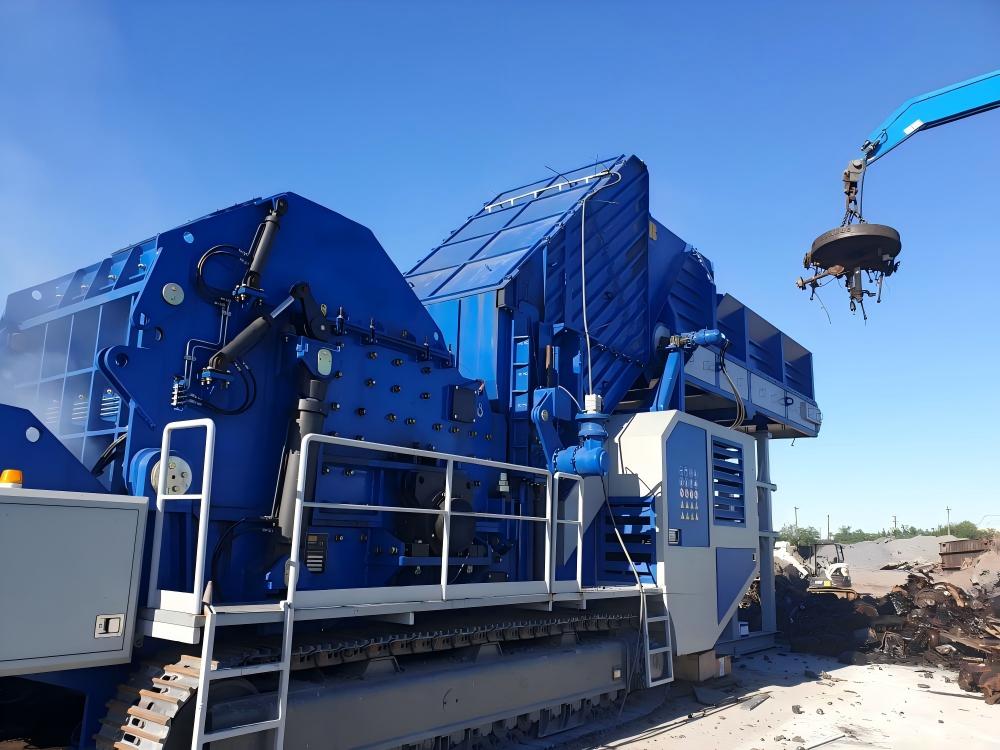
Parameter Table for Industrial Hammer Shredders
The following table provides a reference for typical parameters found in industrial-grade hammer shredders used in metal processing. These values are representative and may vary based on specific HARSLE models and custom configurations.
| Parameter | Light-Duty (Scrap Tin/Alum) | Medium-Duty (Appliances/ELV) | Heavy-Duty (Structural/Heavy Scrap) |
|---|---|---|---|
| Rotor Diameter (mm) | 800 – 1200 | 1200 – 1800 | 1800 – 2500+ |
| Rotor Speed (RPM) | 750 – 1000 | 500 – 750 | 400 – 600 |
| Hammer Weight (kg) | 15 – 40 | 50 – 120 | 150 – 350 |
| Motor Power (kW) | 110 – 315 | 400 – 1200 | 1500 – 4000+ |
| Throughput (t/h) | 5 – 15 | 20 – 60 | 70 – 150+ |
| Grate Size (mm) | 50 – 75 | 75 – 150 | 150 – 250 |
Common Engineering Mistakes in Shredder Operation
One of the most prevalent engineering mistakes in metal processing is Improper Feed Management. Many operators believe that keeping the feed chute full at all times maximizes throughput. However, this often leads to “slugging,” where a large mass of material enters the chamber simultaneously, causing a massive spike in motor current and potentially tripping the circuit breakers or damaging the drive coupling. The correct approach is a controlled, metered feed that maintains a steady load on the motor, allowing the rotor to maintain its momentum.
Another common error is Neglecting Rotor Balance. Hammers wear at different rates depending on their position in the rotor and the type of scrap they encounter. If hammers are replaced individually rather than in balanced sets, the rotor becomes unbalanced. This leads to excessive vibration, which can destroy bearings, crack the machine housing, and loosen foundation bolts. Troubleshooting Common Hammer Shredder Problems In Metal Processing Lines must always include a check for dynamic balance whenever hammers are serviced.
Incorrect Alloy Selection for wear parts is also a frequent mistake. While manganese steel is excellent for high-impact applications because it work-hardens, it performs poorly in low-impact, high-abrasion scenarios where it may wear away before it has a chance to harden. Conversely, using extremely hard, brittle alloys in a high-impact environment can lead to hammer breakage, which poses a severe risk to the machine’s internals. Matching the metallurgy to the specific scrap profile is essential for cost-effective operation.
Finally, many facilities fail to implement Adequate Pre-Sorting. Allowing “unshreddables”—such as solid steel shafts, large engine blocks, or heavy pressure vessels—into the shredder is a recipe for disaster. These items can cause immediate and catastrophic damage to the hammers, grates, and rotor. A robust pre-sorting process, often involving a hydraulic shear or manual inspection, is the best defense against these types of failures. Ignoring the “health” of the input material is an engineering oversight that leads to high maintenance costs and frequent downtime.
Troubleshooting Common Hammer Shredder Problems In Metal Processing Lines
When it comes to Troubleshooting Common Hammer Shredder Problems In Metal Processing Lines, a systematic approach is required. The most frequent issue reported is Excessive Vibration. If the machine starts to shake beyond its normal operating limits, the first step is to check for hammer loss or uneven wear. A single broken hammer can create a massive imbalance. If the hammers are intact, inspect the rotor bearings for signs of failure, such as heat discoloration or pitting. Vibration can also be caused by loose foundation bolts or a misaligned drive shaft between the motor and the shredder.
Overheating of Bearings is another critical issue. This is often caused by improper lubrication—either too much or too little. Over-greasing can cause heat buildup due to internal friction within the lubricant, while under-greasing leads to metal-on-metal contact. Using the wrong type of grease for high-speed, high-load applications is also a common culprit. If lubrication is correct, overheating may indicate that the bearings are reaching the end of their fatigue life or that there is an axial thrust load being applied to the rotor that it wasn’t designed to handle.
A Drop in Throughput or Product Quality usually points to wear-related issues. As the hammers round off, they lose their ability to “grab” and shatter the metal, leading to longer processing times and a “fluffier,” less dense output. Similarly, if the discharge grates are worn, the openings become larger, allowing oversized material to pass through. Conversely, if the grates are clogged with melted plastic or tangled wire, the material cannot exit the chamber, leading to internal heat buildup and reduced capacity. Regular inspection of the internal geometry is vital.
Electrical Issues and Motor Tripping are often symptoms of mechanical problems. If the motor is frequently drawing excessive current, it may be due to a “tight” machine caused by material buildup in the “dead zones” of the shredding chamber. It could also indicate that the scrap being fed is consistently tougher than the machine’s design specifications. Checking the PLC logs for current spikes can help correlate these electrical events with specific types of feed material, allowing for better operational adjustments.
Selection Checklist for Metal Hammer Shredders
Choosing the right shredder or upgrading an existing line requires careful consideration of several factors. Use this checklist to ensure all technical requirements are met:
- Material Profile: Define the primary type of scrap (e.g., light iron, HMS, aluminum). Does the shredder have the appropriate hammer weight and rotor speed for this material?
- Capacity Requirements: Ensure the motor power and rotor dimensions can handle the target tons-per-hour with a safety margin for peak loads.
- Wear Part Accessibility: Does the machine design allow for quick and safe access to hammers and liners? Look for hydraulic opening systems.
- Structural Integrity: Check the thickness of the housing and the quality of the wear liners. A heavy-duty frame is essential for absorbing vibration.
- Drive System: Evaluate the benefits of a fluid coupling (which protects the motor from shocks) versus a variable frequency drive (VFD) for better speed control.
- Safety Features: Ensure the machine includes emergency stop systems, vibration sensors, and “reject doors” for unshreddable items.
- Downstream Compatibility: Will the output size and density meet the requirements of your magnetic separators and eddy current systems?
- Manufacturer Support: Does the supplier (like HARSLE) provide comprehensive technical documentation, spare parts availability, and troubleshooting support?
Frequently Asked Questions (FAQ)
1. How often should I rotate or replace the hammers?
Hammer life varies greatly depending on the material being processed. In high-volume steel shredding, hammers may need to be rotated every 8-16 hours of operation to maintain a sharp leading edge and replaced entirely once they have lost 30-40% of their original mass. Regular visual inspections are the only way to determine the exact timing.
2. What causes the shredder to suddenly stall?
A stall is usually caused by an “unshreddable” object or a massive overfeed that exceeds the rotor’s kinetic energy and the motor’s torque capacity. When this happens, the safety system should trip the motor. The chamber must be manually cleared before restarting. Implementing a better pre-sorting process is the long-term solution.
3. Why is there so much dust and smoke coming from the shredder?
Dust is a natural byproduct of the shredding process, especially with contaminated scrap. However, smoke usually indicates excessive heat caused by material being trapped in the chamber for too long (often due to clogged grates) or the presence of flammable contaminants like oils or plastics. Ensure your dust extraction and water injection systems are functioning correctly.
4. Can I shred stainless steel in a standard hammer shredder?
Stainless steel is significantly tougher and more abrasive than carbon steel. While it can be shredded, it will cause much higher wear on the hammers and liners. If you process large amounts of stainless, you may need specialized hammers with higher chrome content and a more powerful motor to maintain throughput.
5. How do I reduce the noise levels of my shredding operation?
Noise is inherent in metal shredding, but it can be mitigated. Ensure all housing bolts are tight, as loose plates vibrate and create extra noise. Using acoustic enclosures, rubber mounting pads for the foundation, and maintaining a consistent feed (to avoid the “empty chamber” clatter) can all help reduce the decibel levels.


