
Hammer Shredder Capacity Explained: Factors That Affect Output and Performance

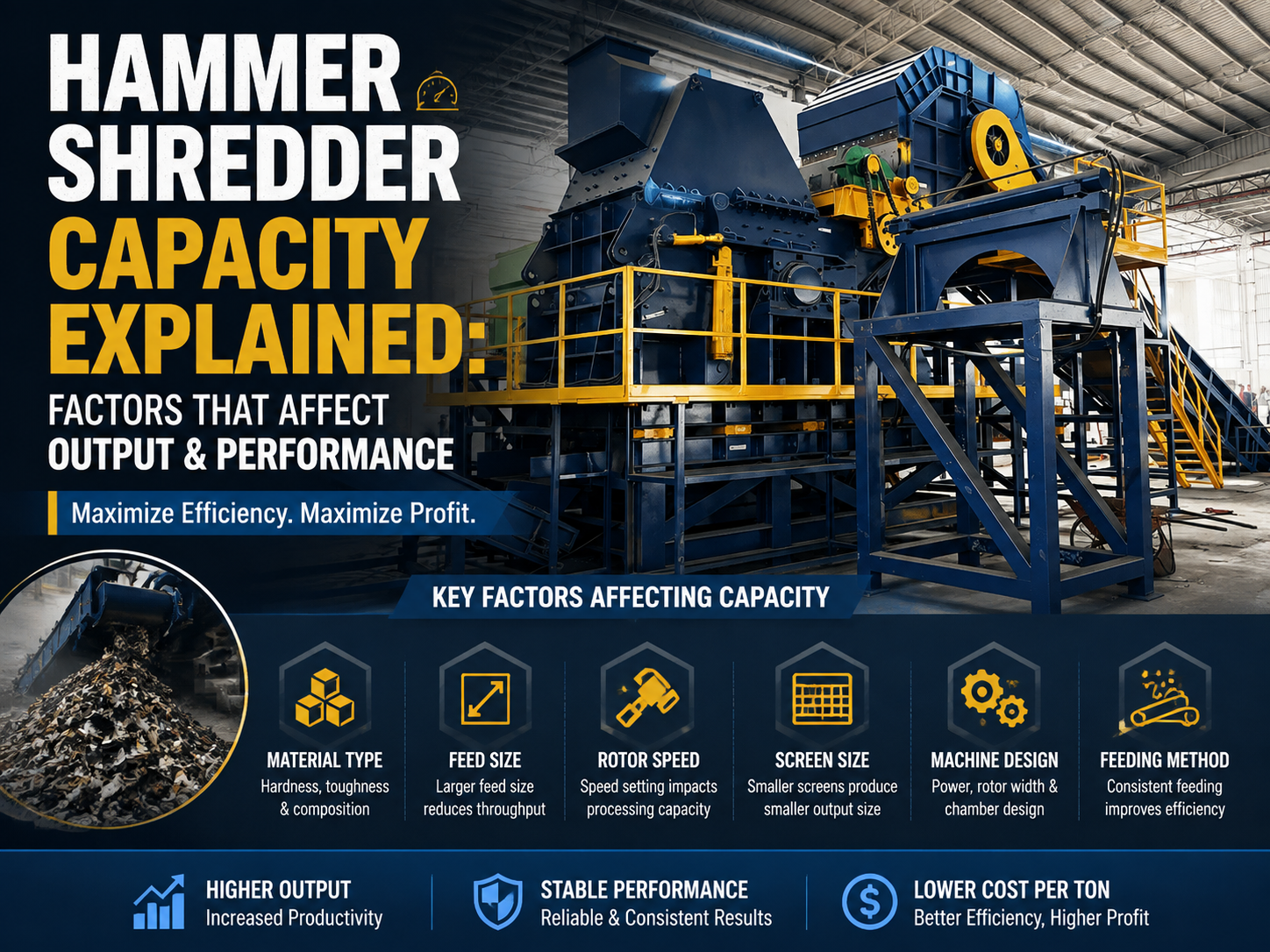
Technical Overview of Hammer Shredder Capacity
In the world of industrial recycling and metal fabrication, the hammer shredder stands as a cornerstone of material reduction. Understanding the capacity of these machines is not merely about looking at a spec sheet; it involves a deep dive into the physics of impact, material science, and mechanical engineering. Hammer shredder capacity, often measured in tons per hour (TPH), defines the efficiency and profitability of a recycling operation. At HARSLE, we recognize that maximizing this output requires a balance between power, speed, and the physical properties of the material being processed.
A hammer shredder operates on the principle of kinetic energy. High-speed rotating hammers strike the incoming material, shattering it against breaker plates or through a series of internal collisions. The capacity is essentially the volume of material that can be successfully reduced to a specific size and discharged through the grates within a set timeframe. This process is influenced by the rotor’s inertia, the number of hammers, and the available torque from the motor. When we discuss hammer shredder capacity explained: factors that affect output performance, we must consider both the theoretical limits of the machine and the practical variables of the operational environment.
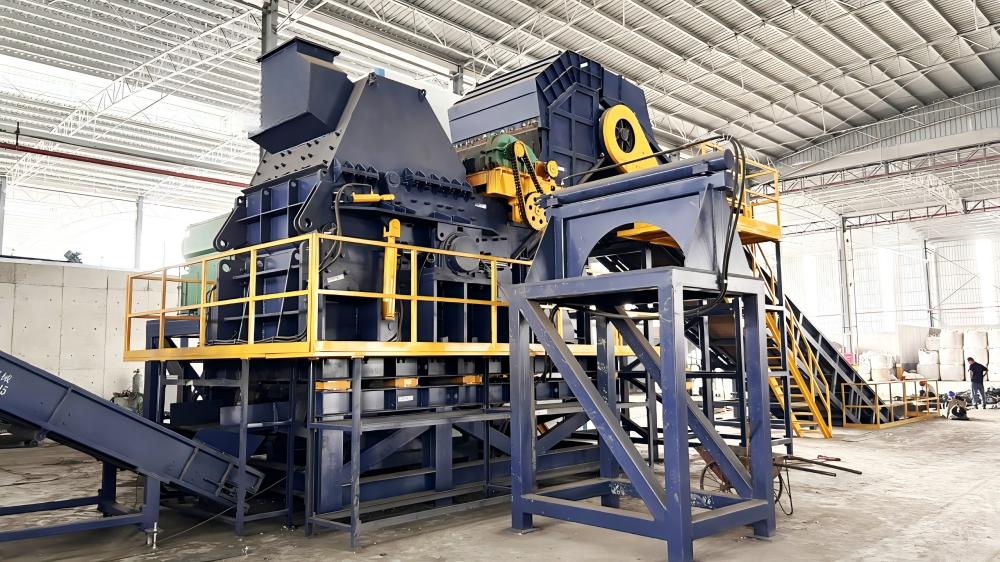
The efficiency of a hammer shredder is also tied to its design architecture. For instance, a swing-hammer design allows the hammers to retract upon hitting uncrushable objects, protecting the rotor and maintaining a steady flow. Conversely, a fixed-hammer system might offer more aggressive shredding but requires more precise feed control. The interaction between the hammer tip speed and the material feed rate determines the ‘bite’ the machine takes, which directly correlates to the hourly throughput. Engineers must calibrate these machines to ensure that the energy delivered per strike is sufficient to overcome the material’s fracture point without stalling the motor.
Furthermore, the discharge system plays a critical role in defining capacity. Even if a shredder can break down 50 tons of material an hour, if the discharge grates only allow 30 tons to pass through, the machine will become choked, leading to overheating and mechanical failure. Therefore, capacity is a holistic measurement of the entire system—from the feeding conveyor to the final discharge chute. In the following sections, we will break down the specific parameters and calculations that define these performance metrics.
Core Parameters Influencing Output Performance
1. Rotor Speed and Tip Velocity
The most significant factor in hammer shredder capacity is the rotor speed, specifically the tip velocity of the hammers. Kinetic energy is calculated as E = ½mv², where ‘m’ is the mass of the hammer and ‘v’ is the velocity. Because velocity is squared, even a small increase in RPM can significantly increase the shattering force. Higher speeds generally lead to higher capacity and finer output, but they also increase the rate of wear on the hammers and liners. Finding the ‘sweet spot’ for RPM is essential for optimizing the hammer shredder capacity explained: factors that affect output performance.
2. Hammer Mass and Geometry
The weight and shape of the hammers determine how much energy is transferred to the material. Heavier hammers are better for thick, dense scrap like engine blocks or heavy structural steel, as they possess the momentum to drive through the material. Lighter hammers are often used for thinner materials like aluminum cans or light sheet metal, where high-frequency impacts are more effective than raw force. The geometry of the hammer—whether it is a bell shape, a T-shape, or a rectangular block—affects how it grips and shears the material, influencing the overall throughput.
3. Screen and Grate Size
The grate openings act as the primary filter for the shredder. Smaller openings result in a finer product but significantly reduce the capacity because the material must stay in the shredding chamber longer to be reduced to the required size. Conversely, larger openings allow for rapid discharge and higher TPH but result in a coarser output. Operators must choose a grate size that balances the market requirements for the end product with the desired production volume of the facility.
4. Material Characteristics
The physical properties of the input material are perhaps the most volatile variables in the capacity equation. Hardness (measured on the Mohs or Brinell scale), toughness, moisture content, and bulk density all play a role. For example, shredding wet, sticky materials can lead to ‘blinding’ of the screens, where the holes become plugged, effectively dropping the capacity to zero. Similarly, high-tensile alloys require more energy to fracture, which can slow down the rotor and decrease the hourly output compared to brittle cast iron.
Calculation Method for Shredder Capacity
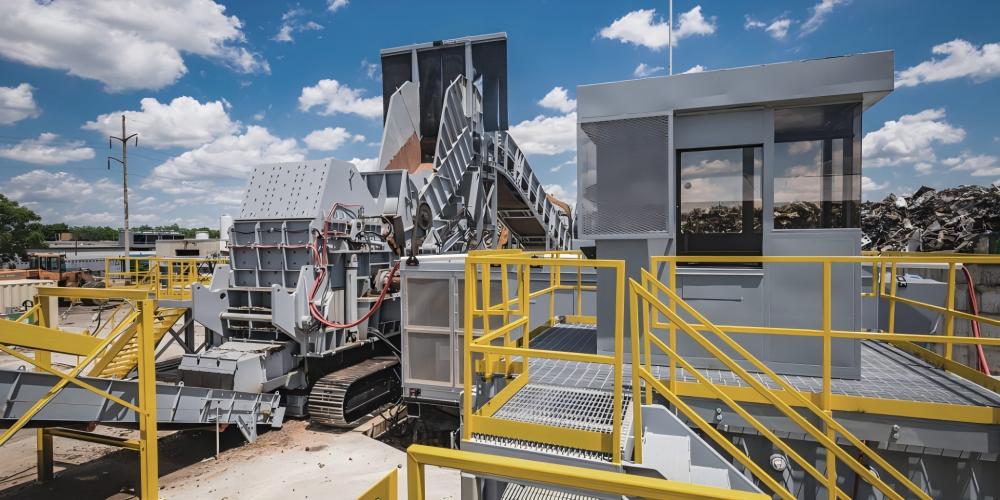
Calculating the capacity of a hammer shredder involves both theoretical formulas and empirical data. A common engineering formula used to estimate the capacity (Q) in tons per hour is: Q = k × D × L × n × ρ. In this equation, ‘D’ represents the diameter of the rotor circle, ‘L’ is the length of the rotor, ‘n’ is the rotational speed, ‘ρ’ is the bulk density of the material, and ‘k’ is an empirical coefficient that accounts for the material type and the screen size. This coefficient ‘k’ is often derived from years of field testing and varies between different manufacturers.
Another way to look at capacity is through the lens of power consumption. The ‘Bond Work Index’ is often used in mining and recycling to determine the energy required to reduce a material from a certain feed size to a specific product size. By dividing the total motor power (kW) by the energy required per ton (kWh/t), an operator can estimate the maximum possible throughput. For instance, if a shredder has a 500kW motor and the material requires 10kWh per ton to process, the theoretical maximum capacity is 50 tons per hour, assuming 100% mechanical efficiency.
However, real-world capacity is usually 70-80% of the theoretical maximum due to feeding inconsistencies, material variations, and mechanical friction. It is also important to factor in the ‘circulating load’—material that is not small enough to pass through the grates on the first pass and must be re-shredded. A high circulating load reduces the effective capacity of the machine for new feed material. Advanced monitoring systems now allow operators to track real-time motor load and adjust feed conveyors automatically to maintain the shredder at its peak capacity without overstressing the components.
Hammer Shredder Parameter Table
The following table provides a generalized comparison of different hammer shredder configurations and their expected output performance based on standard scrap metal processing.
| Model Category | Rotor Diameter (mm) | Motor Power (kW) | Hammer Weight (kg) | Estimated Capacity (TPH) | Typical Application |
|---|---|---|---|---|---|
| Light Duty | 600 – 800 | 45 – 90 | 15 – 25 | 3 – 8 | Electronic scrap, aluminum cans |
| Medium Duty | 1000 – 1300 | 110 – 250 | 30 – 50 | 10 – 25 | Light steel scrap, white goods |
| Heavy Duty | 1500 – 2000 | 315 – 800 | 60 – 120 | 30 – 70 | Car bodies, structural steel |
| Ultra Heavy | 2200+ | 1000+ | 150+ | 80 – 150+ | Heavy industrial demolition scrap |
Common Engineering Mistakes in Capacity Planning
One of the most frequent mistakes in hammer shredder capacity explained: factors that affect output performance is the ‘Bigger is Always Better’ fallacy. Purchasing a massive shredder for a low-volume operation leads to extreme inefficiency. Large rotors require significant energy just to maintain idling speed. If the feed rate is too low, the hammers strike the air or small amounts of material, leading to ‘glazing’ of the hammer faces and unnecessary wear on the liners without producing significant output.
Another common error is neglecting the feed system’s consistency. A hammer shredder performs best when it is ‘choke-fed’ or fed at a perfectly steady rate. ‘Slug feeding’—where large batches of material are dumped into the hopper at once—causes the motor to spike in amperage, forces the rotor to slow down, and creates a bottleneck. This results in a lower average TPH than a smaller machine fed consistently. Proper integration of vibrating feeders or variable-speed conveyors is essential for reaching the machine’s rated capacity.
Ignoring the metallurgy of the hammers is a third critical mistake. Using standard steel hammers for abrasive materials will cause the hammer profiles to round off quickly. Once the sharp edge of a hammer is lost, it begins to ‘rub’ the material rather than ‘impact’ it. This increases heat and power consumption while drastically reducing the capacity. Operators often try to compensate by increasing the speed, which only accelerates the wear. Selecting the correct alloy, such as manganese steel or high-chromium iron, is vital for maintaining performance over the long term.
Finally, many facilities fail to account for the ‘fines’ and dust extraction. As material is shredded, a significant amount of dust and small particles are created. If the air filtration or dust extraction system is undersized, the internal pressure of the shredder can rise, and the fine material can clog the grates. This ‘internal congestion’ is a hidden capacity killer that many engineers overlook during the initial setup phase.
Selection Checklist for Optimizing Throughput
- Define Your Material: Identify the hardest and densest material you plan to process. Capacity is always limited by the toughest material in the mix.
- Target Output Size: Determine the maximum allowable size for your end product. Remember that reducing screen size by 50% can reduce capacity by more than 50%.
- Power Availability: Ensure your facility’s electrical grid can handle the startup current and the peak loads of the shredder motor.
- Hammer Metallurgy: Choose hammer materials based on the abrasiveness and impact requirements of your scrap.
- Feeding Mechanism: Invest in a variable-frequency drive (VFD) for your feed conveyor to synchronize it with the shredder’s motor load.
- Maintenance Access: Ensure the shredder design allows for quick hammer and grate changes. Downtime for maintenance is the enemy of annual capacity.
- Cooling and Lubrication: For high-capacity operations, integrated oil cooling and automatic greasing systems are mandatory to prevent thermal expansion issues.
- Downstream Equipment: Verify that your discharge conveyors, magnetic separators, and eddy current separators can handle the peak TPH of the shredder.
Frequently Asked Questions (FAQ)
How does moisture affect hammer shredder capacity?
Moisture is a significant deterrent to capacity. Wet material tends to clump together and stick to the internal surfaces and grates. This leads to ‘blinding,’ where the discharge openings are blocked, forcing the material to stay in the chamber longer. In extreme cases, moisture combined with fine dust can create a concrete-like sludge that can stall the rotor entirely. For high-moisture materials, specialized ‘non-clog’ grate designs or drying systems are recommended.
Can I increase capacity by simply installing a larger motor?
Not necessarily. While a larger motor provides more torque and can prevent stalling, the capacity is also limited by the physical volume of the shredding chamber and the surface area of the discharge grates. If the chamber is full, adding more power won’t help the material exit faster. A larger motor must be paired with a corresponding increase in rotor mass and grate area to see a real-world increase in TPH.
How often should hammers be rotated to maintain peak performance?
To maintain maximum capacity, hammers should be rotated or replaced as soon as the leading edge shows significant rounding. In high-production environments, this might be every shift or every few days. Many HARSLE shredders feature four-way reversible hammers, allowing operators to use all four corners of the hammer before replacement, ensuring that the ‘bite’ remains aggressive and the capacity stays high throughout the life of the part.
What is the relationship between hammer tip speed and material fineness?
Generally, higher tip speeds result in more impacts per second and higher impact energy, which produces a finer output. However, if the speed is too high for the material type, it can cause the material to ‘bounce’ off the hammers rather than being drawn into the shredding zone. This reduces the ‘volumetric efficiency’ of the machine. Proper calibration of the VFD is necessary to match the speed to the specific material density and desired fineness.
Does the number of hammers affect the capacity?
Yes, the number of hammers affects the ‘hit frequency.’ More hammers mean more strikes per revolution, which can increase capacity for lighter materials. However, adding too many hammers can reduce the space between them, making it difficult for large pieces of scrap to enter the hammer circle. This can actually decrease capacity for heavy scrap. The hammer pattern must be engineered to match the feed size and material type.


