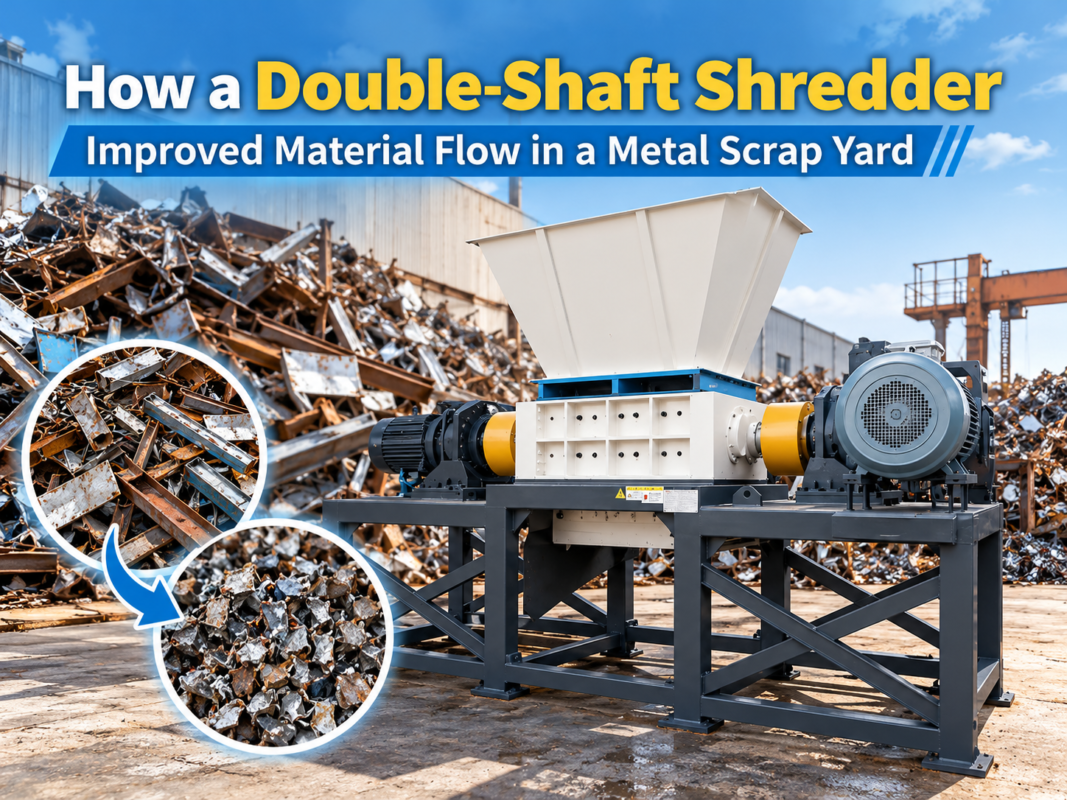
Double-Shaft Shredder for Scrap Metal: Technical Requirements and Best Practices

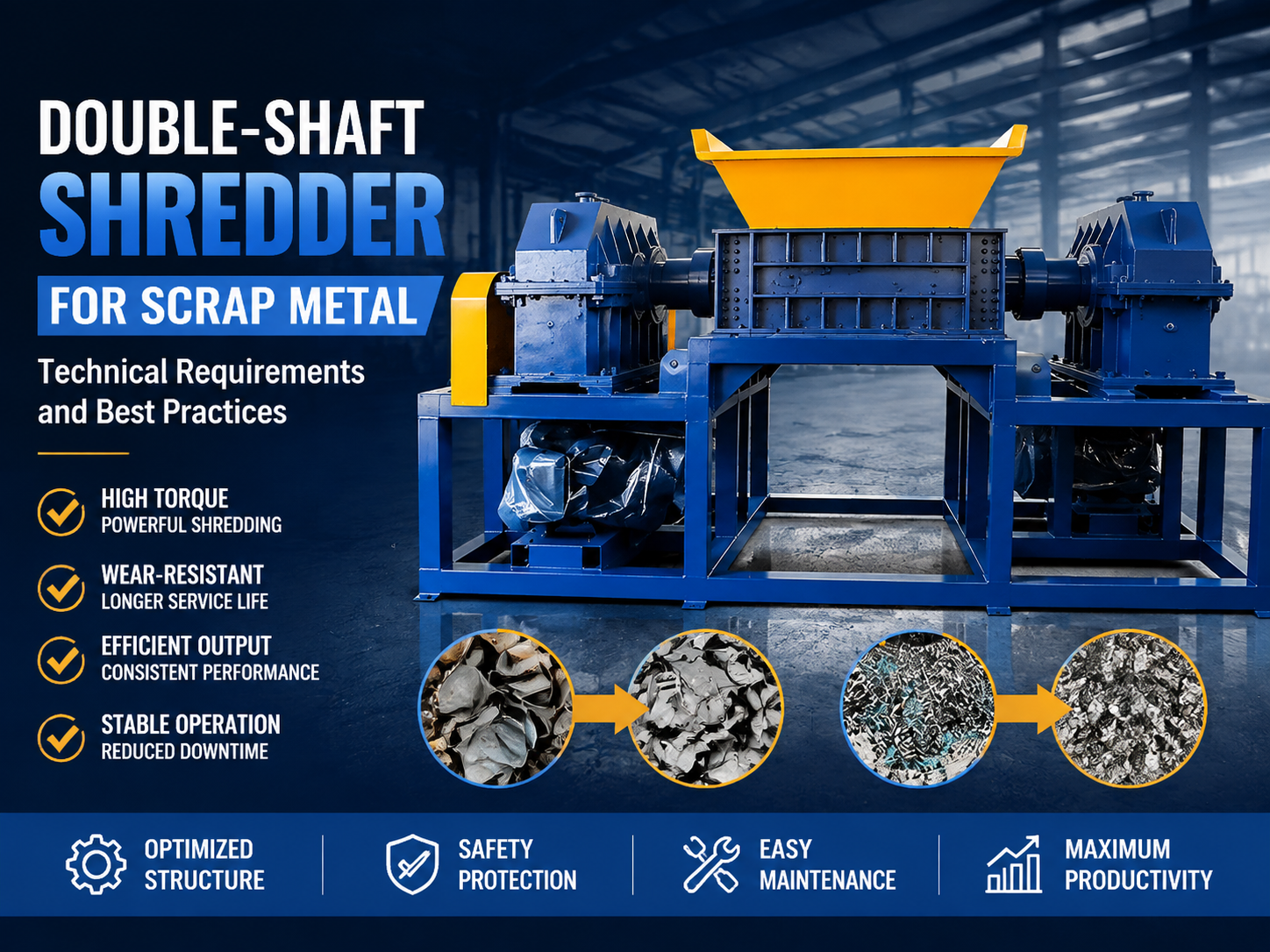
Introduction to Double-Shaft Shredder Technology
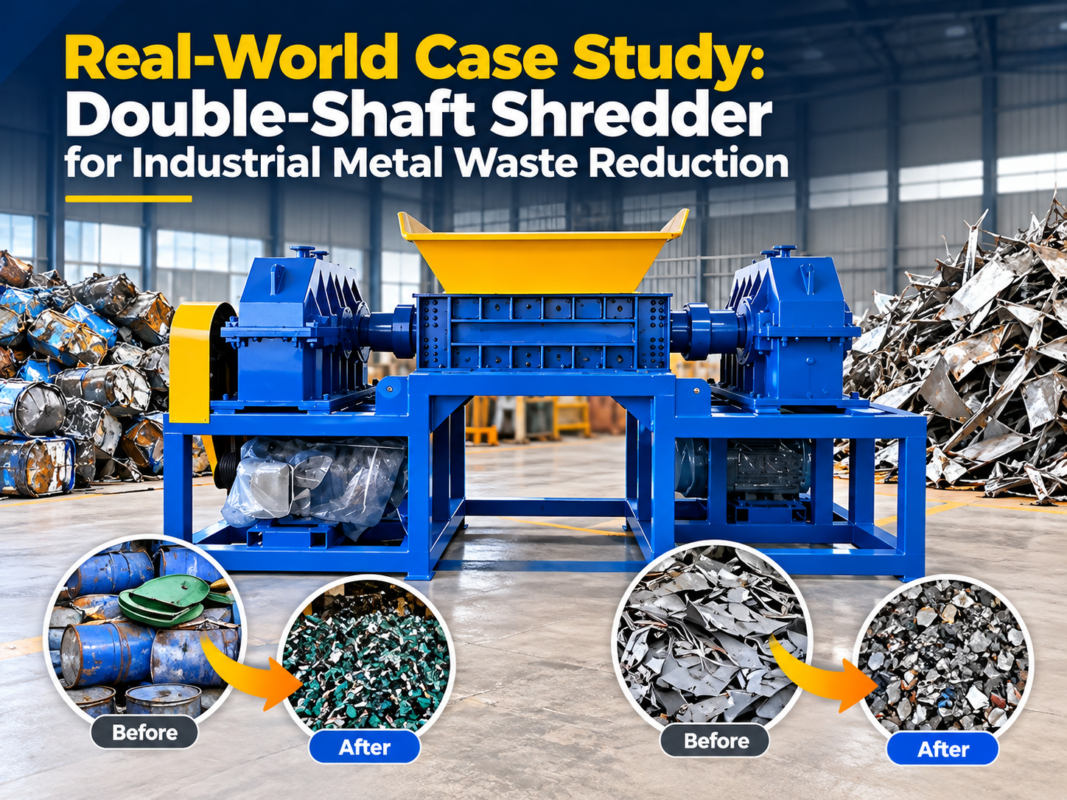
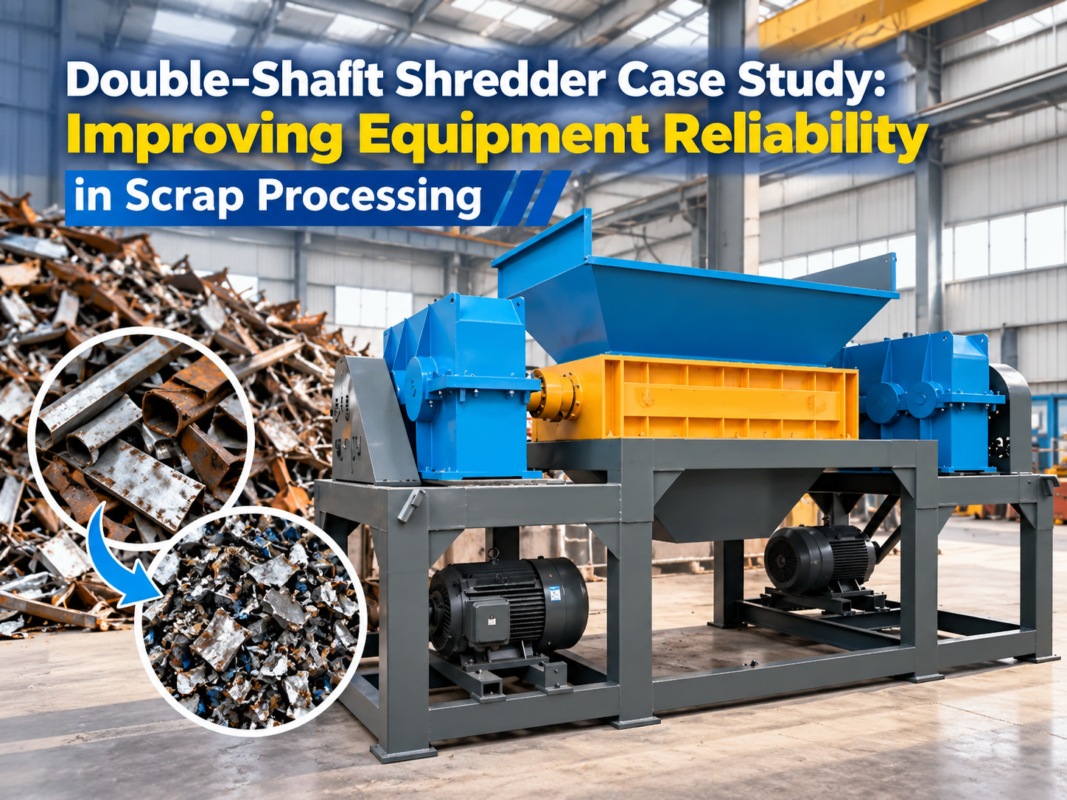
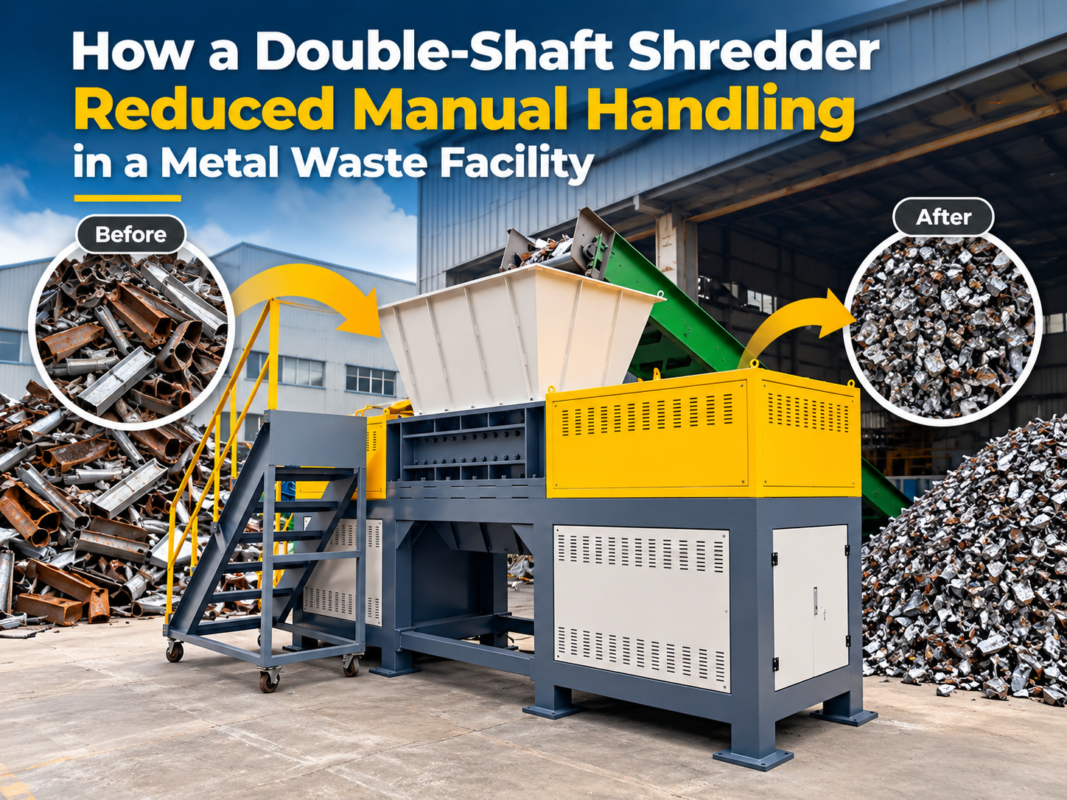
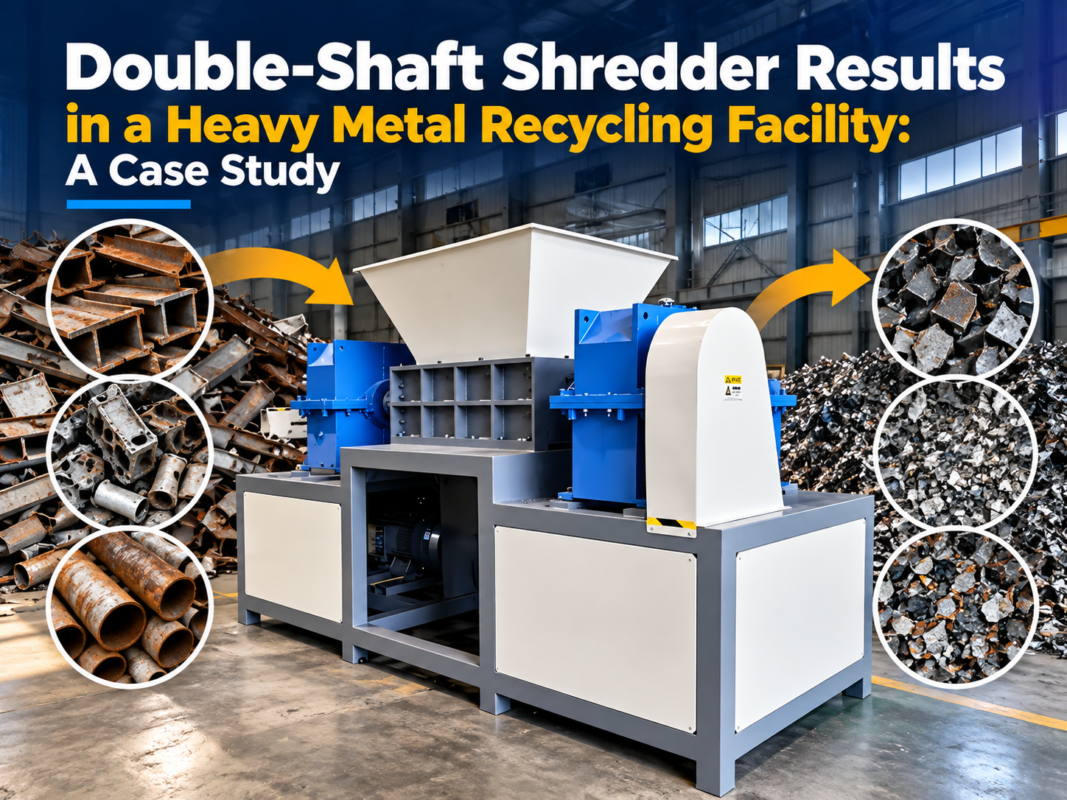
In the modern industrial landscape, the management of scrap metal has evolved from a simple waste disposal problem into a sophisticated resource recovery operation. Central to this transformation is the double-shaft shredder. When discussing the Double-Shaft Shredder Scrap Metal: Technical Requirements Best Practices, it is essential to understand that these machines are the workhorses of the recycling industry. Unlike high-speed hammer mills, double-shaft shredders operate at low speeds with exceptionally high torque, making them ideal for shearing through dense materials like car bodies, steel drums, and industrial aluminum extrusions.
HARSLE has pioneered the integration of advanced metallurgy and intelligent control systems into these machines to meet the rigorous demands of 21st-century metal fabrication. The primary objective of a double-shaft shredder is volume reduction and material liberation. By reducing large, irregular scrap into uniform strips or pieces, the shredder prepares the material for secondary processing, such as sorting, melting, or compacting. This article provides an in-depth technical analysis of the requirements and best practices necessary to optimize the performance and longevity of these critical industrial assets.
Technical Overview: The Shearing Mechanism
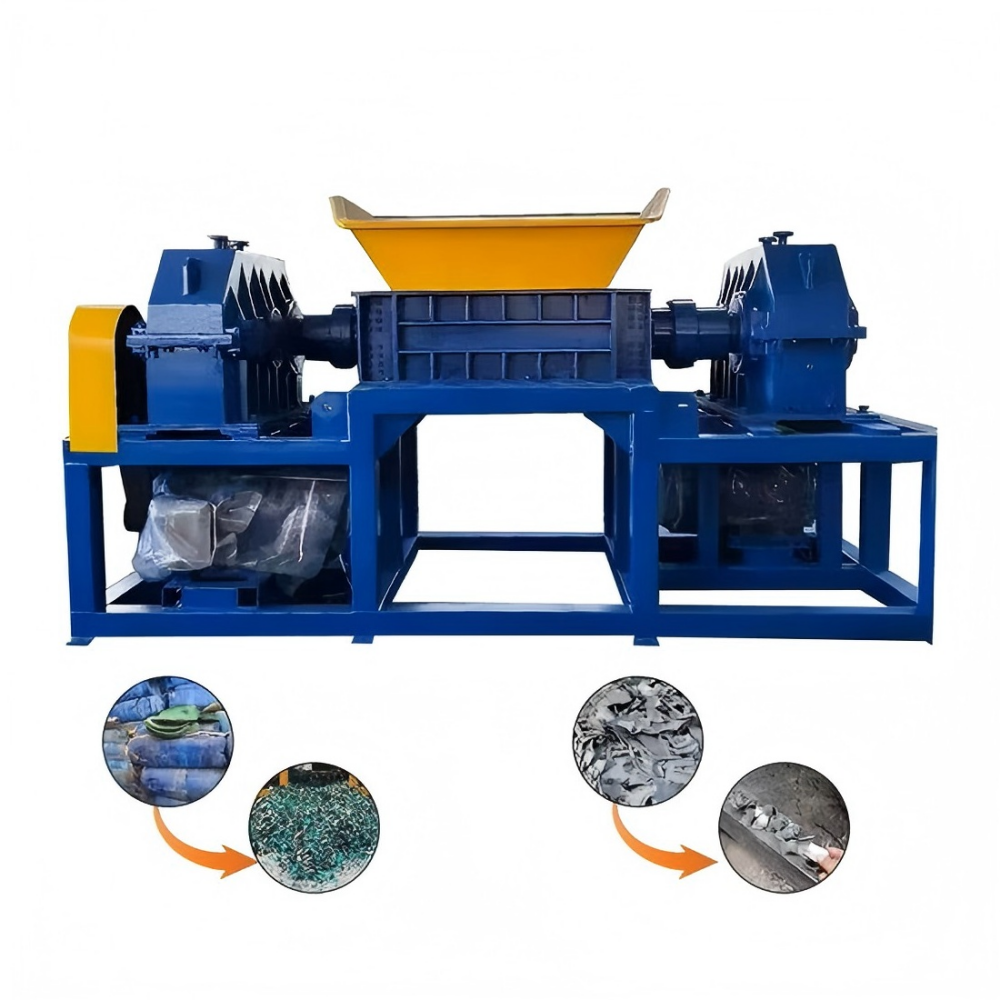
The fundamental principle of a double-shaft shredder is the “shear and tear” mechanism. Two parallel shafts, equipped with interlocking cutting discs (blades), rotate toward each other at different or synchronized speeds. As scrap metal is fed into the hopper, the hooks on the blades grab the material and pull it into the cutting chamber. The clearance between the blades—often measured in fractions of a millimeter—determines the efficiency of the shear.
From a technical standpoint, the double-shaft design offers several advantages over single-shaft alternatives for metal applications. First, the dual-shaft configuration provides a larger intake area, allowing for the processing of bulky items without the need for a hydraulic pusher. Second, the counter-rotating action creates a self-cleaning effect, preventing ductile metals like copper or soft aluminum from wrapping around the shafts. HARSLE’s engineering focus ensures that the shaft geometry is optimized to maximize the “bite” force while minimizing energy consumption.
The Role of Torque and Speed
In scrap metal processing, torque is more important than raw horsepower. The technical requirement for a double-shaft shredder involves a high reduction ratio gearbox that converts the high-speed rotation of the electric or hydraulic motor into low-speed, high-torque shaft rotation. Typically, these shafts rotate between 10 and 30 RPM. This low speed is critical because it prevents the generation of excessive heat and dust, which are common hazards in metal recycling. Furthermore, low-speed operation reduces the risk of catastrophic failure when un-shreddable objects (like solid steel shafts) accidentally enter the chamber.
Core Parameters for Scrap Metal Shredding
When evaluating a Double-Shaft Shredder Scrap Metal: Technical Requirements Best Practices, several core parameters must be analyzed to ensure the machine is fit for purpose. These parameters define the machine’s capacity, durability, and the quality of the output material.
1. Blade Material and Hardness
The blades are the most critical wear components. For scrap metal, standard carbon steel is insufficient. Technical requirements dictate the use of high-alloy steels such as D2 (Cr12MoV), SKD-11, or specialized H13 tool steel. These materials undergo vacuum heat treatment to achieve a hardness of 55-60 HRC. However, hardness must be balanced with toughness; a blade that is too hard will be brittle and may crack when hitting a heavy steel plate, while a blade that is too soft will dull rapidly.
2. Shaft Diameter and Construction
The shafts must withstand immense torsional stress. HARSLE utilizes high-strength forged alloy steel (42CrMo) that has been quenched and tempered. The diameter of the shaft is directly proportional to the maximum thickness of the metal it can process. For heavy scrap, hexagonal shafts are often preferred over keyed shafts because they distribute torque more evenly across the blade surface, reducing the risk of shaft deformation.
3. Motor Power and Drive System
The drive system can be either electric or hydraulic. Electric drives, often paired with Variable Frequency Drives (VFDs), offer high energy efficiency and precise control. Hydraulic drives, on the other hand, provide superior shock absorption and are capable of delivering maximum torque from a standstill, which is beneficial for processing extremely heavy or unpredictable scrap loads.
Calculation Method: Determining Required Torque
To select the right shredder, engineers must calculate the required shearing force. The basic formula for the shearing force ($F$) required to cut a piece of metal is:
F = L × T × σ
Where:
• L = Length of the shear (blade width in contact with material)
• T = Thickness of the material
• σ = Ultimate shear strength of the material (e.g., ~250-400 MPa for mild steel)
Once the force is determined, the required torque ($T_q$) for the shaft is calculated by multiplying the force by the radius of the blade ($R$):
T_q = F × R
In practice, a safety factor of 1.5 to 2.0 is applied to account for material hardening, blade dulling, and simultaneous cutting of multiple pieces. For example, if a shredder is designed to process 6mm thick steel plate, the torque requirement will be significantly higher than for 2mm aluminum sheets. Understanding these calculations is a cornerstone of the Double-Shaft Shredder Scrap Metal: Technical Requirements Best Practices.
Technical Parameter Table
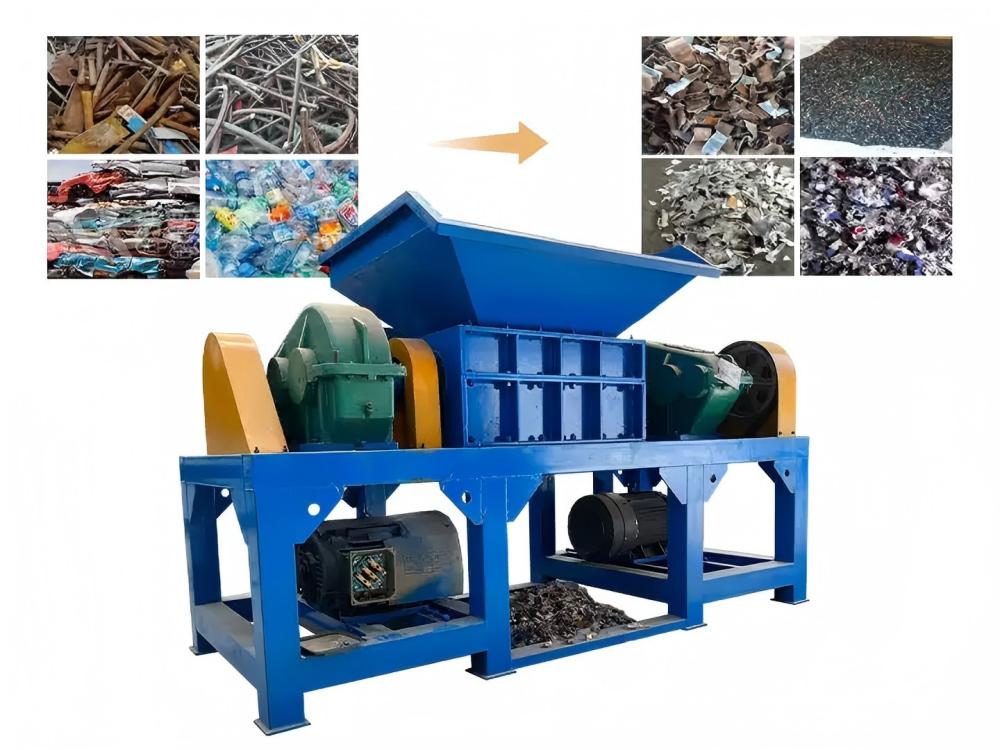
The following table outlines the typical technical specifications for HARSLE double-shaft shredders based on the type of scrap metal being processed.
| Material Type | Recommended Power (kW) | Shaft Speed (RPM) | Blade Thickness (mm) | Torque (Nm) | Capacity (t/h) |
|---|---|---|---|---|---|
| Light Aluminum (Cans/Foil) | 30 – 45 | 20 – 25 | 20 – 30 | 15,000 | 1.5 – 3.0 |
| Electronic Waste (WEEE) | 45 – 75 | 15 – 20 | 30 – 40 | 35,000 | 2.0 – 5.0 |
| Steel Drums / Car Doors | 90 – 160 | 12 – 18 | 50 – 75 | 85,000 | 5.0 – 10.0 |
| Heavy Industrial Scrap | 200+ | 8 – 12 | 80 – 120 | 150,000+ | 10.0 – 20.0 |
Common Engineering Mistakes in Shredder Operation
Even the most robust machine can fail if best practices are ignored. In the realm of Double-Shaft Shredder Scrap Metal: Technical Requirements Best Practices, several common mistakes can lead to downtime and expensive repairs.
1. Neglecting the “Auto-Reverse” Function
Modern shredders are equipped with PLC-controlled auto-reverse logic. When the sensors detect a torque spike (indicating a jam or an un-shreddable object), the shafts should automatically stop and reverse for a few seconds to reposition the material. Operators often override this or set the threshold too high, leading to snapped shafts or burned-out motors.
2. Inconsistent Feeding Patterns
Feeding a shredder is an art. Dumping a massive load of tangled wire or heavy plates all at once can create a “bridge” over the shafts or cause a sudden shock load that exceeds the gearbox’s service factor. Best practice involves using a vibrating feeder or a conveyor belt to ensure a steady, metered flow of material into the hopper.
3. Poor Blade Maintenance and Gap Management
As blades wear, the gap between the interlocking discs increases. This leads to “smearing” rather than shearing, especially with thin materials like copper wiring. Smearing increases friction, which generates heat and significantly raises power consumption. Regularly checking and shimming the blades to maintain the original tolerance is a vital technical requirement.
4. Ignoring Thermal Management
Shredding metal generates heat through friction and deformation. In continuous 24/7 operations, the gearbox oil and hydraulic fluid can overheat, leading to seal failure. Best practices include installing oil cooling systems and monitoring bearing temperatures via integrated sensors.
Selection Checklist for Buyers
Choosing the right double-shaft shredder requires a systematic approach. Use this checklist to evaluate potential machinery:
- Frame Rigidity: Is the frame constructed from heavy-duty welded plate? A flimsy frame will vibrate and lead to shaft misalignment.
- Bearing Protection: Does the machine feature multi-layer seals to prevent metal dust from entering the bearing housing?
- Blade Accessibility: How easy is it to remove the shafts for blade replacement? Look for “split-block” bearing designs.
- Control System: Does the PLC support remote monitoring and data logging for preventative maintenance?
- Safety Features: Are there emergency stop buttons, hopper safety rails, and interlocked access doors?
- Material Compatibility: Has the manufacturer tested your specific scrap material on a similar model?
Best Practices for Maintenance and Longevity
To maximize the ROI of a HARSLE double-shaft shredder, a proactive maintenance schedule is non-negotiable. Daily inspections should include checking for loose bolts, inspecting hydraulic hoses for leaks, and clearing any debris from the cooling fans. Weekly tasks should focus on lubricating the main bearings and checking the tension of drive belts or couplings.
One of the most important best practices is the management of “un-shreddables.” Every scrap yard encounters objects that simply cannot be shredded, such as solid engine blocks or thick hardened steel shafts. Implementing a pre-sorting stage—either manual or using magnetic separators—can extend the life of your shredder blades by up to 300%. Additionally, keeping a spare set of sharpened blades on hand ensures that downtime is minimized when the primary set eventually requires refurbishment.
Frequently Asked Questions (FAQ)
What is the typical lifespan of shredder blades?
The lifespan depends entirely on the material being processed. For light aluminum, blades may last 1,000+ hours. For contaminated scrap or heavy steel, they may require sharpening or replacement every 300-500 hours. Using hard-facing welding techniques can sometimes extend this life.
Can a double-shaft shredder handle tangled wire?
Yes, but with caution. Tangled wire (like copper “spaghetti”) has a tendency to wrap around the shafts. Best practices include using blades with more hooks and ensuring the cleaning fingers (strippers) are in perfect condition to eject the material downward.
How much noise does a metal shredder produce?
Double-shaft shredders are significantly quieter than high-speed grinders. Typically, they operate between 80-95 decibels. However, the sound of the metal fracturing can be loud, so acoustic enclosures are recommended for indoor installations.
Is it better to have more hooks on a blade?
More hooks increase the frequency of the “grab,” which is good for small, light materials. However, for thick scrap, fewer hooks (or even a single-hook design) allow the blade to penetrate deeper into the material, providing a more powerful shear.
What is the benefit of a hexagonal shaft?
A hexagonal shaft provides a much larger surface area for torque transmission compared to a round shaft with a keyway. This prevents the blades from “spinning” on the shaft under extreme loads and reduces stress concentrations that lead to shaft fatigue.
Conclusion
Mastering the Double-Shaft Shredder Scrap Metal: Technical Requirements Best Practices is essential for any recycling operation aiming for efficiency and profitability. By focusing on high-torque delivery, robust blade metallurgy, and disciplined maintenance, operators can ensure their HARSLE machinery performs reliably in the harshest environments. As the global demand for recycled metal continues to rise, the technical sophistication of these shredders will remain the cornerstone of sustainable industrial growth.