Double-Shaft Shredder Wear Parts Guide: Blades, Shafts, Bearings, and Spacers

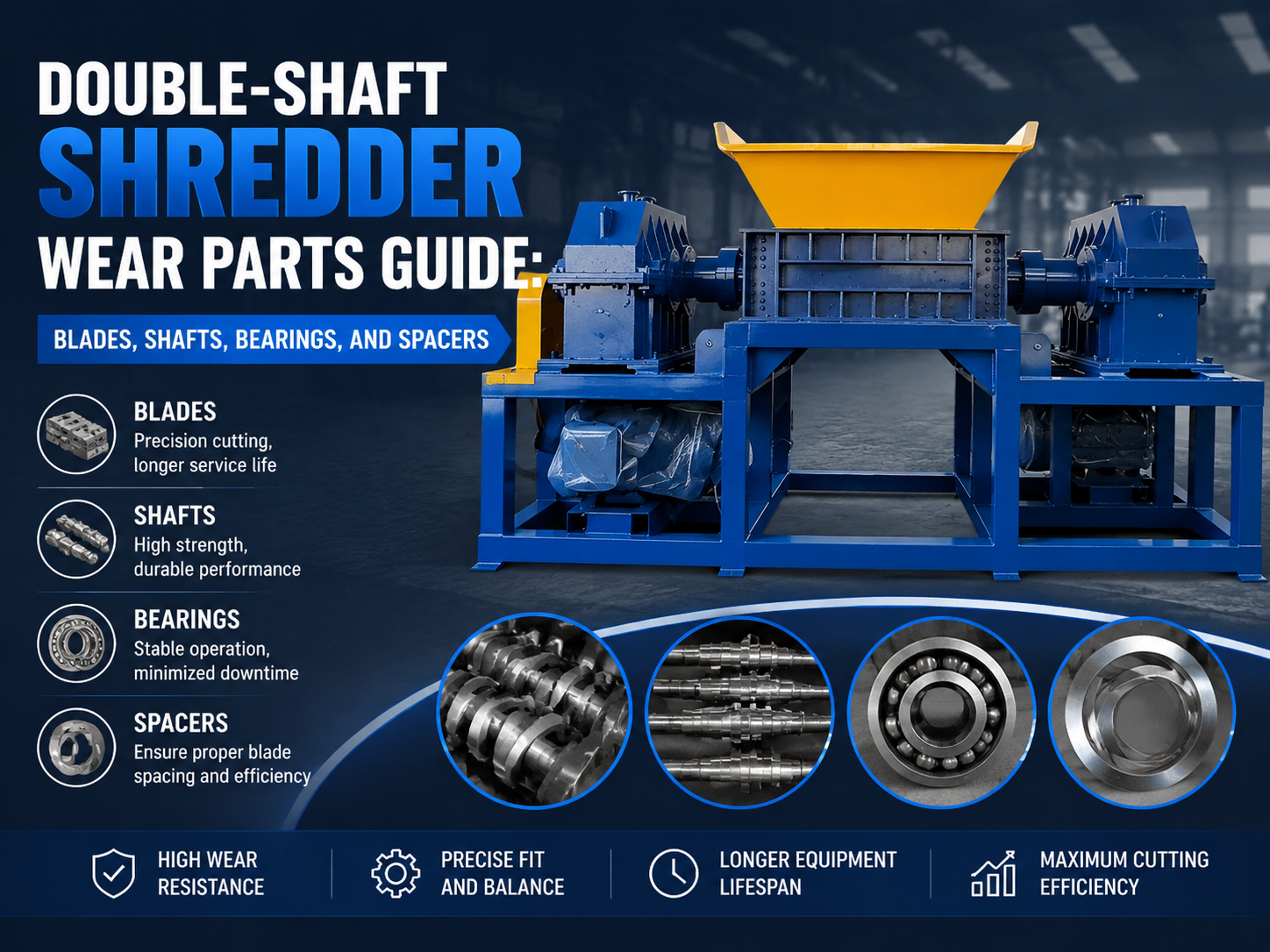
Technical Overview of Double-Shaft Shredder Wear Parts
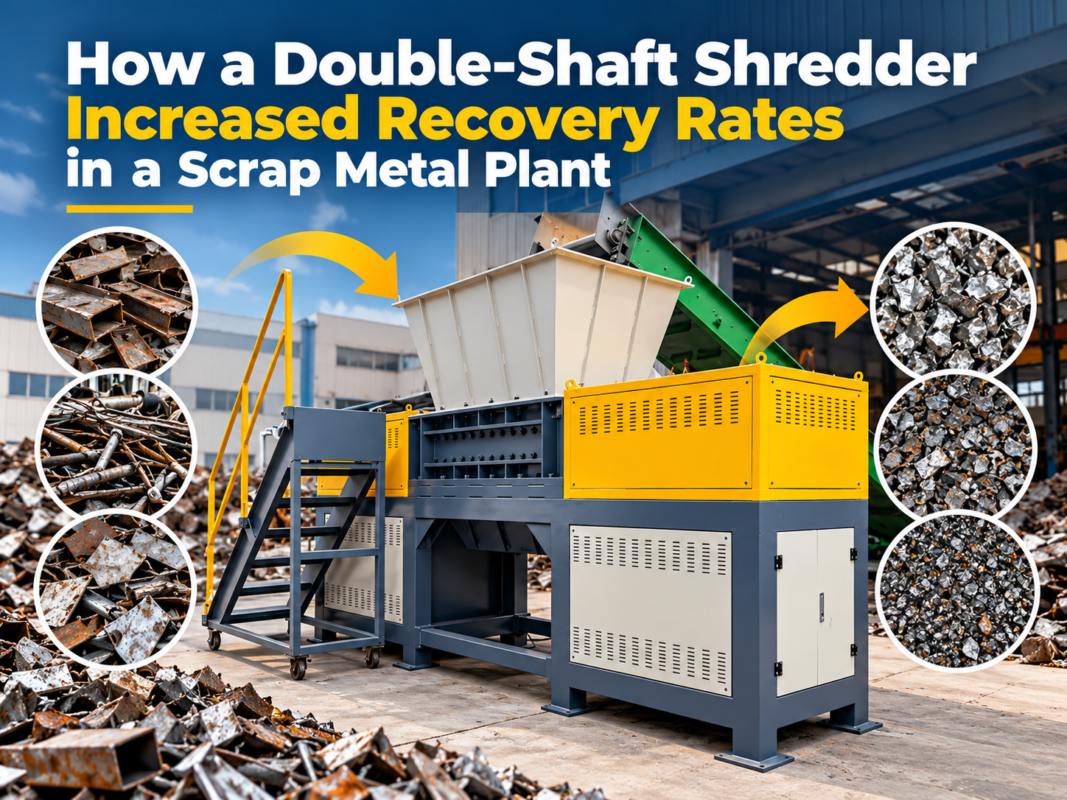
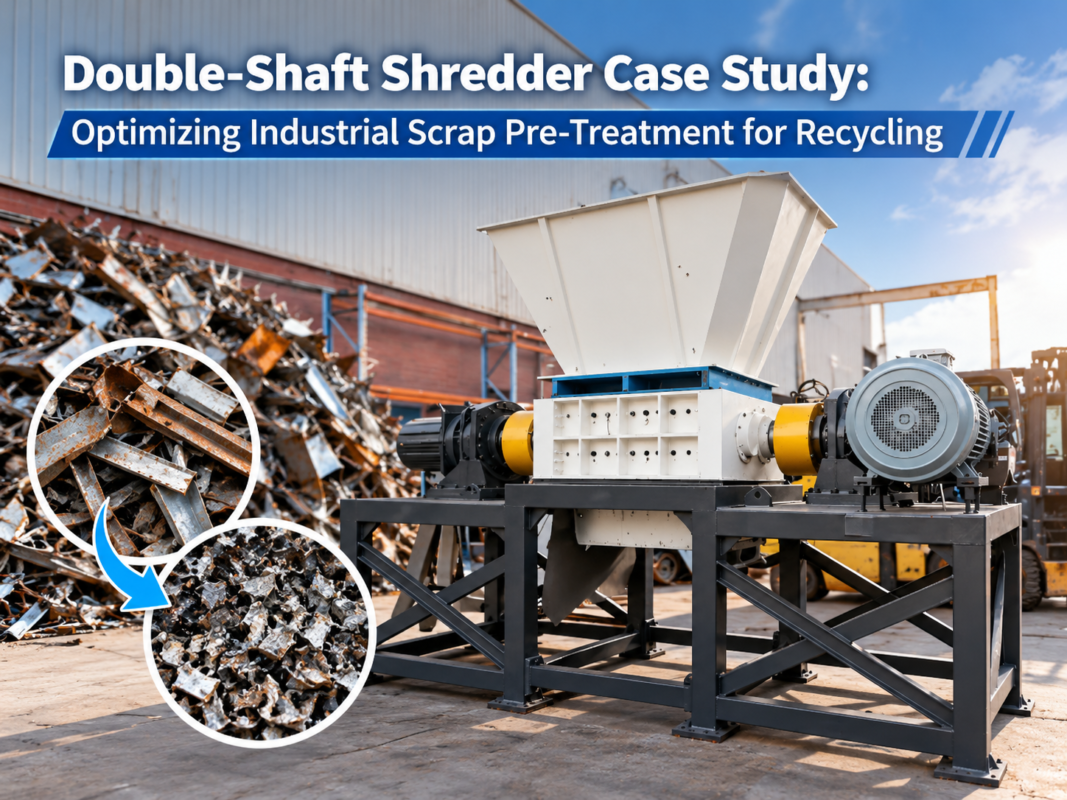
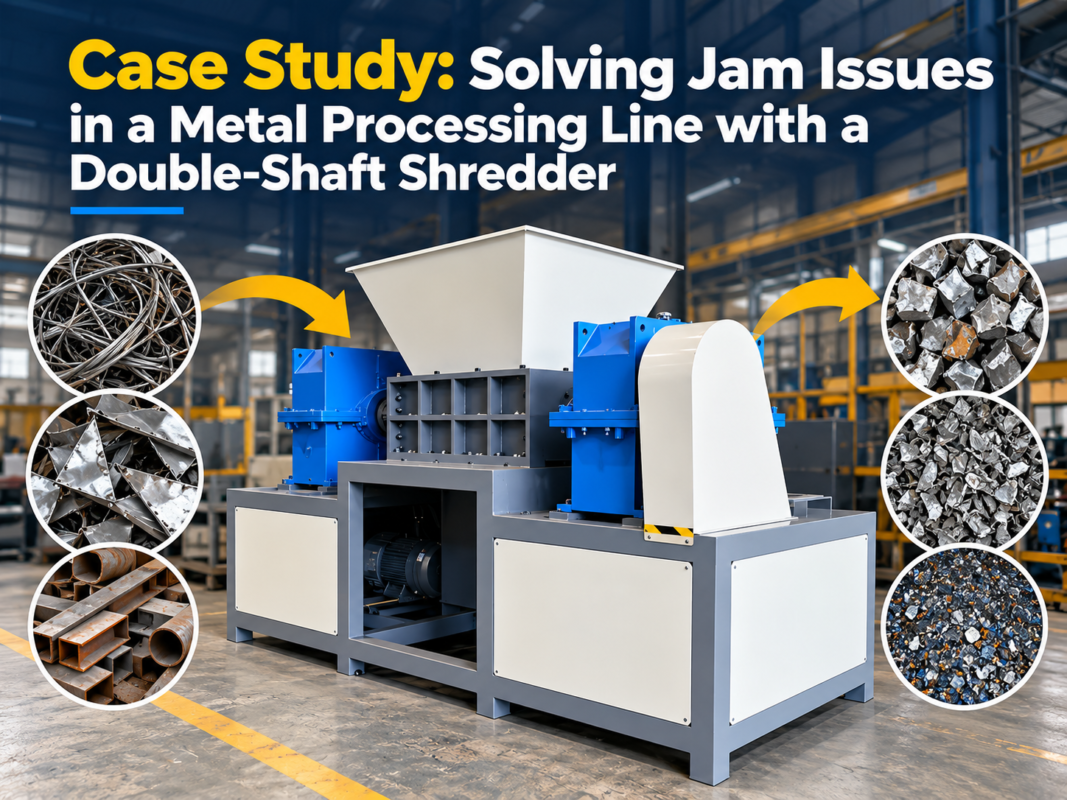
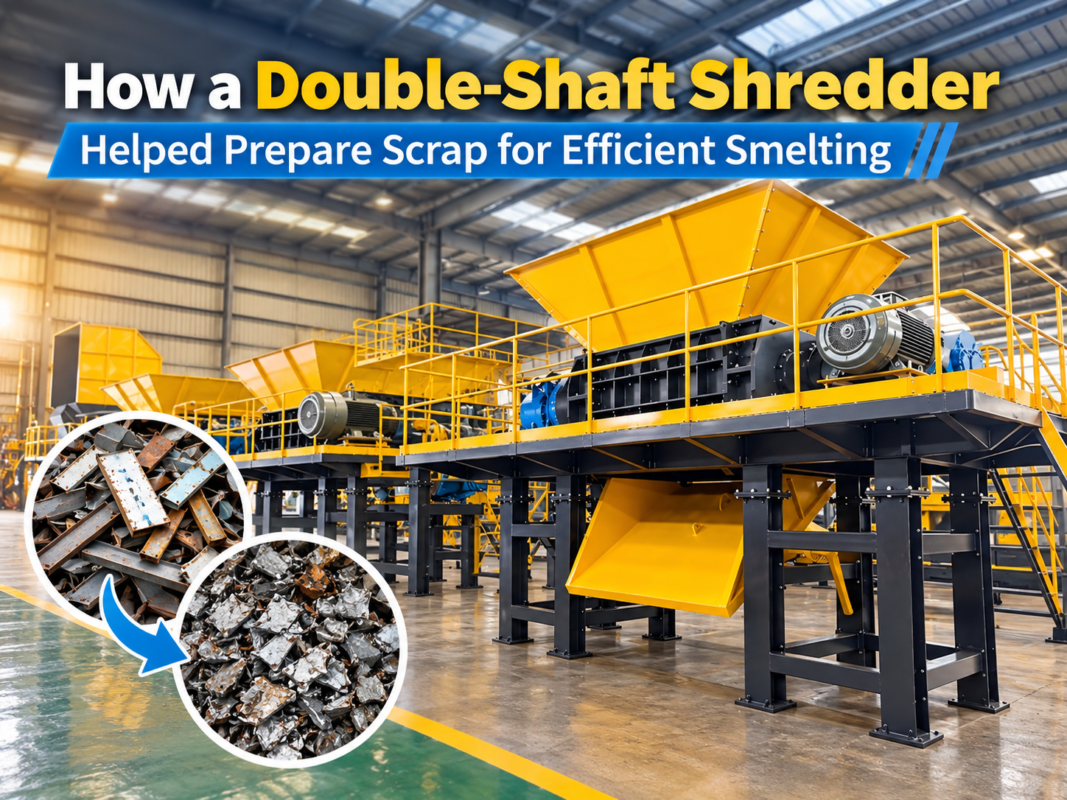
The double-shaft shredder, often referred to as a shear shredder, is the workhorse of the industrial recycling and waste management industry. Unlike high-speed granulators, these machines operate at low speeds with high torque, utilizing two counter-rotating shafts equipped with interlocking blades to tear, shear, and compress materials. The efficiency of this process is entirely dependent on the integrity of its core components: the blades, shafts, bearings, and spacers. These Double-Shaft Shredder Wear Parts : Blades, Shafts, Bearings, Spacers are subjected to extreme mechanical stress, abrasive friction, and thermal fluctuations, making their selection and maintenance critical for operational uptime.
In a typical HARSLE double-shaft shredder, the shearing action occurs when the teeth of the blades on one shaft pass through the gaps created by the spacers and blades on the opposing shaft. This interaction requires precision engineering; even a millimeter of deviation can lead to increased power consumption or catastrophic component failure. Understanding the metallurgy and mechanical tolerances of these parts is not just a maintenance requirement—it is a prerequisite for maximizing the Return on Investment (ROI) of the machinery. As materials like scrap metal, electronic waste, and industrial plastics become more complex, the demand for high-performance wear parts has never been higher.
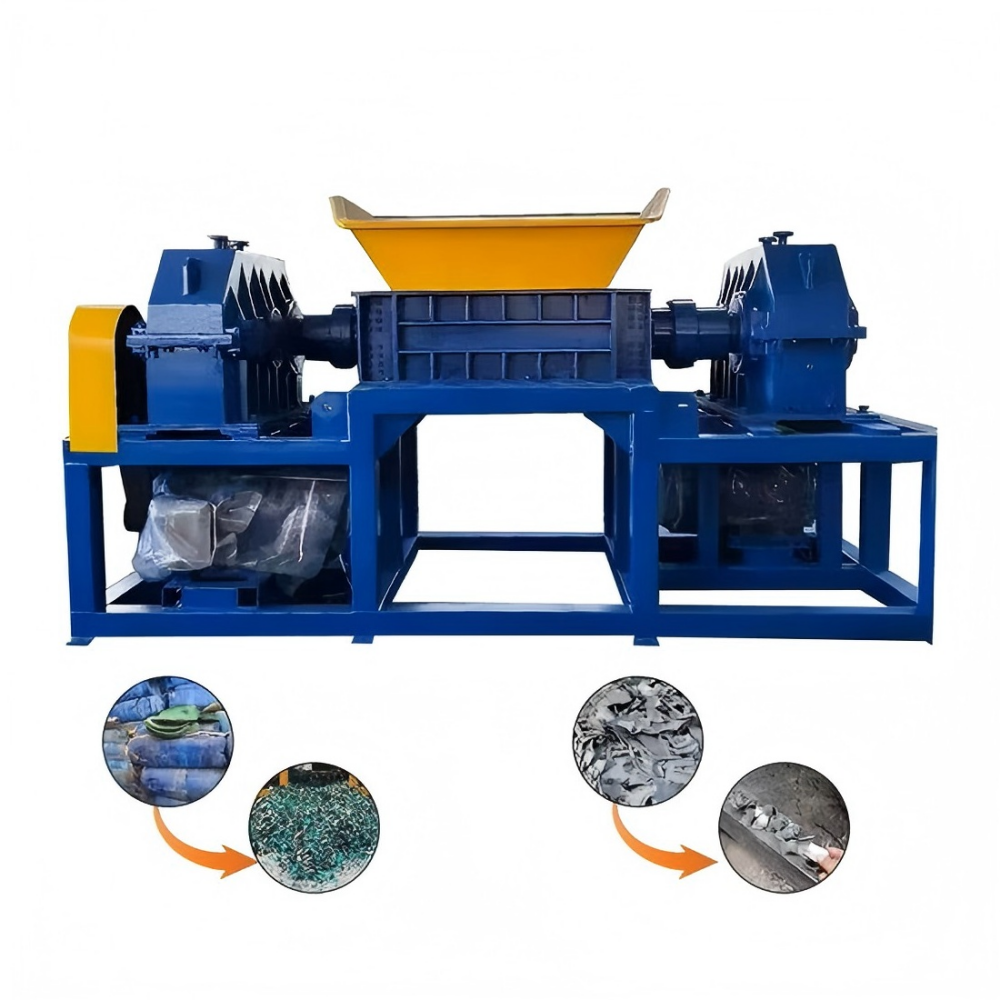
The lifecycle of these wear parts is influenced by the “feedstock”—the material being processed. For instance, shredding rubber tires introduces significant heat and friction, requiring blades with high thermal stability, whereas shredding MSW (Municipal Solid Waste) introduces corrosive elements and unpredictable hard objects, requiring high impact toughness. This technical guide explores the intricate details of each component, providing engineers and plant managers with the knowledge needed to optimize their shredding operations.
Core Parameters of Shredder Components
1. Shredder Blades: The Cutting Edge
Blades are the most frequently replaced wear parts. Their performance is defined by three main factors: material composition, tooth profile, and heat treatment. Common materials include D2 (DIN 1.2379), SKD11, and H13. D2 is favored for its high carbon and high chromium content, providing excellent wear resistance and edge retention. However, for high-impact applications like scrap metal, shock-resistant steels like 6CrW2Si or Cr12MoV are often preferred to prevent chipping.
The tooth profile (the number of “claws” on the blade) determines the grab and the final output size. A single-claw blade provides maximum penetration for bulky items, while multi-claw blades (3, 5, or 8 claws) are better for smaller, uniform output. The thickness of the blade directly dictates the width of the shredded strips. HARSLE blades undergo vacuum heat treatment to achieve a hardness of HRC 55-58, ensuring a balance between brittleness and wear resistance.
2. The Shafts: The Backbone of Torque
The shafts are the structural foundation of the shredder. They must transmit massive amounts of torque from the gearbox to the blades without flexing or snapping. Most high-quality shafts are forged from 42CrMo alloy steel. This material is chosen for its high fatigue strength and toughness. The shafts are typically machined into a hexagonal or splined shape. The hexagonal design is superior for torque distribution, as it provides multiple contact points for the blades and spacers, reducing the risk of “rounding” the shaft under heavy loads.
3. Bearings: Managing Radial and Axial Loads
Bearings in a double-shaft shredder face a hostile environment characterized by heavy dust, moisture, and extreme radial loads. Spherical roller bearings are the industry standard because they can accommodate slight shaft misalignments caused by the immense pressure of shredding. These bearings are housed in heavy-duty blocks, often separated from the shredding chamber by multiple seals and “firewalls” to prevent contaminants from entering the lubrication system. Proper lubrication is the lifeblood of these bearings; without it, the friction generated by the high-torque rotation will lead to rapid overheating and seizure.
4. Spacers: Maintaining the Shearing Gap
Spacers are often overlooked but are vital for the “shear” mechanism. They sit between the blades on the shaft, defining the gap through which the opposing blades pass. Spacers are usually made from the same base material as the shafts or a slightly softer tool steel. Their primary role is to maintain the lateral precision of the blade stack. If spacers wear down or become compressed, the gap between the interlocking blades increases, leading to “folding” of the material rather than shearing, which significantly reduces throughput and increases motor strain.
Calculation Method for Shredder Performance
To optimize the selection of Double-Shaft Shredder Wear Parts : Blades, Shafts, Bearings, Spacers, engineers must use specific calculations to ensure the machine meets the required throughput and material specifications. The most critical calculation is the Torque Requirement.
Torque Calculation:
The torque (T) required is a function of the motor power (P) and the rotational speed (n). The formula is:
T = 9550 × (P / n) × η
Where:
- T = Torque in Newton-meters (Nm)
- P = Power in Kilowatts (kW)
- n = Rotational speed in Revolutions Per Minute (RPM)
- η = Efficiency of the gearbox (typically 0.90 to 0.95)
For example, a 75kW motor running at 15 RPM with a 90% efficient gearbox produces approximately 43,000 Nm of torque. This torque must be resisted by the shaft and the blade teeth. If the material’s shear strength exceeds the force applied by the blade tip, the machine will stall or the blades will chip.
Throughput Estimation:
Throughput (Q) can be estimated by:
Q = n × Z × V × ρ × φ
Where:
- n = Shaft speed
- Z = Number of blades
- V = Volume of material displaced per blade revolution
- ρ = Density of the material
- φ = Filling coefficient (usually 0.2 to 0.5 depending on material bulk)
Parameter Table for Wear Part Selection
| Component | Common Materials | Hardness (HRC) | Key Function | Replacement Cycle (Hours) |
|---|---|---|---|---|
| Blades | D2, SKD11, H13, 6CrW2Si | 55 – 60 | Shearing and Tearing | 1,000 – 3,000 |
| Shafts | 42CrMo, 40Cr | 28 – 32 (Core) | Torque Transmission | 10,000+ |
| Bearings | High-Chrome Steel (SKF/NSK) | N/A | Load Support | 5,000 – 8,000 |
| Spacers | 45# Steel, 40Cr | 45 – 50 | Blade Gap Maintenance | 2,000 – 4,000 |
| Cleaning Fingers | Q235, AR400 | 30 – 40 | Preventing Material Wrap | 1,500 – 3,000 |
Common Engineering Mistakes in Shredder Maintenance
One of the most frequent mistakes in maintaining Double-Shaft Shredder Wear Parts : Blades, Shafts, Bearings, Spacers is the improper tightening of the blade stack. If the locking nuts on the shaft are not torqued to the manufacturer’s specifications, the blades and spacers can develop micro-movements. Over time, this causes the hexagonal shaft to wear down, eventually leading to a “spinning” blade that no longer contributes to the shredding process and damages the shaft surface.
Another common error is the mismatch between blade material and feedstock. Using high-hardness D2 blades for shredding heavy metal scrap often leads to brittle fractures. While D2 is excellent for plastics and tires, it lacks the impact toughness required for thick steel plates. In such cases, a tougher, slightly softer alloy like 6CrW2Si is more cost-effective because it deforms slightly rather than shattering, allowing for re-sharpening rather than total replacement.
Neglecting the “Cleaning Fingers” (or scrapers) is a third major mistake. These stationary parts sit between the blades and prevent material from wrapping around the shaft. When cleaning fingers wear out, material builds up in the gaps, creating immense friction and heat. This heat can transfer to the bearings, causing the lubricant to break down and leading to premature bearing failure. Engineers should always inspect the gap between the blade and the cleaning finger during routine maintenance.
Finally, many operators wait too long to sharpen their blades. Operating with dull blades increases the power draw by up to 30% and puts unnecessary strain on the gearbox and motor. A proactive sharpening schedule—removing only 0.5mm to 1.0mm of material—can extend the total life of a blade set by 50% compared to waiting for a total dulling of the edge.
Selection Checklist for Double-Shaft Shredder Wear Parts
- Material Compatibility: Does the blade material match the hardness and abrasiveness of your specific waste stream?
- Shaft Geometry: Is the shaft hexagonal or splined to ensure maximum torque transfer for your application?
- Bearing Sealing: Are the bearings equipped with multi-lip seals or external labyrinth seals to prevent dust ingress?
- Spacer Precision: Are the spacers machined to a tolerance of +/- 0.05mm to ensure proper blade interlocking?
- Heat Treatment Records: Can the supplier provide HRC hardness certification for the blades?
- Ease of Access: Does the shredder design allow for “chamber opening” to facilitate faster blade and spacer replacement?
- Lubrication System: Is there an automated lubrication system for the bearings, or is it a manual point-to-point system?
- Spare Parts Availability: Does the manufacturer (like HARSLE) maintain a stock of standard blade sizes for rapid shipping?
Frequently Asked Questions (FAQ)
How often should I sharpen my double-shaft shredder blades?
The frequency depends on the material. For plastics, sharpening every 1,000 hours is common. For abrasive materials like glass-filled polymers or contaminated MSW, you may need to inspect and touch up the edges every 500 hours. Always monitor the motor’s amperage; a steady increase usually indicates dulling blades.
Can I mix different blade thicknesses on the same shaft?
Yes, this is often done to achieve a specific output size or to handle varied materials. However, the spacers must be adjusted accordingly to ensure the interlocking pattern remains consistent across both shafts. Consult with HARSLE engineering before modifying the original blade configuration.
What are the signs of bearing failure in a shredder?
Common signs include unusual rhythmic knocking sounds, excessive heat at the bearing housing (above 70°C), and visible metal flakes in the lubricant. Using a vibration analysis tool can help detect bearing wear long before a catastrophic failure occurs.
Why are my spacers wearing out faster than the blades?
This usually happens if the material being shredded is very fine and abrasive (like sand or glass fines). These particles get trapped between the blade and the spacer, acting like sandpaper. In these cases, upgrading to hardened spacers or improving the cleaning finger tolerances can help.
Is it better to repair or replace a damaged shaft?
If the shaft is bent or has significant cracks, it must be replaced. However, if the hexagonal flats are slightly worn, they can sometimes be built up with specialized welding and re-machined. Given the critical role of the shaft, replacement is generally the safer option for long-term reliability.
What is the benefit of a “split” bearing housing?
A split housing allows you to inspect or replace the bearings without completely dismantling the shafts and blade stacks. This can reduce maintenance downtime from days to hours, making it a highly desirable feature for high-volume operations.