Troubleshooting Common Double-Shaft Shredder Problems in Industrial Production

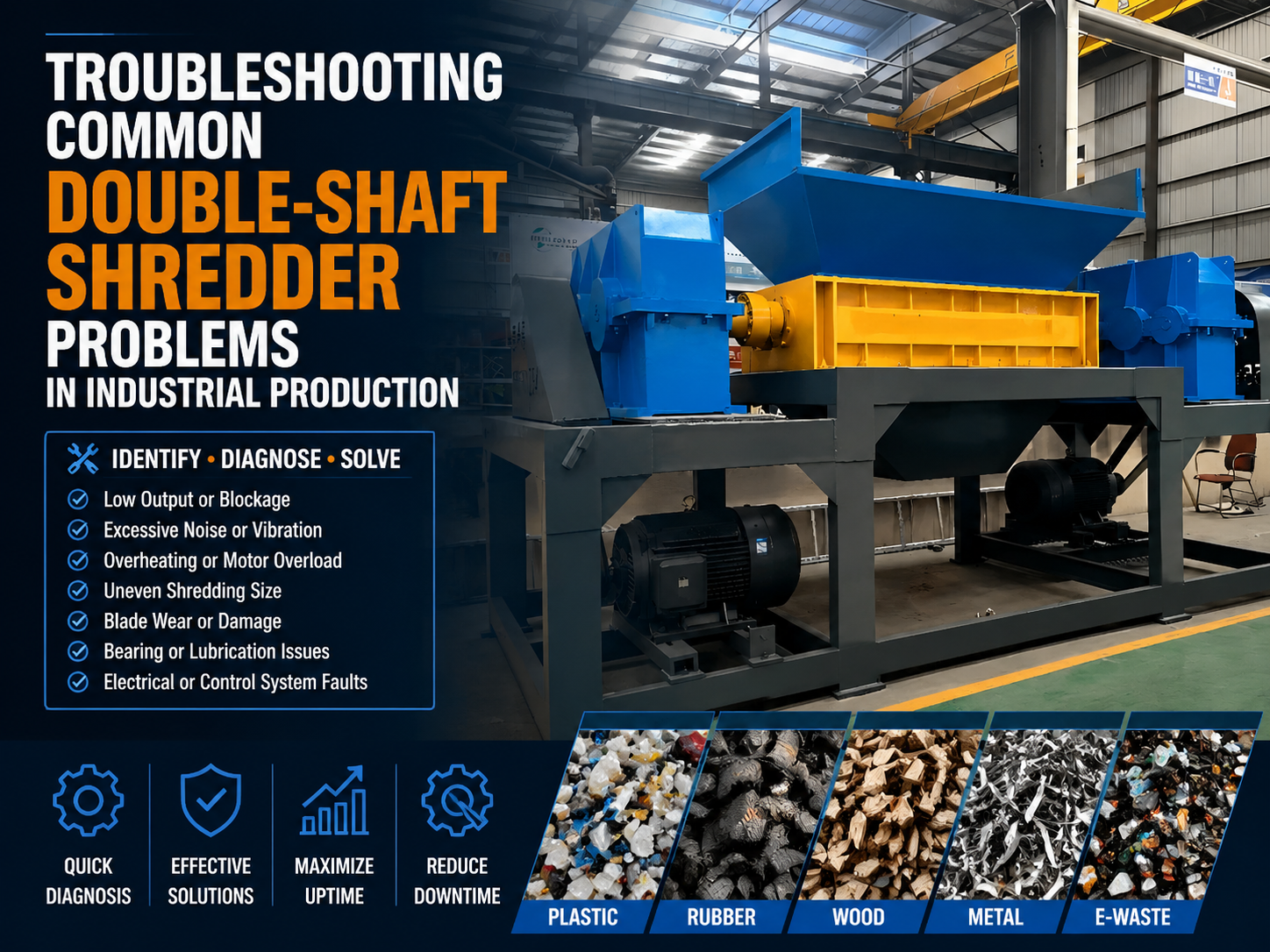
Technical Overview of Double-Shaft Shredders
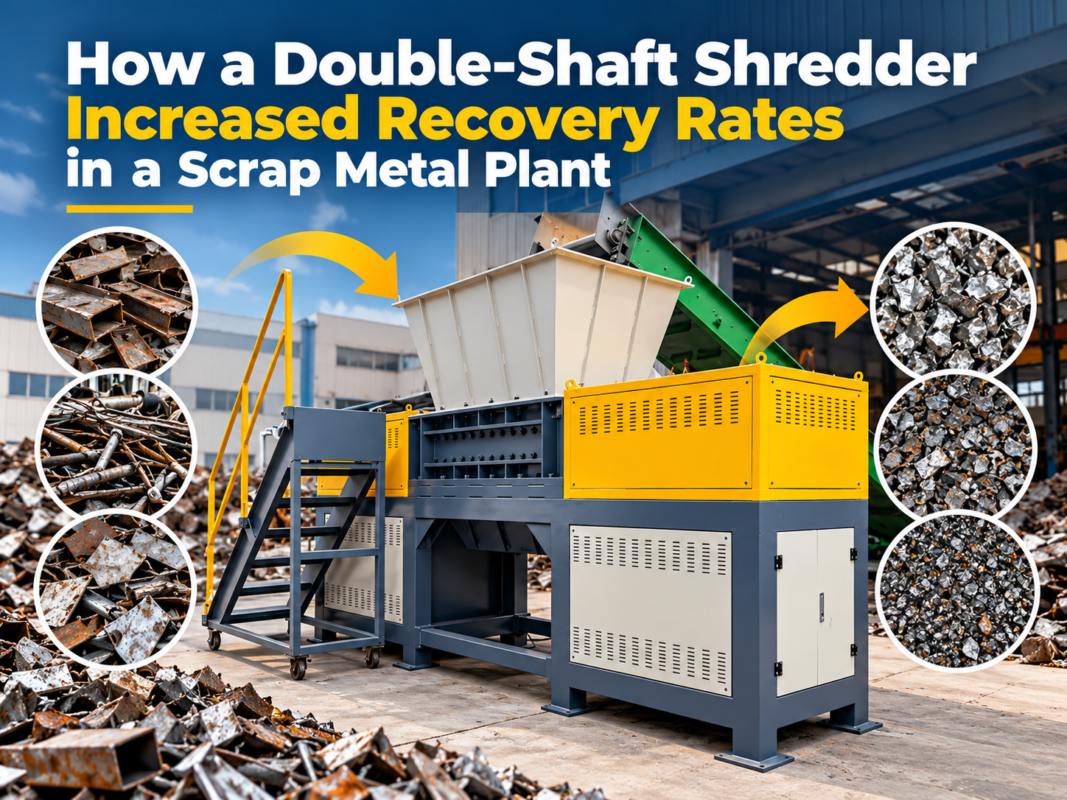
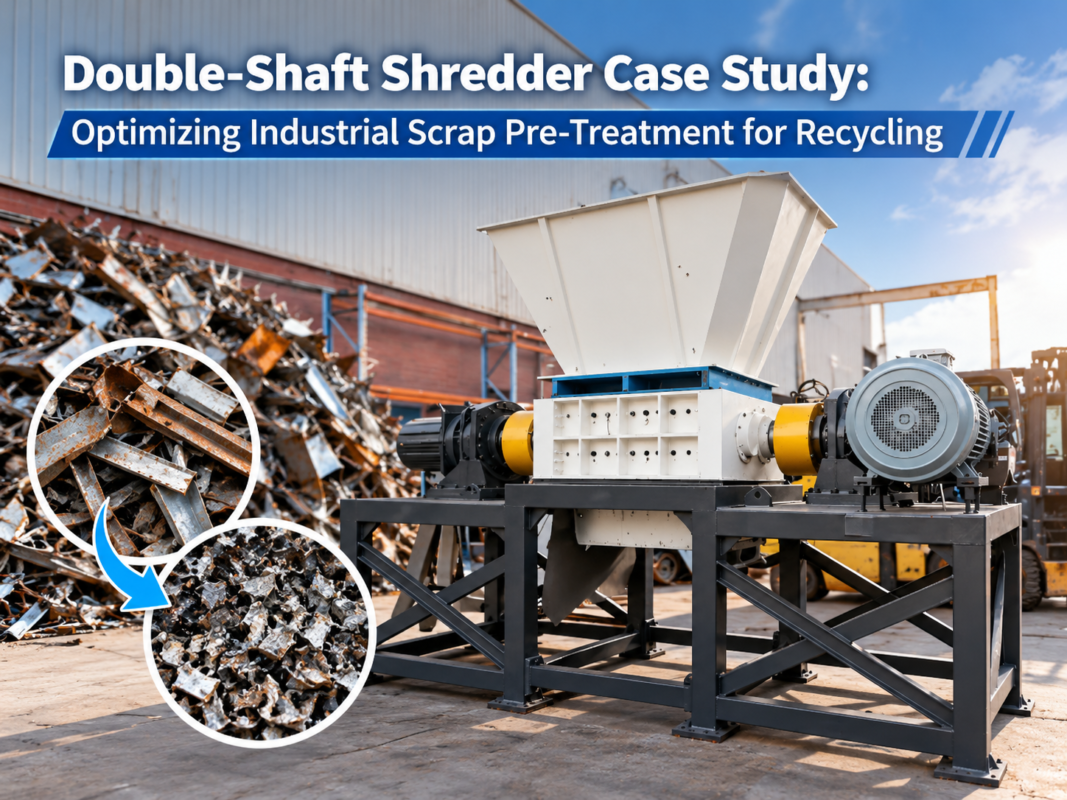
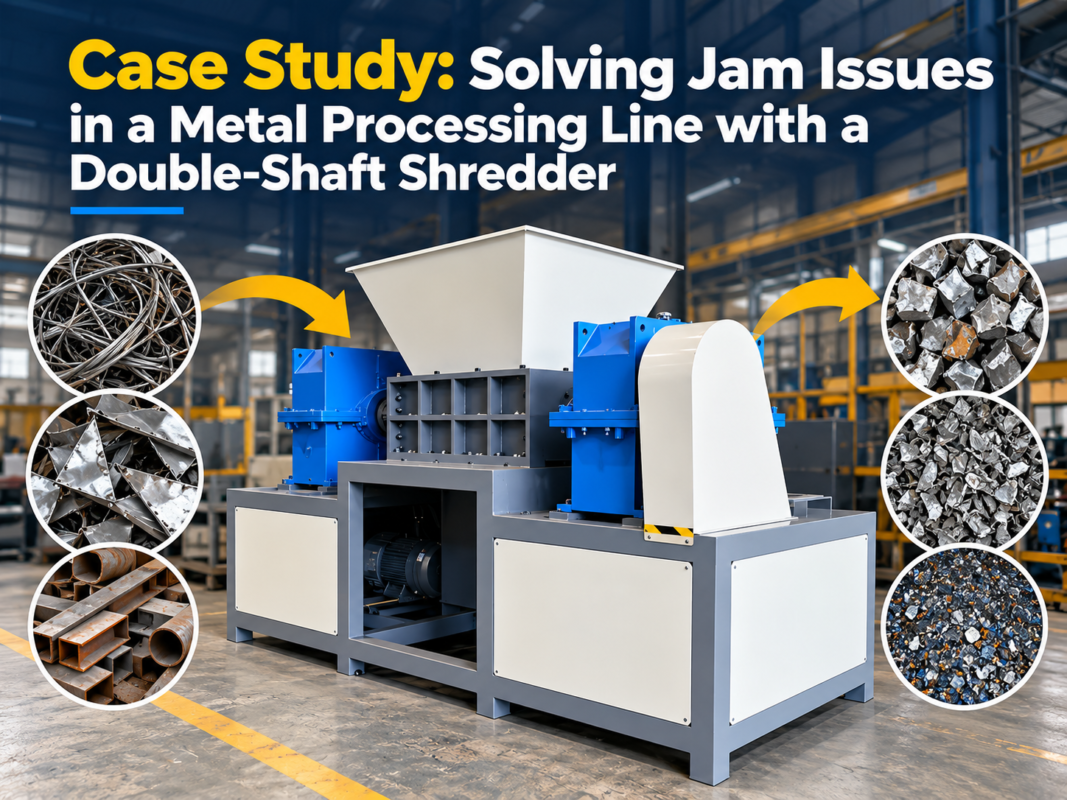
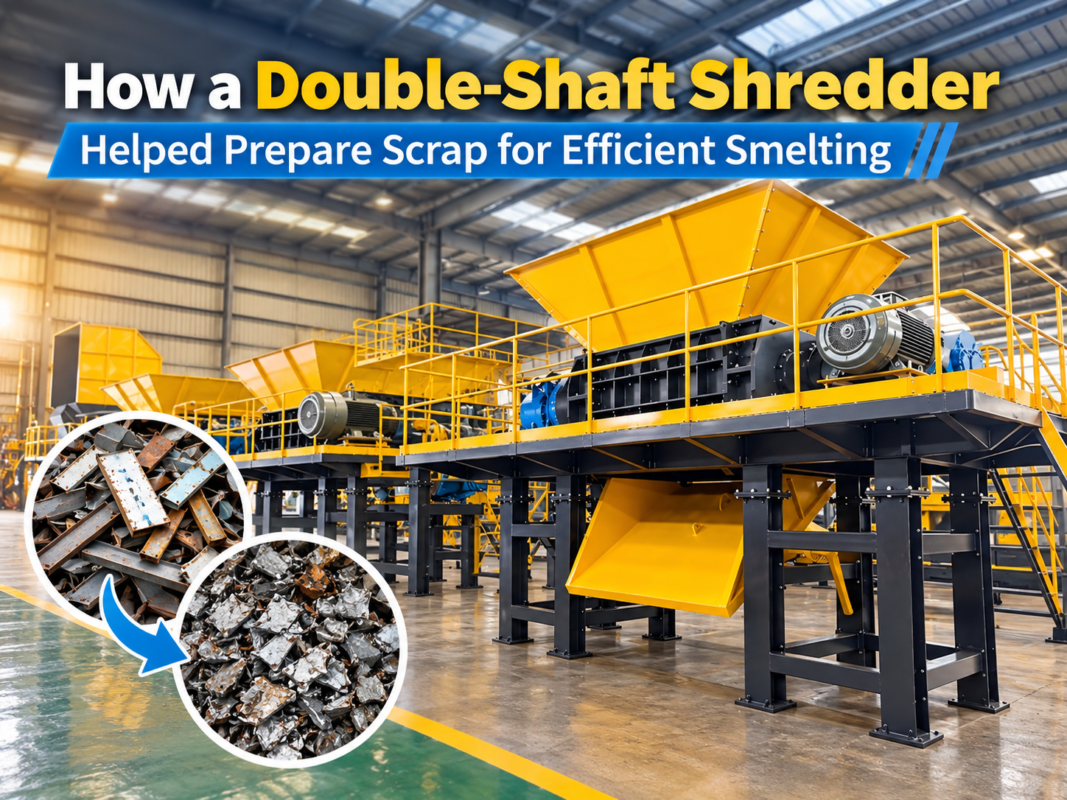
In the realm of industrial waste management and material recycling, the double-shaft shredder stands as a cornerstone of efficiency. These machines are engineered to handle high volumes of diverse materials, ranging from plastics and rubber to scrap metal and electronic waste. The fundamental principle of a double-shaft shredder involves two parallel shafts equipped with interlocking blades that rotate at low speeds with high torque. This mechanical action creates a powerful shearing and tearing force, effectively reducing large, bulky items into manageable fragments. For manufacturers like HARSLE, ensuring these machines operate at peak performance is critical for maintaining production timelines and minimizing operational costs.
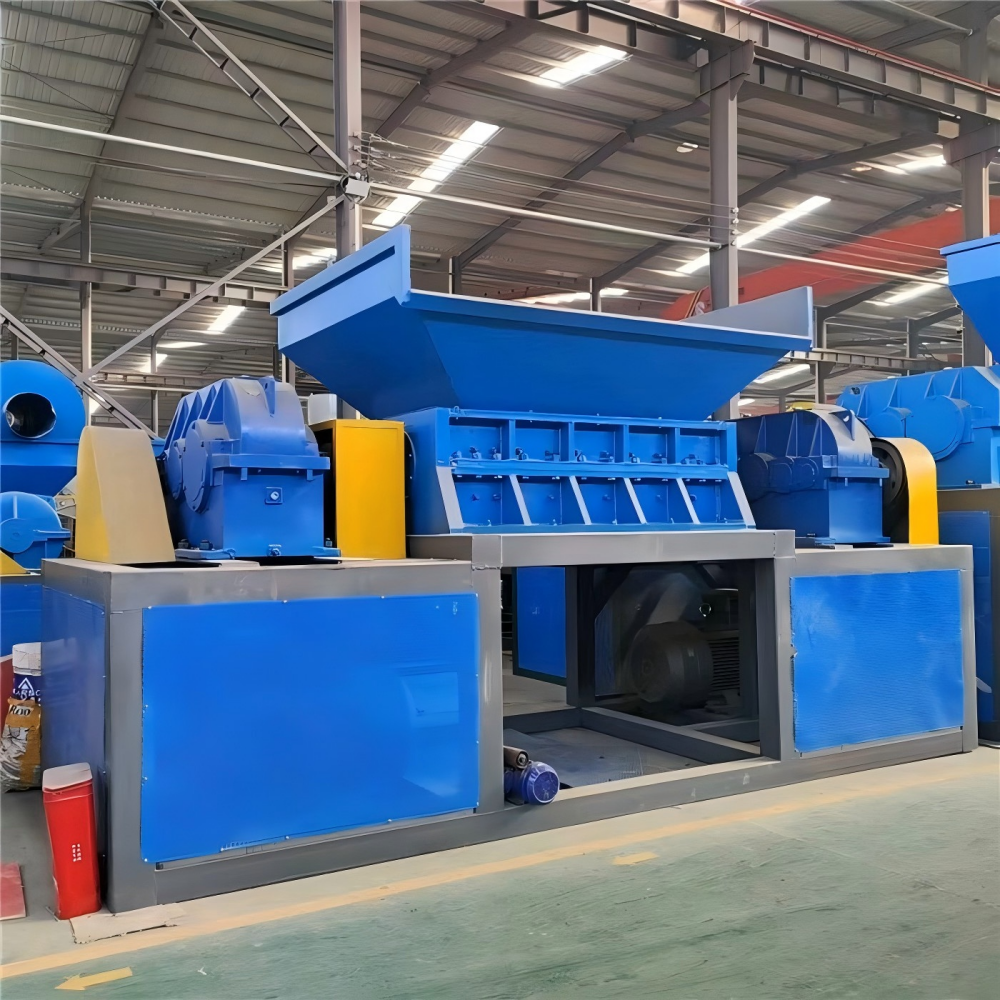
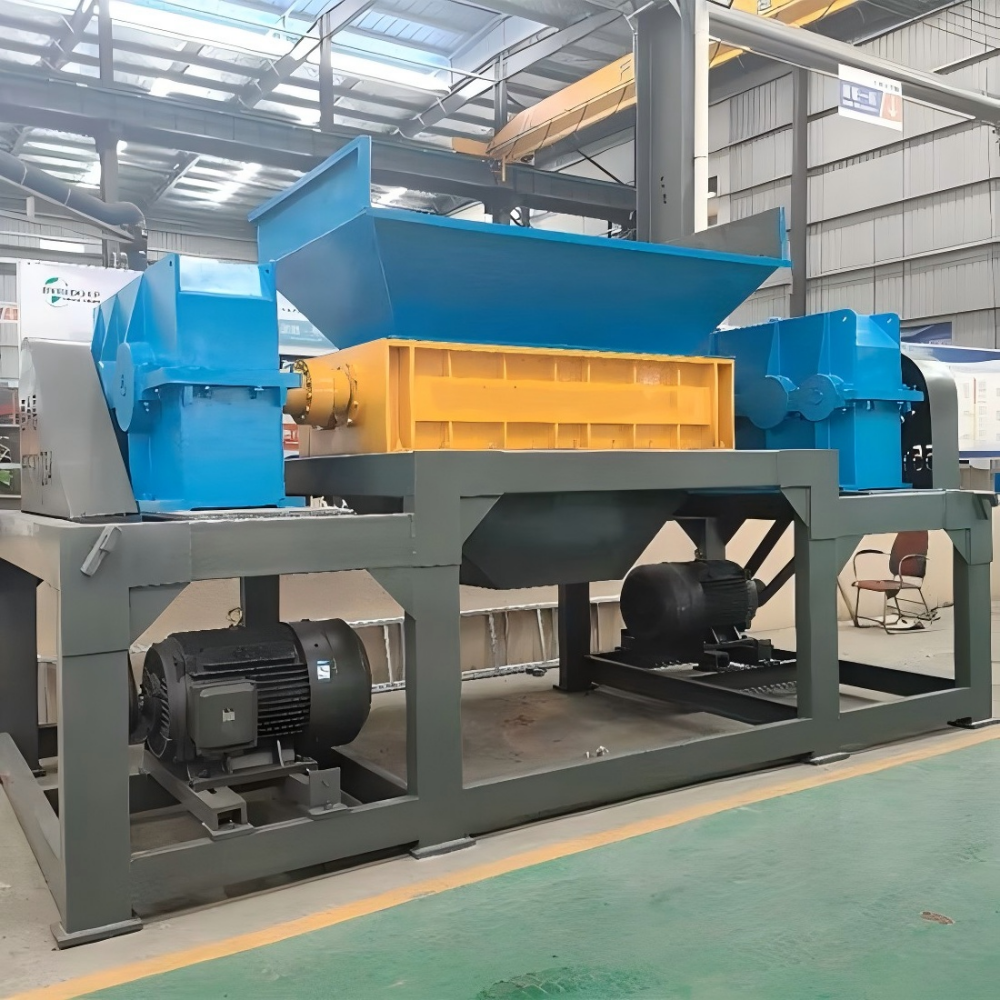
The architecture of a double-shaft shredder is designed for durability. It typically consists of a robust shredding chamber, high-strength alloy blades, a heavy-duty gearbox, and a sophisticated PLC control system. Unlike single-shaft shredders that rely on high-speed impact, the double-shaft variant excels in processing tough, resilient materials that would otherwise cause excessive wear or jamming in high-speed systems. The low-speed operation also offers the benefit of reduced noise and dust generation, making it a preferred choice for environmentally conscious industrial environments.
However, the harsh nature of industrial shredding means that these machines are subject to significant mechanical stress. Over time, components may wear, sensors may misalign, and hydraulic systems may lose pressure. Understanding the technical nuances of these machines is the first step in effective troubleshooting. By identifying the root causes of common issues—such as material bridging, blade dulling, or gearbox overheating—operators can implement preventative measures that extend the machine’s lifespan and ensure consistent output quality.
Modern double-shaft shredders are increasingly integrated with smart monitoring systems. These systems track parameters like motor current, shaft RPM, and bearing temperature in real-time. When troubleshooting common double-shaft shredder problems in industrial production, these data points become invaluable. They allow for a diagnostic approach that moves beyond guesswork, enabling maintenance teams to pinpoint failures before they lead to catastrophic downtime. As we delve deeper into this guide, we will explore the specific parameters and calculations that define shredder performance and how to rectify deviations from these standards.
Core Parameters of Double-Shaft Shredders
To effectively troubleshoot a double-shaft shredder, one must first understand the core parameters that govern its operation. These parameters are not just numbers on a spec sheet; they are the vital signs of the machine. The most critical parameter is Torque. Torque is the rotational force generated by the motor and amplified by the gearbox. In shredding applications, high torque is essential for overcoming the resistance of tough materials. If a shredder frequently stalls or triggers its auto-reverse function, it often indicates that the material’s shear resistance exceeds the machine’s available torque.
Another vital parameter is Shaft Speed (RPM). Double-shaft shredders typically operate at speeds between 10 and 60 RPM. While a higher speed might seem desirable for throughput, it often comes at the cost of torque and increased blade wear. The balance between speed and torque is managed by the gear ratio. Troubleshooting often involves checking if the RPM is consistent; fluctuations can indicate slipping belts, failing couplings, or electrical issues within the VFD (Variable Frequency Drive).
Blade Geometry and Material also serve as core parameters. The thickness of the blades, the number of hooks (teeth), and the alloy composition (such as D2, SKD-11, or DC53) determine what the machine can process. For instance, a shredder designed for plastic film will have different blade profiles than one designed for car tires. When troubleshooting poor cutting performance, inspecting the blade gap—the clearance between the interlocking teeth—is paramount. A gap that is too wide will result in material tearing rather than shearing, leading to inefficient processing and increased energy consumption.
Finally, Motor Power and Current Draw are essential indicators of machine health. The motor must be sized correctly for the intended application. During operation, monitoring the amperage can reveal if the machine is being overloaded. A sudden spike in current draw usually points to a foreign object (tramp metal) jammed in the chamber or a bearing that is beginning to seize. By keeping a log of these core parameters during normal operation, maintenance teams can establish a baseline that makes troubleshooting deviations much simpler.
Calculation Method for Shredder Performance
Quantifying the performance of a double-shaft shredder involves several key calculations. These formulas help engineers determine if the machine is operating within its design limits and assist in diagnosing efficiency drops. The most fundamental calculation is for Throughput Capacity (Q). This is typically measured in tons per hour (t/h) and is influenced by the shaft speed, the volume of the shredding chamber, and the bulk density of the material.
The formula for theoretical throughput can be expressed as:
Q = V × n × η × ρ
Where:
– V is the volume of material displaced per revolution.
– n is the rotational speed (RPM).
– η is the filling efficiency factor (usually between 0.3 and 0.6).
– ρ is the bulk density of the material.
If the actual throughput is significantly lower than the calculated value, troubleshooting should focus on the feeding mechanism or the condition of the blades. If the blades are dull, the filling efficiency (η) drops because the material is not being effectively “grabbed” and pulled into the shearing zone.
Another critical calculation is the Required Cutting Force (Fc). This is necessary to ensure the motor and gearbox can handle the specific material. The cutting force depends on the shear strength of the material (τ) and the cross-sectional area being cut (A):
Fc = τ × A
From this, the required torque (T) at the shaft can be derived:
T = Fc × r
Where r is the radius of the blade. When troubleshooting a machine that frequently jams, comparing the material’s required torque against the machine’s rated torque often reveals that the material is too hard or too thick for the current configuration.
Parameter Table for Industrial Shredders
The following table provides a reference for typical parameters across different classes of double-shaft shredders. Use this table to compare your machine’s performance during troubleshooting.
| Parameter | Light Duty (Plastic/Paper) | Medium Duty (Wood/E-Waste) | Heavy Duty (Metal/Tires) |
|---|---|---|---|
| Motor Power (kW) | 15 – 30 | 45 – 90 | 110 – 300+ |
| Shaft Speed (RPM) | 20 – 40 | 15 – 25 | 10 – 18 |
| Blade Thickness (mm) | 10 – 20 | 30 – 50 | 50 – 100+ |
| Torque (Nm) | 5,000 – 15,000 | 25,000 – 60,000 | 80,000 – 200,000+ |
| Throughput (t/h) | 0.5 – 2.0 | 2.0 – 8.0 | 10.0 – 30.0+ |
Common Engineering Mistakes in Shredder Operation
One of the most frequent mistakes in industrial shredding is Inconsistent Feeding. Operators often “slug feed” the machine, dumping a large volume of material into the hopper all at once. This causes a massive spike in torque, leading to frequent auto-reversals and unnecessary wear on the motor and gearbox. A steady, metered feed is essential for maintaining a constant load and maximizing throughput. Troubleshooting a machine that “hunts” or fluctuates in speed often leads back to poor feeding habits.
Another common error is Neglecting Blade Maintenance. Many facilities run blades until they are completely rounded off. Dull blades don’t just produce poor quality output; they increase the mechanical load on the entire drive train. As the blades lose their edge, they require more force to penetrate the material, which generates excess heat and can lead to premature bearing failure. Regularly scheduled blade sharpening or rotation is a much cheaper alternative to replacing a shattered gearbox.
Improper Lubrication is a silent killer of industrial machinery. Double-shaft shredders operate in dusty, dirty environments. If the automatic lubrication system is not checked daily, or if the wrong grade of grease is used, the main bearings will overheat. During troubleshooting, if you detect a high-pitched squeal or excessive heat near the shaft ends, lubrication failure is the primary suspect. Furthermore, failing to change the gearbox oil according to the manufacturer’s schedule can lead to internal gear pitting and eventual failure.
Finally, Ignoring Vibration and Noise is a critical mistake. Every machine has a “signature” sound. Experienced operators can often hear a problem before it becomes a failure. Excessive vibration is usually a sign of an unbalanced shaft, a loose mounting bolt, or a failing coupling. If left unaddressed, these vibrations can cause fatigue cracks in the shredder frame. Troubleshooting should always include a physical inspection of all fasteners and a check for structural integrity.
Selection Checklist for Double-Shaft Shredders
When purchasing or upgrading a double-shaft shredder, use this checklist to ensure the machine meets your industrial requirements and minimizes future troubleshooting needs:
- Blade Material: Ensure the blades are made from high-alloy tool steel (e.g., D2 or H13) with proper heat treatment (HRC 55-58).
- Drive System: Choose between electric and hydraulic drives based on your material. Hydraulic drives offer better shock absorption for unpredictable waste streams.
- PLC Controls: Look for systems with advanced logic that includes auto-reverse, overload protection, and telematics for remote diagnostics.
- Ease of Maintenance: Can the blades be changed without dismantling the entire shaft? Look for “split-block” bearing designs.
- Gearbox Service Factor: Ensure the gearbox has a high service factor (1.5 or higher) to handle the shock loads inherent in shredding.
- Sealing System: Check that the bearings are protected by multiple seals to prevent dust and liquid ingress, especially in E-waste or organic applications.
- Structural Rigidity: The frame should be heavy-duty welded steel, stress-relieved to prevent warping under high torque.
- Safety Features: Emergency stops, hopper interlocks, and fire suppression systems (for reactive materials) are non-negotiable.
FAQ: Troubleshooting Common Double-Shaft Shredder Problems
Q1: Why does my shredder keep reversing automatically?
A: Auto-reversal is a safety feature triggered when the motor current exceeds a set limit, indicating a jam or material that is too tough. Check for “tramp metal” (unshreddable objects), ensure the material size isn’t too large for the hooks to grab, and verify that the blades are sharp. If it happens with normal material, your torque settings or motor capacity may be insufficient.
Q2: What causes excessive heat in the gearbox?
A: Gearbox overheating is usually caused by low oil levels, contaminated oil, or operating the machine beyond its rated capacity for extended periods. It can also be a sign of internal gear wear or bearing failure. Check the oil level and quality immediately, and ensure the cooling fans (if equipped) are functional.
Q3: How often should I sharpen the shredder blades?
A: This depends entirely on the material. Shredding abrasive materials like glass-filled plastics or contaminated wood will require more frequent sharpening than clean film. As a rule of thumb, inspect blades every 40-80 operating hours. If the edges are rounded or the throughput drops by 20%, it’s time for maintenance.
Q4: Why is there a lot of dust and fine particles in the output?
A: This is often a sign of “grinding” rather than “shearing.” Check the gap between the blades. If the clearance is too large, the material is crushed and rubbed between the blades rather than being cut cleanly, which generates fines and dust. Adjusting the spacers or replacing worn blades will resolve this.
Q5: Can I shred metal with a shredder designed for plastic?
A: Generally, no. Shredders are engineered for specific torque and shear force profiles. Attempting to shred metal in a plastic-grade machine will likely result in broken blades, a twisted shaft, or a destroyed gearbox. Always consult the manufacturer before changing the material stream.
Q6: What should I do if the machine vibrates excessively?
A: Stop the machine immediately. Check for loose foundation bolts, damaged couplings, or a bent shaft. Also, inspect the blades to see if a large piece of material is stuck on one side, causing an imbalance. Long-term vibration will lead to structural failure if not corrected.