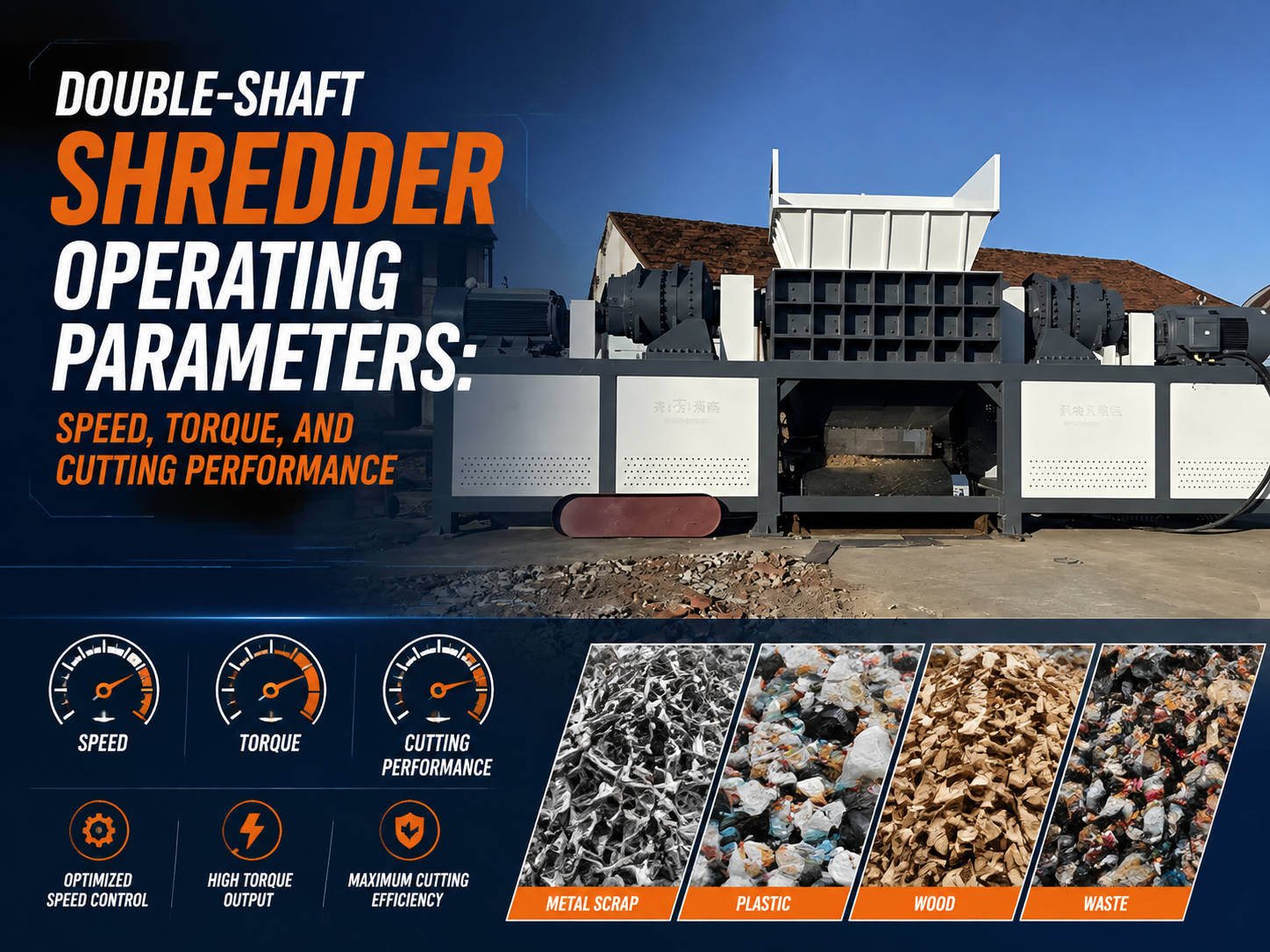
Double-Shaft Shredder Operating Parameters: Speed, Torque, and Cutting Performance

Technical Overview of Double-Shaft Shredders
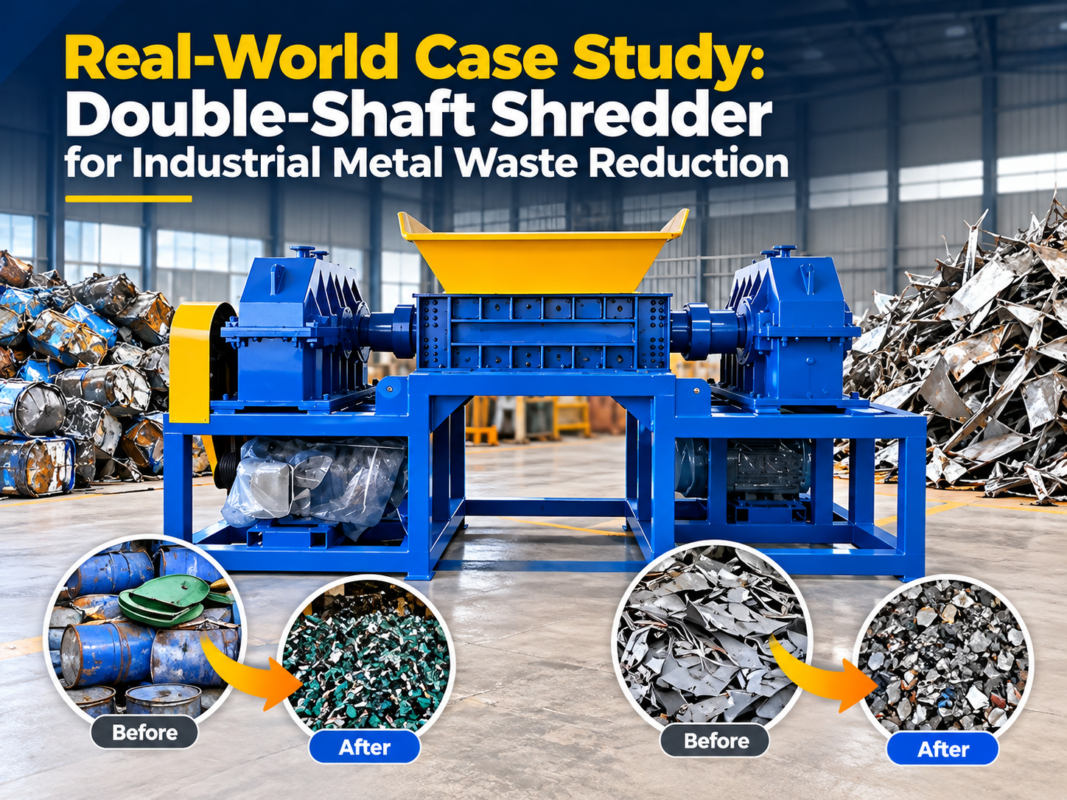
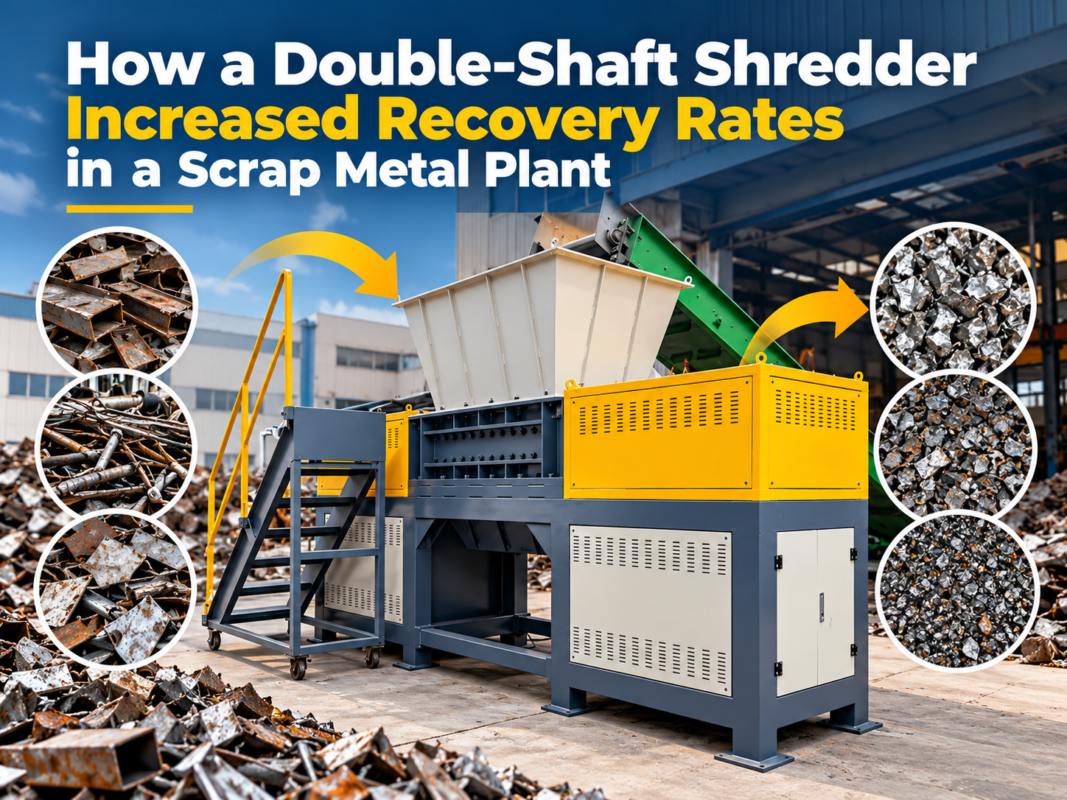
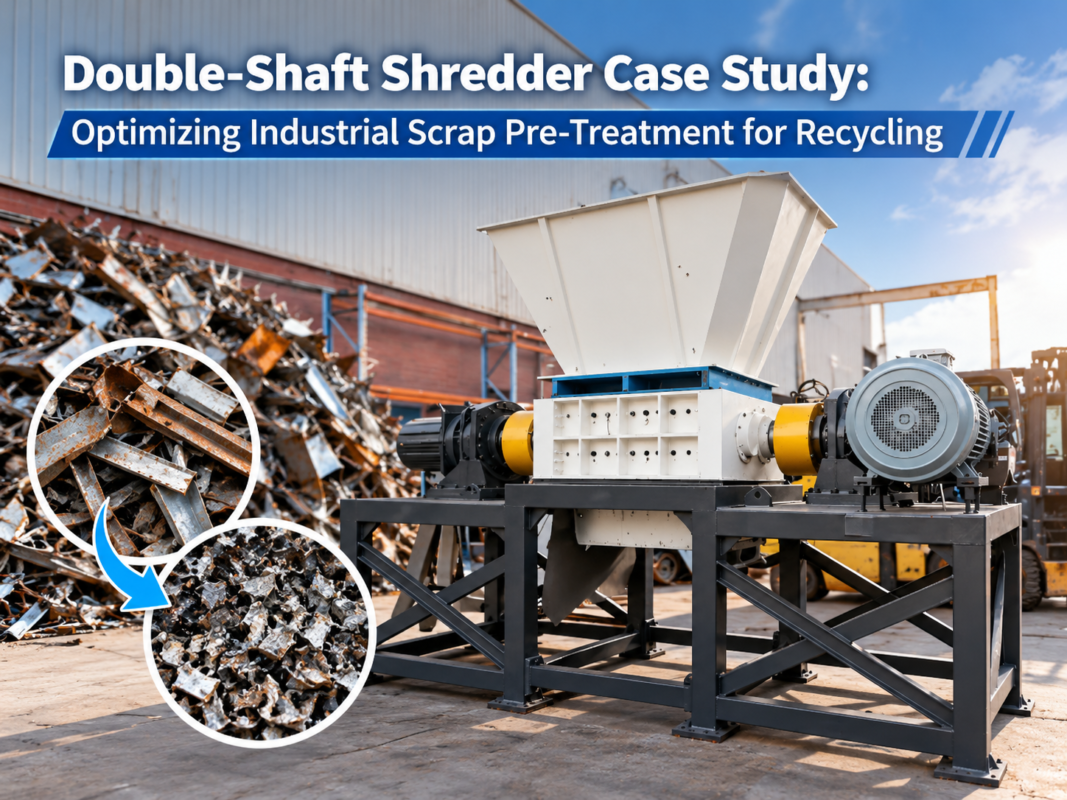
The double-shaft shredder, often referred to as a shear-type shredder, is a cornerstone of modern industrial recycling and waste management. Unlike high-speed granulators that rely on impact and centrifugal force, the double-shaft shredder operates on the principle of low-speed, high-torque shearing. This mechanical approach is designed to handle bulky, tough, and heterogeneous materials that would otherwise damage lighter equipment. By utilizing two parallel shafts equipped with interlocking cutting discs, the machine pulls material into the center of the cutting chamber, where it is subjected to immense shearing forces.
At HARSLE, we recognize that the efficiency of a shredding operation is not merely a product of raw power but a delicate balance of mechanical variables. The interaction between the shafts, the geometry of the blades, and the drive system’s response to resistance defines the machine’s performance. Understanding the Double-Shaft Shredder Operating Parameters: Speed, Torque, and Cutting Performance is essential for any facility looking to optimize throughput, minimize energy consumption, and extend the lifespan of their equipment. This guide delves into the physics and engineering behind these parameters to provide a roadmap for peak operational efficiency.
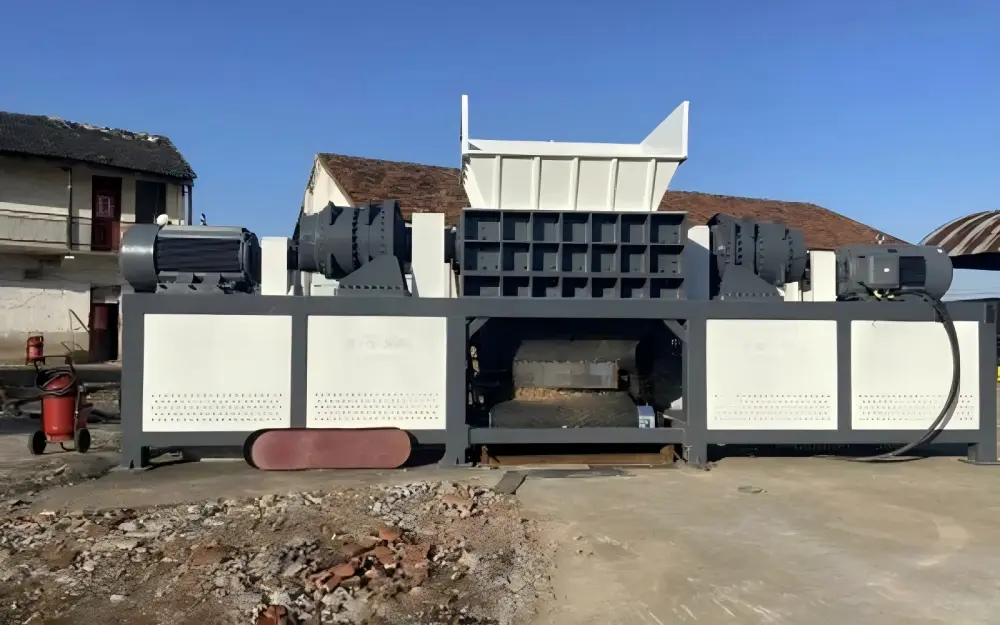
The fundamental advantage of the double-shaft design lies in its ability to process high volumes of material with relatively low dust and noise emissions. Because the shafts rotate at lower speeds—typically between 10 and 40 RPM—the risk of projectiles is minimized, and the mechanical stress on the frame is distributed more evenly. However, this low speed necessitates a massive amount of torque to overcome the structural integrity of materials like scrap metal, rubber tires, and reinforced plastics. In the following sections, we will break down how these core parameters interact to create a high-performance cutting environment.
Core Parameters: Speed, Torque, and Power
1. Rotational Speed (RPM)
In the context of double-shaft shredders, speed is often misunderstood. While a higher RPM might suggest faster processing, it often comes at the expense of torque. The rotational speed of the shafts determines the linear velocity of the cutting teeth. For most industrial applications, the speed is kept low to ensure that the teeth can “bite” into the material effectively. If the speed is too high, the blades may simply skip over the surface of hard materials, leading to inefficient shredding and excessive heat generation.
Variable Frequency Drives (VFDs) are frequently employed to allow operators to adjust the speed based on the material being processed. For example, brittle materials like electronic waste (e-waste) can often be processed at slightly higher speeds, whereas elastic or extremely tough materials like truck tires require the slowest possible speed to maximize the engagement time between the blade and the material.
2. Torque (The Driving Force)
Torque is arguably the most critical parameter in shredder performance. It is the rotational force applied by the motor through the gearbox to the shafts. In a double-shaft shredder, torque is what allows the blades to shear through thick steel plates or dense plastic blocks. The relationship between torque and speed is inverse; for a given motor power, decreasing the speed increases the available torque. This is why heavy-duty shredders utilize high-ratio gearboxes to transform high-speed motor rotation into slow, unstoppable crushing force.
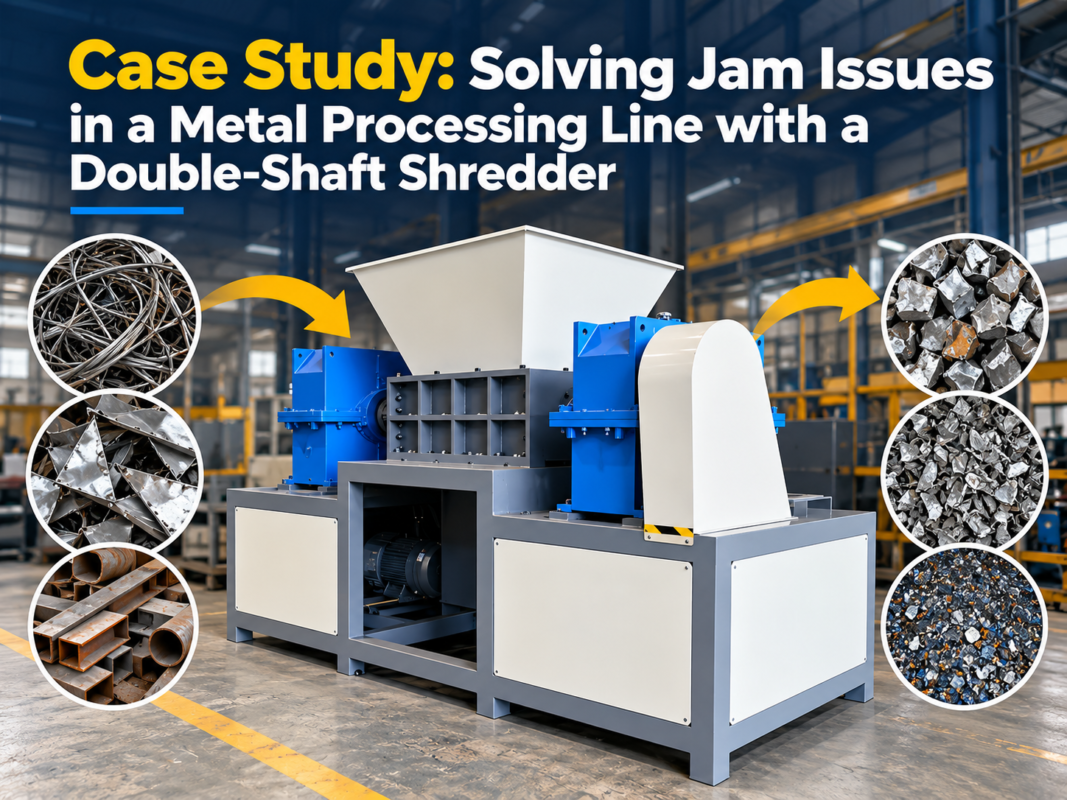
When the shredder encounters an unshreddable object or a particularly dense mass, the torque demand spikes. Modern HARSLE shredders are equipped with intelligent PLC systems that monitor this torque. If the torque exceeds a pre-set safety limit, the machine automatically reverses the shafts to clear the jam before attempting to shred the material again. This “auto-reverse” function is vital for protecting the gearbox and motor from catastrophic failure.
3. Cutting Performance and Blade Geometry
Cutting performance is the practical result of speed and torque acting through the blade’s geometry. The number of hooks on a blade, the thickness of the blade, and the material composition of the cutting discs all play a role. A blade with more hooks will provide more frequent cuts but may struggle to grab large, bulky items. Conversely, a single-hook blade is excellent for grabbing and pulling in large objects but produces a coarser output. The cutting performance is also influenced by the “clearing” or the gap between the interlocking blades; a tighter tolerance results in a cleaner shear, which is essential for thin materials like sheet metal or plastic films.
Calculation Method for Shredder Parameters
Engineering a shredder requires precise calculations to ensure the motor and gearbox are sized correctly for the intended application. The primary formula used to relate power, torque, and speed is:
T = (P × 9550) / n
Where:
T = Torque in Newton-meters (Nm)
P = Power in kilowatts (kW)
n = Rotational speed in revolutions per minute (RPM)
9550 = A constant for unit conversion
To calculate the required cutting force at the tip of the blade, we use the formula:
F = T / r
Where F is the force in Newtons and r is the radius of the cutting disc in meters. This calculation helps engineers determine if the shredder can generate enough force to exceed the shear strength of the target material. For instance, if you are shredding aluminum scrap with a known shear strength, the force F must be significantly higher than the resistance offered by the cross-sectional area of the scrap.
Furthermore, throughput (capacity) can be estimated by calculating the volume of material displaced by the blades per revolution, multiplied by the RPM and the bulk density of the material. However, real-world throughput is often lower than theoretical calculations due to material feeding inconsistencies and the time taken for auto-reverse cycles.
Parameter Table: Material-Specific Settings
The following table provides a general guideline for the Double-Shaft Shredder Operating Parameters: Speed, Torque, and Cutting Performance across various common materials. Note that these values can vary based on specific machine models and blade configurations.
| Material Type | Recommended RPM | Torque Requirement | Blade Thickness (mm) | Typical Power (kW) |
|---|---|---|---|---|
| Plastic Drums/Crates | 20 – 30 | Medium | 20 – 40 | 30 – 75 |
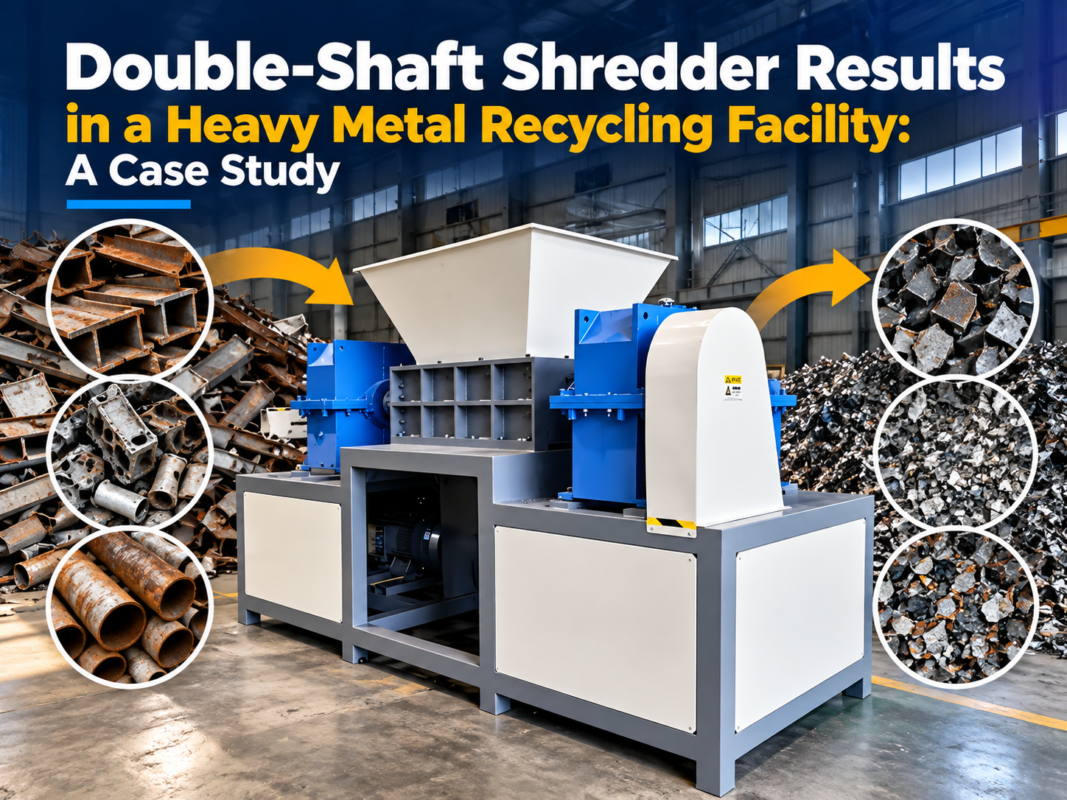
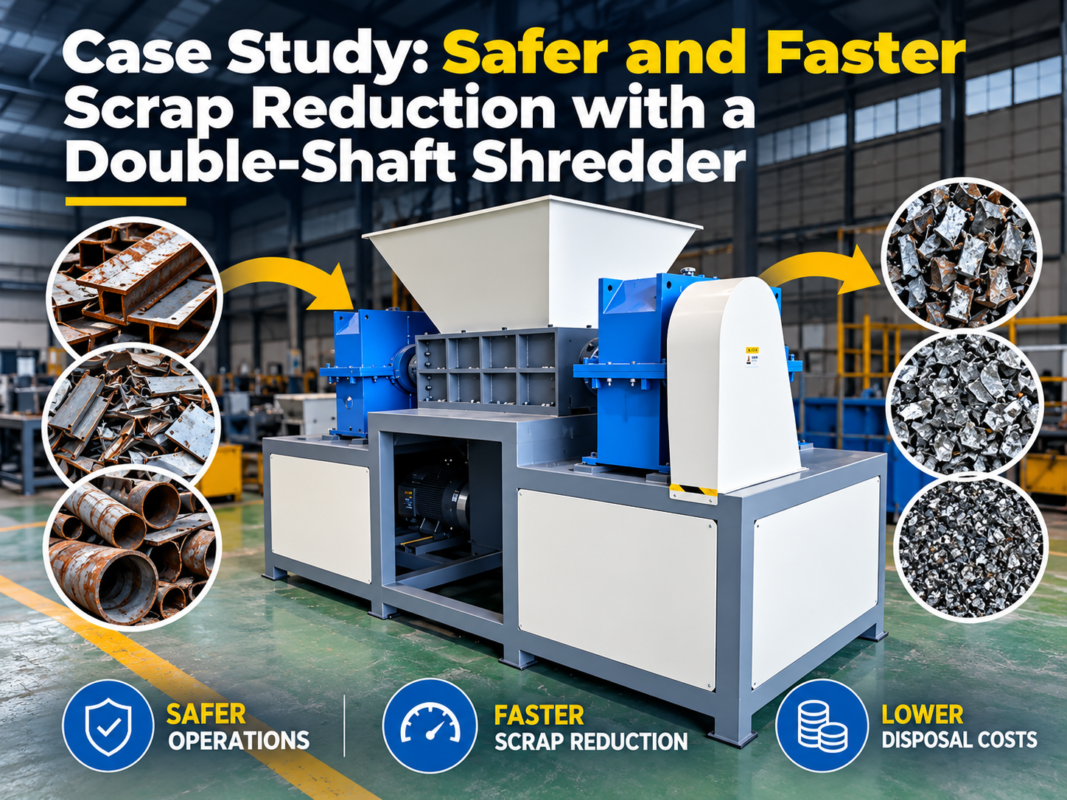
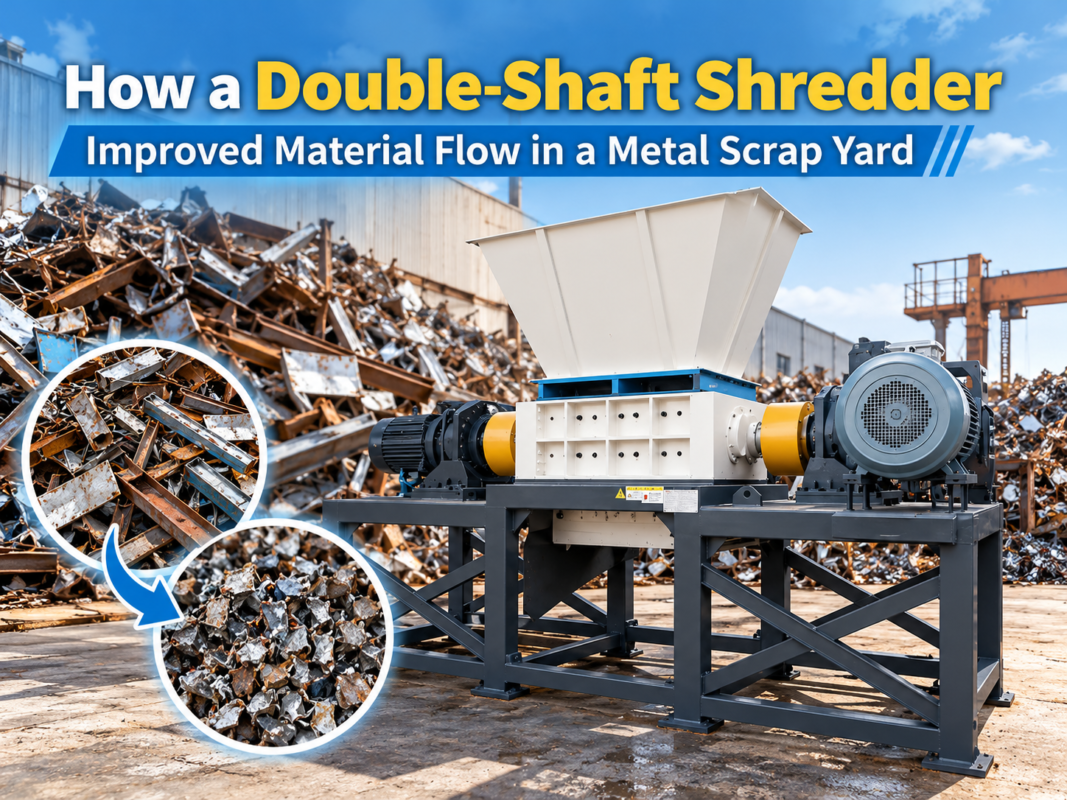
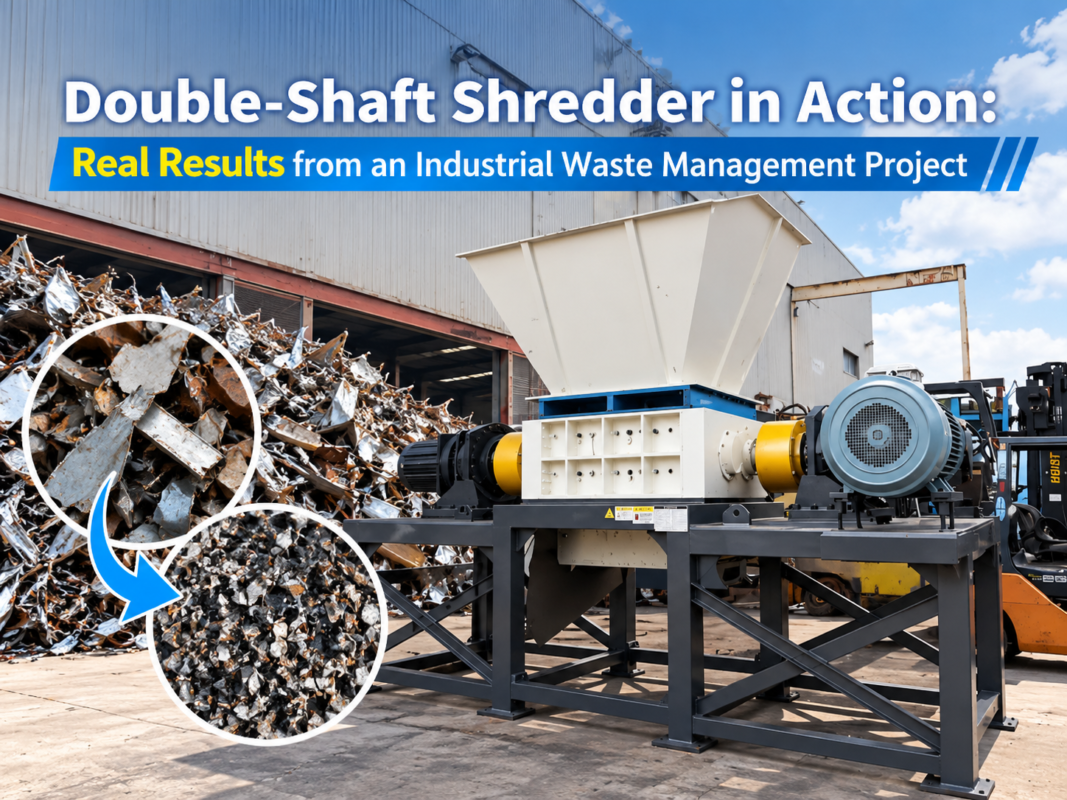
| Scrap Metal (Light) | 10 – 15 | Very High | 30 – 50 | 90 – 160 |
| Rubber Tires | 12 – 18 | High | 40 – 60 | 75 – 132 |
| Wood Pallets | 25 – 35 | Medium-Low | 30 – 50 | 45 – 90 |
| Electronic Waste | 15 – 25 | Medium-High | 15 – 30 | 37 – 75 |
| Paper/Cardboard | 30 – 40 | Low | 10 – 20 | 22 – 45 |
Common Engineering Mistakes in Shredder Operation
Even with high-quality machinery, improper operation or configuration can lead to sub-optimal results. One of the most common mistakes is over-speeding. Operators often believe that increasing the RPM will linearly increase production. However, in double-shaft shredders, excessive speed often leads to the blades “polishing” the material rather than grabbing it. This increases friction and heat, which can soften plastics (causing them to wrap around the shaft) or dull the blades prematurely.
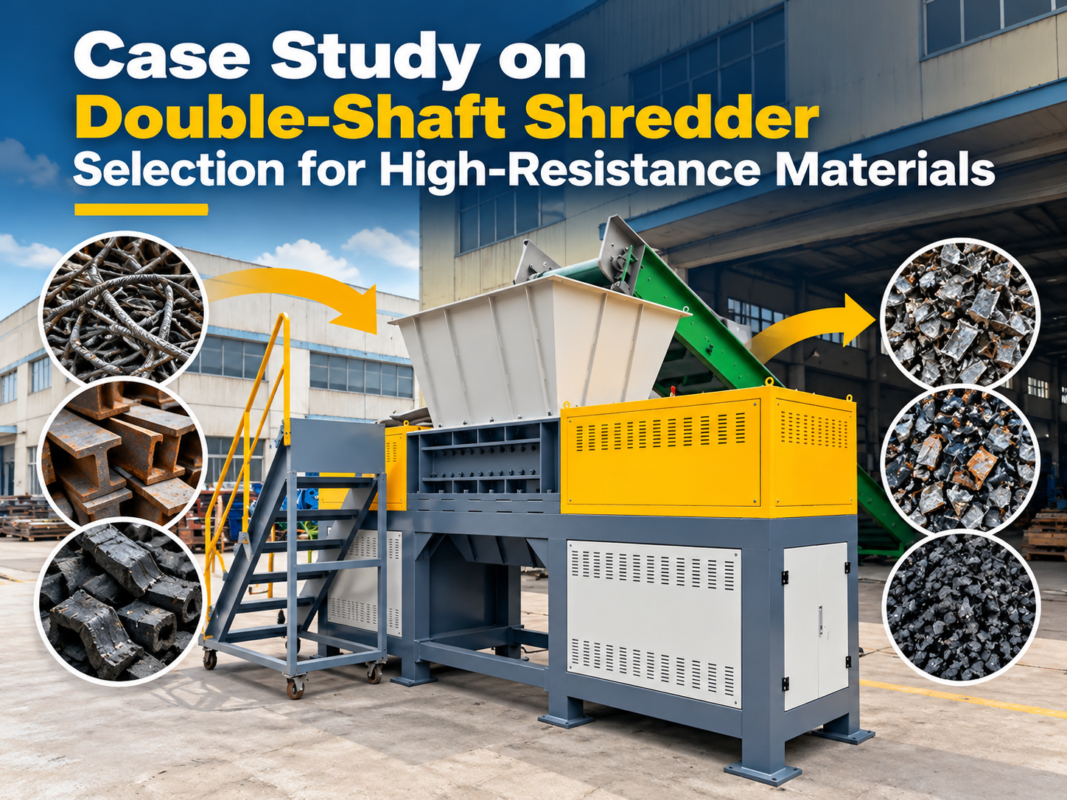
Another frequent error is under-estimating the torque required for specific alloys. Not all metals are created equal; stainless steel requires significantly more torque to shear than aluminum. If a shredder is specified for light aluminum scrap and is then fed heavy stainless steel sections, the motor will constantly trip, or the gearbox may suffer fatigue failure. It is crucial to match the machine’s torque profile to the toughest material in the waste stream.
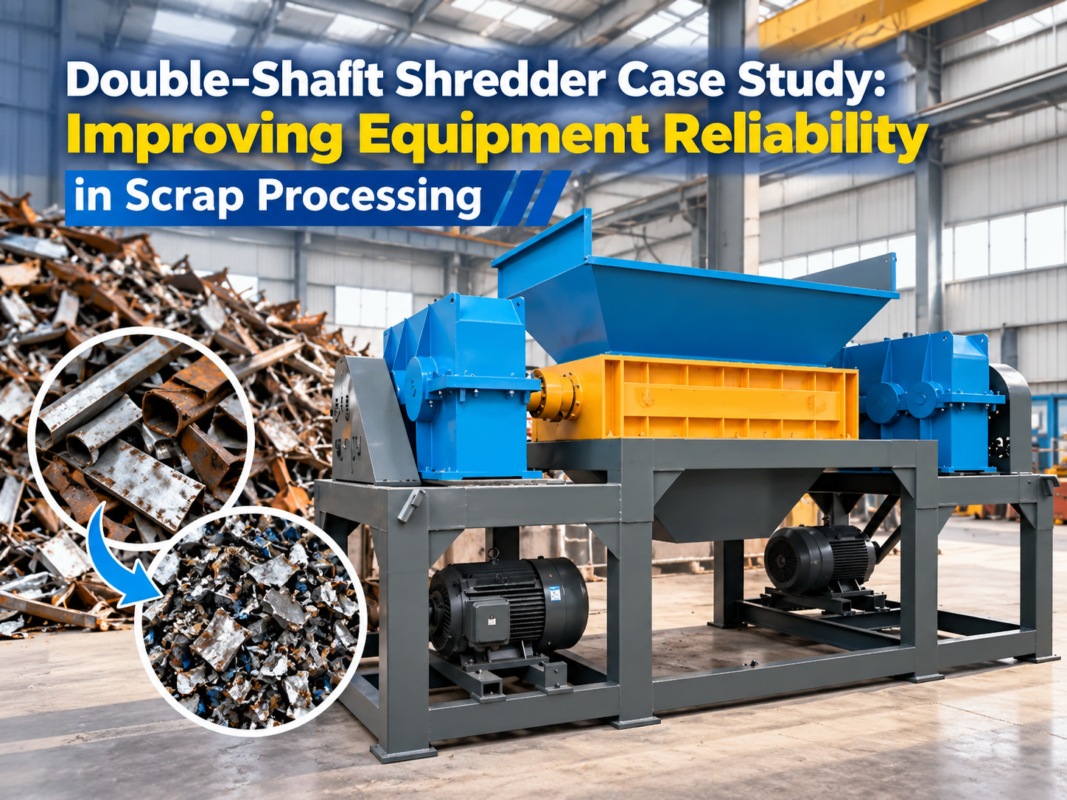
Ignoring blade maintenance and gap adjustment is a third critical mistake. As blades wear down, the gap between the interlocking discs increases. This reduces the shearing efficiency and shifts the mechanical load from a “cut” to a “tear.” Tearing requires significantly more energy and places uneven stress on the shafts and bearings. Regular hard-facing or replacement of blades is not just a maintenance task; it is a parameter optimization strategy.
Selection Checklist for Double-Shaft Shredders
When selecting a shredder, use the following checklist to ensure the operating parameters align with your production goals:
- Material Analysis: What is the maximum thickness and shear strength of the material? This dictates the required torque.
- Output Size Requirements: Does the blade thickness and hook count produce the desired particle size in a single pass?
- Drive System: Is a hydraulic drive or an electric motor with a gearbox more suitable? (Hydraulic drives offer better shock absorption for extreme heavy-duty tasks).
- PLC Capabilities: Does the control system include advanced load sensing and customizable auto-reverse parameters?
- Cooling Systems: For high-torque applications, is there adequate cooling for the gearbox oil and the motor?
- Blade Metallurgy: Are the blades made from high-wear alloys like D2 or SKD-11, and are they heat-treated to the correct Rockwell hardness?
- Throughput Targets: Does the calculated volume per hour (based on RPM and blade geometry) meet your facility’s needs?
Frequently Asked Questions (FAQ)
What is the ideal speed for a double-shaft shredder?
The ideal speed typically ranges from 15 to 25 RPM for general waste. However, for metal and heavy tires, lower speeds (10-15 RPM) are preferred to maximize torque and reduce wear. For lighter materials like paper or thin plastics, speeds can be increased toward 40 RPM.
How does torque affect the lifespan of the shredder?
Torque itself is a measure of force, but operating at the limit of the machine’s torque capacity for extended periods can lead to gear fatigue. A well-specified shredder should operate at roughly 70-80% of its maximum torque capacity during normal processing to ensure a long service life for the gearbox and bearings.
Can I shred different materials with the same parameter settings?
While possible, it is not efficient. Using a VFD to adjust the speed and torque response for different materials can significantly improve throughput and reduce energy costs. HARSLE machines often come with pre-programmed modes for different material categories.
Why does my shredder keep reversing?
Frequent reversing usually indicates that the material is too tough for the current torque setting, the blades are dull, or the feeding rate is too high. Check the blade sharpness and consider reducing the feed rate to allow the shafts to process the material more effectively.
What maintenance is required to maintain cutting performance?
Key maintenance includes regular lubrication of bearings, checking gearbox oil levels, monitoring blade wear, and ensuring the bolts holding the cutting discs are torqued to specification. Periodic sharpening or hard-facing of the blade hooks is also essential for maintaining a clean shear.
Conclusion
Mastering the Double-Shaft Shredder Operating Parameters: Speed, Torque, and Cutting Performance is the key to a successful industrial shredding operation. By balancing these factors, operators can achieve high throughput while protecting their investment from unnecessary wear and tear. At HARSLE, we provide the engineering expertise and robust machinery needed to tackle the most demanding shredding challenges, ensuring that your facility remains productive and efficient in an ever-evolving recycling landscape.