Single-Shaft Shredder Energy Efficiency Guide for Industrial Recycling Lines

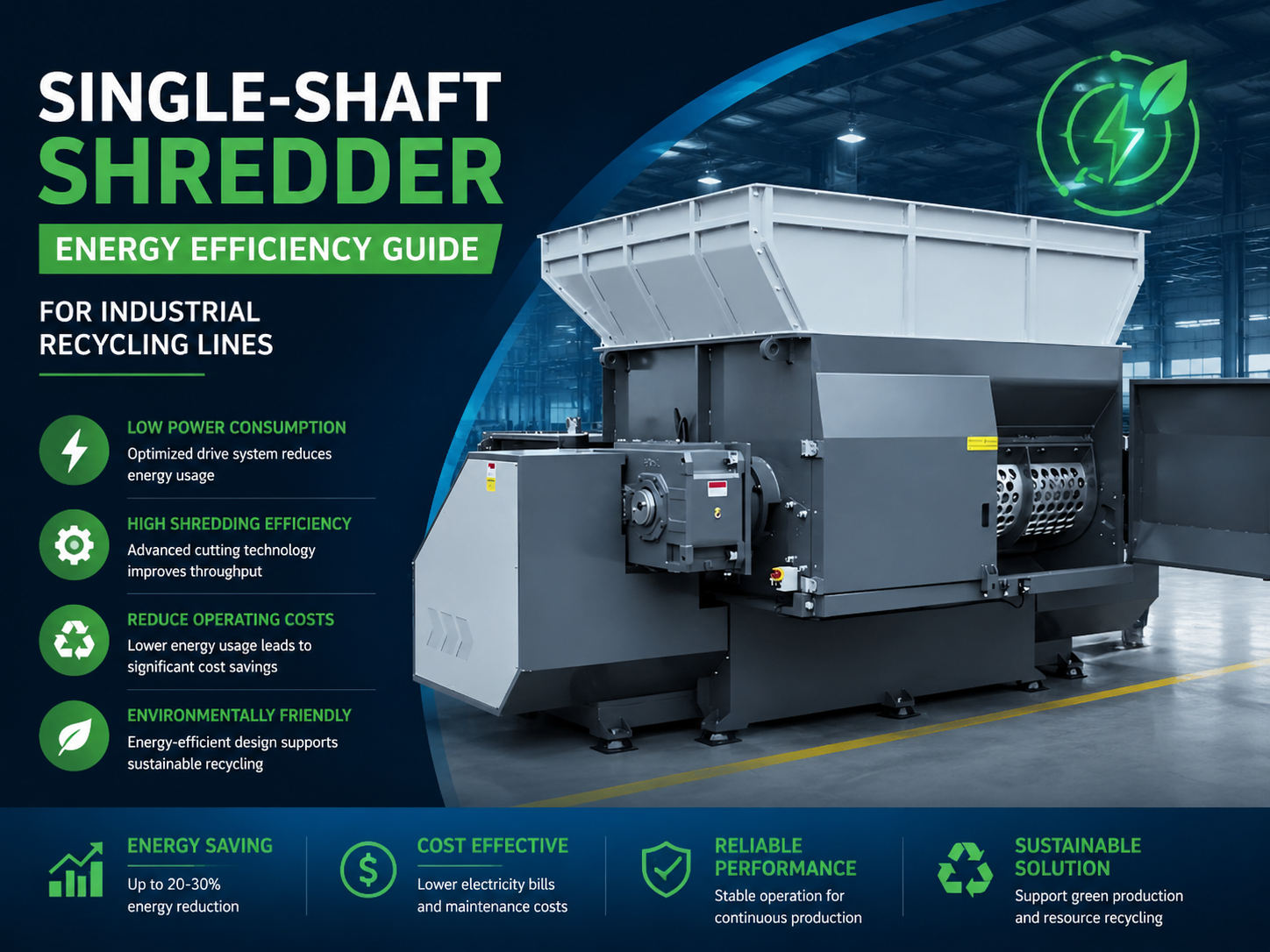
Technical Overview of Single-Shaft Shredder Energy Efficiency
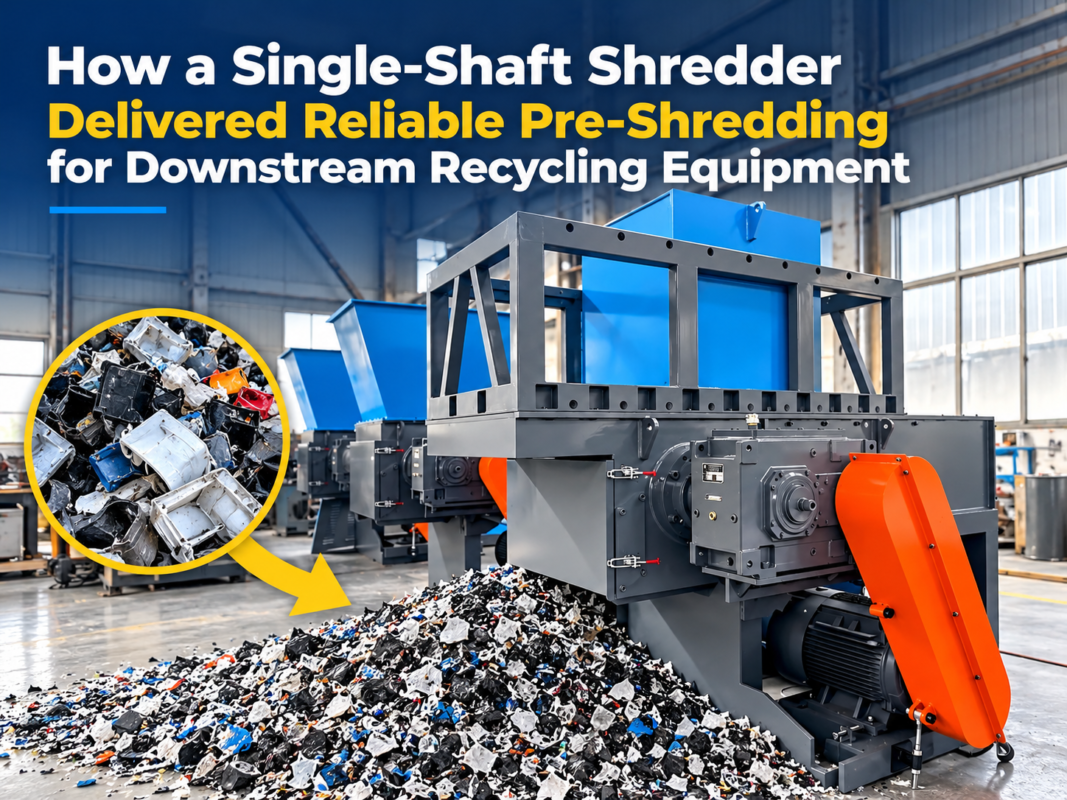
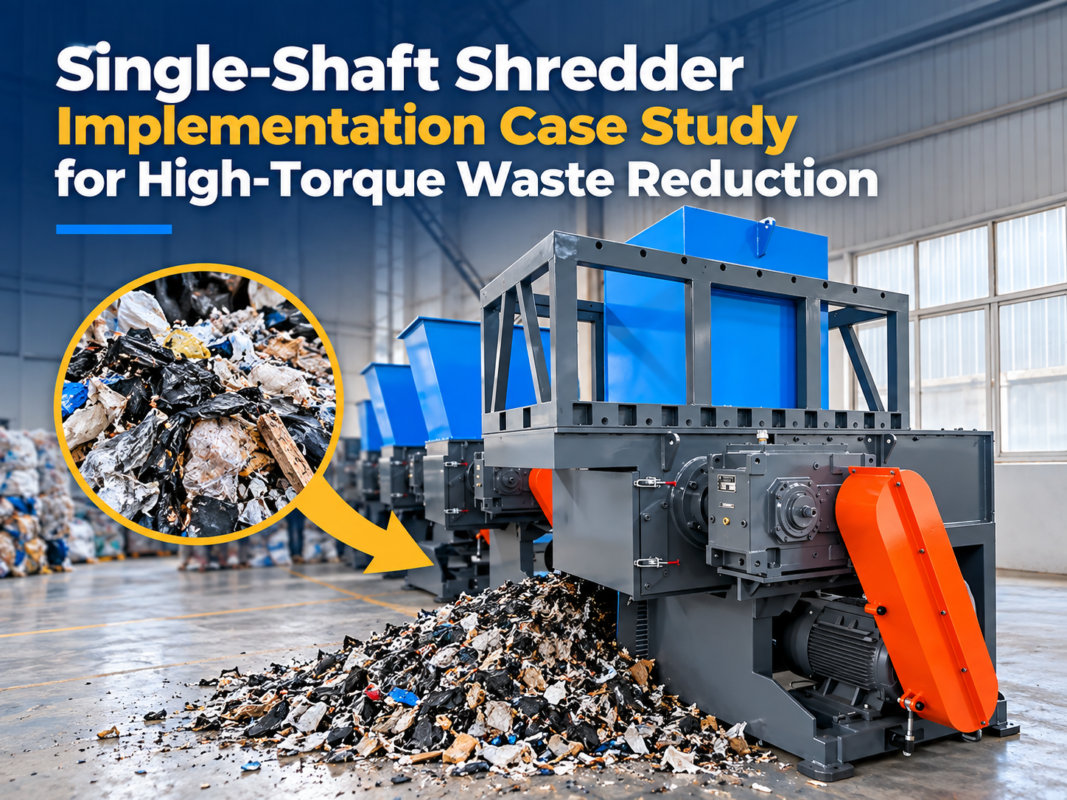
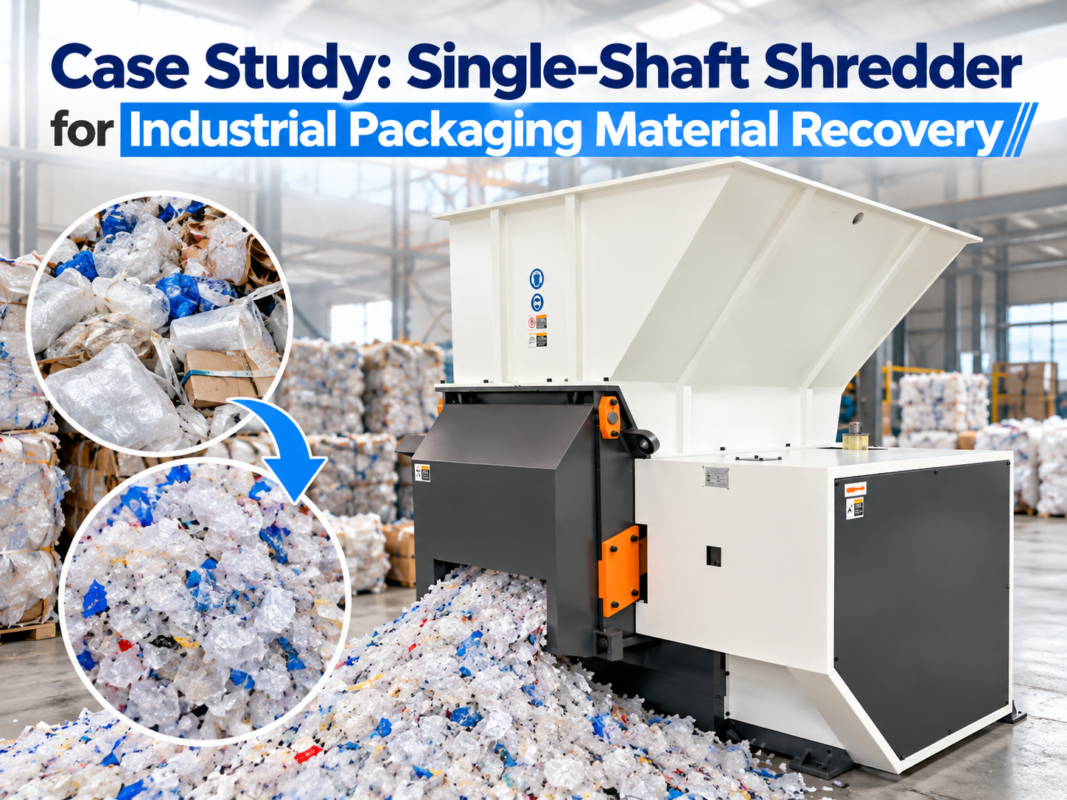
In the modern industrial landscape, the drive toward sustainability and operational cost reduction has placed energy efficiency at the forefront of machinery design. For industrial recycling lines, the single-shaft shredder is often the primary consumer of electrical energy. Understanding the technical nuances of how these machines convert electrical power into mechanical shearing force is essential for any facility looking to optimize its carbon footprint and bottom line. A single-shaft shredder operates by using a high-torque rotor equipped with multiple cutting blades that interact with a fixed counter-knife. The material is fed into the hopper and pushed against the rotating shaft by a hydraulic ram.
Energy efficiency in this context is not merely about using a smaller motor; it is about the ‘Specific Energy Consumption’ (SEC), which measures the amount of energy required to process a ton of material. High-efficiency systems, such as those engineered by HARSLE, focus on minimizing internal friction, optimizing the hydraulic pusher’s logic, and utilizing advanced rotor geometries. When a shredder is integrated into a larger industrial recycling line, its efficiency dictates the throughput of the entire system. If the shredder is inefficient, it creates a bottleneck that increases the energy cost per unit of output for downstream equipment like granulators and separators.
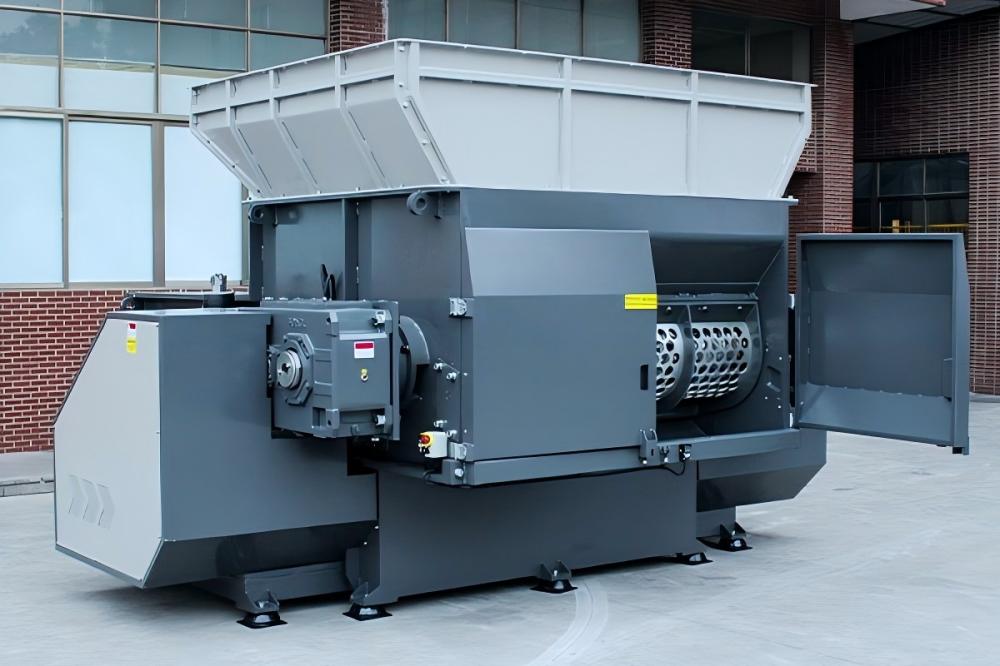
The physics of shredding involves overcoming the tensile strength of the waste material. Whether it is plastic purgings, timber, or light metal scrap, the energy required is a function of the material’s resistance and the speed of the cut. Modern single-shaft shredders utilize Variable Frequency Drives (VFDs) to match the motor’s output to the actual load. This prevents the massive energy spikes associated with traditional across-the-line starting and allows the machine to operate at a ‘sweet spot’ where the torque-to-energy ratio is maximized. Furthermore, the heat generated during the shredding process is essentially wasted energy; therefore, a cooler-running machine is inherently more efficient.
Another critical aspect of the technical overview is the role of the hydraulic system. In older designs, the hydraulic pump ran at a constant speed, dumping excess oil back to the tank and wasting energy. Modern energy-efficient shredders use load-sensing hydraulics or servo-driven pumps that only provide the pressure and flow required by the pusher at any given moment. This integration of mechanical, electrical, and hydraulic optimization is what defines a high-performance single-shaft shredder in today’s market.
Core Parameters Influencing Energy Consumption
To master Single-Shaft Shredder Energy Efficiency Industrial Recycling Lines, one must analyze several core parameters that directly impact how much power is drawn from the grid. The first and most obvious is the motor power rating, but this is often misunderstood. A 75kW motor does not always draw 75kW; its consumption depends on the load. The efficiency of the motor itself, often rated as IE3 or IE4, determines how much electrical energy is lost as heat within the motor windings.
The rotor diameter and speed (RPM) are equally vital. A larger diameter rotor provides more inertia, which can be beneficial for processing tough materials as it uses stored kinetic energy to assist the motor during peak loads. However, if the RPM is too high for the material type, the blades may ‘rub’ rather than ‘cut,’ leading to excessive heat and wasted energy. The goal is to find the optimal peripheral speed where the blade penetrates the material with minimal resistance. Blade geometry—specifically the angle of attack and the clearance between the rotor blades and the counter-knife—must be precisely maintained. Even a few millimeters of wear can increase energy consumption by 20% or more as the machine begins to tear rather than shear the material.
The screen size also plays a massive role in energy efficiency. The screen determines the final particle size; the smaller the holes, the longer the material stays in the cutting chamber. This ‘re-shredding’ consumes significant energy. In an efficient recycling line, the screen size should be matched exactly to the requirements of the next stage of processing. Over-shredding is one of the most common sources of energy waste in industrial facilities. Finally, the pusher frequency and pressure settings must be tuned. If the pusher applies too much pressure, the rotor may stall or trigger a reversal, both of which consume high amounts of energy without producing output.
Calculation Method for Shredder Efficiency
Quantifying energy efficiency is the first step toward optimization. The primary metric used in the industry is the Specific Energy Consumption (SEC), expressed in kilowatt-hours per ton (kWh/t). To calculate this, you need to measure the total energy consumed over a specific period and divide it by the weight of the material processed during that same timeframe.
The formula is: SEC = (P × t) / M
Where:
– P is the average power draw in kilowatts (kW).
– t is the operating time in hours (h).
– M is the mass of the material processed in tons (t).
For a more granular analysis, engineers often look at the ‘No-Load Power.’ This is the energy the shredder consumes when it is running but not processing material. In an efficient system, no-load power should be minimized through the use of smart control systems that idle the motor or shut down the hydraulic pumps when the hopper is empty. Another advanced calculation involves the ‘Peak-to-Average Ratio.’ A high ratio indicates that the shredder is struggling with inconsistent feeding or tough material, leading to inefficient energy spikes. By smoothing out the feed rate, the average power draw can be brought closer to the peak, maximizing the motor’s efficiency curve.
Furthermore, when evaluating Single-Shaft Shredder Energy Efficiency Industrial Recycling Lines, one must consider the ‘Power Factor.’ A low power factor means the machine is drawing more current than it needs to perform the work, which can lead to penalties from utility companies. Installing capacitor banks or using high-quality VFDs can correct the power factor, ensuring that the facility only pays for the energy that is actually doing work.
Single-Shaft Shredder Technical Parameter Table
The following table provides a comparison of typical energy-related parameters for various scales of industrial single-shaft shredders. These values are representative of high-efficiency models like those produced by HARSLE.
| Model Category | Motor Power (kW) | Rotor Speed (RPM) | Throughput (kg/h) | Target SEC (kWh/t) | Typical Application |
|---|---|---|---|---|---|
| Light Duty | 18.5 – 30 | 80 – 100 | 400 – 800 | 25 – 40 | Plastic film, small containers |
| Medium Duty | 37 – 55 | 70 – 90 | 800 – 1500 | 35 – 50 | Hard plastics, wood pallets |
| Heavy Duty | 75 – 110 | 60 – 80 | 1500 – 3000 | 45 – 65 | Rubber, thick purgings, MSW |
| Ultra Heavy | 132 – 200+ | 50 – 70 | 3000 – 6000+ | 60 – 85 | Large bales, heavy timber, scrap |
Note: SEC values vary significantly based on material density and screen size. The values above assume a standard 40mm screen and medium-density plastic scrap.
Common Engineering Mistakes in Shredder Implementation
One of the most frequent mistakes in designing industrial recycling lines is oversizing the shredder motor “just in case.” While it seems like a safe bet, an oversized motor operating at low load is significantly less efficient than a correctly sized motor operating at its peak efficiency point (usually 75-90% load). This leads to a higher SEC and unnecessary capital expenditure. Conversely, undersizing a motor leads to frequent stalls and reversals, which are the most energy-intensive parts of a shredder’s operation cycle.
Another common error is neglecting the maintenance of the cutting gap. As blades wear down, the gap between the rotor and the counter-knife increases. Instead of a clean shear, the material is crushed and stretched. This mechanical inefficiency manifests as heat and increased electrical draw. Many operators wait until throughput drops significantly before changing blades, but from an energy perspective, the blades should be rotated or sharpened much sooner to maintain optimal SEC.
Ignoring the integration of the conveyor system is a third major mistake. If the infeed conveyor is not synchronized with the shredder’s load, the shredder will experience periods of ‘starvation’ followed by ‘overloading.’ This ‘slug feeding’ prevents the motor from maintaining a steady state, which is where it is most efficient. Implementing a closed-loop control system where the shredder’s amp draw controls the conveyor speed is a hallmark of an energy-efficient recycling line. Finally, failing to account for material temperature can be costly. Some materials become more difficult to shred as they heat up, increasing the energy required. Proper ventilation or cooling within the shredding chamber can actually save energy in high-volume applications.
Selection Checklist for Energy-Efficient Shredders
When selecting a single-shaft shredder for your recycling line, use the following checklist to ensure maximum energy efficiency:
- Motor Efficiency Class: Ensure the motor is at least IE3 (Premium Efficiency) or IE4 (Super Premium).
- Variable Frequency Drive (VFD): Is the machine equipped with a VFD to handle varying loads and reduce start-up current?
- Rotor Design: Does the rotor feature a ‘V’ or ‘staggered’ blade arrangement to reduce the number of blades cutting simultaneously, thereby lowering torque peaks?
- Smart Hydraulic System: Does the hydraulic pusher use a variable displacement pump or a servo-drive to save energy during the return stroke?
- PLC Logic: Does the control system include an ‘Auto-Idle’ or ‘Auto-Shutdown’ mode for when the machine is not processing material?
- Blade Material and Accessibility: Are the blades made of high-wear DC53 or D2 steel, and are they easy to rotate to ensure the cutting edge is always sharp?
- Screen Design: Is the screen easy to change, allowing for the use of the largest possible hole size for the application?
- Cooling Systems: For high-capacity lines, is there a rotor or gearbox cooling system to prevent energy loss through heat?
Frequently Asked Questions (FAQ)
1. How much can a VFD actually save in energy costs?
A VFD can save between 15% and 40% of energy costs depending on the application. The savings come from reducing the inrush current during startup, allowing the motor to run at slower speeds during light loads, and preventing the energy-intensive ‘stall-reverse’ cycles by precisely controlling torque.
2. Why does the screen size affect energy consumption so much?
The screen acts as a gatekeeper. If the material cannot pass through the screen, it must be swept around by the rotor for another pass. Each pass requires energy. Reducing the screen size from 40mm to 20mm can more than double the energy required per ton because the material stays in the chamber much longer and is subjected to many more cuts.
3. Is a single-shaft shredder more efficient than a double-shaft shredder?
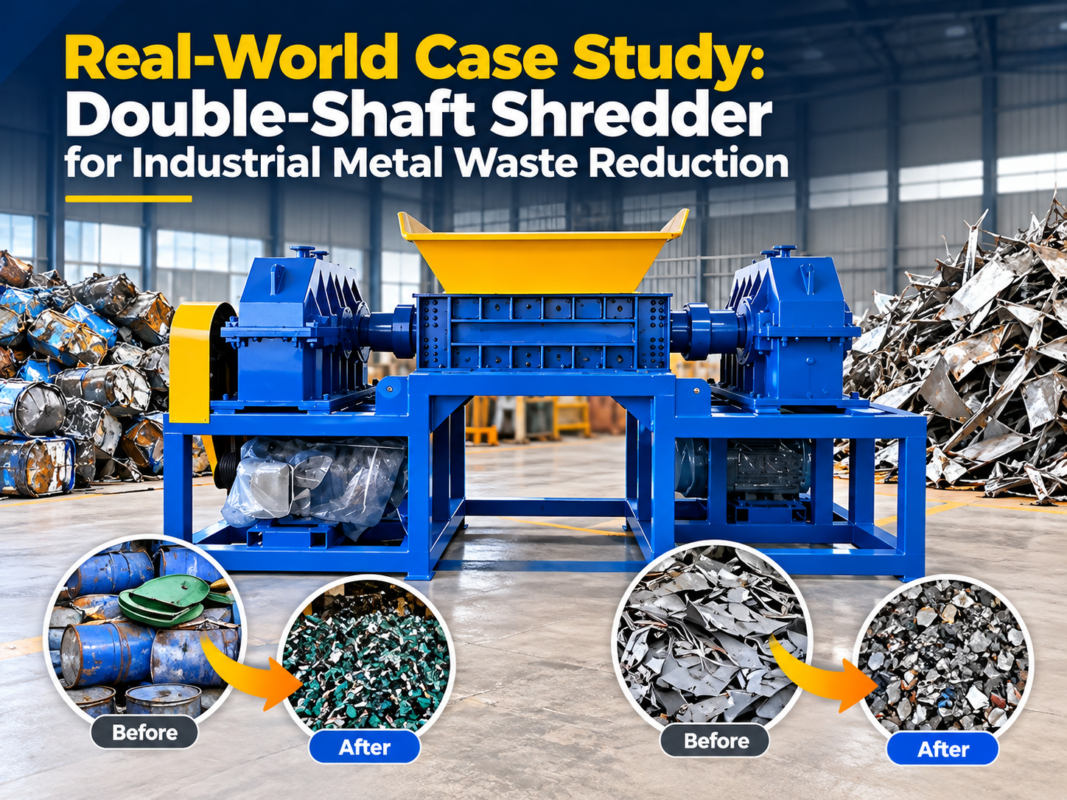
It depends on the material. Single-shaft shredders are generally more efficient for producing a specific, small particle size in one pass because they use a screen. Double-shaft shredders are high-torque, low-speed machines better suited for volume reduction of bulky items, but they don’t control particle size as precisely without secondary processing.
4. How often should I rotate the blades to maintain efficiency?
This depends on the abrasiveness of your material. For clean plastics, you might rotate blades every 500-800 hours. For contaminated materials or glass-filled plastics, it could be every 100-200 hours. Monitoring the motor’s amp draw is the best way to tell; if the average amps increase by 15% for the same material and throughput, it’s time to check the blades.
5. Does the hydraulic pusher really consume that much power?
In a traditional system, the hydraulic power pack can account for 10-15% of the total energy draw. By using modern load-sensing valves or servo-motors, this can be reduced to less than 5%, which adds up to significant savings over years of operation.
6. Can I retrofit my old shredder to be more energy-efficient?
Yes, retrofitting a VFD and updating the PLC logic to include better pusher control are the most effective ways to improve an old machine. Additionally, ensuring the counter-knives are adjustable to maintain a tight cutting gap can provide immediate efficiency gains.