Single-Shaft Shredder Feeding Methods: Hopper Design and Material Handling Tips

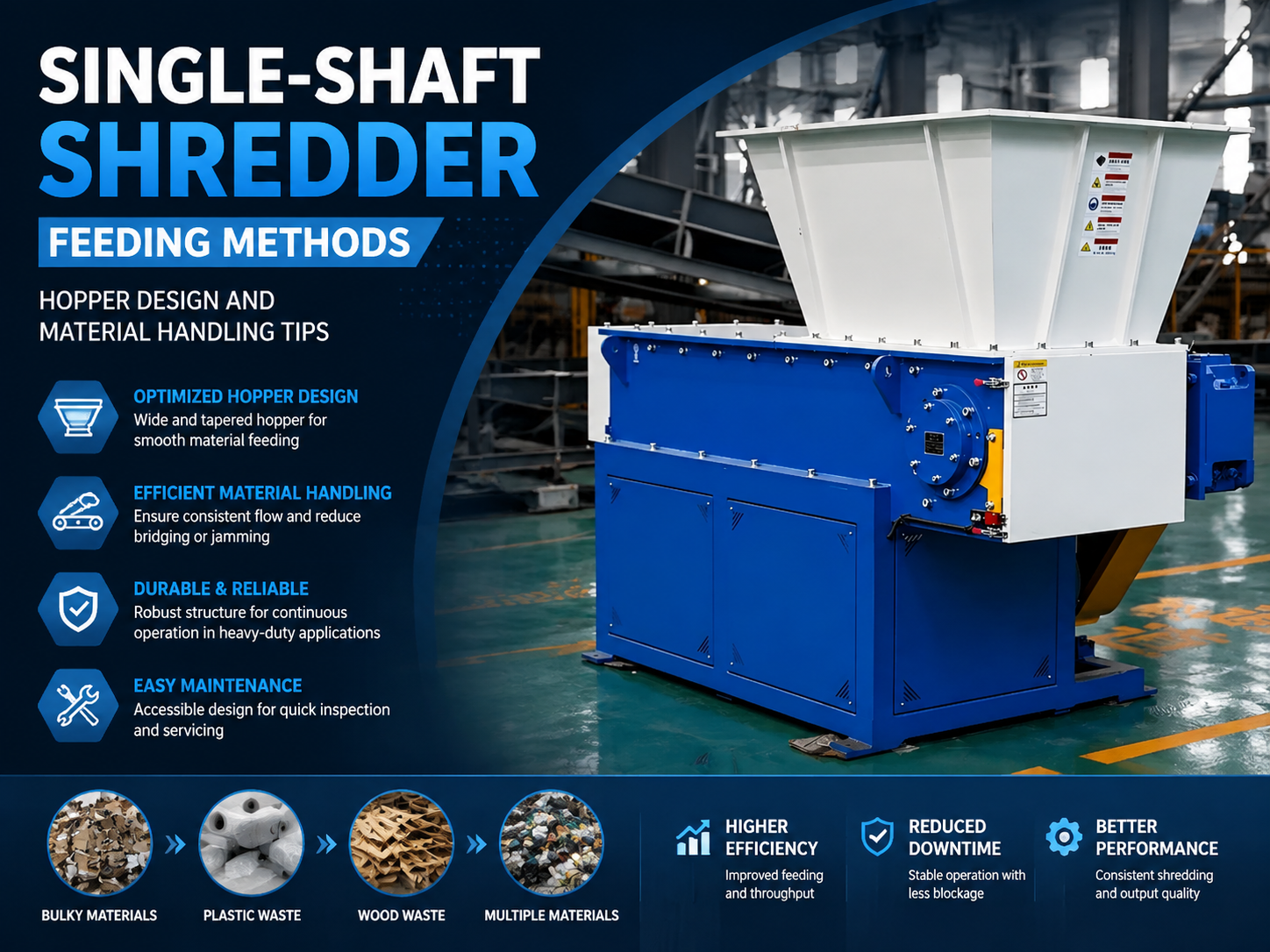
Technical Overview of Single-Shaft Shredder Feeding Systems
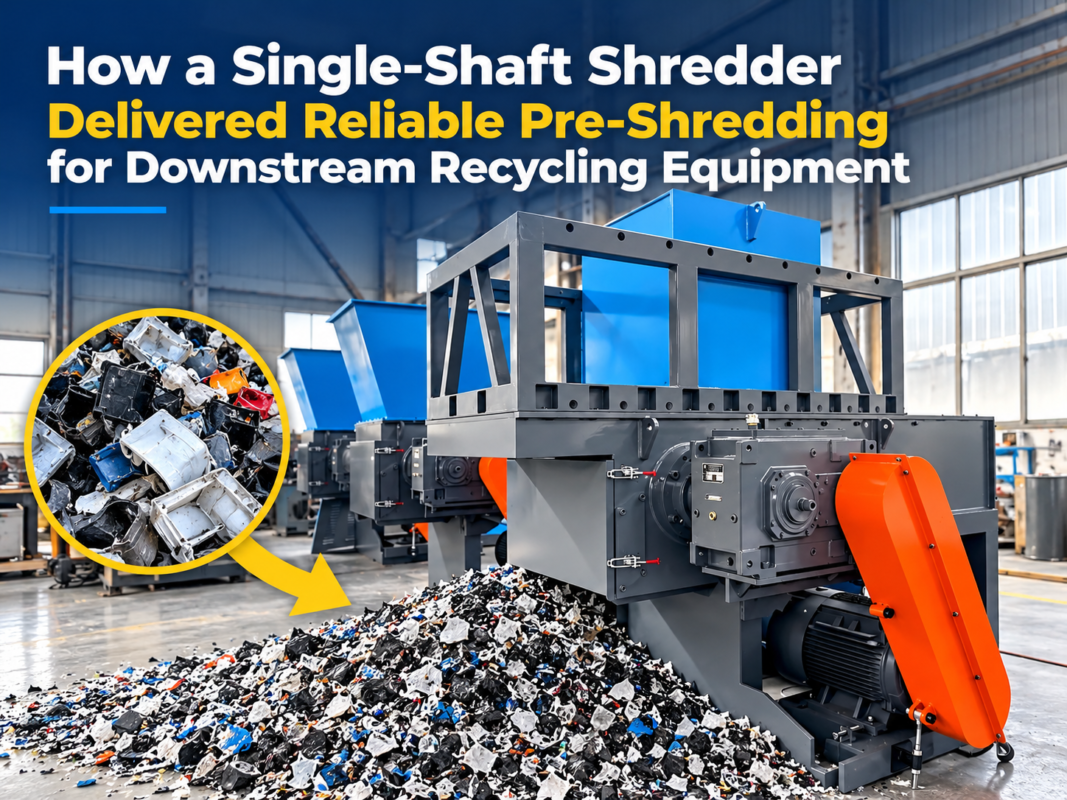
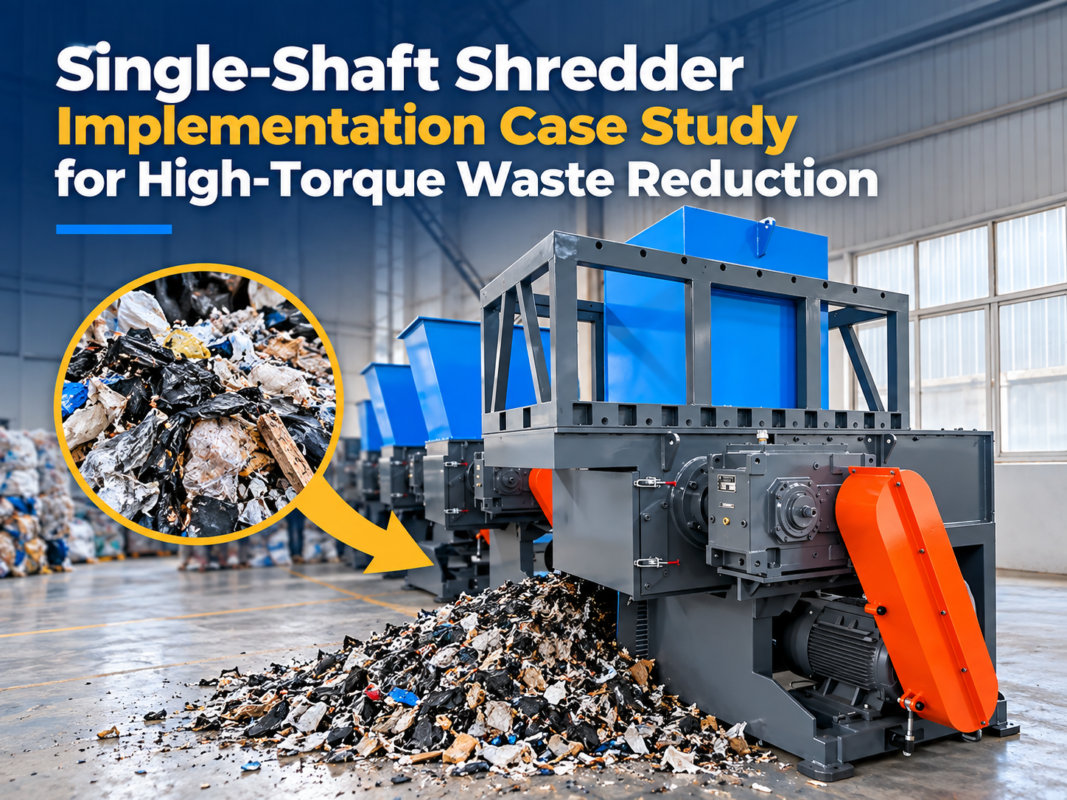
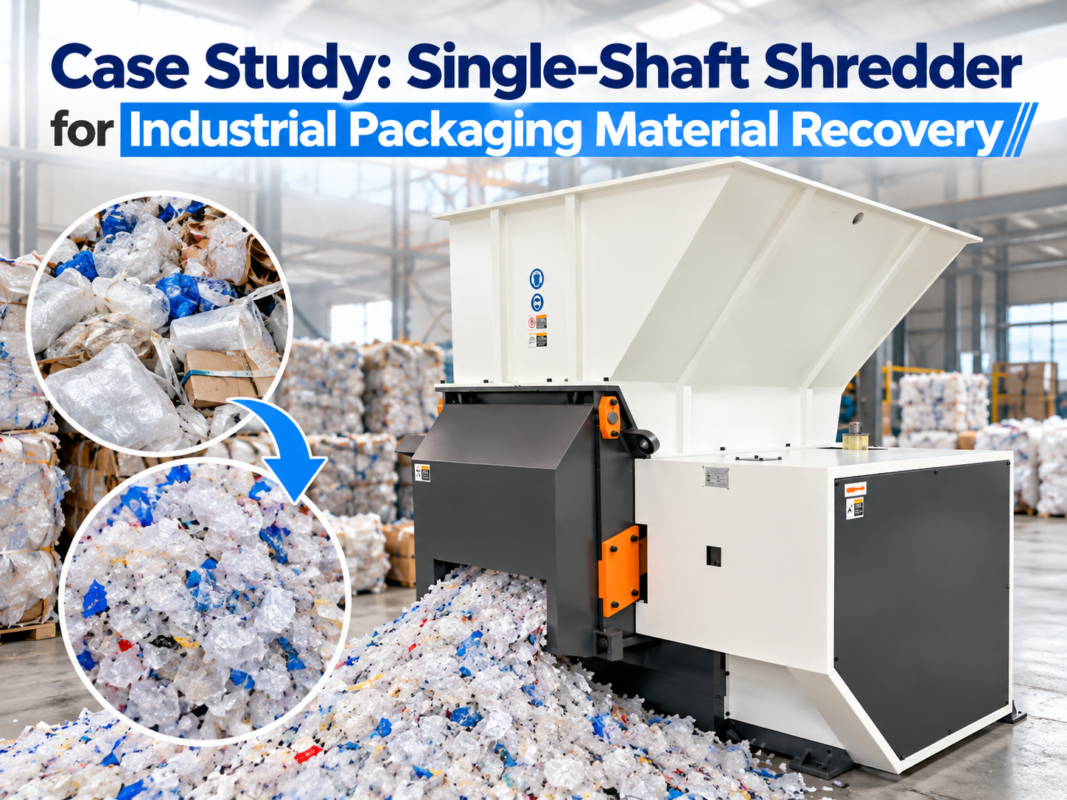
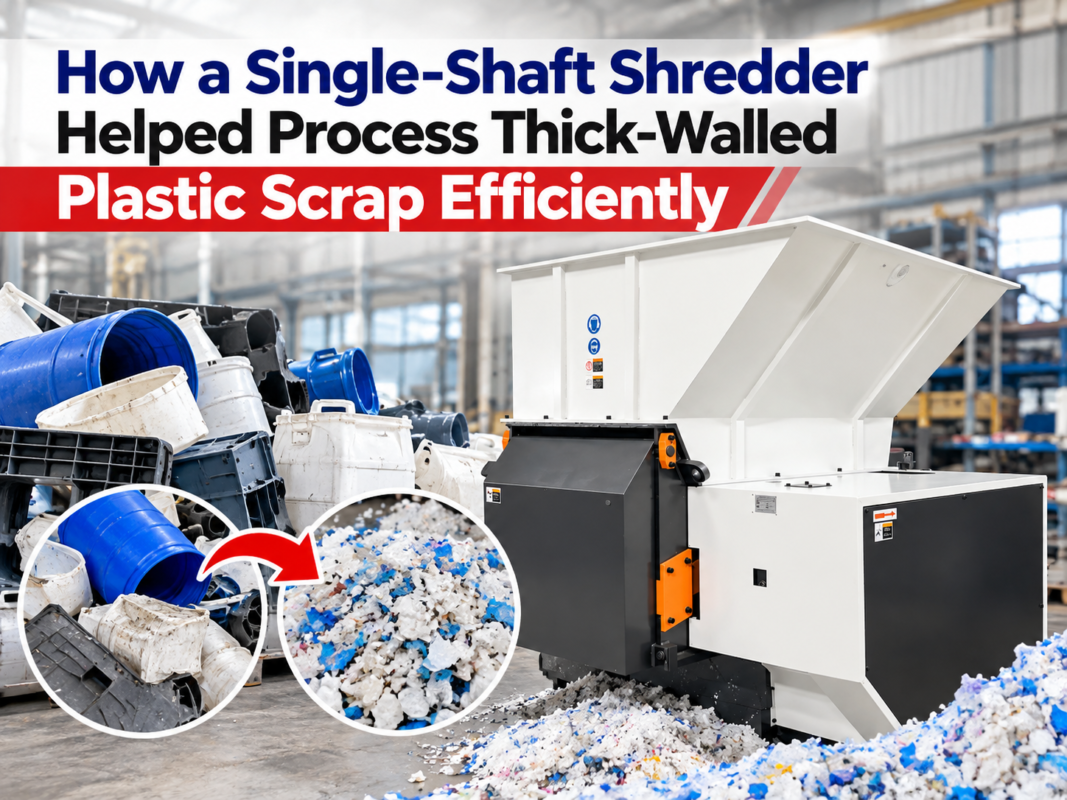
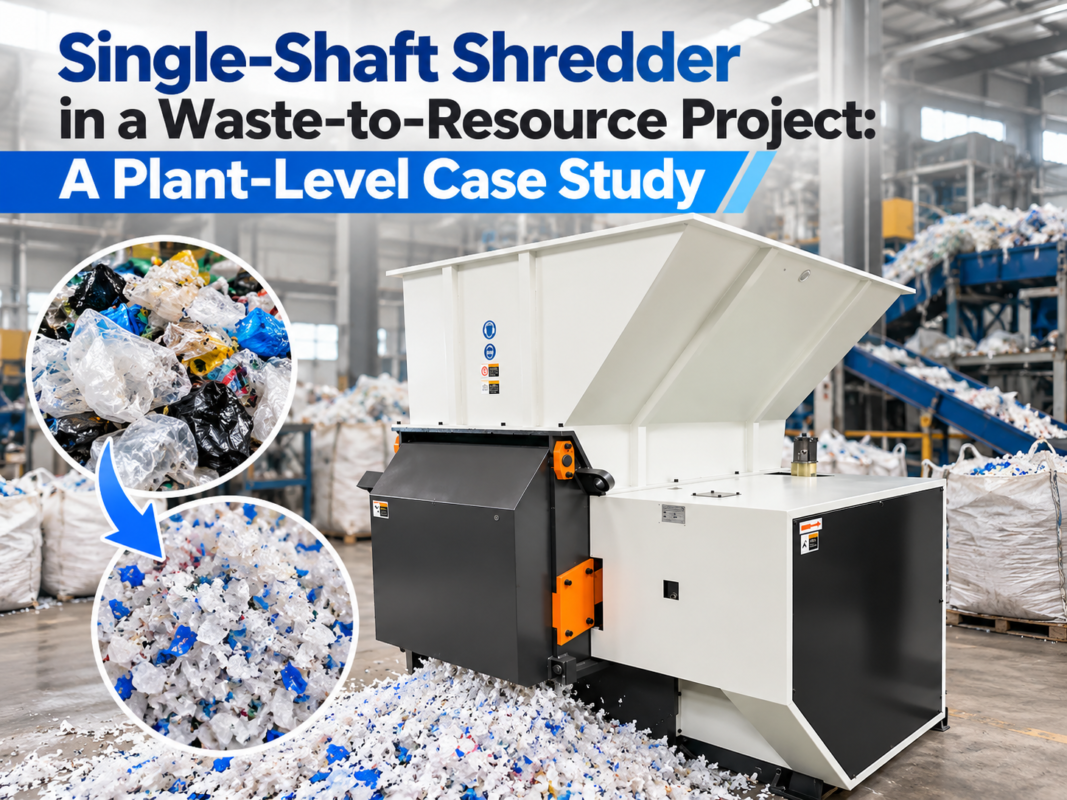
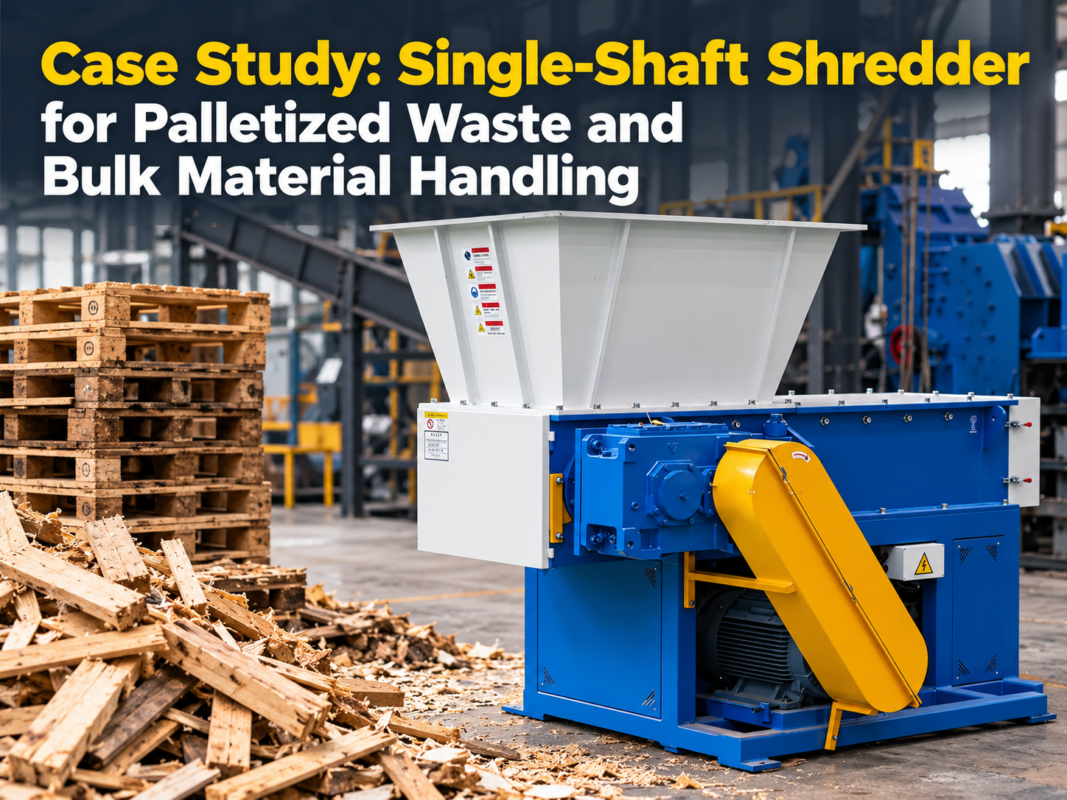
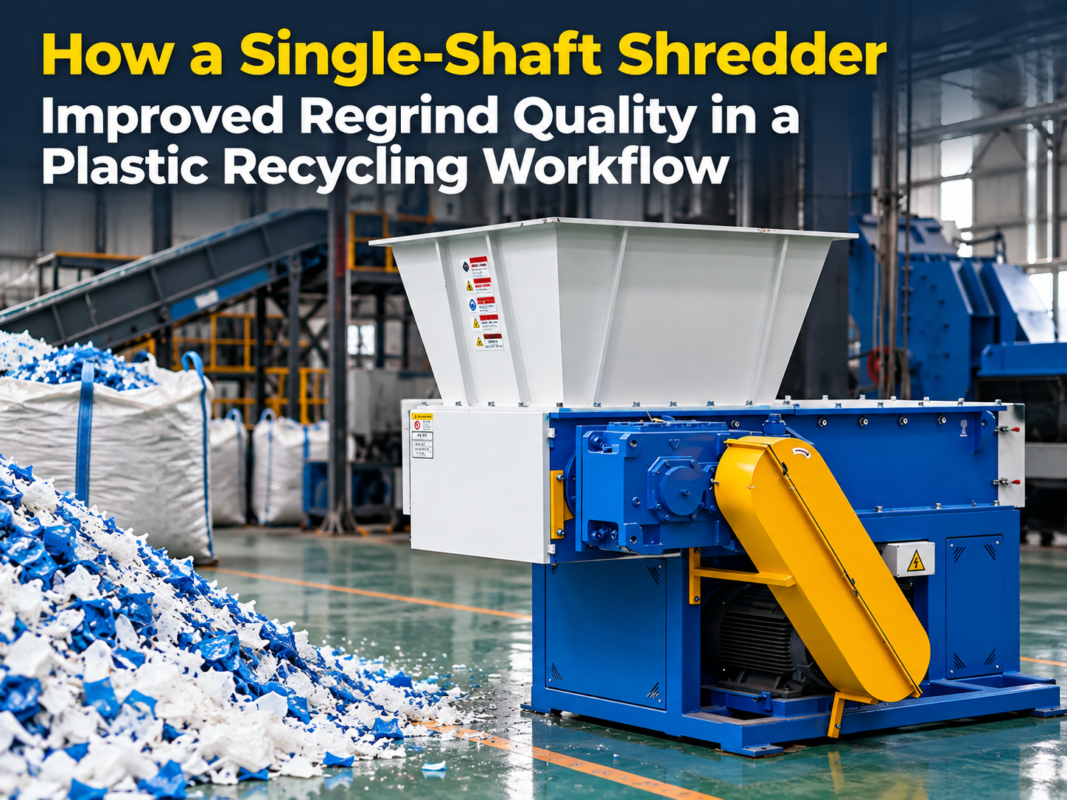
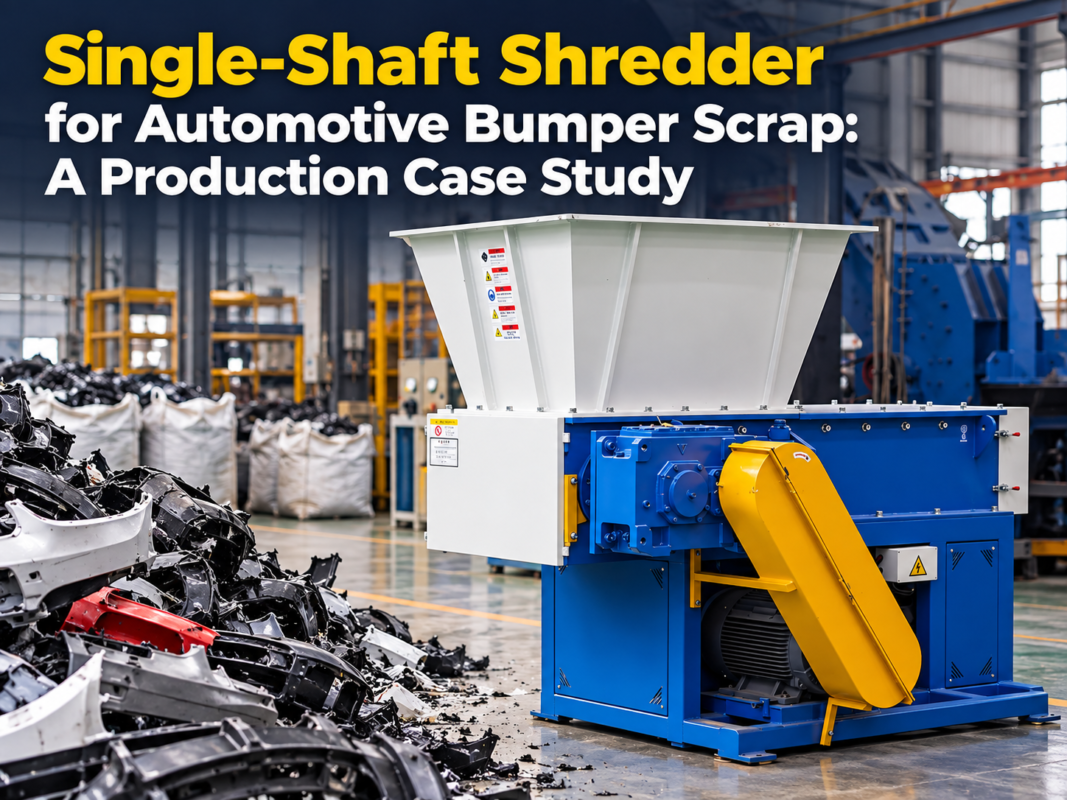
The single-shaft shredder is a cornerstone of modern recycling and size-reduction industries. Unlike dual-shaft variants that rely on the counter-rotation of two shafts to pull material in, a single-shaft shredder utilizes a high-speed rotor equipped with bolted-on blades and a hydraulic pusher (or ram) to force material against the cutting surface. Because the rotor itself does not always ‘grab’ bulky or light materials effectively, the feeding method and the design of the hopper are critical to the machine’s overall efficiency and throughput. In this guide, we explore the intricacies of Single-Shaft Shredder Feeding Methods: Hopper Design Material Handling Tips to help operators maximize their ROI.
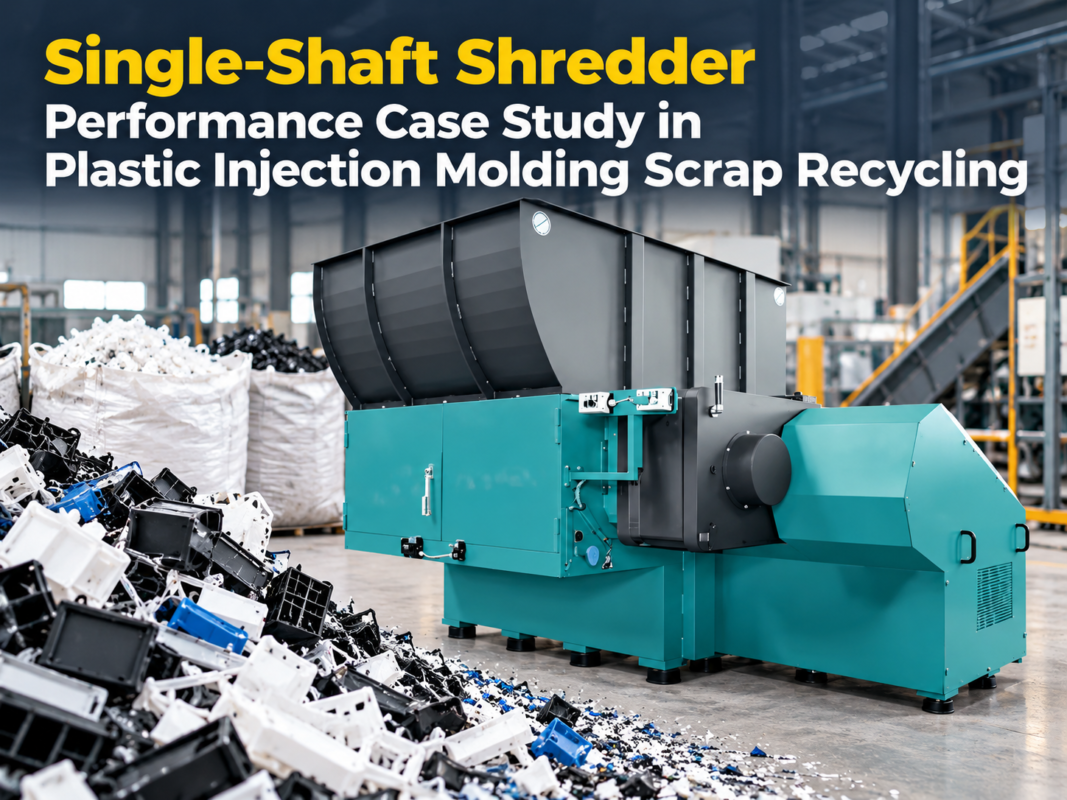
At its core, the feeding system consists of the hopper (the entry point), the hydraulic ram (the internal feeding mechanism), and the control logic that governs their interaction. The hopper is not merely a funnel; it is a reservoir that must manage the weight, volume, and flow characteristics of the input material. Whether you are processing plastic purgings, timber waste, or light metal scraps, the way material enters the chamber dictates the wear rate of the blades and the energy consumption of the motor. HARSLE engineering emphasizes that a well-designed feeding system prevents ‘bridging’—a common issue where material wedges itself above the rotor, stopping the shredding process entirely.
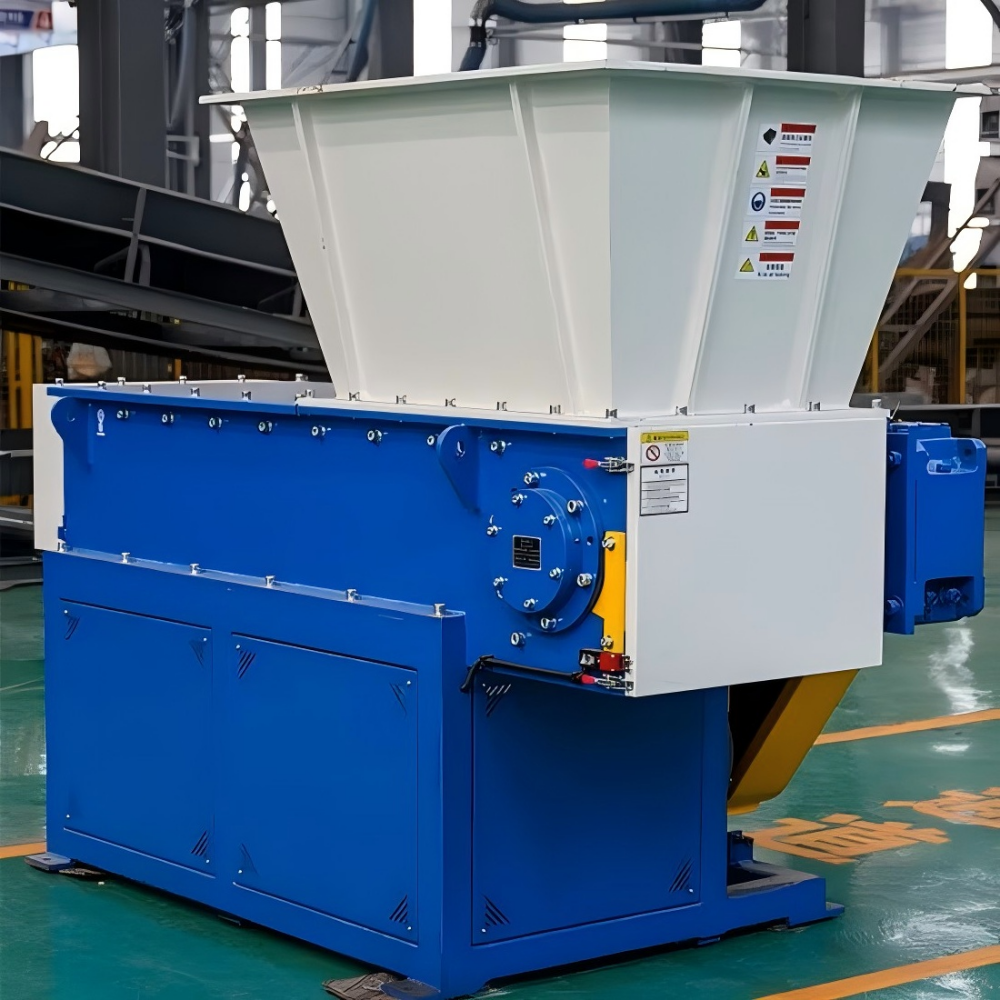
The hydraulic pusher is the ‘active’ part of the feeding method. It moves horizontally or at an incline, pushing the material into the rotating shaft. The pressure and speed of this pusher are usually regulated by the motor’s load. If the motor experiences high resistance, the pusher retracts slightly to prevent a jam, then moves forward again. This ‘intelligent feeding’ is what allows single-shaft shredders to handle massive, solid objects that would stall other types of machinery. Understanding the synergy between the hopper’s physical shape and the pusher’s mechanical stroke is the first step in optimizing material handling.
Core Parameters of Feeding and Hopper Design
When evaluating Single-Shaft Shredder Feeding Methods: Hopper Design Material Handling Tips, several core parameters must be considered to ensure the machine matches the application. The first is the Hopper Volume. This is calculated based on the bulk density of the material and the desired batch size. For example, light plastic film requires a much larger hopper volume than dense wood blocks to achieve the same weight-based throughput. If the hopper is too small, the machine requires constant manual feeding, increasing labor costs and reducing efficiency.
The second parameter is the Pusher Stroke and Speed. The stroke length determines how much material is pushed toward the rotor in a single cycle. A longer stroke is beneficial for bulky items like plastic barrels or crates, while a shorter, faster stroke might be better for granular or pre-crushed materials. The speed of the pusher is typically controlled via a Variable Frequency Drive (VFD) or a proportional hydraulic valve, allowing the machine to adapt to the material’s toughness in real-time. High-torque applications require a slower, more forceful push to prevent the rotor from seizing.
Thirdly, the Rotor Diameter and Blade Geometry play a role in how the feeding system is designed. A larger rotor provides a larger ‘bite’ area, which can accommodate more aggressive feeding. The blades’ arrangement—whether they are staggered, V-shaped, or flat—affects how the material is pulled from the hopper. In single-shaft shredders, the blades work in conjunction with a counter-knife (stator blade) located at the base of the hopper. The clearance between these blades is a critical parameter for maintaining consistent output size and preventing material from simply sliding past the cutting zone.
Calculation Method for Hopper Capacity and Throughput
To optimize Single-Shaft Shredder Feeding Methods: Hopper Design Material Handling Tips, engineers use specific calculations to determine the ideal hopper size and expected throughput. The basic formula for theoretical throughput ($Q$) is:
Q = V_eff × ρ × η
Where:
V_eff is the effective volume of material processed per hour (m³/h).
ρ is the bulk density of the material (kg/m³).
η is the efficiency factor (usually between 0.6 and 0.8, accounting for pusher retraction time and material voids).
To calculate the required hopper volume ($V_h$) for a specific batch feeding process, use:
V_h = (Q_target / (ρ × f)) × S
Where $f$ is the number of feeds per hour and $S$ is a safety factor (typically 1.2) to prevent overspill. For instance, if you need to process 2,000 kg of HDPE purgings per hour with a density of 500 kg/m³, and you plan to load the machine 4 times per hour, your hopper should have a functional volume of at least 1.2 m³. However, if the material is bulky (like empty bottles with a density of 40 kg/m³), the hopper volume must increase significantly to avoid constant reloading.
Parameter Table: Material-Specific Feeding Requirements
The following table provides a guideline for hopper and feeding settings based on common materials processed by HARSLE single-shaft shredders.
| Material Type | Bulk Density (kg/m³) | Hopper Angle (Degrees) | Pusher Pressure | Recommended Feeding Method |
|---|---|---|---|---|
| Plastic Purgings (Solid) | 800 – 1100 | 60° (Steep) | High | Forklift / Heavy Duty Conveyor |
| Timber / Wood Pallets | 300 – 500 | 45° – 55° | Medium | Grapple Crane / Manual |
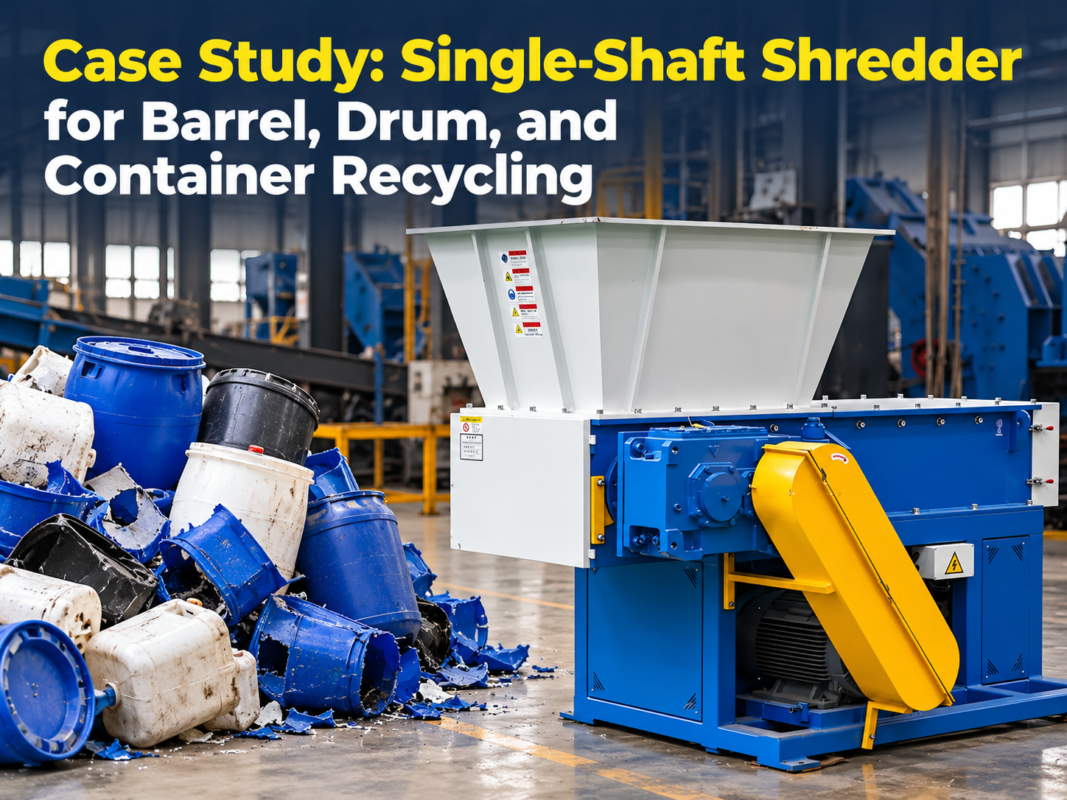
| HDPE / PP Bottles | 30 – 60 | 70° (Very Steep) | Low/Fast | Belt Conveyor with Cleats |
| Copper/Aluminum Cables | 500 – 1500 | 50° | High | Vibratory Feeder |
| Paper / Cardboard | 100 – 200 | 65° | Medium | Chain Conveyor |
Common Engineering Mistakes in Hopper Design
One of the most frequent mistakes in Single-Shaft Shredder Feeding Methods: Hopper Design Material Handling Tips is ignoring the ‘Angle of Repose’ of the material. If the hopper walls are too shallow, material will sit on the sides rather than sliding down to the pusher. This results in ‘dead zones’ where material stagnates, potentially leading to overheating if the material is flammable or simply reducing the machine’s hourly output. For sticky or high-friction materials like rubber, hopper walls should be lined with low-friction coatings or stainless steel.
Another common error is the lack of ‘Bridging Prevention’. Bridging occurs when oversized pieces of material lock together to form an arch over the rotor. To combat this, advanced hoppers incorporate ‘active’ walls or vertical agitators. In single-shaft shredders, the hydraulic pusher itself often acts as a bridge-breaker, but if the hopper is too wide at the top and narrows too sharply, the pusher may only clear the bottom layer, leaving the rest suspended. Ensuring a flared or straight-wall design near the cutting zone is essential.
Furthermore, many operators fail to account for ‘Material Surge’. When a large, heavy object is dropped into the hopper, it can create a massive mechanical shock to the rotor and the pusher. Without a properly designed ‘buffer’ zone or a reinforced hopper floor, this can lead to structural cracks or hydraulic seal failures. HARSLE recommends using a stepped hopper design or a heavy-duty curtain to dampen the impact of falling materials, especially when using a forklift or crane for feeding.
Selection Checklist for Shredder Feeding Systems
When purchasing or upgrading your equipment, use this checklist to ensure your Single-Shaft Shredder Feeding Methods: Hopper Design Material Handling Tips are fully optimized:
- Material Compatibility: Does the hopper volume match the bulk density of your lightest material?
- Pusher Type: Is the pusher horizontal (standard) or inclined (better for round objects like pipes)?
- Safety Features: Does the hopper include an emergency stop pull-cord and safety curtains to prevent fly-back?
- Automation: Is the feeding system integrated with the motor’s PLC to allow for ‘load-sensing’ automatic reversals?
- Access for Maintenance: Can the hopper be easily opened or removed to change blades and clean the rotor?
- Feeding Height: Is the hopper rim at a height compatible with your existing conveyors or forklifts?
- Wear Protection: Are the high-impact areas of the hopper reinforced with Hardox or similar wear-resistant plates?
- Dust Control: Does the hopper design allow for the installation of a dust extraction hood or water misting system?
- Sensor Placement: Are ultrasonic or infrared sensors installed to detect when the hopper is empty or overfilled?
- Hydraulic Cooling: If the pusher operates at high frequency, is there an oil cooler to prevent hydraulic fluid degradation?
Frequently Asked Questions (FAQ)
1. Why is my single-shaft shredder’s throughput lower than the rated capacity?
This is usually due to inefficient feeding. If the hopper is not kept full, or if the material is bridging, the rotor spends time spinning without cutting. Check your hopper angle and ensure the hydraulic pusher is set to the correct pressure for the material density. Also, ensure the blades are sharp; dull blades increase the time the pusher must hold material against the rotor.
2. Can I feed a single-shaft shredder manually?
Yes, but it is only recommended for low-volume applications or very large, singular items. For industrial production, manual feeding is inconsistent and poses safety risks. Using a conveyor belt or a forklift with a rotating carriage is much more efficient and ensures a steady flow of material into the hopper.
3. What is the best hopper design for long plastic pipes?
For long items like pipes or profiles, a ‘trough’ style hopper or a horizontal feeding system is best. Standard vertical hoppers require the pipes to be cut into shorter lengths first. Some HARSLE models feature a specialized ‘swing-arm’ pusher that is better suited for grabbing and feeding long, awkward shapes compared to a standard horizontal ram.
4. How do I prevent material from flying out of the hopper?
‘Fly-back’ is common when shredding hard plastics or light metals. To prevent this, hoppers should be equipped with heavy rubber curtains or a hydraulic lid. A deeper hopper design also helps contain fragments. Always ensure operators wear appropriate PPE even if curtains are installed.
5. How does the hydraulic pusher ‘know’ when to retract?
The PLC monitors the current (Amperage) of the main rotor motor. When the motor hits a pre-set high-load limit (indicating the rotor is struggling to cut the material), the PLC signals the hydraulic valve to retract the pusher. Once the motor load drops, the pusher resumes its forward motion. This prevents motor burnout and mechanical failure.
6. Is a vibratory feeder better than a belt conveyor for shredders?
It depends on the material. Vibratory feeders are excellent for heavy, abrasive materials like metal scraps or glass, as they are more durable. Belt conveyors are better for light materials like paper, film, and plastic bottles. For single-shaft shredders, the key is to ensure the feeder provides a consistent volume to the hopper without overloading it.
7. How often should I inspect the hopper and pusher?
Daily visual inspections are recommended. Look for loose bolts on the pusher face, wear on the hopper liners, and any signs of hydraulic leaks. Monthly, you should check the guide rails of the pusher to ensure they are lubricated and free of debris, as material buildup behind the pusher can cause it to jam or move unevenly.