Alligator Shear Installation Guide: Foundation, Alignment, and Commissioning Essentials

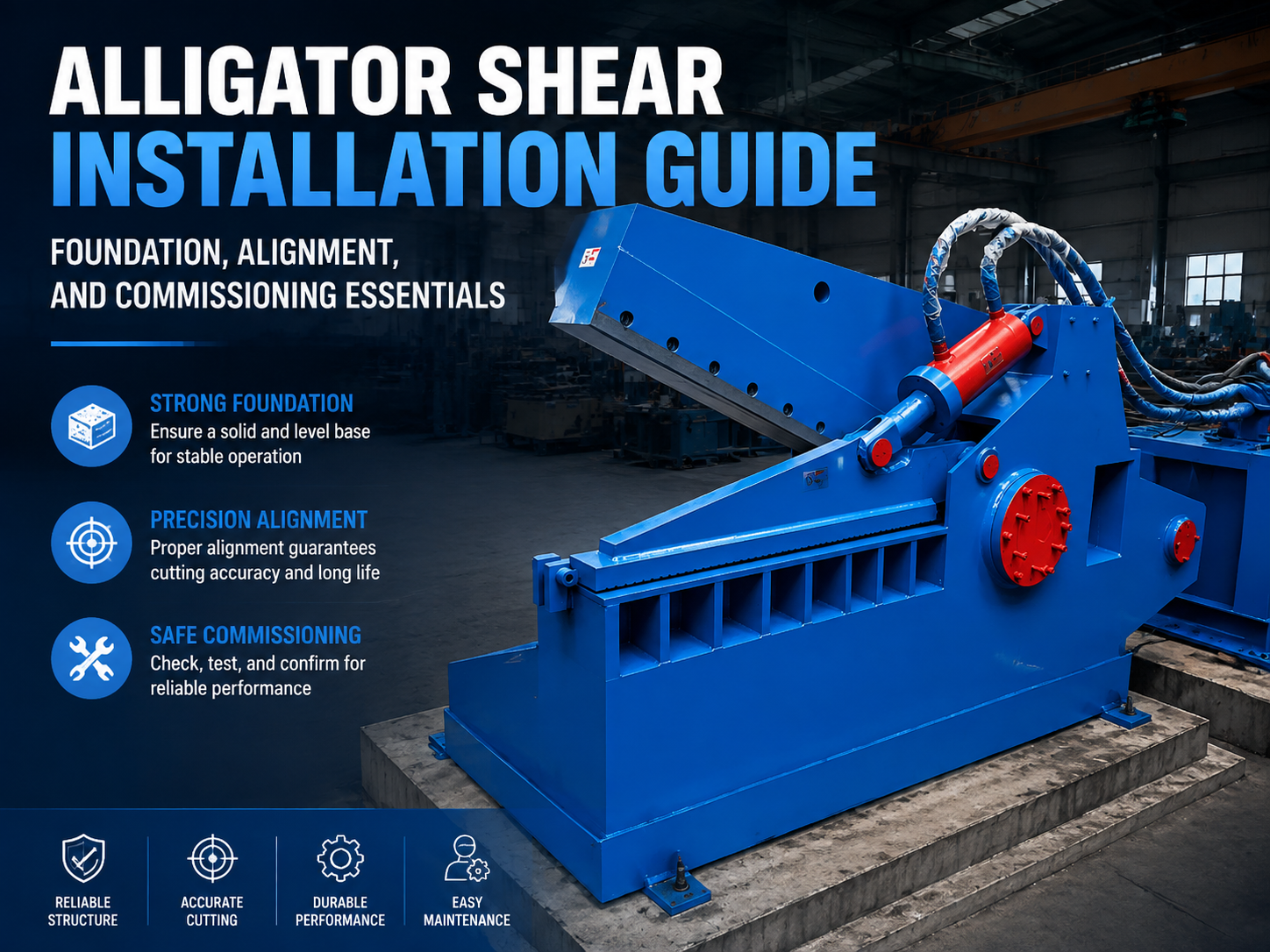
Technical Overview of Alligator Shear Systems
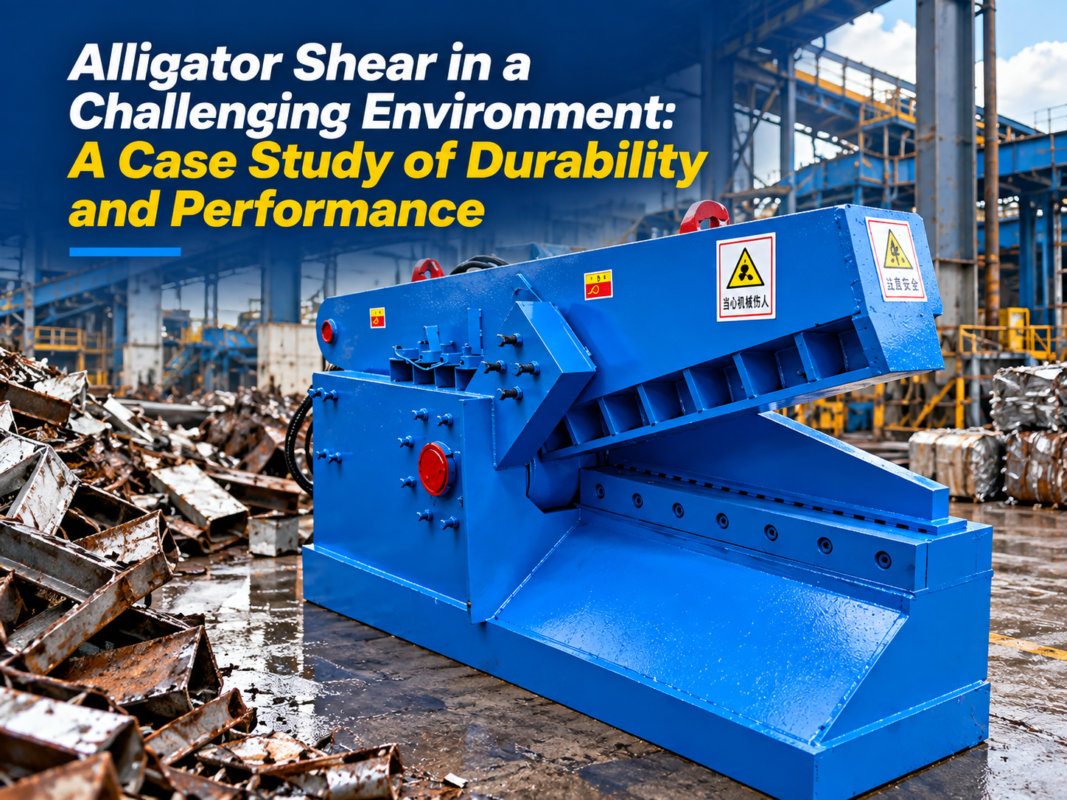
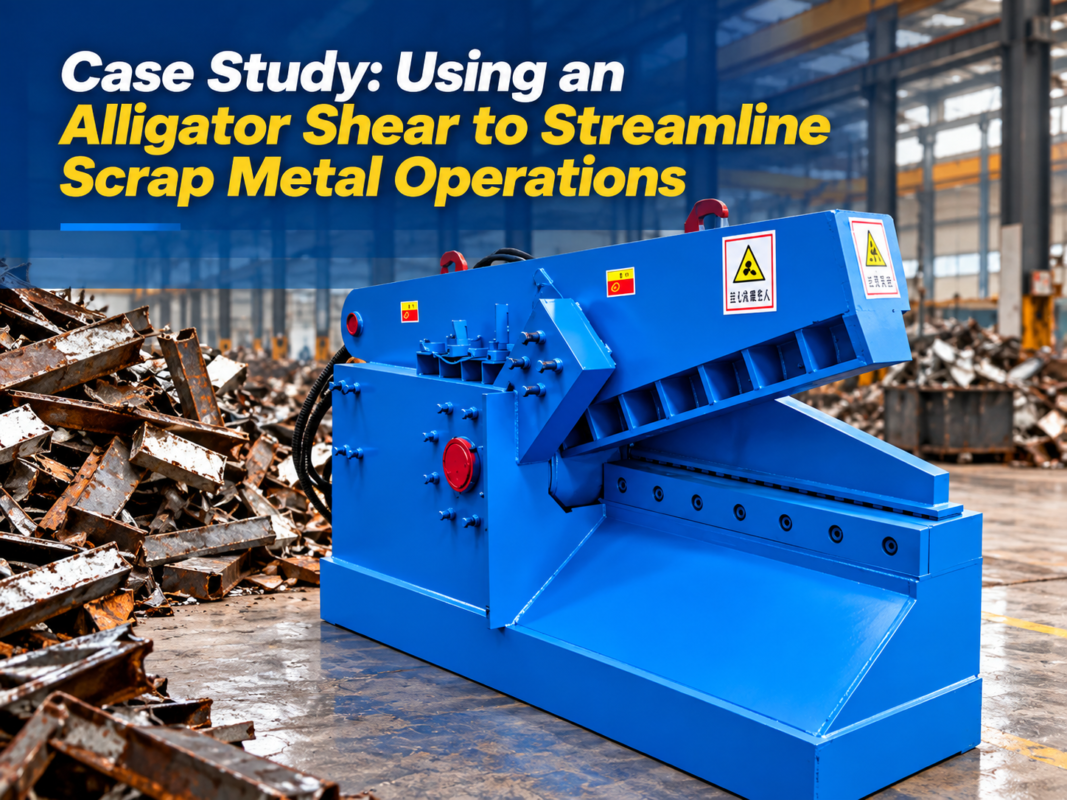
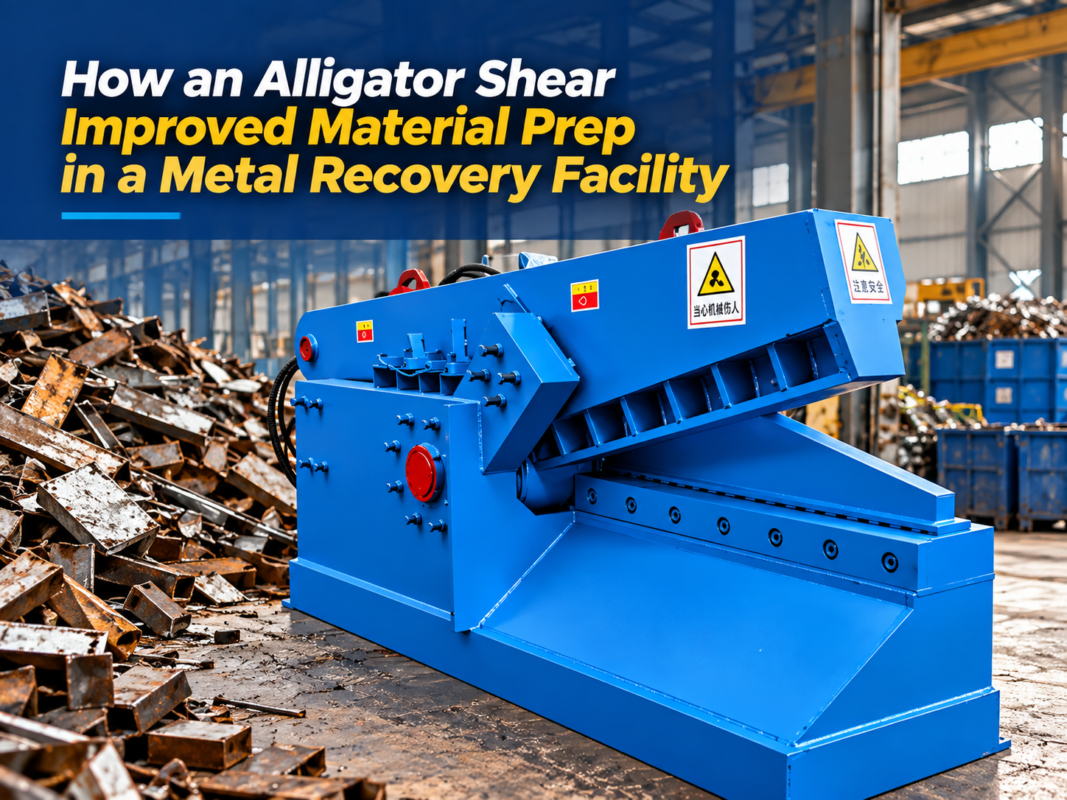
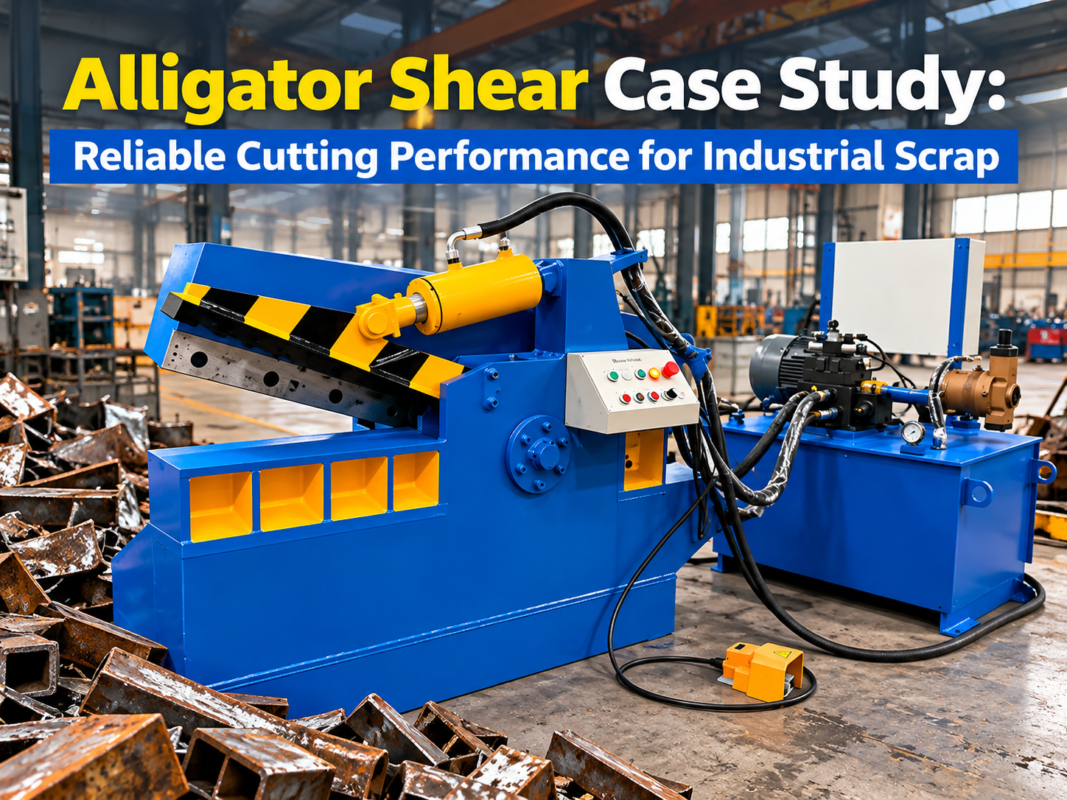
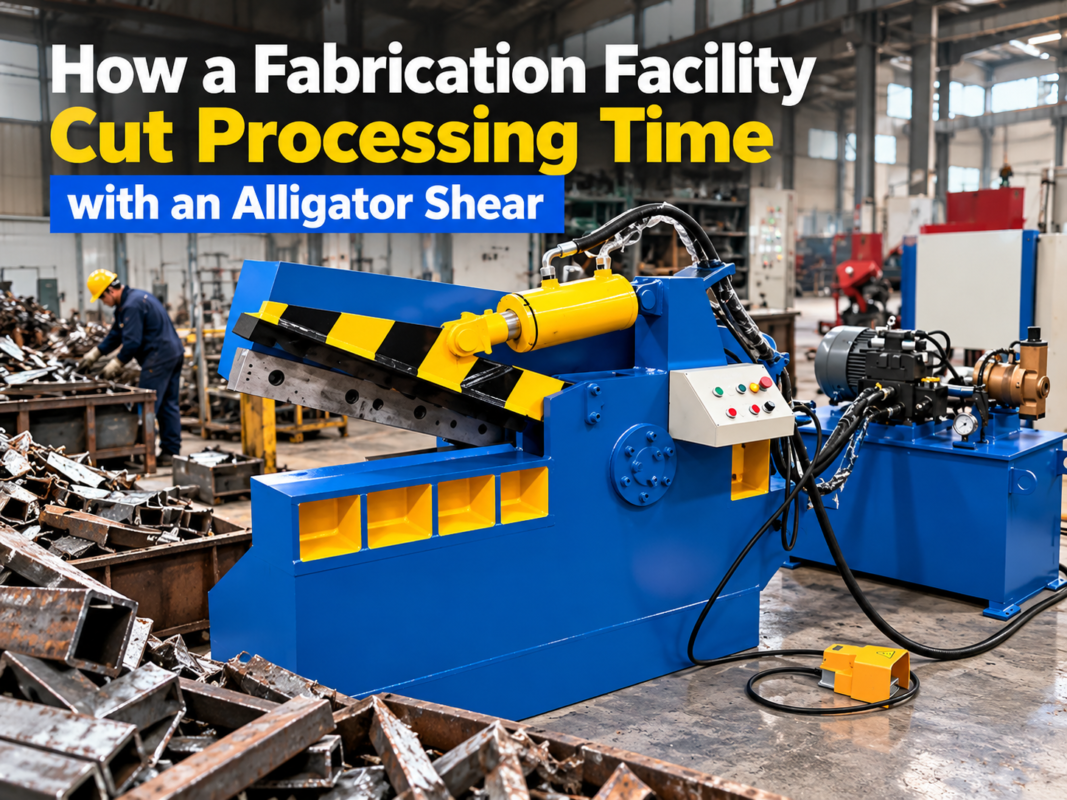
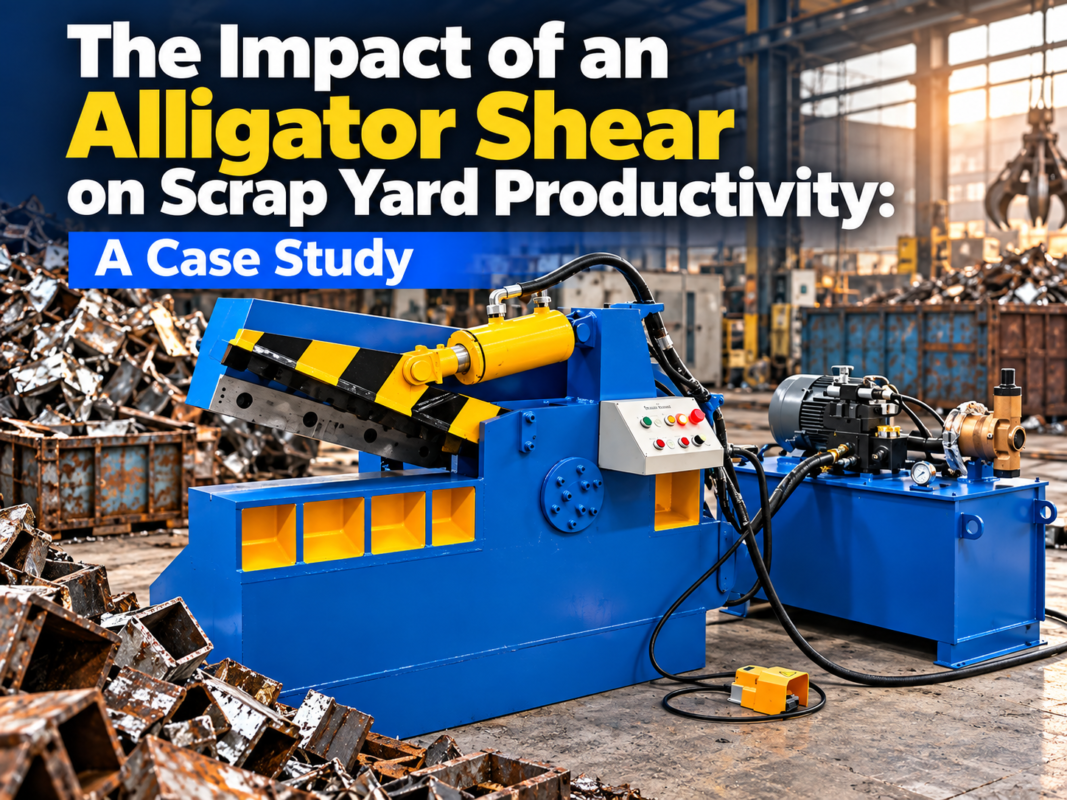
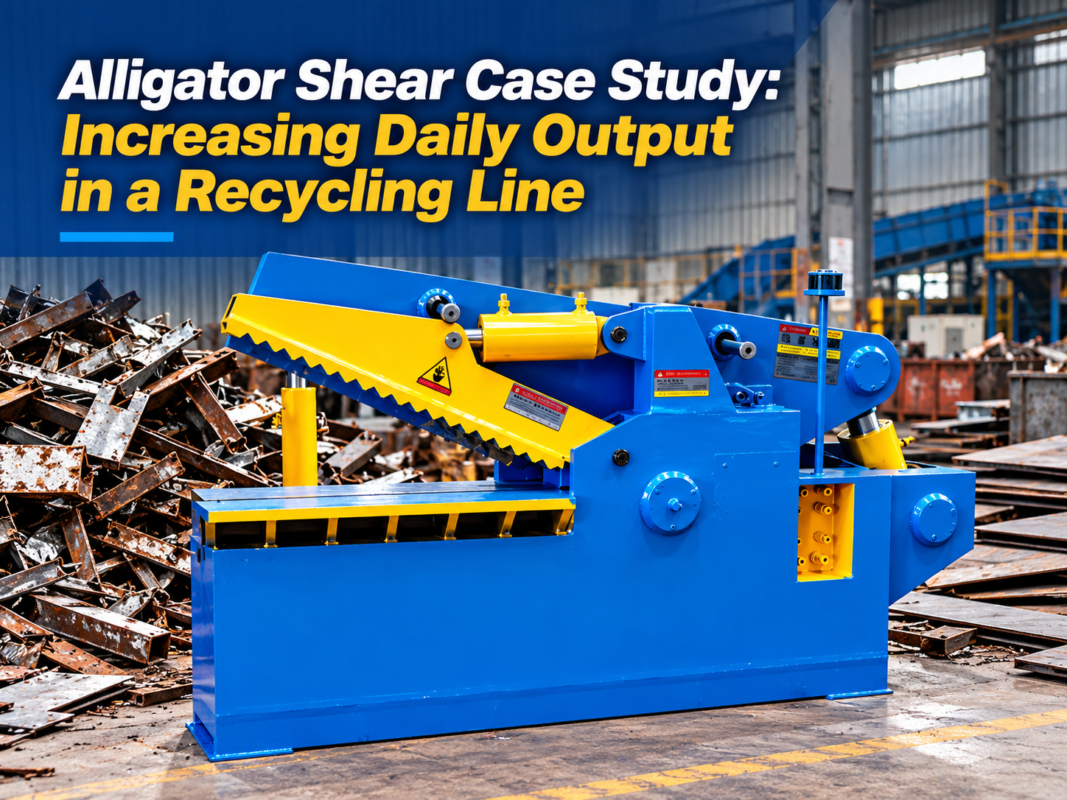
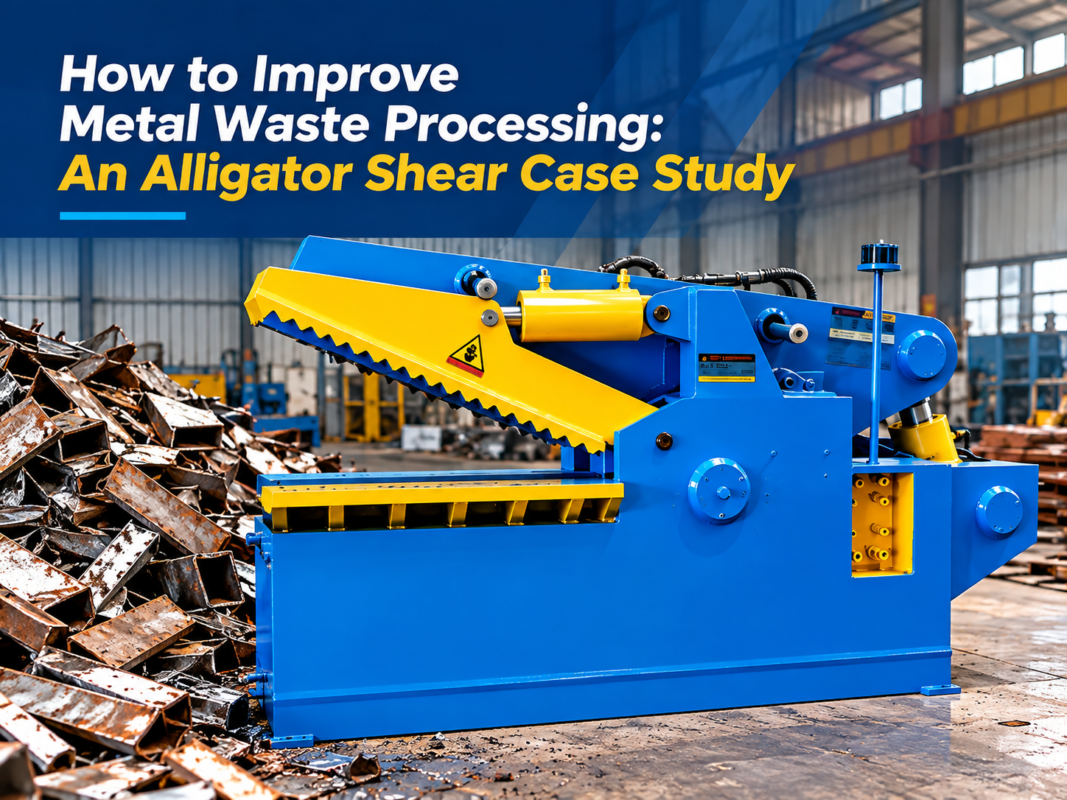
The alligator shear, a staple in the scrap metal recycling and metal fabrication industries, operates on a fundamental lever principle powered by high-pressure hydraulics. Unlike stationary guillotine shears, the alligator shear features a hinged upper jaw (the moving blade) and a fixed lower jaw. This design allows for the processing of bulky, irregular scrap materials such as pipes, structural steel, and non-ferrous profiles. The mechanical integrity of the machine depends heavily on the structural rigidity of its frame, which is typically constructed from high-tensile steel plates, precision-welded and stress-relieved to prevent deformation under extreme loads.
At the heart of the system is the hydraulic power unit (HPU). This unit consists of a high-efficiency motor, a variable displacement pump, and a sophisticated valve block that regulates the flow of hydraulic oil to the main cylinder. The synchronization between the hydraulic pressure and the mechanical pivot point determines the cutting efficiency. During the installation process, understanding the relationship between the pivot pin’s tolerance and the cylinder’s stroke is vital. A slight misalignment at the pivot can lead to uneven blade wear or, in extreme cases, structural failure of the shear arm.
Modern alligator shears, such as those manufactured by HARSLE, often incorporate automatic hold-down devices. These devices secure the material before the cutting stroke begins, preventing the ‘kick-back’ effect that can damage the blades or injure the operator. The technical complexity of these machines necessitates a rigorous installation protocol. Proper Alligator Shear Installation: Foundation, Alignment, Commissioning Essentials are not merely recommendations; they are requirements for ensuring the machine achieves its rated 20-year service life while maintaining peak cutting precision.
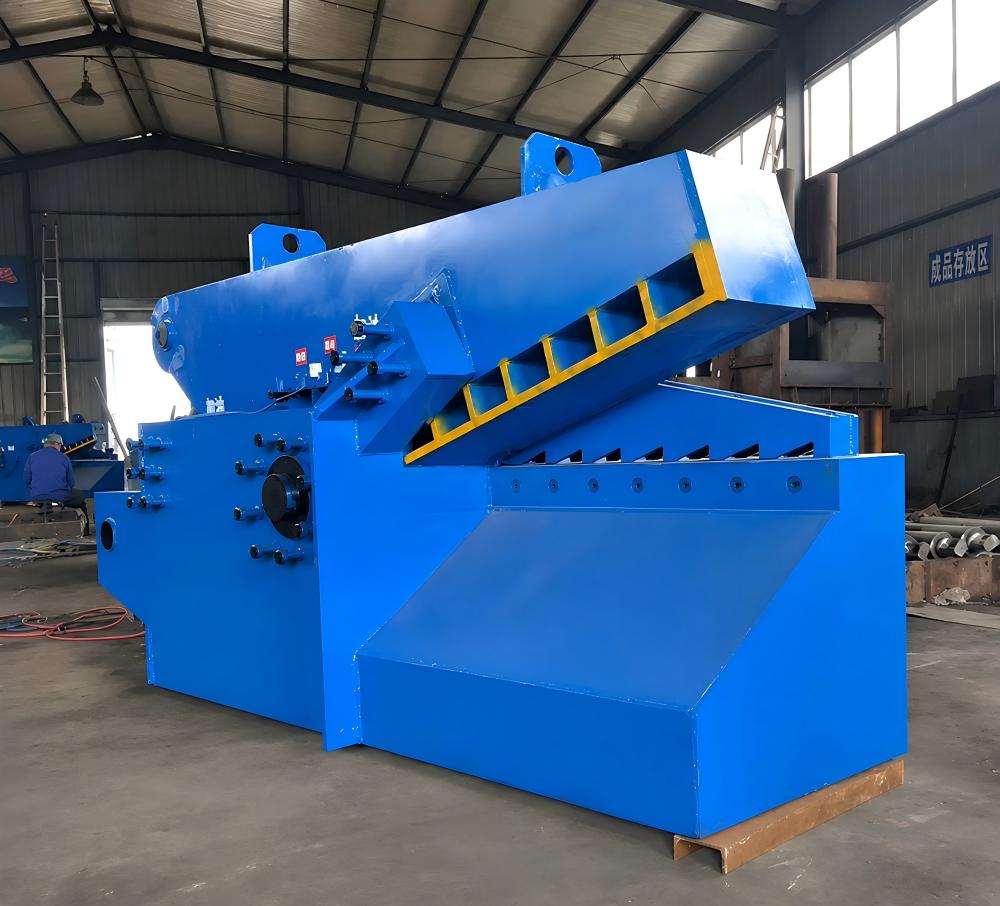
Core Parameters and Performance Metrics
When discussing the installation of an alligator shear, one must first analyze the core parameters that define the machine’s capabilities. The most critical parameter is the nominal shearing force, usually measured in kilonewtons (kN) or tons. This force is a product of the hydraulic pressure and the surface area of the cylinder piston, multiplied by the mechanical advantage of the lever arm. For instance, a 250-ton shear does not exert 250 tons at every point along the blade; the force is highest near the pivot and decreases toward the tip.
Blade length and the maximum opening height are equally important. The blade length determines the maximum width of the material that can be cut in a single stroke, while the opening height dictates the maximum diameter of pipes or thickness of scrap bundles. Cycle speed, measured in cuts per minute (CPM), is influenced by the pump’s flow rate. During installation, the electrical supply must be calibrated to handle the peak current draw of the motor, especially during the initial ‘break-in’ period when internal friction is slightly higher.
Calculation Method for Foundation and Force
The foundation for an alligator shear must be engineered to withstand both the static weight of the machine and the dynamic loads generated during the shearing stroke. To calculate the required foundation depth, engineers use the formula: D = (W * k) / (A * S), where D is the depth, W is the total weight of the machine, k is a dynamic load factor (typically 2.5 to 3.0 for reciprocating machinery), A is the surface area of the base, and S is the soil bearing capacity. For most industrial floors, a reinforced concrete pad of at least 300mm to 500mm is required, using C25 or C30 grade concrete.
Furthermore, calculating the shear stress on the blades is essential for selecting the right machine for specific materials. The required shearing force (F) can be estimated using: F = L * T * σ, where L is the length of the cut, T is the thickness of the material, and σ is the ultimate shear strength of the metal. During the commissioning phase, these calculations help in setting the relief valve pressures to ensure the machine does not exceed its structural limits while processing high-strength alloys.
Alligator Shear Parameter Table
The following table outlines the standard specifications for common industrial alligator shears, which serve as a reference for foundation planning and electrical requirements.
| Model Series | Shear Force (Tons) | Blade Length (mm) | Max Opening (mm) | Motor Power (kW) | Foundation Depth (mm) |
|---|---|---|---|---|---|
| AS-630 | 63 | 600 | 320 | 7.5 | 300 |
| AS-1000 | 100 | 700 | 380 | 11 | 400 |
| AS-1600 | 160 | 800 | 450 | 18.5 | 500 |
| AS-2500 | 250 | 1000 | 520 | 30 | 600 |
| AS-5000 | 500 | 1200 | 600 | 45 | 800 |
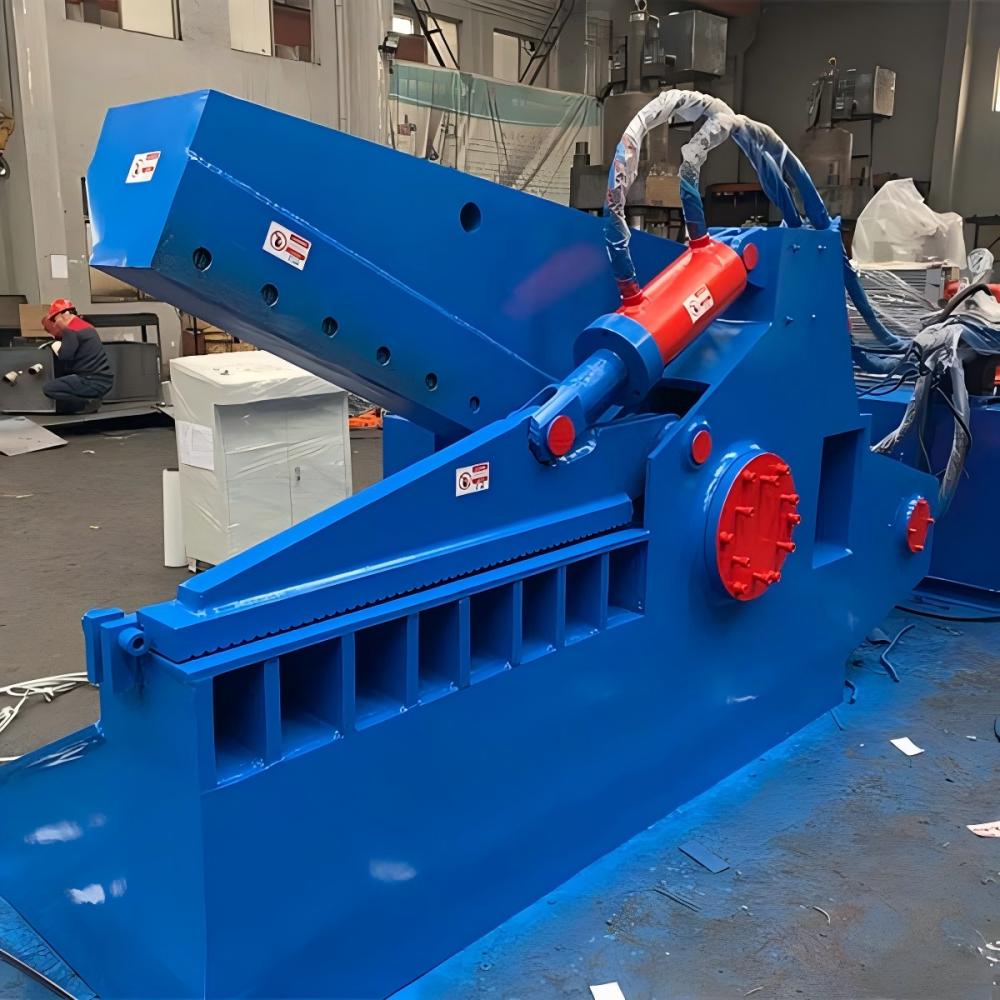
Step-by-Step Installation: Foundation and Alignment
The first phase of Alligator Shear Installation: Foundation, Alignment, Commissioning Essentials begins with the site preparation. The ground must be leveled and compacted to prevent uneven settling, which could cause the hydraulic lines to stress or the frame to twist. If the machine is installed on a standard factory floor, it is often necessary to cut out a section of the existing slab and pour a dedicated reinforced foundation. This foundation should include anchor bolt pockets or pre-set J-bolts that align perfectly with the machine’s base plate holes.
Once the concrete has cured (typically 21 to 28 days for full strength), the machine is lowered onto the foundation using a crane or heavy-duty forklift. Alignment is the next critical step. Using a precision spirit level or a laser alignment tool, the technician must ensure the machine is level in both the longitudinal and transverse axes. Shims made of stainless steel should be used under the base plate to achieve a leveling tolerance of 0.1mm per meter. Proper leveling ensures that the hydraulic oil in the reservoir remains at the correct level and that the shear arm moves without lateral bias.
After leveling, the anchor bolts are tightened. However, they should not be fully torqued until the hydraulic connections are made and the machine has undergone a preliminary ‘dry’ cycle. This allows the frame to settle naturally. Grouting the base is the final step of the foundation process. A non-shrink epoxy grout is pumped under the base plate to fill all voids, providing a solid interface between the machine and the concrete, which significantly reduces vibration and noise during operation.
Commissioning Essentials: Bringing the Machine to Life
Commissioning is the process of verifying that all systems—mechanical, hydraulic, and electrical—are functioning according to the manufacturer’s specifications. The first step in commissioning an alligator shear is the hydraulic system flush. Even in a new machine, microscopic contaminants can exist in the lines. The reservoir should be filled with high-quality anti-wear hydraulic oil (usually ISO VG 46 or 68, depending on the ambient temperature). The pump is then jogged to circulate the oil through a series of external filters before the main valves are engaged.
Air purging is the next essential task. Air trapped in the hydraulic cylinders can cause ‘spongy’ operation or erratic movements, which can damage the seals. This is achieved by cycling the shear arm through its full range of motion at low pressure several times. During these initial cycles, the technician monitors the pressure gauges for any fluctuations and inspects all fittings for leaks. The relief valve is then adjusted to the factory-set maximum pressure, ensuring the machine can reach its full shearing capacity without overloading the motor.
Finally, the safety systems are tested. This includes the emergency stop buttons, the foot pedal responsiveness, and the automatic return function of the shear arm. The blade gap—the distance between the moving and fixed blades—must be checked with feeler gauges. For most scrap metal applications, a gap of 0.2mm to 0.5mm is ideal. If the gap is too wide, the material will fold rather than cut; if it is too tight, the blades may clash, leading to catastrophic damage. Commissioning is only complete once the machine has successfully performed a series of test cuts on materials of increasing thickness.
Common Engineering Mistakes During Installation
Despite the apparent simplicity of the alligator shear, several common engineering mistakes can compromise the installation. One of the most frequent errors is neglecting the electrical phase sequence. If the hydraulic pump motor rotates in the wrong direction, it can cause immediate cavitation and permanent damage to the pump vanes. Always verify the motor rotation before allowing the pump to build pressure.
Another common mistake is the use of improper hydraulic fluid. Using low-grade oil or oil with the wrong viscosity index can lead to overheating and premature seal failure. In colder climates, failing to install an oil heater can result in high-pressure spikes during startup, while in hot environments, inadequate cooling can thin the oil, reducing the lubrication of the cylinder walls. Furthermore, many installers fail to properly torque the blade bolts. These bolts are subject to intense vibration and shock; if they are not torqued to the specific Newton-meter (Nm) rating and secured with thread-locking compound, they can loosen, leading to blade misalignment and breakage.
Lastly, inadequate ventilation is often overlooked. The hydraulic power unit generates significant heat. If the machine is tucked into a corner with poor airflow, the oil temperature will rise rapidly, shortening the life of the hydraulic components. Ensuring at least one meter of clearance around the HPU is a simple but vital part of the installation process.
Selection Checklist for Alligator Shears
Before proceeding with the installation, ensure that the selected machine meets the operational requirements of the facility. Use the following checklist to verify the readiness for Alligator Shear Installation: Foundation, Alignment, Commissioning Essentials:
- Material Compatibility: Does the shear force exceed the maximum shear strength of your thickest scrap material by at least 20%?
- Power Supply: Is the factory’s electrical grid capable of handling the motor’s starting current (Amps) without significant voltage drops?
- Space Requirements: Is there sufficient room for the material in-feed and the processed scrap out-feed?
- Foundation Integrity: Has the concrete been tested for compressive strength, and is the reinforcement steel placed according to the load plan?
- Tooling: Are the blades made of high-quality tool steel (like H13 or Cr12MoV) suitable for the specific types of metal being processed?
- Maintenance Access: Are the hydraulic filters, oil drain plugs, and grease points easily accessible for routine servicing?
Frequently Asked Questions (FAQ)
1. How often should the blade gap be adjusted?
The blade gap should be checked weekly during high-volume operations or whenever a change in cutting quality is noticed. If the shear begins to ‘tear’ the metal rather than producing a clean cut, the gap likely needs adjustment or the blades need sharpening.
2. What type of hydraulic oil is best for HARSLE alligator shears?
We generally recommend ISO VG 46 anti-wear hydraulic oil for moderate climates. For extremely hot environments, ISO VG 68 is preferred to maintain adequate viscosity. Always use a high-quality brand to prevent sludge buildup in the valves.
3. Can the alligator shear be installed outdoors?
Yes, but it requires a protective cover for the motor and electrical cabinet. Additionally, the hydraulic unit should be shielded from direct sunlight and rain to prevent oil degradation and corrosion of the electrical components.
4. Why is my shear arm moving slowly?
Slow movement is usually caused by a clogged suction filter, low oil levels, or a failing hydraulic pump. First, check the filters and oil level. If the problem persists, the pump’s flow rate may need to be tested by a professional technician.
5. How long does the commissioning process take?
A thorough commissioning process typically takes 4 to 8 hours. This includes the oil flush, air purging, pressure setting, and safety testing. Rushing this process can lead to overlooked issues that may cause downtime later.
6. What is the lifespan of the cutting blades?
Blade life depends entirely on the material being cut. When processing clean structural steel, blades can last for thousands of cuts before needing a regrind. However, cutting hardened alloys or contaminated scrap will accelerate wear. Most blades can be reground 3-4 times before replacement is necessary.