How to Improve Cutting Precision on an Alligator Shear for Ferrous and Non-Ferrous Scrap

Technical Overview of Alligator Shear Precision
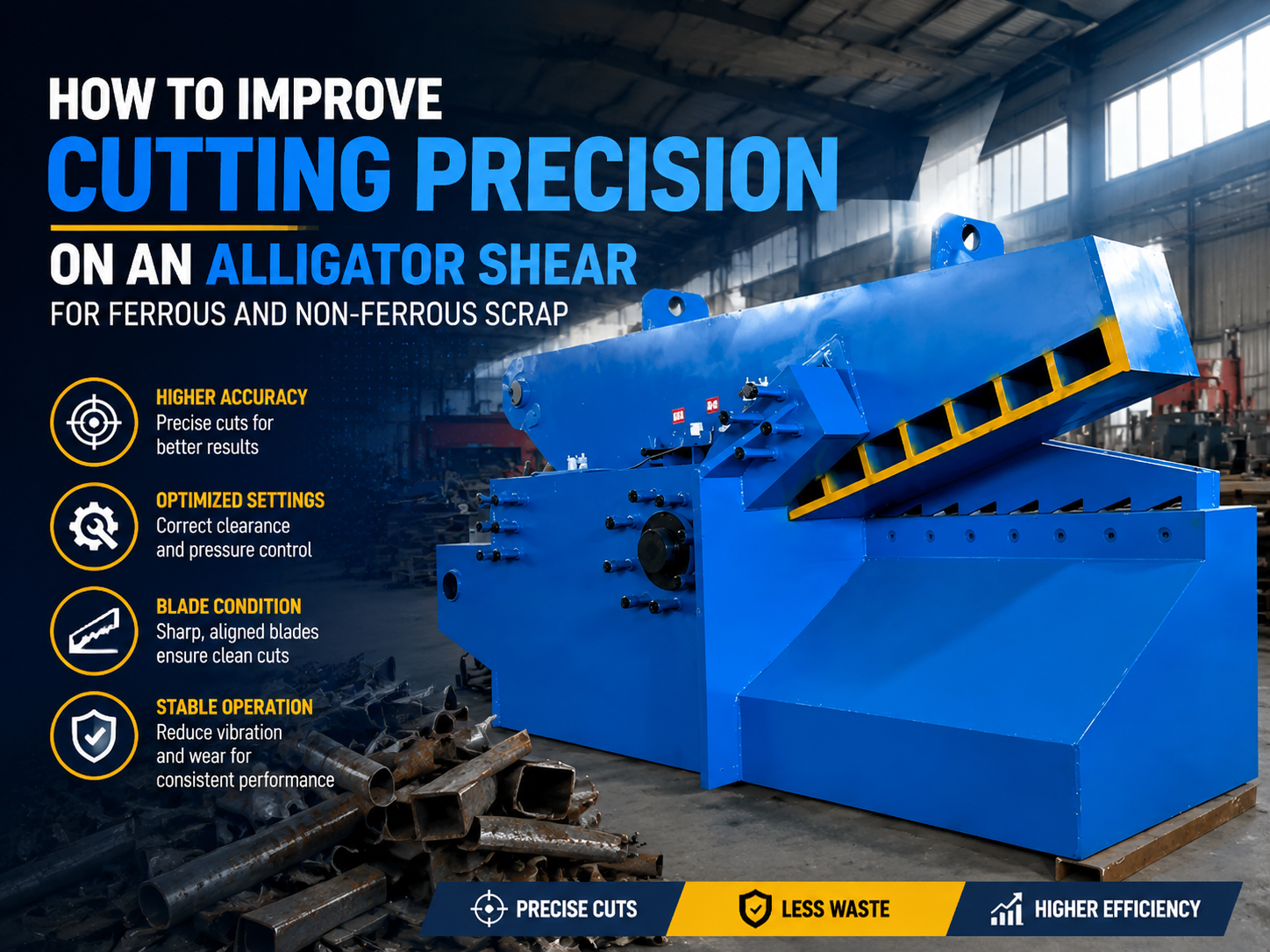
In the world of metal recycling and industrial fabrication, the alligator shear is a workhorse designed for the rugged task of downsizing scrap. However, the demand for higher efficiency and better material recovery has shifted the focus from mere ‘destruction’ to ‘precision cutting.’ When we talk about how to Improve Cutting Precision On An Alligator Shear Ferrous Non-Ferrous Scrap, we are referring to the machine’s ability to produce clean, square cuts with minimal material deformation and burr formation. This precision is vital because clean-cut scrap often commands a higher market price and is easier to process in secondary smelting or refining operations.
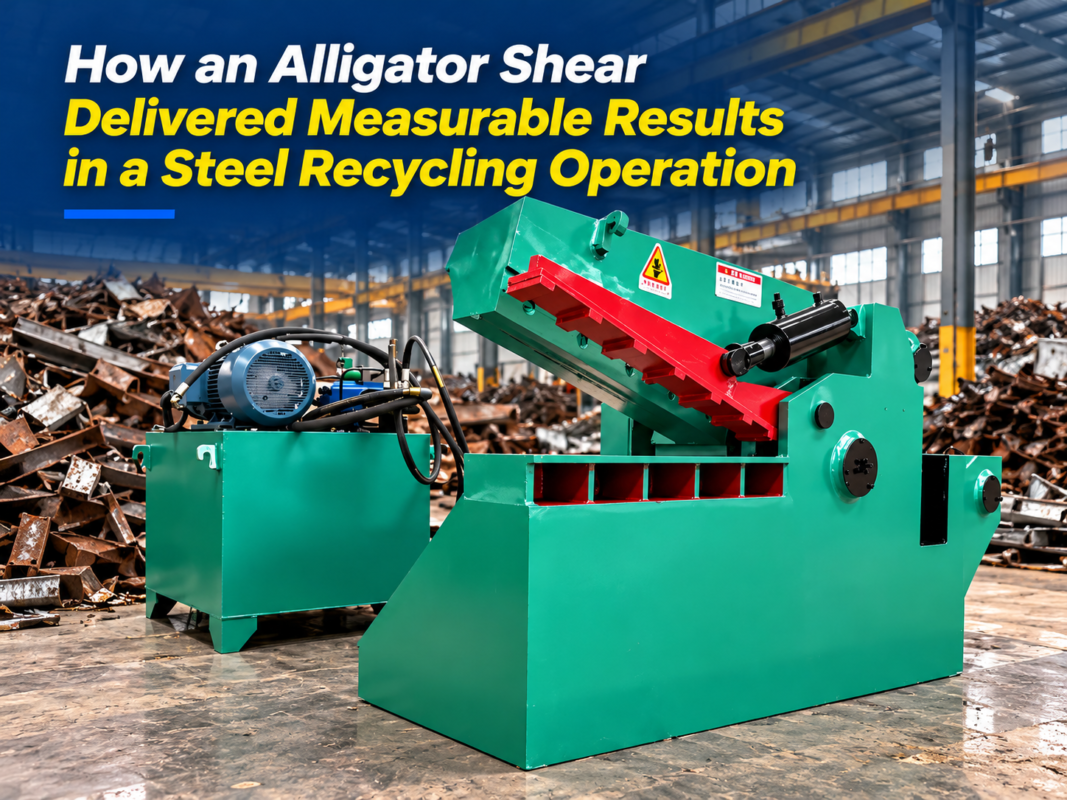
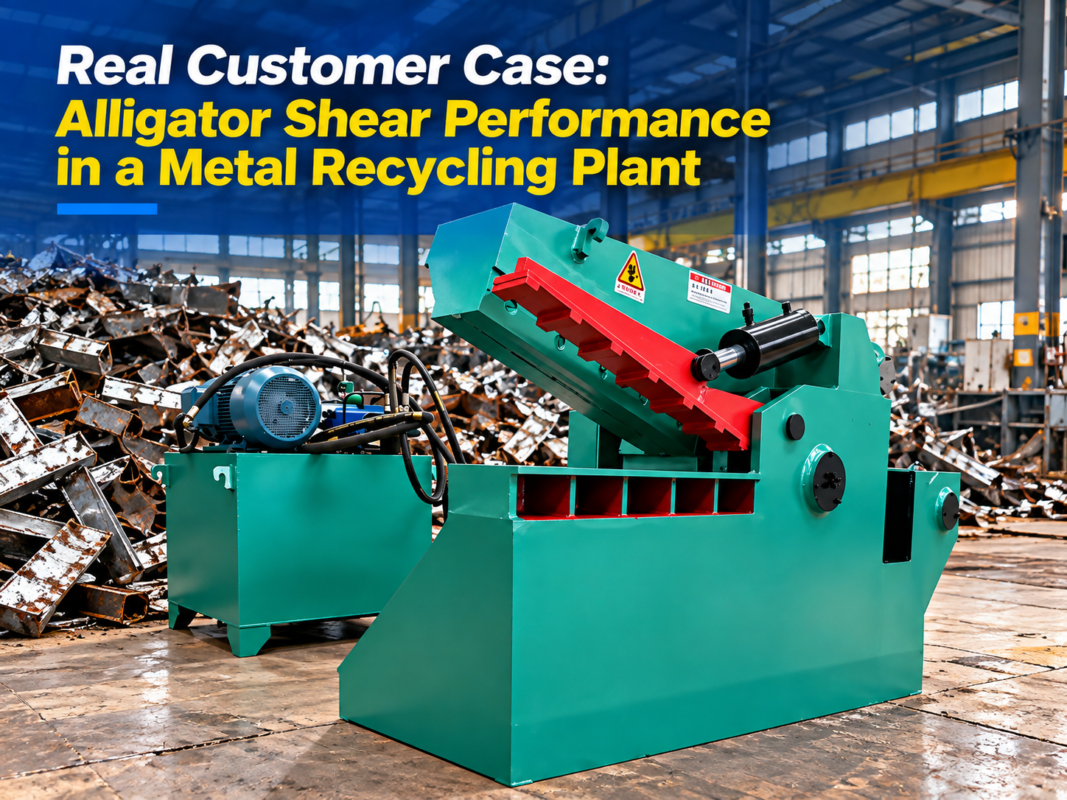
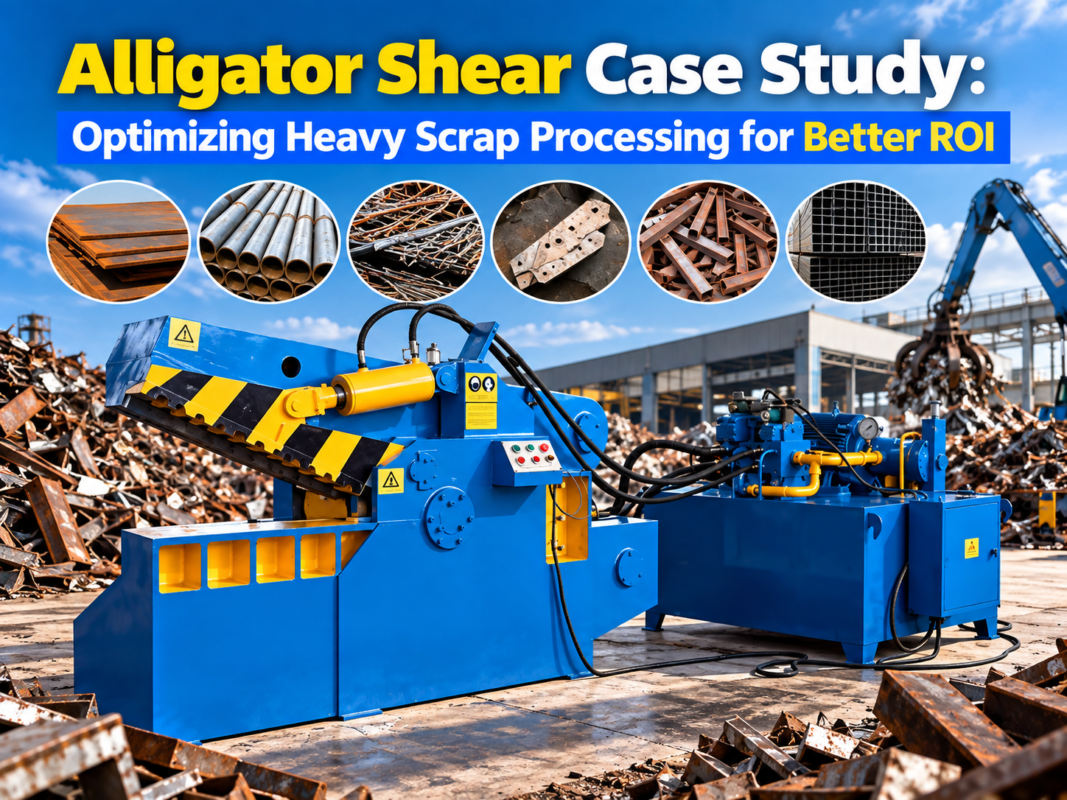
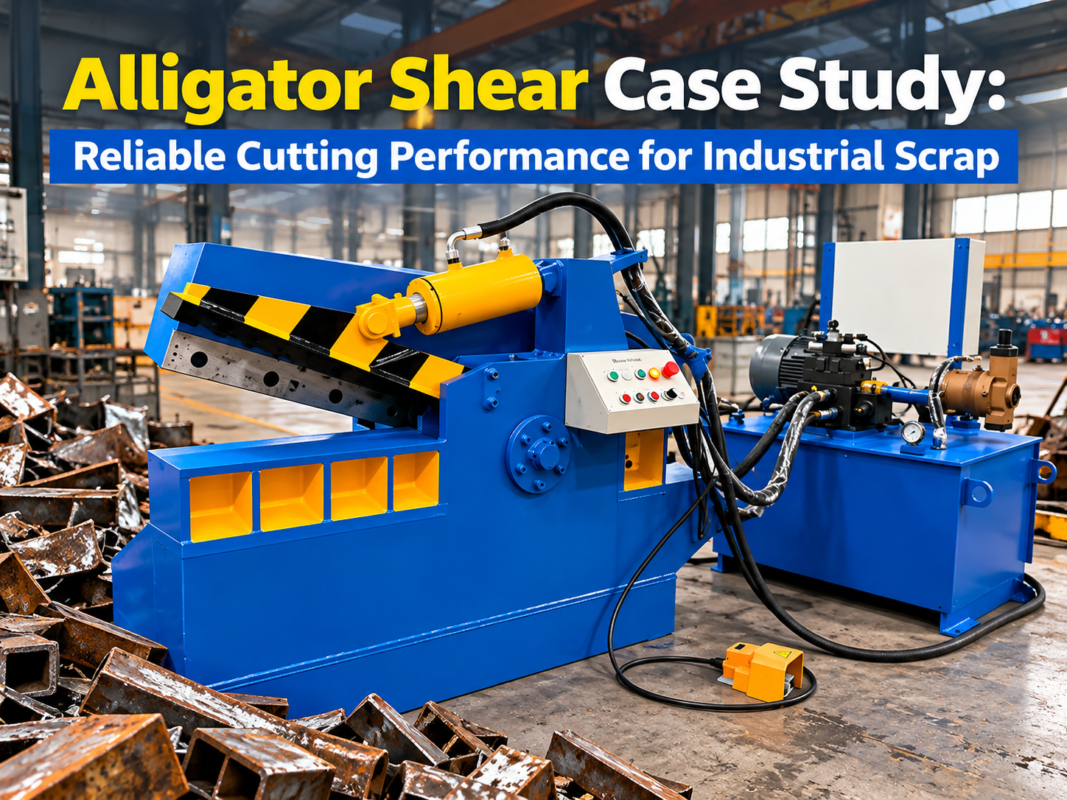
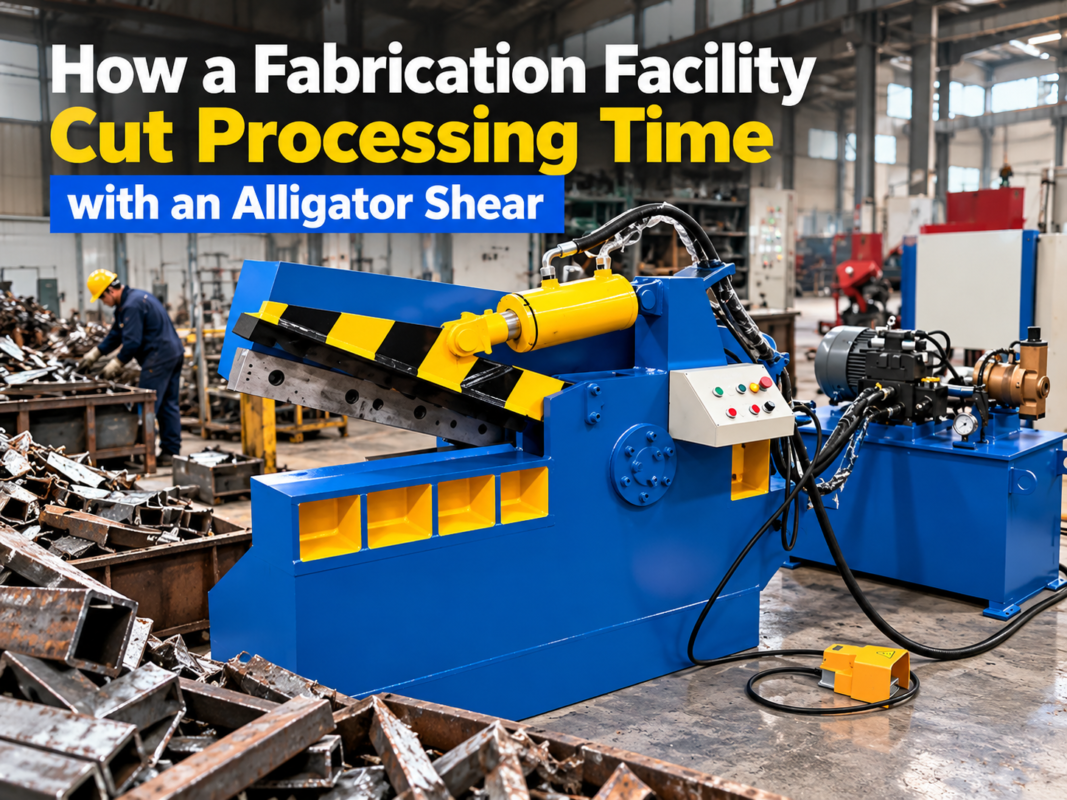
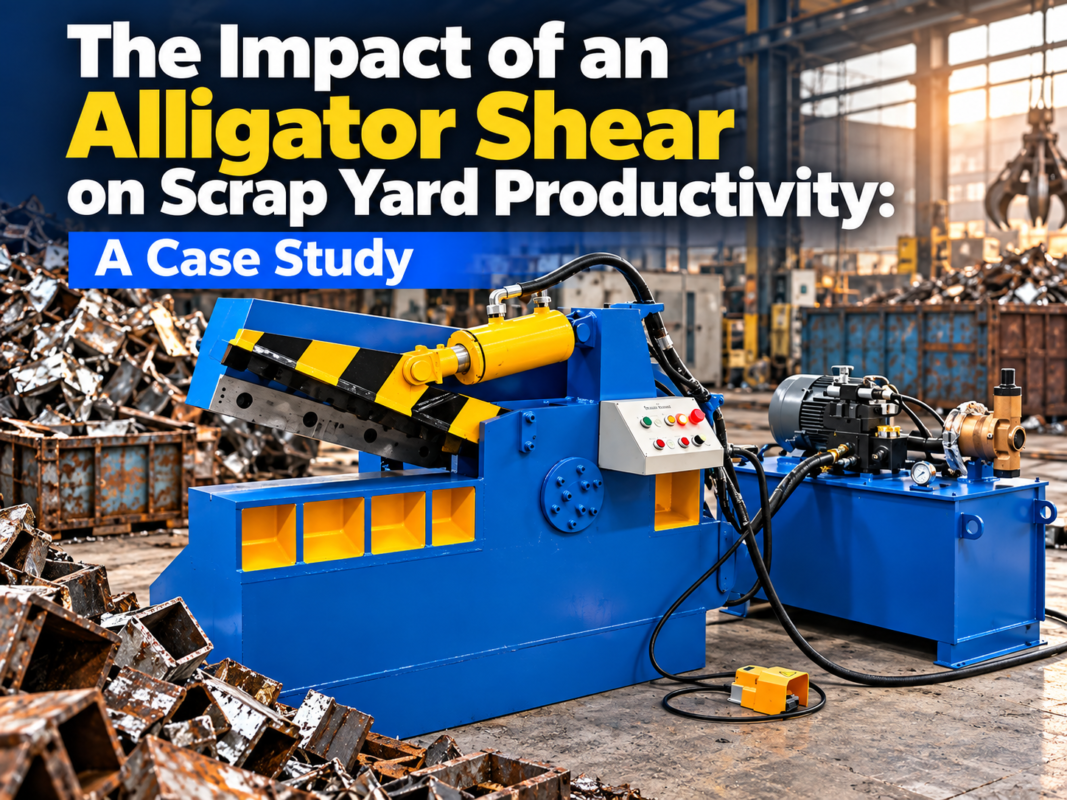
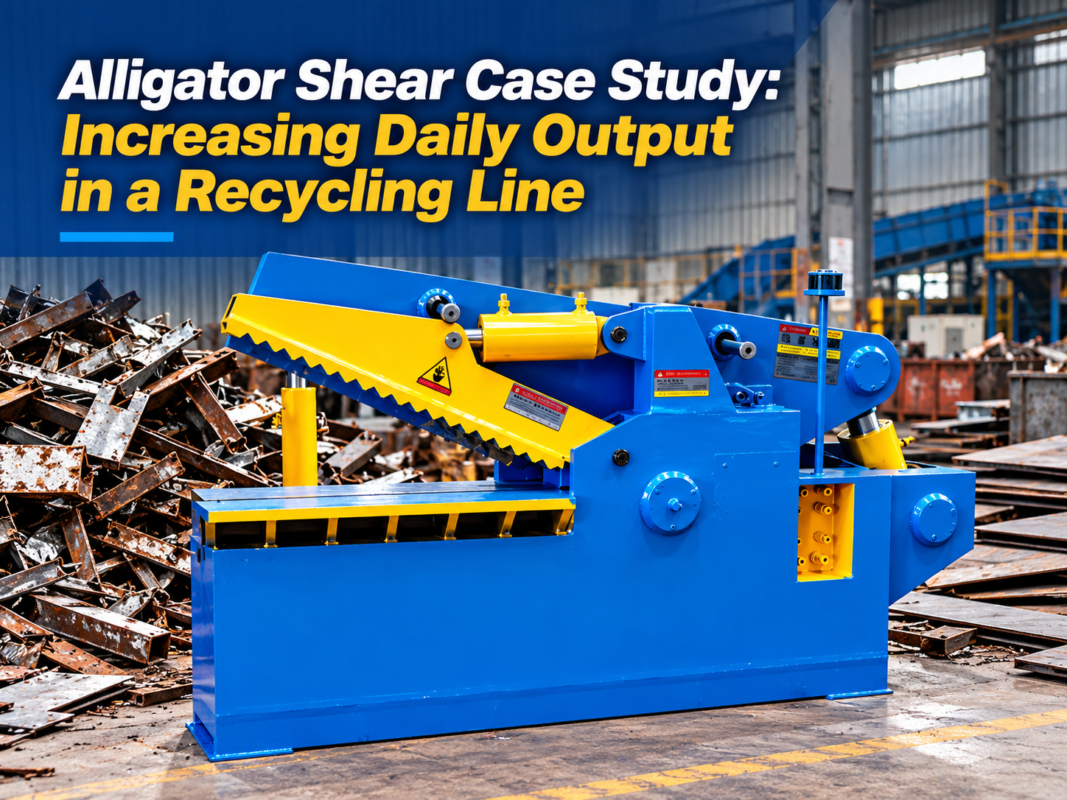
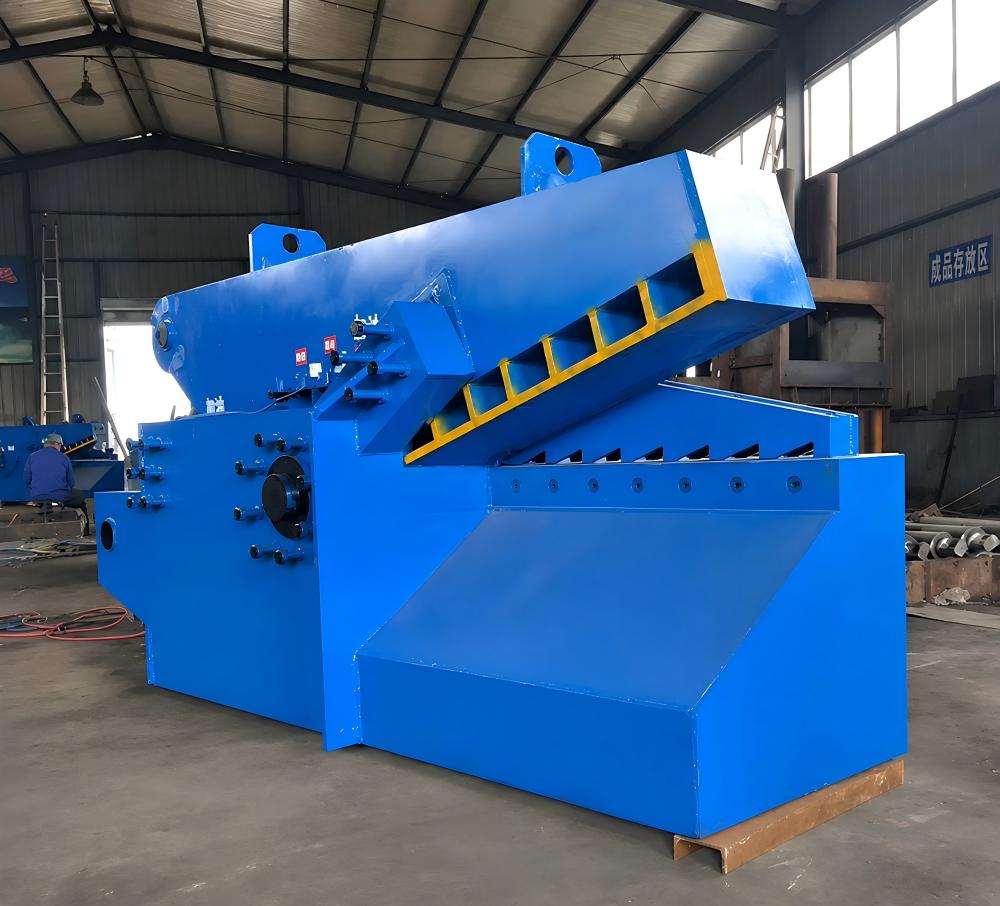
The fundamental mechanics of an alligator shear involve a fixed lower blade and a moving upper blade attached to a lever arm, which is actuated by a hydraulic cylinder. Precision in this context is governed by the mechanical rigidity of the frame, the alignment of the pivot point, and the consistency of the hydraulic pressure. Unlike a guillotine shear, the alligator shear operates on a radial path. This means the angle of the blade changes throughout the stroke, introducing a unique set of variables that must be managed to maintain accuracy. For ferrous materials like structural steel or rebar, the focus is on force and fracture control; for non-ferrous materials like aluminum or copper, the focus shifts to preventing material ‘smearing’ and maintaining a sharp shearing action.
Achieving high precision requires a holistic approach that combines mechanical calibration with operator expertise. The ‘alligator’ motion inherently wants to push the material away from the pivot point during the cut. Therefore, precision is not just about the blades meeting; it is about controlling the material’s movement during the entire shearing cycle. Modern HARSLE alligator shears incorporate advanced hydraulic damping and adjustable hold-down mechanisms to counteract these forces, ensuring that every cut is as accurate as the last, regardless of whether you are processing heavy I-beams or delicate copper tubing.
Core Parameters Influencing Shearing Accuracy
To effectively Improve Cutting Precision On An Alligator Shear Ferrous Non-Ferrous Scrap, one must understand the five core parameters that dictate the quality of the cut. The first and most critical is the Blade Gap (Clearance). This is the horizontal distance between the upper and lower blades as they pass each other. If the gap is too wide, the material will bend or ‘fold’ between the blades rather than shearing, leading to a ragged edge. If it is too tight, the blades will rub against each other, causing excessive wear and potentially damaging the machine’s motor or hydraulic system.
The second parameter is the Rake Angle. In an alligator shear, the rake angle is the angle of the upper blade relative to the lower blade. While this angle is often fixed by the machine’s design, understanding its impact is crucial. A steeper angle reduces the required shearing force but increases the distortion of the cut piece. For precision work, a balanced rake angle is necessary to ensure the material remains flat. Third is the Blade Sharpness and Material. Using high-chromium, high-carbon tool steel blades is essential for maintaining an edge when cutting abrasive ferrous scrap. A dull blade increases the ‘crushing’ effect, which destroys precision.
Fourth, we must consider the Hydraulic System Stability. Inconsistent pressure leads to variations in the speed and force of the stroke, which can cause the material to shift mid-cut. Finally, the Hold-Down Pressure is often overlooked. A precision cut is impossible if the material is allowed to kick up or slide during the stroke. The hold-down device must apply sufficient force to lock the scrap in place against the table before the blades make contact. Adjusting these parameters based on the specific density and thickness of the scrap is the hallmark of a professional operation.
Calculation Method for Optimal Blade Clearance
Calculating the correct blade gap is a scientific process that varies depending on the material’s tensile strength and thickness. To Improve Cutting Precision On An Alligator Shear Ferrous Non-Ferrous Scrap, engineers typically use a percentage-based formula. The general rule of thumb for most scrap metals is that the blade clearance (C) should be between 5% and 10% of the material thickness (T). However, this ‘k-factor’ changes based on the ductility of the metal.
For ferrous scrap, such as mild steel, the formula is often expressed as: C = T × 0.08. For example, if you are cutting a 20mm thick steel plate, the ideal gap would be 1.6mm. If the steel is high-carbon or hardened, the gap should be slightly wider (up to 10-12%) to prevent the blade from chipping due to the sudden release of energy when the material fractures. Conversely, for non-ferrous materials like soft aluminum or copper, which tend to flow rather than fracture, a tighter gap is required: C = T × 0.05. This ensures a clean ‘slice’ rather than a ‘tear.’
It is also important to account for the ‘bowing’ of the shear arm under load. In heavy-duty applications, the mechanical components may deflect slightly. Therefore, the static gap set when the machine is empty might differ from the dynamic gap during a high-pressure cut. Precision-focused operators often perform a ‘test cut’ on a sample piece and measure the burr height. A burr height exceeding 10% of the material thickness usually indicates that the blade gap is too wide and needs recalibration.
Parameter Table for Different Scrap Types
The following table provides a reference guide for setting up your alligator shear to achieve maximum precision across various common scrap materials.
| Material Type | Thickness Range (mm) | Recommended Blade Gap (% of T) | Hydraulic Pressure (MPa) | Blade Material Requirement |
|---|---|---|---|---|
| Mild Steel (Ferrous) | 10 – 40 | 7% – 9% | 20 – 25 | H13 or D2 Tool Steel |
| Stainless Steel (Ferrous) | 5 – 25 | 10% – 12% | 25 – 28 | High-Toughness Alloy |
| Aluminum Alloy (Non-Ferrous) | 10 – 50 | 5% – 6% | 15 – 18 | Polished Tool Steel |
| Copper Busbars (Non-Ferrous) | 5 – 20 | 4% – 5% | 12 – 15 | Sharp, Fine-Edge Blade |
| Rebar / Round Bar | 15 – 60 | 8% – 10% | 22 – 26 | Shock-Resistant Steel |
Common Engineering Mistakes in Alligator Shearing
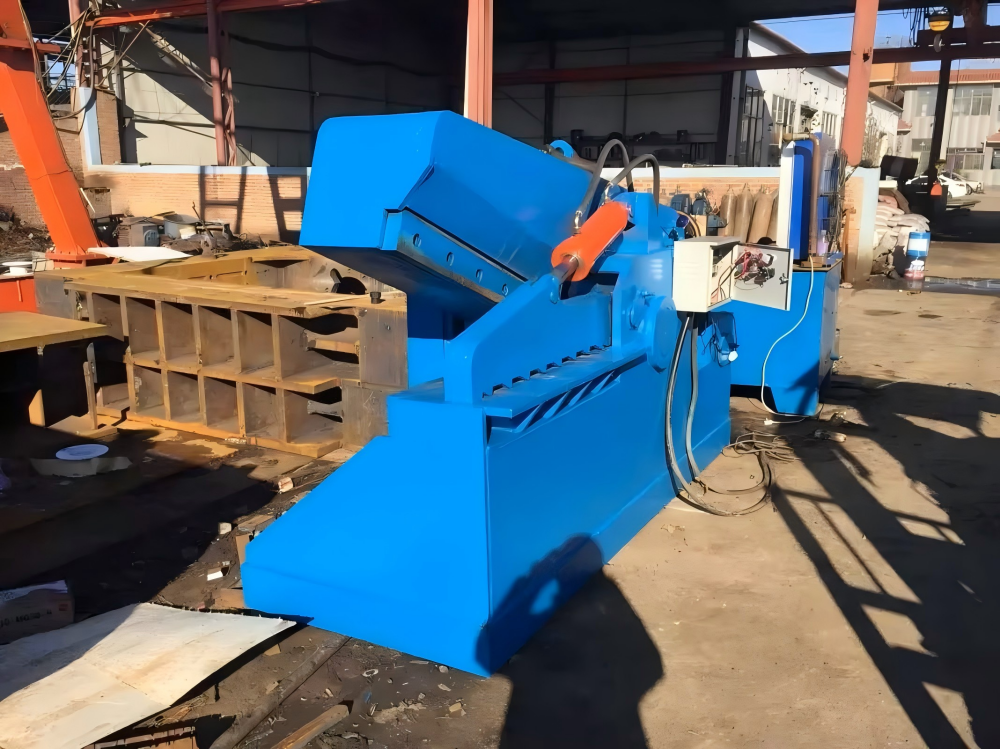
One of the most frequent mistakes made in scrap yards is the ‘one-size-fits-all’ approach to blade settings. Operators often leave the blade gap set for heavy steel while attempting to cut thin non-ferrous sheets. This results in the material being pulled into the gap, causing a ‘jam’ that can strain the hydraulic pump and dull the blades prematurely. To Improve Cutting Precision On An Alligator Shear Ferrous Non-Ferrous Scrap, the gap must be adjusted whenever there is a significant change in material type or thickness.
Another common error is neglecting the lubrication of the pivot pin and the slide guides. An alligator shear relies on a smooth, arc-like motion. If the pivot pin is dry or worn, the upper arm will develop ‘play’ or lateral movement. Even a fraction of a millimeter of side-to-side play at the pivot can translate into several millimeters of inaccuracy at the tip of the blade. This leads to uneven blade wear, where the blades might touch at the back but have a wide gap at the front, making precision impossible.
Furthermore, many facilities fail to monitor the temperature of the hydraulic oil. As hydraulic oil heats up, its viscosity decreases, which can lead to ‘spongy’ cylinder action and inconsistent cutting speeds. Inconsistent speed affects the momentum of the shear, often resulting in jagged edges on thicker ferrous sections. Finally, ignoring the condition of the blade seats is a major engineering oversight. If the surface where the blade rests is pitted or uneven, the blade will not sit perfectly flat, leading to a ‘wavy’ cut regardless of how sharp the blades are.
Selection Checklist for a Precision Alligator Shear
When purchasing a new machine or upgrading an existing one to Improve Cutting Precision On An Alligator Shear Ferrous Non-Ferrous Scrap, use the following checklist to ensure the equipment is capable of high-accuracy work:
- Frame Rigidity: Is the frame a solid cast structure or a heavy-duty welded plate? Cast frames generally offer better vibration damping and less deflection under load.
- Blade Adjustment Mechanism: Does the machine allow for easy shim adjustment or screw-based adjustment of the blade gap? Precision requires fine-tuning.
- Hold-Down System: Is the hold-down automatic and hydraulic? Manual hold-downs are often insufficient for precision scrap processing.
- Blade Quality: Are the blades four-sided? Four-sided blades can be rotated, providing four fresh cutting edges before needing a regrind, which maintains precision longer.
- Hydraulic Cooling: Does the machine include an air or water cooling system for the hydraulic oil to maintain consistent viscosity?
- Stroke Control: Can the stroke length be adjusted? Cutting small non-ferrous pieces with a full stroke is inefficient and reduces precision; a shorter, faster stroke is preferable.
- Safety Features: Does the machine have a clear guard that allows the operator to see the cut line without compromising safety? Visibility is key to precision.
Frequently Asked Questions (FAQ)
1. How often should I rotate the blades to maintain precision?
Blade rotation depends on the volume and type of material. For heavy ferrous scrap, you should inspect the edges daily and rotate the blades every 100-200 hours of operation. For non-ferrous materials, blades may last longer, but they must be kept sharper to prevent smearing.
2. Why is my alligator shear ‘tearing’ the metal instead of cutting it?
Tearing is usually a sign that the blade gap is too wide or the blades are extremely dull. When the gap exceeds the recommended percentage of material thickness, the shear force is replaced by a bending force, which eventually tears the metal apart, leaving a rough, distorted edge.
3. Can I use the same alligator shear for both copper wire and steel beams?
Yes, but you must adjust the settings. Copper is soft and requires a very tight blade gap and sharp edges. Steel beams require more force and a wider gap. Using the ‘steel’ setting for copper will result in poor quality and potential machine jams.
4. What is the role of the ‘hold-down’ in cutting precision?
The hold-down prevents the material from ‘kicking up’ during the cut. Because the alligator shear cuts at an angle, the material naturally wants to tilt. If it tilts, the cut will be diagonal rather than square. The hold-down ensures the material stays flat against the cutting table.
5. How does hydraulic oil quality affect cutting accuracy?
Contaminated or overheated oil can cause the hydraulic valves to stick or respond slowly. This leads to inconsistent blade speed and pressure. For precision cutting, the hydraulic system must provide a smooth, constant force throughout the entire shearing stroke.
6. Is it better to have a faster or slower cutting speed for precision?
For thicker ferrous scrap, a slower, more controlled stroke is often better for precision as it allows the material to fracture naturally. For thin non-ferrous scrap, a faster stroke can produce a cleaner ‘slice’ with less deformation, provided the machine is rigid enough to handle the speed.