Understanding Alligator Shear Capacity: Cutting Thickness, Material Types, and Performance Limits

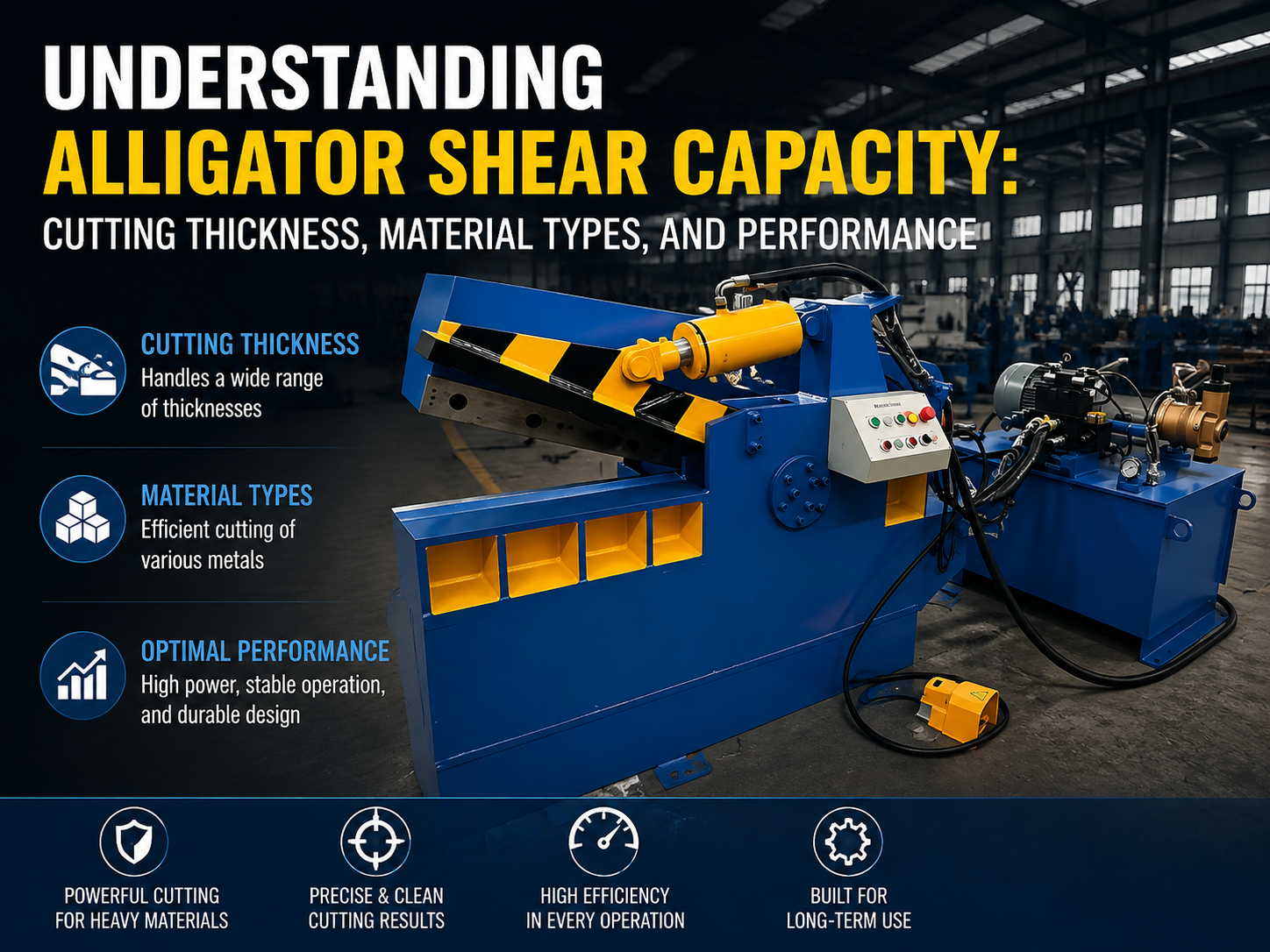
Technical Overview of Alligator Shear Mechanics
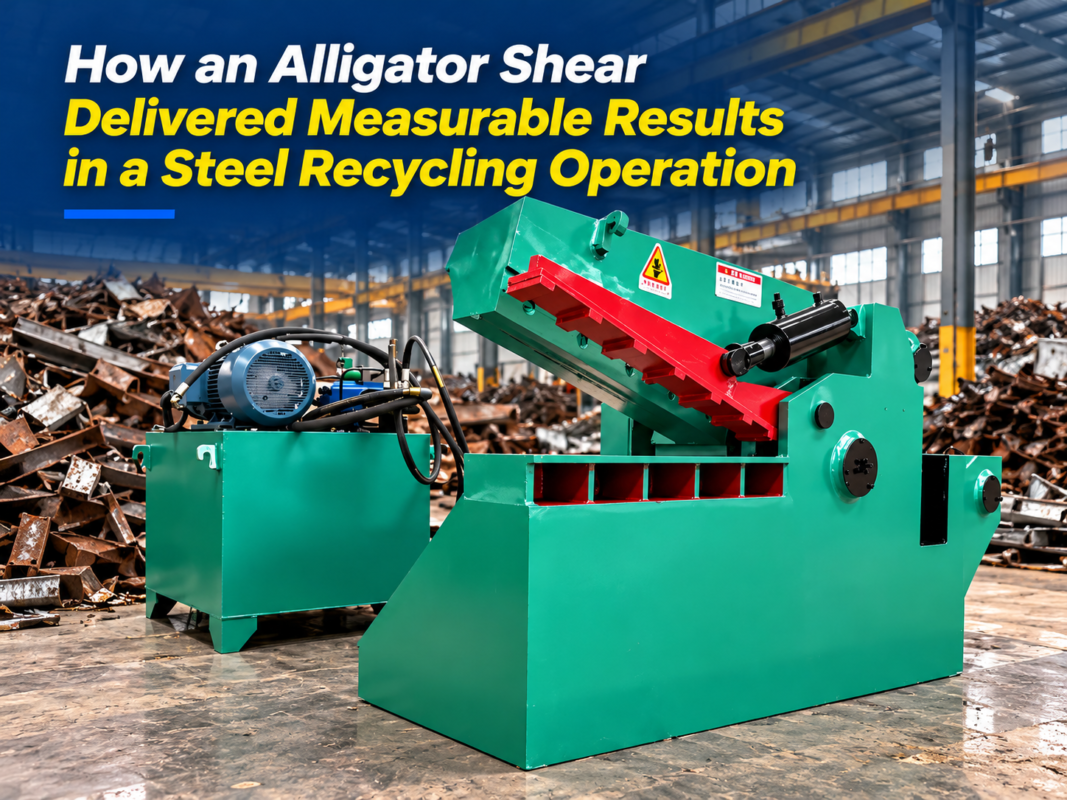
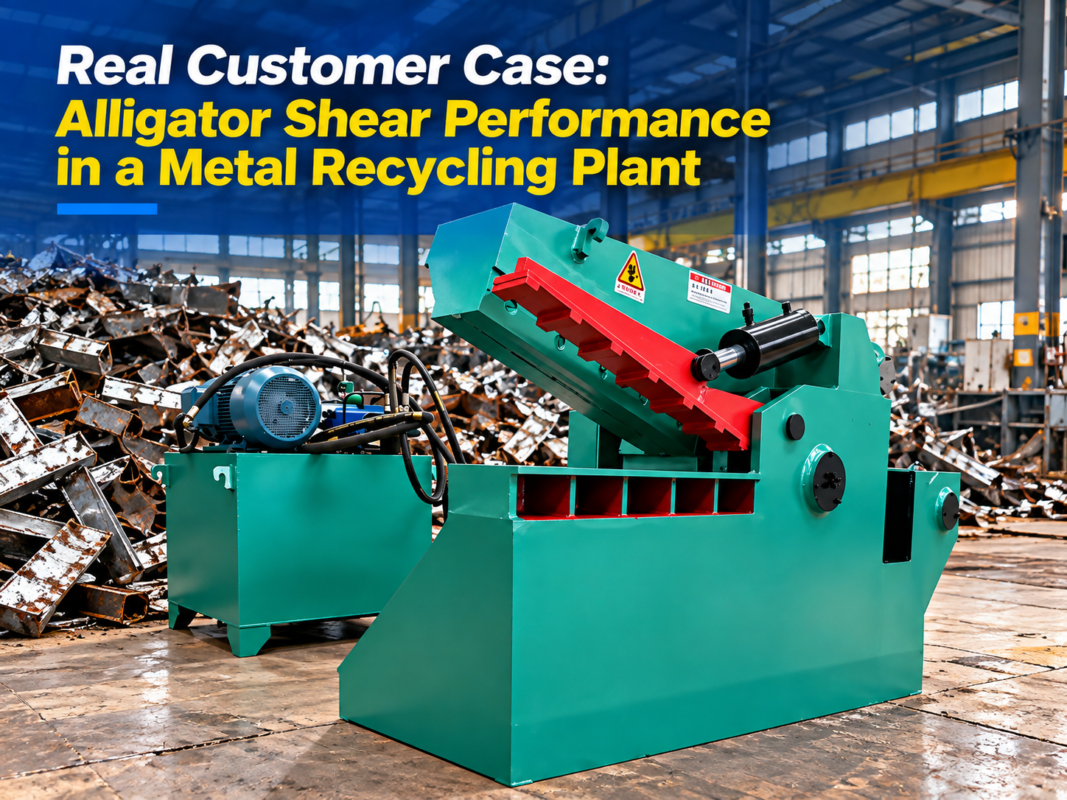
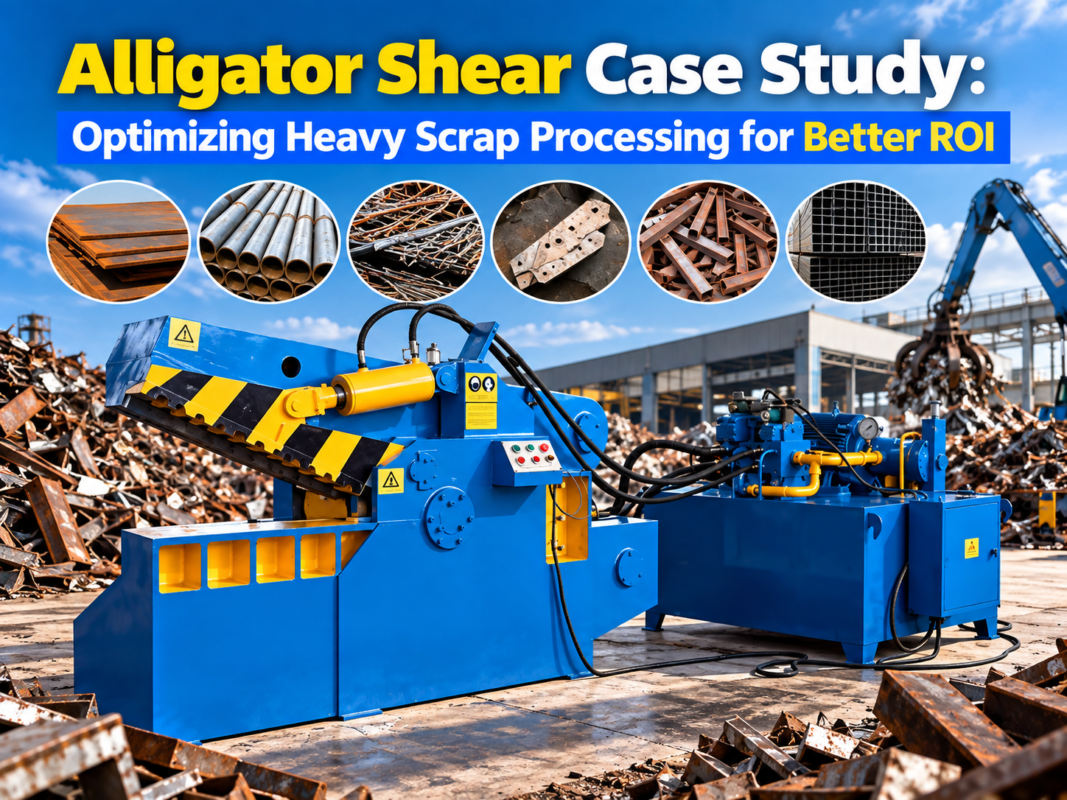
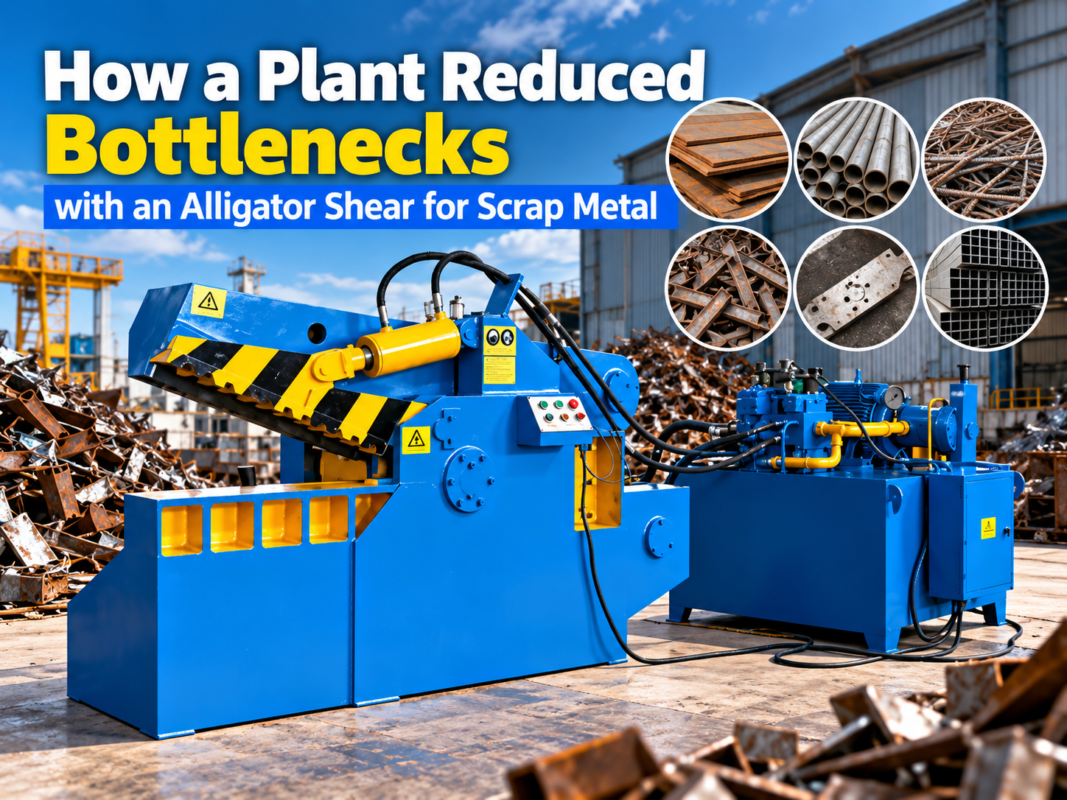
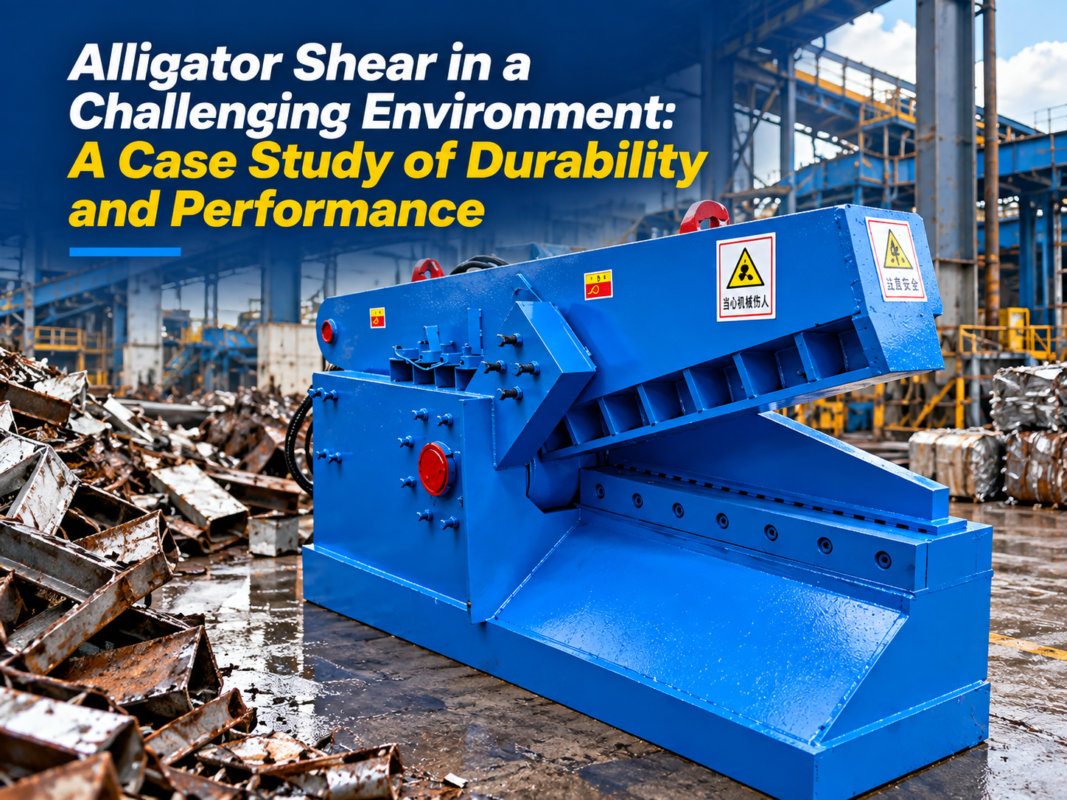
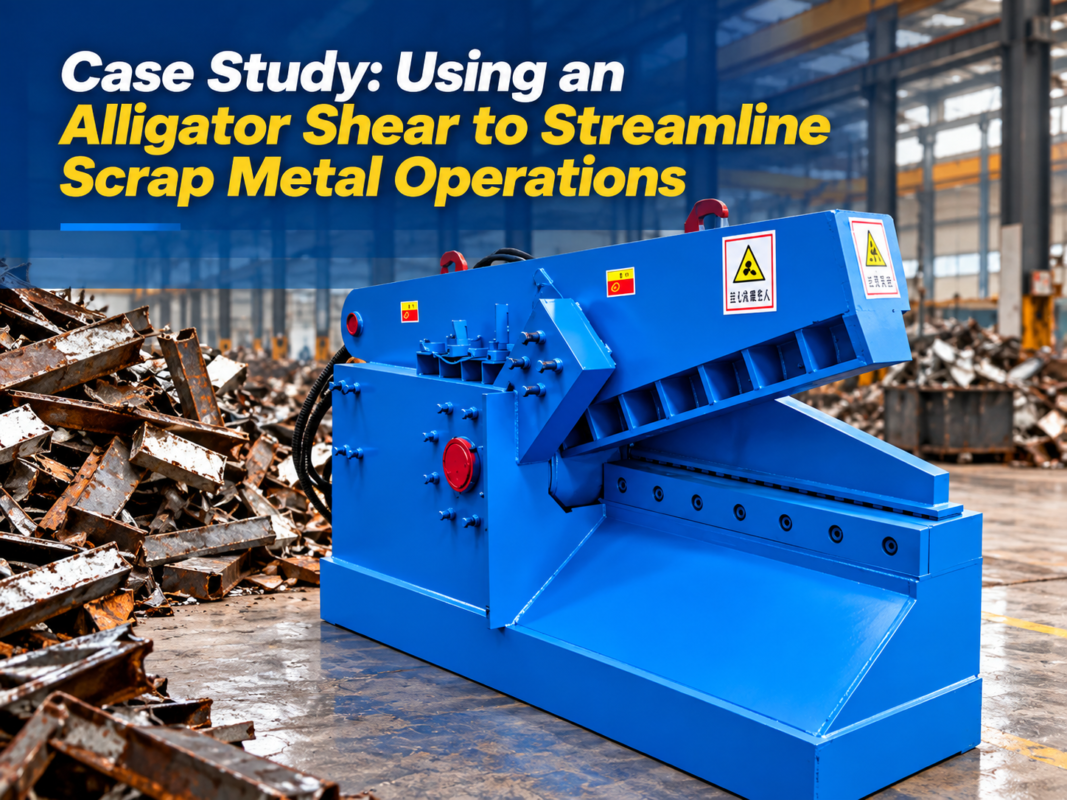
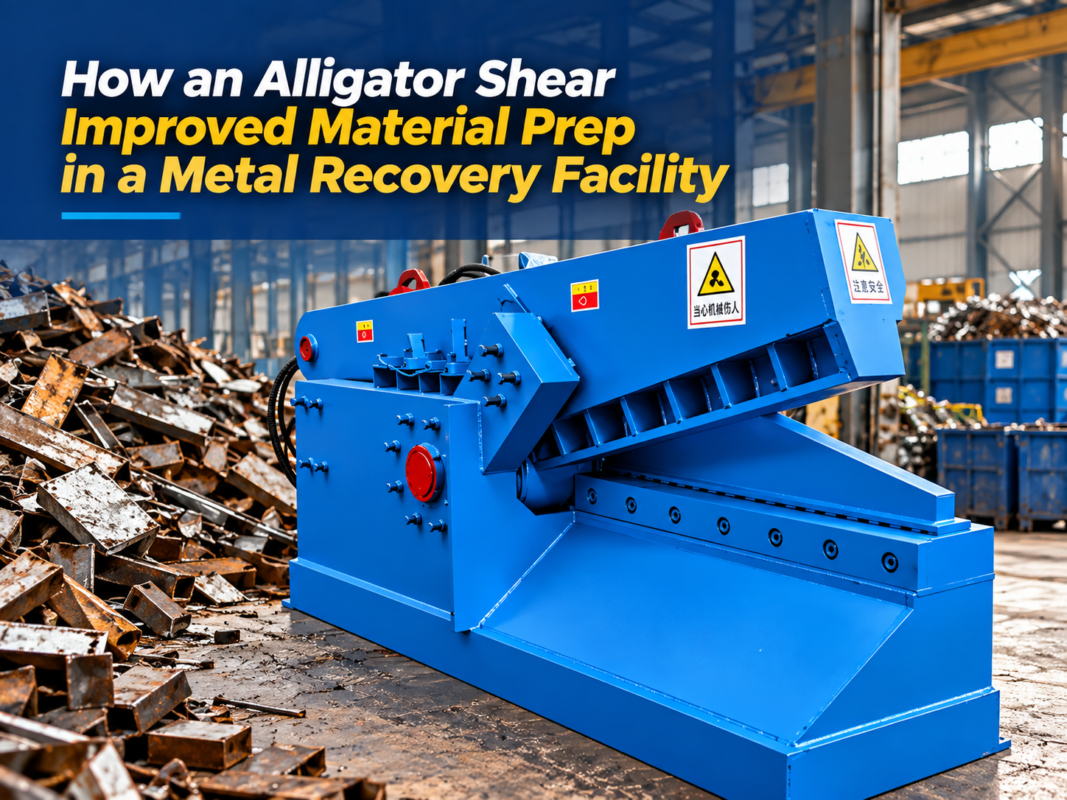
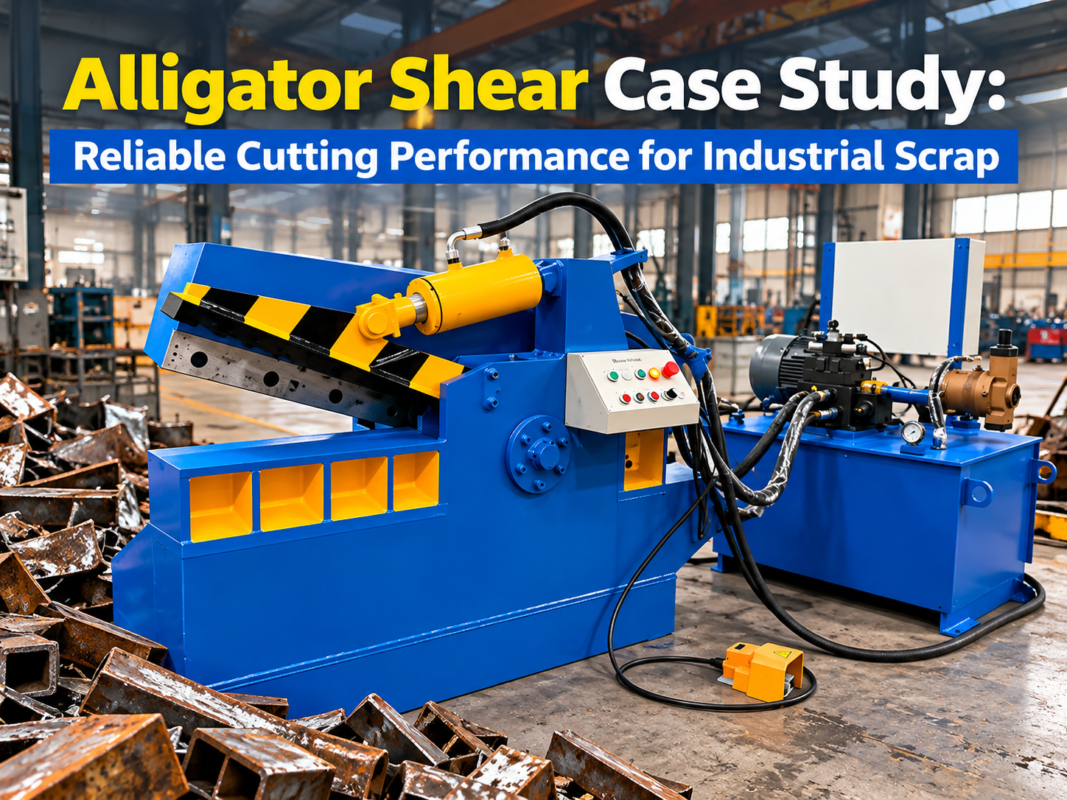
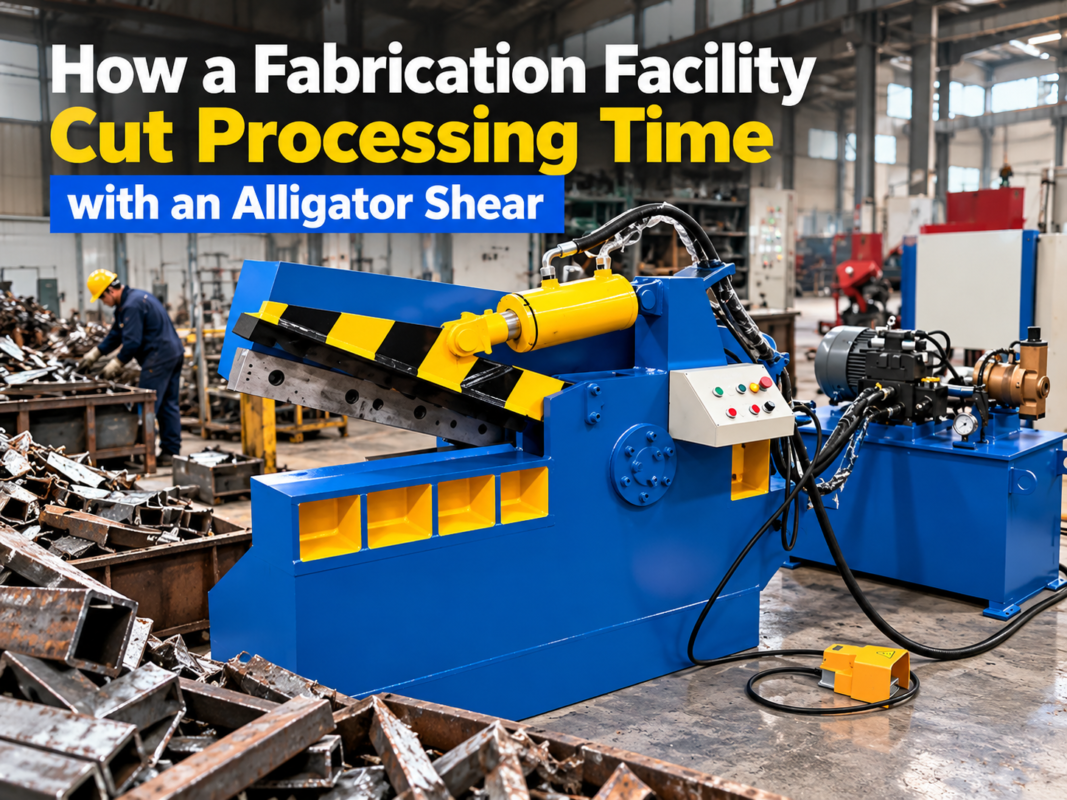
The alligator shear, named for its characteristic jaw-like movement, is a fundamental tool in the scrap metal recycling and metal fabrication industries. At its core, the machine utilizes a hydraulic cylinder to actuate a hinged upper blade against a fixed lower blade. This mechanical advantage, combined with high-pressure hydraulic systems, allows the machine to exert hundreds of tons of force on a concentrated point. Understanding the capacity of an alligator shear is not merely about knowing the maximum thickness it can cut; it involves a complex interplay between hydraulic pressure, lever arm length, blade geometry, and the physical properties of the material being processed.
HARSLE alligator shears are engineered to provide consistent performance under the rigorous conditions of a scrap yard. The capacity of these machines is typically rated based on mild steel (tensile strength of approximately 400-450 MPa). However, when operators introduce different alloys or profiles, the effective capacity changes. For instance, cutting a solid round bar requires significantly more force than cutting a hollow pipe of the same outer diameter. This technical guide aims to demystify these variables, ensuring that operators and facility managers can maximize their equipment’s lifespan while maintaining peak productivity.
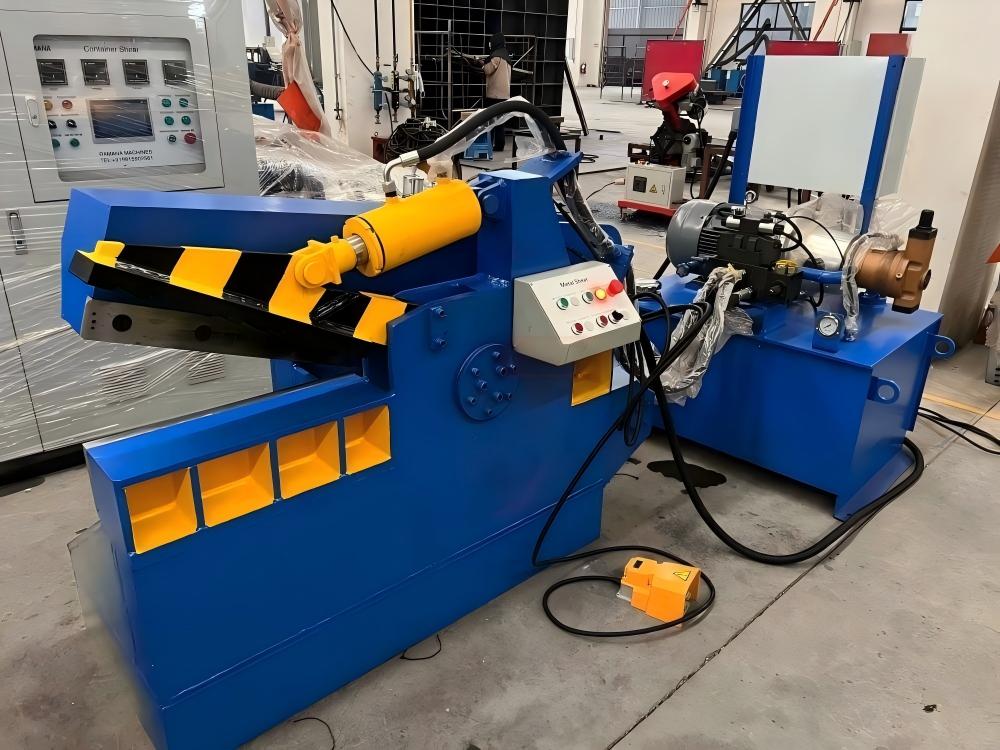
The efficiency of an alligator shear is also determined by its cycle speed and the integration of automatic hold-down devices. A common misconception is that a larger blade automatically equates to a higher cutting capacity. In reality, the shear force is highest near the fulcrum (the pivot point) and decreases toward the tip of the blade. Therefore, understanding where to place the material within the ‘throat’ of the shear is critical for achieving the rated capacity without straining the hydraulic system.
Core Parameters Defining Shear Performance
When evaluating alligator shear capacity, several key parameters must be analyzed. The most prominent is the Shear Force, usually measured in metric tons (e.g., 63 tons, 100 tons, 250 tons, or 500 tons). This force represents the maximum pressure the hydraulic cylinder can exert through the lever mechanism. However, this force is not uniform across the entire length of the blade. Because the alligator shear operates on a pivot, the mechanical advantage is greatest closest to the pin. Operators must understand that the ‘rated capacity’ usually refers to the force available at a specific point on the blade.
Blade Length is another critical factor. While longer blades allow for the processing of larger, bulkier scrap pieces, they also distribute the force over a wider area if the material is wide. For thick, solid sections, a shorter, more concentrated blade stroke is often more effective. HARSLE machines offer various blade lengths, typically ranging from 600mm to 1200mm, to suit different operational needs. The choice of blade length should be balanced against the typical size of the scrap being processed to avoid unnecessary energy consumption or mechanical stress.
Stroke Frequency (or cuts per minute) defines the machine’s throughput. High-speed shears are excellent for thin-gauge materials and non-ferrous metals like aluminum or copper. However, for heavy-duty steel sections, a slower, more controlled stroke is necessary to ensure the hydraulic pressure builds sufficiently to complete the cut. Modern HARSLE shears often feature variable speed controls or regenerative hydraulic circuits that allow for faster ‘no-load’ movement and slower, high-power ‘cutting’ movement, optimizing the cycle time.
Finally, the Maximum Opening of the jaws determines the physical size of the material that can be fed into the machine. This is particularly important for bulky items like automotive frames or large-diameter pipes. If the opening is too small, the material must be pre-processed, which adds labor costs. Conversely, an excessively large opening on a low-tonnage machine might tempt operators to insert materials that exceed the machine’s structural limits, leading to premature wear or catastrophic failure of the pivot pin.
Calculation Method for Cutting Capacity
To accurately determine if an alligator shear can handle a specific material, engineers use a formula based on the material’s shear strength and the cross-sectional area of the cut. The basic formula for the required shear force (F) is:
F = L × t × τ
Where:
L = Length of the cut (width of the material)
t = Thickness of the material
τ = Shear strength of the material (typically 0.6 to 0.8 times the ultimate tensile strength)
For example, if you are cutting a flat plate of mild steel that is 200mm wide and 20mm thick, and the shear strength of mild steel is approximately 350 N/mm², the calculation would be: 200 × 20 × 350 = 1,400,000 Newtons, which converts to approximately 143 metric tons of force. If your alligator shear is only rated for 100 tons, attempting this cut would likely stall the machine or trigger the hydraulic relief valve.
It is also vital to account for the Shear Angle. Alligator shears have a built-in rake angle because the upper blade moves in an arc. This angle reduces the instantaneous force required because it shears the material progressively rather than all at once. However, this also means the material tends to want to ‘squeeze’ out of the jaws. This is why the hold-down mechanism is essential; it prevents the material from kicking back and ensures the force is applied vertically through the cross-section.
Alligator Shear Performance Parameter Table
The following table provides a general reference for HARSLE Q43 series alligator shears, illustrating how tonnage correlates with typical cutting capacities for mild steel.
| Model (Q43 Series) | Shear Force (Tons) | Blade Length (mm) | Max. Opening (mm) | Max. Thickness (Mild Steel Plate) | Max. Round Bar Dia. (mm) |
|---|---|---|---|---|---|
| Q43-63 | 63 | 600 | 320 | 10-12mm | Φ40 |
| Q43-100 | 100 | 700 | 350 | 15-18mm | Φ50 |
| Q43-120 | 120 | 800 | 400 | 18-22mm | Φ60 |
| Q43-160 | 160 | 800 | 420 | 20-25mm | Φ70 |
| Q43-200 | 200 | 1000 | 450 | 25-30mm | Φ85 |
| Q43-250 | 250 | 1200 | 500 | 30-35mm | Φ100 |
| Q43-500 | 500 | 1200 | 600 | 50-60mm | Φ130 |
Note: These values are based on standard mild steel. For stainless steel, reduce the capacity by approximately 30-40%. For aluminum, capacity may increase by 20-30% depending on the alloy.
Common Engineering and Operational Mistakes
One of the most frequent mistakes in operating alligator shears is ignoring the material’s hardness. Scrap yards often encounter ‘mystery metals’ or alloy steels that have been heat-treated. While a piece of 20mm rebar might look the same as a 20mm mild steel rod, the rebar often has a much higher carbon content and tensile strength. Attempting to cut hardened materials can lead to blade chipping or ‘shattering,’ especially if the blades are made of high-carbon tool steel which is brittle.
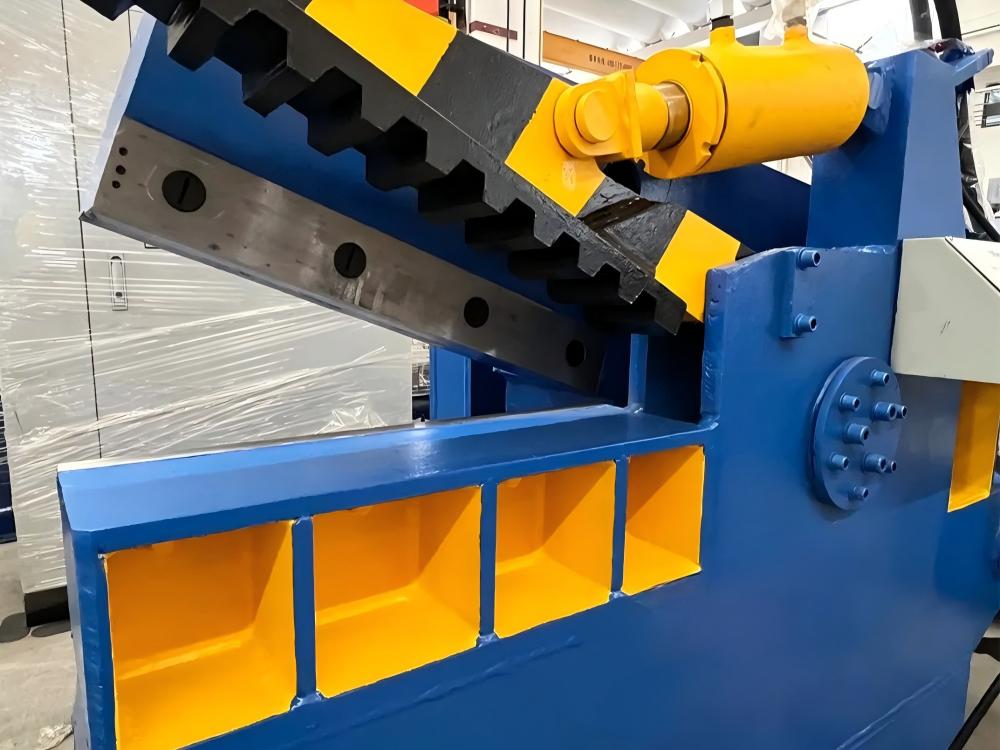
Another critical error is incorrect blade gap adjustment. The clearance between the upper and lower blades must be precisely set based on the thickness of the material. If the gap is too wide, the material will ‘fold’ or ‘tear’ rather than shear, which puts immense lateral stress on the pivot bearings. If the gap is too tight, the blades may rub against each other, causing excessive heat and premature dulling. As a rule of thumb, the blade gap should be approximately 5-10% of the material thickness.
Overloading the tip of the blade is a common cause of structural failure. As mentioned earlier, the mechanical advantage is lowest at the tip. Operators often try to cut thick sections at the tip to see the cut better, but this creates a massive lever arm that can bend the main shear arm or snap the hydraulic cylinder rod. Always place the thickest part of the material as close to the ‘throat’ (the pivot) as possible.
Finally, neglecting hydraulic maintenance directly impacts capacity. If the hydraulic oil is contaminated or the pump is worn, the system may not be able to reach its maximum rated pressure (usually 20-25 MPa). This results in a ‘weak’ shear that stalls on materials it should easily handle. Regular filter changes and pressure gauge checks are vital for ensuring the machine performs to its engineered specifications.
Selection Checklist for Alligator Shears
Choosing the right alligator shear requires a strategic assessment of your current and future processing needs. Use the following checklist to guide your selection process:
- Material Type: What is the primary material? (Mild steel, stainless, aluminum, copper). Remember to calculate based on the hardest material you expect to process.
- Maximum Profile Size: What is the largest cross-section? Measure the thickest plate and the largest diameter bar or pipe.
- Production Volume: How many tons per day do you need to process? This determines the required motor power and cycle speed.
- Blade Length Requirements: Do you need to cut wide sheets or just long bars? Longer blades are better for sheets; shorter blades are more robust for heavy bars.
- Power Supply: Ensure your facility can handle the electrical load of the hydraulic motor (e.g., 7.5kW to 45kW+).
- Space Constraints: Alligator shears require significant floor space for both the machine and the material handling area.
- Safety Features: Does the machine include a foot pedal, emergency stop, and a robust material hold-down device?
Frequently Asked Questions (FAQ)
1. Can I cut stainless steel with a standard alligator shear?
Yes, but you must account for the higher shear strength of stainless steel. Generally, you should reduce the rated thickness capacity by about 30-40%. Additionally, ensure your blades are made of high-quality H13 or similar tool steel to prevent rapid dulling.
2. Why is my shear stalling on material that is within the rated capacity?
This is usually due to one of three things: low hydraulic pressure (check the pump and relief valve), dull blades (which increase the required force), or the material being placed too far toward the tip of the blade where leverage is lowest.
3. How often should I rotate or sharpen the blades?
This depends entirely on usage. In a high-volume scrap yard, blades might need to be rotated every 2-4 weeks. Most HARSLE blades are four-sided, meaning you can rotate them three times before they require professional regrinding.
4. Is a foot pedal better than a hand lever?
A foot pedal is generally preferred for productivity as it leaves the operator’s hands free to position the scrap. However, hand levers offer more tactile control for delicate or precise cuts. Many HARSLE models offer both or a switchable interface.
5. What is the purpose of the automatic hold-down?
The hold-down prevents the material from ‘kicking up’ during the cut. Without it, the material can fly out of the jaws, posing a severe safety risk to the operator, and it also ensures the cut is clean and vertical, protecting the blades from lateral force.
6. Can alligator shears cut wire and cable?
Yes, they are excellent for cleaning ends of copper or aluminum cable. However, for very fine wire, the blade gap must be set very tight to prevent the wire from simply slipping between the blades.