Alligator Shear Maintenance Checklist: Daily, Weekly, and Monthly Inspection Tips

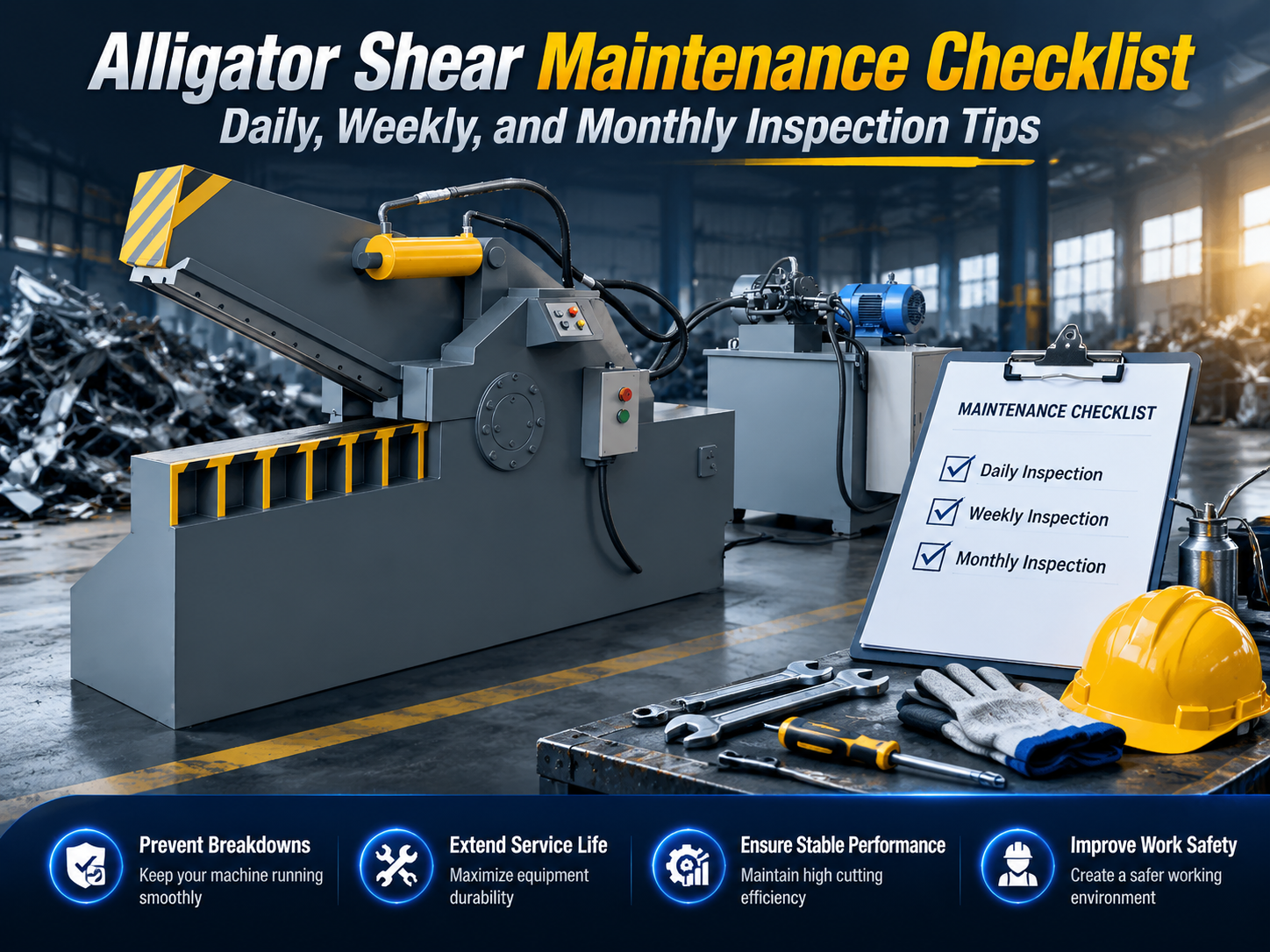
Technical Overview of Alligator Shears in Metal Recycling
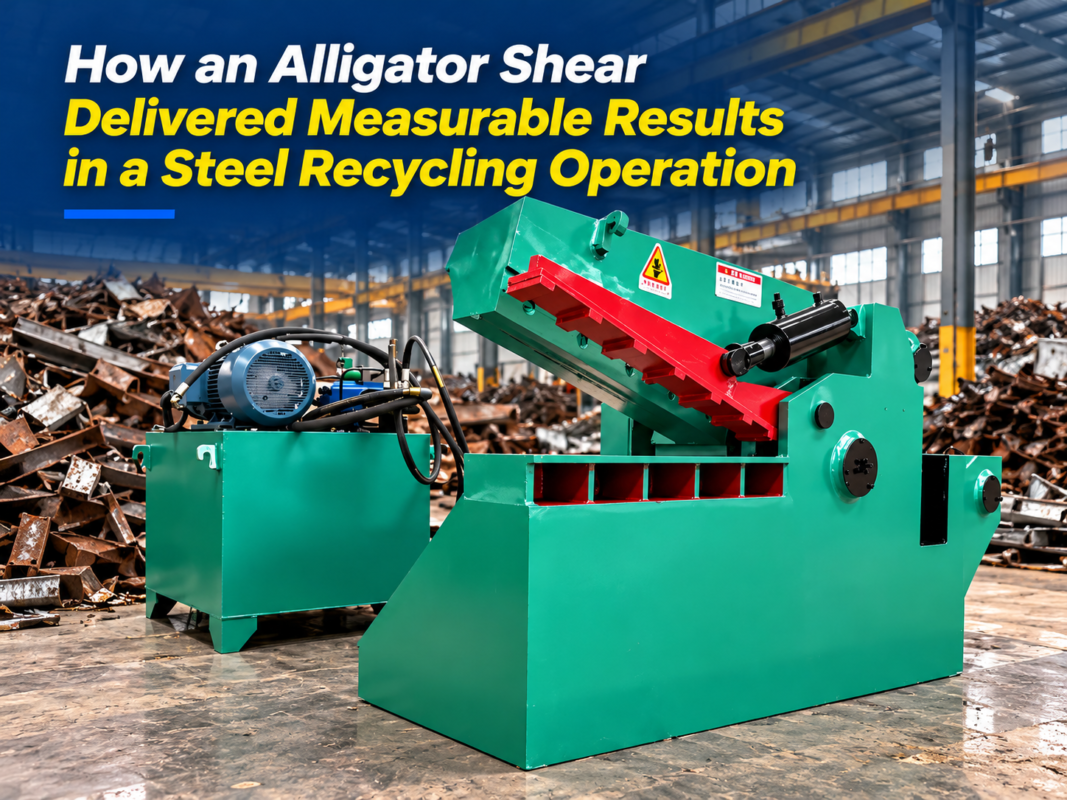
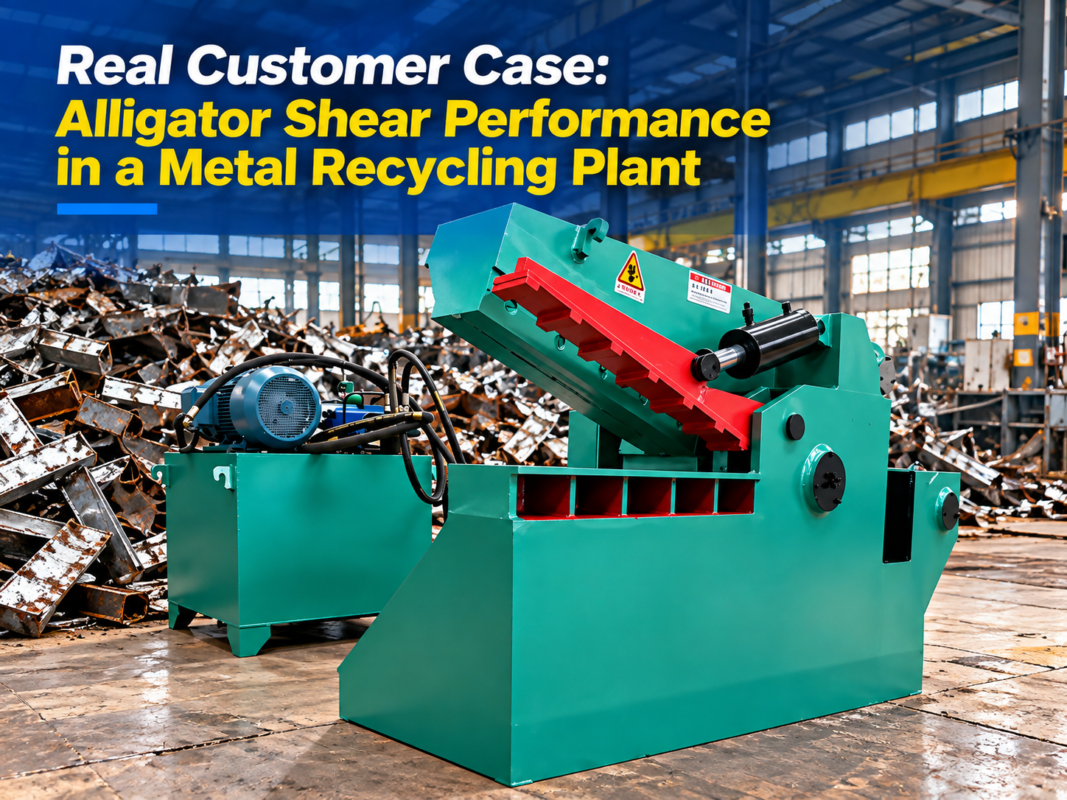
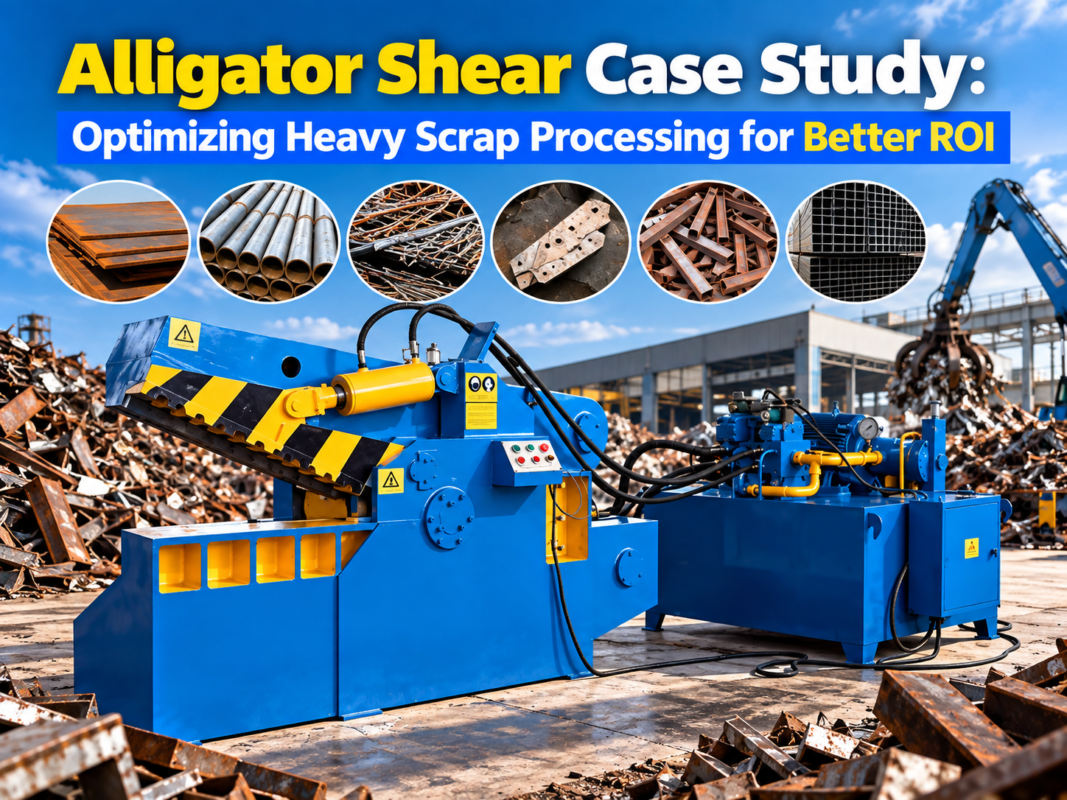
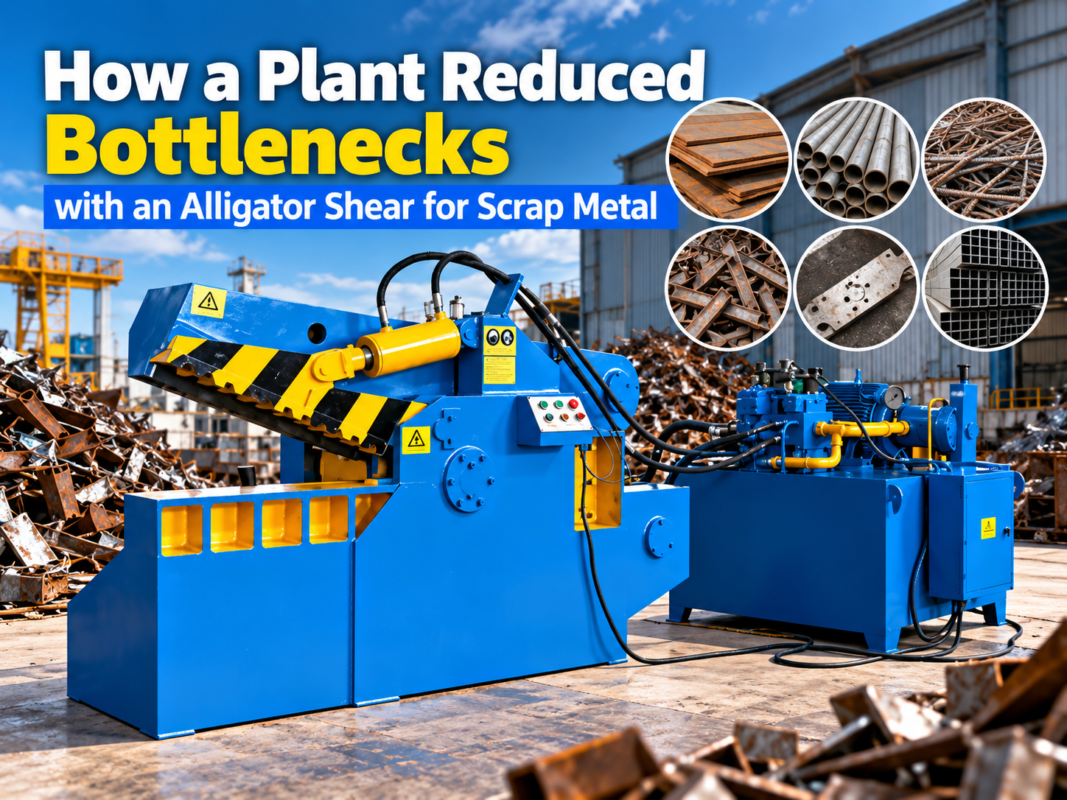
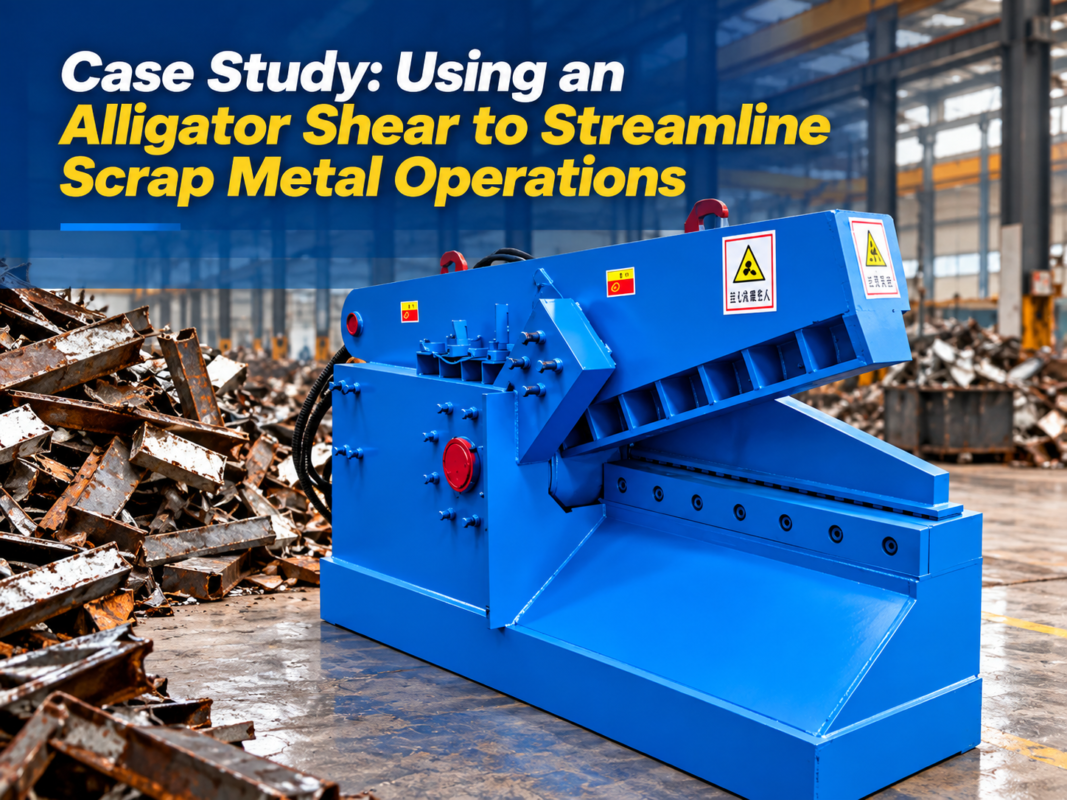
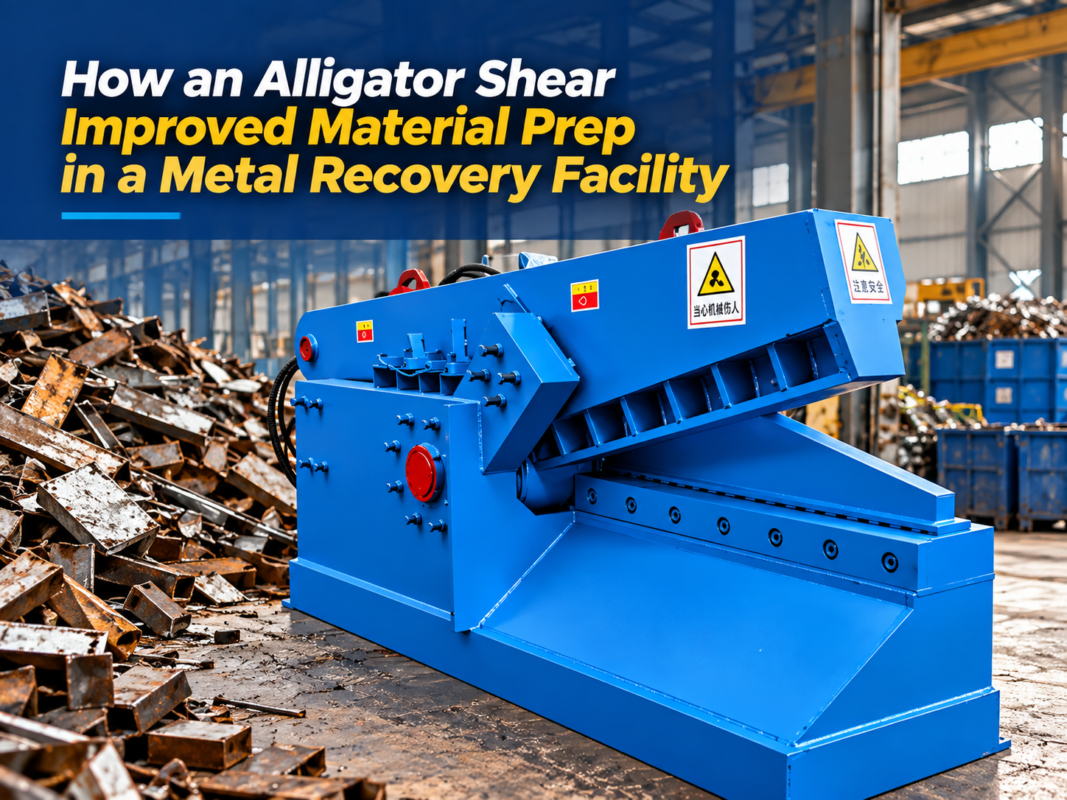
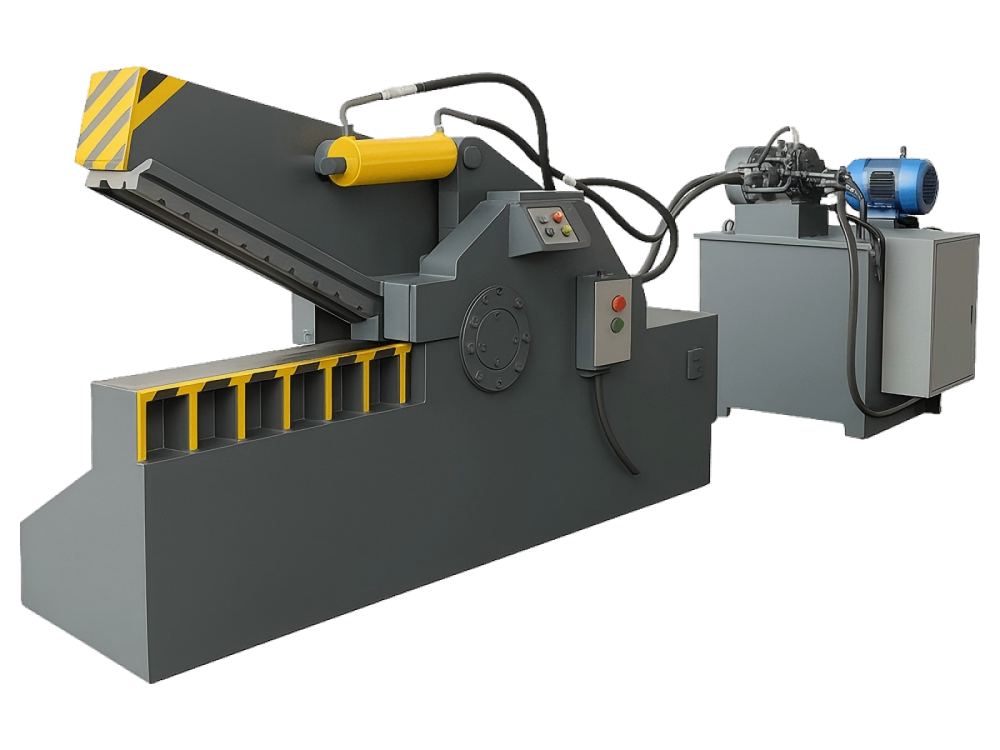
The alligator shear, often referred to as a crocodile shear, is a fundamental piece of equipment in the scrap metal recycling industry. Its primary function is to cold-cut various metal shapes—such as round steel, square steel, angle iron, I-beams, and steel plates—into manageable sizes for further processing or smelting. At its core, the alligator shear operates on a hydraulic leverage system, where a powerful hydraulic cylinder drives a moving jaw against a fixed blade. This mechanical action requires immense force, often ranging from 60 to 500 tons, depending on the model and application.
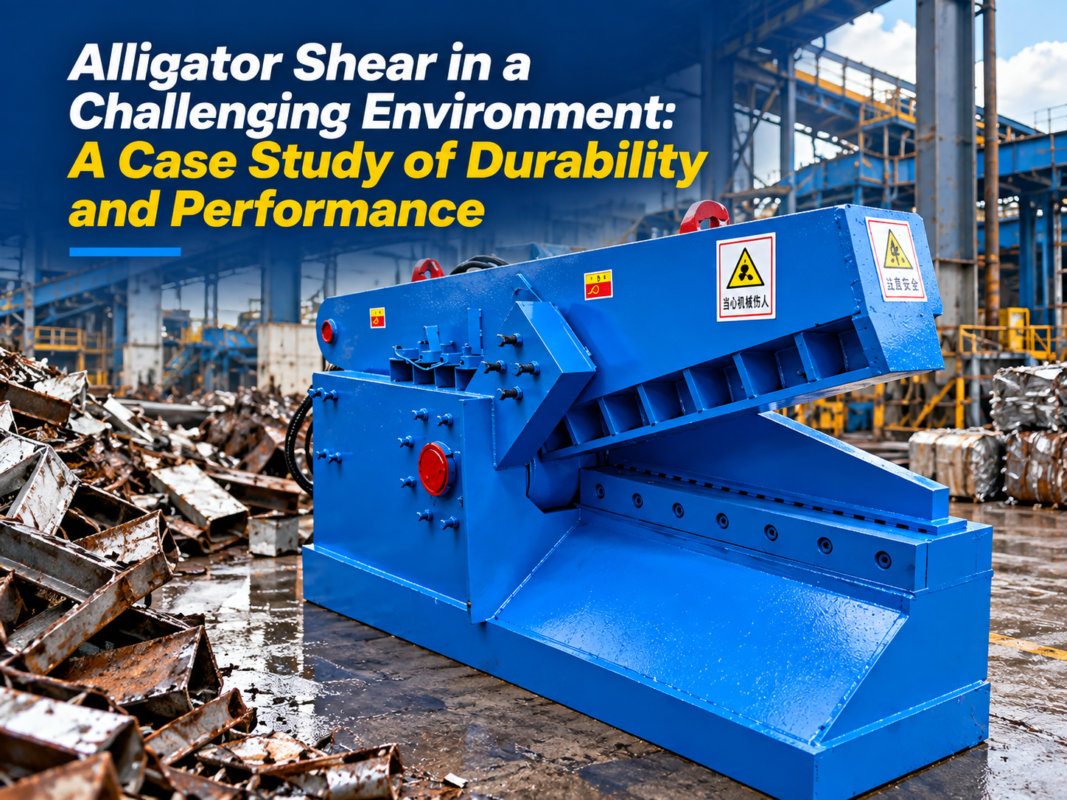
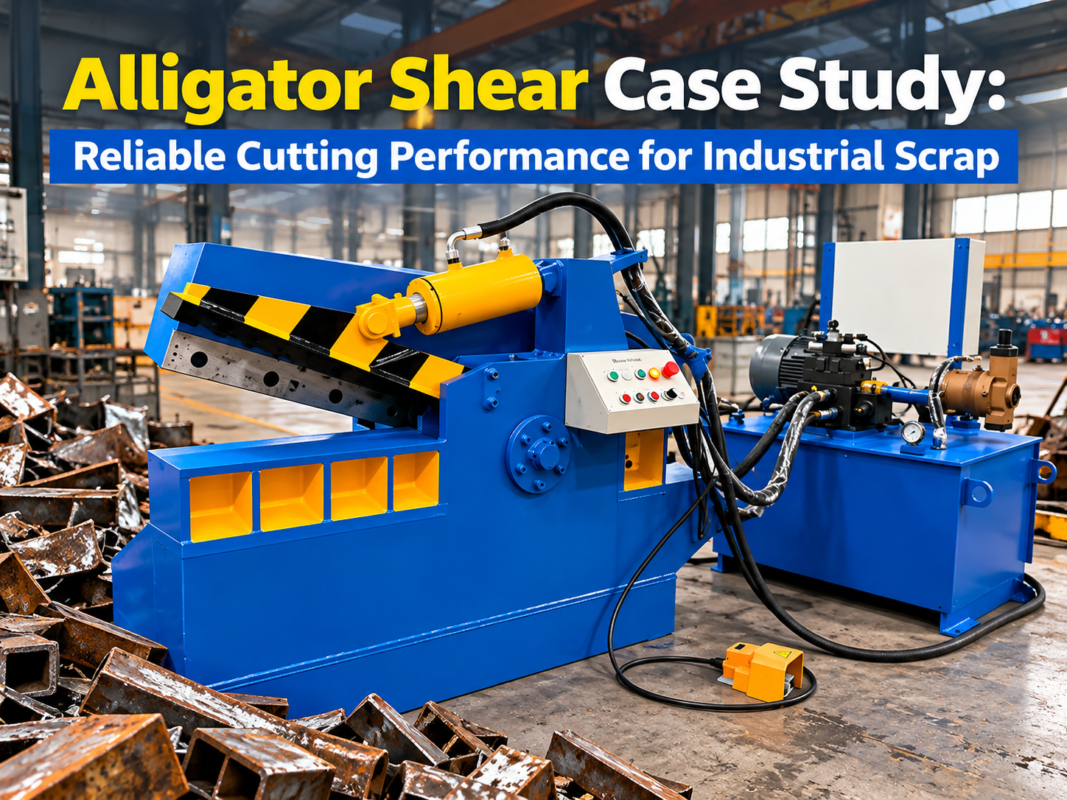
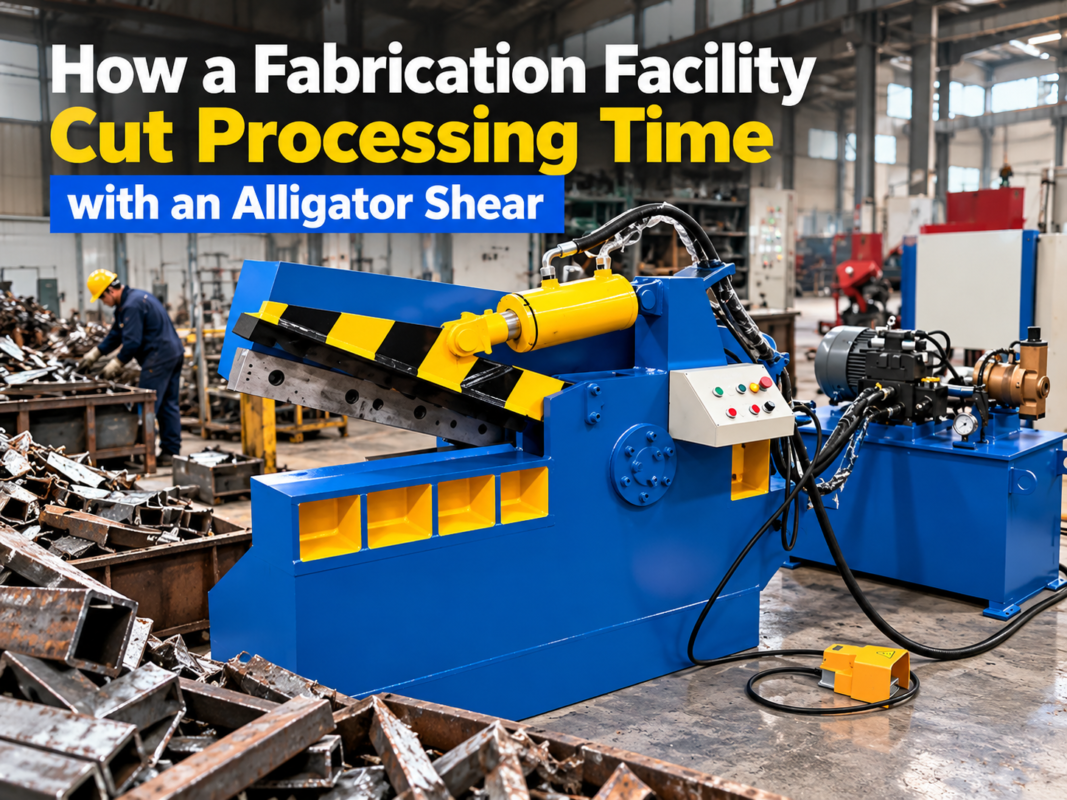
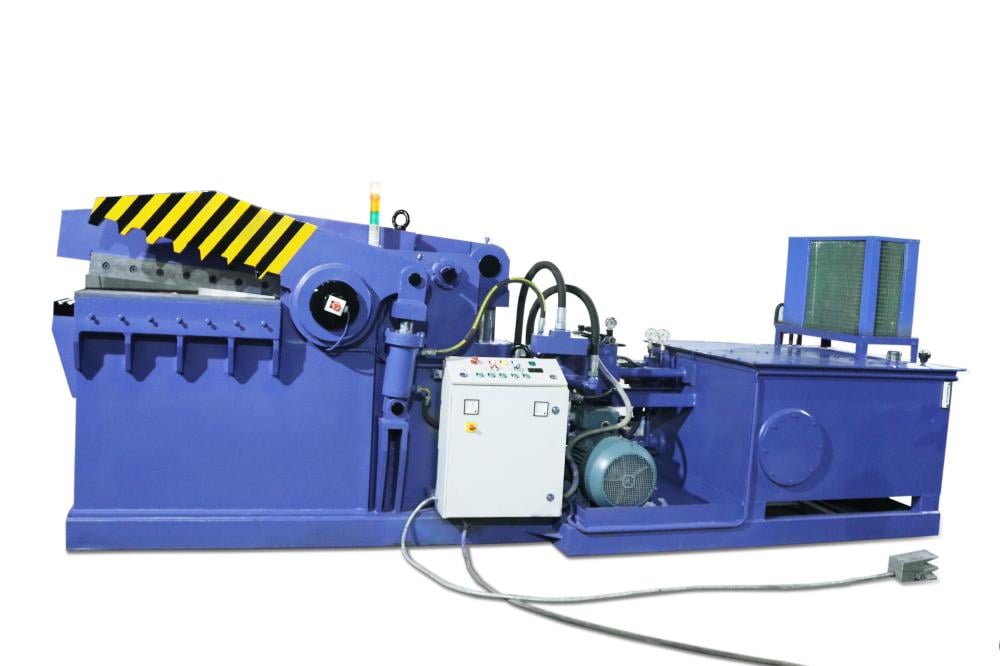
HARSLE alligator shears are engineered for durability, but the high-stress nature of shearing metal means that wear and tear are inevitable. The machine consists of several critical systems: the hydraulic power unit (including the pump, motor, and valves), the mechanical frame (the ‘jaw’ and pivot assembly), and the electrical control system. Each of these components must function in perfect harmony to ensure safety and efficiency. Without a structured maintenance routine, the risk of catastrophic failure increases, leading to expensive downtime and potential safety hazards for operators.
Maintenance is not merely about fixing things when they break; it is about preventive care. A well-maintained alligator shear can last for decades, providing a consistent return on investment. The maintenance philosophy for these machines centers on three pillars: lubrication, filtration, and inspection. By adhering to a strict Alligator Shear Maintenance Checklist: Daily, Weekly, and Monthly Inspection Tips, facility managers can ensure that their equipment remains a reliable asset in the demanding environment of a scrap yard.
Core Parameters of Alligator Shears
Understanding the technical specifications of your alligator shear is the first step in effective maintenance. These parameters define the machine’s capabilities and its limits. If an operator pushes the machine beyond these core parameters, the rate of wear increases exponentially. The primary parameters include the shear force, blade length, maximum opening, and shear frequency.
The shear force is the most critical parameter, usually measured in kilonewtons (kN) or tons. This force determines the maximum thickness and type of material the machine can handle. For instance, a 120-ton shear might easily cut through aluminum extrusions but struggle with thick stainless steel plates. The blade length determines the width of the material that can be processed in a single stroke. Standard lengths range from 600mm to 1200mm. A longer blade allows for wider sheets but may require more force to maintain cutting efficiency across the entire edge.
Another vital parameter is the shear frequency, or the number of cuts per minute. This is influenced by the hydraulic pump’s flow rate and the cylinder’s stroke length. High-frequency shearing generates more heat in the hydraulic oil, necessitating more frequent checks of the cooling system. Finally, the motor power (measured in kW) dictates the energy consumption and the overall strength of the hydraulic system. Understanding these specs helps maintenance teams identify when a machine is underperforming, which is often an early sign of internal wear or hydraulic pressure loss.
Calculation Method for Shearing Force
To maintain an alligator shear properly, one must understand the physics of the shearing process. Calculating the required force for a specific material prevents overloading the machine. The theoretical shearing force (F) can be estimated using the following formula:
F = L × S × τ
Where:
F = Shearing Force (Newtons)
L = Length of the cut (mm)
S = Thickness of the material (mm)
τ = Shear strength of the material (N/mm²)
For example, if you are cutting a mild steel plate that is 10mm thick and 200mm wide, and the shear strength of mild steel is approximately 350 N/mm², the calculation would be: 200mm * 10mm * 350 N/mm² = 700,000 Newtons, or roughly 71 tons of force. If your alligator shear is rated for 60 tons, attempting this cut will strain the hydraulic seals and potentially crack the blade or the jaw frame.
It is also important to account for the ‘blade gap’ or clearance. If the gap between the upper and lower blades is too wide, the material will bend rather than shear, which significantly increases the lateral force on the pivot pin. This lateral stress is a common cause of premature mechanical failure. Maintenance teams should use these calculations to set operational limits and ensure that the machine is never forced to work beyond its engineered capacity.
Alligator Shear Technical Parameter Table
The following table outlines the typical specifications for HARSLE alligator shears. Use this as a reference for your maintenance and operational planning.
| Model | Shear Force (Tons) | Blade Length (mm) | Max Opening (mm) | Shear Frequency (times/min) | Motor Power (kW) |
|---|---|---|---|---|---|
| Q43-63 | 63 | 600 | 320 | 8-12 | 7.5 |
| Q43-100 | 100 | 700 | 350 | 8-12 | 11 |
| Q43-120 | 120 | 800 | 400 | 10-15 | 15 |
| Q43-160 | 160 | 800 | 450 | 8-12 | 18.5 |
| Q43-200 | 200 | 1000 | 500 | 6-10 | 22 |
| Q43-250 | 250 | 1200 | 550 | 5-8 | 30 |
Comprehensive Alligator Shear Maintenance Checklist
Daily Inspection Tips
Daily maintenance is the frontline of defense against machine failure. These checks should be performed at the start of every shift to ensure the machine is safe and ready for operation.
- Check Hydraulic Oil Levels: Ensure the oil level in the reservoir is within the recommended range. Low oil can lead to cavitation in the pump, causing permanent damage.
- Inspect for Leaks: Look for puddles or drips around hydraulic hoses, fittings, and cylinders. Even a small leak can lead to a significant loss of pressure and environmental hazards.
- Blade Sharpness and Condition: Visually inspect the cutting edges. Dull or chipped blades increase the load on the motor and produce poor-quality cuts.
- Lubricate Pivot Points: Apply grease to the main pivot pin and cylinder pins. These areas endure the highest friction during operation.
- Safety Guard Verification: Ensure all protective cages and emergency stop buttons are functional. Never operate the shear if safety features are bypassed.
Weekly Maintenance Tasks
Weekly maintenance focuses on the structural integrity and the cleanliness of the hydraulic system. These tasks require a bit more time but are essential for long-term reliability.
- Tighten Bolts and Fasteners: The vibration from shearing can loosen bolts over time. Specifically, check the blade bolts and the foundation bolts that secure the machine to the floor.
- Clean the Machine: Remove metal dust, scale, and debris from the jaw area and the hydraulic unit. Accumulated debris can contaminate the oil or interfere with moving parts.
- Inspect Hydraulic Filters: Check the pressure gauges on the filters. If the pressure is high, it indicates the filter is clogged and needs replacement.
- Check Blade Clearance: Use a feeler gauge to measure the gap between the blades. Adjust according to the manufacturer’s specifications (usually 0.1mm to 0.5mm depending on material thickness).
Monthly Inspection and Service
Monthly maintenance involves deep-dive inspections of the machine’s internal components and the quality of the consumables.
- Hydraulic Oil Analysis: Check the color and smell of the oil. If it appears milky (water contamination) or smells burnt (overheating), it must be changed immediately.
- Inspect Cylinder Seals: Look for ‘weeping’ at the cylinder rod. If oil is bypassing the seals, the shear will lose power and the rod may become scored.
- Electrical System Audit: Inspect the control box for loose wires or signs of overheating. Ensure the motor cooling fan is clear of dust.
- Structural Stress Check: Examine the jaw and the main frame for any hairline cracks, especially near weld points. Early detection of structural fatigue can prevent a total machine collapse.
Common Engineering Mistakes in Alligator Shear Operation
Even with a perfect Alligator Shear Maintenance Checklist: Daily, Weekly, Monthly Inspection Tips, certain operational mistakes can ruin a machine. One of the most common errors is “over-shearing.” This occurs when operators attempt to cut materials that are too thick or too hard for the machine’s rating. This doesn’t just dull the blades; it creates massive back-pressure in the hydraulic system, which can blow out seals or crack the pump housing.
Another frequent mistake is neglecting the blade gap. Many operators believe a tighter gap is always better, but if the gap is too small, the blades can collide, causing them to shatter. Conversely, a gap that is too wide causes the material to wedge between the blades, exerting lateral force that can snap the main pivot pin. Proper adjustment is a precision task that requires patience and the right tools.
Finally, ignoring the hydraulic oil temperature is a recipe for disaster. Hydraulic systems are designed to operate within a specific temperature range (usually 30°C to 60°C). If the oil gets too hot, its viscosity drops, leading to poor lubrication and rapid wear of the pump’s internal components. Operators often ignore the temperature gauge during busy shifts, but this is when the most damage occurs. Installing an air or water cooler is often necessary for high-volume operations.
Selection Checklist for Buying an Alligator Shear
When choosing a new alligator shear, consider the following factors to ensure you get a machine that fits your needs and is easy to maintain:
- Material Type: What are you primarily cutting? HMS 1/2, aluminum, or copper? Choose a shear force that exceeds your thickest material by at least 20%.
- Blade Length: Ensure the blade is long enough to handle your widest scrap pieces without needing multiple repositioning steps.
- Power Source: Do you need an electric motor or a diesel engine for mobile operations? HARSLE offers both configurations.
- Control Method: Manual valve control is simple and durable, while foot-pedal or automatic PLC controls can increase productivity in high-volume environments.
- Spare Parts Availability: Choose a reputable manufacturer like HARSLE that provides easy access to replacement blades, seals, and filters.
- Safety Features: Look for machines with integrated hold-down devices to prevent material ‘kick-back’ during the shearing process.
Frequently Asked Questions (FAQ)
How often should I sharpen the blades on my alligator shear?
Blade life depends entirely on the material being cut. For clean aluminum, blades may last months. For dirty, sandy, or hardened steel, they may need flipping or sharpening every few weeks. Most HARSLE blades are four-sided, meaning you can rotate them four times before needing a professional regrind.
What type of hydraulic oil is best for an alligator shear?
Generally, an anti-wear hydraulic oil like ISO VG 46 or VG 68 is recommended. In colder climates, a thinner oil (VG 32) may be necessary for winter startups, while hotter environments benefit from the higher viscosity of VG 68.
Why is my shear losing cutting power?
Loss of power is usually caused by one of three things: a worn hydraulic pump, internal leaking in the cylinder (bypassing seals), or a pressure relief valve that is stuck open or set too low. Check your pressure gauge while shearing to diagnose the issue.
Can I cut stainless steel with a standard alligator shear?
Yes, but you must account for the fact that stainless steel is much harder than mild steel. You will typically need a machine with 50% more force than what would be required for the same thickness of mild steel, and your blade wear will increase significantly.
Is it necessary to bolt the machine to the floor?
Absolutely. The forces generated during shearing are immense. An unbolted machine will shift, vibrate excessively, and eventually damage its own frame or the hydraulic connections. Always secure the machine to a reinforced concrete pad.