Container Shear Safety Guide: Operating Procedures, Risk Control, and Best Practices

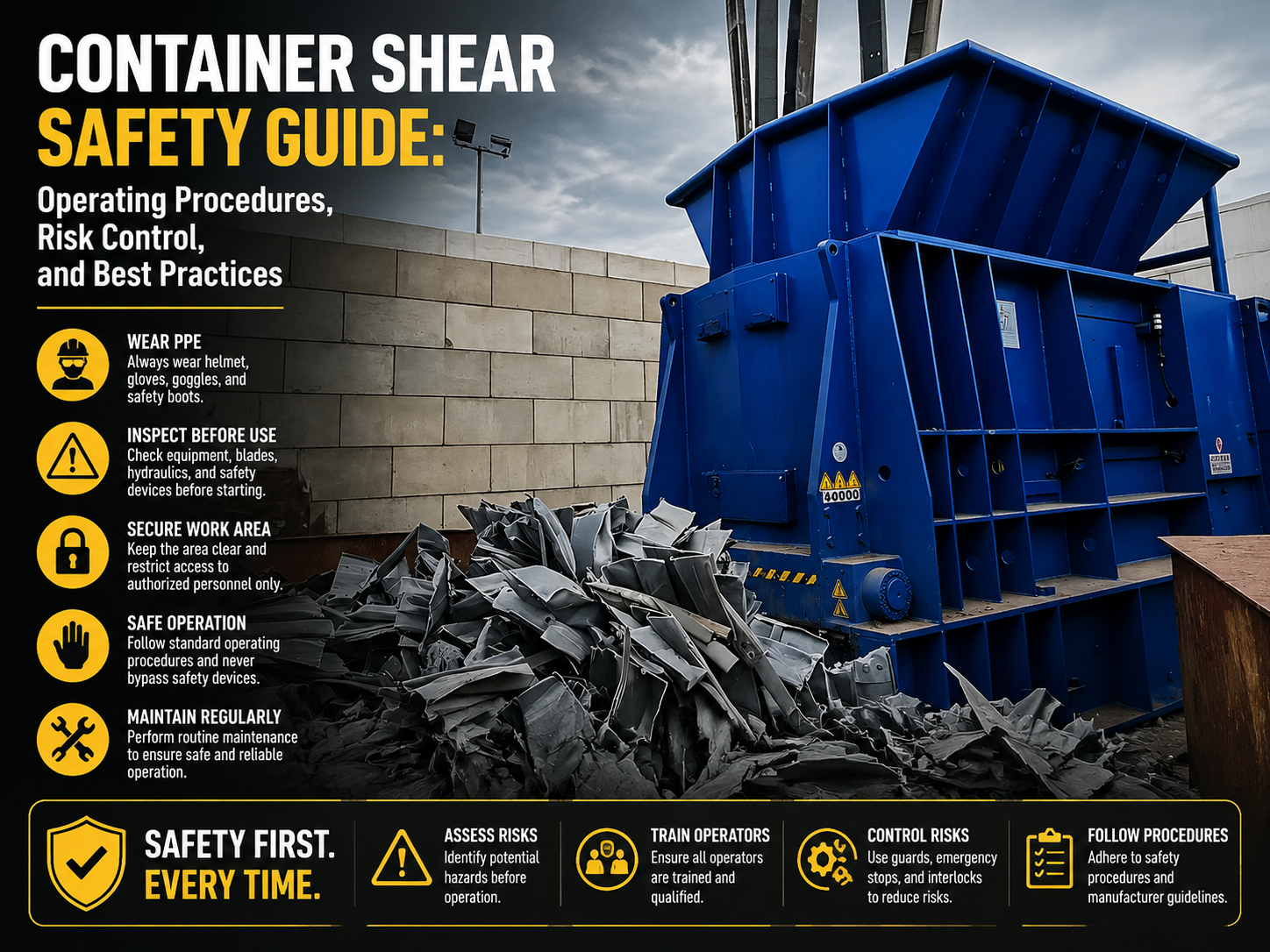
Technical Overview of Container Shears
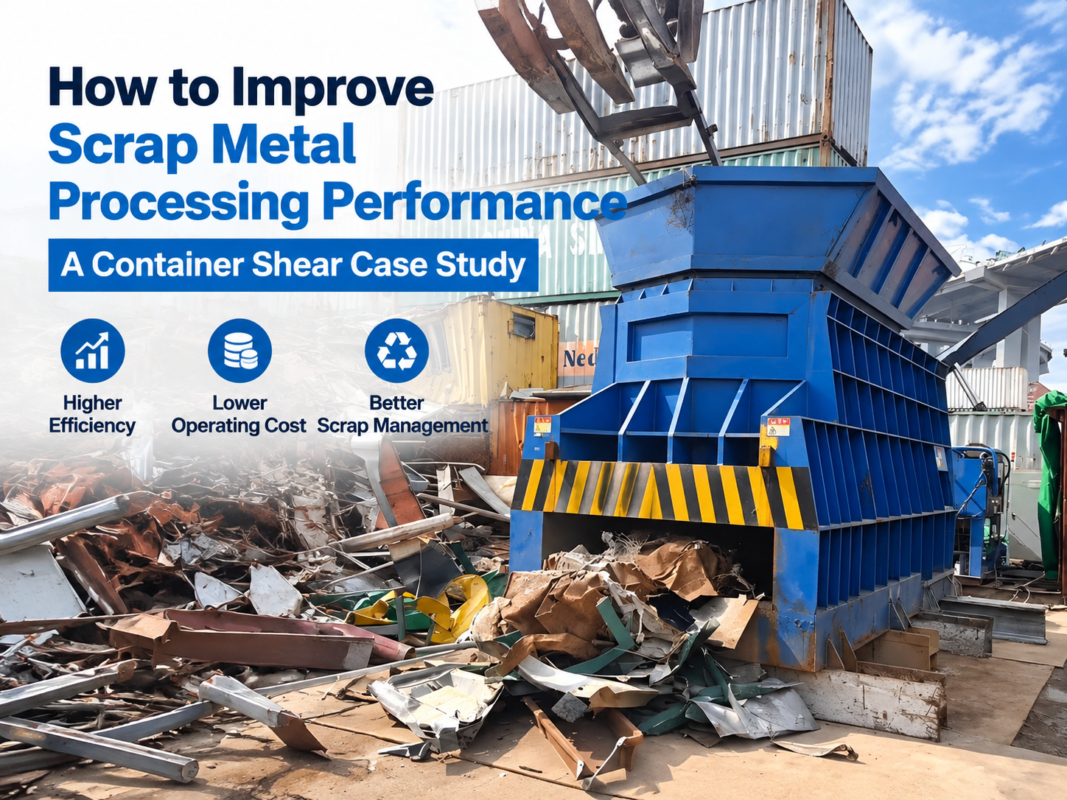
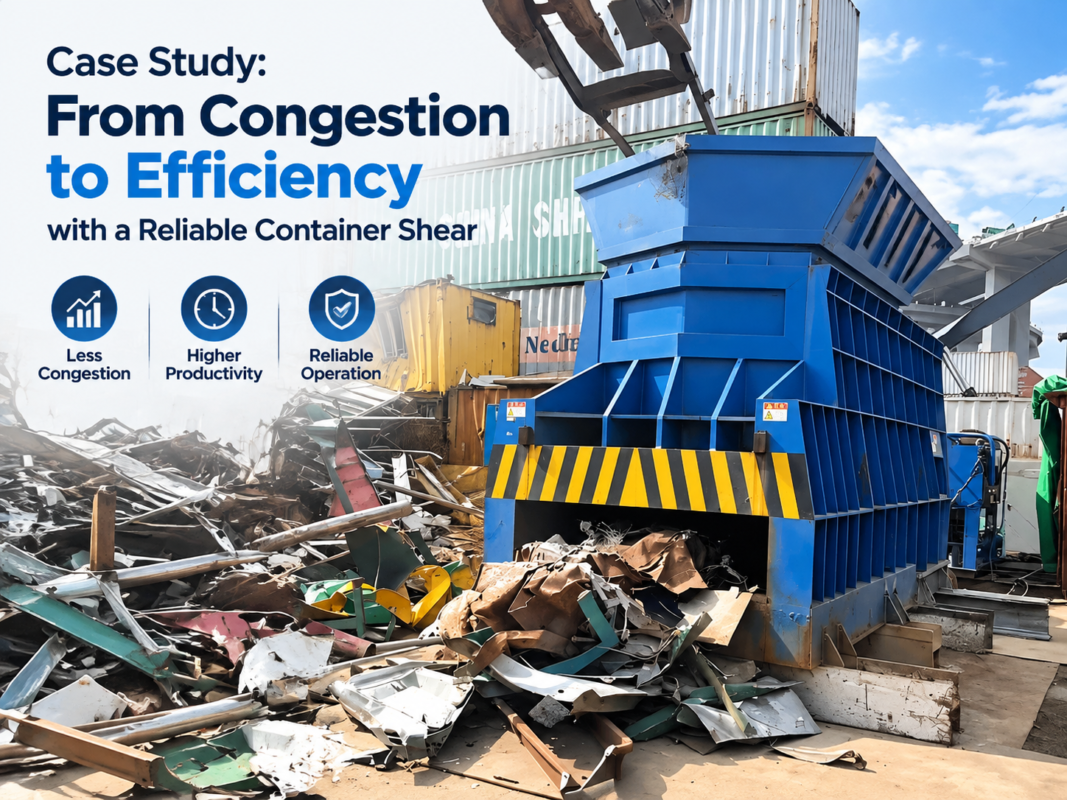
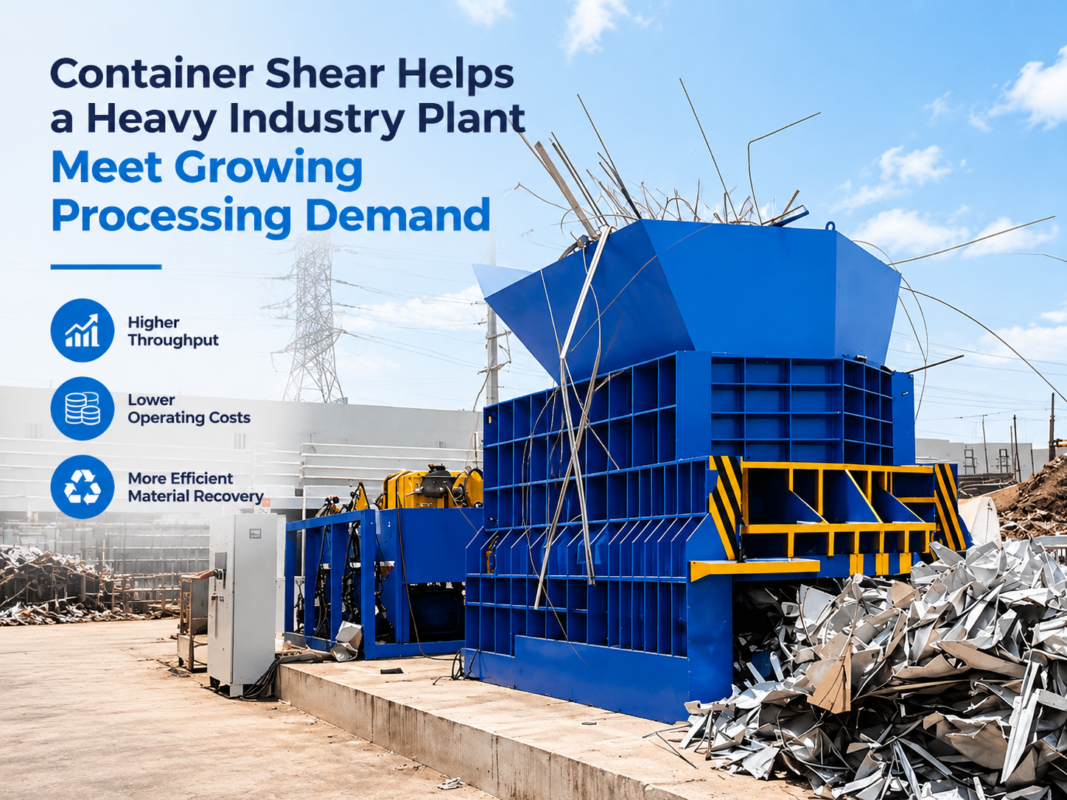
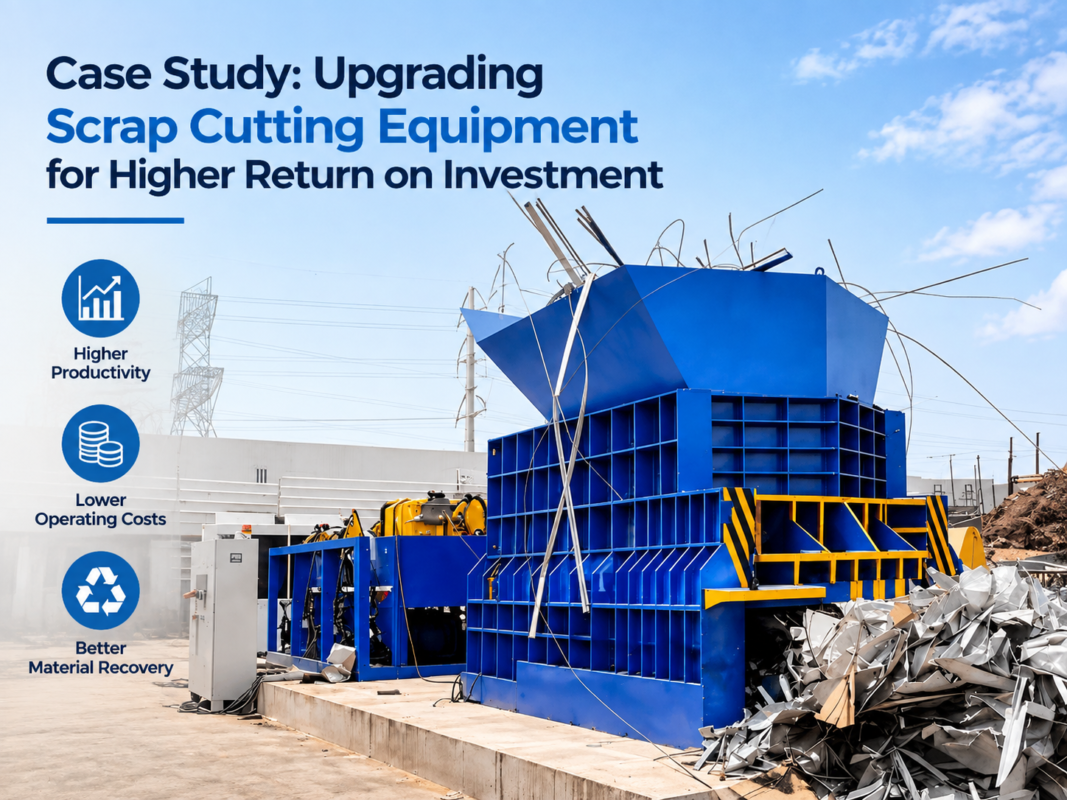
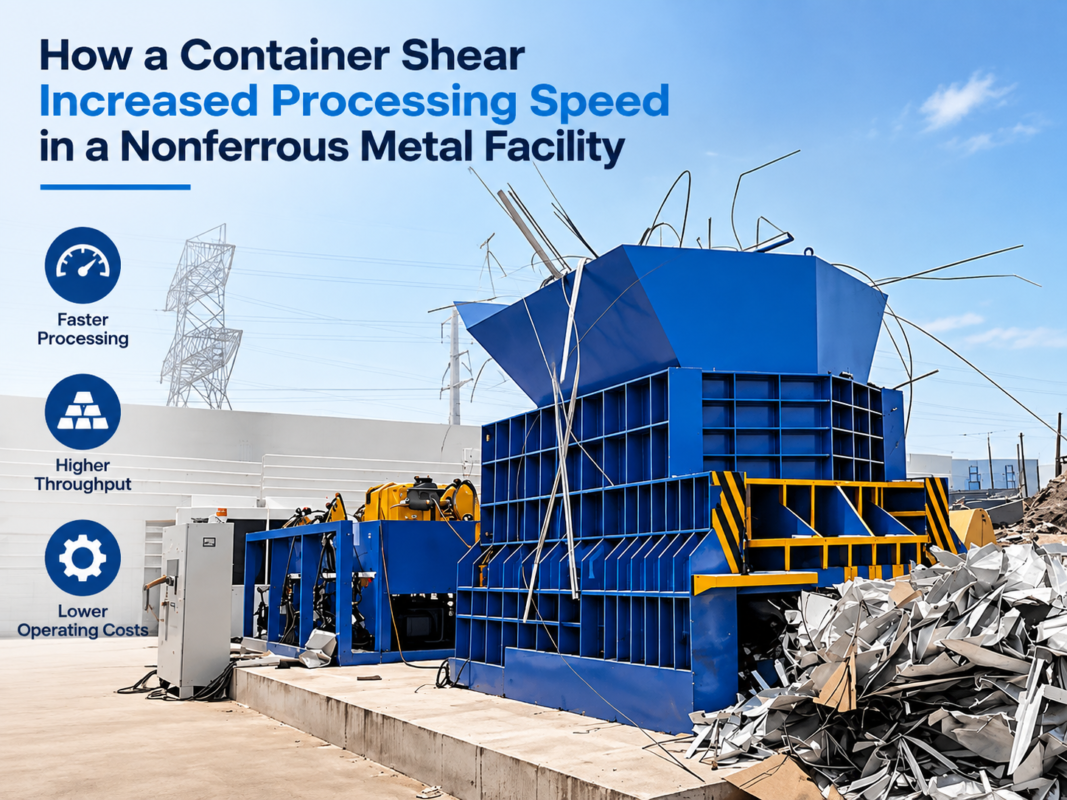
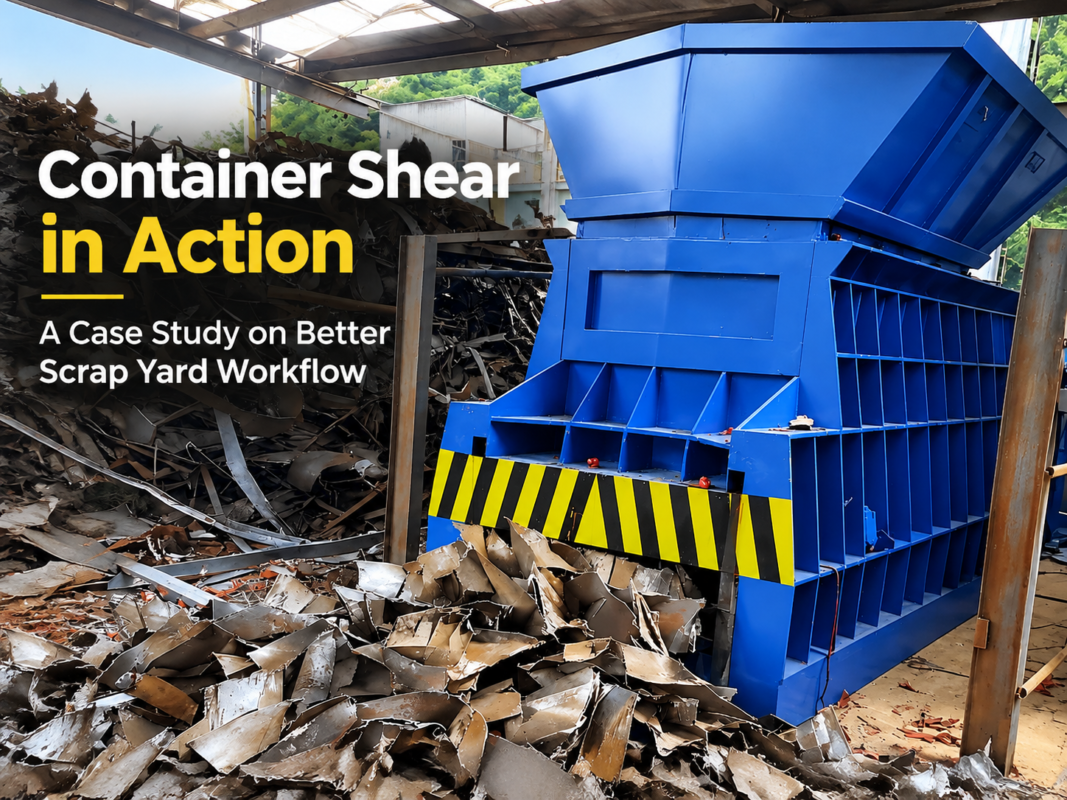
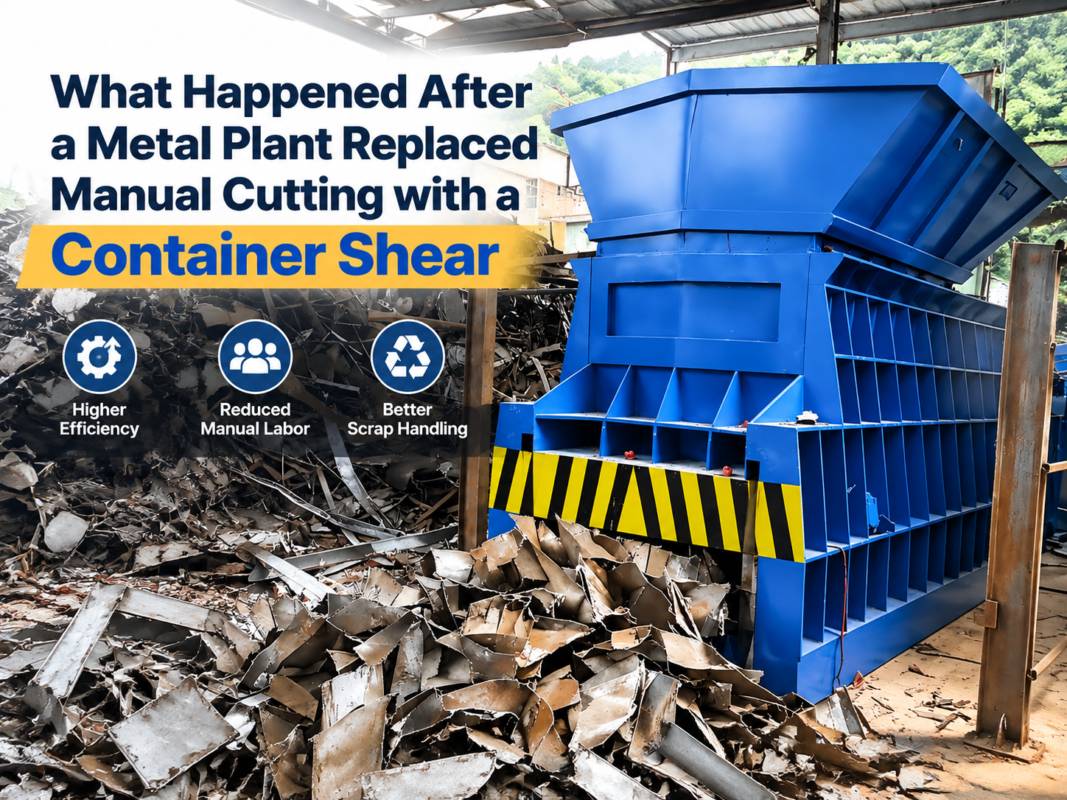
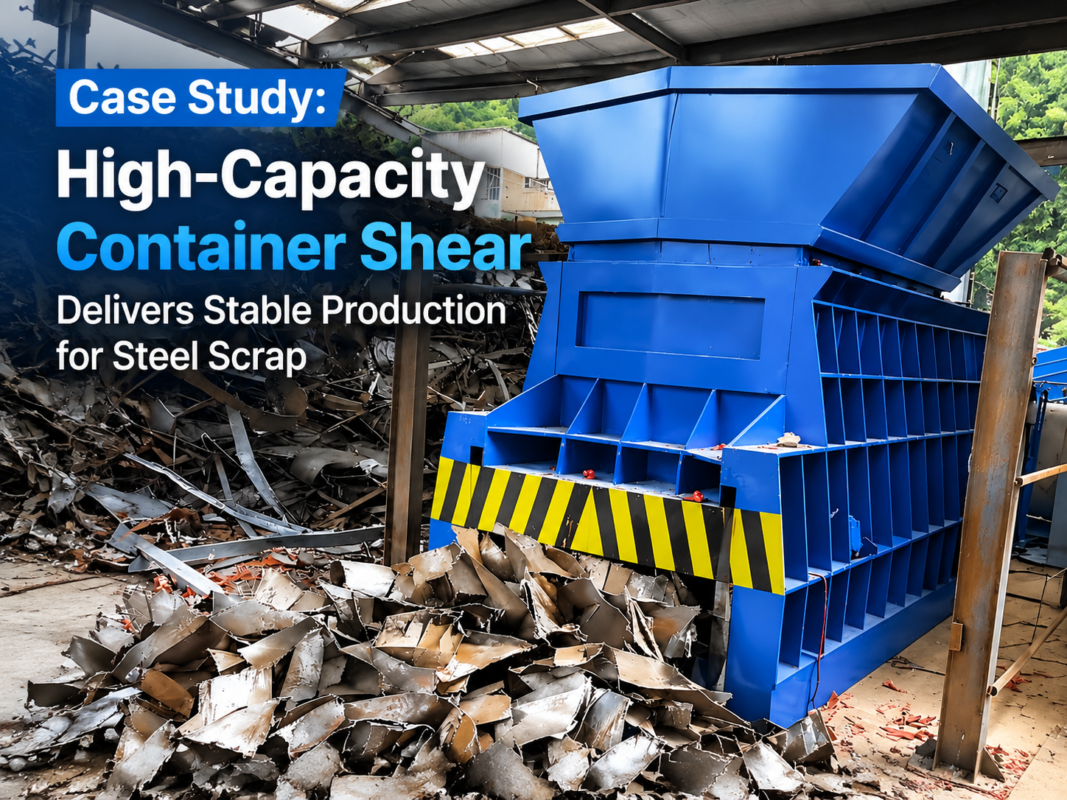
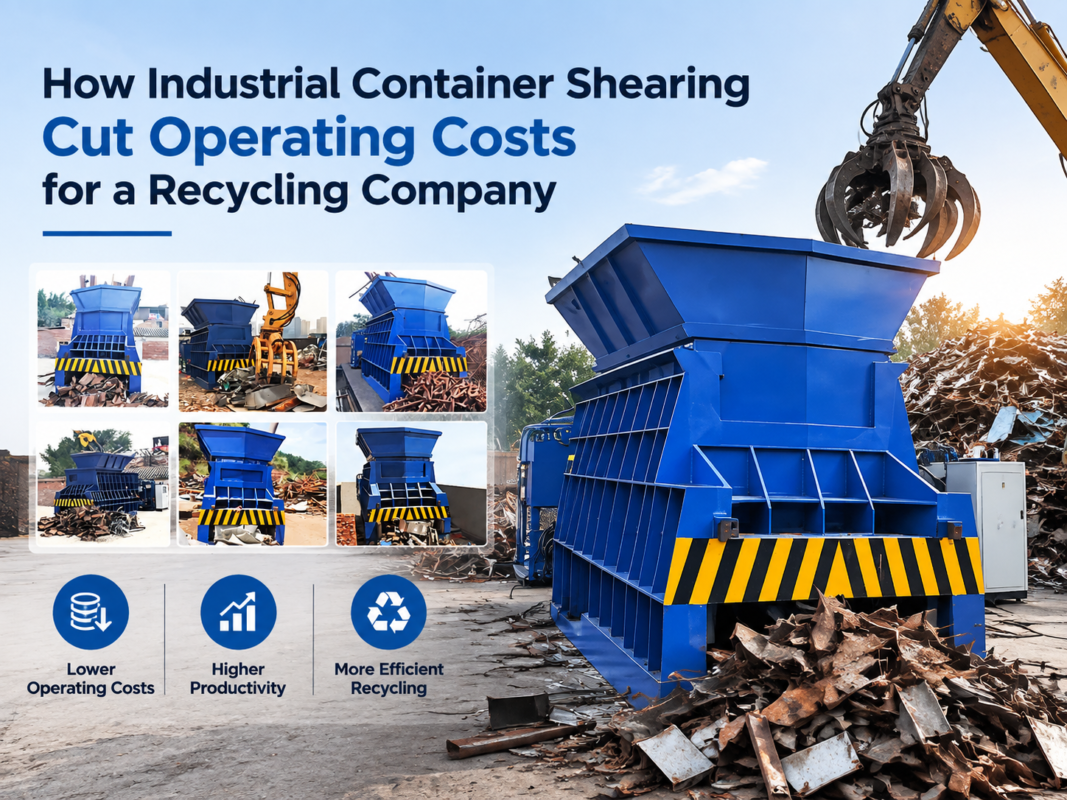
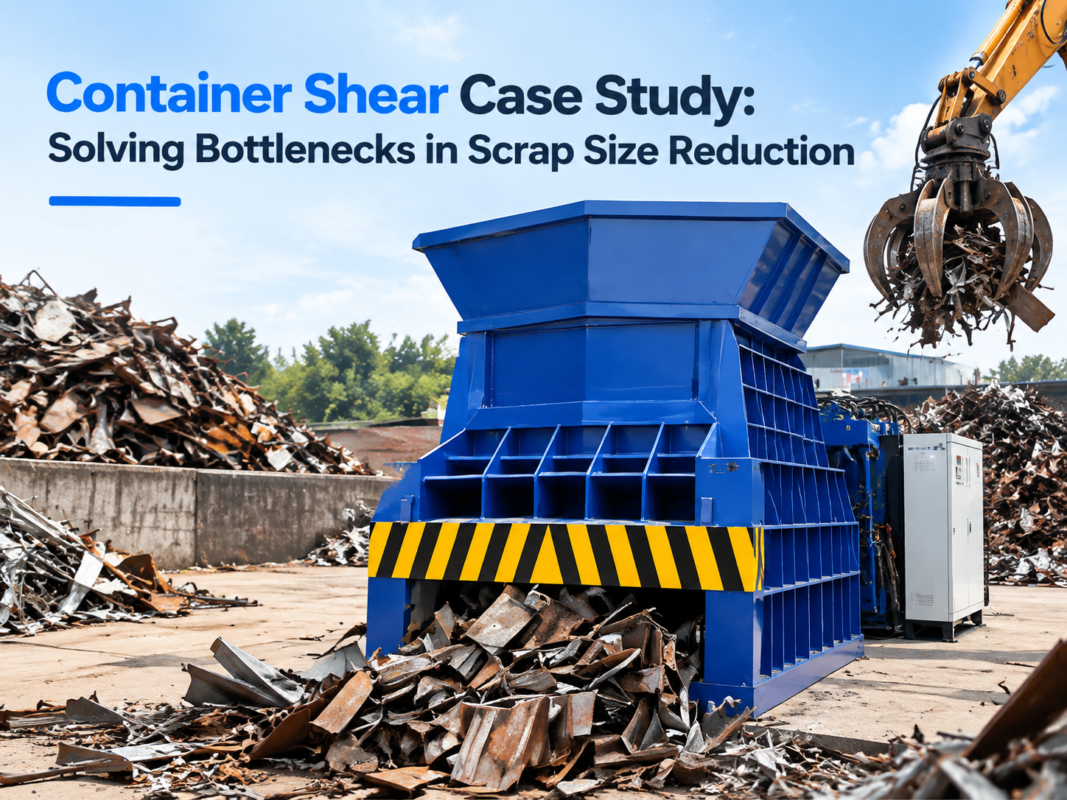
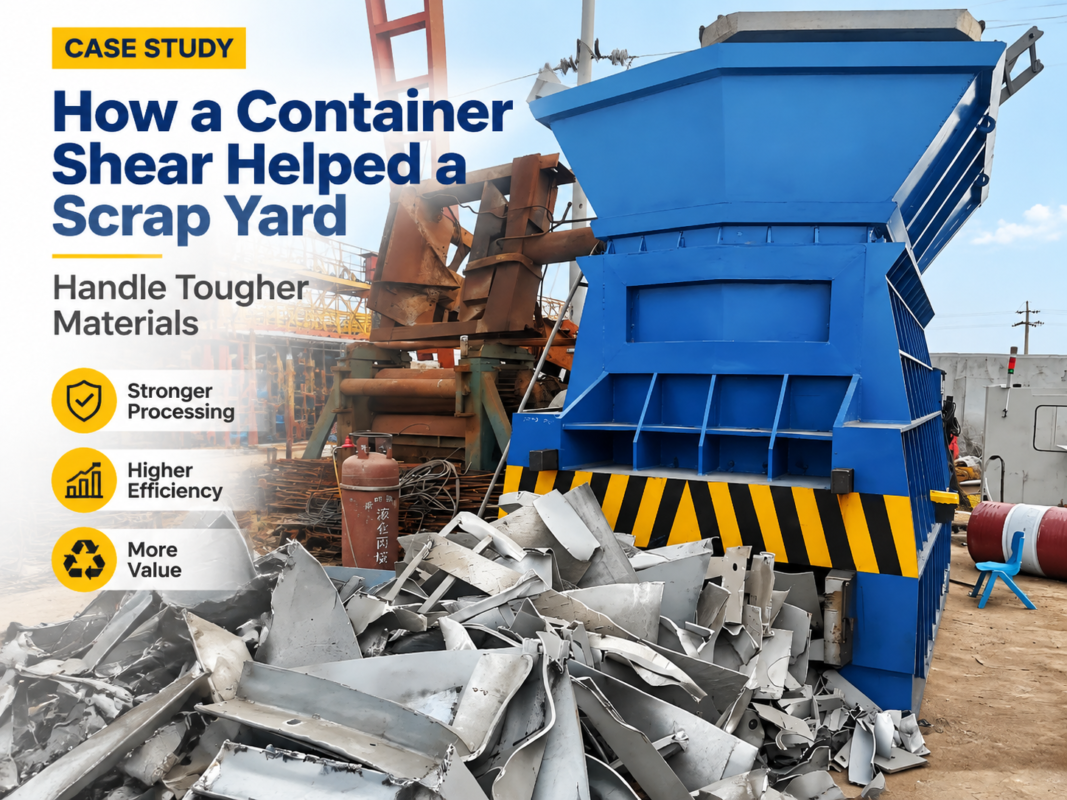
The container shear, often referred to as a box shear or horizontal scrap shear, represents a pinnacle of efficiency in the scrap metal recycling industry. Unlike traditional alligator shears or vertical guillotine shears, the container shear is designed for continuous feeding and high-volume processing. Its primary function is to compress and cut large volumes of metal scrap—ranging from decommissioned vehicles and structural steel to industrial waste—into manageable, high-density sizes suitable for furnace charging. The machine operates on a horizontal plane, utilizing a massive hydraulic cylinder to push material through a cutting head while a secondary compression system ensures the scrap is stabilized before the blade descends.
At the heart of HARSLE’s container shear technology is a sophisticated hydraulic system that balances speed with immense force. The integration of PLC (Programmable Logic Controller) systems allows for automated cycles, reducing the need for constant manual intervention and thereby increasing safety. The structural integrity of these machines is paramount; they are constructed from high-strength steel plates, often reinforced at stress points to withstand the repetitive shock loads inherent in shearing heavy-duty metal. Understanding the technical nuances of these machines is the first step in establishing a robust safety protocol, as the sheer magnitude of force involved leaves no room for error.
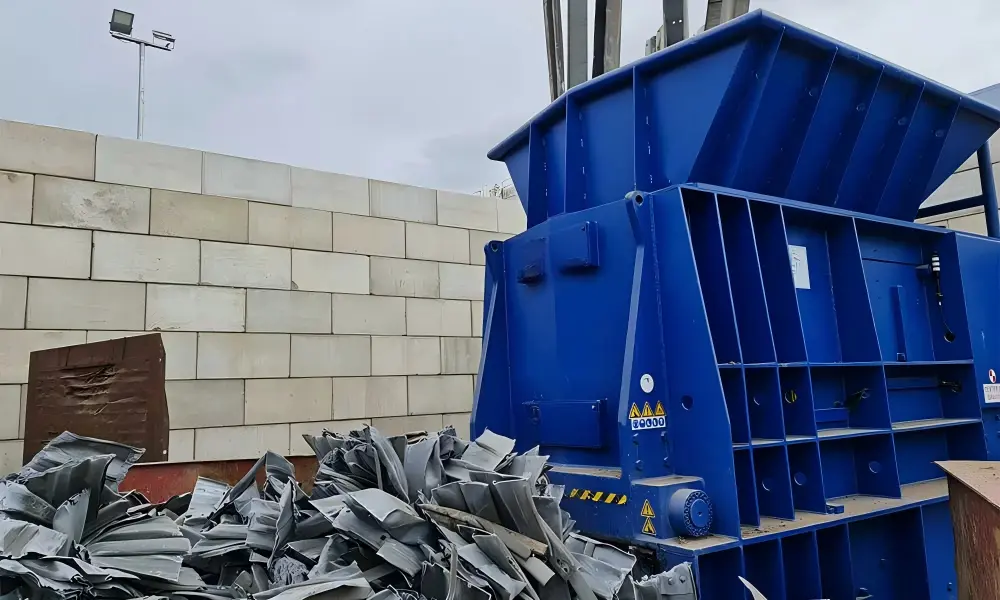
Modern container shears have evolved to include features such as remote control operation, advanced filtration systems for hydraulic oil, and energy-efficient motor configurations. These advancements not only improve productivity but also shift the operator away from the immediate danger zone. However, the complexity of these systems requires a deep understanding of hydraulic pressures, electrical interlocks, and mechanical tolerances. A technical overview is incomplete without mentioning the blade assembly, which is typically made from specialized tool steel, heat-treated to maintain sharpness under extreme friction and pressure. Proper alignment and maintenance of these blades are critical for both machine longevity and operator safety.
Core Parameters of Container Shears
When evaluating or operating a container shear, several core parameters define its capability and safety limits. The most significant parameter is the Shear Force, usually measured in tons (e.g., 500T, 630T, 800T, 1250T). This force determines the maximum thickness and type of material the machine can safely process. Exceeding these limits can lead to catastrophic structural failure or hydraulic blowouts. Another critical parameter is the Blade Length, which dictates the width of the material that can be cut in a single stroke. A standard container shear might feature a blade length between 800mm and 1500mm, depending on the model’s scale.
The Feeding Box Dimensions are equally vital. This is the area where scrap is loaded before compression. If the box is overloaded or if the material exceeds the box’s physical dimensions, the compression lid may fail to close properly, leading to mechanical strain or ejected debris. Furthermore, the Cycle Time—the time it takes for the pusher to move forward, the shear to cut, and the system to reset—is a key indicator of the machine’s hydraulic efficiency. A sudden change in cycle time often signals an underlying issue, such as a failing pump or an internal leak, which could pose a safety risk if ignored.
Hydraulic parameters, including System Pressure (typically ranging from 25 to 31.5 MPa) and Motor Power (measured in kW), provide insight into the energy consumption and force potential of the unit. Operators must be trained to monitor these parameters via the control panel’s gauges. High oil temperatures, for instance, can degrade seals and lead to unpredictable machine behavior. Lastly, the Shear Frequency (cuts per minute) must be balanced against the material density to prevent overheating the hydraulic fluid, which is a common cause of system instability in high-volume environments.
Calculation Method for Shearing Force
To ensure safe operation, it is essential to calculate whether the container shear has sufficient force to cut a specific piece of scrap. The required shearing force (F) is influenced by the material’s cross-sectional area and its ultimate shear strength. The general formula used in engineering for horizontal shears is:
F = k · L · S · τ
Where:
– F is the required shearing force (N or Tons).
– k is a safety factor (typically 1.2 to 1.3) to account for blade dullness and friction.
– L is the length of the cut (mm).
– S is the thickness of the material (mm).
– τ is the shear strength of the material (MPa).
For example, if you are shearing a mild steel plate with a thickness of 20mm and a width of 500mm, and the shear strength of mild steel is approximately 350 MPa, the calculation would be: F = 1.3 × 500 × 20 × 350. This results in a required force of 4,550,000 Newtons, or roughly 464 Tons. If your machine is rated for 500T, you are within the safe operating margin. However, if the material is stainless steel or high-carbon alloy, the shear strength (τ) increases significantly, potentially exceeding the machine’s capacity.
It is also important to consider the Shear Angle. Most container shears use a slight rake angle on the blade to reduce the peak force required at any single moment. This angle allows the blade to penetrate the material gradually. If the blade angle is modified or if the blades are improperly shimmed, the actual force required can spike, leading to hydraulic bypass or structural cracking. Engineers must always refer to the manufacturer’s material charts before attempting to shear unconventional alloys or exceptionally thick profiles.
Container Shear Parameter Table
The following table outlines the typical specifications for HARSLE container shears. These values are standard benchmarks and may vary based on specific custom configurations.
| Model Series | Shear Force (Tons) | Blade Length (mm) | Max Cutting Thickness (mm) | Motor Power (kW) | Box Length (mm) |
|---|---|---|---|---|---|
| HCS-500 | 500 | 1000 | 16 – 20 | 45 x 2 | 5000 |
| HCS-630 | 630 | 1200 | 20 – 25 | 45 x 3 | 6000 |
| HCS-800 | 800 | 1400 | 25 – 30 | 55 x 3 | 7000 |
| HCS-1000 | 1000 | 1500 | 30 – 40 | 75 x 3 | 8000 |
| HCS-1250 | 1250 | 1600 | 40 – 50 | 90 x 4 | 10000 |
Note: The maximum cutting thickness refers to standard mild steel (Q235). For harder materials like manganese steel or specialized alloys, the capacity should be derated by 30-50% to ensure safety and prevent blade chipping.
Operating Procedures and Safety Protocols
Safe operation of a container shear begins long before the first cut. A Pre-Start Inspection is mandatory. Operators must check hydraulic oil levels, inspect all hoses for signs of wear or weeping, and ensure that the shearing area is clear of personnel. The blades should be inspected for cracks or excessive rounding. A dull blade doesn’t just produce a poor cut; it increases the load on the hydraulic system and can cause the material to “kick back” or wedge between the blades, creating a dangerous jam.
During the Loading Phase, scrap must be placed evenly within the feeding box. Overloading the box or placing long pieces of scrap that protrude can prevent the compression lid from locking. This can lead to the lid being forced open during the shearing cycle, potentially ejecting metal fragments at high velocity. Operators should use a crane or grapple with a protective cabin and maintain a safe distance from the shear’s hopper. The use of a remote control system is highly recommended to keep the operator outside the immediate “line of fire.”
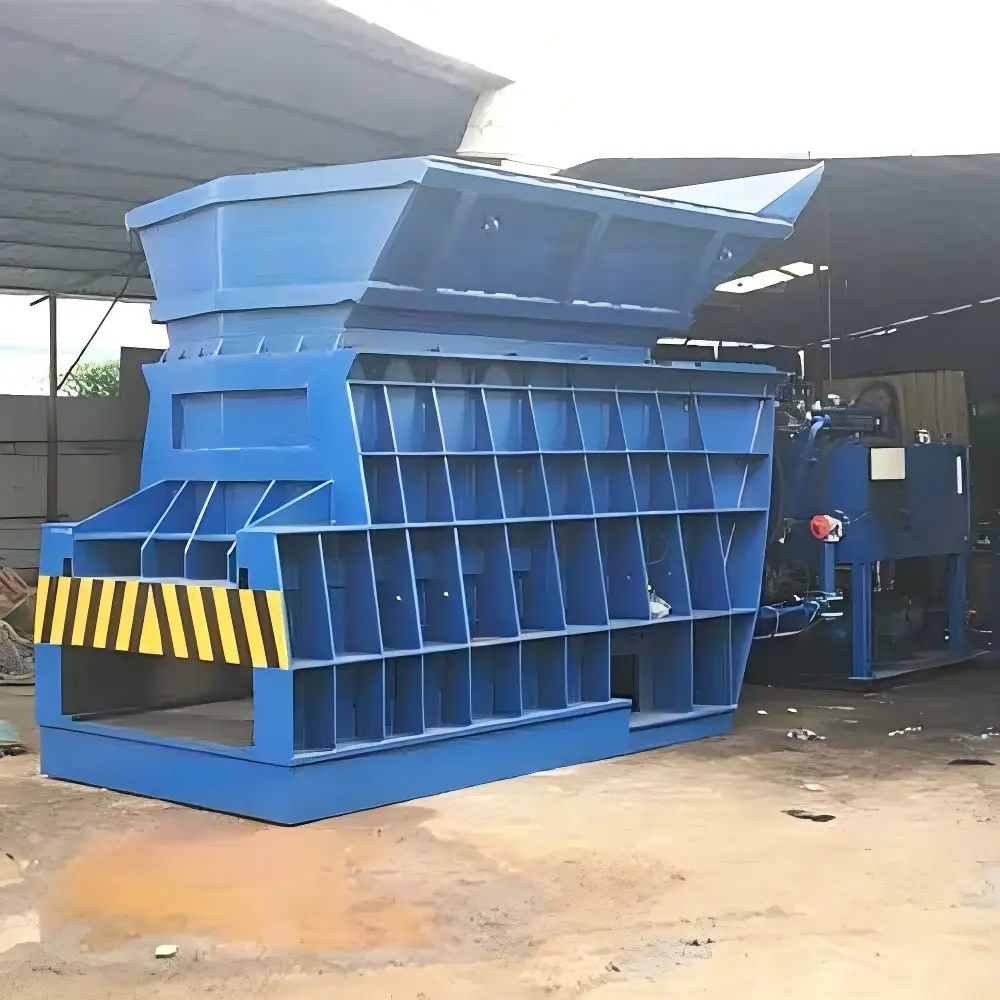
The Shearing Cycle should ideally be performed in “Auto” mode to ensure the PLC manages the pressure sequences correctly. If manual mode is used, the operator must be acutely aware of the pressure gauges. If the pressure reaches the relief valve setting without the material being cut, the cycle must be stopped immediately. Forcing a cut can overheat the oil or cause a mechanical fracture. Once the shift is complete, the Shutdown Procedure involves retracting all cylinders to their home positions (to prevent rod corrosion), engaging the emergency stop, and performing a post-operation cleaning to remove small metal shards that could interfere with sensors or limit switches.
Risk Control and Hazard Mitigation
Risk control in container shear operation focuses on three main areas: Mechanical, Hydraulic, and Human factors. Mechanical risks include blade failure and structural fatigue. To mitigate this, a non-destructive testing (NDT) schedule should be implemented for the main pivot pins and the shear head every 12 months. Hydraulic risks are perhaps the most dangerous, as high-pressure oil pinholes can penetrate human skin (hydraulic injection injury). All high-pressure lines should be shielded, and any leak, no matter how small, must result in an immediate machine lockout until repaired.
Human factors are addressed through rigorous training and the enforcement of Lock-Out Tag-Out (LOTO) procedures. No maintenance should ever be performed while the pumps are running or while there is residual pressure in the accumulators. Furthermore, the work environment must be controlled. The area around the container shear should be designated as a “Hard Hat and Eye Protection Zone.” Flying scales (small bits of oxidized metal) are common during the shearing of structural steel and can cause severe eye injuries. Installing blast shields or heavy-duty rubber curtains around the discharge chute can significantly reduce the risk of flying debris hitting personnel or nearby equipment.
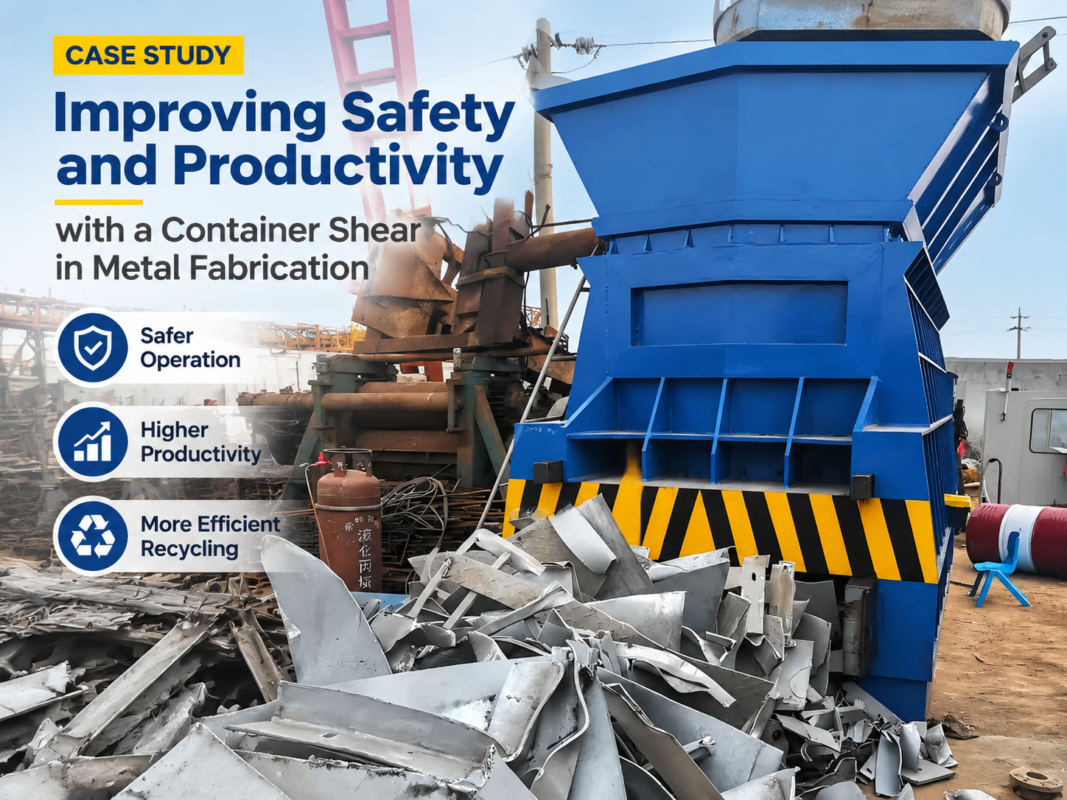
Another critical risk control measure is the management of Material Contamination. Shearing sealed containers (like gas cylinders or tanks) is a major explosion hazard. All scrap must be pre-sorted to ensure no pressurized vessels, flammable materials, or volatile chemicals enter the feeding box. A single overlooked propane tank can destroy a container shear and cause fatal injuries. Implementing a strict “Double-Check” sorting policy is the best practice for preventing such catastrophic events.
Common Engineering Mistakes in Container Shear Operation
One of the most frequent engineering mistakes is improper blade gap adjustment. As blades wear, the gap between the upper and lower blade increases. If this gap becomes too wide, the metal will “fold” rather than “shear.” This creates immense lateral force on the shear head, which can lead to the guide rails scoring or the main cylinder rod bending. Operators often try to compensate by increasing hydraulic pressure, which only exacerbates the mechanical strain. Maintaining the manufacturer-specified blade gap (usually 0.5mm to 1.0mm for heavy scrap) is essential.
Another mistake is ignoring hydraulic oil filtration. Container shears operate in incredibly dusty and dirty environments. If the filtration system is bypassed or if filters are not changed, microscopic metal particles act as an abrasive, wearing down the precision tolerances of the hydraulic pumps and valves. This leads to “drifting” (where cylinders move on their own) and loss of cutting power. Furthermore, using the wrong grade of hydraulic oil for the ambient temperature can lead to cavitation in the pumps during cold starts or thinning of the oil in summer, both of which compromise safety and performance.
Finally, many facilities fail to calibrate the pressure relief valves. Over time, these valves can drift or be tampered with by operators looking to “boost” the machine’s power. An incorrectly set relief valve can allow the system to reach pressures far beyond its design limit, leading to catastrophic failure of the cylinder end caps or the main manifold. Regular calibration by a certified technician is a non-negotiable safety requirement for any industrial metal fabrication environment.
Selection Checklist for Buying a Container Shear
Choosing the right container shear involves more than just looking at the price tag. Use this checklist to ensure the machine meets your safety and production needs:
- Capacity Verification: Does the rated shear force handle your thickest material with a 20% safety margin?
- Blade Quality: Are the blades made from high-grade tool steel (e.g., 6CrW2Si or Cr12MoV)? Are they four-sided indexable for longer life?
- Hydraulic Components: Does the machine use reputable pump and valve brands (e.g., Rexroth, Parker, or high-quality domestic equivalents)?
- Safety Features: Does it include an emergency stop on both the machine and the remote? Are there interlocks on the maintenance access doors?
- Cooling System: Is there an integrated air or water cooling system for the hydraulic oil to prevent overheating during 24/7 operation?
- Structure: Is the frame stress-relieved after welding to prevent long-term warping?
- Automation: Does the PLC system include diagnostic software to help identify faults before they become safety hazards?
- Vendor Support: Does HARSLE or your chosen manufacturer provide on-site commissioning and operator safety training?
Frequently Asked Questions (FAQ)
1. How often should the blades be rotated or sharpened?
This depends entirely on the material being processed. For clean mild steel, blades may last 200-400 hours per side. For sandy or rusty scrap, this can drop to 100 hours. Always rotate the blades as soon as you notice a significant increase in the shearing pressure or a “ragged” edge on the cut material.
2. What is the most common cause of hydraulic failure in container shears?
Contamination of the hydraulic fluid is the leading cause. Dust, moisture, and metal particles destroy the seals and the internal surfaces of the pumps. Implementing a strict oil analysis program every six months can prevent 90% of hydraulic failures.
3. Can I shear stainless steel with a standard container shear?
Yes, but you must account for the higher shear strength. Stainless steel is much tougher than mild steel. You should generally only shear stainless steel that is 50-60% of the maximum rated thickness for mild steel to avoid damaging the blades or the machine frame.
4. Why is my container shear losing pressure during the cut?
This is usually caused by a leaking internal seal in the main cylinder, a malfunctioning relief valve, or a failing hydraulic pump. Stop operation immediately and perform a pressure test to identify the source of the bypass.
5. Is remote control operation safer than cabin operation?
Both have pros and cons. A cabin provides physical protection from debris, while a remote control allows the operator to stand anywhere, providing a better view of the loading process. The safest setup is often a combination: an armored cabin for the primary operator and a remote for the floor supervisor.