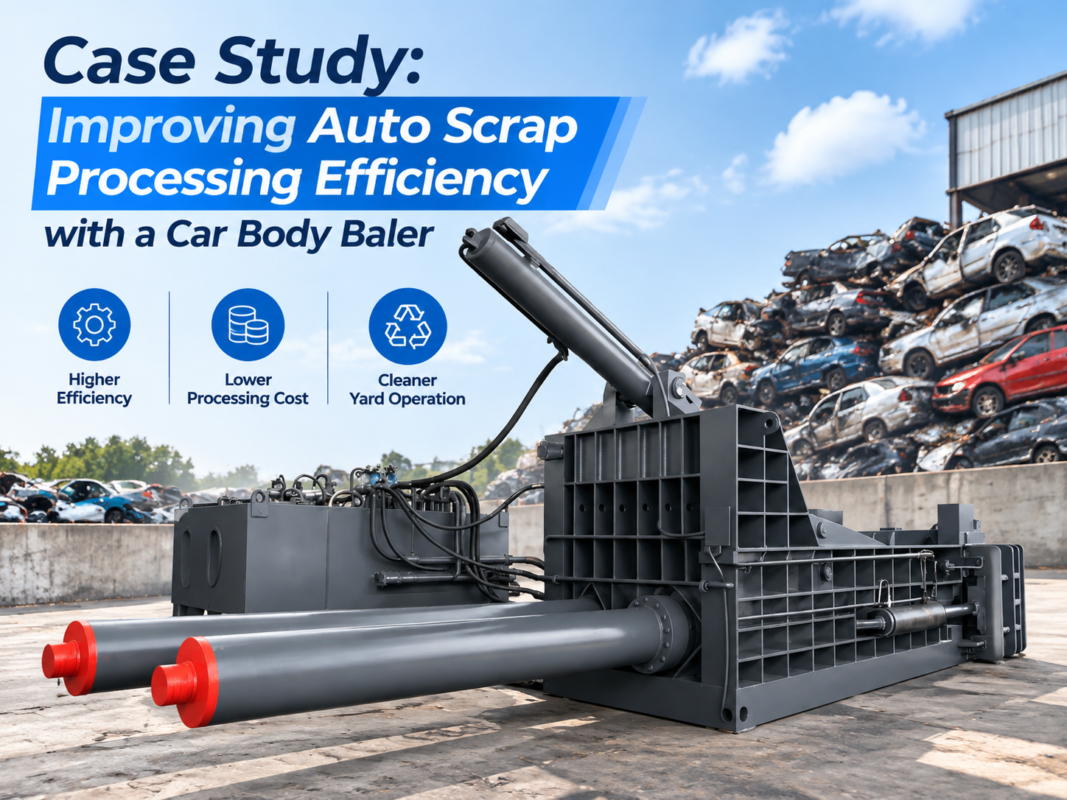
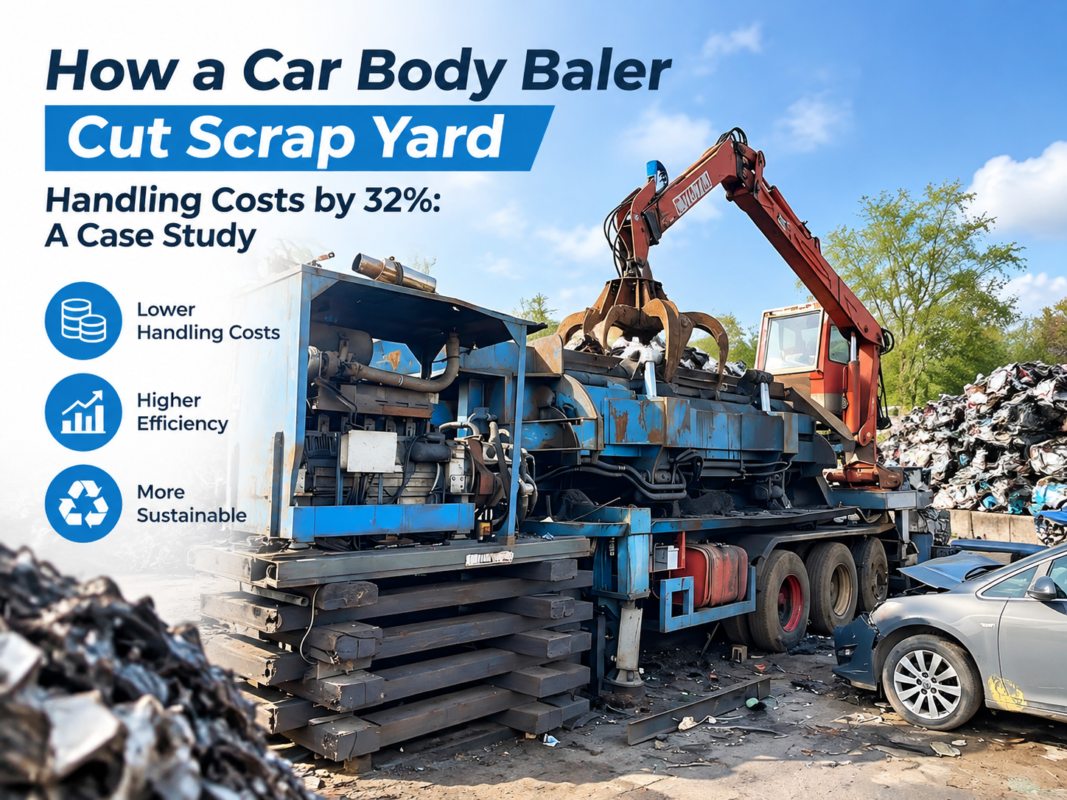
Car Body Baler Installation and Commissioning Guide for Scrap Metal Recycling Plants

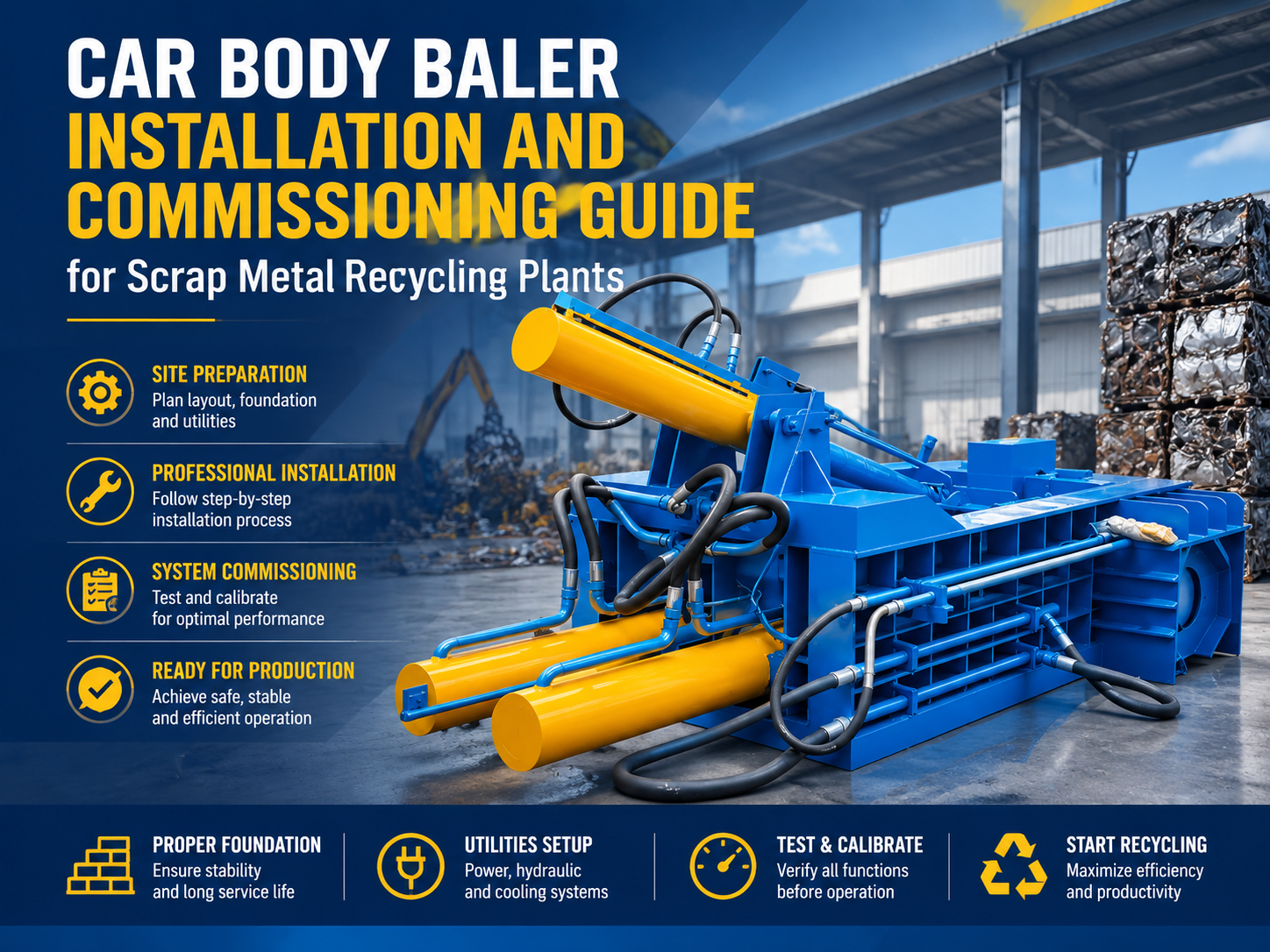
Technical Overview of Car Body Balers in Modern Recycling
In the rapidly evolving landscape of the circular economy, the efficiency of scrap metal processing is paramount. A car body baler is a specialized piece of heavy-duty industrial machinery designed to compress entire end-of-life vehicles (ELVs) into dense, manageable blocks. This process significantly reduces the volume of the scrap, making transportation and subsequent smelting more cost-effective. HARSLE, a leader in metal fabrication machinery, provides advanced hydraulic solutions that integrate high-pressure systems with intelligent automation to meet the rigorous demands of scrap metal recycling plants.
The fundamental operation of a car body baler involves a large compression chamber where the vehicle is placed. Using a series of hydraulic cylinders—often categorized into primary, secondary, and tertiary compression stages—the machine exerts hundreds of tons of force. This force overcomes the structural integrity of the vehicle’s chassis, flattening and folding the metal until it reaches a specific bale dimension. The technical sophistication of these machines lies in their ability to handle diverse materials, from thin sheet metal to reinforced structural frames, while maintaining consistent cycle times.
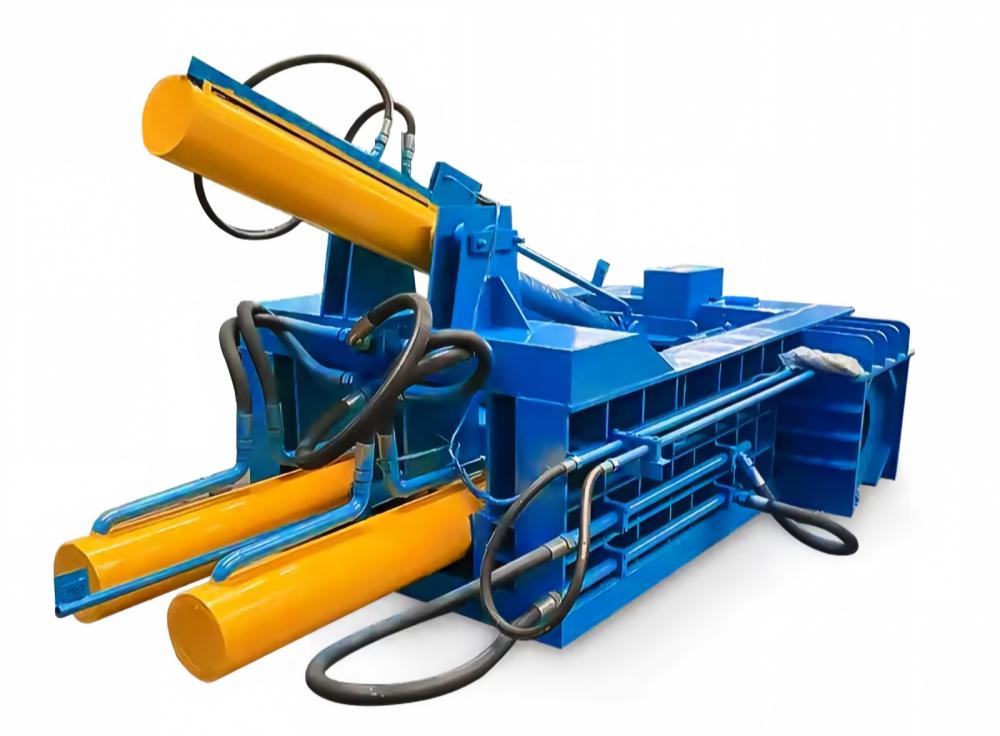
Modern car body balers are equipped with PLC (Programmable Logic Controller) systems that monitor pressure, temperature, and cycle progress in real-time. This ensures that the machine operates within safe parameters and allows for automated cycles, reducing the need for constant manual intervention. For scrap metal recycling plants, the installation and commissioning phase is the most critical period, as it dictates the long-term reliability and safety of the equipment. Proper alignment, hydraulic flushing, and electrical calibration are the cornerstones of a successful setup.
Core Parameters of Car Body Balers
When evaluating a car body baler for installation, understanding the core technical parameters is essential for ensuring the machine matches the facility’s throughput requirements. The most critical parameter is the Nominal Pressure, usually measured in Kilonewtons (kN) or Tons. For car bodies, a primary pressure of 2000kN to 5000kN is common, depending on whether the machine is a single-stage or multi-stage compressor. This pressure determines the density of the final bale, which is a key factor in logistics and steel mill acceptance.
Another vital parameter is the Chamber Size. The dimensions of the compression box must be large enough to accommodate standard passenger vehicles without excessive pre-processing. Typical chamber lengths range from 4000mm to 6000mm. Furthermore, the Cycle Time—the time it takes to complete one full compression and ejection cycle—directly impacts the plant’s daily capacity. A high-efficiency HARSLE baler might feature a cycle time of 90 to 150 seconds, allowing for dozens of vehicles to be processed per hour.
The Motor Power and Hydraulic Pump Displacement are also significant. These components determine the speed of the cylinders and the overall energy consumption of the plant. In large-scale operations, dual or triple motor setups are often used to provide redundancy and variable power stages. Finally, the Bale Size (e.g., 600mm x 600mm x variable length) must be compatible with the transport trucks and the charging doors of the furnaces where the scrap will eventually be melted.
Calculation Method for Baler Performance
To optimize the Car Body Baler Installation Commissioning Scrap Metal Recycling Plants process, engineers must perform several key calculations. The first is the Bale Density Calculation. Density (ρ) is calculated as Mass (m) divided by Volume (V). For scrap metal, a target density of 1500 kg/m³ to 2000 kg/m³ is often desired. By knowing the volume of the compression chamber at full stroke, operators can predict the weight of the bale based on the type of vehicle being processed.
The second calculation involves Hydraulic Force. The force (F) exerted by a cylinder is the product of the hydraulic pressure (P) and the cross-sectional area (A) of the piston: F = P × A. During commissioning, it is vital to verify that the actual pressure readings on the gauges match the theoretical force required to crush the specific grade of steel. If the pressure is too low, the bale will be loose; if too high, it may cause structural fatigue in the baler’s frame.
Thirdly, Throughput Capacity is calculated to align with plant ROI goals. This is determined by the formula: Capacity (tons/hr) = (3600 / Cycle Time in seconds) × Average Bale Weight. For example, if a baler has a 120-second cycle and produces a 0.8-ton bale, the hourly capacity is 24 tons. During the commissioning phase, these theoretical numbers are tested against real-world performance to calibrate the hydraulic flow valves and PLC timers for maximum efficiency.
Detailed Parameter Table
The following table outlines the typical specifications for HARSLE car body balers used in scrap metal recycling plants. These values serve as a benchmark for installation planning.
| Parameter Description | Medium-Duty Model | Heavy-Duty Model | Ultra-High Capacity |
|---|---|---|---|
| Nominal Force (kN) | 2500 | 4000 | 6300 |
| Chamber Dimensions (mm) | 4500 x 2000 x 1000 | 5000 x 2200 x 1200 | 6000 x 2500 x 1500 |
| Bale Size (mm) | 500 x 500 | 600 x 600 | 800 x 800 |
| Main Motor Power (kW) | 37 x 2 | 45 x 2 | 55 x 3 |
| Cycle Time (Empty) | 100s | 120s | 150s |
| Operation Mode | Manual/PLC Auto | PLC Auto/Remote | Full Automation |
| Cooling System | Air Cooled | Water/Oil Cooled | Industrial Chiller |
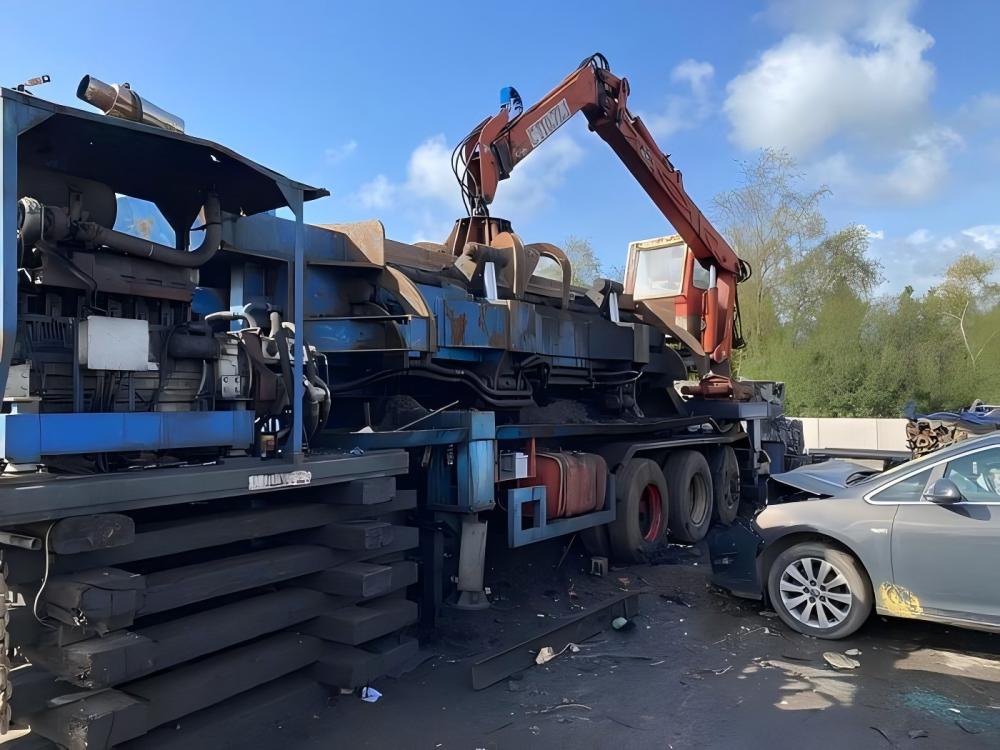
Common Engineering Mistakes During Installation
One of the most frequent mistakes in Car Body Baler Installation Commissioning Scrap Metal Recycling Plants is Inadequate Foundation Preparation. These machines generate immense vibration and localized pressure. If the concrete pad is not reinforced according to the manufacturer’s specifications (often requiring a thickness of 300mm to 500mm with heavy rebar), the foundation will crack, leading to machine misalignment. Misalignment causes uneven wear on the hydraulic seals and can eventually lead to catastrophic cylinder failure.
Another common error is Hydraulic System Contamination. During the installation of hoses and fittings, it is easy for dust, metal shavings, or moisture to enter the system. Even microscopic particles can score the precision-ground surfaces of the hydraulic valves and pumps. It is imperative to perform a thorough “flushing” of the system with filtered oil before the first full-pressure cycle. Skipping this step often results in erratic pressure readings and premature component failure within the first six months of operation.
Electrical phase errors and Insufficient Power Supply also plague many installations. Car body balers require high startup currents for their large motors. If the plant’s electrical grid is not rated for the peak load, or if the wire gauge is too small, the voltage will drop during the compression stroke. This causes the motors to overheat and the PLC to trigger safety shutdowns. Ensuring a dedicated transformer and using high-quality shielded cables for sensors can prevent these frustrating commissioning delays.
Selection Checklist for Scrap Metal Recycling Plants
Choosing the right car body baler requires a systematic approach. Use the following checklist to ensure the selected machinery meets your operational needs:
- Material Compatibility: Does the baler handle only passenger cars, or can it process light trucks and mixed structural scrap?
- Throughput Requirements: Does the calculated hourly capacity meet your daily intake volume with a 20% buffer for peak periods?
- Space Constraints: Does the facility have enough room for the baler, the loading crane’s swing radius, and the bale storage area?
- Hydraulic Cooling: In warmer climates, is the machine equipped with an oversized oil cooler to prevent thermal thinning of the hydraulic fluid?
- Automation Level: Do you require a remote-control system so the crane operator can also trigger the baling cycle?
- Maintenance Access: Are the hydraulic pumps and filters easily accessible for routine service, or are they buried deep within the frame?
- Safety Features: Does the machine include emergency stop buttons, safety interlocks on the chamber lid, and pressure relief valves?
Frequently Asked Questions (FAQ)
1. How long does the installation of a car body baler typically take?
For a standard installation in a prepared scrap metal recycling plant, the process usually takes 7 to 14 days. This includes mechanical assembly, hydraulic piping, electrical wiring, and the initial dry-run commissioning. If the foundation needs to be poured, you must add at least 21-28 days for the concrete to cure before the machine can be bolted down.
2. What type of hydraulic oil is best for car body balers?
Most heavy-duty balers use ISO VG 46 or ISO VG 68 anti-wear hydraulic oil. The choice depends on the ambient temperature of the recycling plant. In colder climates, VG 32 may be used for better flow at startup, while in very hot environments, VG 68 provides better viscosity stability. Always consult the HARSLE manual for specific grade recommendations.
3. Can a car body baler process engines and transmissions?
While many heavy-duty balers can crush engines, it is generally recommended to remove them first. Engines contain heavy cast iron and steel alloys that are much harder than the car body sheet metal, which can cause excessive wear on the chamber liners. Furthermore, removing engines allows for the recovery of high-value aluminum and prevents oil contamination in the bale.
4. How often should the hydraulic filters be replaced?
During the initial commissioning phase, filters should be checked after the first 50 hours of operation. Under normal operating conditions in scrap metal recycling plants, hydraulic filters are typically replaced every 500 to 1000 hours. Regular oil analysis is also recommended to detect internal wear before it leads to a breakdown.
5. What is the benefit of a triple-compression baler?
A triple-compression baler applies force from three directions (top, side, and end). This results in a much higher bale density compared to single-action presses. High-density bales are preferred by steel mills because they take up less space in the furnace and melt more efficiently, often fetching a higher price per ton for the recycling plant.
6. Is a specialized foundation always necessary?
Yes. Due to the dynamic loads and the weight of the machine (often exceeding 30-50 tons), a standard factory floor is rarely sufficient. A reinforced concrete pit or pad prevents the machine from shifting or sinking, which is critical for maintaining the alignment of the long-stroke hydraulic cylinders.