Car Body Baler Troubleshooting Guide: Common Faults, Causes, and Fast Solutions

Technical Overview of Car Body Baler Systems
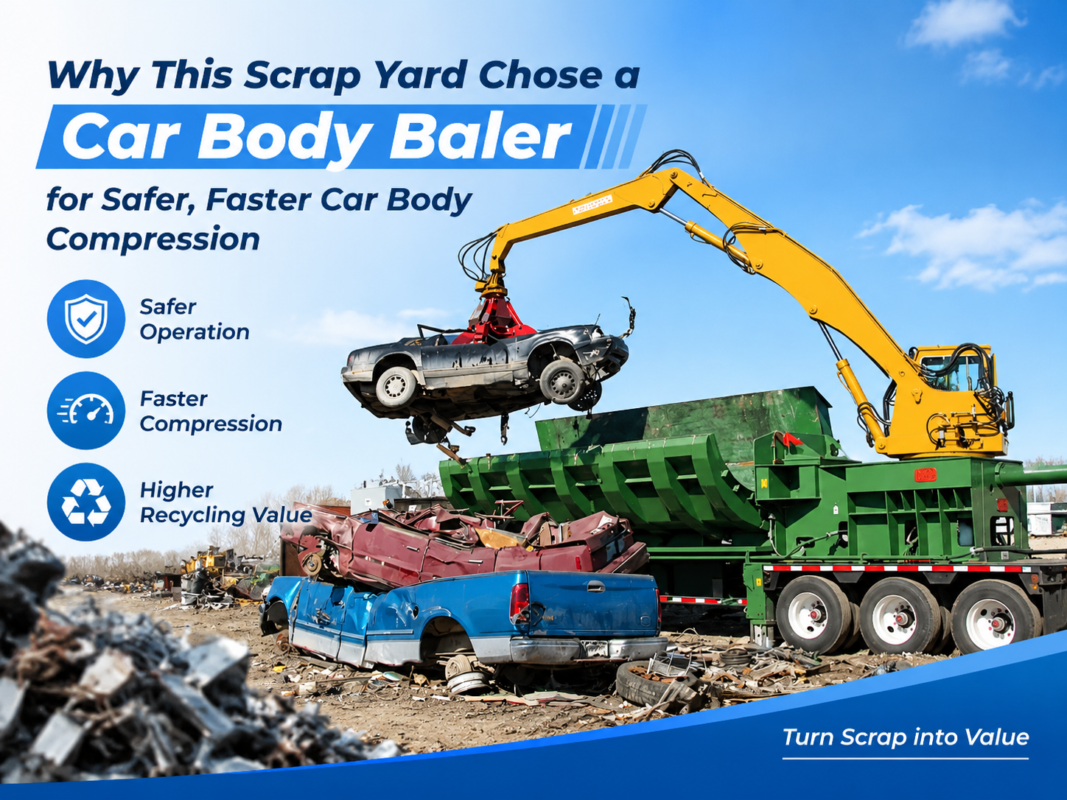
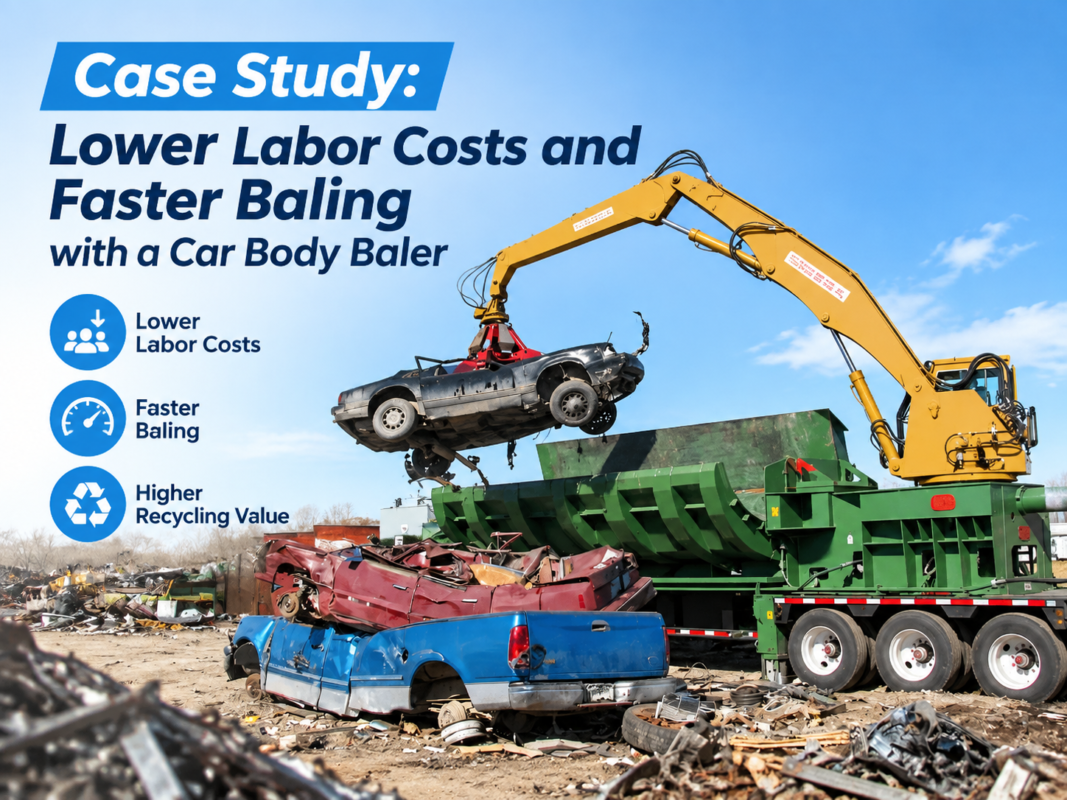
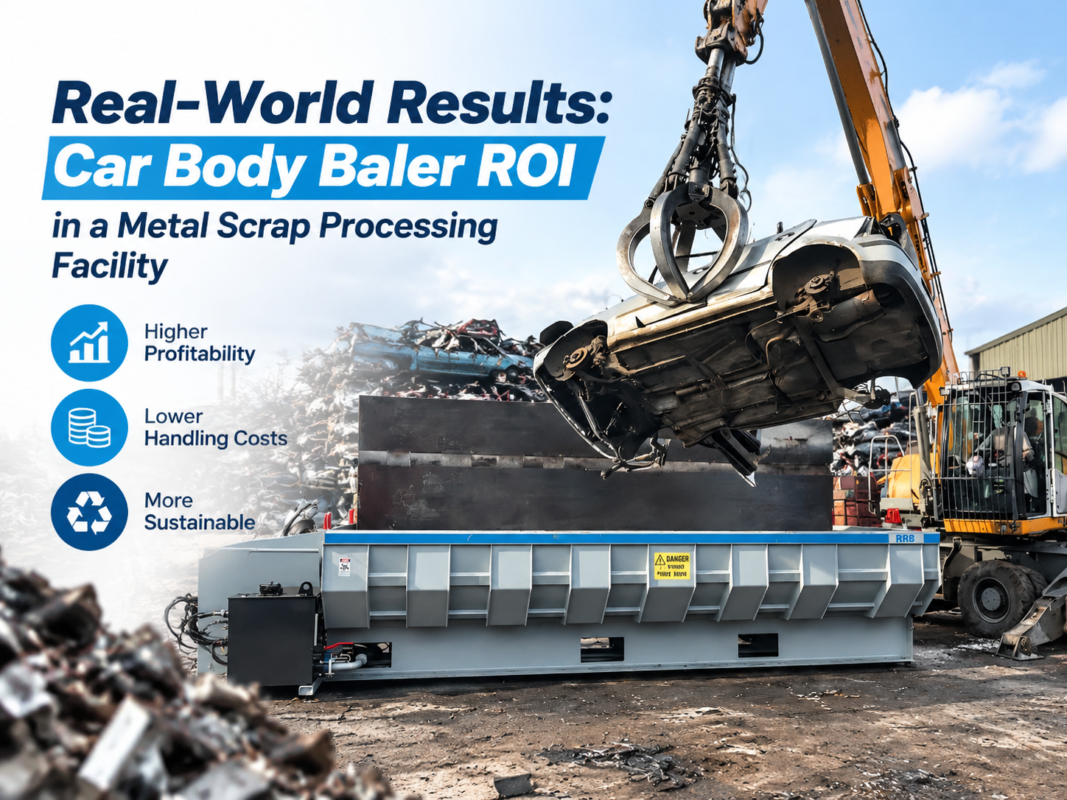
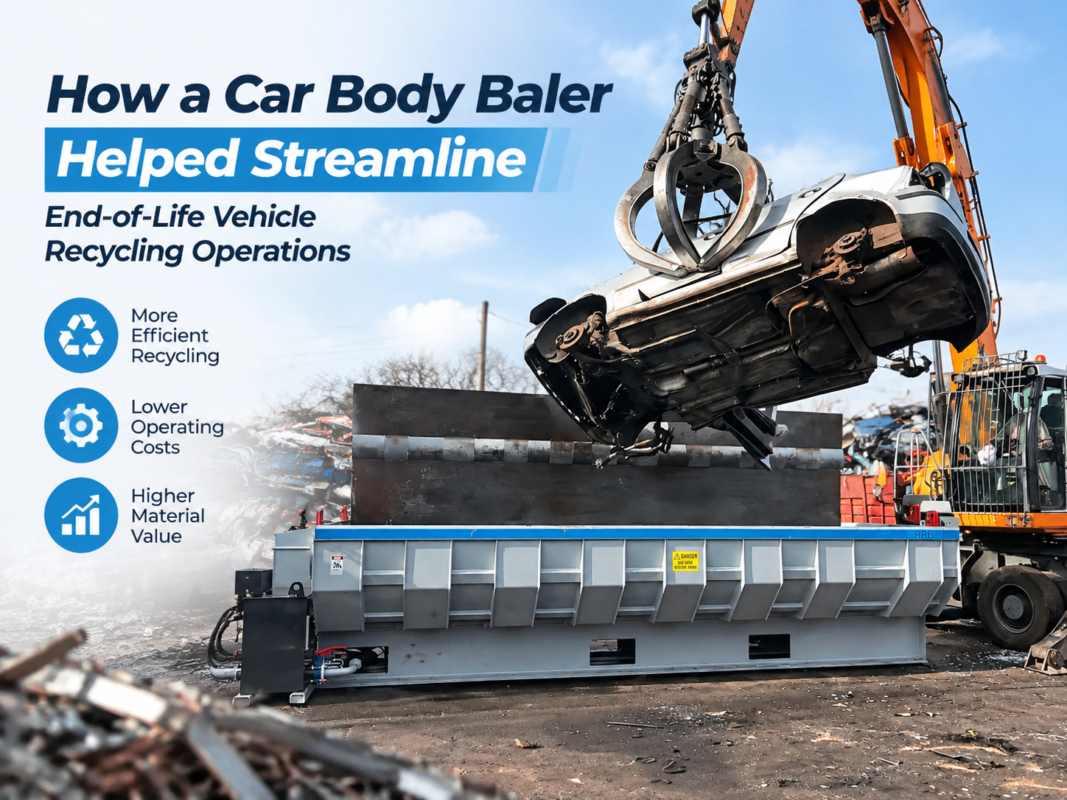
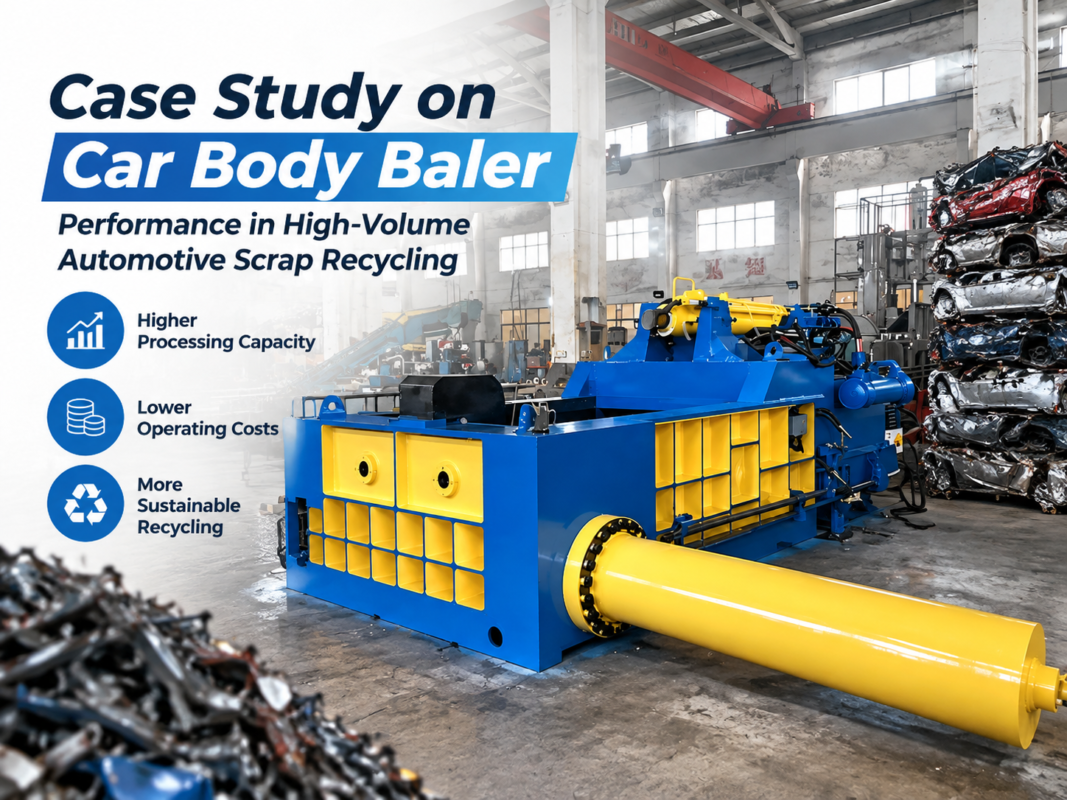
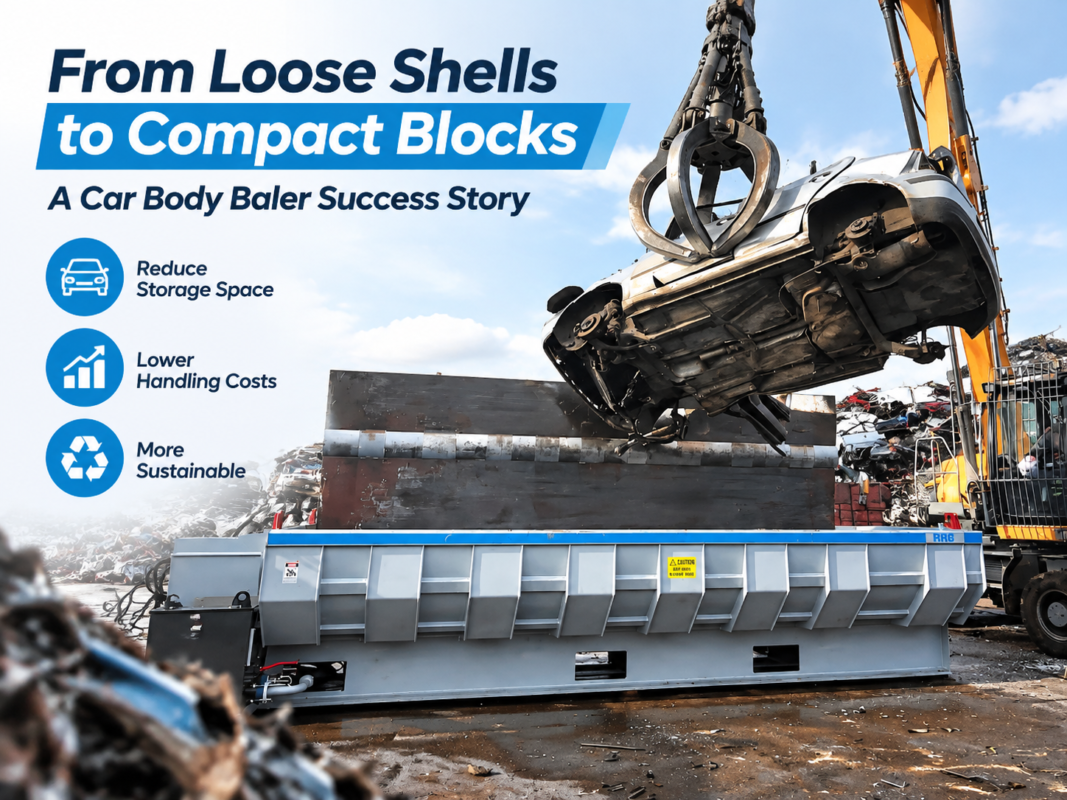
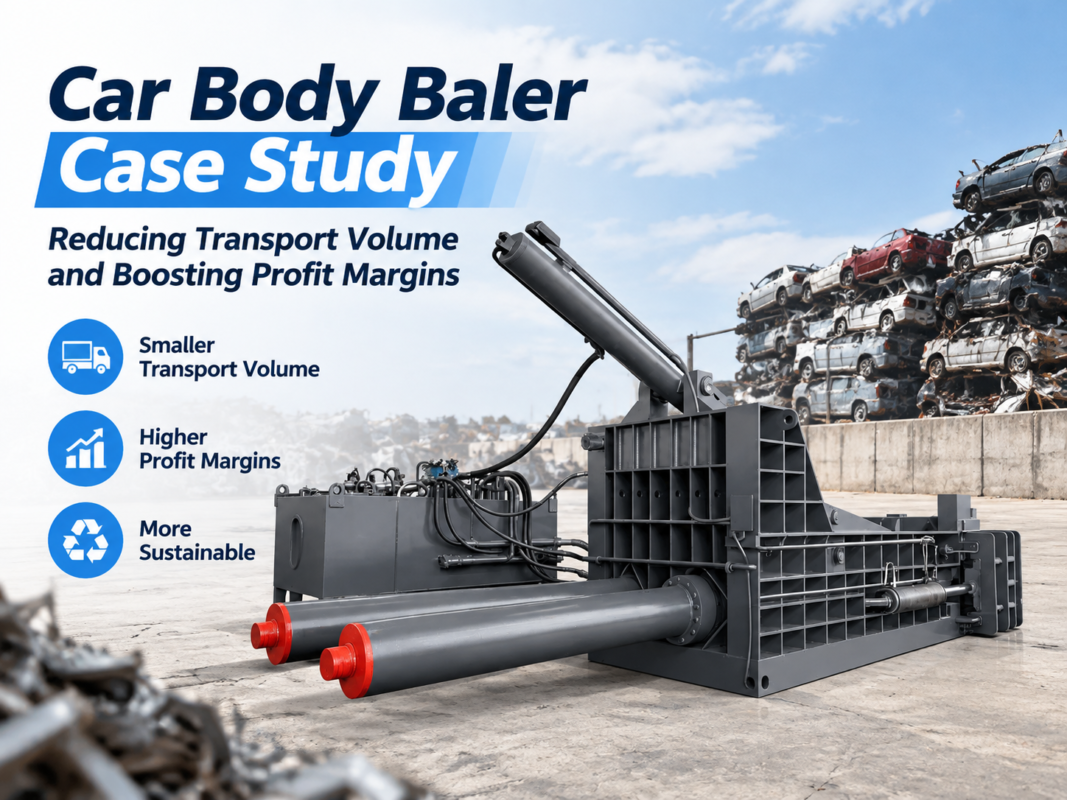
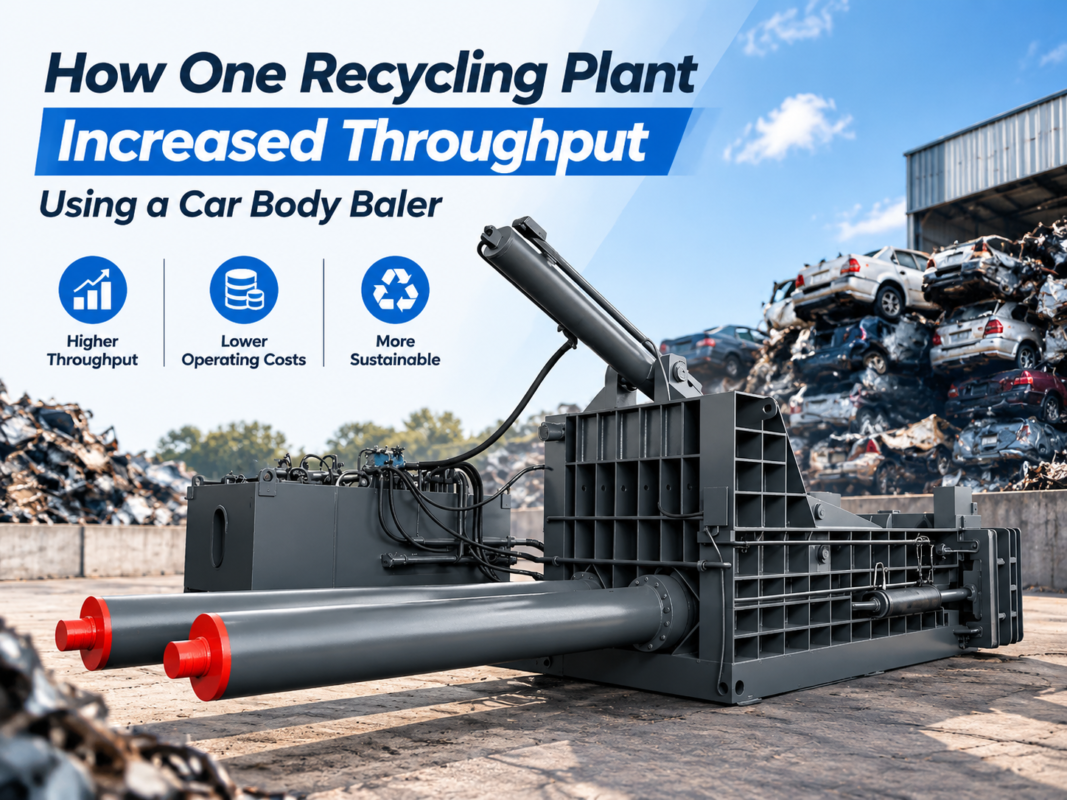
A car body baler is a heavy-duty hydraulic machine designed to compress end-of-life vehicles (ELVs) and large scrap metal pieces into dense, manageable blocks or bales. These machines are the backbone of modern scrap yards and recycling facilities, significantly reducing transportation costs and optimizing furnace charging efficiency. At its core, a car body baler utilizes high-pressure hydraulic cylinders to drive a series of rams—typically a lid ram, a side ram, and a main longitudinal ram—to exert massive force on the scrap material.
The structural integrity of a car body baler is paramount. HARSLE designs these machines using high-strength wear-resistant plates (such as Hardox) to withstand the abrasive nature of scrap metal. The hydraulic system is powered by high-efficiency motors and axial piston pumps, controlled via a sophisticated PLC (Programmable Logic Controller) system. This automation ensures that the compaction cycle is consistent, safe, and efficient. Understanding the technical synergy between the electrical control system and the hydraulic power unit is essential for effective troubleshooting.
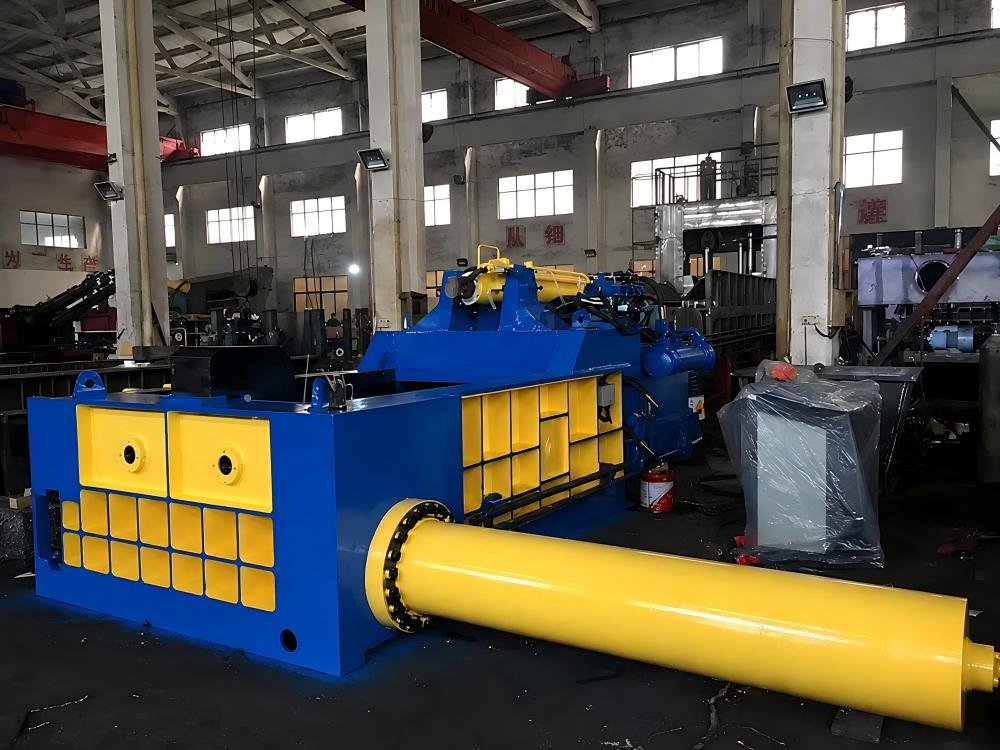
Modern car body balers often feature a ‘triple compression’ design. The first stage involves the lid or ‘clamshell’ closing to crush the vehicle from the top. The second stage involves a side ram narrowing the width, and the final stage is the main ram pushing the material into the bale chamber’s end. This multi-directional force ensures maximum density. Troubleshooting these machines requires a deep understanding of hydraulic circuit logic, pressure relief settings, and sensor feedback loops that govern the sequence of operations.
Core Parameters of Car Body Balers
When diagnosing issues or selecting a car body baler, several core parameters define the machine’s performance and limits. The most critical parameter is the Nominal Force, usually measured in Kilonewtons (kN) or Tons. This represents the maximum pressure the main ram can exert. For car bodies, this typically ranges from 2000kN to 6000kN. If the machine fails to reach this force, the resulting bales will be loose and may fall apart during transport.
Another vital parameter is the Cycle Time. This is the duration required to complete one full baling sequence, from loading to bale ejection. A typical cycle time for a high-performance HARSLE car baler is between 90 and 180 seconds. Variations in cycle time are often the first indicator of hydraulic inefficiency, such as pump wear or internal valve leakage. Additionally, the Bale Size and Bale Density are output parameters that determine the commercial value of the processed scrap.
Power requirements are also a core consideration. Car body balers utilize large electric motors (often 45kW to 150kW or more) or diesel engines for mobile units. The System Pressure, usually set between 20MPa and 31.5MPa, must be monitored closely. Operating outside these parameters can lead to catastrophic component failure or extremely inefficient energy consumption. Understanding these specs allows technicians to pinpoint whether a fault is a deviation from the machine’s engineered baseline.
Calculation Method for Baler Performance
To troubleshoot effectively, one must understand the mathematical relationship between hydraulic pressure and mechanical force. The force exerted by a hydraulic cylinder is calculated using the formula: F = P × A, where F is the force, P is the hydraulic pressure, and A is the effective area of the cylinder piston. If a baler is underperforming, technicians should measure the actual pressure at the cylinder inlet and compare it to the theoretical force required to compress the specific grade of scrap metal.
Bale density is another critical calculation. It is determined by the mass of the bale divided by its volume (ρ = m / V). For car bodies, a target density of 800-1200 kg/m³ is often desired for steel mill acceptance. If the density drops, it indicates that either the final stroke of the ram is not being reached or the system pressure is bypassing through a relief valve. Technicians can use these calculations to determine if the machine is being overloaded beyond its design capacity.
Furthermore, calculating the Pump Flow Rate (Q) is essential for diagnosing slow cycle times. The speed of the ram (v) is related to the flow rate and the cylinder area: v = Q / A. By measuring the time it takes for a ram to travel a known distance, one can calculate the actual flow rate of the pump. If the actual flow is significantly lower than the pump’s rated displacement at a given RPM, it suggests internal wear or aeration in the hydraulic fluid.
Car Body Baler Technical Parameter Table
| Parameter Description | Unit | Small-Scale Baler | Medium-Scale Baler | Heavy-Duty Baler |
|---|---|---|---|---|
| Main Compaction Force | kN | 1600 – 2000 | 2500 – 4000 | 5000 – 10000 |
| Bale Dimensions (W*H) | mm | 400 * 400 | 600 * 600 | 800 * 800 |
| Chamber Size (L*W*H) | mm | 3000*1600*800 | 5000*2000*1200 | 6000*2200*1500 |
| Motor Power | kW | 30 – 45 | 75 – 110 | 150 – 250 |
| Cycle Time (No Load) | sec | 80 – 100 | 100 – 130 | 120 – 180 |
| System Pressure | MPa | 25 | 28 | 31.5 |
| Bale Weight (Steel) | kg | 200 – 400 | 500 – 800 | 1000 – 2500 |
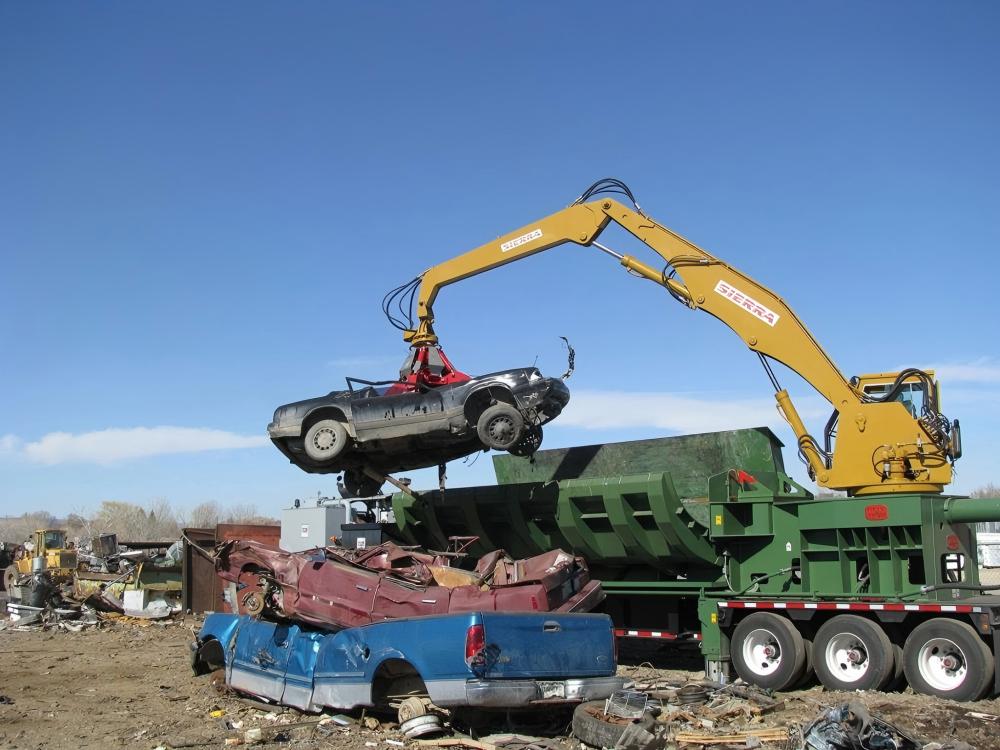
Car Body Baler Troubleshooting : Common Faults, Causes, Fast Solutions
1. System Fails to Build Pressure
Cause: This is the most common issue in car body baler troubleshooting. It is often caused by a stuck relief valve, a severely worn hydraulic pump, or internal leakage in the main cylinder seals. In some cases, the directional control valve may be failing to shift fully due to a burnt-out solenoid coil.
Fast Solution: First, check the pressure gauge while dead-heading the cylinder. If pressure is low, inspect the relief valve for debris. Clean the valve seat and adjust the pressure setting. If the problem persists, perform a ‘leak-back’ test on the cylinders to check for internal seal bypass. Replace solenoids if electrical continuity is lost.
2. Slow Ram Movement or Erratic Operation
Cause: Slow movement is typically a flow issue. Common causes include clogged suction filters, low hydraulic oil levels, or air entering the pump intake (cavitation). Erratic or ‘jerky’ movement often points to air trapped in the hydraulic lines or a faulty proportional valve controller.
Fast Solution: Check the oil level and top up with the recommended ISO grade hydraulic fluid. Replace all suction and return line filters. Bleed the air from the system by cycling the rams through their full range of motion several times without load. Inspect the pump intake hose for cracks that might allow air to be sucked in.
3. Excessive Noise and Vibration
Cause: Unusual grinding or whining noises usually originate from the pump. This can be caused by cavitation, misalignment between the motor and pump, or worn bearings. Vibration in the hydraulic lines often indicates loose mounting brackets or pressure pulsations from a failing pump piston.
Fast Solution: Verify the alignment of the motor-pump coupling using a laser alignment tool or straight edge. If the noise is a high-pitched whine, check for restricted suction lines. Ensure all hydraulic pipe clamps are tight. If the pump is vibrating excessively and the oil is foamy, you have an air leak on the suction side.
4. Overheating of Hydraulic Oil
Cause: Oil overheating (above 60°C/140°F) is caused by excessive friction or pressure drops. This happens if the cooling system (air or water cooler) is blocked, or if the system is constantly blowing over the relief valve due to a mechanical jam in the baling chamber.
Fast Solution: Clean the heat exchanger fins or check the water flow in the cooling tower. Ensure the bypass valve for the cooler is functioning. Check the PLC logic to ensure the pump unloads to the tank when the machine is idling. High oil temperature thins the fluid, leading to further wear and seal failure.
5. PLC or Electrical Control Errors
Cause: Modern car body balers rely on sensors (limit switches, pressure transducers, encoders) to sequence the rams. A faulty sensor or a loose wire in the control cabinet can halt the entire operation. Environmental factors like vibration and dust often loosen terminal connections.
Fast Solution: Check the PLC input/output (I/O) status lights. If a ram stops mid-cycle, identify which sensor is not being triggered. Clean the proximity switches and ensure they are within the sensing range. Tighten all electrical terminals in the control box and check for blown fuses or tripped circuit breakers.
Common Engineering Mistakes in Baler Operation
One of the most frequent engineering mistakes is improper foundation design. A car body baler exerts massive dynamic loads. If the concrete pad is too thin or not reinforced, the machine will shift, leading to frame twisting and premature wear on the ram guides. Always follow the manufacturer’s foundation drawings precisely, ensuring the use of high-strength anchor bolts.
Another mistake is neglecting oil chemistry. Many operators assume that as long as there is oil in the tank, the machine is fine. However, hydraulic oil shears over time and loses its viscosity and anti-wear properties. Using the wrong oil grade for the ambient temperature (e.g., using summer-grade oil in sub-zero winters) can lead to pump cavitation or sluggish performance. Regular oil analysis is a small investment that prevents multi-thousand-dollar pump failures.
Furthermore, overloading the chamber is a critical error. Operators sometimes try to bale multiple car bodies or heavy structural steel that exceeds the machine’s shear capacity. This puts immense stress on the lid hinges and the main ram’s structural welds. Engineering-wise, the machine is designed for specific material densities; exceeding these limits causes fatigue cracks in the main structure that are difficult and expensive to repair.
Selection Checklist for Car Body Balers
- Material Volume: Calculate your daily tonnage. Ensure the baler’s cycle time and chamber size can handle your peak throughput without bottlenecks.
- Bale Density Requirements: Check with your scrap buyer or steel mill for their required bale dimensions and density. Choose a machine with sufficient nominal force to meet these specs.
- Power Source: Determine if you have the electrical infrastructure for a high-kW motor or if a diesel-powered mobile unit is more practical for your site.
- Wear Protection: Ensure the baling chamber is lined with replaceable high-abrasion-resistant plates (like Hardox 450 or 500).
- Automation Level: Decide between manual lever controls or a fully automated PLC system with remote monitoring capabilities.
- Maintenance Access: Choose a design that allows easy access to hydraulic filters, pump couplings, and cylinder seals for routine servicing.
- Safety Features: Verify the presence of emergency stops, safety interlocks on the chamber doors, and pressure relief valves on all circuits.
- Manufacturer Reputation: Partner with a manufacturer like HARSLE that provides comprehensive technical manuals, spare parts availability, and remote diagnostic support.
Frequently Asked Questions (FAQ)
How often should I change the hydraulic oil in my car body baler?
Generally, hydraulic oil should be changed every 2,000 to 4,000 operating hours, or at least once a year. However, this depends on the operating environment. In dusty or high-temperature conditions, more frequent changes or a rigorous filtration program are necessary. Always perform an oil analysis before a full change to check for metal particles or moisture.
Why is my baler making a loud banging noise when the ram retracts?
A loud bang during retraction often indicates ‘hydraulic shock.’ This occurs when a valve closes too quickly, causing a pressure spike. It can also be caused by worn-out mechanical stops or loose cylinder mounting bolts. Check the decompression settings in the PLC or the adjustment of the decompression valves to ensure a smooth transition of fluid.
Can I process stainless steel or aluminum in a car body baler?
Yes, car body balers are versatile. However, aluminum is much softer and may require different pressure settings to prevent the bale from becoming too dense or ‘cold-welded’ into the chamber. Stainless steel is much harder and more abrasive, which will accelerate the wear on the chamber liners. Always adjust the system pressure according to the material being processed.
What is the most critical maintenance task for a scrap baler?
The most critical task is filtration management. Contamination is the leading cause of hydraulic component failure. Regularly checking the ‘clogging indicators’ on your filters and replacing them immediately is vital. Keeping the hydraulic oil clean will extend the life of the pumps and valves by years.
How do I know if my hydraulic pump is failing?
Signs of a failing pump include a gradual increase in cycle times, increased noise levels (whining), and the pump housing becoming too hot to touch. If you notice a drop in maximum pressure that cannot be fixed by adjusting the relief valve, the pump’s internal tolerances have likely increased due to wear, and it requires rebuilding or replacement.