A Complete Technical Guide to Gantry Shear Applications in Metal Fabrication

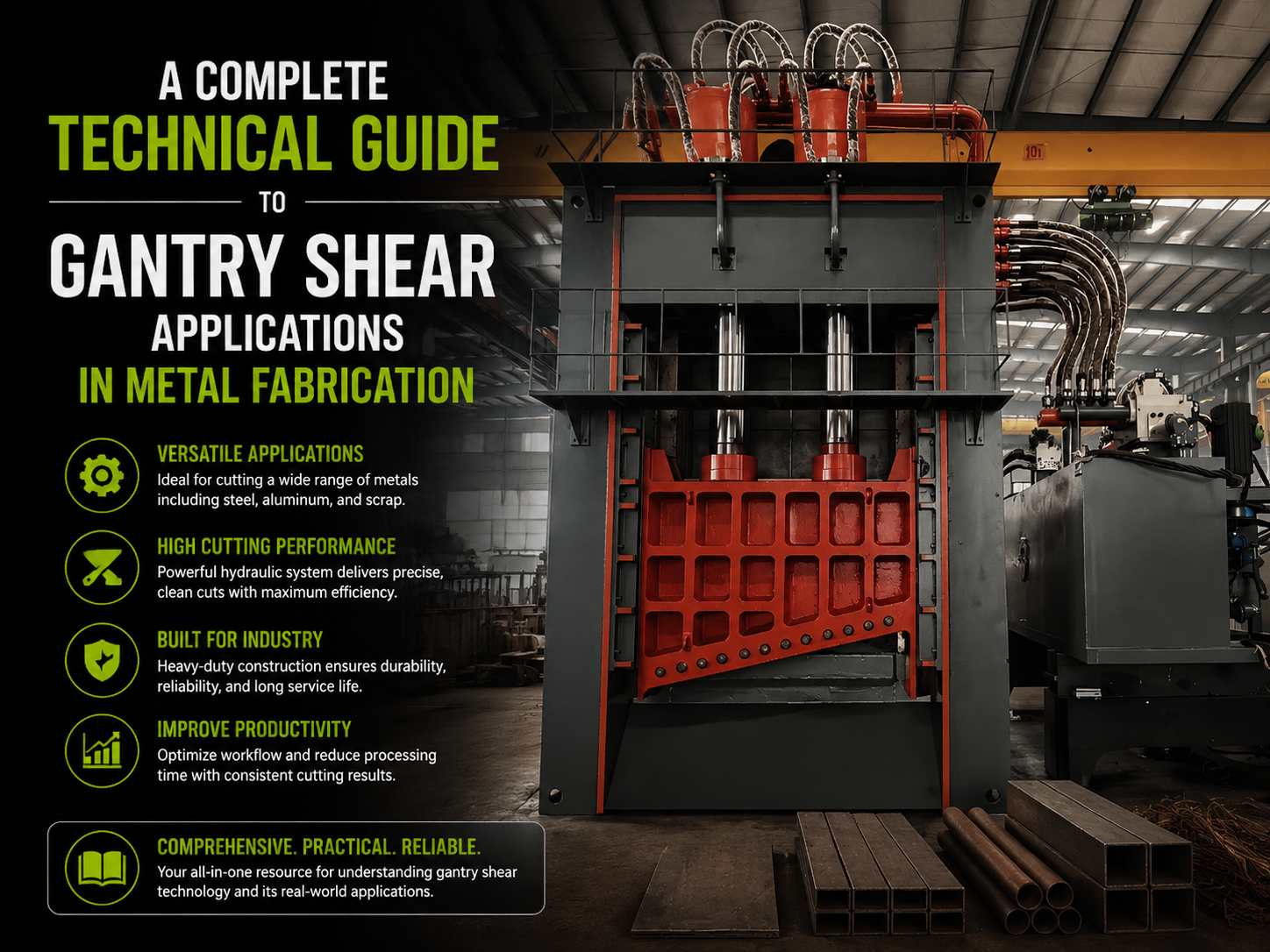
Technical Overview of Gantry Shears in Modern Industry
In the high-stakes world of heavy-duty metal recycling and industrial fabrication, the gantry shear stands as a titan of efficiency. This machine, often referred to as the Q91 series in technical catalogs, is specifically engineered to handle the most demanding scrap processing tasks. Unlike smaller alligator shears, the gantry shear utilizes a vertical cutting motion supported by a massive frame—the ‘gantry’—which provides the structural integrity required to exert hundreds, or even thousands, of tons of hydraulic force. This A Complete Technical Gantry Shear Applications In Metal Fabrication guide explores how these machines have revolutionized the way we process structural steel, decommissioned vehicles, and industrial waste.
The fundamental design of a gantry shear involves a large feeding hopper, a compression box, and a heavy-duty shearing head. The process begins when scrap metal is loaded into the hopper. A hydraulic pusher then moves the material into the compression area, where side rams and a lid compress the bulky scrap into a dense log. Once compressed, the material is advanced toward the shearing blades. The vertical shear cylinder then descends, slicing through the metal with surgical precision and immense power. This automated cycle allows for continuous operation, which is critical for large-scale metal fabrication facilities and scrap yards that process thousands of tons of material monthly.
HARSLE has integrated advanced hydraulic logic into these machines to ensure that energy consumption is minimized while output is maximized. Modern gantry shears are no longer just ‘dumb’ mechanical presses; they are sophisticated systems equipped with PLC (Programmable Logic Controller) units, laser sensors for material positioning, and remote diagnostic capabilities. This evolution ensures that the A Complete Technical Guide To Gantry Shear Applications In Metal Fabrication includes not just mechanical force, but also digital intelligence. By optimizing the stroke length and the speed of the shear head, operators can significantly reduce cycle times, leading to a direct increase in ROI for the fabrication shop.
Furthermore, the environmental impact of using a gantry shear cannot be overstated. By reducing the volume of scrap metal and preparing it for the furnace, these machines facilitate the circular economy. Dense, sheared scrap is much more efficient to transport and melts more consistently in electric arc furnaces (EAF) compared to loose, uncompressed scrap. This technical guide will delve into the specifics of how these machines operate, how to calculate their requirements, and how to avoid the common pitfalls that can lead to costly downtime.
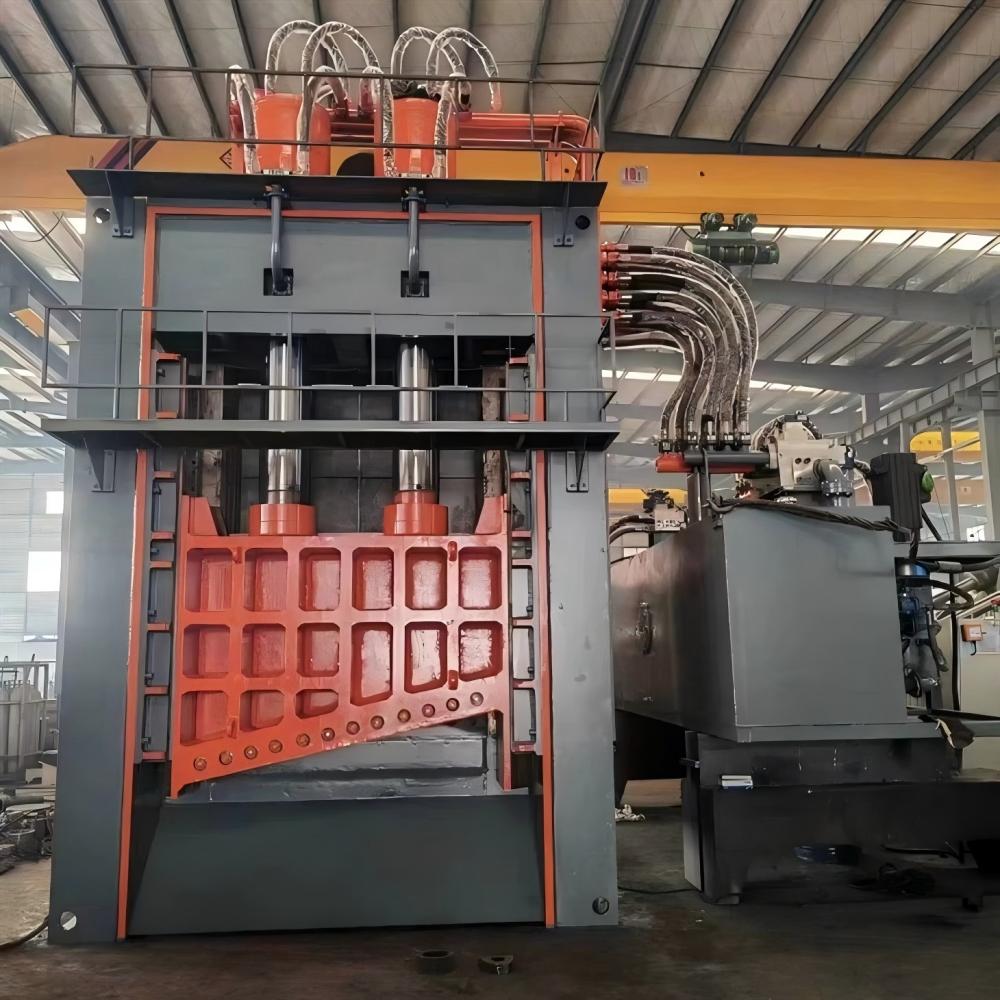
Core Parameters of Gantry Shear Systems
Understanding the core parameters of a gantry shear is essential for any engineer or facility manager looking to integrate this equipment into their workflow. The most critical parameter is the Shear Force, typically measured in kilonewtons (kN) or tons. This force determines the maximum thickness and the type of material the machine can handle. For instance, a 600-ton shear might easily handle light structural steel but struggle with thick-walled ship plates. Selecting the right force capacity is the first step in ensuring the machine meets the specific needs of the fabrication project.
Another vital parameter is the Blade Length. The width of the shearing throat determines the maximum size of the material that can be fed into the machine without prior torch cutting. In A Complete Technical Gantry Shear Applications In Metal Fabrication, blade lengths typically range from 800mm to over 2000mm. A wider blade allows for more versatile processing but requires a more robust frame and higher hydraulic pressure to maintain consistent cutting force across the entire edge. The blade material itself, usually a high-strength alloy steel like 6CrW2Si or Cr12MoV, must be chosen based on the hardness of the scrap being processed.
The Cutting Frequency (strokes per minute) is the primary metric for productivity. This is influenced by the hydraulic pump’s flow rate and the efficiency of the cylinder’s return stroke. High-speed gantry shears utilize accumulator-assisted hydraulic systems to speed up the non-cutting portion of the cycle. Additionally, the Feeding Box Dimensions are crucial; if the box is too small, operators will spend too much time pre-processing scrap to fit the machine. Conversely, an oversized box on a low-force machine can lead to jams if too much material is compressed at once.
Finally, we must consider the System Pressure and Motor Power. Most industrial gantry shears operate at pressures between 25MPa and 31.5MPa. The motor power, often ranging from 45kW to over 200kW in multi-pump configurations, dictates the machine’s ability to maintain these pressures under heavy load. In A Complete Technical Guide To Gantry Shear Applications In Metal Fabrication, we emphasize that the synergy between the electrical motor, the hydraulic pump, and the cylinder diameter is what defines the machine’s true capability.
Calculation Method for Shearing Force
To accurately apply A Complete Technical Gantry Shear Applications In Metal Fabrication, one must be able to calculate the required shearing force for different materials. The theoretical shearing force (F) is not just a product of the machine’s capacity, but a function of the material’s cross-sectional area and its shear strength. The basic formula used by engineers is: F = L × S × τ, where ‘L’ is the width of the cut, ‘S’ is the thickness of the material, and ‘τ’ is the shear strength of the material.
However, in practical metal fabrication, we often use a more comprehensive formula that accounts for the blade’s rake angle (the angle at which the blade meets the metal). A rake angle reduces the instantaneous force required because the blade slices through the material gradually rather than all at once. The modified formula is: F = 0.6 × S² × σb / tan(α), where ‘σb’ is the tensile strength and ‘α’ is the rake angle. This calculation is vital because it prevents the operator from attempting to cut materials that exceed the machine’s structural limits, which could lead to frame deformation or hydraulic seal failure.
Let’s consider a practical example. If you are processing a carbon steel plate with a thickness (S) of 20mm and a tensile strength (σb) of 450 MPa, using a shear with a 3-degree rake angle, the calculation would reveal the necessary tonnage. It is important to always include a safety factor of at least 1.2 to 1.3 to account for blade wear, material impurities, and temperature fluctuations. In A Complete Technical Gantry Shear Applications In Metal Fabrication, we advise that if the calculated force is within 10% of the machine’s maximum capacity, it is better to move to a higher-tonnage model to ensure longevity.
Furthermore, the “Compression Force” must also be calculated. Before the shear blade descends, the hold-down ram (or the lid of the compression box) must exert enough pressure to prevent the material from flipping or sliding during the cut. This force is typically 15-25% of the total shearing force. Failure to provide adequate hold-down force results in jagged cuts and excessive wear on the blade guides, as the lateral forces generated during an unstable cut can push the shear head out of alignment.
Gantry Shear Technical Parameter Table
The following table provides a comparison of standard HARSLE gantry shear models to assist in the selection process for various metal fabrication needs.
| Model Type | Shear Force (Tons) | Blade Length (mm) | Max Cutting Thickness (mm) | Motor Power (kW) | Cycle Time (s) |
|---|---|---|---|---|---|
| HGS-400 | 400 | 1200 | 16 – 20 | 45 | 15 – 20 |
| HGS-630 | 630 | 1500 | 25 – 30 | 75 | 18 – 25 |
| HGS-800 | 800 | 1800 | 35 – 40 | 90 | 20 – 30 |
| HGS-1000 | 1000 | 2000 | 45 – 55 | 110 x 2 | 25 – 35 |
| HGS-1250 | 1250 | 2200 | 60 – 75 | 132 x 2 | 30 – 45 |
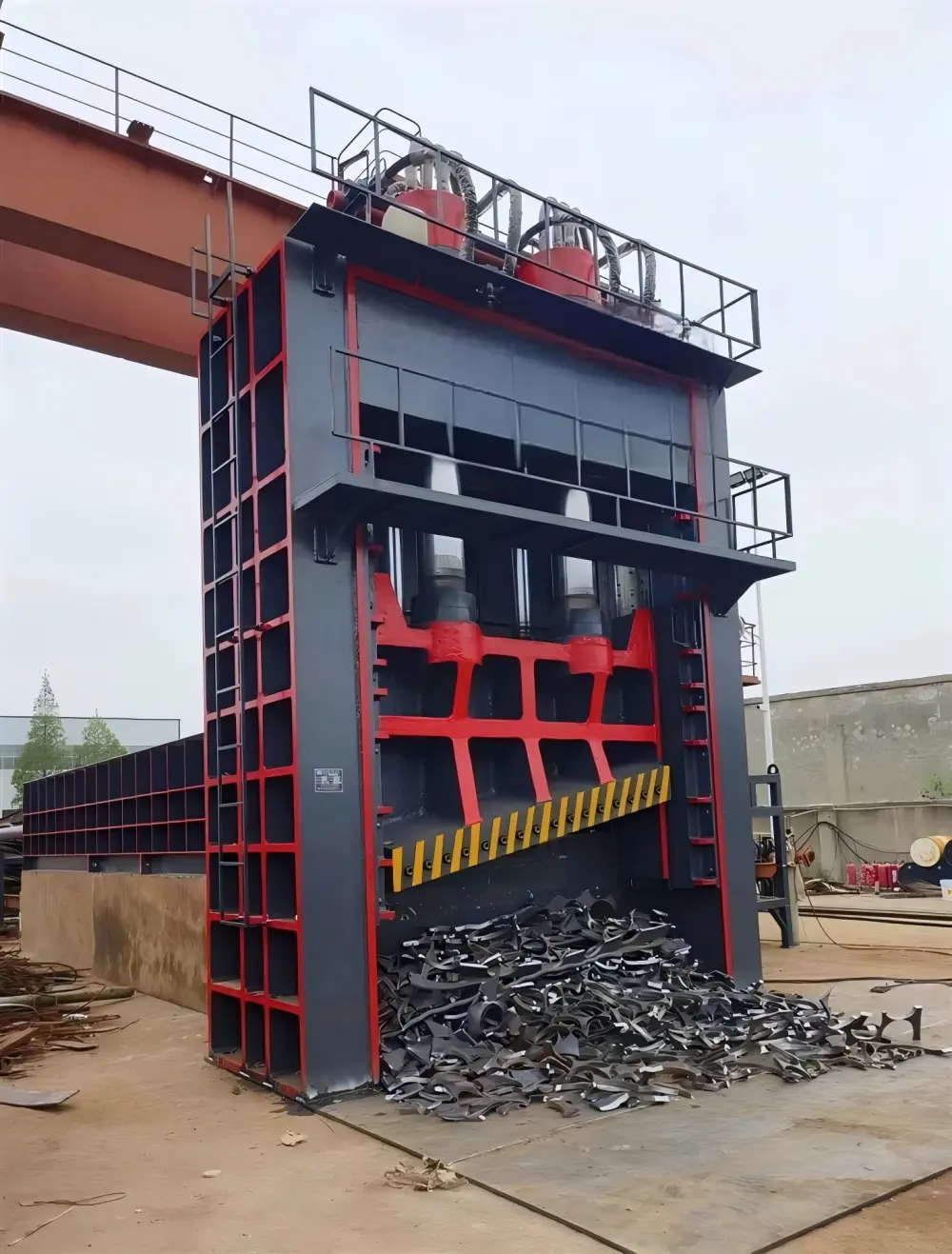
Common Engineering Mistakes in Gantry Shear Operation
One of the most frequent mistakes in A Complete Technical Gantry Shear Applications In Metal Fabrication is the neglect of blade gap adjustment. The gap between the upper and lower blades must be precisely set based on the thickness of the material being cut. If the gap is too wide, the metal will ‘fold’ or ‘burr’ rather than shear, leading to massive lateral stresses that can crack the blade seats. If the gap is too narrow, the blades may clash, causing immediate catastrophic failure of the cutting edges. Operators should check and adjust this gap every time they switch between significantly different material gauges.
Another common error is ignoring the hydraulic oil temperature. Gantry shears generate significant heat due to the high-pressure friction within the pumps and valves. If the oil temperature exceeds 60°C, its viscosity drops, leading to internal leakage and reduced shearing force. More importantly, overheated oil accelerates the degradation of seals and O-rings. Many facilities fail to clean the air-cooling or water-cooling systems, leading to a slow decline in machine performance that is often misdiagnosed as a mechanical failure. In A Complete Technical Guide To Gantry Shear Applications In Metal Fabrication, we recommend automated temperature-controlled shut-offs to protect the system.
Material misidentification is a third major pitfall. Not all ‘scrap’ is created equal. Attempting to shear hardened tool steel, chrome-moly shafts, or manganese steel plates with a standard gantry shear designed for mild steel can result in shattered blades. These materials have much higher shear resistance and require specialized blade alloys and slower cutting speeds. Engineers must implement a strict sorting protocol to ensure that ‘un-shearable’ items are diverted to torch-cutting stations, preserving the life of the gantry shear for the materials it was designed to handle.
Finally, poor lubrication of the gantry guides is a silent killer of machine accuracy. The shear head moves within a set of precision-machined guides. If these guides are not lubricated properly, friction increases, leading to uneven wear. This wear causes the shear head to ’tilt’ slightly during the cut, which ruins the blade gap setting and increases the energy required for each stroke. A centralized automatic lubrication system is not a luxury; it is a necessity for any high-volume fabrication environment using A Complete Technical Gantry Shear Applications In Metal Fabrication.
Selection Checklist for Gantry Shears
Choosing the right gantry shear requires a systematic approach. Use the following checklist to ensure the machine meets your operational requirements:
- Material Analysis: What is the maximum thickness and tensile strength of the scrap you process most frequently? Ensure the machine’s rated capacity is 20% higher than your toughest material.
- Volume Requirements: Calculate your daily tonnage. Does the cycle time of the machine allow you to reach this goal within a standard shift?
- Feeding Method: Will you use a crane with a grapple or a magnet? Ensure the hopper size and the compression box dimensions are compatible with your loading equipment.
- Space Constraints: Gantry shears are massive. Do you have the reinforced concrete foundation required to support the weight and the vibration?
- Automation Level: Do you need a fully automatic cycle with remote control, or is a manual/semi-automatic system sufficient for your labor costs?
- Blade Accessibility: How easy is it to rotate or change the blades? Look for designs that allow for quick blade maintenance to minimize downtime.
- Hydraulic Component Quality: Does the machine use reputable pump and valve brands (e.g., Rexroth, Parker)? Availability of spare parts is crucial.
- Safety Features: Does the machine include emergency stops, safety light curtains, and pressure relief valves?
- Power Supply: Ensure your facility’s electrical grid can handle the high startup current of the large hydraulic motors.
- After-Sales Support: Does the manufacturer provide on-site installation, training, and a clear warranty policy?
Frequently Asked Questions (FAQ)
1. How often should the blades be rotated or sharpened?
In a typical 8-hour shift processing mixed steel scrap, blades should be inspected daily. Depending on the material hardness, blades usually need to be rotated (most have 4 usable edges) every 200-500 hours of operation. Once all edges are dull, they must be professionally ground. Using dull blades increases hydraulic load and can damage the machine frame.
2. Can a gantry shear handle non-ferrous metals like aluminum?
Yes, gantry shears are excellent for processing large aluminum extrusions, castings, and sheets. However, because aluminum is softer, the blade gap must be set much tighter than for steel to prevent the material from ‘smearing’ between the blades. Some operators keep a dedicated set of blades for non-ferrous processing to maintain purity and edge quality.
3. What is the difference between a gantry shear and a container shear?
A gantry shear is a stationary, heavy-duty machine with a vertical cut and a separate compression box. A container shear is often more compact, sometimes mobile, and the shearing mechanism is integrated into a structure that resembles a shipping container. Gantry shears generally offer higher force and larger processing capacities, while container shears offer better portability and easier installation.
4. Why is my gantry shear losing pressure during the cut?
Pressure loss is usually attributed to one of three things: internal leakage in the hydraulic cylinders (worn seals), a malfunctioning pressure relief valve, or a failing hydraulic pump. First, check the oil temperature; if the oil is too hot, it may be bypassing the seals. If the oil is cool, a technician should perform a flow test on the pump and inspect the valve block for debris.
5. Is a special foundation required for installation?
Absolutely. A gantry shear exerts massive dynamic forces. A standard factory floor will crack under the vibration and weight. A reinforced concrete pit or pad, often 1-2 meters deep with heavy rebar, is required. HARSLE provides detailed foundation drawings for each model to ensure the machine remains level and stable throughout its service life.
6. How does the PLC system improve performance?
The PLC (Programmable Logic Controller) manages the timing of the compression rams and the shear stroke. It can be programmed for different ‘modes’—such as a short-stroke mode for thin materials to save time, or a full-compression mode for bulky scrap. It also monitors system health, providing error codes that make troubleshooting much faster than on older, purely manual machines.