Comprehensive Gantry Shear Installation Guide for Industrial Machinery Buyers

Technical Overview of Gantry Shear Systems
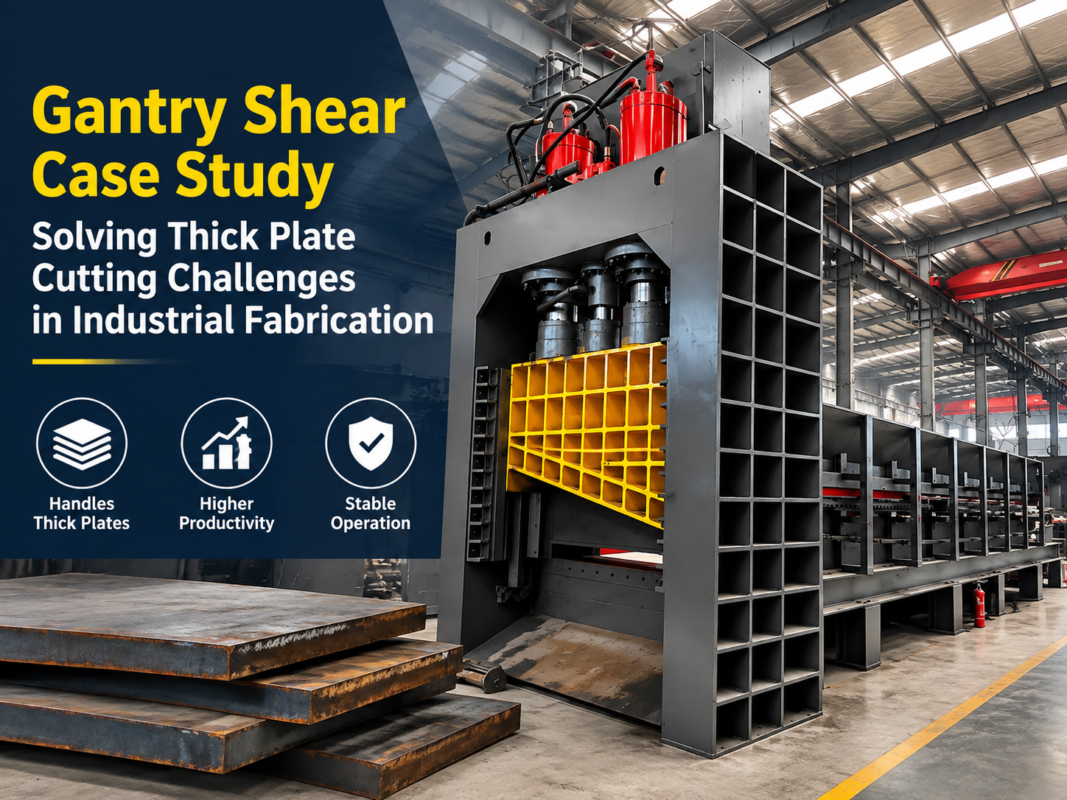
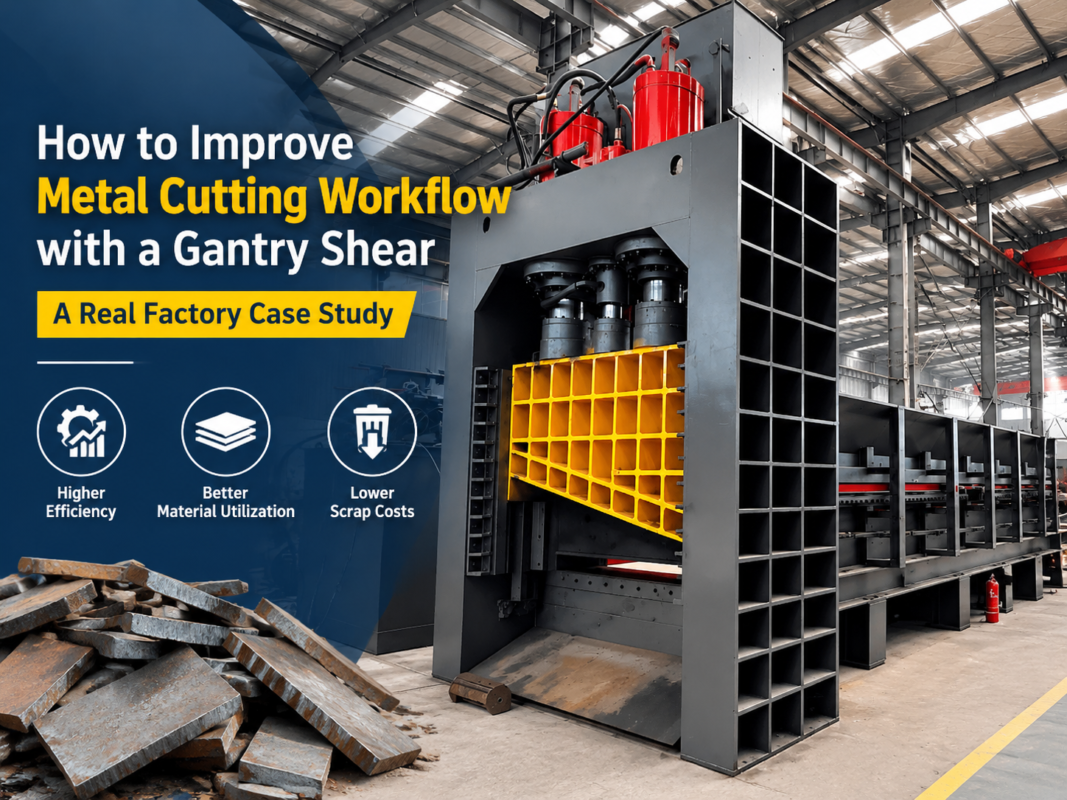
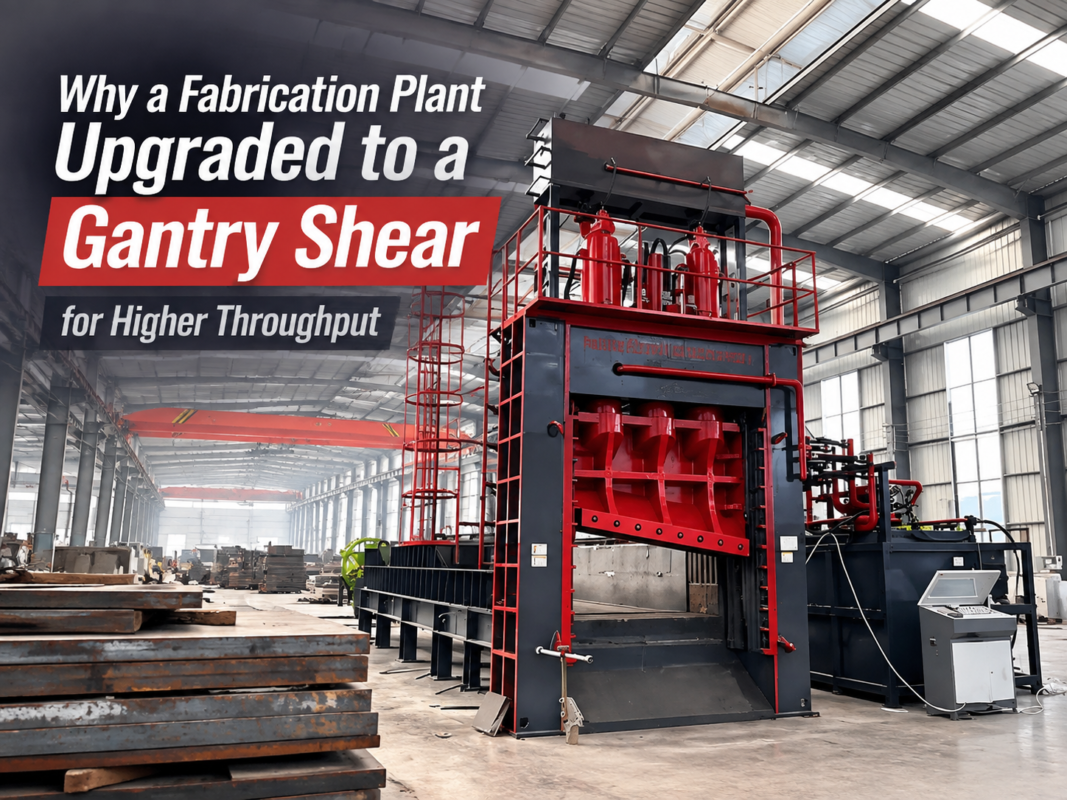
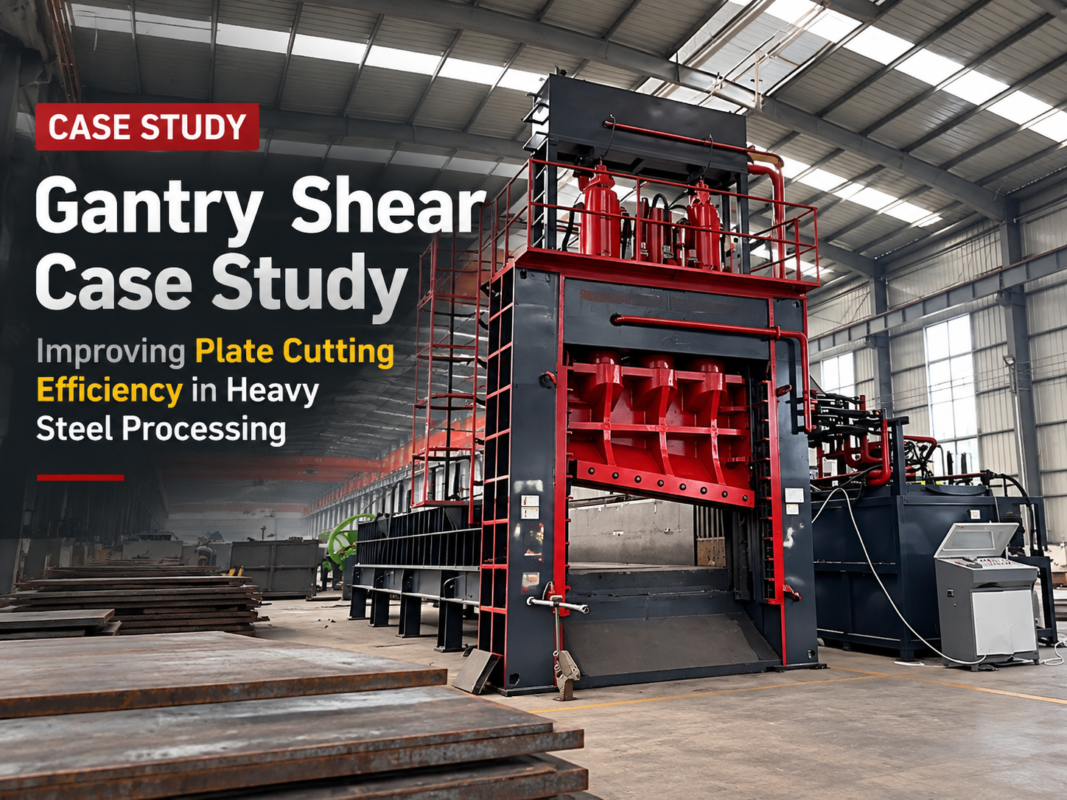
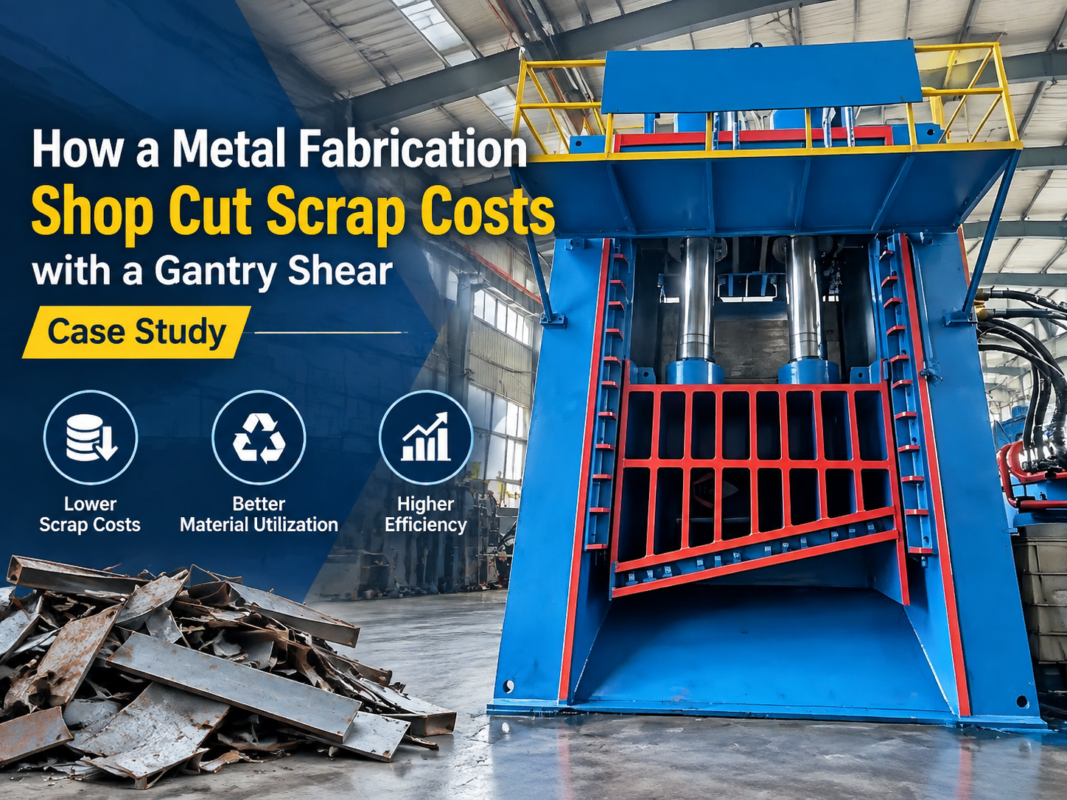
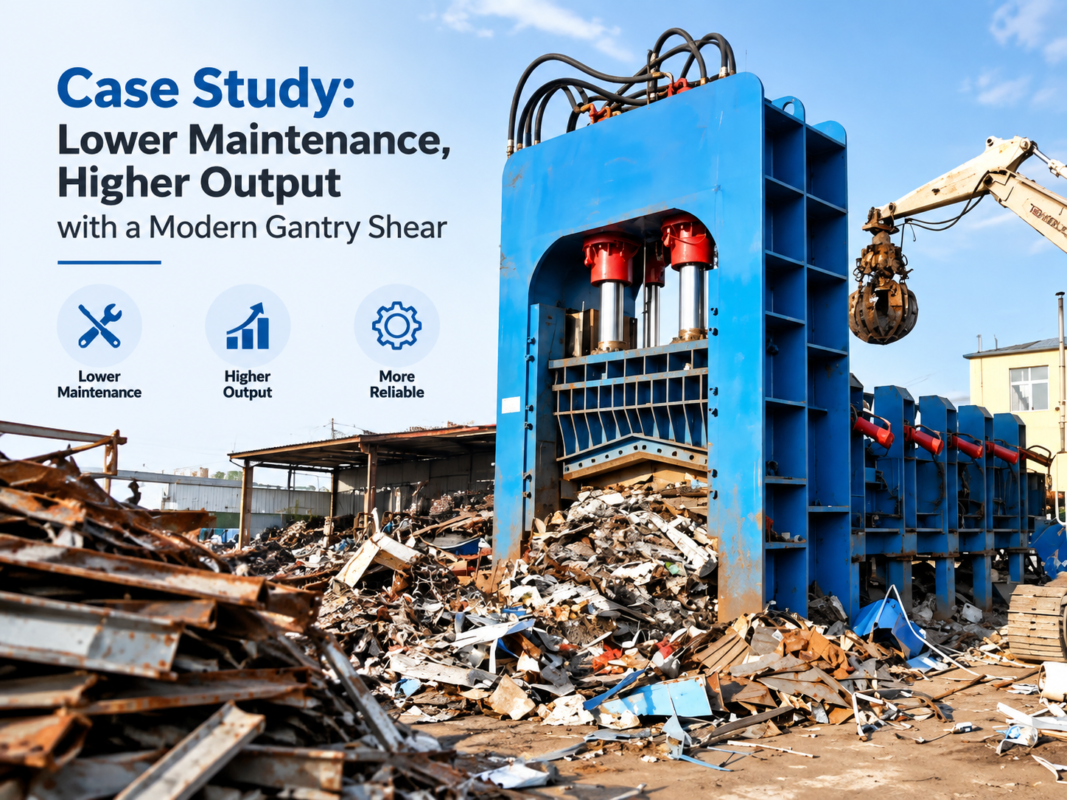
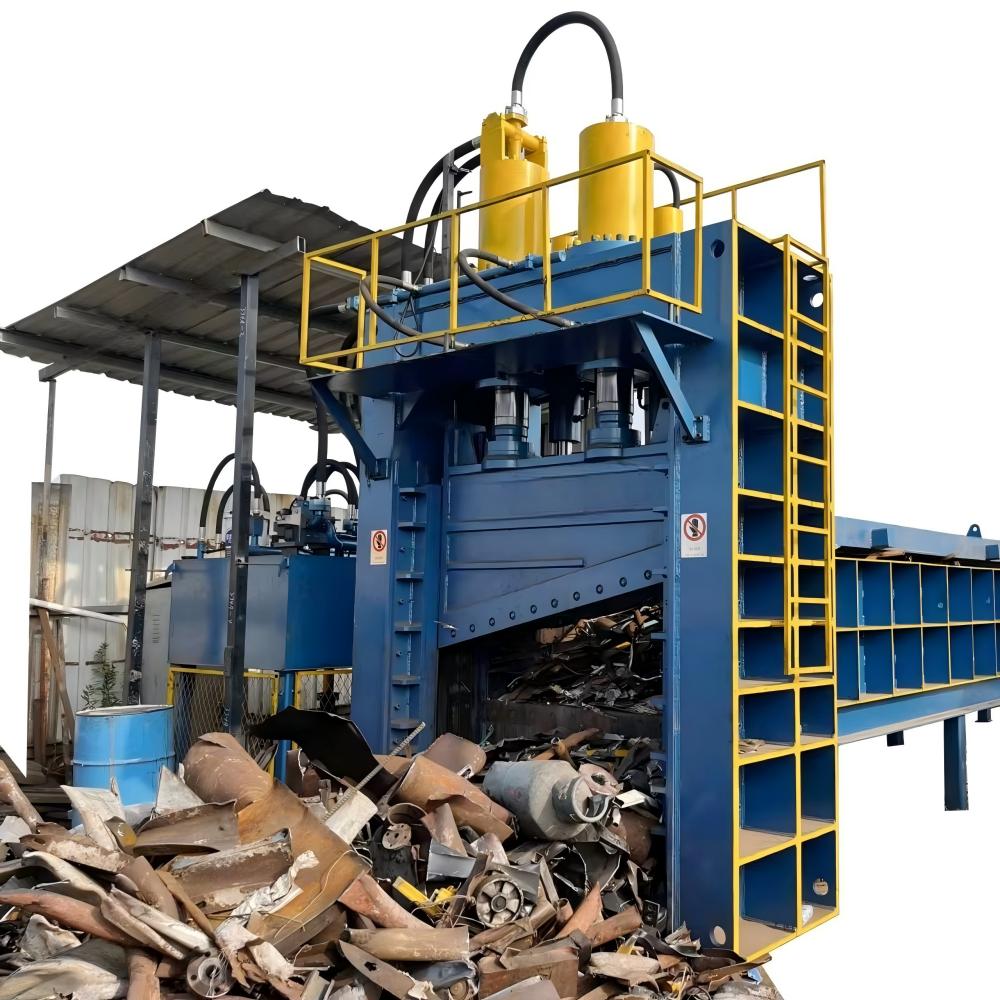
The gantry shear is a cornerstone of the modern scrap metal recycling and metal fabrication industry. Designed for heavy-duty processing, these machines are engineered to handle massive volumes of scrap steel, aluminum, and other alloys. For industrial machinery buyers, understanding the technical architecture of a gantry shear is the first step toward a successful installation. Unlike smaller alligator shears, a gantry shear operates on a vertical cutting principle, utilizing a massive hydraulic ram to drive a blade through material held in place by a compression lid or side-press system.
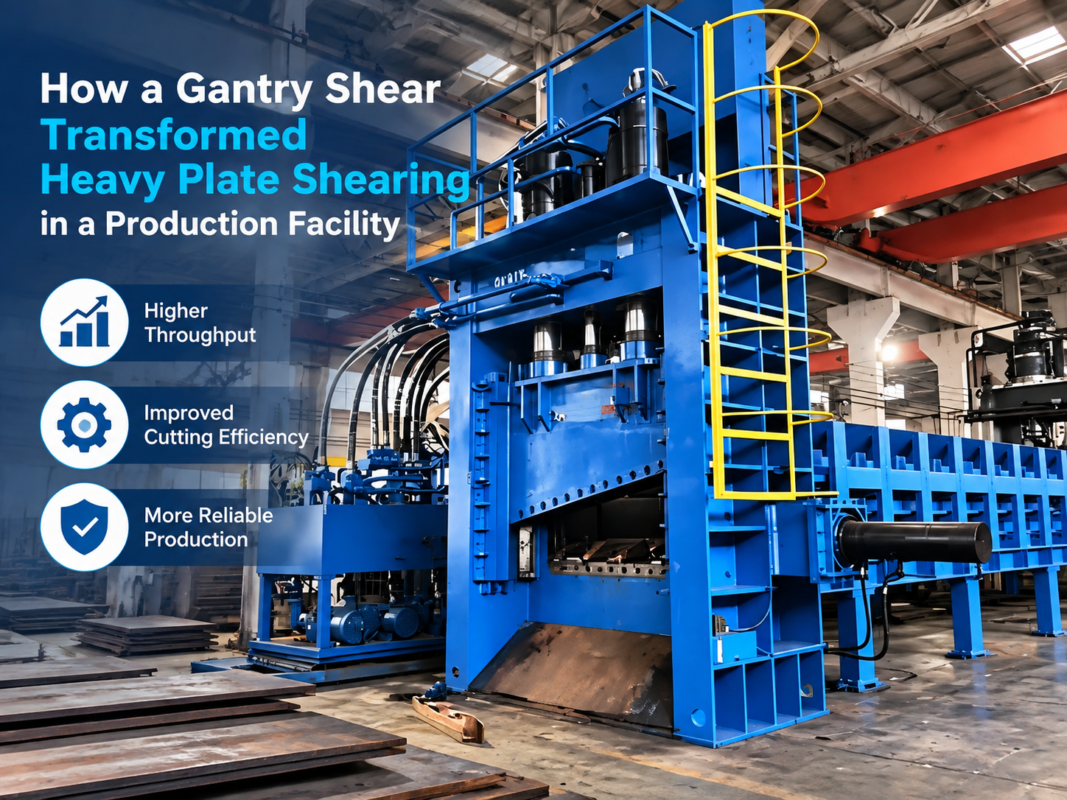
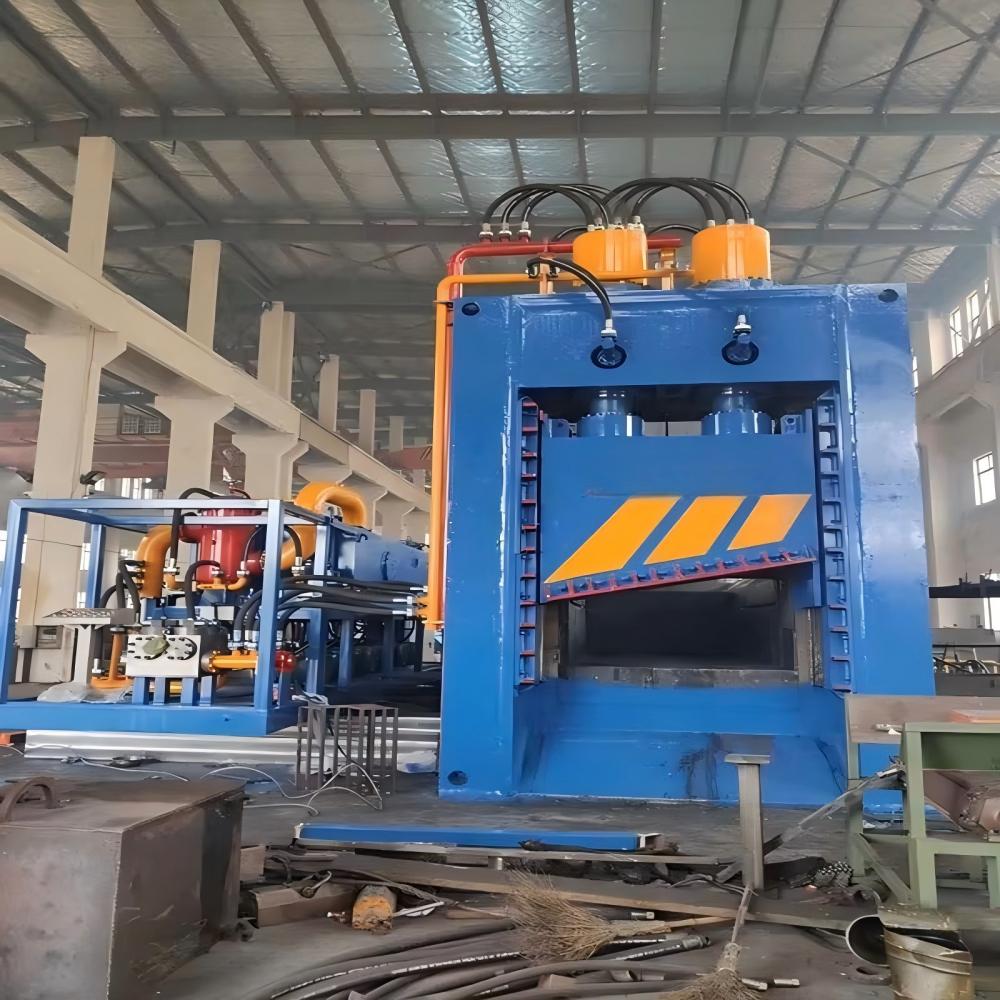
At the heart of the HARSLE gantry shear is a sophisticated hydraulic network. This system consists of high-pressure pumps, precision valves, and large-bore cylinders that convert electrical energy into the immense force required to shear through thick structural steel. The frame itself is a monolithic or multi-piece welded structure, stress-relieved to ensure long-term dimensional stability. For buyers, the rigidity of this frame is a primary concern, as any deflection during operation can lead to premature blade wear or catastrophic structural failure.
The feeding mechanism is another critical technical component. Most industrial gantry shears utilize a large hopper or ‘charging box’ where scrap is loaded. A hydraulic pusher then advances the material toward the shear head. This automated process requires precise synchronization between the pusher, the hold-down cylinder, and the shear blade. Modern systems integrate PLC (Programmable Logic Controller) technology to manage these movements, allowing operators to adjust stroke lengths and pressure settings based on the specific density of the scrap being processed.
Furthermore, the cooling and filtration systems are vital for continuous operation. Industrial environments are often dusty and subject to extreme temperatures. A well-designed gantry shear includes high-capacity oil coolers and multi-stage filtration to maintain hydraulic fluid integrity. For the buyer, ensuring that the installation site can accommodate these auxiliary systems—including adequate ventilation and power for cooling fans—is essential for maintaining the machine’s duty cycle and longevity.
Core Parameters for Industrial Machinery Buyers
When evaluating a gantry shear for purchase and installation, several core parameters dictate the machine’s performance and the infrastructure required to support it. The most prominent parameter is the Shear Force, typically measured in tons (e.g., 400T to 2000T). This force determines the maximum thickness and type of material the machine can process. Buyers must match the shear force to their specific scrap profile; for instance, heavy HMS1 scrap requires significantly more tonnage than light aluminum extrusions.
Blade Length is another pivotal specification. It defines the width of the cutting throat and, consequently, the maximum size of the scrap pieces that can be fed into the machine without pre-processing. Common lengths range from 800mm to 2000mm. A wider blade allows for higher throughput but requires a more robust frame and higher hydraulic pressure to maintain cutting efficiency across the entire edge. Buyers should also consider the Cutting Frequency, which is the number of cuts the machine can perform per minute. This is directly linked to the hydraulic pump’s flow rate and the efficiency of the cylinder’s return stroke.
The Feeding Box Dimensions (Length x Width x Height) are critical for logistical planning. A larger feeding box reduces the need for manual pre-sorting and cutting of oversized scrap, but it also increases the overall footprint of the installation. Buyers must ensure that their facility has enough clearance for loading equipment, such as cranes or grapples, to access the hopper without obstruction. Additionally, the Motor Power (measured in kW) dictates the electrical infrastructure required, including transformer capacity and cable gauges.
Finally, the System Pressure and Oil Tank Capacity are parameters that affect maintenance and operational costs. High-pressure systems (often exceeding 25 MPa) require specialized fittings and hoses. A large oil tank helps in heat dissipation but increases the cost of hydraulic fluid changes. Understanding these parameters allows buyers to prepare their site effectively, ensuring that the electrical, structural, and operational requirements are met before the machine arrives on-site.
Calculation Method for Installation and Operation
Proper installation of a gantry shear requires precise engineering calculations to ensure safety and performance. The most critical calculation involves the Foundation Load Bearing Capacity. Because gantry shears generate significant dynamic loads during the cutting stroke, the foundation must do more than just support the static weight of the machine. The formula used by engineers is typically: F_total = (W_machine * Dynamic_Factor) / Area. The dynamic factor for hydraulic shears is often calculated between 1.5 and 2.0 to account for the vibration and shock loads during the ‘breakthrough’ moment of a cut.
Another essential calculation is the Hydraulic Cycle Time. This determines the machine’s productivity. The cycle time (T) can be estimated using the cylinder volume (V) and the pump flow rate (Q): T = V / Q. However, buyers must also account for the ‘idle’ time, such as the pusher advancement and the lid closing. For a realistic throughput estimate, buyers should use the formula: Throughput (Tons/Hour) = (Weight per Cut * Cuts per Minute * 60) * Efficiency_Factor, where the efficiency factor accounts for loading delays and material density variations.
Electrical requirements also necessitate careful calculation. To determine the required circuit breaker size and cable cross-section, the Total Current (I) must be calculated: I = P / (√3 * V * PF), where P is the total motor power in watts, V is the line voltage, and PF is the power factor (usually around 0.85 for industrial motors). Overestimating this can lead to unnecessary costs, while underestimating it can cause frequent power trips and damage to the motors. HARSLE recommends adding a 20% safety margin to the calculated current to handle peak loads during heavy shearing operations.
Lastly, the Cooling Requirement must be calculated to prevent hydraulic oil overheating. The heat generated is roughly 25-30% of the input motor power. If a machine has a 100kW motor, the cooling system must be able to dissipate approximately 30kW of heat. This calculation helps in determining if an air-cooled system is sufficient or if a water-cooling tower is necessary based on the ambient temperature of the installation site.
Gantry Shear Technical Parameter Table
| Model Series | Shear Force (kN) | Blade Length (mm) | Max Cutting Thickness (mm) | Motor Power (kW) | Production (t/h) |
|---|---|---|---|---|---|
| Q91-400 | 4000 | 1200 | 40-50 | 45 x 2 | 6 – 10 |
| Q91-500 | 5000 | 1400 | 50-60 | 45 x 3 | 8 – 12 |
| Q91-630 | 6300 | 1500 | 60-80 | 75 x 2 | 10 – 15 |
| Q91-800 | 8000 | 1600 | 80-100 | 75 x 3 | 15 – 20 |
| Q91-1000 | 10000 | 1800 | 100-120 | 90 x 3 | 20 – 30 |
| Q91-1250 | 12500 | 2000 | 120-150 | 110 x 4 | 30 – 45 |
Common Engineering Mistakes in Gantry Shear Installation
One of the most frequent mistakes made by industrial machinery buyers is Inadequate Foundation Depth and Reinforcement. A gantry shear is not a ‘plug-and-play’ device; it requires a deep, steel-reinforced concrete pit. If the foundation is too thin or lacks proper rebar, the intense vibrations will eventually cause the concrete to crack. This leads to the machine becoming unlevel, which puts uneven stress on the gantry frame and causes the hydraulic seals to leak prematurely. Always follow the manufacturer’s foundation drawings to the millimeter.
Another common error is Improper Hydraulic Oil Management during the initial startup. Many installers fail to properly flush the system or use the wrong grade of hydraulic oil. Contaminants left in the pipes during assembly can migrate to the precision valves, causing immediate scoring and failure. Furthermore, failing to account for the ‘air bleed’ process can lead to cavitation in the pumps. Cavitation sounds like marbles rattling inside the pump and can destroy a high-priced hydraulic pump in a matter of hours.
Electrical Phase Misalignment and poor grounding are also significant issues. If the motors are wired out of phase, the pumps may spin backward, which can cause immediate internal damage. Additionally, because gantry shears are often located in outdoor or semi-outdoor scrap yards, improper grounding can lead to PLC failures during lightning storms or power surges. Buyers must ensure that the electrical installation is performed by certified industrial electricians who understand high-torque motor starts and the harmonics they introduce to the local grid.
Finally, many buyers neglect the Operational Clearance and Maintenance Access. Installing a machine too close to a wall or other equipment might save floor space, but it makes changing the massive shear blades or servicing the hydraulic cylinders a nightmare. There should be at least 3 meters of clear space around the power unit and the shear head. Neglecting this leads to longer downtime during routine maintenance, as technicians struggle to maneuver tools and replacement parts into position.
Selection Checklist for Industrial Machinery Buyers
- Material Compatibility: Does the shear force match the thickest and hardest material in your scrap stream? Ensure you are not under-speccing the machine for HMS1 or heavy plate.
- Throughput Requirements: Calculate your daily volume. Does the machine’s cycle time and hopper size support your production goals without running 24/7?
- Site Infrastructure: Is your concrete foundation rated for the dynamic loads? Do you have the required KVA capacity from your electrical provider?
- Blade Replacement Ease: Check the design of the blade seats. Are they easily accessible? Does the manufacturer provide a blade-changing tool or jig?
- Hydraulic Component Quality: Are the valves and pumps from reputable brands (e.g., Rexroth, Vickers, or high-quality domestic equivalents)? This affects spare parts availability.
- Control System: Does the PLC offer remote diagnostics? Is the interface available in your local language?
- Safety Features: Does the machine include emergency stops, safety cages, and pressure relief valves that meet local industrial safety standards (CE, OSHA, etc.)?
- After-Sales Support: Does the supplier offer on-site installation supervision and operator training? What is the lead time for critical wear parts like seals and blades?
- Environmental Protection: If the machine is outdoors, does it have a heater for the oil tank (for cold climates) or an oversized cooler (for hot climates)?
- Total Cost of Ownership: Look beyond the purchase price. Consider energy consumption, hydraulic oil volume, and the cost of replacement blades over a 5-year period.
Frequently Asked Questions (FAQ)
1. How long does the installation of a gantry shear typically take?
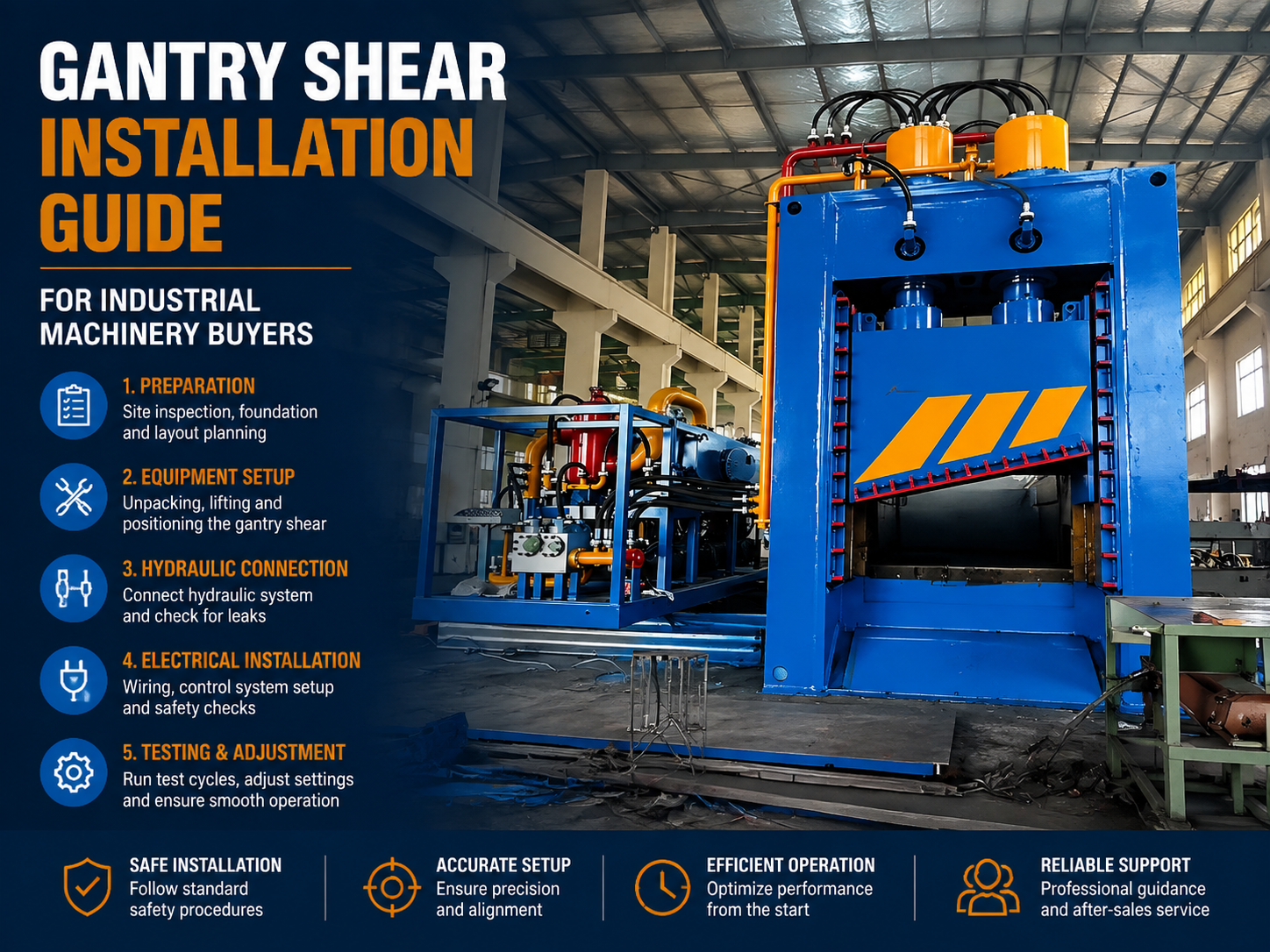
For a standard 630-ton to 1000-ton gantry shear, the physical installation usually takes 7 to 14 days. This assumes the concrete foundation has already cured for at least 28 days. The process includes positioning the frame, connecting the hydraulic lines, wiring the electrical cabinets, and performing the initial oil fill and system flush.
2. What type of hydraulic oil is best for a HARSLE gantry shear?
We generally recommend an anti-wear hydraulic oil, such as ISO VG 46 or VG 68, depending on your local climate. In colder regions, a lower viscosity (VG 32) may be necessary for winter operation, while tropical climates require VG 68 to maintain film strength at high temperatures.
3. Can a gantry shear be installed outdoors?
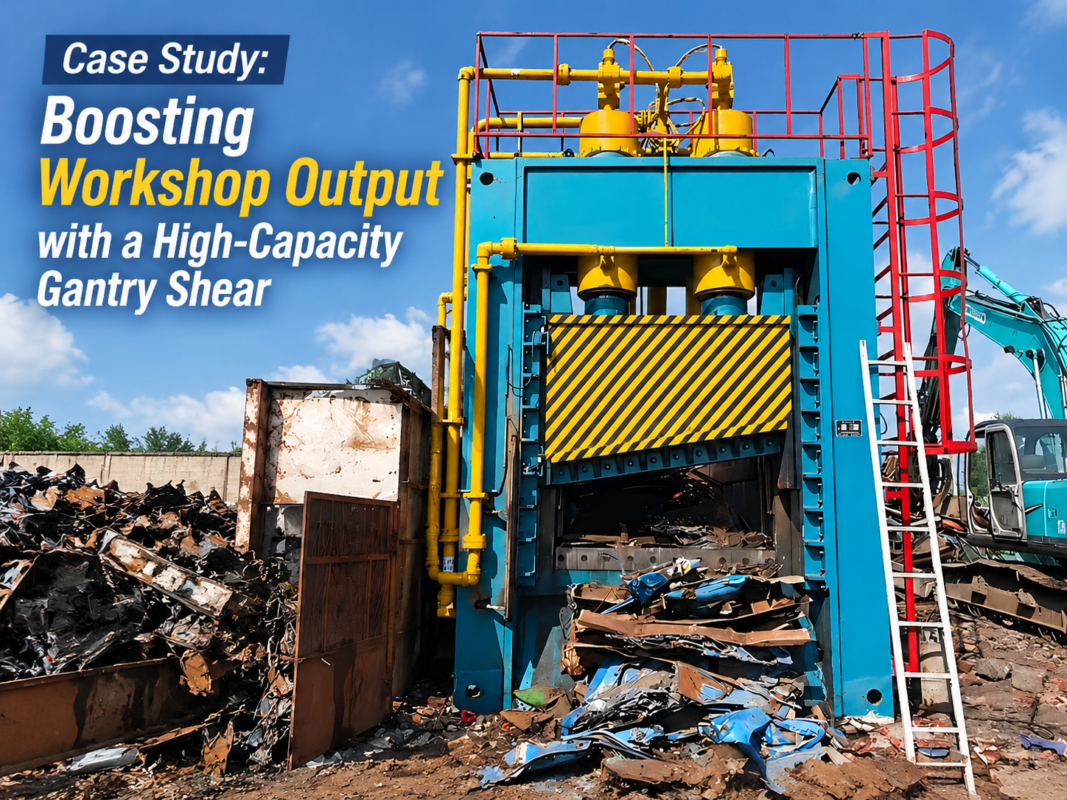
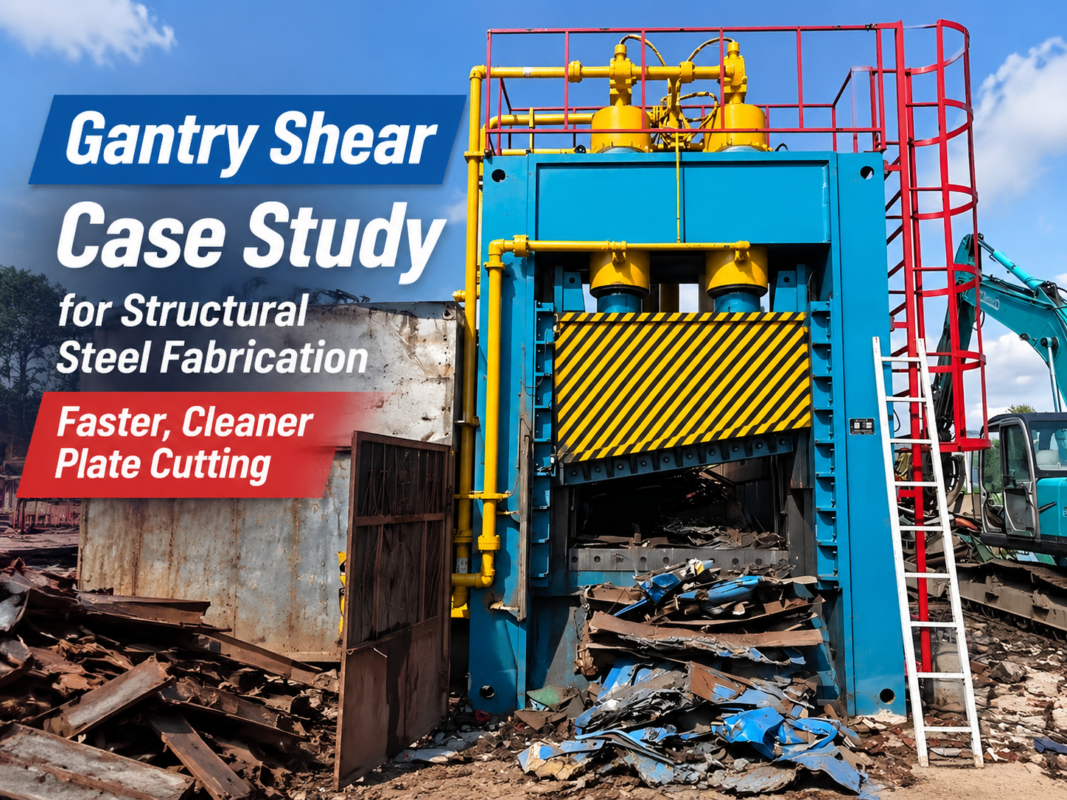
Yes, many gantry shears are installed in scrap yards with only a simple roof or no cover at all. However, the electrical cabinets must be NEMA 4 or IP65 rated, and the hydraulic unit should be protected from direct rain. Additionally, UV-resistant hoses and weather-proof paint are essential for outdoor longevity.
4. How often do the shear blades need to be changed?
Blade life depends entirely on the material being cut. For clean, soft steel, blades may last 200-400 hours per edge (most blades have 4 edges). For sandy, rusty, or hardened scrap, this can drop significantly. Regular rotation and sharpening are key to maintaining machine efficiency.
5. What is the most common cause of machine failure?
Hydraulic contamination is the leading cause of failure. Small metal particles or dirt in the oil can damage pumps and valves. Implementing a strict oil analysis program and changing filters every 500-1000 hours can prevent 90% of common mechanical issues.
6. Do I need a crane for installation?
Absolutely. A gantry shear’s main components can weigh between 10 and 50 tons each. You will need a mobile crane or an overhead gantry crane with sufficient capacity to lift and position the shear head and the feeding box accurately onto the foundation bolts.
7. Is operator training included with the purchase?
HARSLE provides comprehensive documentation and, in many cases, on-site or remote video training. It is vital that operators understand how to balance the load in the hopper and how to recognize the sounds of a dull blade or a cavitating pump to prevent accidental damage.