Gantry Shear Vs Hydraulic Guillotine Shear: Key Differences Explained

Technical Overview: Understanding the Fundamentals
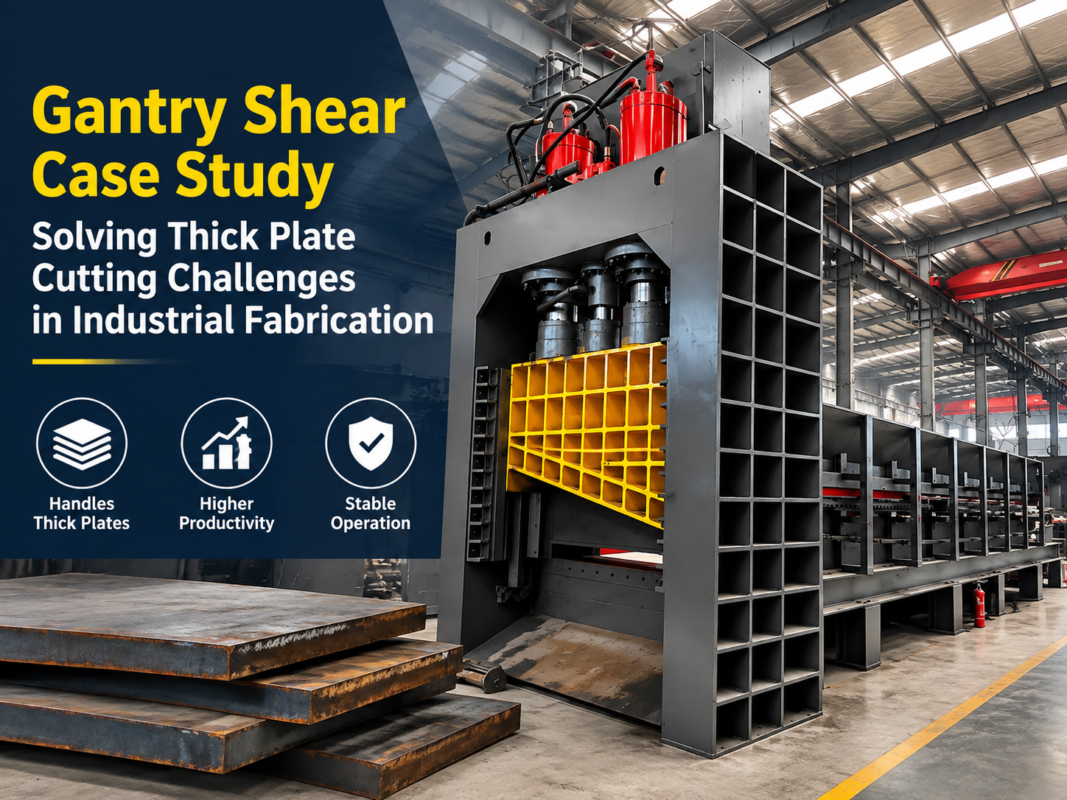
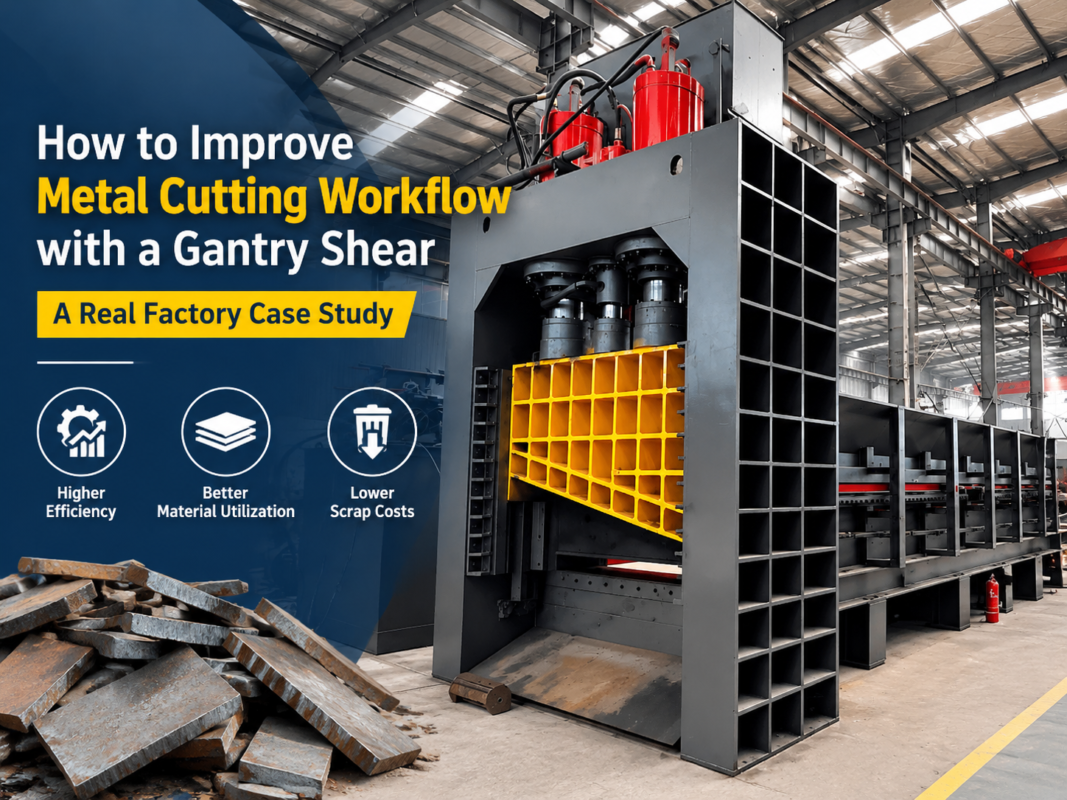
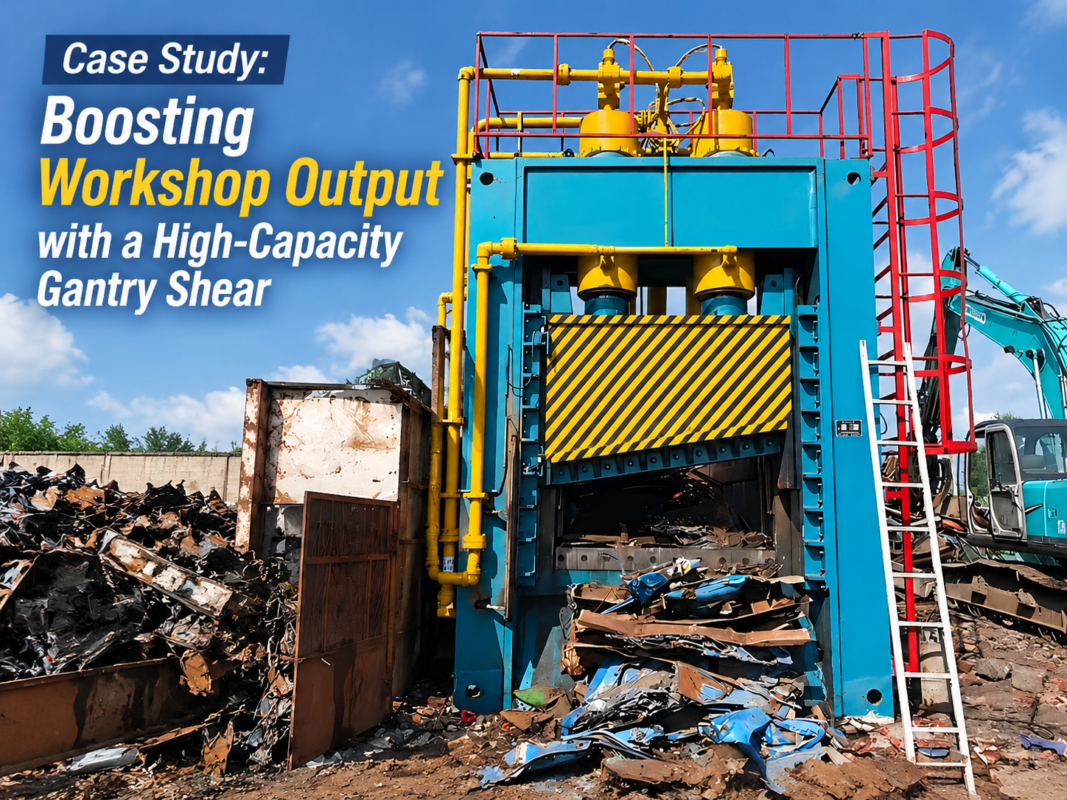
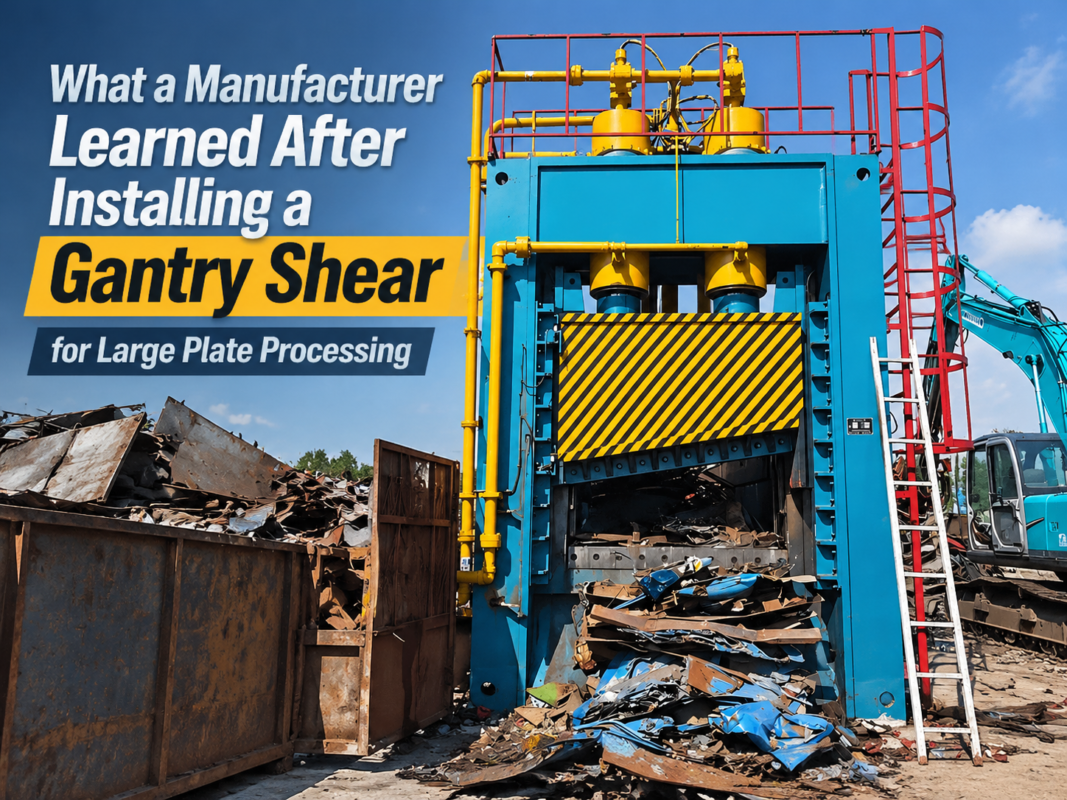
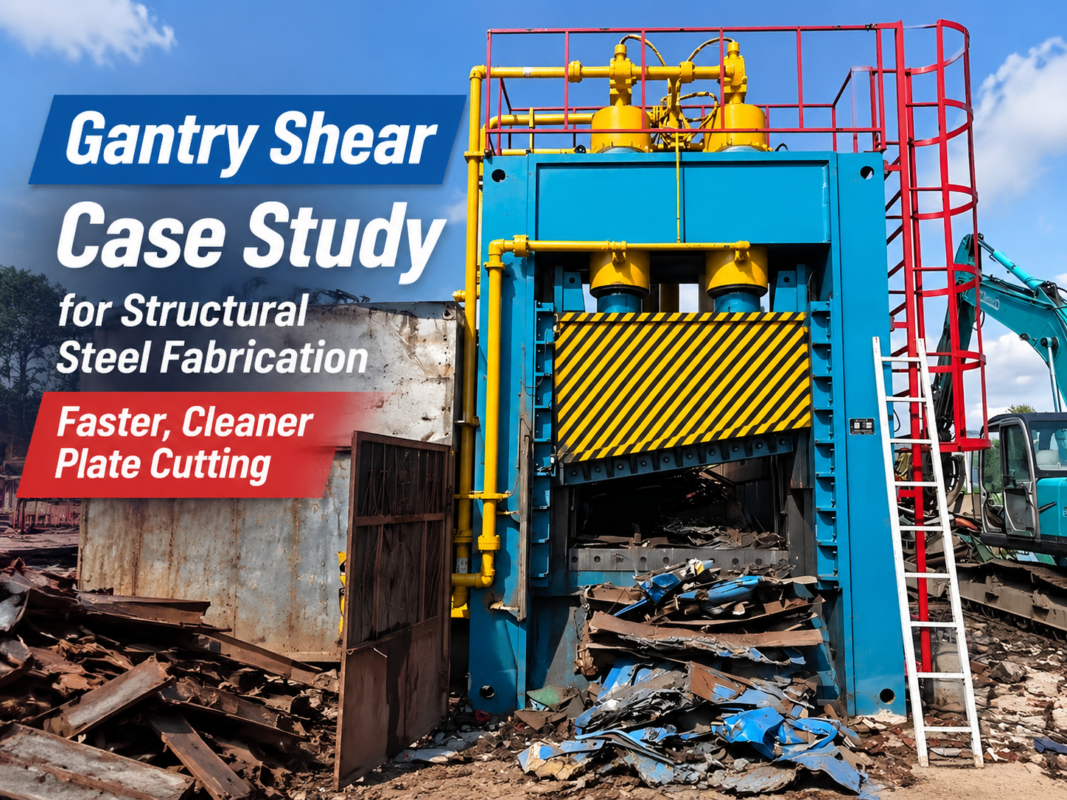
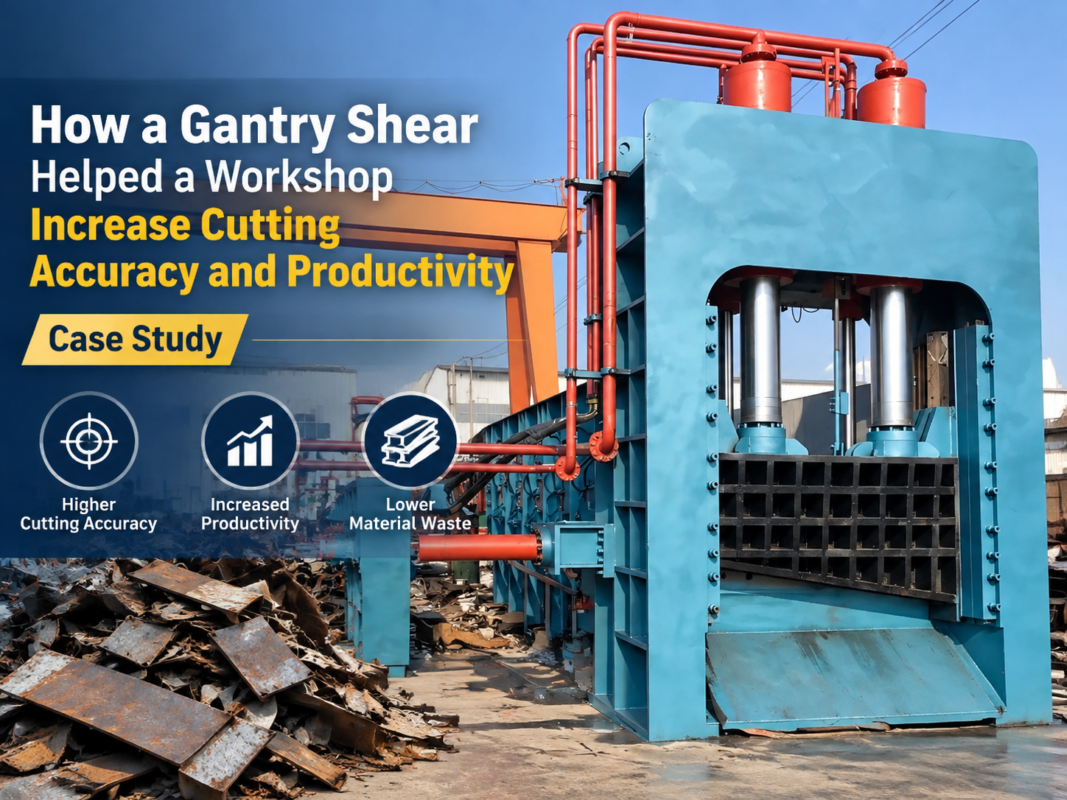
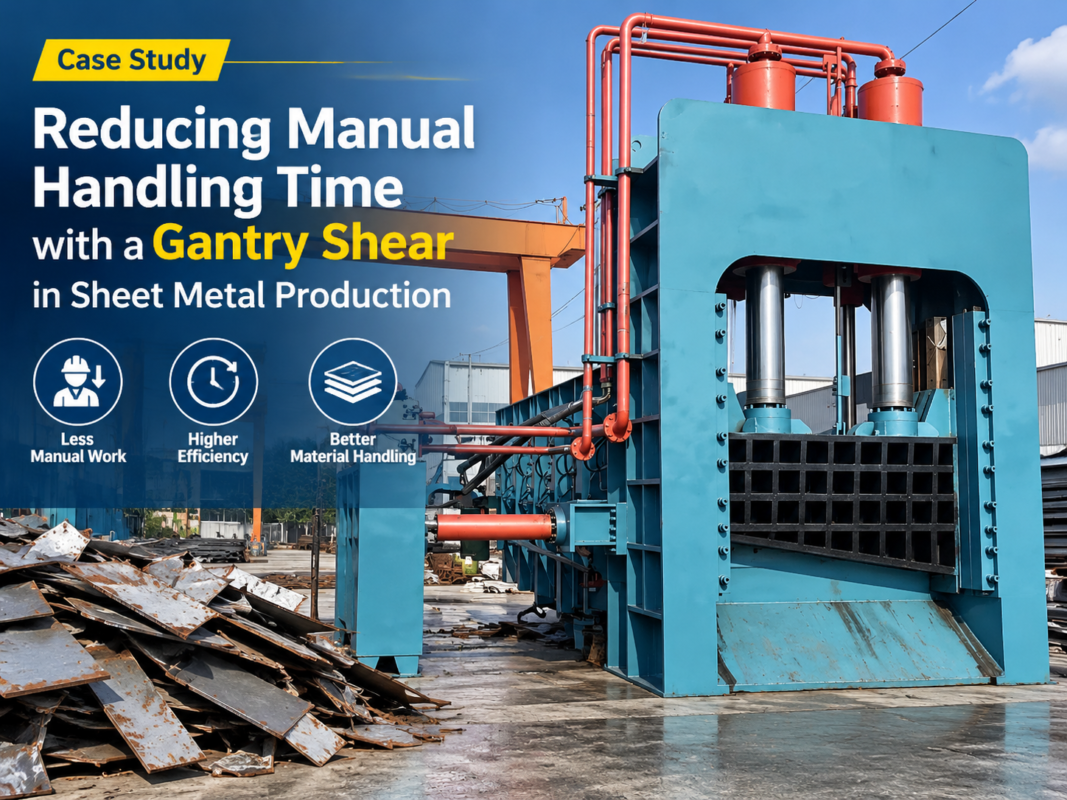
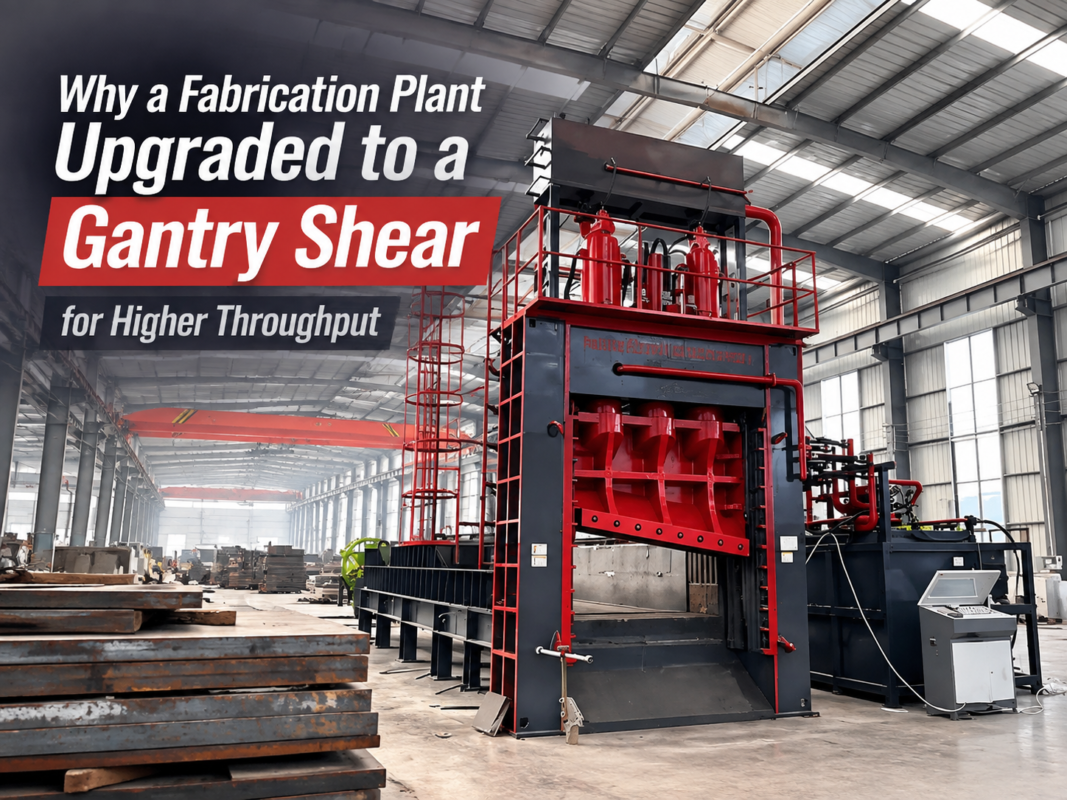
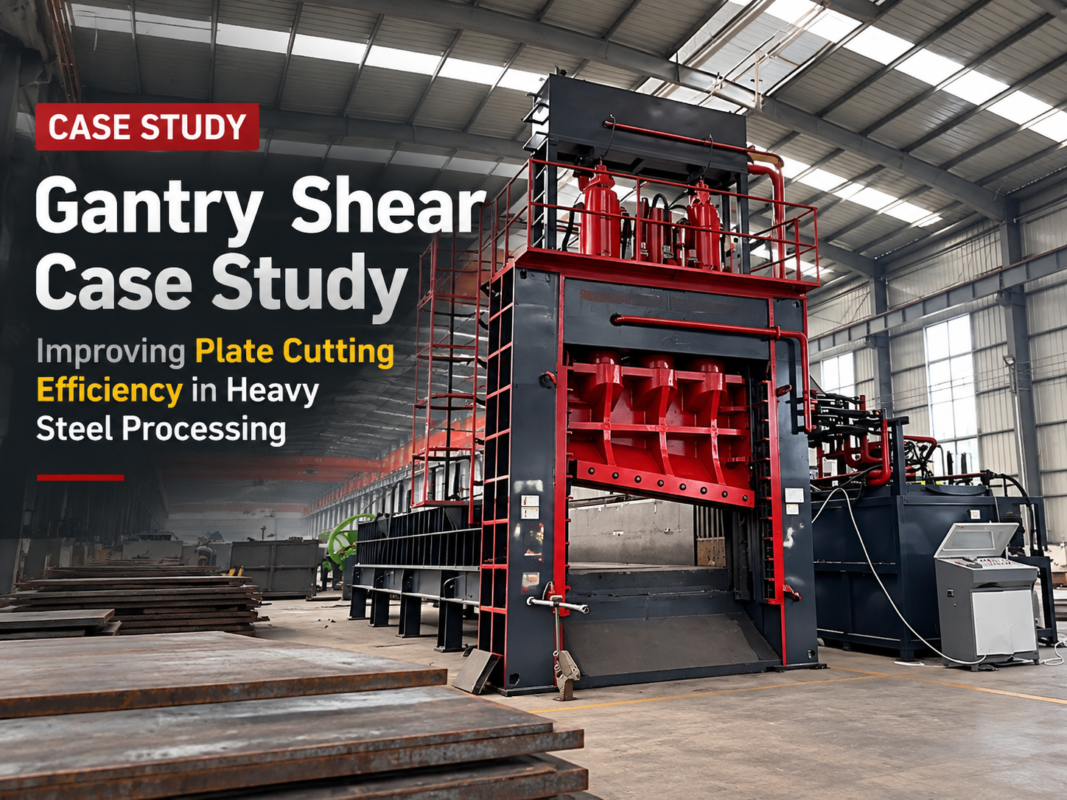
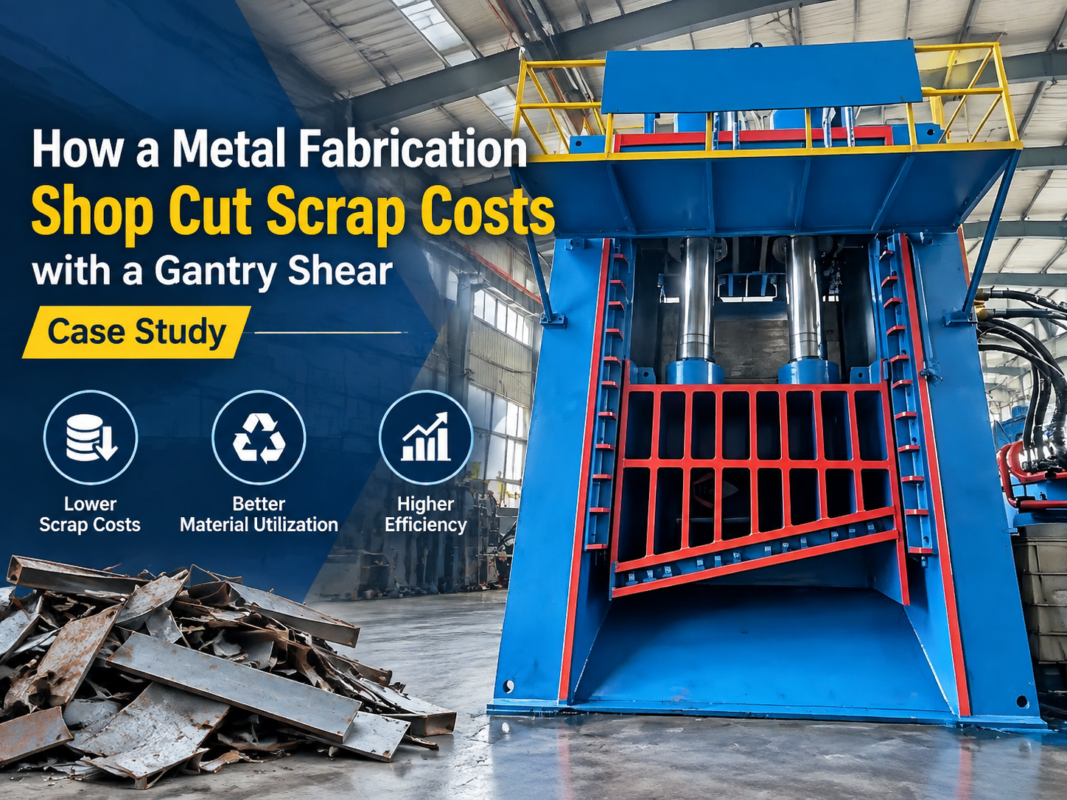
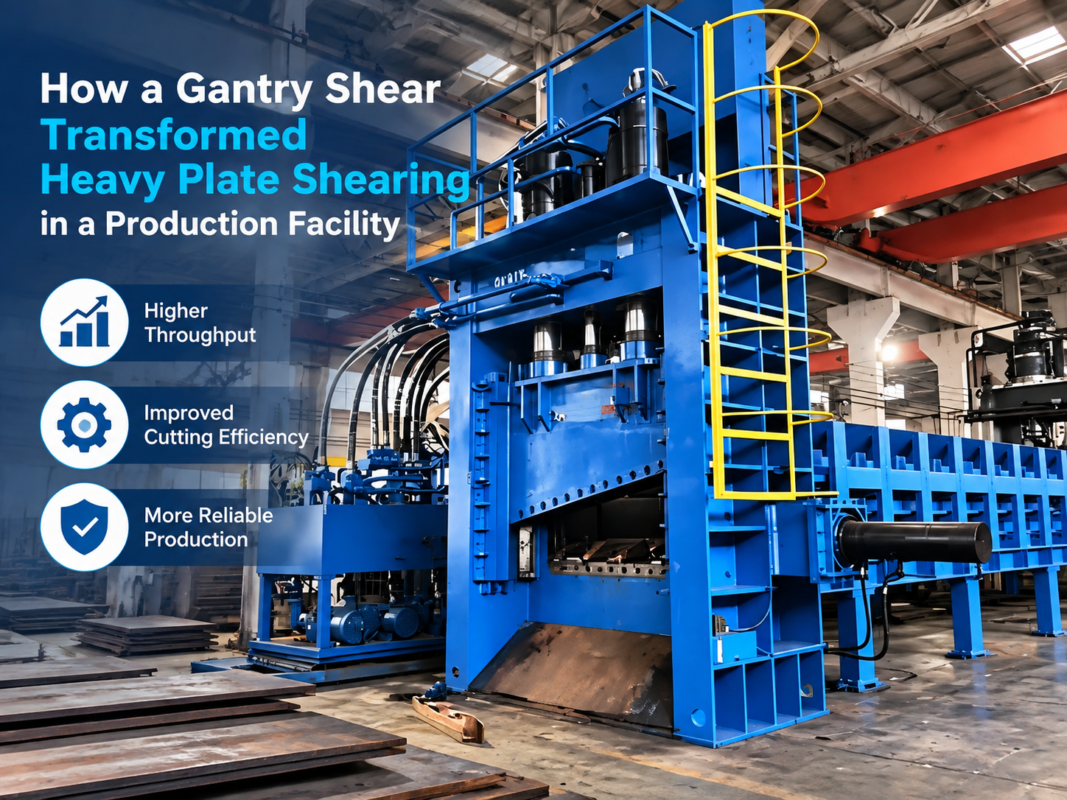
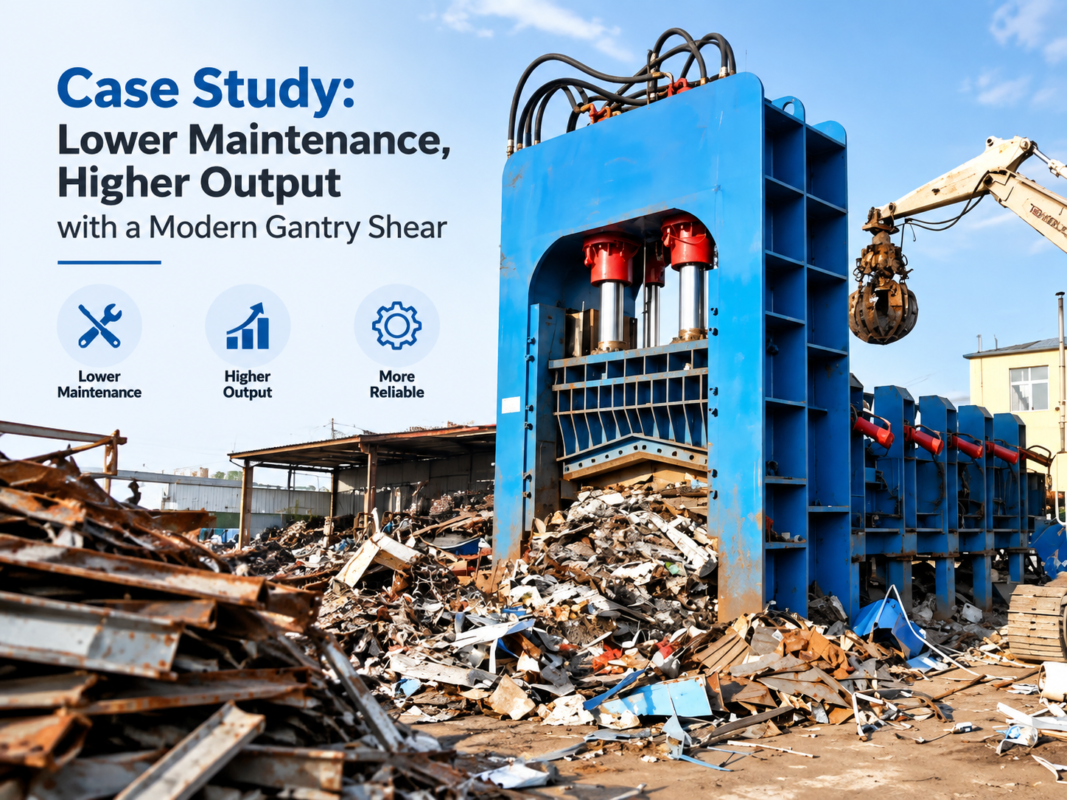
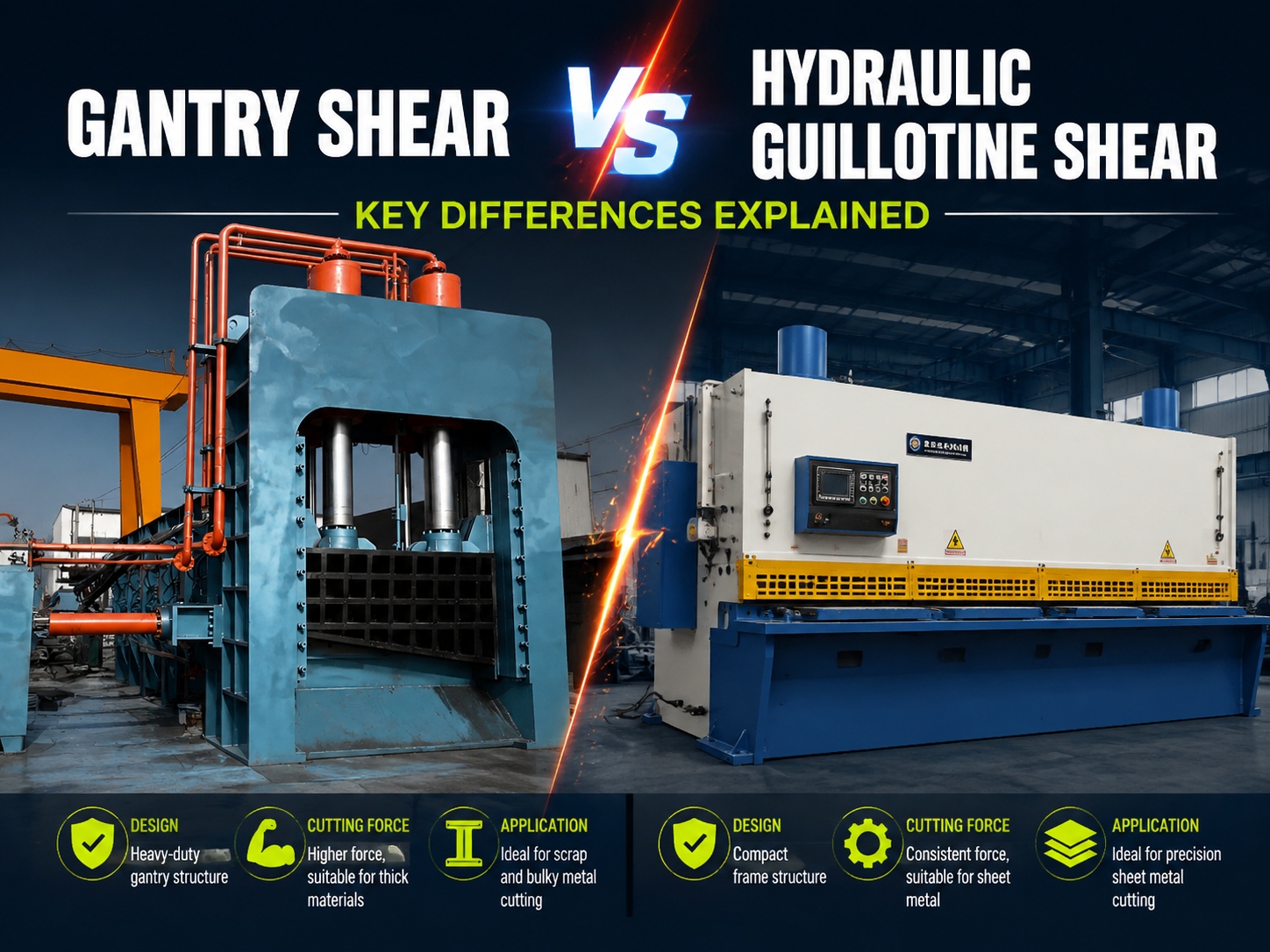
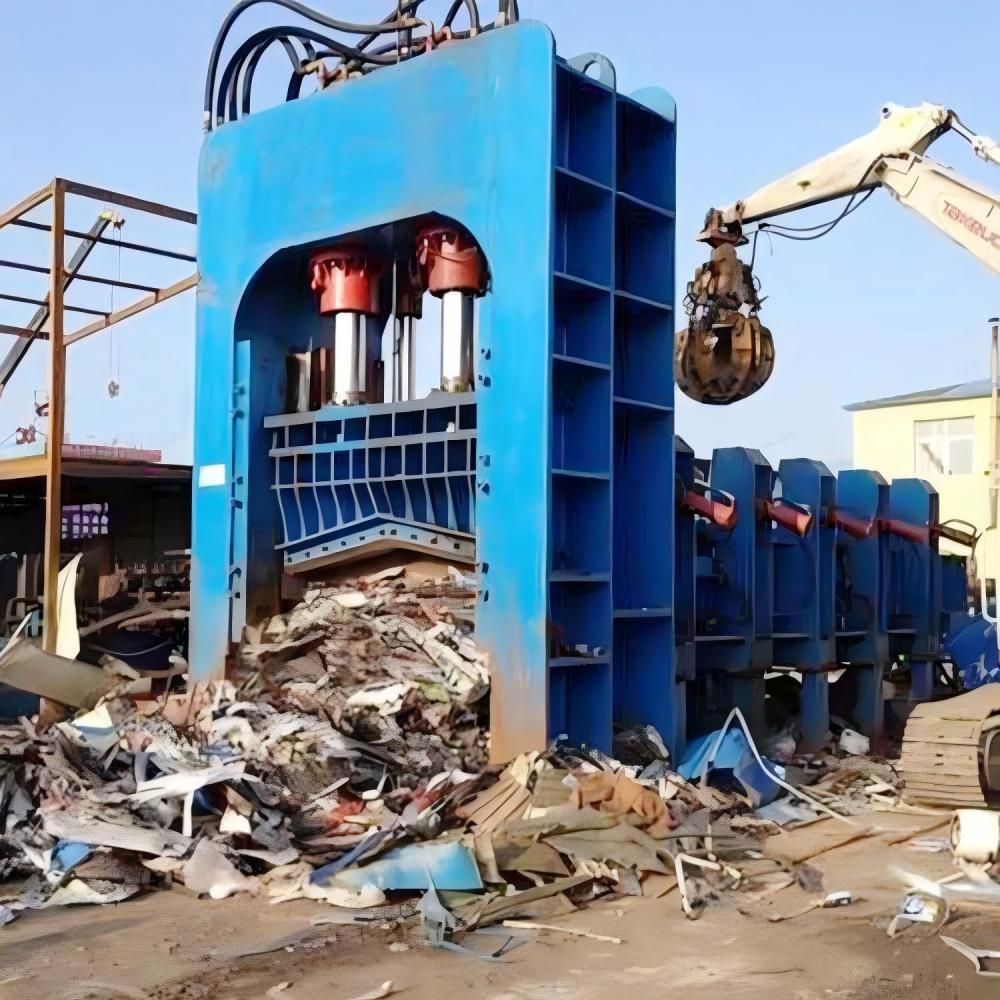
In the realm of metal fabrication and scrap processing, the choice between a Gantry Shear and a Hydraulic Guillotine Shear is pivotal. While both machines serve the primary function of cutting metal, their engineering philosophies, structural designs, and intended applications differ significantly. A Gantry Shear, often referred to as a heavy-duty scrap shear, is characterized by its robust, bridge-like frame. This design allows it to handle massive volumes of irregular scrap metal, including structural steel, decommissioned vehicles, and heavy rebar. The hydraulic force is applied vertically through a massive slide block, often integrated with a pre-compression hopper or a ‘wings’ system that crushes the material before the blade makes contact.
Conversely, the Hydraulic Guillotine Shear is the precision instrument of the sheet metal shop. It is designed to cut flat plates with high accuracy and minimal distortion. The ‘guillotine’ name stems from its vertical or slightly inclined blade movement. Unlike the gantry shear, which focuses on destructive force for recycling, the guillotine shear focuses on edge quality and dimensional accuracy. It typically features a backgauge system, a rake angle adjustment, and hydraulic hold-downs that ensure the plate remains perfectly flat during the shearing process. Understanding these fundamental differences is the first step in optimizing a production line or a recycling facility.
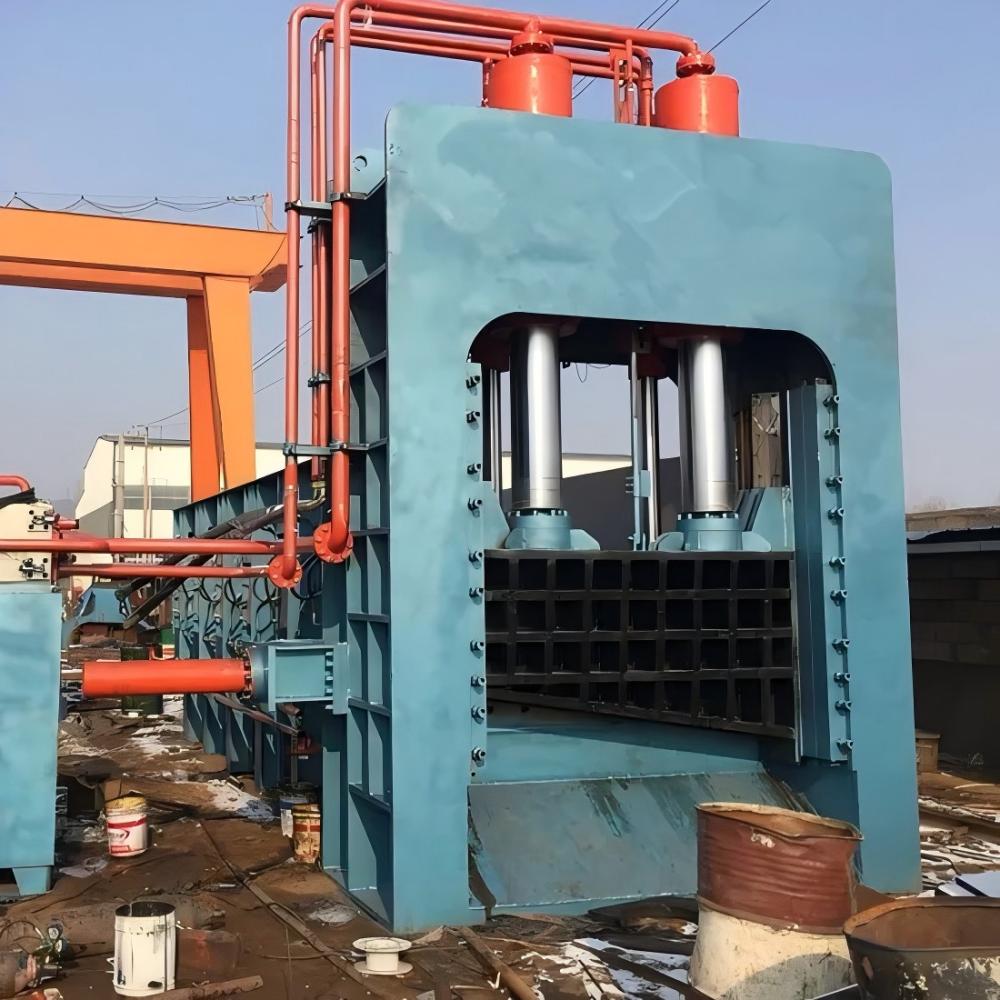
The hydraulic systems in these machines also reflect their different purposes. Gantry shears utilize high-flow, high-pressure pumps to drive large-diameter cylinders, prioritizing the ability to overcome the resistance of thick, bundled scrap. Hydraulic guillotine shears, however, often employ sophisticated valve blocks to control the synchronization of the cylinders, ensuring the blade remains level (or at a consistent rake angle) throughout the stroke to prevent ‘bowing’ or ‘twisting’ of the sheet metal. This technical divergence makes each machine a specialist in its own right.
Core Parameters: Force, Speed, and Capacity
When evaluating Gantry Shear Vs Hydraulic Guillotine Shear: Key Differences Explained, one must look closely at the core technical parameters. The first parameter is Shearing Force. Gantry shears are built for raw power, with capacities often ranging from 400 tons to over 2,000 tons. This force is necessary to shear through solid steel billets or large sections of H-beam. Hydraulic guillotine shears usually operate in a lower force range, typically 40 to 200 tons, as they are optimized for plates ranging from 1mm to 30mm in thickness.
The second parameter is Blade Length and Throat Depth. Guillotine shears are defined by their cutting length, commonly 2500mm, 3200mm, or 4000mm, to accommodate standard sheet sizes. They also feature a ‘throat’ in the side frames to allow for the shearing of strips longer than the blade length. Gantry shears, however, have a wider ‘mouth’ or throat designed to accept bulky scrap. The blade length is often shorter relative to the machine’s overall mass, focusing the hydraulic pressure on a smaller area to maximize cutting capability through dense materials.
Thirdly, Stroke Frequency is a critical differentiator. Guillotine shears are designed for speed in a production environment, often capable of 10 to 20 strokes per minute for thinner materials. Gantry shears are slower, as the cycle includes the time taken for the compression hopper to close and the material to be pushed forward by a hydraulic ram. A typical gantry shear cycle might take 30 to 60 seconds, depending on the complexity of the scrap being processed. Finally, Blade Material differs; guillotines use high-carbon, high-chrome steel (like Cr12MoV) for edge retention on clean sheets, while gantry shears use shock-resistant alloy steels designed to withstand the impact of irregular, hardened scrap without chipping.
Calculation Method: Determining Shearing Requirements
Calculating the required force for these machines involves different variables based on the material geometry. For a Hydraulic Guillotine Shear, the formula for shearing force (P) is generally expressed as:
P = 0.5 * L * S² * σb / tan(α)
Where:
L = Length of the plate (mm)
S = Thickness of the plate (mm)
σb = Tensile strength of the material (N/mm²)
α = Rake angle of the blade
This formula highlights how the rake angle (the angle of the upper blade relative to the lower blade) significantly reduces the required force. By only cutting a small portion of the width at any given moment, the machine can process thicker plates than a flat-blade shear could. However, a higher rake angle increases the risk of ‘twist’ and ‘camber’ in the cut piece.
For a Gantry Shear, the calculation is often more direct because the blades are frequently flat or have a very shallow ‘V’ shape to trap scrap. The force required is simply the cross-sectional area of the material multiplied by its shear strength. Because scrap is unpredictable, engineers usually apply a safety factor of 1.5 to 2.0. If you are shearing a solid 100mm x 100mm steel bar with a shear strength of 400 N/mm², the required force is 10,000 mm² * 400 N/mm² = 4,000,000 N (or approximately 400 tons). This explains why gantry shears require such massive hydraulic cylinders compared to their sheet-metal-cutting counterparts.
Parameter Table: Side-by-Side Comparison
| Feature | Gantry Shear (Scrap Type) | Hydraulic Guillotine Shear |
|---|---|---|
| Primary Application | Heavy scrap recycling, demolition metal | Precision sheet metal fabrication |
| Force Range | 400 – 2500+ Tons | 20 – 300 Tons |
| Material Type | Irregular, thick, bundled scrap | Flat plates, stainless, aluminum |
| Cutting Accuracy | Low (Rough cut for melting) | High (±0.1mm to ±0.5mm) |
| Blade Movement | Vertical slide (Heavy duty) | Vertical or Swing Beam |
| Feeding System | Automatic pusher/compression box | Manual or CNC backgauge |
| Rake Angle | Fixed (usually 0° to 3°) | Adjustable (0.5° to 4°) |
| Maintenance Focus | Blade wear, hydraulic seals, liners | Blade gap, backgauge calibration |
Common Engineering Mistakes in Selection and Operation
One of the most frequent mistakes in metal fabrication is using a machine outside its intended design envelope. For instance, attempting to shear hardened spring steel or rebar on a standard Hydraulic Guillotine Shear can lead to immediate blade chipping or frame distortion. Guillotine blades are precision-ground and lack the shock absorption necessary for the ‘snap’ that occurs when high-tensile rebar breaks. Conversely, using a Gantry Shear to cut thin 2mm stainless steel sheets will result in a poor, burred edge because the blade clearances on a gantry shear are typically set much wider to accommodate heavy scrap.
Another common error is ignoring the Blade Gap Adjustment. In guillotine shearing, the gap between the upper and lower blades must be adjusted based on the material thickness (usually 5-10% of the thickness). If the gap is too wide, the metal will bend between the blades; if it is too tight, the blades will rub and wear prematurely. In gantry shears, operators often fail to monitor the wear of the ‘wear plates’ or liners within the gantry slide. Because these machines handle abrasive scrap, the slide can develop play, leading to inefficient cutting and increased stress on the hydraulic cylinders.
Furthermore, many facilities overlook the importance of Hydraulic Oil Temperature Management. Gantry shears, which often run in outdoor recycling yards, are susceptible to oil thinning in heat or sluggishness in cold. Without proper cooling or heating systems, the valves can stick, leading to erratic cycle times. In guillotine shears, the mistake is often related to the Backgauge Calibration. Operators may assume the digital readout is accurate without performing periodic physical checks, leading to cumulative errors in a production run that can waste thousands of dollars in material.
Selection Checklist: Choosing the Right Machine
Choosing between these two machines requires a systematic approach. Use the following checklist to guide your procurement process:
- Material Geometry: Is your material primarily flat sheets (Guillotine) or irregular shapes/bundles (Gantry)?
- Required Precision: Do you need the cut piece to fit into a precise assembly (Guillotine) or is it destined for a furnace (Gantry)?
- Production Volume: How many tons per hour (Gantry) vs. how many strokes per minute (Guillotine) do you require?
- Material Thickness: Does your material exceed 30mm? If yes, a Gantry shear is almost always required.
- Space Constraints: Gantry shears require significant floor space for the feeding hopper and pusher ram. Guillotines are more compact.
- Budget for Tooling: Guillotine blades are expensive to sharpen and replace; Gantry blades are rugged but require frequent flipping/rotation.
- Automation Needs: Do you require CNC integration for varying cut lengths (Guillotine) or an automated conveyor system (Gantry)?
By answering these questions, you can avoid the costly mistake of purchasing a machine that is either over-engineered for your needs or, worse, incapable of handling your daily workload. HARSLE recommends always consulting with a technical engineer to verify that the tensile strength of your specific material grades aligns with the machine’s rated capacity.
FAQ: Frequently Asked Questions
1. Can a Gantry Shear be used for precision plate cutting?
Generally, no. While a Gantry Shear can cut a plate, the tolerances are much looser than a Hydraulic Guillotine Shear. The blade gap is usually larger, and there is no precision backgauge to ensure the plate is square. It is a tool for volume and force, not precision.
2. Why does my Guillotine Shear leave a burr on the edge?
A burr is usually caused by an incorrect blade gap (too wide) or dull blades. If the material is very soft, like certain aluminum alloys, the gap needs to be even tighter. Check your machine’s manual for the recommended gap settings for your specific material thickness.
3. How often should I rotate the blades on a Gantry Shear?
This depends entirely on the material being processed. If you are shearing clean structural steel, blades may last weeks. If you are shearing sandy, rusty, or hardened scrap, you may need to rotate the blades every few days to maintain a sharp edge and prevent excessive hydraulic pressure build-up.
4. What is the ‘Swing Beam’ vs ‘Guillotine’ design?
In the context of sheet metal shears, a ‘Swing Beam’ shear moves the upper blade in an arc, while a ‘Guillotine’ moves the blade in a straight vertical line. Guillotines are generally preferred for thicker materials and allow for adjustable rake angles, whereas swing beams are simpler and often more cost-effective for thinner gauges.
5. Is hydraulic maintenance different between the two?
The principles are the same, but the scale differs. Gantry shears have much larger reservoirs and filtration systems to handle the heat generated by continuous heavy shearing. Guillotine shears require more attention to the synchronization valves that keep the blade level, as even a small deviation can ruin a precision cut.
6. Can I cut stainless steel on a standard shear?
Yes, but you must account for the higher tensile strength. Stainless steel is roughly 50% harder to cut than mild steel. Therefore, a shear rated for 10mm mild steel can typically only handle about 6mm of stainless steel. Always check the machine’s rating for stainless before proceeding.