Container Shear Energy Efficiency Tips for Lower Operating Costs: A Technical Guide

Technical Overview of Container Shear Energy Efficiency
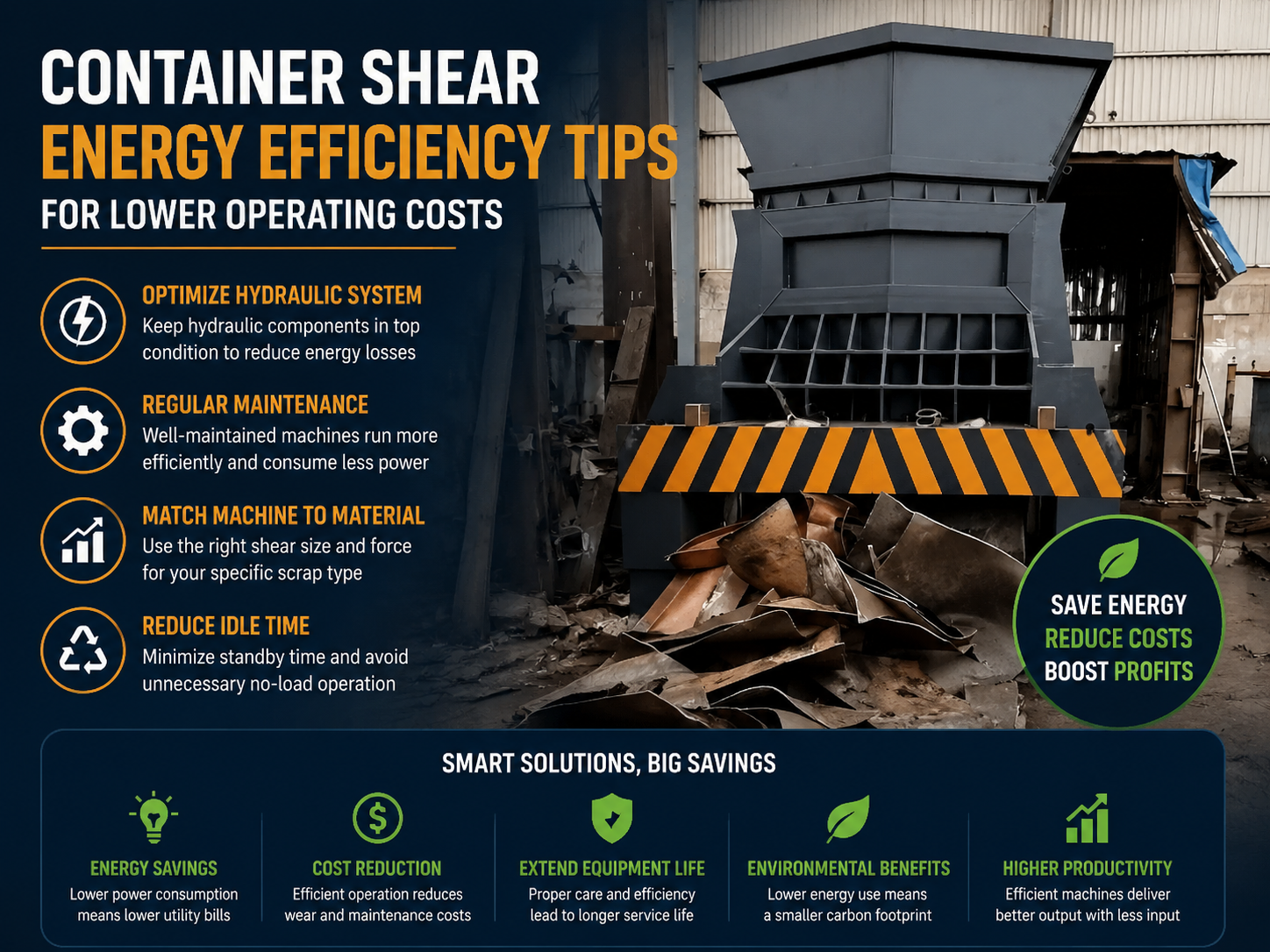
In the modern scrap metal recycling industry, the container shear (often referred to as a box shear) has become a cornerstone of high-volume processing. However, as electricity prices fluctuate and environmental regulations tighten, the focus has shifted from pure throughput to energy efficiency. Container shear energy efficiency tips for lower operating costs are no longer just suggestions; they are economic necessities for competitive scrap yards. A container shear operates on a complex hydraulic system where electrical energy is converted into mechanical force to compress and cut heavy metal scrap. The efficiency of this conversion determines the cost per ton of processed material.
The technical architecture of a high-efficiency container shear involves a synergy between the hydraulic pump station, the electrical control system, and the mechanical shearing structure. Traditional systems often relied on fixed-displacement pumps that ran at full speed regardless of the load, leading to significant energy waste during idle times or low-resistance cycles. Modern HARSLE container shears utilize advanced variable displacement pumps and servo-motor technologies to ensure that energy consumption mirrors the actual work being performed. This dynamic adjustment is the first step toward significant cost reduction.
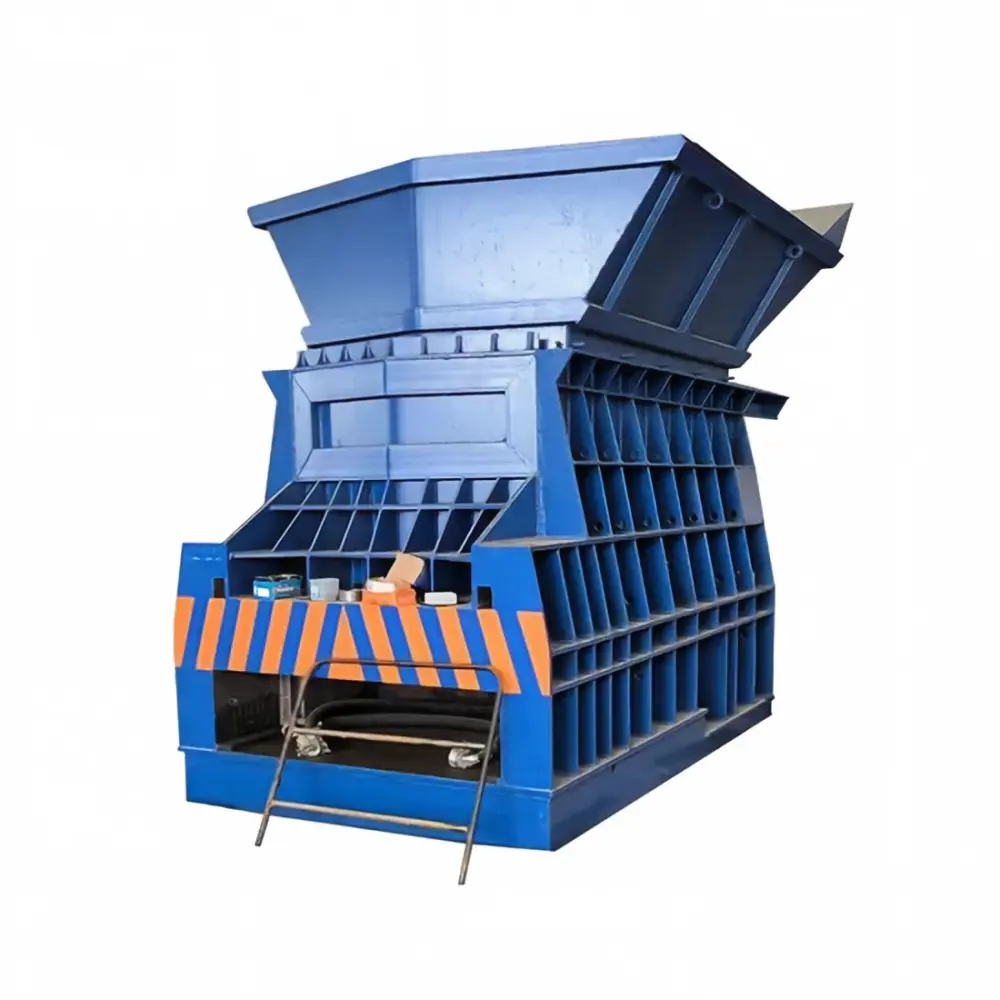
Energy loss in these machines typically manifests as heat. When hydraulic fluid is forced through valves or restricted orifices at high pressure without doing useful work, the energy is dissipated as thermal energy. This not only wastes electricity but also necessitates additional energy consumption for cooling systems to maintain the oil’s viscosity. Therefore, optimizing the hydraulic circuit to minimize internal friction and pressure drops is a critical technical objective for any operator looking to lower their overhead.
Furthermore, the mechanical design of the container itself plays a role. A well-designed box ensures that the scrap is pre-compacted efficiently before the shear blade makes contact. If the compaction process is inefficient, the shear cylinder must travel further under high pressure, consuming more kilowatt-hours per cut. By understanding these technical nuances, operators can implement specific container shear energy efficiency tips for lower operating costs that target the root causes of waste.
Core Parameters Influencing Energy Consumption
To effectively manage energy usage, one must understand the core parameters that dictate how much power a container shear draws. The primary factor is the installed motor power, usually measured in kilowatts (kW). However, the nominal power of the motor is less important than the actual power demand during the shearing cycle. A machine with a 110kW motor might only draw 30kW during the return stroke but spike to 150kW (utilizing motor service factors) during a difficult cut through heavy structural steel.
Cycle time is another critical parameter. It is defined as the total time taken for the lid to close, the side press to compact, the feed cylinder to push the material, and the shear head to complete its stroke and return. Shorter cycle times generally improve efficiency, provided they are achieved through optimized hydraulic flow rather than simply increasing pump speed. If the cycle time is fast but the pressure is unnecessarily high, the energy per ton may actually increase. Balancing speed and pressure is the hallmark of an energy-efficient operation.
System pressure, measured in Bar or PSI, is the driving force behind the shear. Most container shears operate at pressures between 250 and 320 Bar. Operating at the maximum pressure constantly is a common mistake. Intelligent systems that use “regenerative circuits” can move the cylinders quickly at low pressure and only switch to high pressure when resistance is detected. This technical approach significantly reduces the average power draw over a full working shift.
Finally, the displacement of the hydraulic pumps (measured in ml/r) and the efficiency of the electrical motors (IE3 or IE4 ratings) are foundational parameters. High-efficiency motors lose less energy to internal resistance and heat, providing more torque for the same electrical input. When combined with variable frequency drives (VFDs), these motors can slow down during the loading phase of the cycle, saving thousands of dollars in annual energy costs.
Calculation Method for Energy Efficiency and ROI
To implement container shear energy efficiency tips for lower operating costs, you must first be able to measure your current performance. The most accurate metric is the Specific Energy Consumption (SEC), calculated as kWh per ton of material processed. To find this, you need the total kilowatt-hours consumed over a set period (from your utility meter or a dedicated sub-meter) and the total weight of the scrap processed during that same period.
The formula is: SEC (kWh/ton) = Total Energy Consumed (kWh) / Total Weight Processed (Tons). For example, if a shear consumes 800 kWh to process 40 tons of HMS 1/2 scrap, the SEC is 20 kWh/ton. By tracking this number weekly, operators can identify when the machine is becoming less efficient due to dull blades or hydraulic internal leakage. A rising SEC is a clear indicator that maintenance is required to restore efficiency.
Calculating the Return on Investment (ROI) for energy-saving upgrades, such as installing a VFD or upgrading to high-efficiency pumps, is also straightforward. You must estimate the annual energy savings based on the difference in SEC and the cost of electricity. If a VFD reduces consumption by 25% and your annual electricity bill for the shear is $40,000, you save $10,000 per year. If the VFD installation costs $15,000, the ROI period is 1.5 years, which is excellent for industrial equipment.
Another important calculation is the “Idle Power Ratio.” This is the energy consumed when the machine is on but not actively shearing, divided by the total energy consumed. In many older yards, this ratio can be as high as 30%. Reducing this ratio through automatic motor shut-off timers or servo-driven pumps is one of the most effective container shear energy efficiency tips for lower operating costs.
Container Shear Parameter Comparison Table
The following table compares the typical parameters of a standard hydraulic container shear versus a high-efficiency model equipped with modern energy-saving technologies.
| Parameter | Standard Container Shear | High-Efficiency (HARSLE) Model | Impact on Operating Costs |
|---|---|---|---|
| Motor Type | Standard Y-Series (IE1/IE2) | Servo-Motor or IE4 Premium | Reduces base electrical load by 10-15% |
| Pump System | Fixed Displacement Gear/Vane | Variable Displacement Piston Pump | Matches power draw to actual load |
| Control System | Manual/Basic Relay Logic | PLC with VFD Integration | Optimizes cycle times and idle periods |
| Cooling System | Continuous Air/Water Cooling | Thermostatic Demand Cooling | Saves energy by only running fans when needed |
| Hydraulic Circuit | Standard Open Loop | Regenerative High-Speed Circuit | Reduces cycle time and heat generation |
| Specific Energy Cons. | 25 – 35 kWh/Ton | 15 – 22 kWh/Ton | Direct reduction in monthly utility bills |
Common Engineering Mistakes in Container Shear Operation
One of the most frequent engineering mistakes that leads to high operating costs is the improper adjustment of relief valves. Operators often set the system pressure higher than necessary, thinking it will make the machine “stronger.” In reality, if the pressure is set above the manufacturer’s recommendation, the excess energy is simply converted into heat as the oil bypasses the cylinders and returns to the tank through the relief valve. This creates a vicious cycle where the oil thins out, internal leakage increases, and efficiency plummets.
Another common error is neglecting the condition of the shear blades. As blades dull, the force required to fracture the metal increases exponentially. A dull blade doesn’t just produce a poor cut; it forces the hydraulic system to work at maximum pressure for a longer duration during each stroke. This increases the energy consumed per cut and puts unnecessary stress on the main cylinders and frame. Regular blade rotation and sharpening are fundamental container shear energy efficiency tips for lower operating costs.
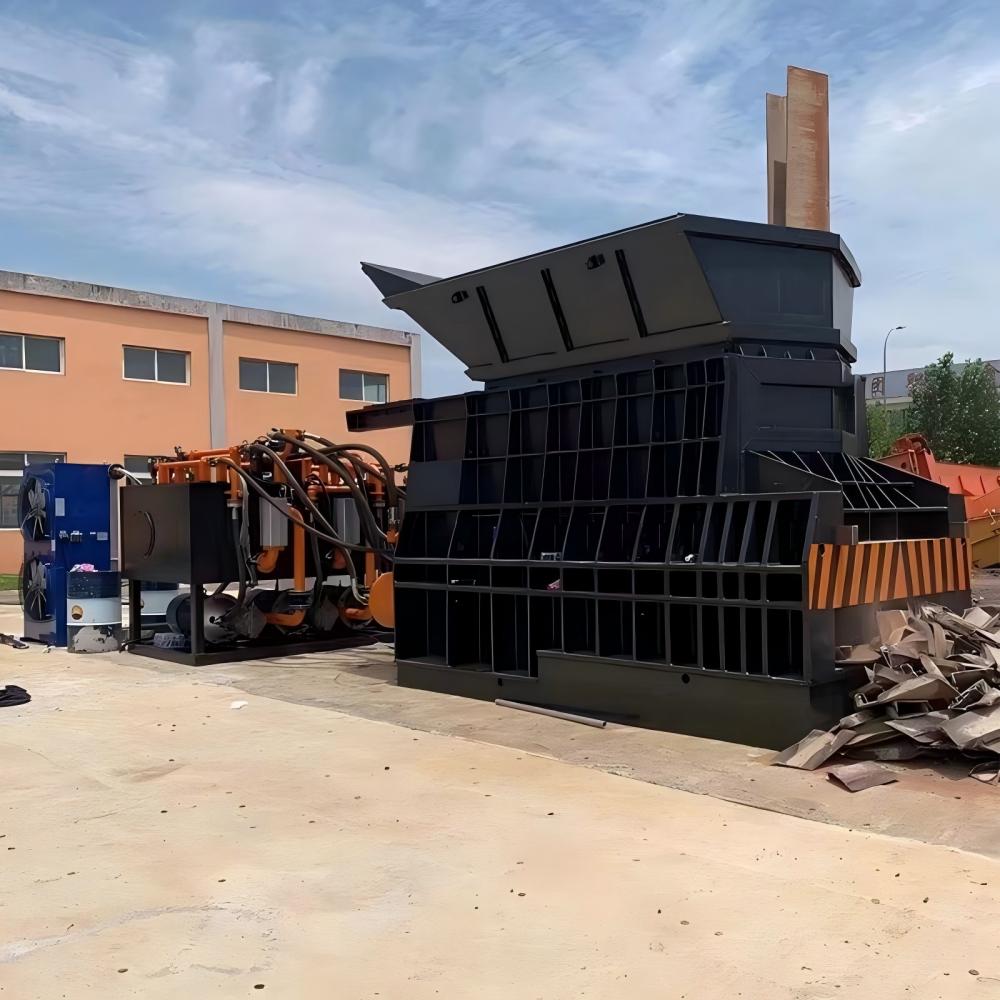
Poor hydraulic oil management is a silent efficiency killer. Using oil with the wrong viscosity or allowing the oil to become contaminated with particulates leads to increased internal friction and wear on pump components. When pumps wear down, their volumetric efficiency drops, meaning they have to spin faster and consume more power to move the same amount of fluid. Many yards fail to implement a rigorous oil analysis program, missing out on the chance to prevent these efficiency losses before they become costly repairs.
Finally, many operators fail to optimize the loading process. Running the shear through a full cycle with a half-empty box is a massive waste of energy. The energy required to move the heavy lids and the shear head is largely the same whether the box is full or empty. Ensuring that the container is loaded to its optimal capacity before initiating the cycle ensures that the energy spent is translated into the maximum possible tonnage of processed scrap.
Selection Checklist for Energy-Efficient Container Shears
When purchasing a new machine or auditing an existing one, use this checklist to ensure you are following the best container shear energy efficiency tips for lower operating costs:
- Variable Frequency Drive (VFD): Does the machine include a VFD to control the main motors? This is the single most effective way to reduce energy consumption during non-cutting phases.
- High-Efficiency Motors: Are the motors rated IE3 or IE4? These premium-efficiency motors pay for themselves quickly in high-duty cycle environments.
- Intelligent PLC Controls: Does the control system feature an “Eco-Mode” or automatic standby? The machine should automatically power down or enter a low-power state if no material is processed for a set interval.
- Regenerative Hydraulics: Does the hydraulic manifold include regenerative valves? These allow the cylinders to extend rapidly using exhaust oil from the other side of the piston, saving pump energy.
- Advanced Filtration: Is there a dedicated off-line filtration system (kidney loop)? Keeping oil ultra-clean reduces friction and maintains pump efficiency over the long term.
- Blade Gap Adjustment: Is the blade gap easily adjustable? A proper gap ensures a clean shear rather than a “tear,” which requires significantly less hydraulic force.
- Remote Monitoring: Does the machine offer IoT connectivity to track energy usage in real-time? Data-driven decisions are key to long-term efficiency.
- Cooling Efficiency: Is the cooling system oversized or variable-speed? Efficient heat exchangers prevent the oil from overheating, which maintains optimal viscosity and reduces power loss.
Frequently Asked Questions
How much can I save by switching to a servo-driven container shear?
Switching to a servo-driven system or a machine with VFD integration can typically reduce energy consumption by 30% to 50% compared to older, fixed-speed hydraulic systems. For a high-volume yard, this can translate to tens of thousands of dollars in annual savings, depending on local electricity rates.
Do energy-efficient container shears have less cutting power?
No. Energy efficiency is about reducing waste, not reducing force. A high-efficiency shear provides the same (or even greater) cutting force when needed but uses significantly less power during the parts of the cycle where maximum force isn’t required, such as the approach and return strokes.
How often should I change the hydraulic oil to maintain efficiency?
Instead of a fixed schedule, it is better to use oil analysis. However, generally, oil should be checked every 1,000 hours. Clean, high-quality oil reduces internal friction and protects the pumps, which is vital for maintaining the machine’s energy efficiency profile over its lifespan.
What is the impact of blade sharpness on my electricity bill?
Dull blades can increase the energy required for a cut by as much as 20-30%. Because the shear must reach higher pressures to break the material, the motor draws more current for a longer duration. Keeping blades sharp is one of the simplest and most effective container shear energy efficiency tips for lower operating costs.
Can I retrofit my old container shear with energy-saving technology?
Yes, many older shears can be retrofitted with VFDs and modern PLC controls. While the initial investment can be significant, the reduction in operating costs and the extension of the machine’s life often provide a compelling ROI. HARSLE provides consultation for such upgrades to help yards modernize their existing fleet.