Understanding Automatic Horizontal Balers: Features, Benefits, and Use Cases

Technical Overview of Automatic Horizontal Balers
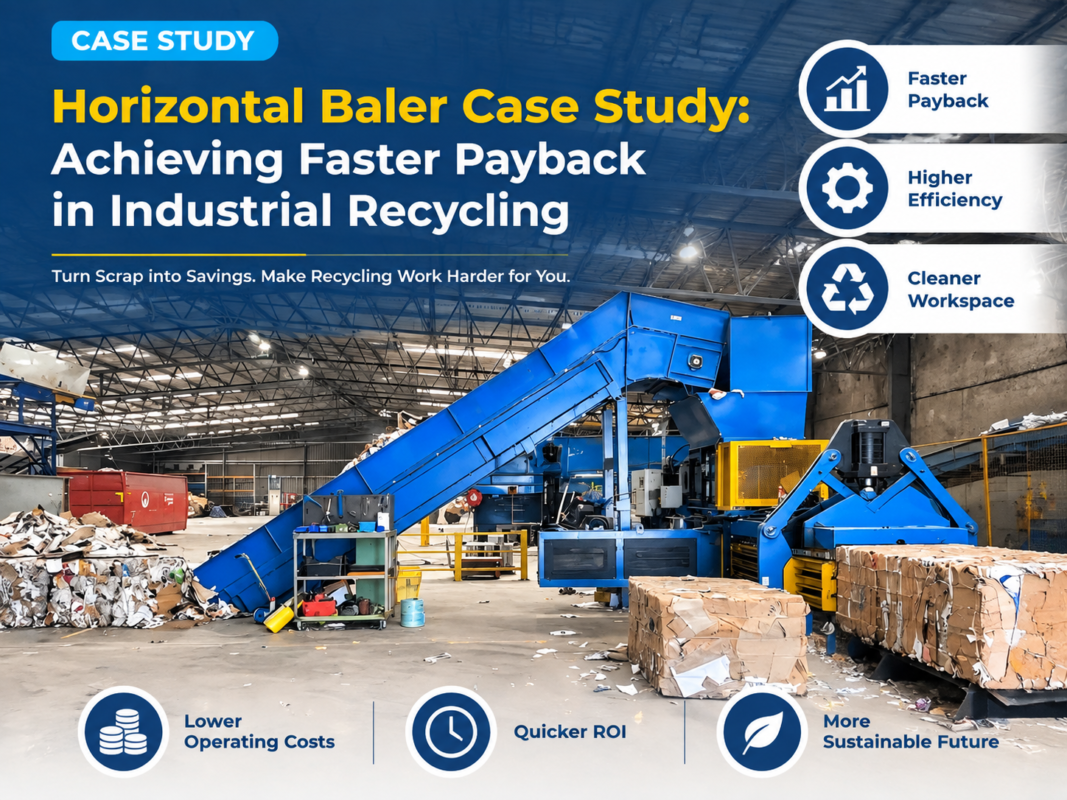
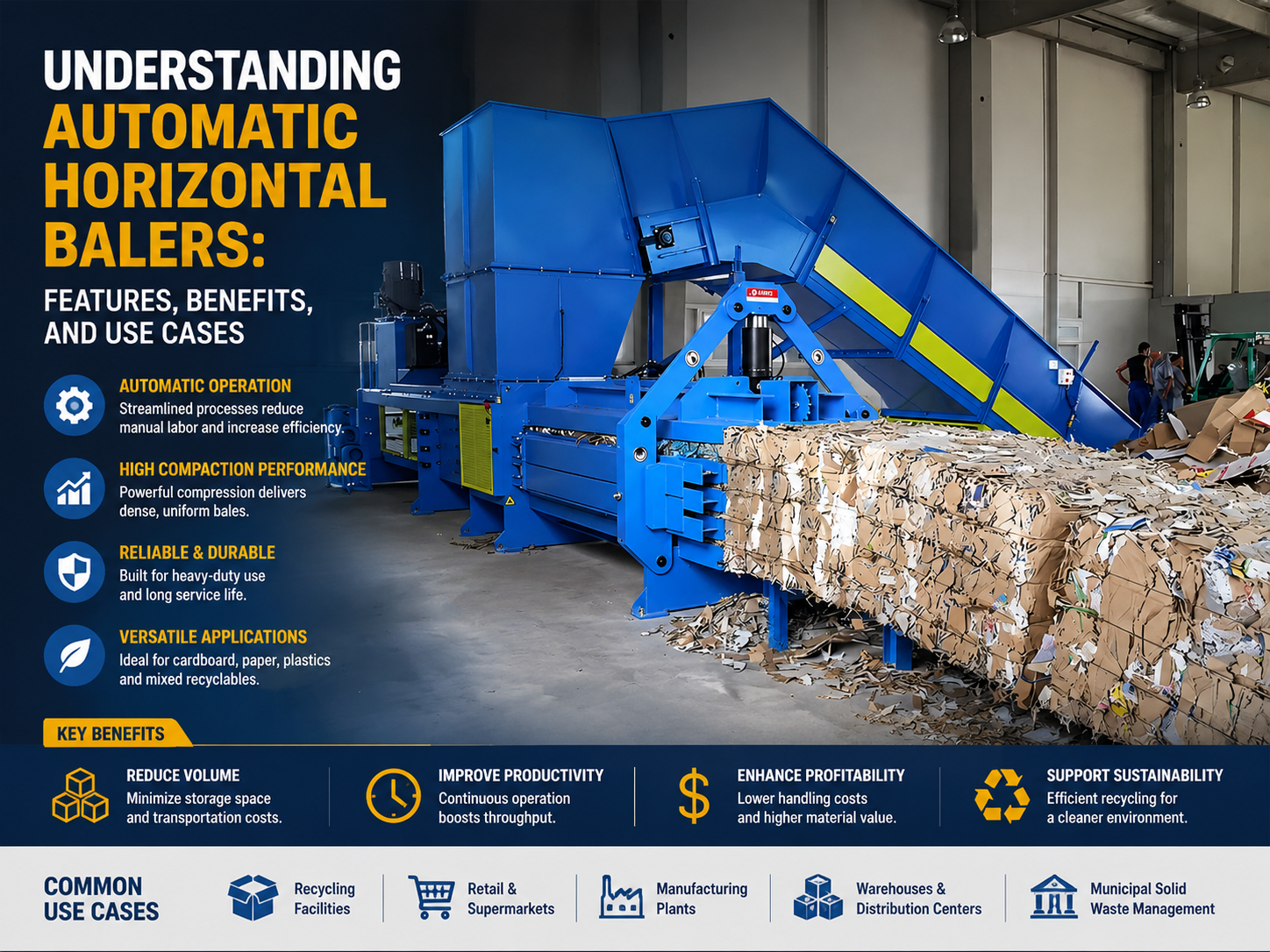
Automatic horizontal balers represent the pinnacle of waste management and recycling technology in modern industrial settings. Unlike their vertical counterparts, which are often manually loaded and operated, horizontal balers are designed for high-volume, continuous processing of materials such as cardboard, plastics, non-ferrous metals, and paper. These machines function by compressing loose material into dense, rectangular bales that are easy to transport, stack, and sell to recycling facilities. The ‘automatic’ designation refers to the machine’s ability to perform the entire cycle—from feeding and compression to wire-tying and bale ejection—with minimal human intervention.
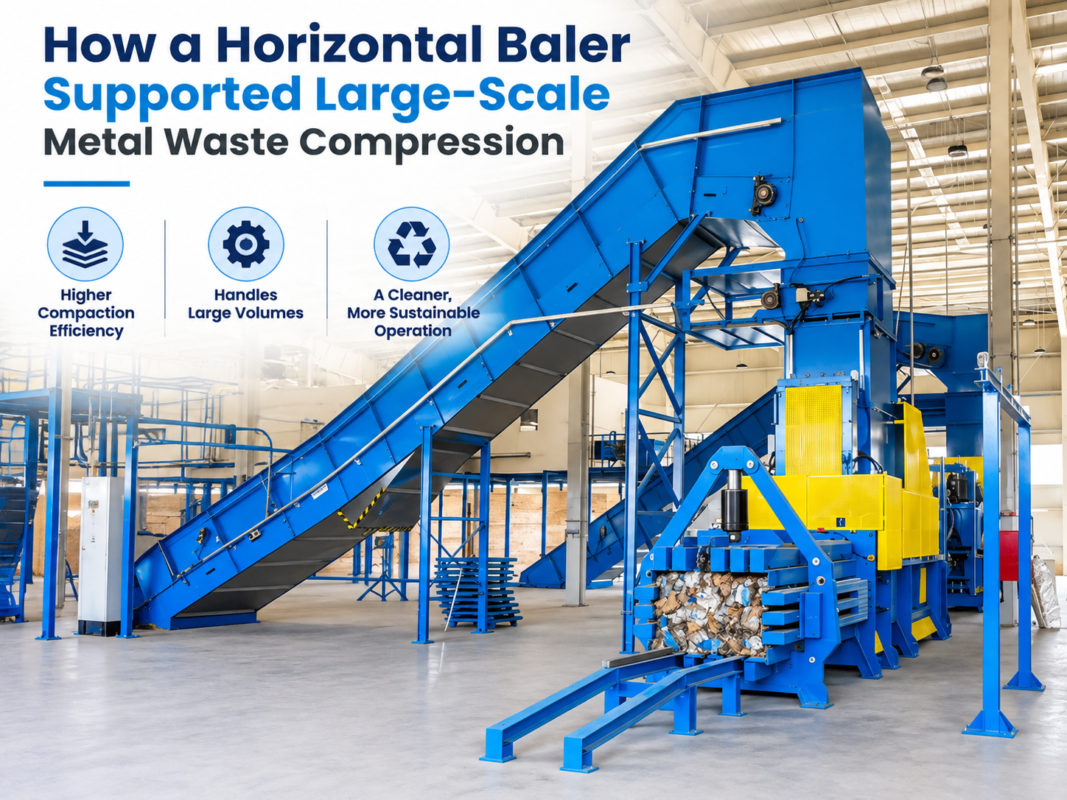
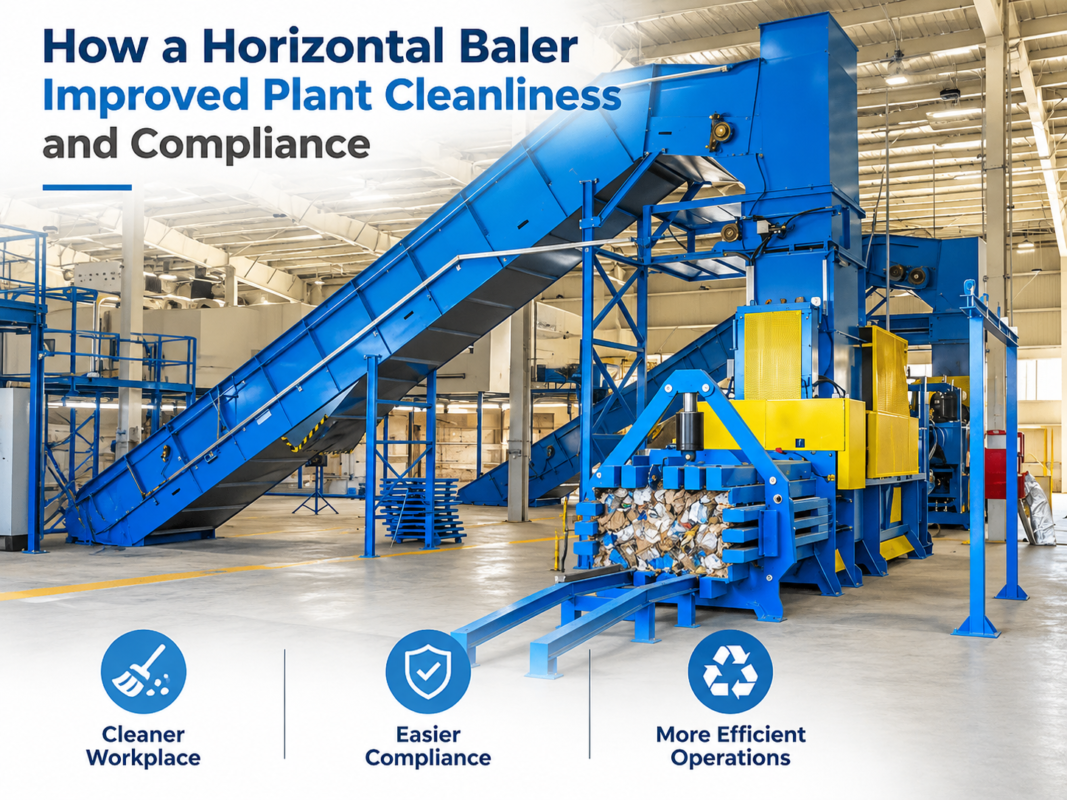
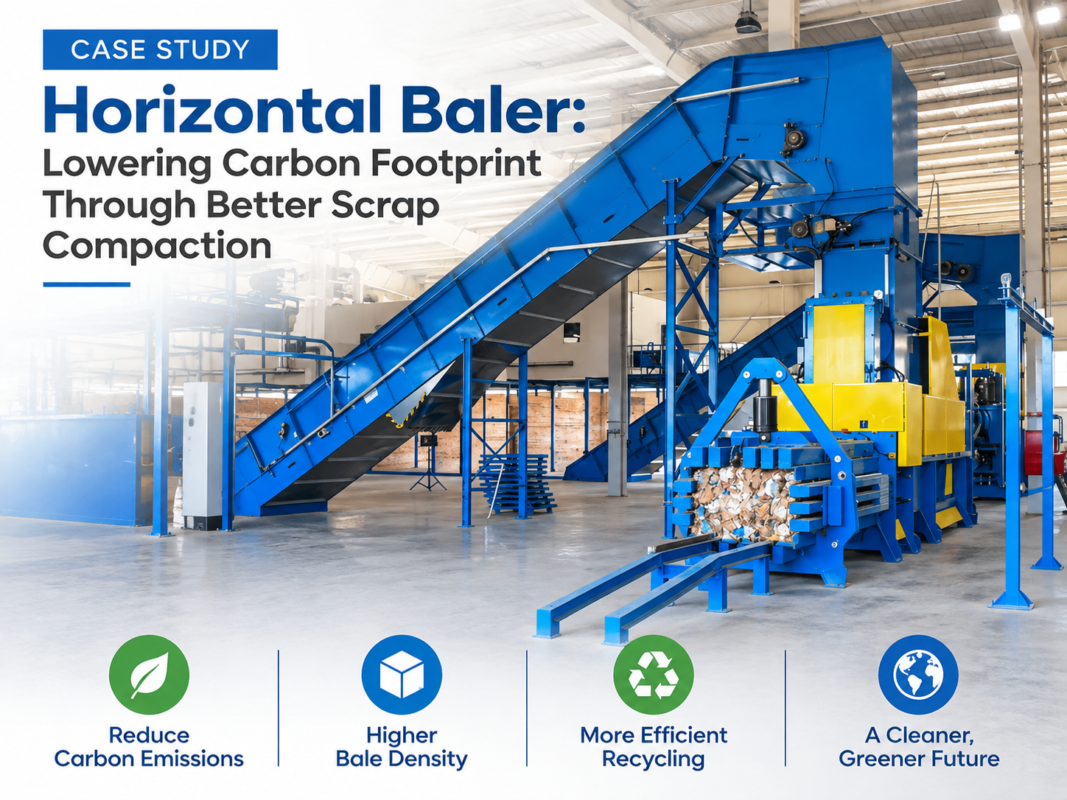
The core architecture of an automatic horizontal baler consists of a heavy-duty steel frame, a large hopper for material intake, a powerful hydraulic ram, and an integrated wire-tying system. The process begins when material is fed into the hopper, often via a conveyor belt or air-sort system. Photoelectric sensors detect the fill level, triggering the hydraulic ram to move forward. This ram exerts massive pressure, pushing the material into a compression chamber. Once the bale reaches a pre-set length, the automatic tying mechanism wraps high-tensile wire around the bale, securing it before it is pushed out of the machine by the subsequent bale.
HARSLE automatic horizontal balers are engineered with advanced PLC (Programmable Logic Controller) systems, typically from world-class brands like Siemens or Schneider. These controllers manage the timing of the hydraulic valves, the tension of the tying wire, and the safety interlocks. The integration of HMI (Human Machine Interface) touchscreens allows operators to monitor real-time data, adjust bale density, and troubleshoot issues through diagnostic codes. This level of automation ensures consistent bale weight and density, which is critical for maximizing shipping container efficiency and meeting the strict requirements of recycling mills.
Furthermore, the hydraulic system in these machines is designed for efficiency. Modern horizontal balers utilize regenerative hydraulic circuits that allow the ram to retract quickly, reducing cycle times and increasing overall throughput. High-pressure pumps and cooling systems ensure that the machine can operate 24/7 in demanding environments without overheating. The structural integrity of the compression chamber is reinforced with wear-resistant liners, such as Hardox steel, to withstand the abrasive nature of materials like scrap metal or contaminated plastics.
Core Parameters and Technical Specifications
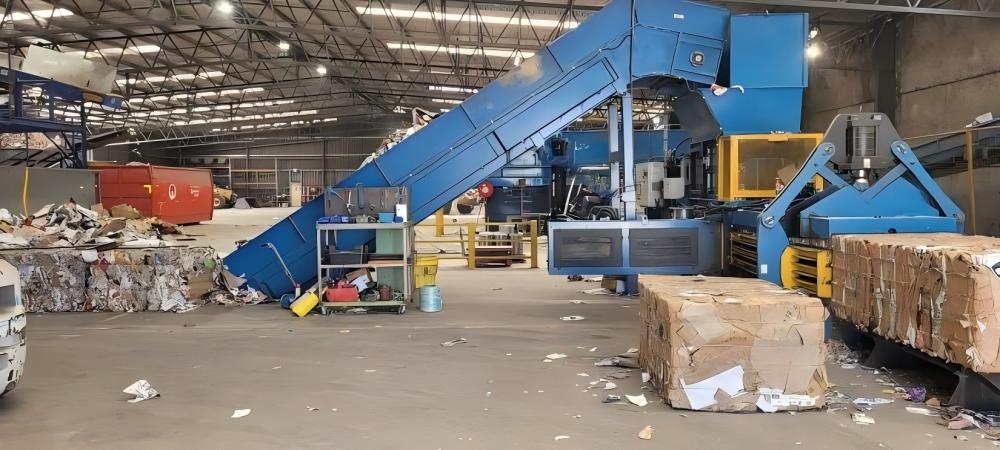
When evaluating an automatic horizontal baler, several core parameters dictate its performance and suitability for specific applications. The most critical parameter is the Press Force (Tonnage). This is the total amount of pressure the hydraulic ram can exert on the material. For standard cardboard and plastics, a press force of 60 to 100 tons is common, whereas heavy-duty applications involving metal scraps may require 120 tons or more. Higher tonnage results in denser bales, which reduces the number of bales produced and lowers transportation costs.
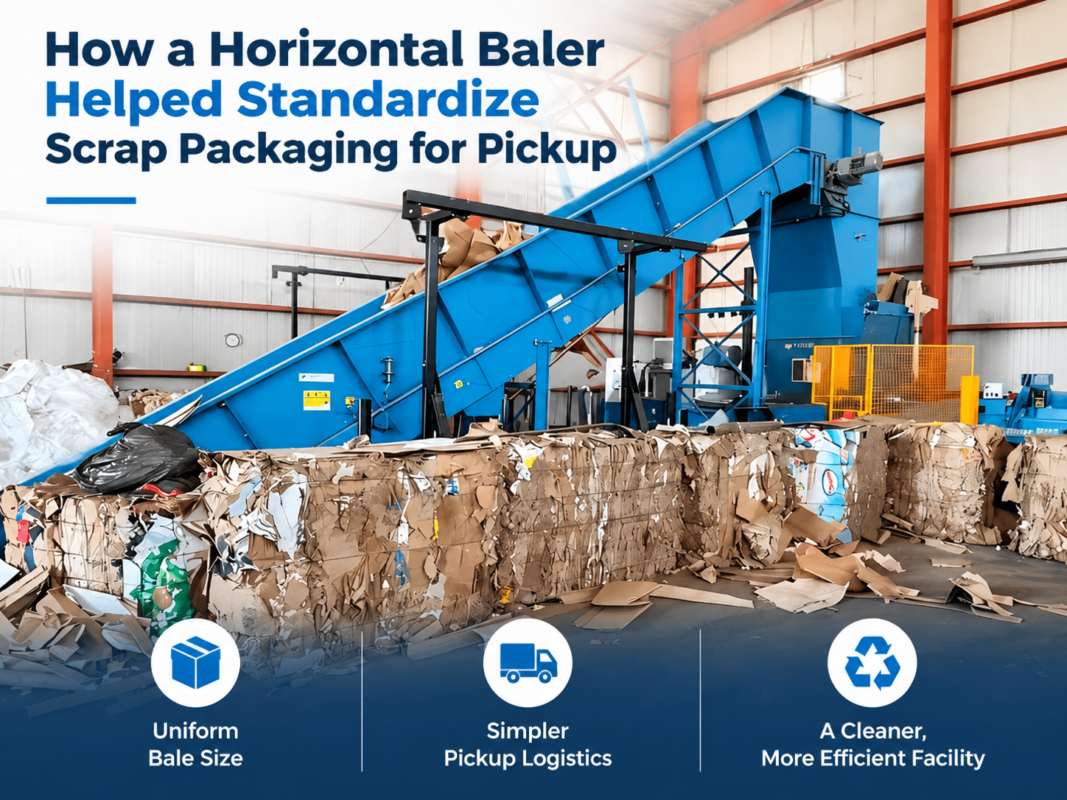
The Bale Size and Weight are equally important. Standard bale dimensions are often designed to fit perfectly into 40-foot shipping containers or curtain-side trailers. For example, a common bale size is 1100mm x 1100mm x Variable Length. The weight of the bale depends on the material density and the press force; a cardboard bale might weigh between 600kg and 1000kg. Consistency in bale size is vital for automated storage and retrieval systems (ASRS) in large warehouses.
Cycle Time refers to the duration it takes for the ram to complete one full forward and backward stroke. A faster cycle time (e.g., 15-25 seconds) translates to higher hourly throughput. This is influenced by the motor power (measured in kW or HP) and the flow rate of the hydraulic pump. For high-capacity facilities, a dual-motor system might be employed to provide the necessary speed and power while offering redundancy in case one motor requires maintenance.
The Wire Tying Mechanism is a distinguishing feature of automatic models. There are two primary types: horizontal tying and vertical tying. Horizontal tying is generally preferred for materials that expand significantly, as it provides better structural integrity to the bale. The number of wires (usually 4 or 5) and the type of wire (galvanized or black annealed) are parameters that must be matched to the material being baled to prevent wire breakage during transport.
Calculation Method for Baler Performance
To optimize the operation of an automatic horizontal baler, engineers and facility managers must understand the mathematical relationships between force, pressure, and throughput. The first essential calculation is the Specific Pressure, which is the force applied per unit area of the ram face. This is calculated as:
Specific Pressure (kg/cm²) = Total Press Force (kg) / Area of Ram Face (cm²)
Higher specific pressure is required for materials with high elasticity, such as plastic film or foam, to ensure they do not expand once the bale is tied. If the specific pressure is too low, the bale will be loose and may fall apart during handling.
Another critical calculation is the Hourly Throughput (Capacity). This is determined by the volume of the compression chamber, the cycle time, and the density of the material being processed. The formula can be simplified as:
Throughput (Tons/Hour) = (Bale Weight (kg) × 3600) / (Cycle Time (s) × 1000)
However, this theoretical capacity must be adjusted for “hopper efficiency,” which accounts for the time it takes to fill the chamber between strokes. In a real-world scenario, if a baler produces a 800kg bale every 45 seconds (including feeding time), the throughput would be approximately 64 tons per hour. Understanding these calculations helps in selecting a machine that can handle the peak waste generation rates of a facility.
Finally, calculating the Motor Power Requirement is necessary for electrical infrastructure planning. The power required is a function of the hydraulic pressure and the flow rate. Using the formula Power (kW) = (Pressure (bar) × Flow (L/min)) / 600, engineers can ensure the facility’s power supply can handle the startup current and continuous load of the baler’s motors.
Technical Parameter Table
The following table provides a comparison of typical specifications for HARSLE automatic horizontal balers across different model ranges.
| Parameter | HBA-60 Series | HBA-100 Series | HBA-150 Series |
|---|---|---|---|
| Press Force (Tons) | 60 Tons | 100 Tons | 150 Tons |
| Bale Size (W x H x L mm) | 1100 x 750 x Var. | 1100 x 1100 x Var. | 1100 x 1100 x Var. |
| Motor Power (kW) | 30 kW | 45 kW x 2 | 75 kW x 2 |
| Cycle Time (Seconds) | 25s | 20s | 18s |
| Throughput (Tons/Hr) | 4 – 6 Tons | 8 – 12 Tons | 15 – 20 Tons |
| Wire Tying Method | Automatic (4 Wires) | Automatic (5 Wires) | Automatic (5 Wires) |
| Machine Weight (Tons) | 12 Tons | 18 Tons | 25 Tons |
Common Engineering Mistakes in Baler Operation
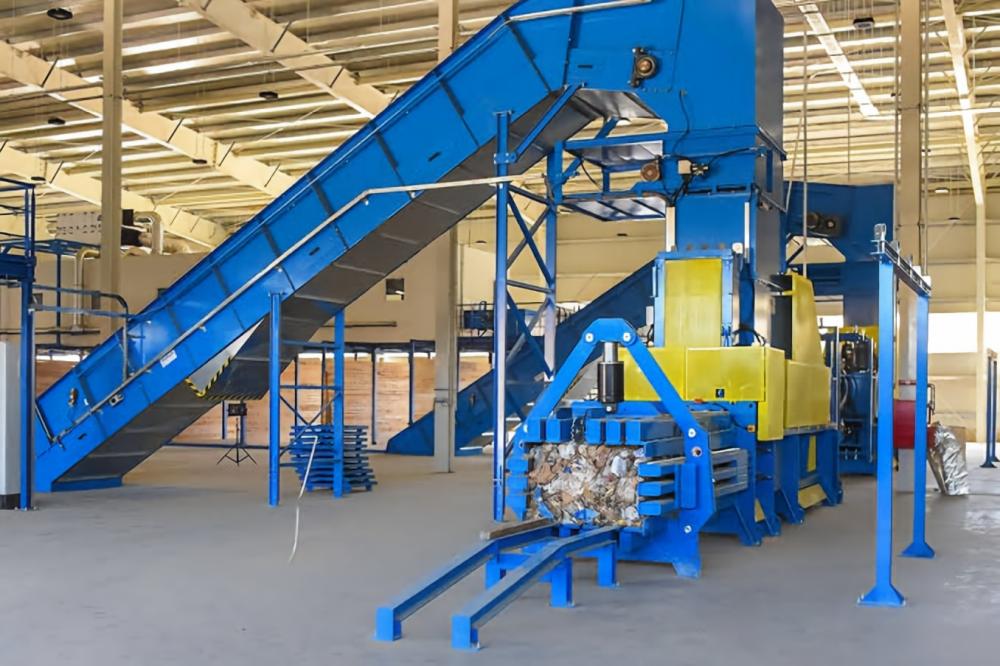
One of the most frequent engineering mistakes in the operation of automatic horizontal balers is incorrect material feeding. If the material is not distributed evenly in the hopper, the ram may experience “off-center loading.” This puts immense lateral stress on the hydraulic seals and the ram guides, leading to premature wear, oil leaks, and even structural warping of the frame. Ensuring a consistent flow of material via a regulated conveyor system is essential to prevent this issue.
Another common error is neglecting hydraulic oil maintenance. Hydraulic systems are the lifeblood of the baler. Over time, the oil can become contaminated with dust, moisture, and metal particles. If the oil is not filtered or replaced according to the manufacturer’s schedule, it can cause the valves to stick and the pump to fail. Furthermore, operating the machine with overheated oil reduces its viscosity, leading to a loss of press force and potential damage to the internal components. Installing an air or water cooling system is mandatory for high-duty cycles.
Improper Wire Tensioning is a technical oversight that leads to significant downtime. If the automatic tying system is not calibrated correctly, the wires may be too loose, causing the bale to expand and jam the exit chute, or too tight, causing the wires to snap. This often happens when switching between different materials (e.g., from cardboard to PET bottles) without adjusting the PLC settings. Operators must be trained to recalibrate the tying tension based on the material’s rebound characteristics.
Lastly, many facilities fail to account for Shear Blade Clearance. Most horizontal balers feature a shear blade at the top of the ram and the edge of the hopper to cut off excess material. If the gap between these blades becomes too wide due to wear or improper adjustment, the material will fold rather than cut. This causes the ram to jam and increases the electrical load on the motor. Regular inspection and sharpening of the shear blades are critical for maintaining a smooth operation.
Selection Checklist for Automatic Horizontal Balers
Choosing the right automatic horizontal baler requires a systematic approach to ensure the machine meets both current and future needs. Use the following checklist during your procurement process:
- Material Compatibility: Does the baler handle your specific waste stream (OCC, PET, HDPE, Aluminum, etc.)? Some materials require specialized ‘V’ shaped shear blades or specific hopper configurations.
- Volume Requirements: Calculate your peak hourly waste generation. Ensure the baler’s throughput capacity exceeds this by at least 20% to allow for growth and maintenance windows.
- Space and Layout: Horizontal balers have a large footprint. Do you have enough space for the machine, the infeed conveyor, and the finished bale storage? Consider the ‘swing’ area needed for maintenance access.
- Automation Level: Do you need a fully automatic system with wire tying, or would a semi-automatic model suffice? For labor-intensive regions, full automation usually offers a faster ROI.
- Bale Density and Logistics: Will the resulting bales meet the weight requirements for your transport containers? Check if the press force is sufficient to reach the target density.
- Power Supply: Does your facility have the electrical capacity (Voltage/Amperage) to support the large motors used in these machines?
- After-Sales Support: Does the manufacturer (like HARSLE) provide remote diagnostics, readily available spare parts, and on-site technician support?
Frequently Asked Questions (FAQ)
1. How often should the hydraulic oil be changed?
For most industrial horizontal balers, the hydraulic oil should be sampled every 1,000 hours of operation and completely changed every 2,000 to 4,000 hours, depending on the environment and oil quality. Always use the specific grade of anti-wear hydraulic oil recommended by HARSLE.
2. Can one machine bale multiple types of materials?
Yes, automatic horizontal balers are versatile. However, the PLC settings (such as press force and bale length) and the wire tension must be adjusted when switching materials. It is also recommended to clear the hopper entirely before switching from one material to another to avoid cross-contamination.
3. What is the typical lifespan of an automatic horizontal baler?
With proper maintenance, a high-quality horizontal baler from a reputable manufacturer like HARSLE can last 15 to 20 years. Key components like the hydraulic pump and PLC may need replacement or refurbishment during this period, but the heavy-duty steel frame is built for long-term durability.
4. Why is my baler not reaching the full press force?
This could be due to several factors: a leak in the hydraulic circuit, a malfunctioning relief valve, worn-out pump internals, or air trapped in the hydraulic lines. Check the pressure gauge on the manifold to diagnose if the issue is hydraulic or electrical (e.g., the motor not reaching full RPM).
5. Are there safety standards these machines must follow?
Yes, industrial balers must comply with safety standards such as CE (Europe) or ANSI Z245.5 (USA). These standards require emergency stop buttons, safety interlocks on all access doors, and shielding for moving parts and the wire-tying unit.