How to Choose the Right Horizontal Baler for Your Scrap Recycling Operation

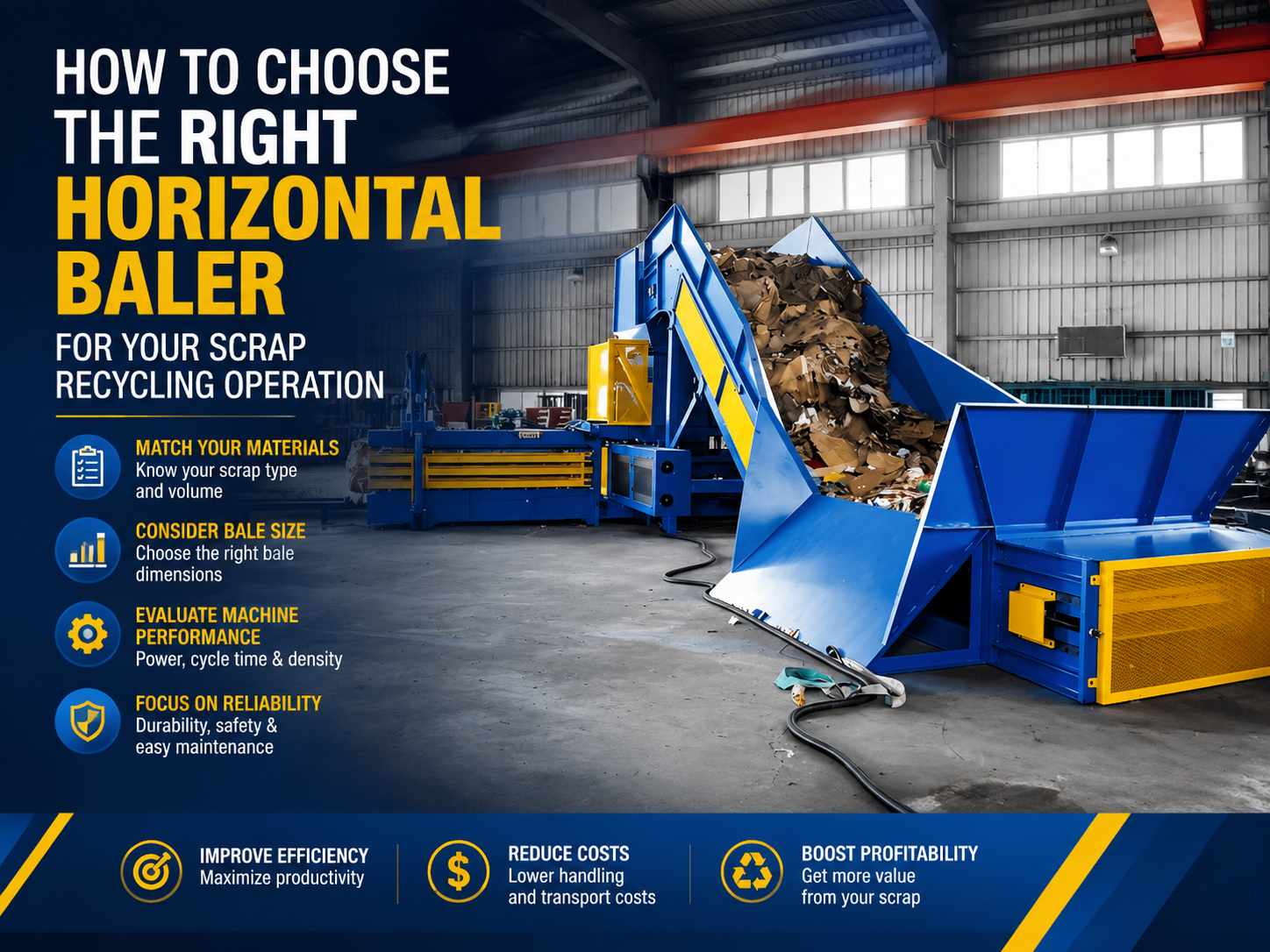
Technical Overview of Horizontal Balers in Modern Recycling
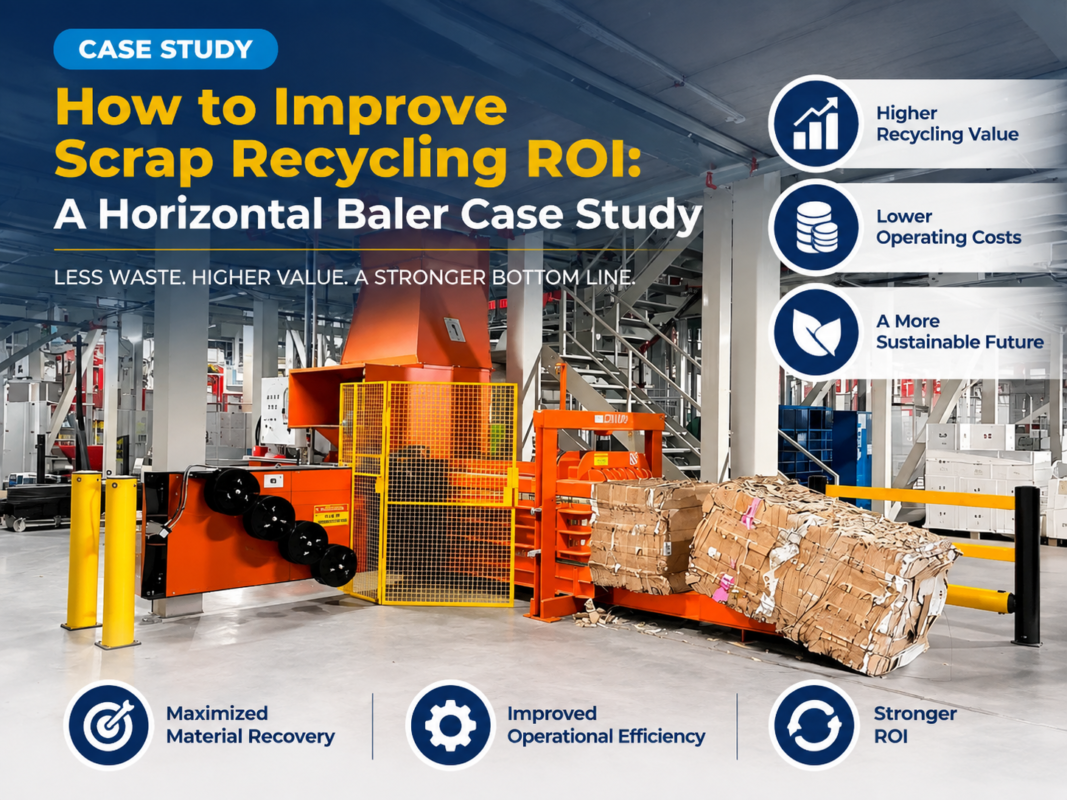
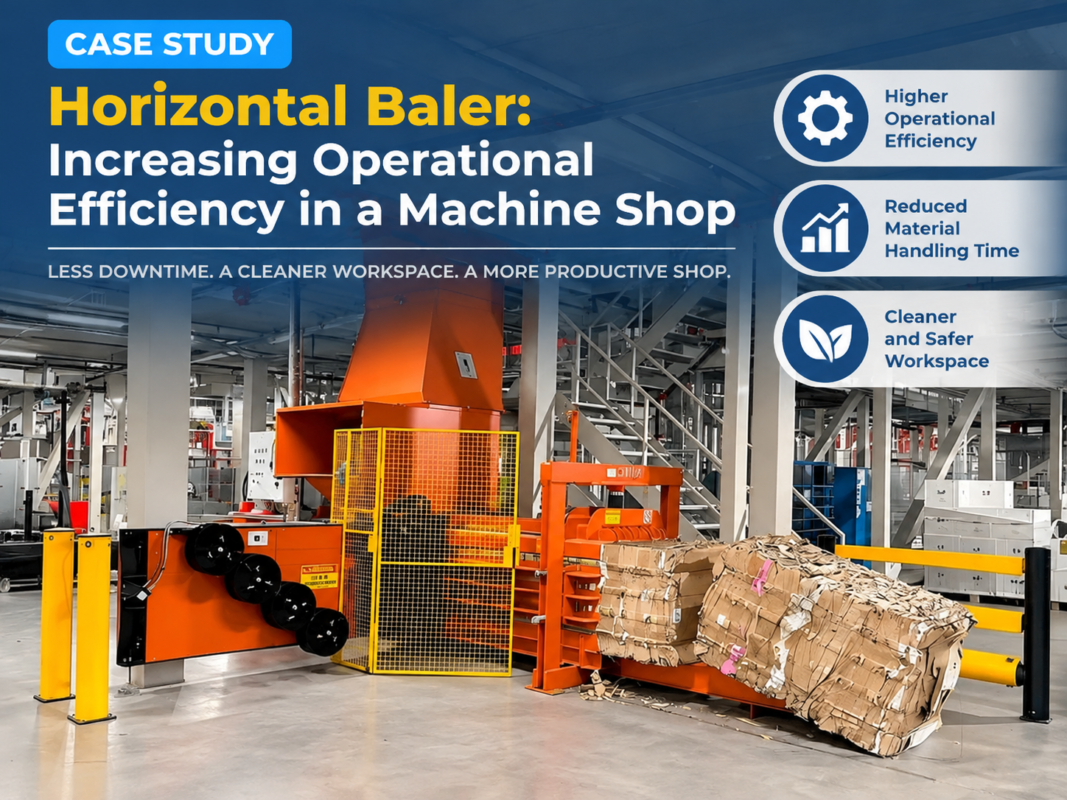
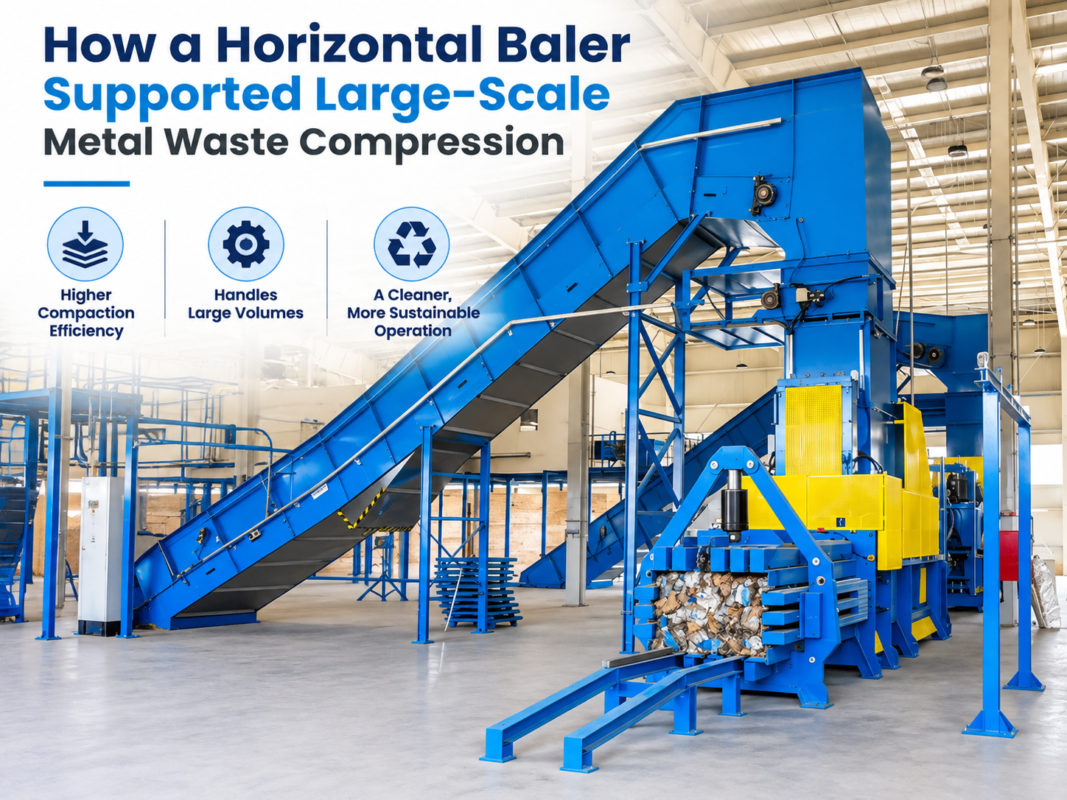
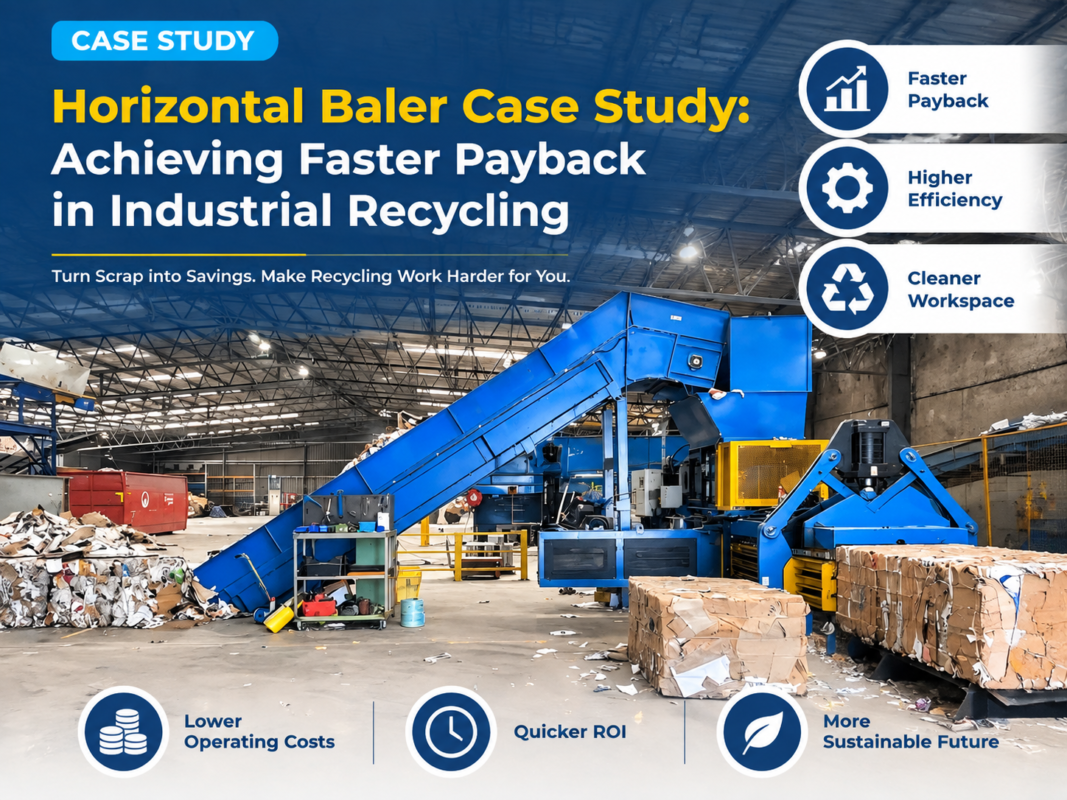
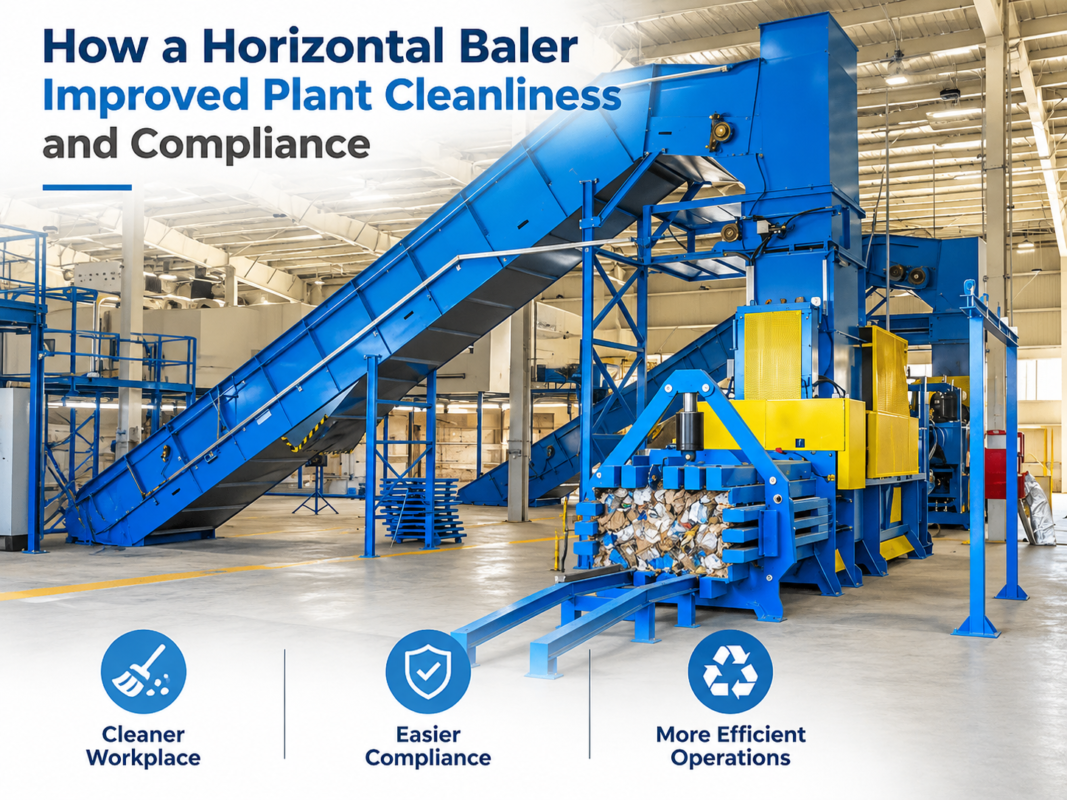
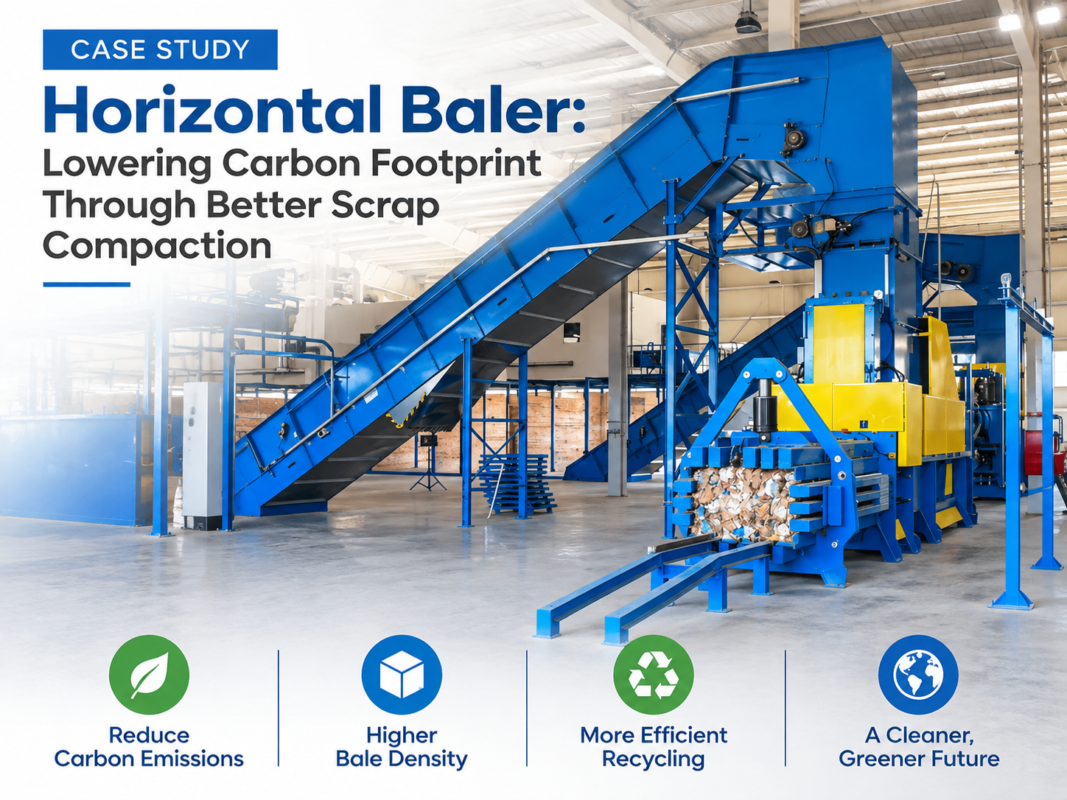
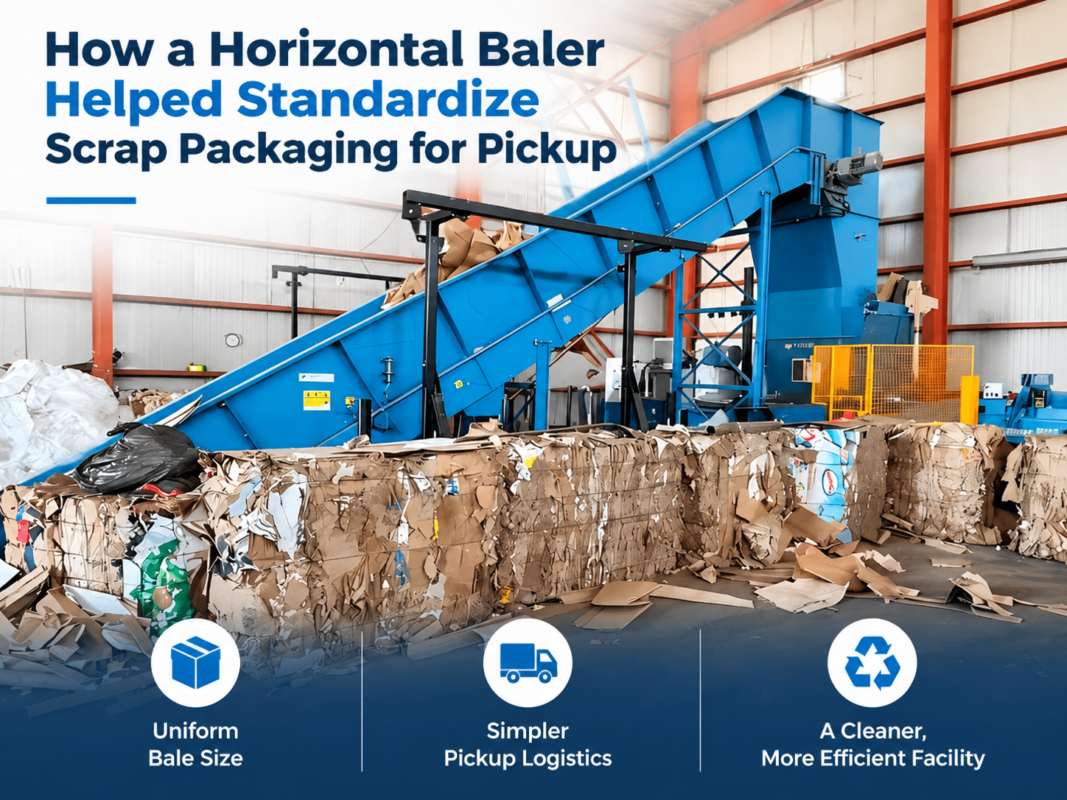
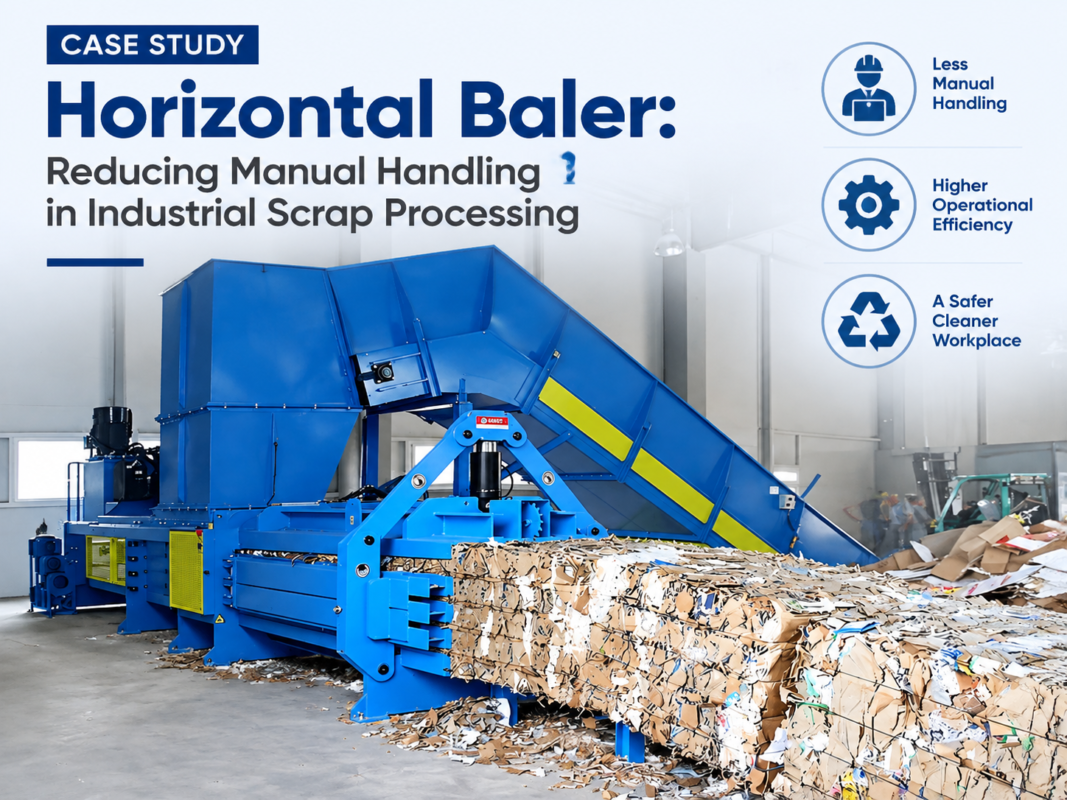
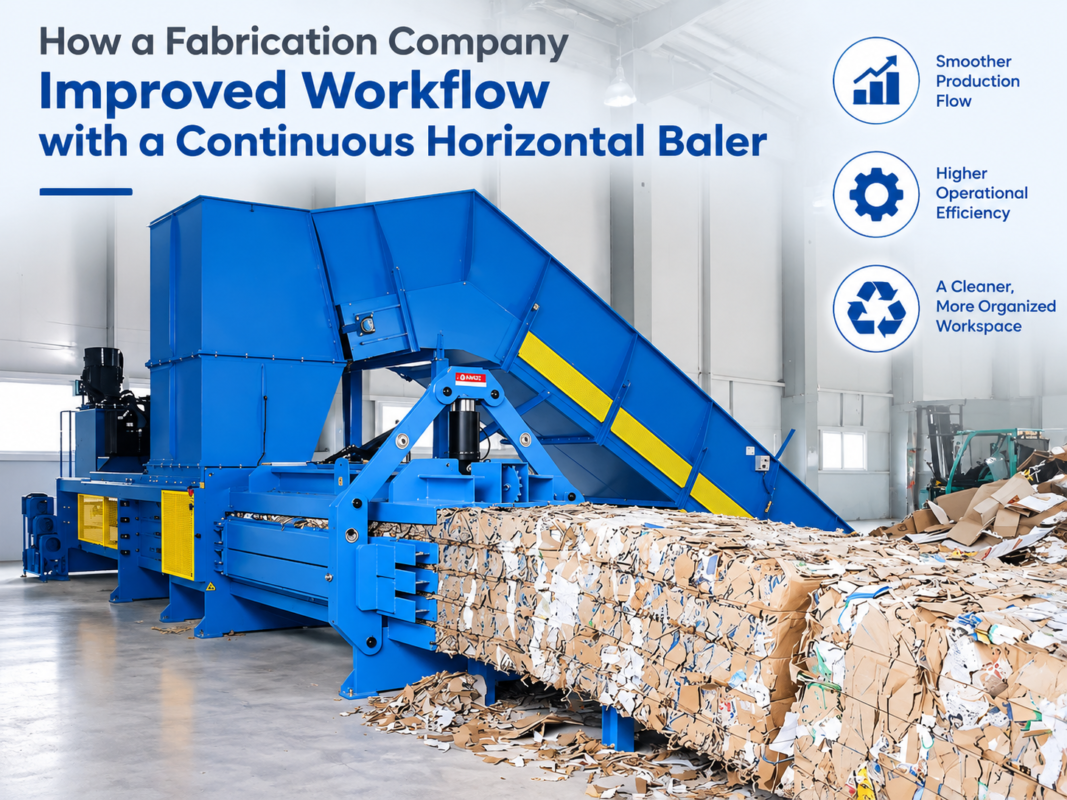
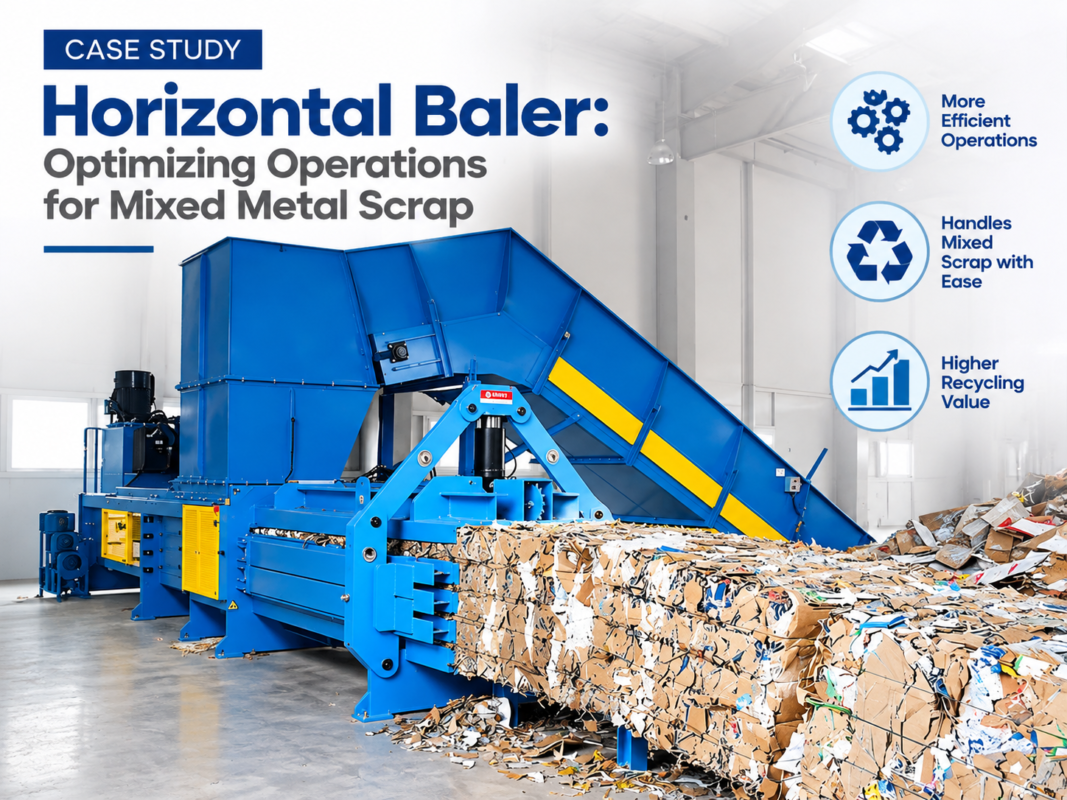
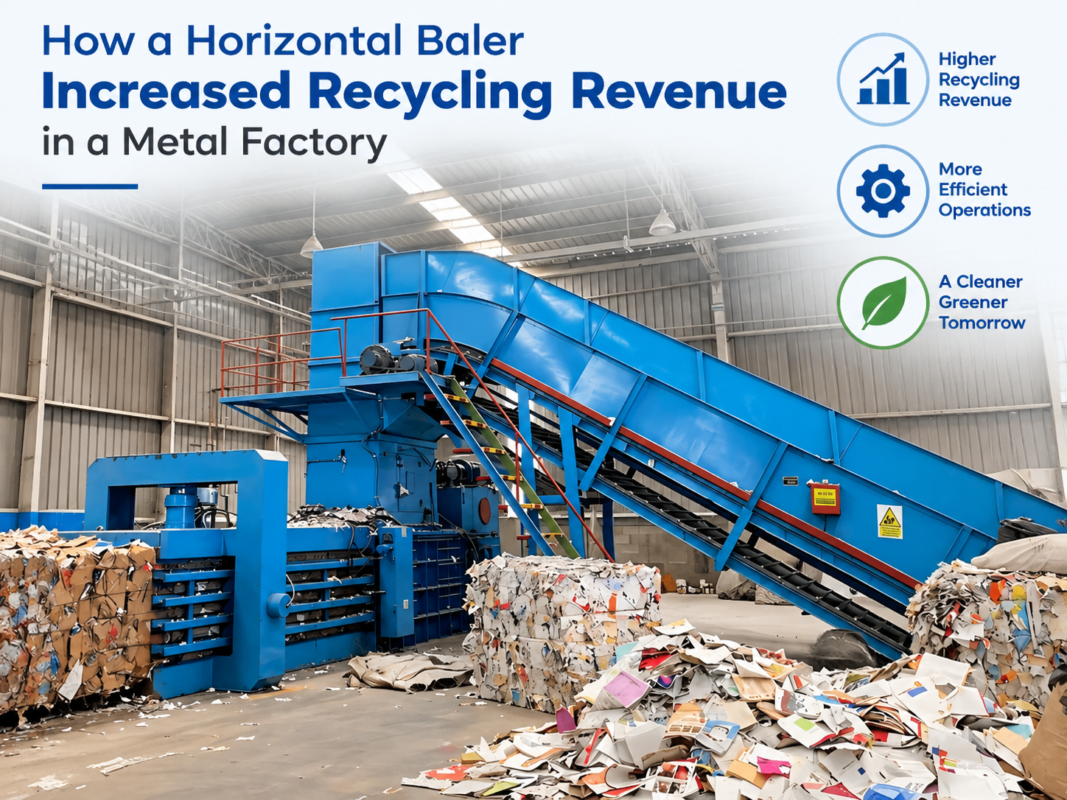
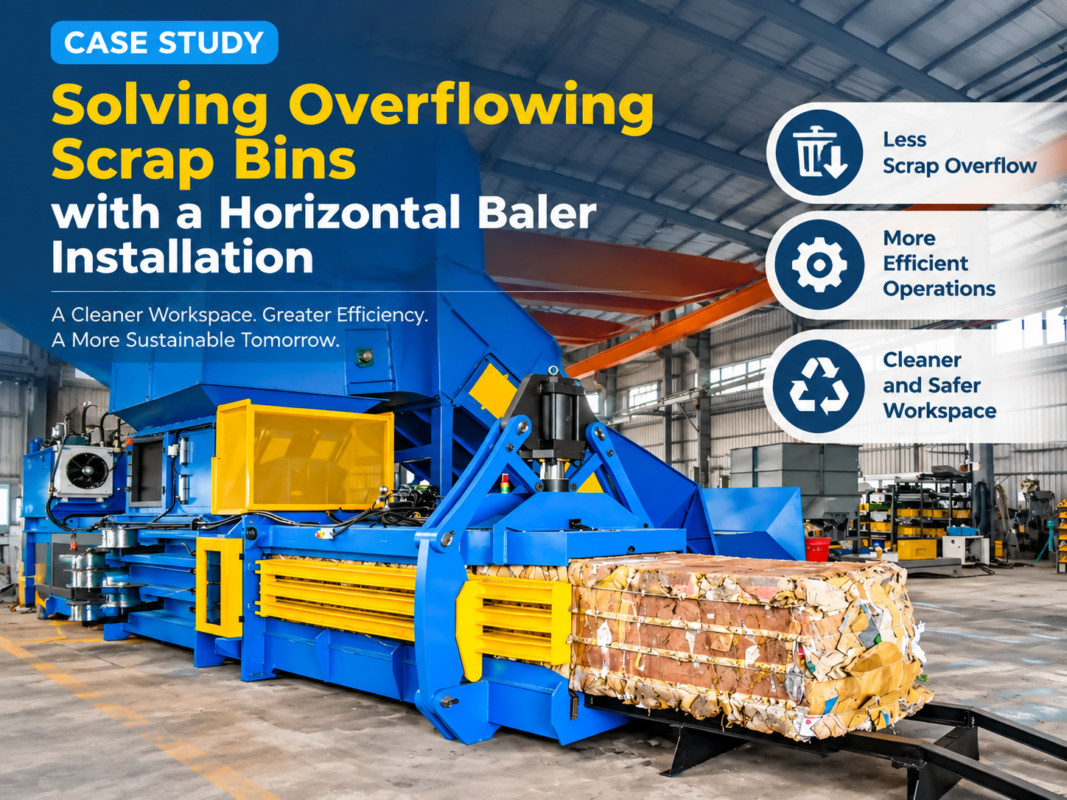
In the high-stakes world of waste management and scrap processing, the efficiency of your facility often hinges on a single piece of equipment: the horizontal baler. Unlike vertical balers, which are typically suited for lower volumes and manual loading, horizontal balers are the workhorses of industrial-scale operations. They are designed for continuous feed, high-density compression, and automated output, making them essential for any business looking to optimize their Choose Horizontal Baler Scrap Recycling Operation strategy. These machines utilize a horizontal hydraulic ram to compress materials against a heavy-duty door or into a continuous extrusion tunnel, resulting in uniform, stackable bales that maximize transport efficiency.
The technical sophistication of a horizontal baler lies in its structural engineering and hydraulic logic. A high-quality machine, such as those manufactured by HARSLE, features a reinforced steel frame capable of withstanding hundreds of tons of pressure over thousands of cycles. The integration of PLC (Programmable Logic Controller) systems allows for precise control over the ram’s movement, pressure thresholds, and bale length. For facilities processing diverse materials—ranging from OCC (Old Corrugated Containers) and plastics to non-ferrous metals—the ability to switch between pressure profiles is a critical technical advantage.
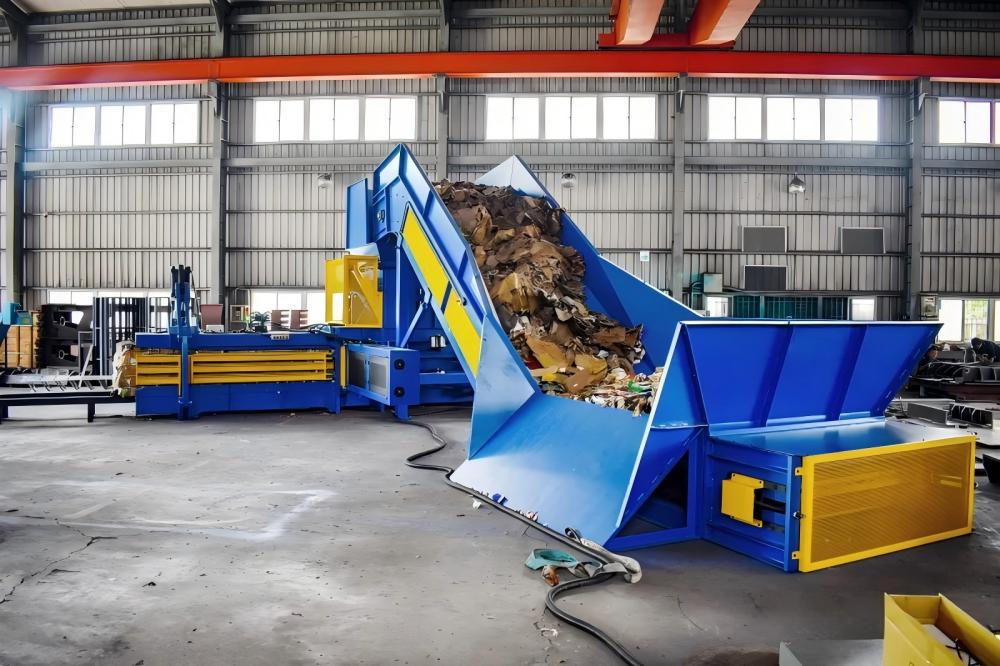
Furthermore, horizontal balers are categorized into two primary types: closed-end and open-end (auto-tie). Closed-end balers feature a manual or hydraulic door that remains shut until the bale reaches maximum density, making them ideal for high-memory materials like plastic or heavy-duty scrap. Open-end balers utilize a long extrusion channel where the friction of the previous bale provides the resistance for the next. These are typically equipped with automatic wire-tying systems, allowing for 24/7 operation without manual intervention. Understanding these distinctions is the first step in ensuring your equipment matches your operational throughput.
Core Parameters: What Defines Performance?
When you begin to Choose Horizontal Baler Scrap Recycling Operation equipment, you must look beyond the price tag and focus on the technical specifications that dictate daily productivity. The most critical parameter is the Pressing Force (measured in tons). This is the total pressure the hydraulic ram exerts on the material. For standard cardboard and paper, 60 to 80 tons may suffice; however, for dense plastics or light metal scraps, a force of 100 to 150 tons is often required to achieve the necessary bale density for export or mill requirements.
The second core parameter is the Cycle Time. This refers to the time it takes for the ram to extend and retract fully. In a high-volume facility, every second counts. A machine with a 20-second cycle time will process significantly more material than one with a 45-second cycle. This is closely linked to the Motor Power (kW or HP) and the hydraulic pump’s flow rate. A larger motor can drive a higher-volume pump, allowing the ram to move faster without sacrificing pressing force. However, this also increases energy consumption, so a balance must be struck based on your facility’s power capacity.
Bale size and weight are equally important. Standard export containers have specific dimensions, and your bales should be sized to maximize the weight loaded into each container. A common bale size is 1100mm x 1100mm x Variable Length. If your bales are too light, you are essentially paying to ship air; if they are too dense or misshapen, they may not fit efficiently. Finally, consider the Feed Opening size. This must be large enough to accommodate your largest pieces of scrap without bridging or clogging, which can lead to costly downtime and manual clearing.
Calculation Method: Determining Your Requirements
To accurately Choose Horizontal Baler Scrap Recycling Operation machinery, you must perform a throughput calculation. Many buyers make the mistake of estimating their needs based on their current volume, forgetting to account for peak periods or future growth. The basic formula for calculating required hourly throughput is:
Required Throughput (Tons/Hour) = (Total Monthly Volume / Working Days per Month) / Daily Operating Hours
Once you have the tons per hour, you need to convert this into cubic meters per hour based on the bulk density of your loose material. For example, loose cardboard has a much lower density than loose aluminum cans. If your baler’s hopper capacity is 2 cubic meters and the cycle time is 30 seconds, the theoretical maximum volume it can process is 240 cubic meters per hour. However, you must apply an efficiency factor (typically 60-75%) to account for loading delays and material inconsistencies.
Another vital calculation is the Bale Density. This is calculated as the weight of the finished bale divided by its volume. High-density bales are preferred by recyclers because they reduce storage space and transportation costs. To achieve a target density, you must ensure the baler’s specific pressure (PSI on the face of the ram) is sufficient for the material type. For instance, PET bottles require much higher specific pressure than shredded paper to prevent “rebound” once the bale is tied.
Technical Parameter Comparison Table
The following table outlines typical specifications for three classes of horizontal balers to help you categorize your needs.
| Parameter | Small-Scale (HB-60) | Mid-Range (HB-100) | Heavy-Duty (HB-150) |
|---|---|---|---|
| Pressing Force | 60 Tons | 100 Tons | 150 Tons |
| Motor Power | 15 kW / 20 HP | 30 kW / 40 HP | 45 kW x 2 / 120 HP |
| Cycle Time | 45 Seconds | 30 Seconds | 20 Seconds |
| Feed Opening | 1000 x 800 mm | 1500 x 1000 mm | 2000 x 1100 mm |
| Bale Weight (OCC) | 400 – 500 kg | 600 – 800 kg | 900 – 1100 kg |
| Throughput (Est.) | 2-4 Tons/Hour | 6-10 Tons/Hour | 15-25 Tons/Hour |
Common Engineering Mistakes in Baler Selection
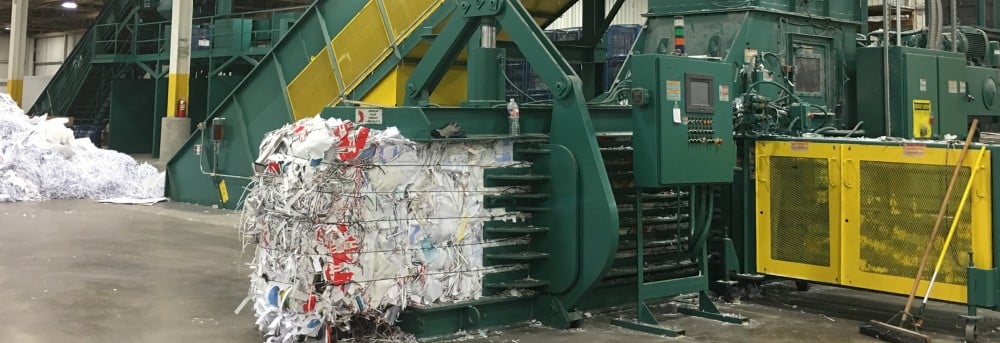
One of the most frequent mistakes when facilities Choose Horizontal Baler Scrap Recycling Operation equipment is undersizing the hydraulic cooling system. In continuous operations, hydraulic oil generates significant heat. If the cooling system (air or water-cooled) is insufficient, the oil viscosity drops, leading to seal failure, internal leakage, and a dramatic loss in pressing force. Always verify that the baler is rated for your specific climate and duty cycle.
Another common error is ignoring the “Shear Strength” of the machine. Many horizontal balers are equipped with a shear blade at the top of the compression chamber to cut off excess material. If you are processing tough materials like thick plastics or textiles, a weak shear design will lead to frequent jams or “tails” hanging off the bales, which interfere with the auto-tie mechanism. Ensure the blades are made of high-carbon tool steel and are easily adjustable or replaceable.
Furthermore, many buyers fail to consider the integration with upstream equipment. A baler is only as fast as its feeding system. If you install a high-speed baler but feed it with a slow, undersized conveyor, you are wasting the machine’s potential. Conversely, a massive conveyor dumping into a small hopper will cause constant bridging. The entire system—from the tipping floor to the bale storage area—must be engineered as a cohesive unit to avoid bottlenecks.
Comprehensive Selection Checklist
Before finalizing your purchase, use this checklist to ensure no technical detail has been overlooked:
- Material Compatibility: Does the baler have specific programs for all the materials you process (e.g., plastic, paper, non-ferrous)?
- Electrical Requirements: Does your facility have the necessary amperage and voltage? High-power balers often require dedicated transformers.
- Space Constraints: Have you accounted for the full stroke of the ram and the space needed for the bale exit ramp and wire-tier coils?
- Maintenance Access: Are the hydraulic manifolds and PLC cabinets easily accessible for technicians?
- Safety Features: Does the machine meet local safety standards (e.g., CE, ANSI)? Look for emergency stops, safety interlocks on all doors, and shielded moving parts.
- Wear Liners: Are the floor and sides of the compression chamber equipped with replaceable abrasion-resistant (AR) steel liners?
- Auto-Tie Reliability: For open-end balers, what is the success rate of the tying mechanism, and how easy is it to re-thread the wire?
- Manufacturer Support: Does the supplier (like HARSLE) provide remote diagnostics, on-site training, and a robust spare parts inventory?
Frequently Asked Questions (FAQ)
1. How long does a horizontal baler typically last?
With proper maintenance, a high-quality horizontal baler can last 15 to 20 years. Key factors in longevity include regular oil filtration, timely replacement of wear liners, and ensuring the machine is not consistently operated beyond its rated pressure capacity.
2. Can I process metal scrap in a standard horizontal baler?
Standard horizontal balers are designed for “soft” recyclables like paper and plastic. While they can handle light non-ferrous metals (like aluminum cans), processing heavy steel scrap requires a specialized “Scrap Metal Baler” with reinforced structures and higher cutting forces to prevent frame warping.
3. Is an automatic tying system worth the extra investment?
If your facility processes more than 5 tons of material per day, an auto-tie system is almost always worth the investment. It significantly reduces labor costs and allows for a continuous flow of material, which is essential for maximizing the ROI of your Choose Horizontal Baler Scrap Recycling Operation plan.
4. What type of hydraulic oil should I use?
Most industrial balers use ISO 46 or ISO 68 anti-wear hydraulic oil. The specific grade depends on your operating environment’s temperature. Using the wrong oil can lead to pump cavitation or overheating.
5. How do I know if my bales are dense enough?
The best way to verify density is to weigh a sample of 10 bales and calculate the average. If you are shipping in 40ft containers, you should aim for a total load weight of at least 20-22 tons for most materials to optimize freight costs.
Choosing the right horizontal baler is a complex decision that requires a deep understanding of your material stream, volume goals, and technical requirements. By focusing on core parameters, performing accurate calculations, and avoiding common engineering pitfalls, you can select a machine that will serve as a reliable cornerstone for your recycling operation for decades to come. HARSLE remains committed to providing the technical expertise and robust machinery needed to excel in this demanding industry.