How Vertical Balers Improve Scrap Handling Efficiency in Manufacturing Plants

Introduction to Industrial Waste Management
In the modern manufacturing landscape, the management of scrap material—ranging from cardboard and plastic to non-ferrous metal shavings and textile waste—has transitioned from a secondary concern to a primary operational pillar. As plants strive for Lean Manufacturing and Zero Waste to Landfill certifications, the equipment used to process this waste becomes critical. This is where the implementation of vertical balers plays a transformative role. Understanding how vertical balers improve scrap handling efficiency in manufacturing plants requires a deep dive into their mechanical design, hydraulic capabilities, and the logistical advantages they provide to the factory floor.
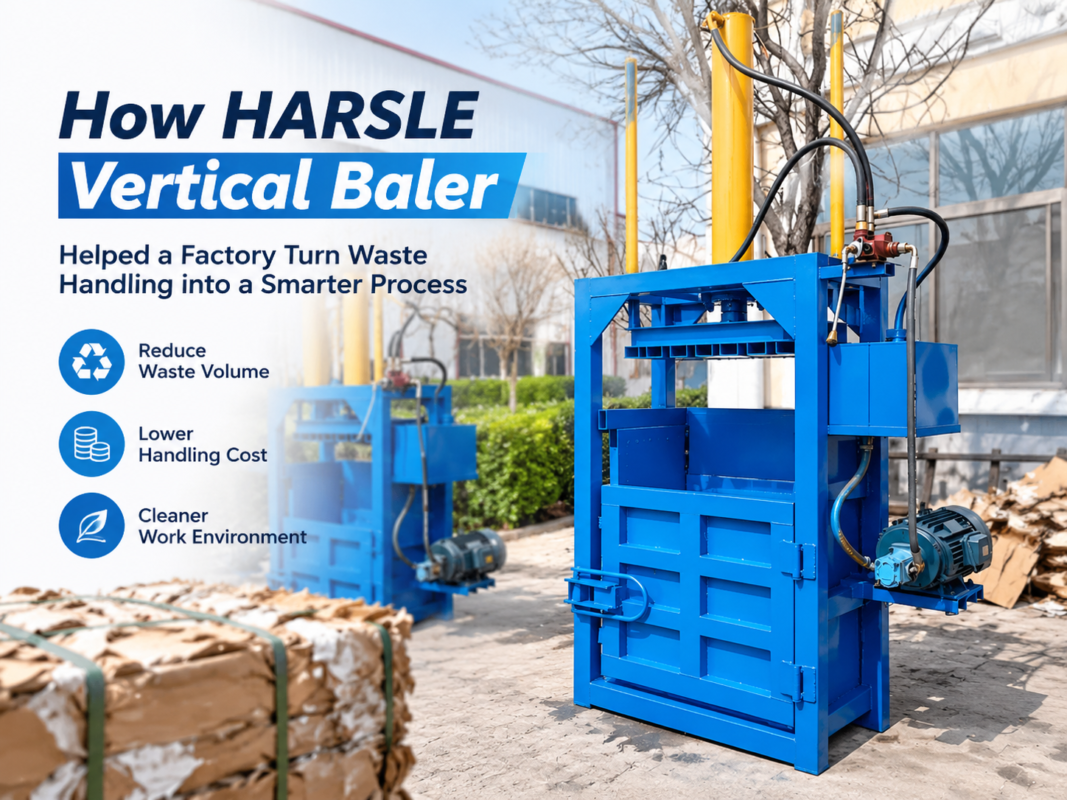
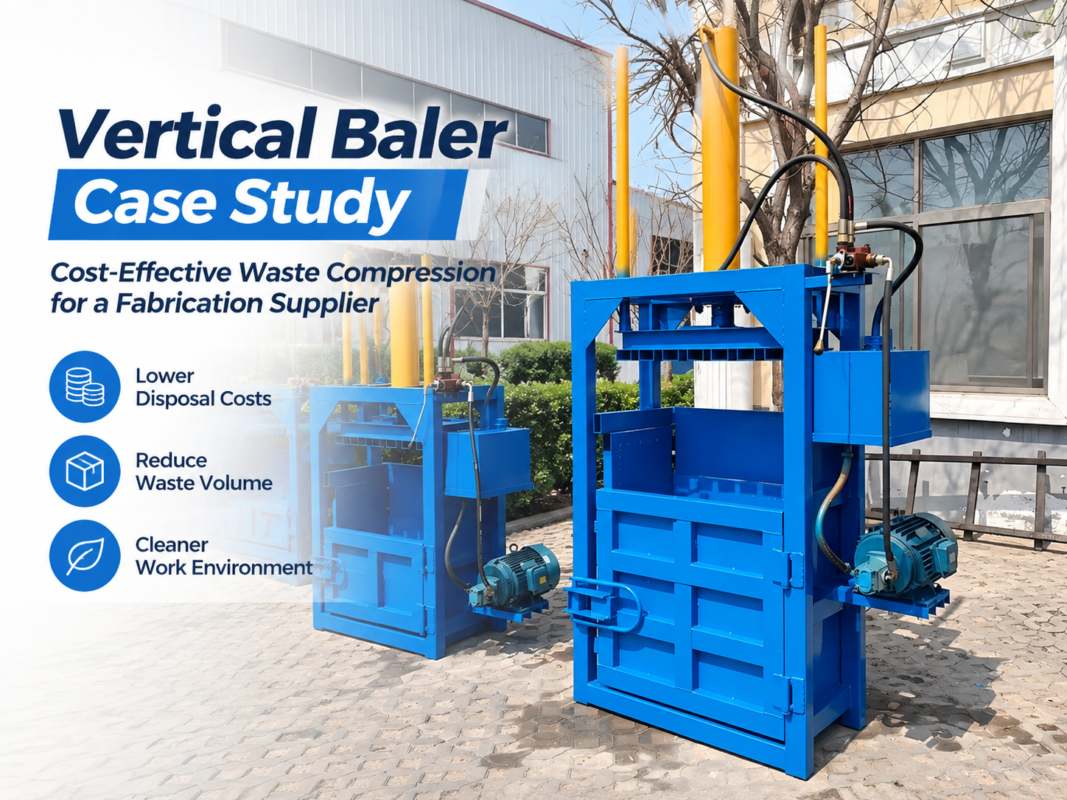
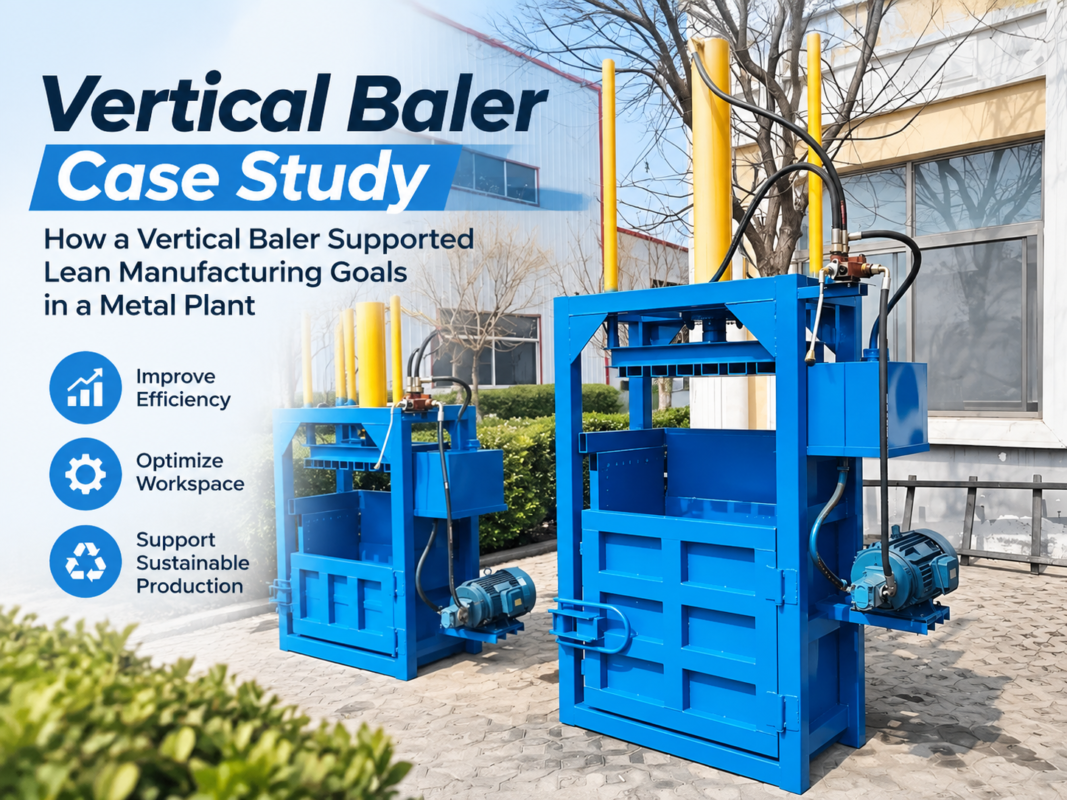
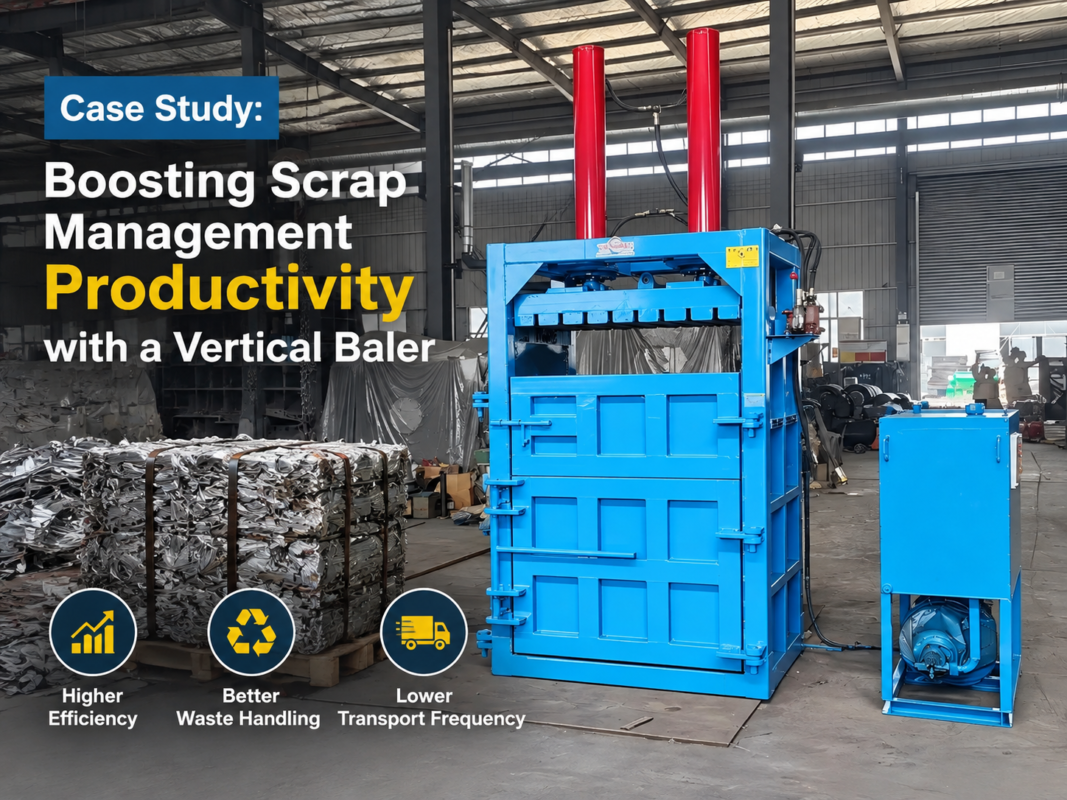
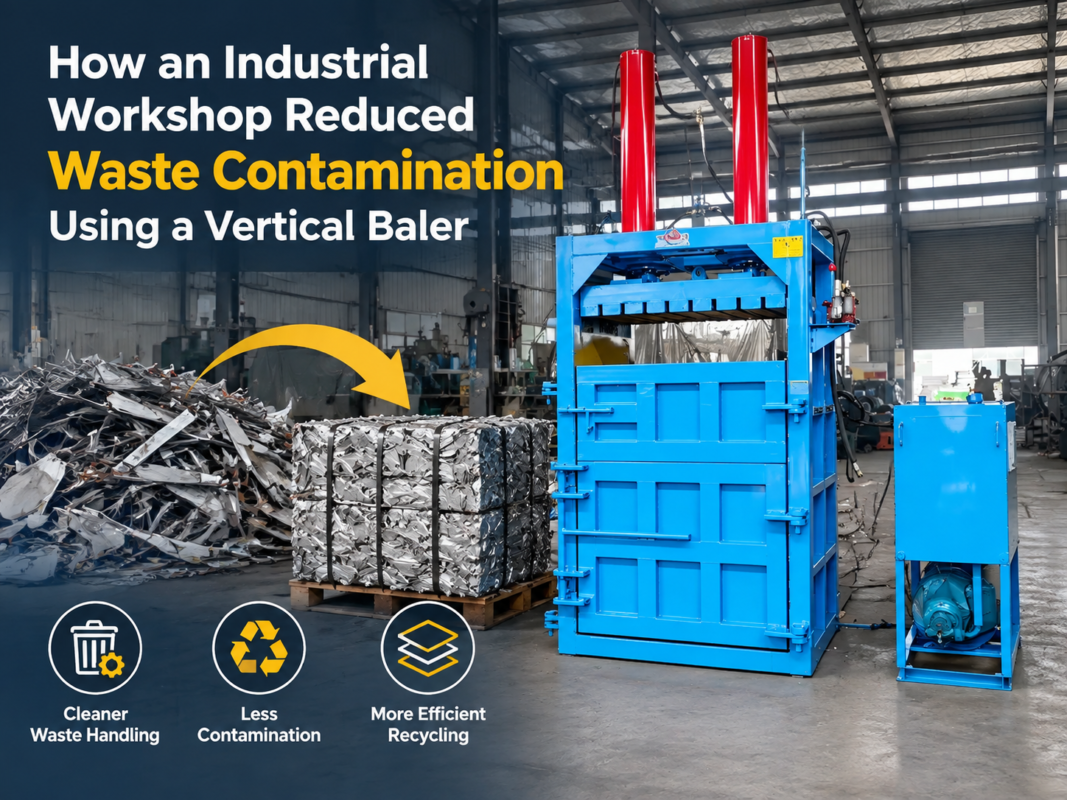
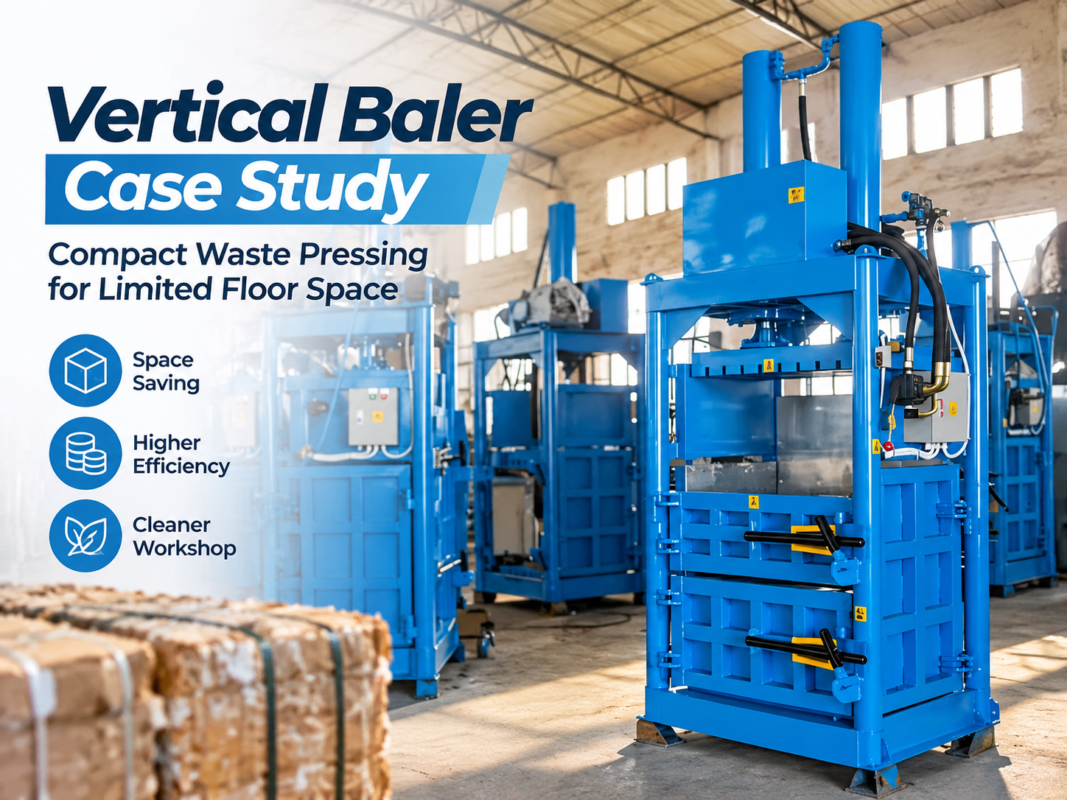
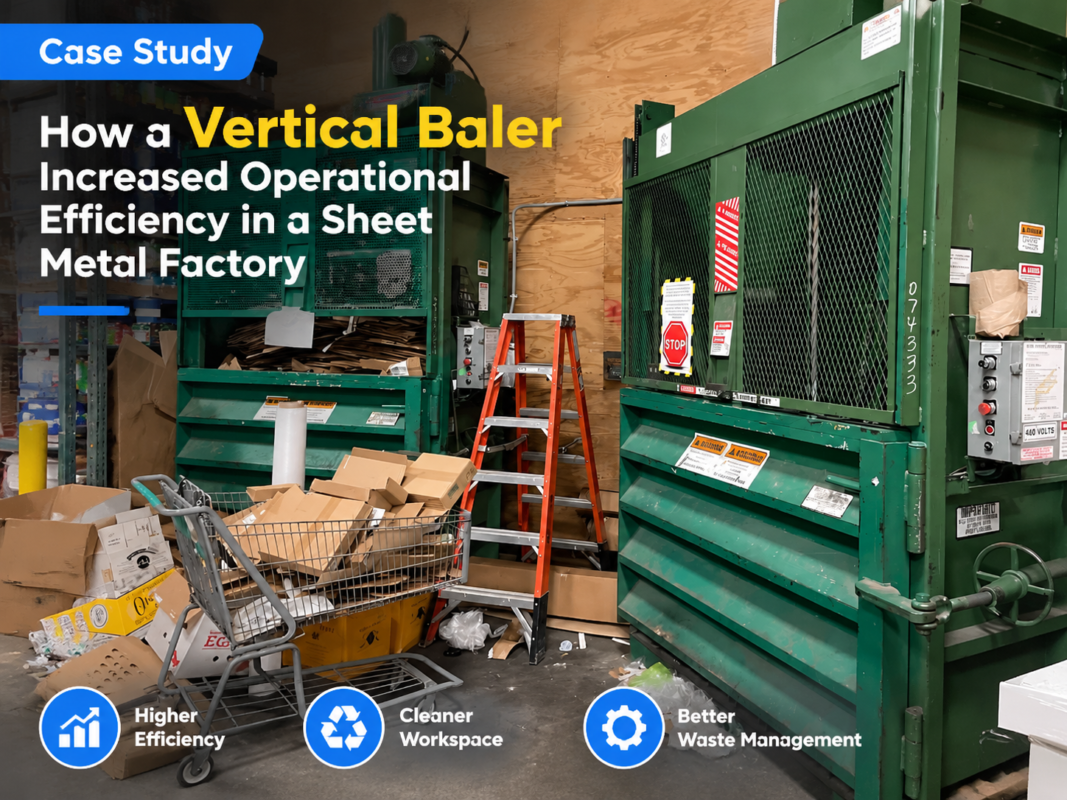
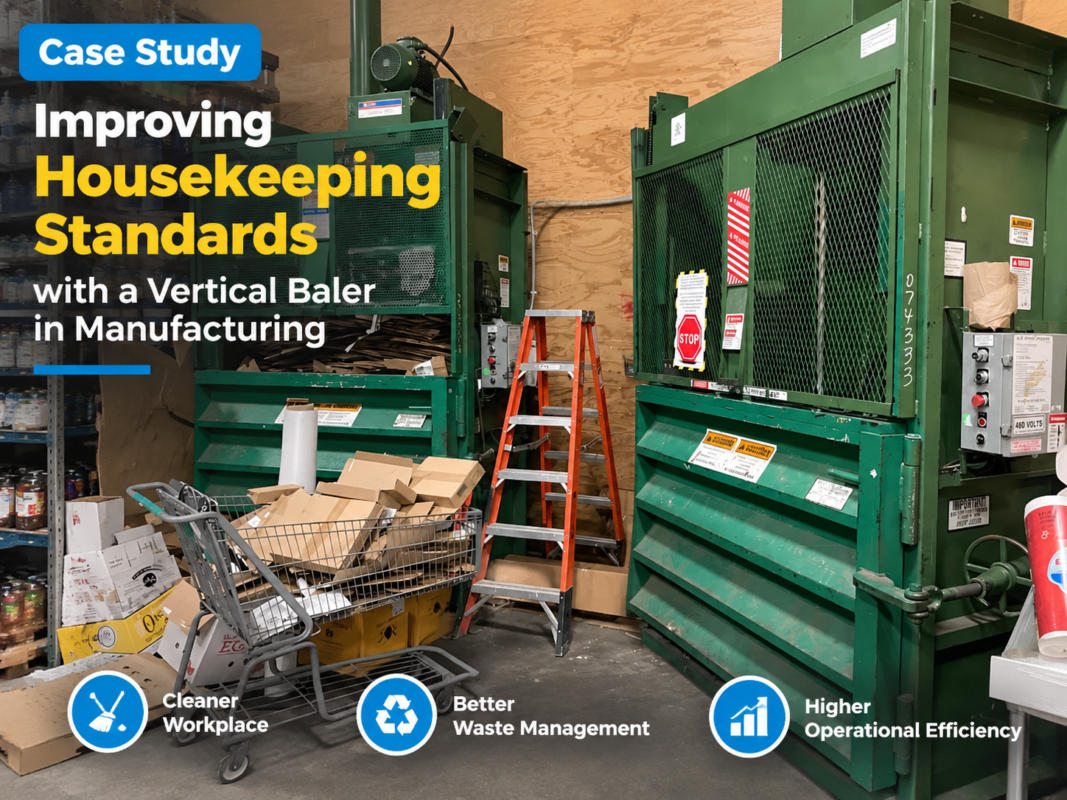
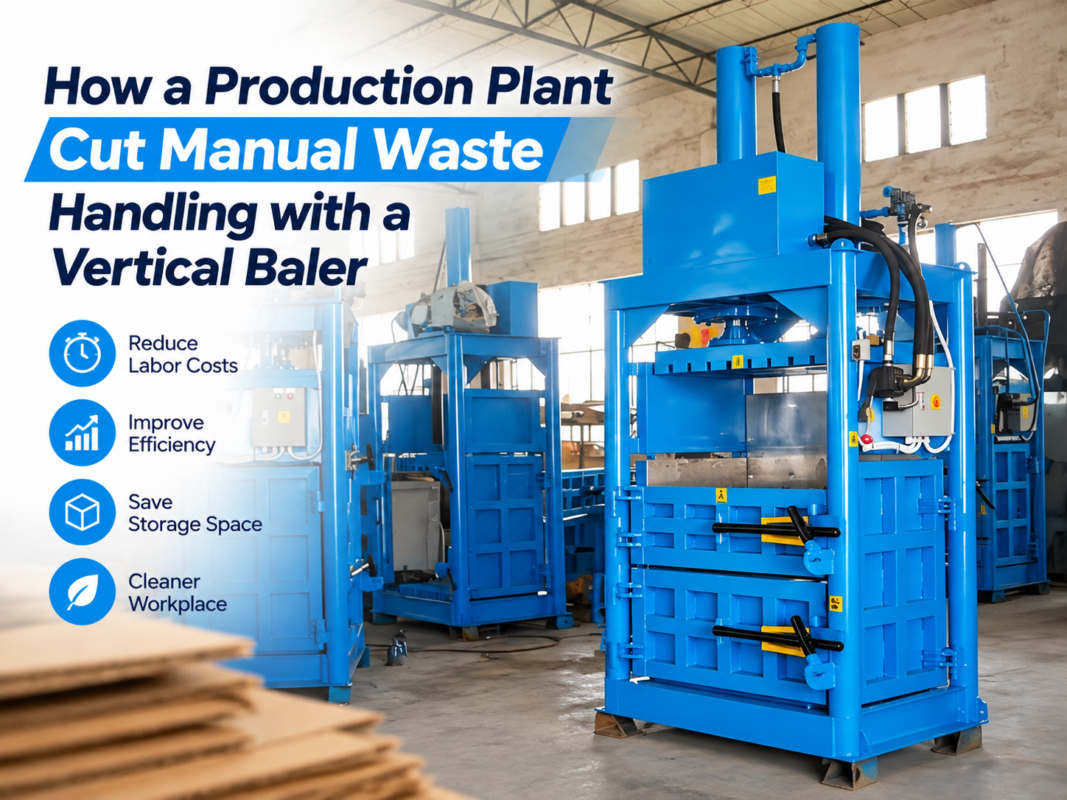
Vertical balers are engineered to compress bulky waste into dense, manageable blocks known as bales. Unlike their horizontal counterparts, which require significant floor space, vertical balers utilize height and a compact footprint, making them ideal for facilities where square footage is at a premium. By integrating these machines directly into the production line or at strategic waste collection points, manufacturers can drastically reduce the labor hours spent on waste handling and the physical space occupied by loose scrap.
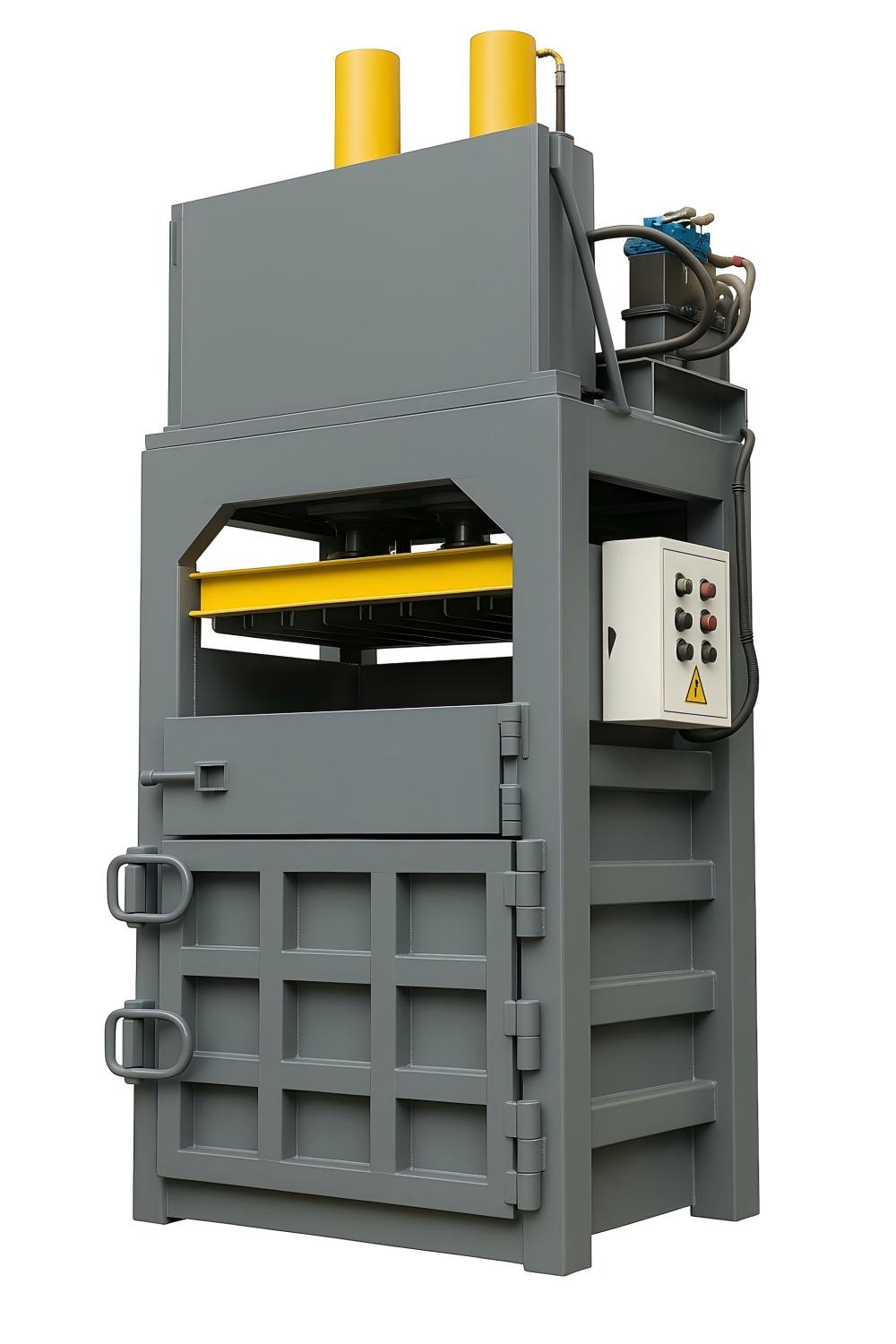
Technical Overview: The Mechanics of Vertical Compaction
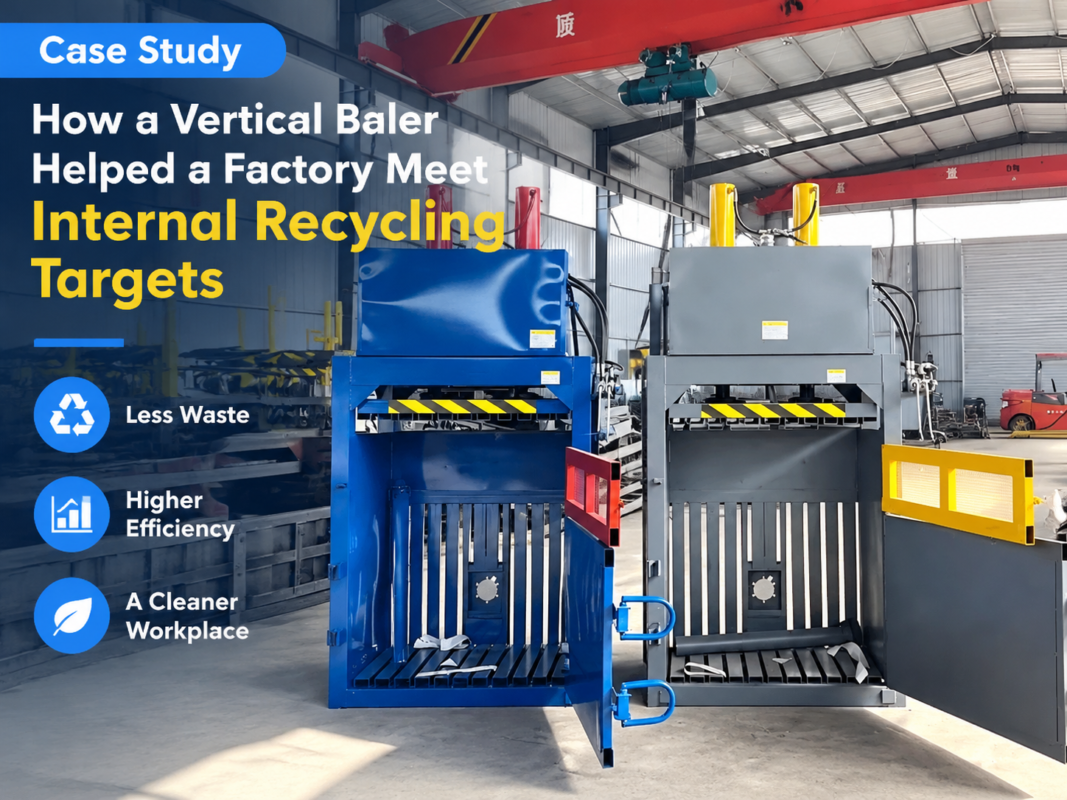
The core functionality of a vertical baler revolves around a heavy-duty hydraulic ram that moves vertically within a reinforced steel chamber. When the chamber is loaded with scrap material, the operator initiates the cycle, causing the ram to descend with immense force. This pressure collapses the internal air pockets of the material, forcing it into a high-density state. Once the desired bale height is reached, the material is secured with wire or plastic strapping while still under pressure, ensuring it retains its shape after the ram retracts.
Modern vertical balers, such as those manufactured by HARSLE, incorporate advanced PLC (Programmable Logic Controller) systems. These systems monitor the pressure levels and cycle times, ensuring that the machine operates within its optimal safety and efficiency parameters. The use of high-pressure hydraulic pumps allows for faster cycle times, which is a key metric in determining how vertical balers improve scrap handling efficiency in manufacturing plants. A faster cycle means more material processed per shift, directly impacting the plant’s overall throughput.
Furthermore, the structural integrity of the baler is paramount. Industrial-grade vertical balers feature heavy-duty door latches and reinforced side walls to withstand the outward expansion force of compressed materials like PET plastics or high-rebound textiles. The inclusion of safety interlocks ensures that the machine cannot operate while the loading door is open, protecting operators from the high-pressure environment inside the chamber.
Core Parameters of Vertical Balers
To understand the efficiency gains, one must look at the technical specifications that define a baler’s performance. These parameters dictate the type of material the machine can handle and the speed at which it can operate.
- Pressing Force: Measured in tons, this is the total pressure the hydraulic ram can exert. For standard cardboard, 20-30 tons may suffice, but for heavy-duty industrial scrap or light metals, forces exceeding 50 tons are often required.
- Cycle Time: This is the duration it takes for the ram to descend and return to its starting position. Efficient machines typically feature cycle times between 30 and 50 seconds.
- Motor Power: Usually measured in kilowatts (kW) or horsepower (HP), the motor drives the hydraulic pump. Higher power allows for higher pressure and faster movement.
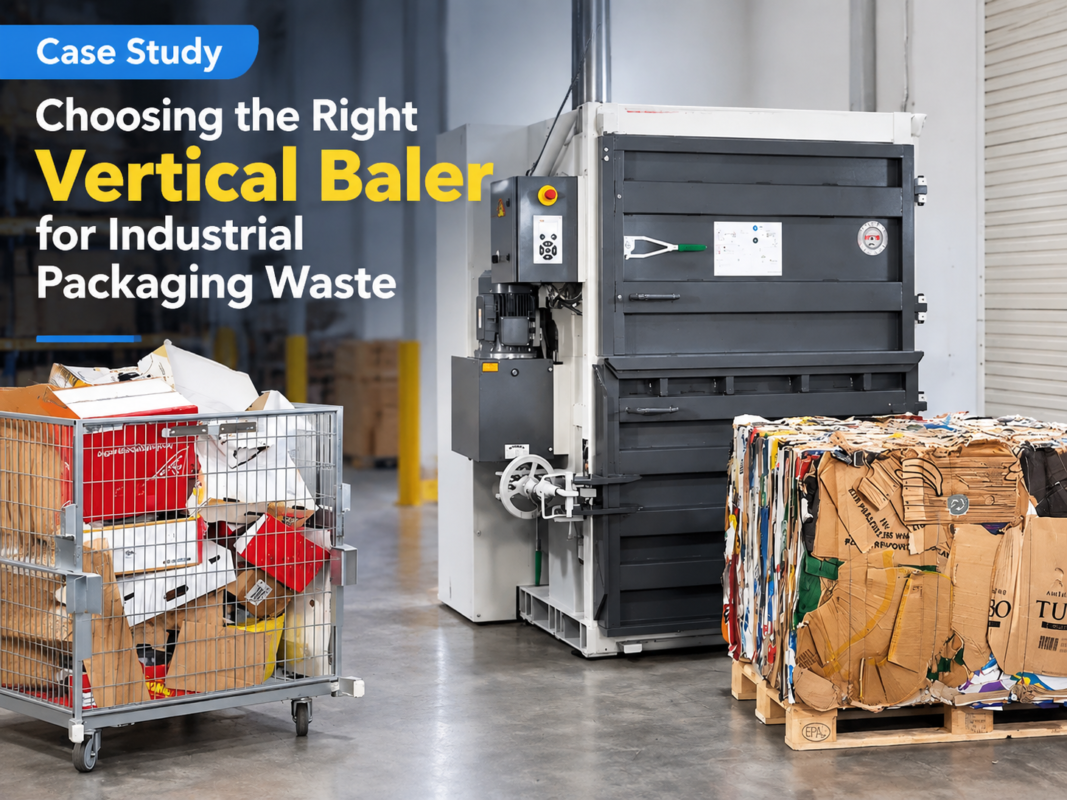
- Bale Size and Weight: The dimensions of the finished bale are crucial for logistics. Standard ‘mill-size’ bales are preferred by recyclers as they maximize the weight capacity of shipping containers and trucks.
- Chamber Dimensions: The size of the opening determines how much material can be loaded at once, affecting the ‘pre-processing’ time (e.g., whether boxes need to be broken down manually before loading).
Calculation Method for Efficiency and ROI
Quantifying how vertical balers improve scrap handling efficiency in manufacturing plants involves calculating both the physical throughput and the financial Return on Investment (ROI). Engineers often use the following formulas to assess performance:
1. Bale Density Calculation
Bale density is a critical metric for shipping efficiency. It is calculated as:
Density (ρ) = Mass of Bale (m) / Volume of Bale (V)
Higher density means more weight can be packed into a single transport vehicle, reducing the number of trips required and lowering the carbon footprint of the facility.
2. Throughput Capacity
To calculate the hourly capacity of a baler, use the following formula:
Throughput (kg/hr) = (Bale Weight (kg) × 3600) / (Cycle Time (s) + Loading Time (s))
By reducing the loading time through ergonomic design and decreasing the cycle time through high-efficiency hydraulics, the total throughput increases significantly.
3. ROI Calculation
The ROI is determined by comparing the costs of loose waste disposal (hauling fees, labor, floor space loss) against the revenue generated from selling baled scrap and the savings in labor. Many plants find that a high-quality vertical baler pays for itself within 12 to 18 months through reduced waste management costs alone.
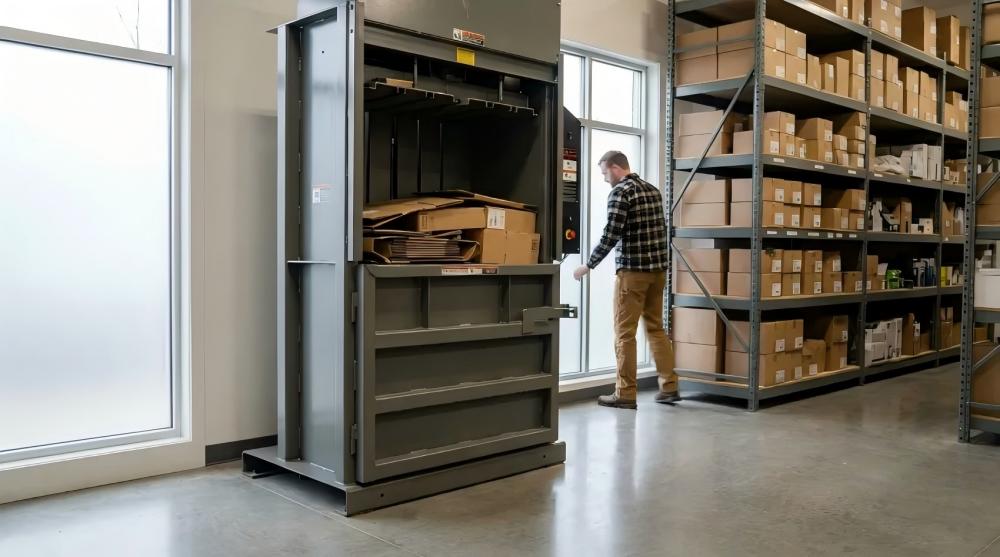
Parameter Table: Typical HARSLE Vertical Baler Specifications
The following table outlines the technical specifications for common industrial vertical balers used in manufacturing environments.
| Model Series | Pressing Force (Tons) | Bale Size (L*W*H mm) | Motor Power (kW) | Cycle Time (s) | Bale Weight (kg) |
|---|---|---|---|---|---|
| HVB-20 | 20 | 800 x 600 x 600 | 5.5 | 40 | 150 – 250 |
| HVB-50 | 50 | 1100 x 750 x 1000 | 11 | 45 | 350 – 500 |
| HVB-100 | 100 | 1200 x 800 x 1100 | 18.5 | 50 | 600 – 800 |
| HVB-150 | 150 | 1500 x 1000 x 1200 | 22 | 55 | 900 – 1200 |
Common Engineering Mistakes in Baler Implementation
Despite the clear benefits, several common mistakes can hinder how vertical balers improve scrap handling efficiency in manufacturing plants. Avoiding these pitfalls is essential for long-term operational success.
1. Underestimating Material Rebound
Different materials have different ‘memory’ or rebound characteristics. For example, plastic film expands significantly once the ram retracts. If the baler is not equipped with aggressive retaining claws (dogs) inside the chamber, the material will spring back, making it difficult to tie the bale and reducing the overall density. Engineers must ensure the baler is rated for the specific material being processed.
2. Neglecting Hydraulic Oil Maintenance
The hydraulic system is the heart of the baler. Over time, hydraulic oil can become contaminated with dust or moisture, leading to pump wear and sluggish cycle times. Failing to implement a regular oil filtration and change schedule will eventually lead to a drop in pressing force, directly impacting the efficiency of the scrap handling process.
3. Incorrect Wire Tying Techniques
Manual tying is a common feature of vertical balers. If operators are not properly trained, they may use insufficient wire tension or incorrect knotting techniques. This leads to ‘bale bursts’ during transport or storage, creating safety hazards and requiring the material to be re-processed, which is a significant waste of labor.
4. Overloading the Chamber
While it is tempting to cram as much material as possible into the chamber to speed up the process, overloading can cause the ram to misalign or the safety sensors to trigger a fault. Consistent, even loading is the key to maintaining a steady throughput and protecting the machine’s structural integrity.
Selection Checklist for Manufacturing Plants
When selecting a vertical baler to improve scrap handling efficiency, procurement and engineering teams should use the following checklist to ensure the machine meets their specific needs:
- Material Compatibility: Does the baler have the necessary force and chamber design for the specific scrap (e.g., metal vs. cardboard)?
- Volume Requirements: How many tons of waste does the plant generate per shift? Ensure the cycle time and bale weight align with these volumes.
- Space Constraints: Measure the ceiling height and floor area. Remember to account for the space needed to open the door and remove the finished bale.
- Power Supply: Does the facility have the necessary electrical infrastructure (3-phase power) to support the baler’s motor?
- Safety Features: Does the machine meet local safety standards (e.g., CE, ANSI)? Look for emergency stops, safety interlocks, and shielded moving parts.
- Ease of Use: Is the control panel intuitive? Does it offer automated bale ejection to reduce physical strain on operators?
- Maintenance Support: Does the manufacturer provide readily available spare parts and technical support?
Frequently Asked Questions (FAQ)
How does a vertical baler save money in a manufacturing plant?
Vertical balers save money by reducing the frequency of waste pickups (as compacted waste takes up less space), generating revenue from the sale of high-density bales to recyclers, and reducing the labor hours required to manage loose trash.
Can a vertical baler handle metal scrap?
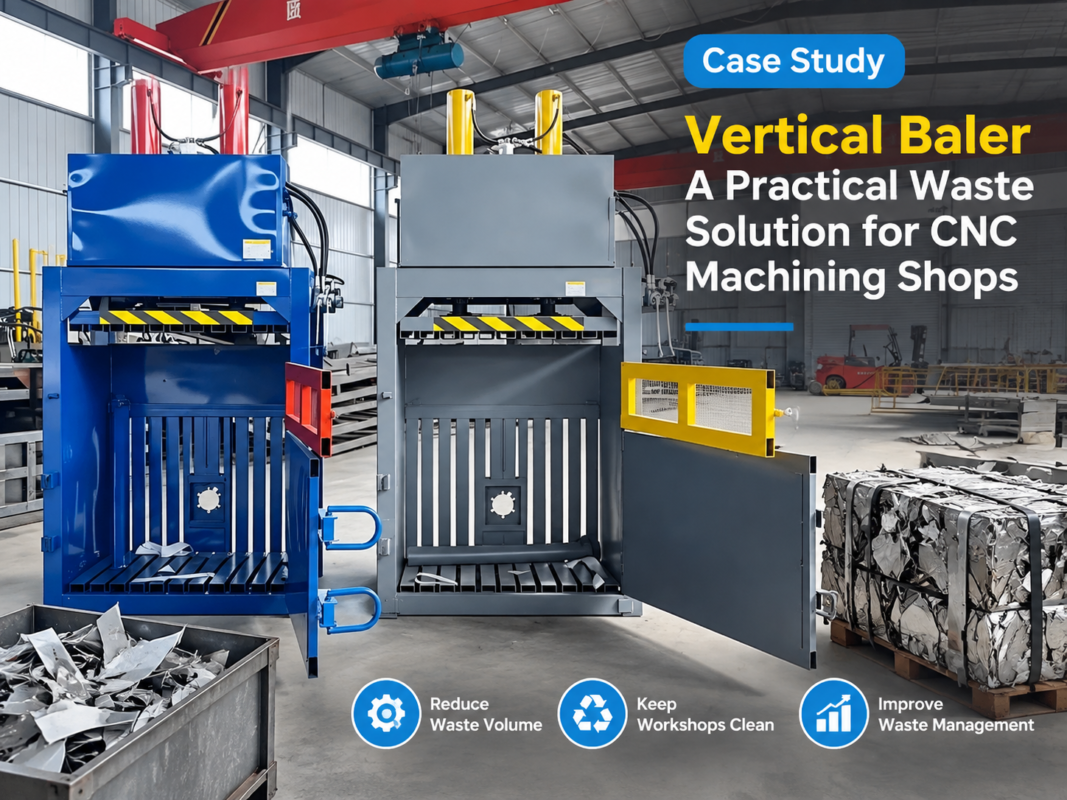
Yes, specifically designed heavy-duty vertical balers can handle light metal scrap such as aluminum cans, thin-gauge trimmings, and copper wiring. However, for heavy steel scrap, a specialized metal baler or shear may be required.
What is the average lifespan of an industrial vertical baler?
With proper maintenance, a high-quality vertical baler from a reputable manufacturer like HARSLE can last 10 to 15 years or more in an industrial environment. Regular hydraulic service and structural inspections are key to longevity.
Is operator training required for vertical balers?
Absolutely. While the machines are designed for ease of use, operators must be trained on safe loading practices, correct tying procedures, and emergency shutdown protocols to ensure both safety and efficiency.
How do I know what size bale I need?
The ideal bale size is usually determined by your recycling partner. Most industrial recyclers prefer ‘mill-size’ bales (approx. 1200mm wide) because they fit perfectly into standard shipping containers, allowing for maximum weight and best pricing.
Conclusion: The Strategic Value of Vertical Balers
In conclusion, the question of how vertical balers improve scrap handling efficiency in manufacturing plants is answered through a combination of space optimization, labor reduction, and logistical superiority. By converting loose, unmanageable waste into dense, marketable commodities, manufacturers can turn a cost center into a potential revenue stream. The technical precision of HARSLE vertical balers ensures that this process is not only efficient but also safe and reliable for long-term industrial use. As global manufacturing continues to move toward more sustainable and lean practices, the vertical baler remains an indispensable tool in the modern factory’s arsenal.