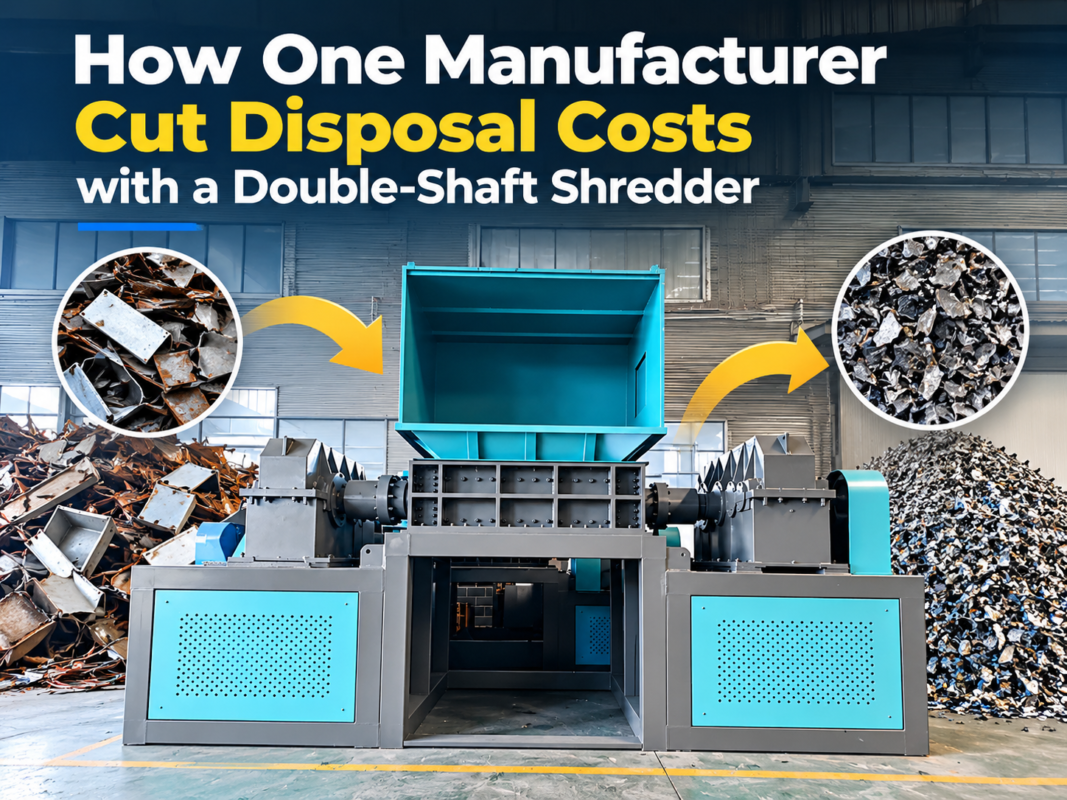
Hydraulic Briquetting Machine Filter Clogging: Troubleshooting and Maintenance Tips

Introduction to Hydraulic Briquetting Filtration
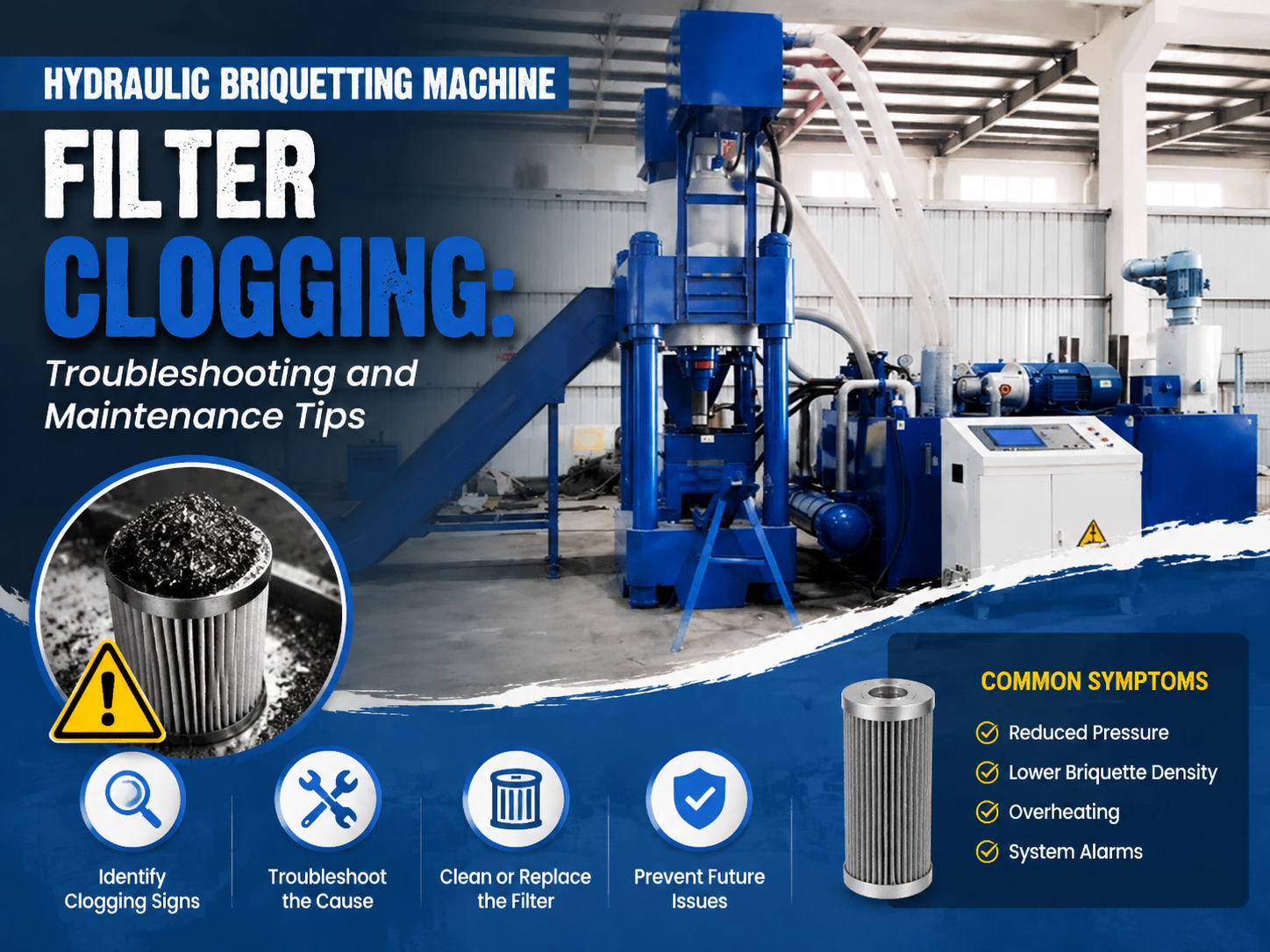
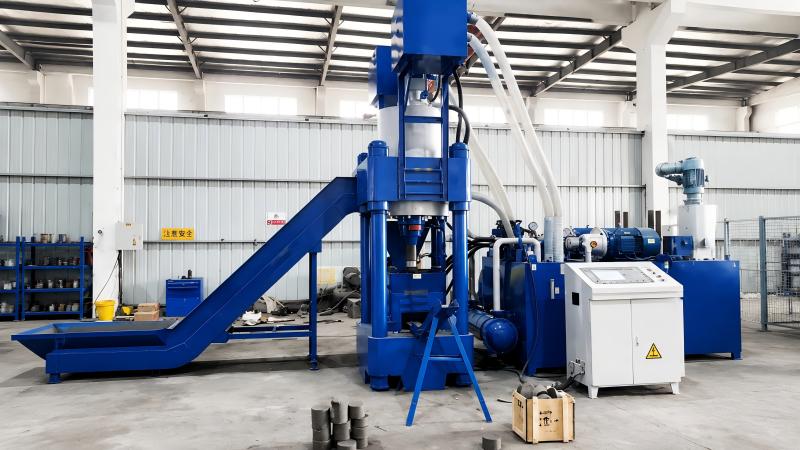
In the world of metal fabrication and waste management, the hydraulic briquetting machine stands as a cornerstone of efficiency. These machines are designed to compress metal chips, shavings, and turnings into dense, manageable briquettes, facilitating easier transport and higher smelting yields. However, the heart of these machines—the hydraulic system—is incredibly sensitive to contamination. The filtration system is the primary line of defense against particulates that can cause catastrophic failure. When a Hydraulic Briquetting Machine Filter Clogging: Troubleshooting Maintenance Tips strategy is not in place, the machine’s performance degrades rapidly, leading to costly downtime and expensive repairs.
Hydraulic filtration is not merely about keeping the oil looking clean; it is about maintaining the precise tolerances required by high-pressure pumps and valves. In a briquetting environment, the air is often thick with metallic dust and coolant mist, both of which can find their way into the hydraulic reservoir. Furthermore, the internal wear of the machine itself generates microscopic metal particles. Without effective filtration, these contaminants act as an abrasive slurry, grinding away at the very components meant to provide the force for briquetting. Understanding the nuances of filter clogging is essential for any operator or maintenance manager working with HARSLE equipment.
This guide provides an in-depth look at why filters clog, how to identify the symptoms of a failing filtration system, and the technical steps required to maintain peak operational efficiency. By following these professional maintenance tips, you can extend the lifespan of your hydraulic briquetting machine and ensure a consistent return on investment. We will explore the technical specifications of filters, the chemistry of hydraulic fluids, and the practical troubleshooting steps that keep industrial floors running smoothly.
Key Considerations for Filter Health
Sources of Contamination
Contamination in a hydraulic briquetting machine comes from three primary sources: built-in, external, and generated. Built-in contamination includes debris left over from the manufacturing process, such as welding slag or casting sand, though this is rarely an issue with high-quality HARSLE machines. External contamination is a much larger threat; it enters the system through breathers, cylinder rod seals, and during oil top-offs. In a metalworking shop, fine aluminum or steel dust is ubiquitous, and if the reservoir is not perfectly sealed, these particles will inevitably enter the oil.
Generated contamination occurs as the machine operates. As hydraulic components like pumps and motors wear down, they shed microscopic particles of metal and seal material. These particles then circulate through the system, creating a chain reaction of wear known as regenerative wear. If the filter is already partially clogged, it cannot effectively capture these new particles, accelerating the degradation of the entire system. Understanding these sources is the first step in developing a robust Hydraulic Briquetting Machine Filter Clogging: Troubleshooting Maintenance Tips protocol.
The Impact of Clogged Filters on Performance
A clogged filter does more than just stop cleaning the oil; it creates a physical restriction in the hydraulic circuit. This restriction leads to a phenomenon known as a pressure drop. When the pressure drop across a filter element becomes too high, most modern hydraulic systems engage a bypass valve. This valve allows oil to flow around the filter to prevent the element from collapsing. While this protects the filter housing, it means that unfiltered, dirty oil is now circulating through the sensitive valves and pumps of your briquetting machine.
Furthermore, the restriction caused by a clogged filter forces the hydraulic pump to work harder to push oil through the system. This extra work is converted into heat. Excessive heat is the enemy of hydraulic systems; it thins the oil, reducing its lubricating properties, and causes seals to become brittle and leak. If you notice your HARSLE briquetting machine is running hotter than usual or the cycle times are slowing down, a clogged filter is often the primary suspect. Monitoring these performance indicators is a critical part of industrial troubleshooting.
Technical Details of Hydraulic Filtration Systems
Filter Types and Their Functions
Hydraulic briquetting machines typically utilize three types of filters: suction filters, pressure filters, and return line filters. Suction filters (or strainers) are located before the pump and are designed to catch large debris to protect the pump’s internal gears or pistons. Because they are on the intake side, they must have a high flow capacity to prevent pump cavitation. Pressure filters are located downstream of the pump and are built to withstand the full operating pressure of the system. These are usually the finest filters in the system, often rated at 3 to 10 microns, to protect sensitive control valves.
Return line filters are situated where the oil returns to the reservoir. Their job is to catch any contaminants picked up from the cylinders and motors before the oil is reused. In many HARSLE designs, the return line filter is the most frequently serviced component. Each of these filters plays a specific role, and a clog in any one of them will produce different symptoms. For instance, a clogged suction filter will cause the pump to whine (cavitation), while a clogged pressure filter might cause erratic valve behavior or a loss of pressing force.
Understanding Micron Ratings and Beta Ratios
When selecting or troubleshooting filters, technical specifications like micron ratings and Beta ratios are paramount. A micron rating indicates the size of the particles the filter can trap. However, a simple micron rating can be misleading. This is where the Beta ratio comes in. The Beta ratio (β) is a measure of a filter’s efficiency at a specific micron size. For example, a filter with a rating of β10=200 means that for every 200 particles of 10 microns that enter the filter, only one passes through. This represents 99.5% efficiency.
In high-pressure briquetting applications, using a filter with a low Beta ratio is insufficient. Even if the micron size is correct, a low-efficiency filter allows too many contaminants to remain in the system. When troubleshooting Hydraulic Briquetting Machine Filter Clogging: Troubleshooting Maintenance Tips, always verify that the replacement elements meet the manufacturer’s Beta ratio requirements. Using sub-standard filters is a common cause of recurring clogging issues and premature component failure in industrial machinery.
Troubleshooting Hydraulic Briquetting Machine Filter Clogging
Identifying Symptoms of a Clogged Filter
The first step in troubleshooting is recognizing the warning signs. A primary indicator is the visual or electrical clogging indicator found on most HARSLE filter housings. These indicators measure the differential pressure across the filter element. If the needle is in the red zone, or the electrical switch has triggered an alarm on the PLC, the filter requires immediate attention. However, indicators can sometimes fail, so operators must also be attuned to physical symptoms.
Common physical symptoms include increased pump noise, which often sounds like marbles rattling inside the pump (cavitation). This occurs when a clogged suction filter prevents the pump from getting enough oil. Another symptom is sluggish operation; if the briquetting ram moves slower than usual, the flow is likely restricted. Additionally, check the oil temperature. If the heat exchanger is working but the oil remains hot, the friction caused by a clogged filter or the resulting bypass flow is likely the cause. A systematic approach to these symptoms ensures that the root cause is addressed rather than just the effect.
Step-by-Step Troubleshooting Guide
When a clog is suspected, follow this technical sequence to resolve the issue safely and effectively:
- Safety First: Shut down the machine and engage the lockout-tagout (LOTO) procedure. Relieve all residual hydraulic pressure by cycling the valves or using the manual bleed-off.
- Inspect the Indicators: Check the mechanical pop-up indicators on the pressure and return filters. If they have tripped, the element is saturated.
- Analyze the Oil: Take a small sample of the oil from the reservoir. If it appears cloudy or dark, or if you can see visible particles, the filtration system has been bypassed or the filters are completely spent.
- Remove and Inspect the Element: Carefully remove the filter element. Cut open the pleats of a disposable element to see what it has captured. Finding large metal flakes indicates internal component failure, while a slimy, sludge-like coating suggests oil oxidation or water contamination.
- Check the Bypass Valve: Ensure the bypass valve in the filter housing is not stuck open. If it is, dirty oil will continue to circulate even after a new filter is installed.
- Replace and Prime: Install a high-quality replacement element. Before restarting, ensure the housing is filled with clean oil to prevent air pockets from entering the system.
| Symptom | Potential Cause | Recommended Action |
|---|---|---|
| High Pump Noise | Suction filter/strainer clog | Clean or replace suction strainer; check oil level. |
| Slow Ram Movement | Pressure filter restriction | Replace pressure filter element; check for valve debris. |
| Overheating Oil | Bypass valve active / High friction | Replace all filters; inspect oil cooler for blockages. |
| Erratic Pressure | Air in system / Clogged return filter | Bleed air from system; replace return line filter. |
Maintenance Tips for Longevity
Establishing a Preventive Maintenance Schedule
The most effective way to handle Hydraulic Briquetting Machine Filter Clogging: Troubleshooting Maintenance Tips is to prevent the clog from happening in the first place. A preventive maintenance (PM) schedule should be based on the machine’s operating hours and the environment’s severity. In a clean facility, filters might last 1,000 hours, but in a dusty foundry, they may need replacement every 250 hours. HARSLE recommends a baseline inspection every 500 hours of operation.
A robust PM schedule includes more than just changing filters. It should involve cleaning the area around the filter housings to prevent dirt from falling in during a change, checking the integrity of the reservoir breathers, and inspecting cylinder seals for leaks. Breathers are often overlooked; if a breather is clogged, the pump can create a vacuum in the reservoir, leading to cavitation and simulated filter clog symptoms. Replacing breathers with high-quality desiccant models can significantly reduce the moisture and particulate load on the internal filters.
Proper Oil Management and Analysis
Filters are only as good as the oil they are cleaning. Over time, hydraulic oil undergoes thermal and oxidative stress, leading to the formation of varnish and sludge. This sludge is a major contributor to filter clogging. Implementing a regular oil analysis program is a professional-grade maintenance tip. By sending oil samples to a lab, you can track the “ISO 4406” cleanliness code of your fluid. This code provides three numbers representing the count of particles at 4, 6, and 14 microns.
If the oil analysis shows a high particle count despite regular filter changes, it may be time for a full system flush or the use of an external “kidney loop” filtration system. A kidney loop works independently of the main hydraulic circuit, constantly polishing the oil in the reservoir. This is particularly useful for briquetting machines that run 24/7. Additionally, always ensure that any new oil added to the machine is pre-filtered. Surprisingly, new oil from a drum is often dirtier than the oil already in a well-maintained HARSLE machine.
Selection Advice for Replacement Filters
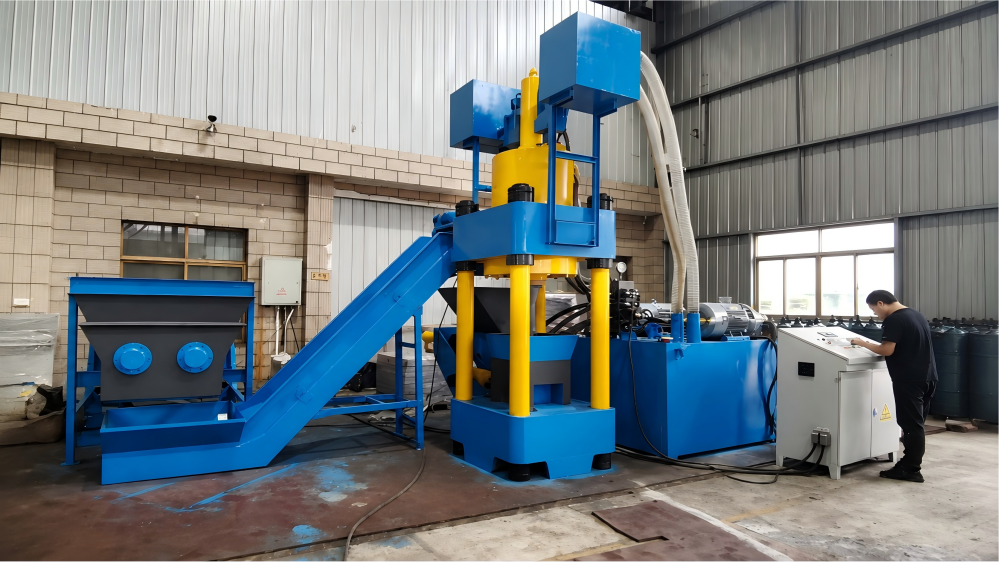
Choosing the right replacement filter is critical for the health of your hydraulic briquetting machine. It is often tempting to purchase generic, low-cost filters, but this is a false economy. Generic filters may have the same physical dimensions but lack the structural integrity to withstand pressure surges. A filter that collapses under pressure will release a “slug” of concentrated contaminants directly into the downstream components, causing massive damage.
When selecting filters for HARSLE machinery, consider the following criteria: 1) Micron Rating: Stick to the manufacturer’s specification, usually 10 microns for return lines and 3-5 microns for pressure lines. 2) Material: Synthetic micro-glass media is superior to cellulose (paper) as it has a higher dirt-holding capacity and better resistance to chemicals. 3) Collapse Pressure: Ensure the element is rated for the maximum possible pressure drop it might encounter. 4) Compatibility: Verify that the filter media and seals (Buna-N or Viton) are compatible with the type of hydraulic fluid you are using, especially if using fire-resistant fluids.
FAQ
How often should I change the filters on my hydraulic briquetting machine?
Generally, filters should be changed every 500 to 1,000 operating hours. However, you should always change them immediately if the clogging indicator enters the red zone or if the machine has undergone a major component failure, as this releases a high volume of debris into the system.
Can I clean and reuse a hydraulic filter element?
Most modern high-efficiency elements are made of synthetic micro-glass and are disposable. They cannot be cleaned effectively. Only stainless steel mesh suction strainers are designed to be cleaned (usually with an ultrasonic cleaner or solvent) and reused. Attempting to clean a disposable element will damage the media and lead to system contamination.
What happens if I ignore a clogged filter warning?
Ignoring the warning will cause the system to go into bypass mode. This means unfiltered oil will circulate through the machine, leading to rapid wear of the pump, sticking valves, and eventual total system failure. The cost of a filter is negligible compared to the cost of a new hydraulic pump or the lost production time.
Why does my filter clog more quickly in the winter?
In cold weather, hydraulic oil becomes more viscous (thicker). Thicker oil has a harder time passing through the fine mesh of the filter, creating a higher pressure drop. This can trigger the clogging indicator even if the filter isn’t dirty. It is important to allow the machine to reach operating temperature before putting it under full load.
Conclusion
Maintaining a hydraulic briquetting machine requires a proactive approach to filtration. As we have explored in this Hydraulic Briquetting Machine Filter Clogging: Troubleshooting Maintenance Tips guide, the filtration system is the most critical factor in determining the machine’s longevity and reliability. By understanding the sources of contamination, recognizing the technical symptoms of a clog, and adhering to a strict preventive maintenance schedule, operators can avoid the pitfalls of unexpected downtime.
HARSLE machines are engineered for durability, but they rely on the user to provide clean, high-quality hydraulic fluid. Investing in premium filter elements, performing regular oil analysis, and training staff to recognize the early signs of filtration issues will pay dividends in the form of consistent performance and reduced repair costs. Remember, in the world of high-pressure hydraulics, cleanliness is not just a preference—it is a requirement for survival. Keep your filters clean, your oil pure, and your briquetting operations will remain profitable for years to come.