How to Fix Hydraulic Briquetting Machine Mold Misalignment Issues: A Comprehensive Industrial Guide

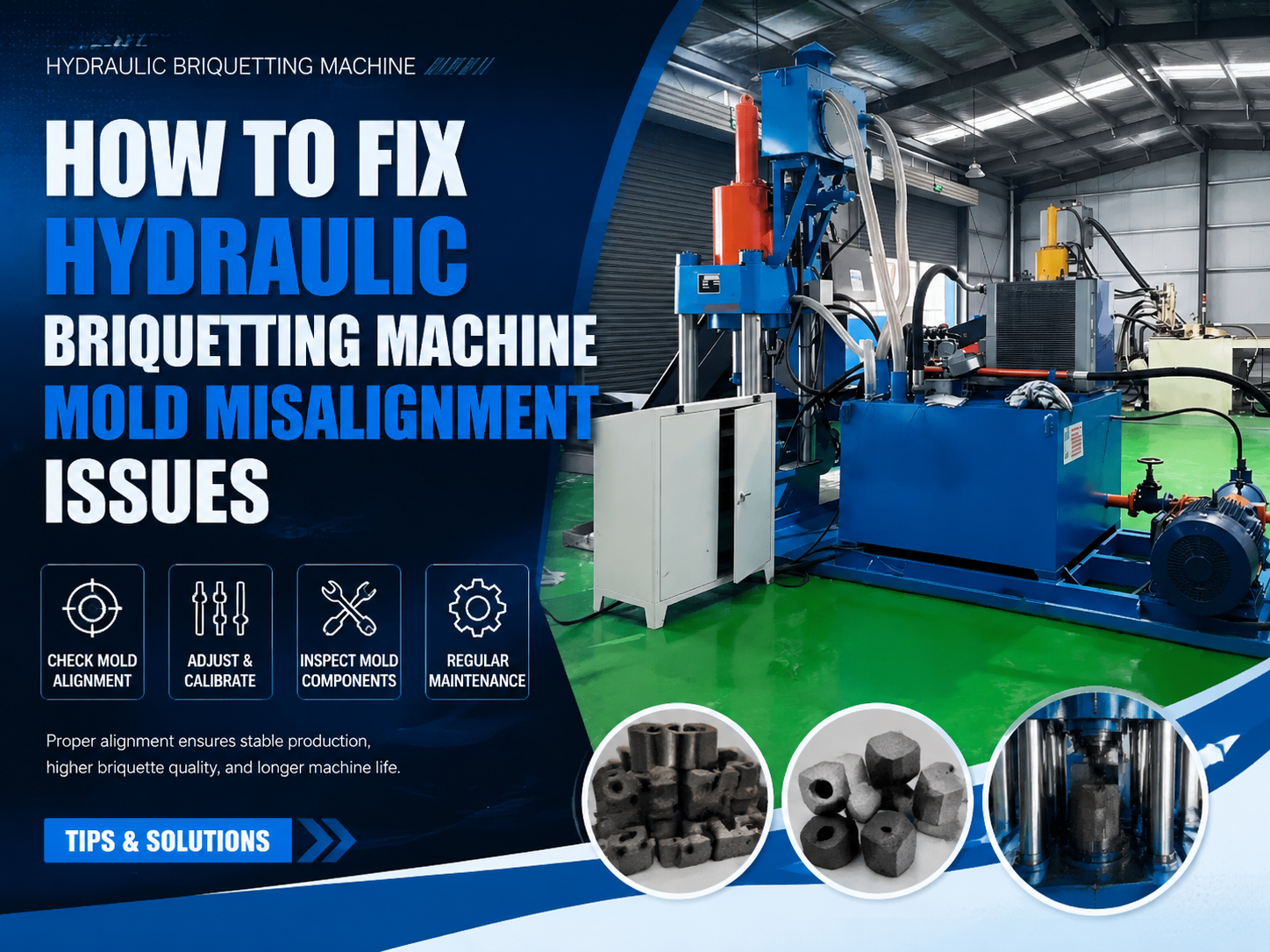
Introduction to Hydraulic Briquetting Machine Mold Alignment
In the world of metal recycling and industrial waste management, the hydraulic briquetting machine stands as a cornerstone of efficiency. These machines are designed to compress metal chips, shavings, and turnings into dense, manageable briquettes, significantly reducing volume and increasing the value of scrap material. However, the precision of this process relies heavily on the perfect alignment of the mold and the pressing ram. When misalignment occurs, it doesn’t just affect the quality of the briquette; it can lead to catastrophic machine failure, increased wear on hydraulic seals, and significant downtime.
Understanding how to Fix Hydraulic Briquetting Machine Mold Misalignment Issues is an essential skill for maintenance engineers and machine operators alike. Misalignment often manifests as uneven briquette density, unusual noises during the compression cycle, or visible wear on one side of the mold cavity. If left unaddressed, the lateral forces generated by a misaligned ram can bend guide pillars or crack the main cylinder housing. This guide is designed to provide a deep dive into the technical causes of misalignment and the step-by-step procedures required to restore your machine to peak operational health.
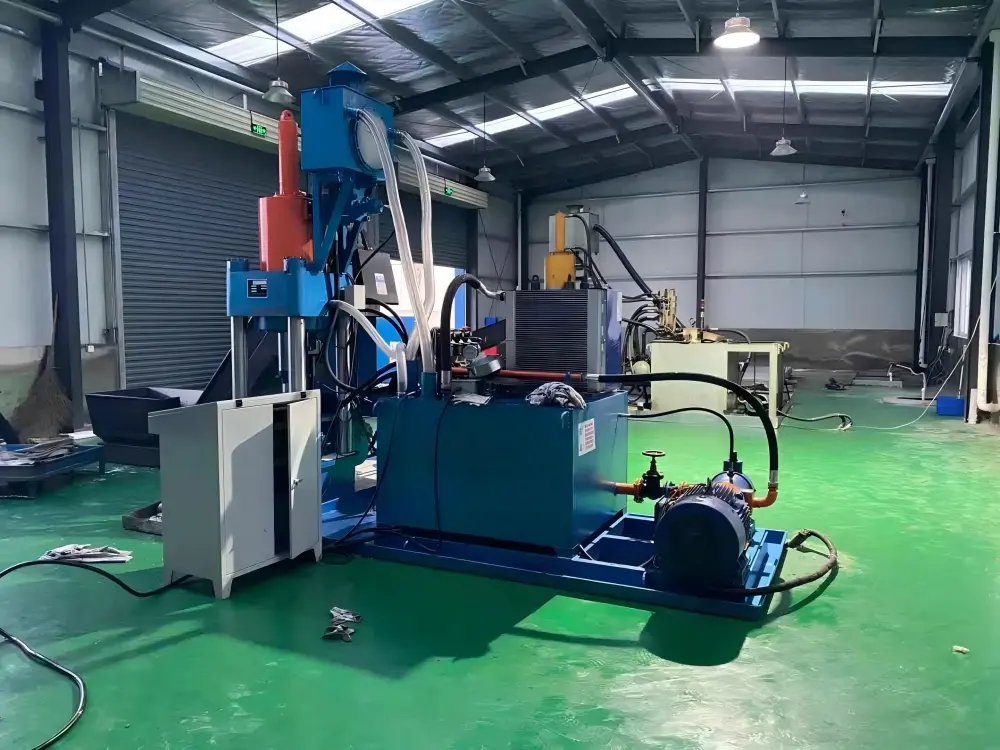
At HARSLE, we recognize that industrial environments are demanding. Dust, vibration, and thermal fluctuations all conspire to shift components out of their factory-set positions. By following a rigorous inspection and adjustment protocol, you can ensure that your hydraulic briquetting machine continues to deliver high-density briquettes with minimal energy consumption. This article will explore the key considerations, technical details, and selection advice necessary to master mold alignment and maintain your metal fabrication equipment.
Key Considerations Before Fixing Mold Misalignment
Before diving into the mechanical adjustments, it is crucial to understand the underlying factors that contribute to mold misalignment. One of the primary considerations is the structural integrity of the machine frame. Over years of high-pressure operation, even the most robust steel frames can experience microscopic shifts or fatigue. If the base of the machine is not perfectly level, the gravitational pull on the heavy upper ram can cause a slight tilt, leading to persistent misalignment that cannot be fixed by mold adjustment alone.
Another critical factor is the quality and condition of the guide system. Most hydraulic briquetting machines utilize a four-column or two-column design with bronze or composite bushings. If these bushings become worn or if the lubrication system fails, the ram will develop “play” or lateral movement. This movement allows the punch to enter the die at an angle, causing friction and potential damage. Before attempting to fix the alignment, you must verify that the guide pillars are straight and the bushings are within their specified tolerance levels.
Thermal expansion is an often-overlooked consideration in metal fabrication shops. As the hydraulic oil heats up during a long shift, the machine components expand. If the machine is located near a heat source or in a drafty area, uneven expansion can occur. This can cause the mold to shift by fractions of a millimeter—enough to cause issues in high-precision briquetting applications. Always perform your final alignment checks when the machine is at its standard operating temperature to account for these thermal variables.
Finally, consider the material being processed. If the metal chips are inconsistently fed or contain large solid chunks, the resulting “eccentric load” can force the ram out of alignment during the compression stroke. Ensuring a consistent, clean feed of material is just as important as the mechanical alignment of the machine itself. Without addressing the root cause of eccentric loading, any mechanical fix will only be temporary.
Technical Details: Step-by-Step Guide to Fix Hydraulic Briquetting Machine Mold Misalignment Issues
1. Initial Diagnostic and Cleaning
The first step to Fix Hydraulic Briquetting Machine Mold Misalignment Issues is a thorough cleaning of the entire mold area. Metal dust, oil sludge, and small chips can migrate into the mounting surfaces of the die and the punch, creating an uneven seat. Use a high-pressure air hose and industrial degreaser to clean the upper ram face, the lower bolster plate, and the mold cavity itself. Once clean, perform a visual inspection for “scuffing” or shiny spots on the sides of the mold, which indicate exactly where the misalignment is occurring.
Use a dial indicator to measure the runout of the ram as it moves through its full stroke. Attach the magnetic base of the indicator to the frame and place the tip against the ram. As the ram descends, observe the needle. Any deviation beyond the manufacturer’s specification (typically 0.05mm to 0.1mm) indicates that the guide system or the cylinder mounting needs attention. This data-driven approach ensures you are not guessing where the problem lies.
2. Adjusting the Guide Pillars and Bushings
If the dial indicator reveals lateral movement, the guide system is the likely culprit. Start by checking the tension on the guide pillar nuts. In many cases, vibration from thousands of cycles can loosen these massive fasteners. If the nuts are tight, inspect the bushings for wear. If you can feel a gap between the pillar and the bushing, or if you can see a visible “moon” shape of space on one side, the bushings must be replaced.
When installing new bushings, ensure they are pressed in perfectly straight. Many technicians use a specialized alignment tool that slides over the pillars to ensure the upper and lower components are perfectly concentric. Lubrication is also vital here; ensure the automatic lubrication system is delivering the correct volume of oil or grease to each pillar. A dry pillar will heat up, expand, and seize, causing the ram to tilt and misalign the mold.
3. Parallelism Calibration of the Bolster and Ram
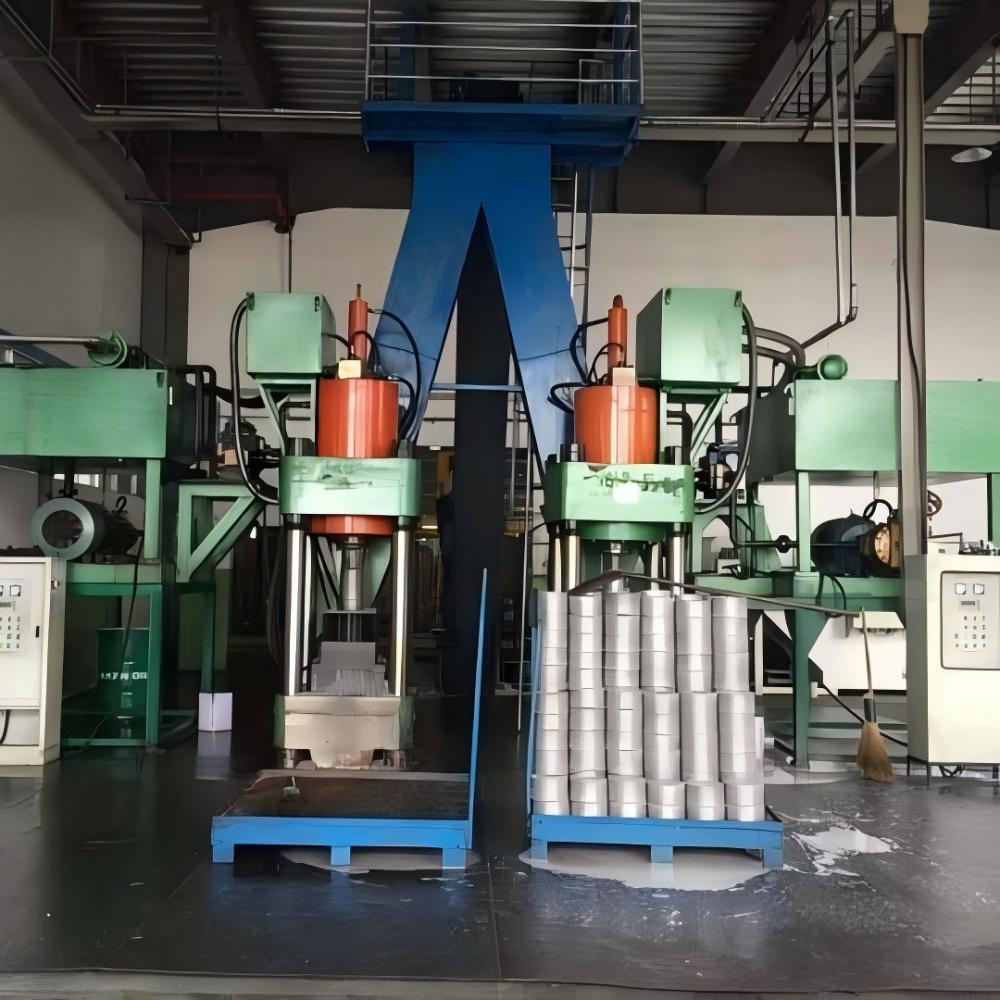
Parallelism is the foundation of mold alignment. The surface of the upper ram (the punch holder) must be perfectly parallel to the lower bolster plate (the die holder). To check this, use four precision-ground blocks of identical height placed at the four corners of the bolster plate. Slowly lower the ram until it makes contact with the blocks. Use feeler gauges to check for gaps between the ram and the blocks.
If a gap exists, you may need to shim the bolster plate or adjust the hydraulic cylinder’s mounting. In some advanced HARSLE machines, the cylinder is mounted with adjustable spherical seats that allow for minor corrections in parallelism. If your machine uses a multi-cylinder setup, misalignment is often caused by a lack of synchronization. Check the proportional valves and the PLC settings to ensure both cylinders are extending at the exact same rate and pressure.
4. Centering the Mold and Die
Once the machine’s structure is square, you can focus on the mold itself. Most briquetting molds consist of a sleeve (die) and a plunger (punch). To center them, loosen the mounting bolts of the lower die just enough so it can move with a heavy mallet. Lower the punch into the die cavity manually (using the “inch” or “setup” mode on the controller). The punch will naturally act as a centering mandrel.
With the punch fully inserted into the die, tighten the die mounting bolts in a star pattern, similar to tightening the lug nuts on a car wheel. This prevents the die from shifting as the bolts reach their final torque. After tightening, retract the punch and check the clearance on all sides using a long feeler gauge. The clearance should be uniform around the entire circumference. For high-pressure briquetting, this clearance is often as tight as 0.02mm per side.
5. Verifying Hydraulic Pressure Balance
Sometimes, the misalignment isn’t mechanical but hydraulic. If the hydraulic fluid is not distributed evenly to the main cylinder, or if there is air trapped in one side of the system, the ram may “cock” or tilt under load. Bleed the hydraulic system to remove any air bubbles. Check the pressure gauges during a test cycle; if the pressure spikes unevenly, inspect the manifold for blockages or failing check valves.
A failing seal inside the main cylinder can also cause internal bypassing, leading to a loss of force on one side of the piston. This causes the ram to hesitate or tilt when it encounters the resistance of the metal chips. If you have ruled out mechanical issues and the mold still misaligns under pressure, a cylinder rebuild may be necessary to restore the balance of force.
Selection Advice: Choosing a Machine to Minimize Alignment Issues
When purchasing a new hydraulic briquetting machine, the best way to handle misalignment is to choose a machine designed to prevent it. At HARSLE, we emphasize structural rigidity and precision engineering in every unit we manufacture. Here are the key features to look for when selecting a machine that will minimize future alignment headaches:
| Feature | Importance for Alignment | HARSLE Advantage |
|---|---|---|
| Four-Column Design | Provides maximum stability and resists lateral forces better than C-frame designs. | High-tensile chrome-plated columns for superior wear resistance. |
| PLC Control System | Allows for precise monitoring of ram position and pressure synchronization. | Integrated Siemens or Schneider PLC with real-time error diagnostics. |
| Automatic Lubrication | Ensures guide bushings are always coated, reducing friction-induced tilt. | Centralized automatic lubrication with low-level alarms. |
| Heavy-Duty Bolster | Prevents the base from flexing under the massive tonnage required for briquetting. | Thick, stress-relieved steel plates for long-term dimensional stability. |
Beyond the machine’s physical specs, consider the ease of maintenance. Are the mold mounting bolts accessible? Does the manufacturer provide clear instructions for centering the die? A machine that is easy to service is much more likely to be kept in perfect alignment by the maintenance staff. HARSLE machines are designed with the operator in mind, featuring open access to critical adjustment points and clear marking for torque specifications.
Finally, look for machines that offer “overload protection.” If a foreign object (like a hardened steel bolt) enters the mold, an overload protection system will stall the machine before the resulting eccentric force can bend the guide pillars or misalign the mold. This safety feature can save tens of thousands of dollars in repair costs over the life of the equipment.
FAQ: Troubleshooting Hydraulic Briquetting Machine Molds
Why does my briquetting machine mold keep shifting after a few hours of use?
This is usually caused by thermal expansion or insufficient bolt torque. As the machine heats up, the metal expands. If the bolts aren’t tightened to the correct foot-pounds, the expansion forces can overcome the friction holding the mold in place. Ensure you are using high-grade (Class 12.9) bolts and a calibrated torque wrench. Additionally, check if the machine’s foundation is vibrating excessively, which can “walk” the mold out of position.
Can I fix a misaligned mold by just shimming one side?
Shimming is a common temporary fix, but it should be used with caution. If the ram itself is tilted, shimming the die to match the tilt will allow you to produce briquettes, but it will continue to put lateral stress on the hydraulic seals and guide bushings. It is always better to find the root cause—whether it’s a worn bushing or an unlevel base—and fix that rather than using shims to mask the problem.
How often should I check the alignment of my hydraulic briquetting machine?
For high-volume operations running multiple shifts, a quick visual inspection should be done daily. A full alignment check using a dial indicator and feeler gauges should be part of your monthly preventative maintenance schedule. If you change the mold to produce a different size of briquette, a full alignment procedure must be performed during the installation of the new tooling.
What are the signs of a misaligned mold before it causes a breakdown?
Early warning signs include uneven “flash” (excess material) around the edges of the briquette, a squealing or groaning sound during the compression stroke, and uneven heating of the guide pillars. If one pillar is significantly hotter to the touch than the others, it is likely taking more load due to misalignment. Monitoring these signs can help you Fix Hydraulic Briquetting Machine Mold Misalignment Issues before they lead to expensive repairs.
Conclusion
Maintaining perfect mold alignment is the single most important factor in extending the life of your hydraulic briquetting machine and ensuring the quality of your recycled metal products. While the process to Fix Hydraulic Briquetting Machine Mold Misalignment Issues requires patience and precision, the payoff is a machine that runs smoother, quieter, and more efficiently. By understanding the relationship between the guide system, the hydraulic balance, and the mold seating, you can transform your maintenance routine from reactive to proactive.
At HARSLE, we are committed to providing not only the highest quality metal fabrication equipment but also the knowledge required to keep that equipment running at its best. Whether you are dealing with a minor shift in briquette density or a major guide pillar issue, following the technical steps outlined in this guide will help you restore your machine’s accuracy. Remember, a well-aligned machine is a profitable machine. Invest the time in precision today, and your hydraulic briquetting machine will provide reliable service for years to come.