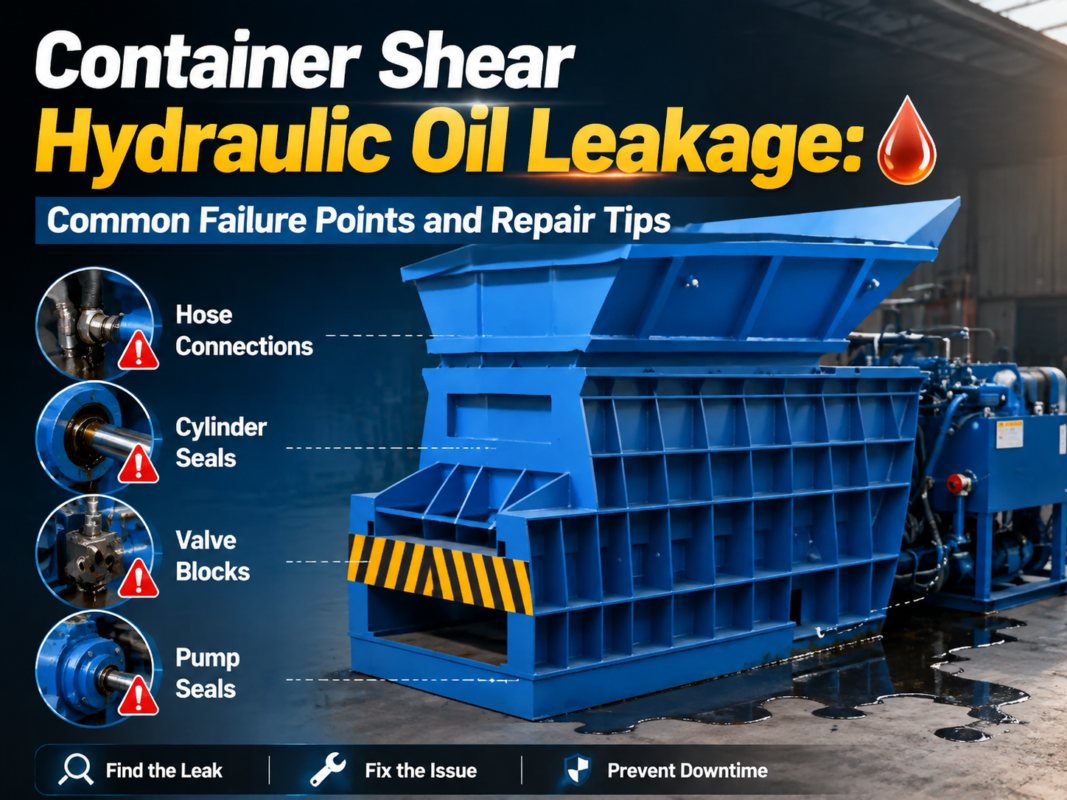
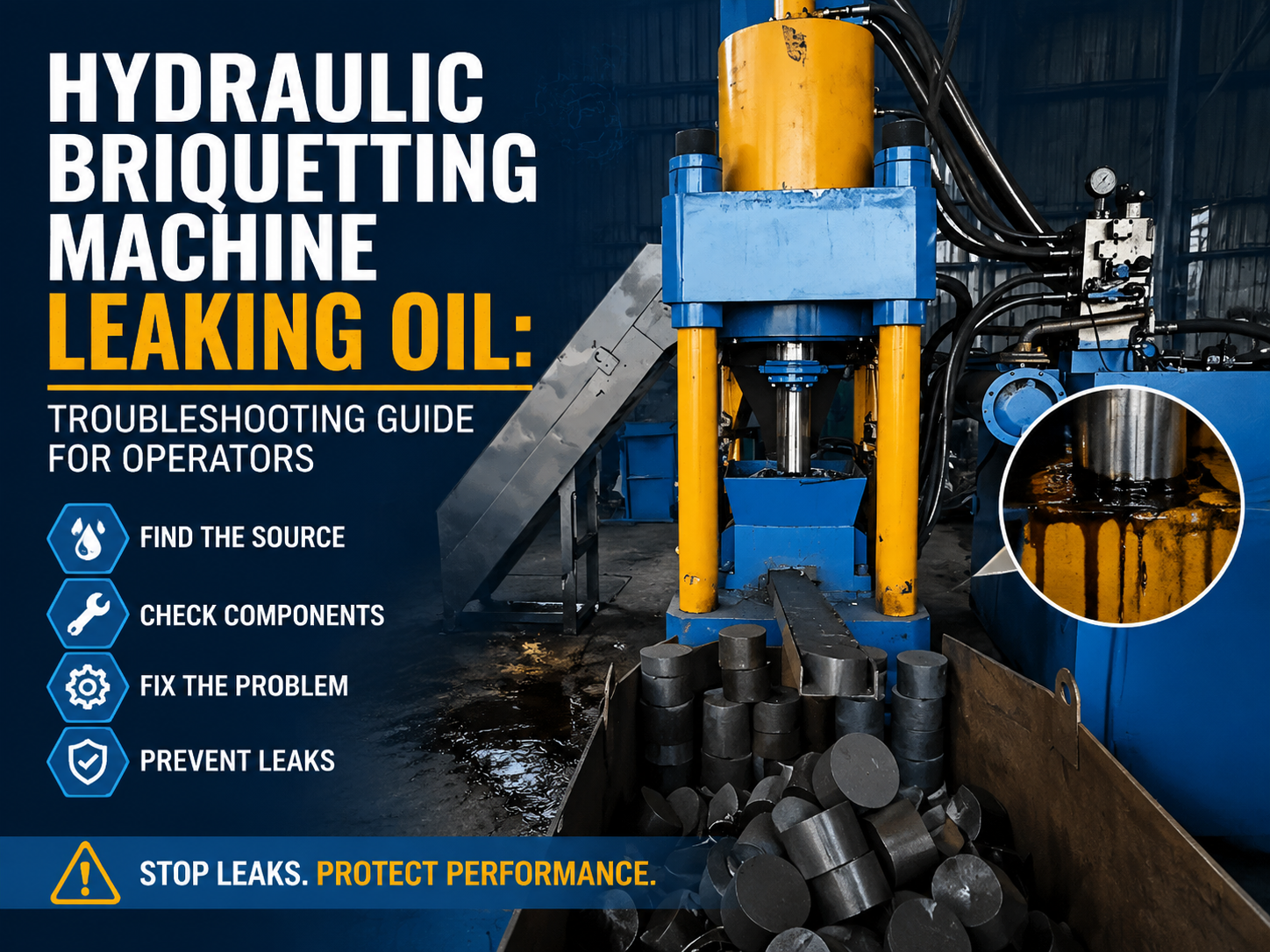
Hydraulic Briquetting Machine Leaking Oil: Troubleshooting Guide for Operators

Introduction to Hydraulic Briquetting and Oil Leak Challenges
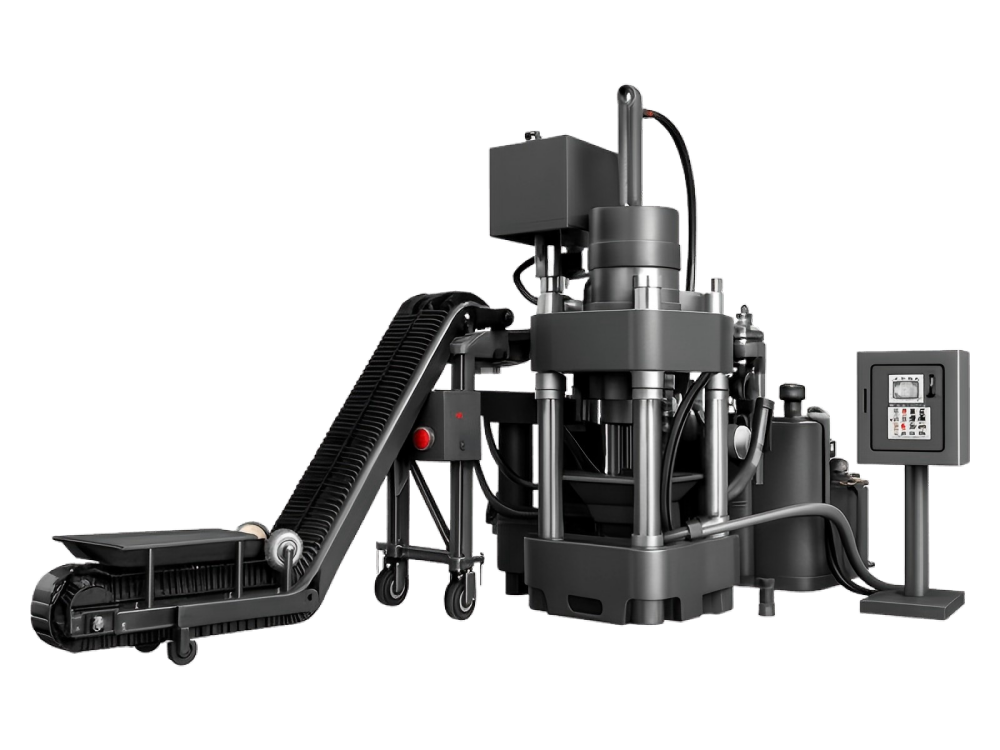
In the world of metal fabrication and industrial recycling, the hydraulic briquetting machine stands as a cornerstone of efficiency. These machines are designed to compress metal chips, shavings, and turnings into dense, manageable blocks or ‘briquettes.’ This process not only facilitates easier transport and storage but also significantly increases the value of scrap metal by removing cutting fluids and reducing oxidation during smelting. However, like any heavy-duty industrial equipment operating under high pressure, these machines are susceptible to maintenance issues, the most common and frustrating of which is oil leakage. For an operator, a Hydraulic Briquetting Machine Leaking Oil: Troubleshooting Operators guide is essential for maintaining uptime and ensuring the longevity of the equipment.
Oil leaks in a hydraulic system are more than just a messy inconvenience; they are a symptom of underlying mechanical or operational stress. A leak can lead to a drop in system pressure, which directly impacts the density and quality of the briquettes produced. Furthermore, hydraulic fluid is expensive, and constant topping off can eat into the profit margins of a recycling operation. HARSLE, a leader in metal fabrication machinery, emphasizes that understanding the root causes of these leaks is the first step toward a sustainable maintenance strategy. Whether you are dealing with a minor ‘weep’ at a fitting or a significant ‘gusher’ from a cylinder seal, immediate and informed action is required.
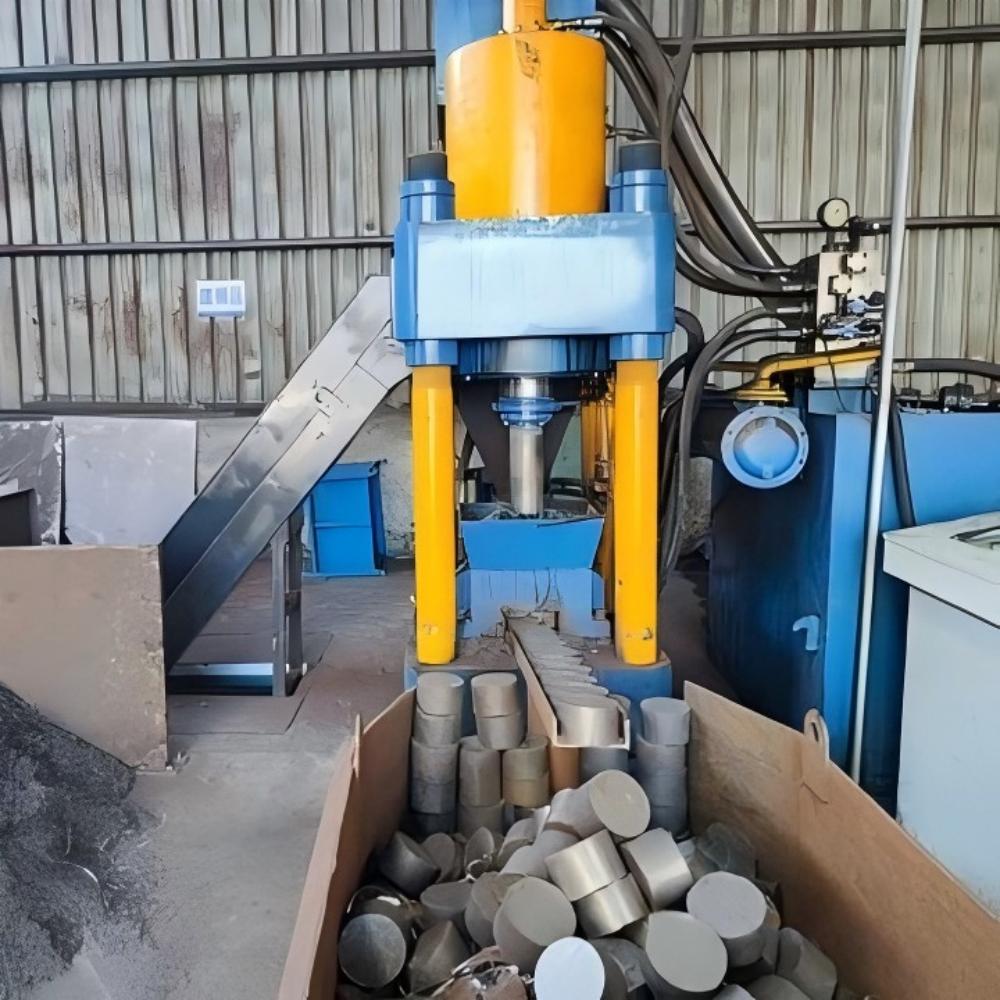
This comprehensive guide is tailored for operators and maintenance personnel who work daily with hydraulic briquetting machines. We will explore the technical reasons behind oil leaks, provide a step-by-step troubleshooting framework, and offer advice on how to select machinery that minimizes these risks. By the end of this article, you will have a professional-grade understanding of how to manage and prevent oil leaks, keeping your HARSLE equipment running at peak performance for years to come.
Key Considerations for Operators Facing Oil Leaks
When an operator first notices a puddle of hydraulic fluid beneath a briquetting machine, the immediate reaction might be to simply tighten a bolt or wipe it away. However, several key considerations must be addressed before and during the troubleshooting process. First and foremost is Safety. Hydraulic systems operate at extremely high pressures, often exceeding 3,000 PSI. A pinhole leak in a high-pressure hose can release a stream of oil with enough force to penetrate human skin, a condition known as high-pressure injection injury, which is a medical emergency. Operators must never use their hands to search for leaks; instead, use a piece of cardboard or a specialized leak detection tool.
The second consideration is Environmental Impact and Compliance. In many jurisdictions, the spill of industrial oils is strictly regulated. Even a small, persistent leak can lead to soil or groundwater contamination if not properly contained. Operators should have spill kits ready and ensure that the machine’s secondary containment (if applicable) is functional. Furthermore, hydraulic oil is flammable. If a leak occurs near high-temperature components or electrical cabinets, it poses a significant fire risk. Addressing leaks promptly is not just about machine health; it is about workplace safety and environmental stewardship.
Thirdly, consider the Economic Cost of Downtime. A hydraulic briquetting machine that is leaking oil is often operating inefficiently. As fluid levels drop, the pump may begin to cavitate, leading to internal damage that is far more expensive to repair than a simple seal replacement. Additionally, the loss of pressure means the machine must work harder and longer to achieve the same briquette density, increasing energy consumption. By prioritizing Hydraulic Briquetting Machine Leaking Oil: Troubleshooting Operators protocols, companies can avoid the cascading costs associated with neglected maintenance.
Technical Details: Why Hydraulic Briquetting Machines Leak Oil
To effectively troubleshoot a leak, one must understand the technical vulnerabilities of a hydraulic system. Most leaks in a briquetting press occur at connection points, moving seals, or areas of high vibration. Below, we break down the primary technical causes of oil loss in industrial machinery.
1. Seal Degradation and Failure
The most common source of leaks is the failure of dynamic and static seals. Dynamic seals, such as those found on the piston rod of the main compression cylinder, are subject to constant friction. Over time, the heat generated by this friction, combined with the abrasive nature of metal dust in a recycling environment, wears down the seal material (usually Nitrile or Viton). Static seals, like O-rings in valve blocks, can fail due to ‘compression set,’ where the seal loses its elasticity and can no longer maintain a tight interface between two surfaces.
2. High Operating Temperatures
Hydraulic systems generate heat as a byproduct of energy conversion. If the machine’s cooling system is inadequate or if the oil viscosity is incorrect, the operating temperature can rise above the recommended 50-60°C. Excessive heat thins the oil, making it easier for it to bypass seals. More importantly, high heat accelerates the chemical breakdown of the seals themselves, making them brittle and prone to cracking. This is why HARSLE integrates advanced cooling solutions into their briquetting machines to maintain optimal thermal stability.
3. Vibration and Mechanical Stress
Briquetting involves intense mechanical force. The rapid cycling of the cylinders creates vibrations that can travel through the entire frame of the machine. These vibrations can gradually loosen hydraulic fittings and flange bolts. Furthermore, if the machine is not properly leveled or if the foundation is unstable, the resulting structural flex can put undue stress on rigid hydraulic lines, leading to hairline fractures in the metal tubing or at the weld points of the reservoir.
4. Contamination of Hydraulic Fluid
In a metal recycling environment, the air is often filled with fine metallic particles. If these particles enter the hydraulic reservoir, they act as an abrasive paste. As the contaminated oil circulates, it scores the polished surfaces of cylinder rods and the internal bores of control valves. Once a surface is scored, even a brand-new seal will fail to provide a leak-proof barrier. This highlights the importance of high-quality filtration systems and regular oil analysis.
| Component | Common Leak Cause | Symptom | Recommended Action |
|---|---|---|---|
| Main Cylinder | Rod Seal Wear | Oil dripping from the gland nut | Replace seal kit; check rod for scoring |
| Hydraulic Hoses | Abrasion / Aging | Wetness on hose surface or ends | Replace hose; install protective sleeves |
| Valve Manifold | Loose Fittings / O-rings | Seepage between valve blocks | Tighten to torque; replace O-rings |
| Oil Cooler | Internal Clogging | High oil temp; weeping at joints | Clean heat exchanger; check fan motor |
| Pump Flange | Gasket Failure | Oil pooling near the motor mount | Replace flange gasket; check alignment |
Comprehensive Troubleshooting Guide for Operators
When a leak is detected, following a systematic approach ensures that the root cause is addressed rather than just the symptom. Here is a professional troubleshooting workflow for Hydraulic Briquetting Machine Leaking Oil: Troubleshooting Operators.
Step 1: Clean and Identify
The first step is to thoroughly clean the machine. Oil has a tendency to travel along hoses and frames, making the actual source of the leak difficult to pinpoint. Use an industrial degreaser to clean the suspected area and dry it completely. Once clean, operate the machine through a few cycles while observing the components. Use a bright flashlight to look for the first sign of ‘weeping.’ This step prevents the common mistake of replacing a perfectly good hose when the leak was actually coming from a fitting further up the line.
Step 2: Inspect the Cylinder Rods
If the leak is coming from the main or side cylinders, inspect the chrome plating on the rods. If you see vertical scratches or ‘scoring,’ the seal has likely been compromised by debris. Simply replacing the seal will not solve the problem, as the scratches will quickly destroy the new seal. In such cases, the rod may need to be re-chromed or replaced. If the rod is smooth, the leak may be due to a loose gland nut or a simple case of seal aging.
Step 3: Check Fittings and Connections
Many leaks occur at JIC or ORFS (O-Ring Face Seal) fittings. Over-tightening is just as dangerous as under-tightening, as it can deform the flare or crush the O-ring. Use a torque wrench to ensure fittings are tightened to the manufacturer’s specifications. If a fitting continues to leak after being properly torqued, disassemble it and inspect the mating surfaces for burrs or cracks. Often, a small piece of debris trapped in the threads prevents a proper seal.
Step 4: Evaluate the Hydraulic Fluid
Check the color and smell of the oil. If the oil is milky, it contains water. If it is dark and smells burnt, it has been overheated. Contaminated oil loses its lubricating properties and can cause seals to swell or shrink. If the oil is compromised, a full system flush and oil replacement are necessary to prevent recurring leaks. Ensure that the replacement oil meets the ISO viscosity grade recommended by HARSLE for your specific climate and workload.
Selection Advice: Choosing a Leak-Resistant Briquetting Machine
Preventing oil leaks starts with the purchase of high-quality equipment. Not all briquetting machines are built to the same standards. When evaluating a new machine, consider the following design features that contribute to a leak-free operation:
- Integrated Manifold Blocks: Look for machines that use integrated hydraulic manifolds rather than a complex web of hoses and pipes. Manifolds reduce the number of potential leak points significantly. HARSLE machines utilize precision-machined blocks to ensure tight tolerances and minimal external plumbing.
- High-Quality Seal Brands: Inquire about the brand of seals used in the cylinders. Premium brands like Parker or SKF offer superior longevity compared to generic alternatives. The material should be appropriate for the fluid type and operating temperature.
- Advanced Cooling Systems: A machine with an oversized oil cooler or a thermostatically controlled cooling fan will maintain stable oil temperatures, preserving seal integrity. This is especially critical for machines running multi-shift operations.
- Vibration Dampening: Quality machines feature vibration-dampening mounts for the pump and motor, as well as secure clamping for all hydraulic lines. This prevents the mechanical fatigue that leads to cracked lines and loose fittings.
- Accessibility for Maintenance: A well-designed machine allows operators to easily reach fittings and seals. If a component is difficult to access, it is more likely to be neglected during routine inspections, leading to catastrophic leaks later on.
By choosing a manufacturer like HARSLE, you are investing in a machine where these technical considerations are part of the standard design philosophy. Our briquetting presses are engineered to withstand the rigors of the scrap metal industry while minimizing the maintenance burden on the operator.
Frequently Asked Questions (FAQ)
Q1: How often should I check for oil leaks on my briquetting machine?
A: A visual inspection should be part of the daily pre-shift checklist. A more thorough inspection, including checking the torque on major fittings and inspecting cylinder rods, should be performed weekly. Early detection is key to preventing expensive repairs.
Q2: Can I use any hydraulic oil in my HARSLE briquetting machine?
A: No. You must use the oil grade specified in the operator’s manual, typically an ISO VG 46 or 68 anti-wear hydraulic oil. Using the wrong viscosity can lead to overheating, poor performance, and accelerated seal wear.
Q3: What should I do if a hose is ‘sweating’ but not dripping?
A: A ‘sweating’ hose indicates that the inner liner has been compromised and the oil is migrating through the reinforcement layers. While it may not be an emergency, the hose is at high risk of bursting. It should be scheduled for replacement during the next planned maintenance window.
Q4: Why does my machine leak more during the winter?
A: In cold weather, hydraulic seals can stiffen and lose their ability to conform to surfaces. Additionally, cold oil is more viscous, which can cause pressure spikes during startup that stress the seals. Always allow the machine to reach operating temperature before beginning full-load briquetting.
Q5: Is it normal for a new machine to have minor leaks?
A: No. A new machine should be completely dry. If you notice leaks on a new HARSLE machine, it may be due to fittings loosening during transit. Contact our technical support team immediately for guidance on tightening procedures or warranty service.
Conclusion
Managing a Hydraulic Briquetting Machine Leaking Oil: Troubleshooting Operators challenge requires a blend of technical knowledge, proactive maintenance, and a commitment to safety. While oil leaks are a common hurdle in the operation of high-pressure hydraulic systems, they are not an inevitable part of the process. By understanding the causes—ranging from seal degradation and thermal stress to vibration and contamination—operators can take decisive action to keep their machinery in top condition.
HARSLE remains dedicated to providing the metal fabrication industry with robust, reliable, and efficient briquetting solutions. Our machines are designed with the operator in mind, featuring high-quality components and accessible layouts that simplify troubleshooting and maintenance. Remember, a dry machine is a productive machine. By following the guidelines outlined in this guide, you can ensure that your recycling operations remain profitable, safe, and environmentally responsible. For further technical assistance or to explore our latest range of hydraulic briquetting presses, do not hesitate to contact the HARSLE engineering team.