Aluminium Extrusion Press Noise and Vibration Troubleshooting for Operators

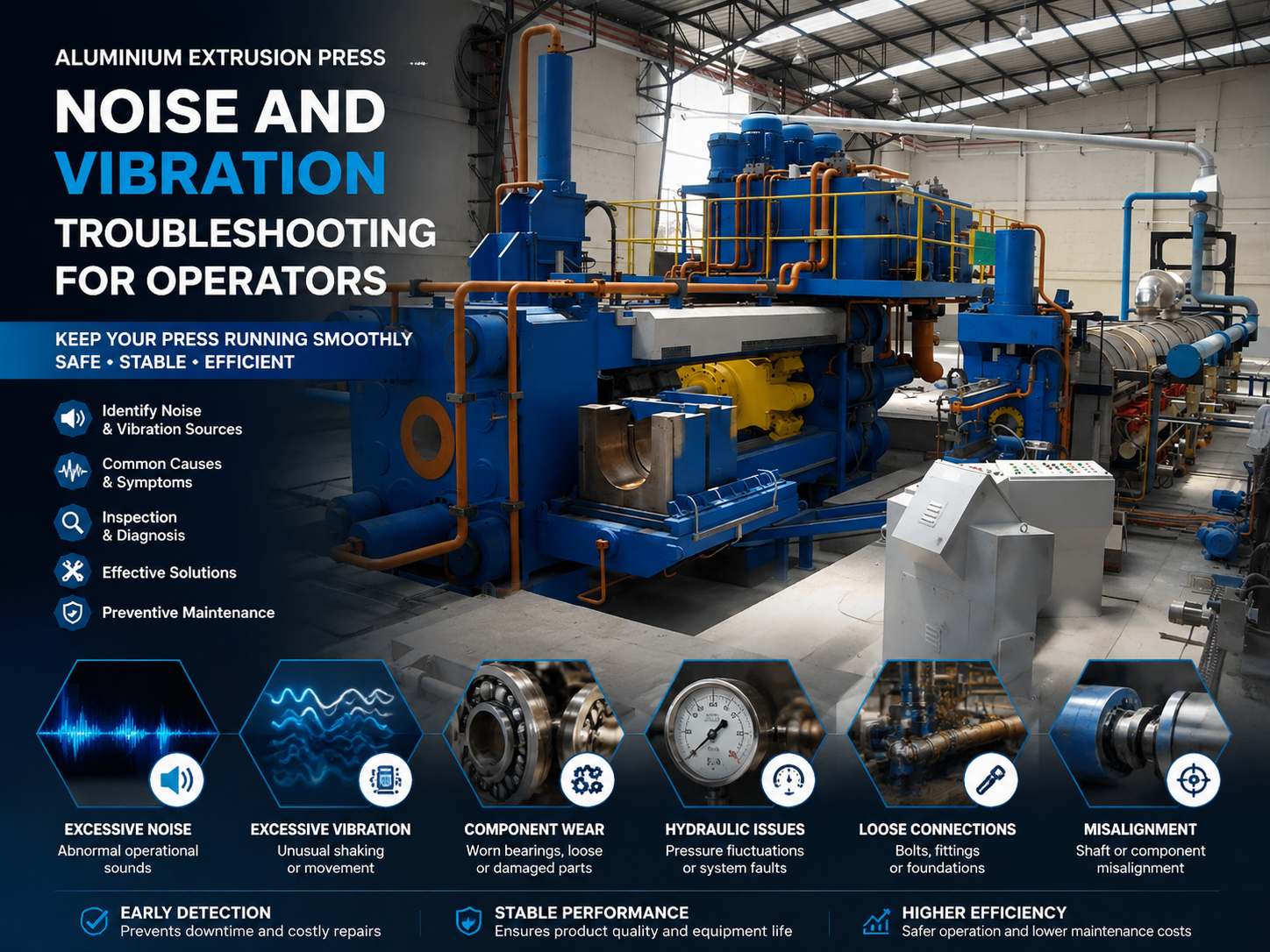
Introduction to Noise and Vibration in Aluminium Extrusion
In the high-pressure world of metal fabrication, the aluminium extrusion press stands as a cornerstone of production. However, for operators, the smooth operation of these massive machines is often interrupted by two persistent enemies: excessive noise and abnormal vibration. These symptoms are rarely just aesthetic concerns; they are the machine’s way of communicating internal distress. Ignoring these signs can lead to catastrophic component failure, expensive downtime, and safety hazards for the floor staff. Understanding the nuances of Aluminium Extrusion Press Noise Vibration Troubleshooting Operators is essential for maintaining a productive and safe industrial environment.
An aluminium extrusion press operates by forcing heated aluminium billets through a shaped die using immense hydraulic pressure. This process involves complex interactions between high-speed hydraulic fluid, massive mechanical structures, and precision-engineered control systems. When any of these elements fall out of sync, the result is often a change in the acoustic or vibrational profile of the machine. For an experienced operator, the ability to distinguish between the ‘healthy hum’ of a working press and the ‘distressed rattle’ of a failing bearing is a critical skill.
This guide is designed to provide operators and maintenance teams with a technical roadmap for identifying, diagnosing, and resolving noise and vibration issues. By focusing on the root causes—ranging from hydraulic cavitation to mechanical misalignment—we aim to empower personnel to take proactive steps before a minor tremor becomes a major breakdown. As we delve into the technicalities, we will explore how modern HARSLE equipment integrates design features to minimize these issues, and how operators can maintain that peak performance over the machine’s lifecycle.
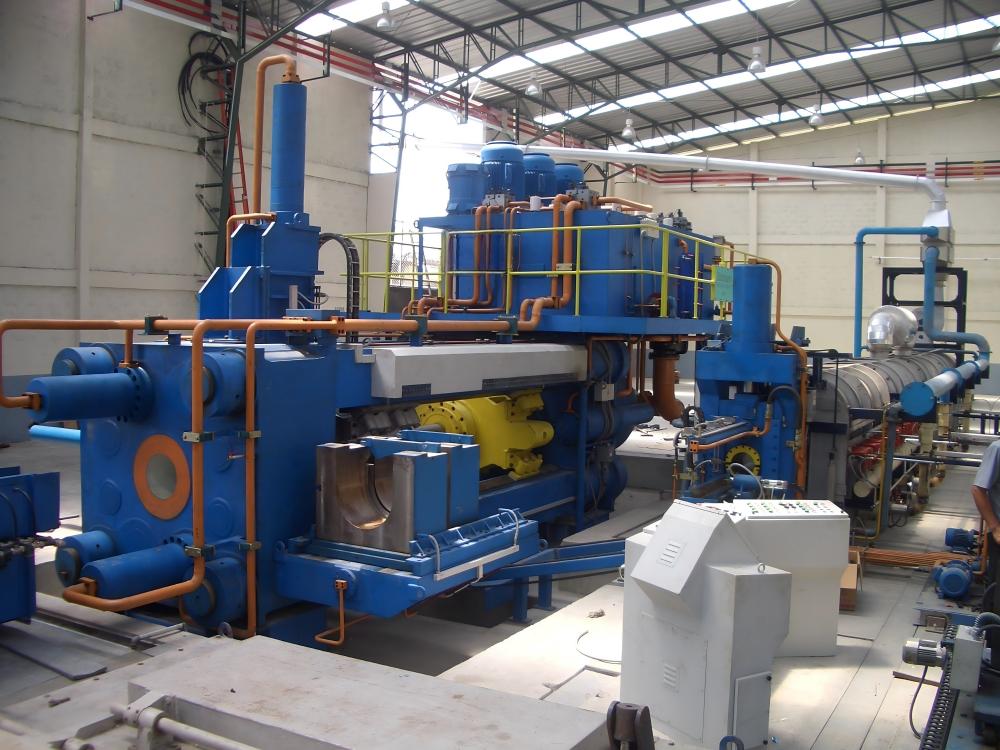
Key Considerations for Operators
Before diving into specific technical repairs, operators must establish a baseline for what constitutes ‘normal’ operation. Every aluminium extrusion press has a unique acoustic signature based on its tonnage, age, and the specific alloys being processed. The first key consideration is the environment. In a busy fabrication shop, ambient noise can mask subtle changes in machine sound. Operators should perform ‘ear-checks’ during different phases of the cycle—billet loading, the main extrusion stroke, and the return stroke—to identify exactly when the noise occurs.
Safety is the paramount consideration when troubleshooting. Vibration in a machine that exerts thousands of tons of force can lead to structural fatigue. If an operator notices a sudden, violent shuddering, the immediate protocol should be an emergency stop and a thorough inspection of the tie rods and main cylinder. Furthermore, noise levels exceeding 85 decibels require not only hearing protection for the operator but also a technical investigation into the source, as high decibel levels often correlate with high-energy friction or hydraulic turbulence that wastes energy and damages parts.
Another critical consideration is the relationship between temperature and vibration. As hydraulic oil heats up, its viscosity changes. A press that runs quietly in the morning might begin to vibrate in the afternoon as the oil thins, potentially revealing issues with the cooling system or internal pump leakage. Operators must document these patterns, noting the oil temperature and pressure readings alongside any observed noise. This data is invaluable for maintenance engineers when performing deeper diagnostics.
Finally, the foundation and mounting of the press cannot be overlooked. An aluminium extrusion press generates massive reciprocating forces. If the anchor bolts have loosened or the concrete foundation has developed micro-cracks, the entire machine may begin to resonate. Operators should regularly check the integrity of the floor interface and ensure that vibration-dampening mounts, if present, are not compressed or degraded. A stable machine is a quiet machine.
Technical Details of Noise and Vibration Sources
Hydraulic System Anomalies: Cavitation and Aeration
The most common source of noise in an aluminium extrusion press is the hydraulic system. Cavitation occurs when the pressure in the pump inlet drops below the vapor pressure of the hydraulic fluid, causing bubbles to form and then collapse violently as they reach the high-pressure side of the pump. This creates a distinct ‘marbles in a blender’ sound. If left unaddressed, cavitation will pit the internal surfaces of the pump, leading to total failure. Operators should check for clogged suction filters or restricted inlet lines if this sound is detected.
Aeration, while similar in sound, involves air being sucked into the system from an external source, such as a loose fitting on the suction side or a low oil level in the reservoir. Unlike cavitation, aeration often causes the hydraulic fluid to appear foamy or milky. Vibration resulting from aeration is usually ‘spongy’ or inconsistent, as the air pockets compress and expand within the cylinders. Ensuring all seals are tight and the reservoir is properly baffled to allow air to escape is the primary fix for aeration-related noise.
Mechanical Misalignment and Wear
Mechanical noise often manifests as grinding, squealing, or rhythmic thumping. In an aluminium extrusion press, the alignment of the container, the ram, and the die is critical. If the ram is not perfectly centered, it will exert uneven pressure on the wear plates and guide rails. This ‘stick-slip’ phenomenon creates a high-pitched vibration or chatter during the extrusion stroke. Operators should look for uneven wear patterns on the bronze liners or scoring on the columns as physical evidence of this misalignment.
Bearings and bushings are also frequent culprits. A failing main pump bearing will produce a constant high-frequency whine that increases with motor speed. Conversely, a worn bushing in the die slide or billet loader might only produce a ‘clunk’ during specific movements. Regular lubrication is the first line of defense, but once a bearing has begun to vibrate, replacement is the only solution to prevent damage to the shaft it supports.
Pressure Spikes and Valve Chatter
The complex manifold of an extrusion press contains numerous relief, check, and directional valves. If a relief valve is set too close to the operating pressure or if its internal spring has weakened, it may ‘chatter’—opening and closing rapidly. This creates a high-frequency vibration that can be felt through the hydraulic piping. Similarly, rapid shifting of large directional valves can cause ‘hydraulic shock’ or water hammer, resulting in a loud bang that shakes the entire pipe network. Installing accumulators or adjusting the ramp times in the PLC (Programmable Logic Controller) can often mitigate these shocks.
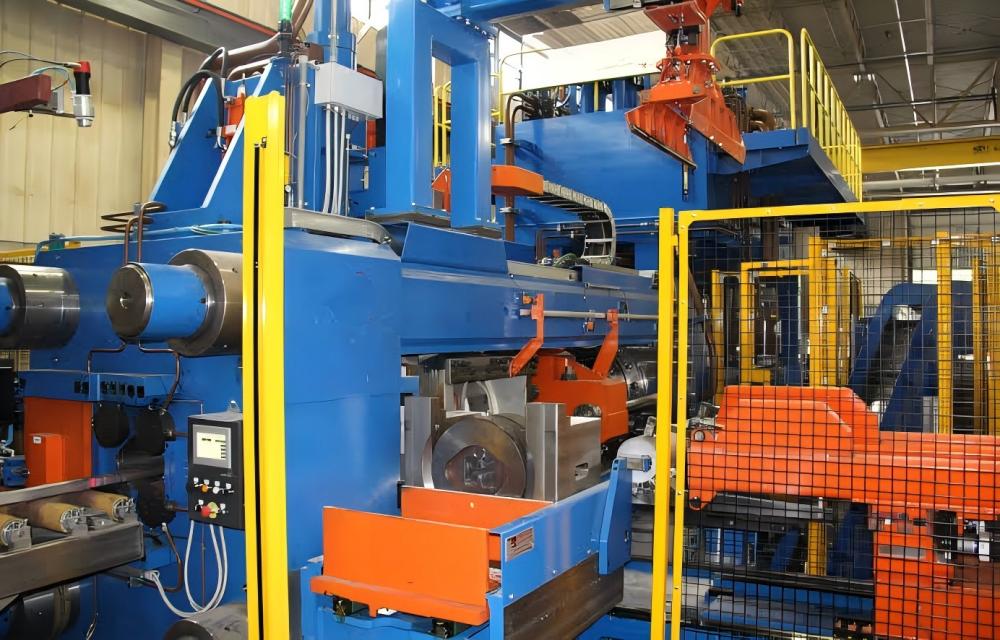
Troubleshooting Matrix for Operators
| Symptom | Potential Root Cause | Recommended Action |
|---|---|---|
| High-pitched whining (Pump) | Cavitation or worn bearings | Check suction filters; inspect oil level. |
| Rhythmic thumping during stroke | Mechanical misalignment or worn guides | Inspect wear plates; check ram centering. |
| Foamy oil and erratic movement | Aeration (Air in system) | Tighten suction line fittings; check seals. |
| Loud ‘bang’ at end of stroke | Hydraulic shock (Water hammer) | Adjust valve shifting speeds in PLC. |
| Constant floor vibration | Loose anchor bolts or foundation issues | Tighten foundation bolts; check floor integrity. |
| Squealing during die change | Lack of lubrication on slides | Apply high-temperature industrial grease. |
Selection Advice: Choosing a Quiet and Stable Press
When selecting a new aluminium extrusion press, such as those offered by HARSLE, noise and vibration characteristics should be a primary specification. Modern engineering has introduced several features that inherently reduce these issues. First, look for presses with ‘pre-fill’ valve designs that allow for smoother transitions between high-speed closing and high-pressure pressing. This reduces the hydraulic shock that is common in older, less sophisticated designs.
The structural rigidity of the frame is another critical factor. A four-column press with pre-stressed tie rods offers superior stability compared to older C-frame or lighter designs. The mass of the machine itself acts as a dampener; therefore, a heavier, more robustly built press will generally exhibit less resonance. When reviewing technical specifications, ask about the machining tolerances of the guide systems. Precision-ground guides with adjustable bronze liners allow for much tighter control over ram movement, which directly translates to less mechanical vibration.
Furthermore, consider the pump technology. Variable displacement piston pumps with electronic pressure and flow control (servo-hydraulics) are significantly quieter than older fixed-displacement gear pumps. These modern systems only provide the exact amount of flow required, reducing the turbulence and heat generation that often lead to noise. Additionally, ensure the manufacturer provides integrated vibration monitoring sensors. These sensors can be tied into the machine’s control system to provide real-time alerts if vibration levels exceed a pre-set threshold, allowing for predictive maintenance rather than reactive repair.
Finally, evaluate the ease of maintenance. A press designed with accessible hydraulic manifolds and clearly labeled test ports makes it much easier for operators to perform the troubleshooting steps mentioned earlier. If a machine is difficult to service, minor noise issues are often ignored until they become major failures. Choosing a manufacturer like HARSLE, which prioritizes both performance and serviceability, ensures a lower total cost of ownership and a quieter shop floor.
Frequently Asked Questions (FAQ)
1. Why does my extrusion press vibrate more when using certain alloys?
Different aluminium alloys have different flow stresses. Harder alloys (like the 7000 series) require much higher extrusion pressures than softer alloys (like the 6000 series). Higher pressure increases the load on the hydraulic pumps and the mechanical frame, which can excite resonance frequencies that aren’t noticeable during lower-pressure operations. If vibration is alloy-specific, ensure your pressure settings and extrusion speeds are optimized for that specific material.
2. Can the wrong type of hydraulic oil cause noise?
Absolutely. Hydraulic oil must have the correct viscosity grade and anti-wear additives for your specific press. If the oil is too thick, it can cause pump cavitation during cold starts. If it is too thin, it won’t provide an adequate lubricating film for the pump’s internal components, leading to mechanical screaming. Always follow the manufacturer’s recommendations for oil specifications and change intervals.
3. How often should I check the alignment of the press?
For a high-production environment, a basic visual alignment check should be part of the weekly maintenance routine. A full precision alignment using laser tools should be conducted annually or whenever the press has undergone a major repair, such as a tie-rod replacement or main cylinder repacking. Misalignment is a progressive issue; catching it early prevents permanent damage to the container and ram.
4. Is some vibration normal during the ‘break-through’ phase?
The ‘break-through’ is the moment the aluminium begins to flow through the die, requiring the peak pressure of the cycle. A small, momentary increase in vibration is common as the system reaches maximum load. However, this should be a dull thud or a steady increase in hum, not a violent shake or a sharp metallic crack. If the break-through causes the machine to jump, your relief valves or PLC ramp-up speeds need adjustment.
5. What is the most common cause of sudden loud noise in an older press?
In older machinery, the most common culprit is often a failed accumulator bladder or a loose mechanical fastener. If an accumulator loses its nitrogen pre-charge, it can no longer dampen pressure spikes, leading to immediate and loud hydraulic shocks throughout the system. Similarly, a single loose bolt on a pipe clamp can cause a long run of piping to vibrate against the frame, creating a surprisingly loud rattling sound.
Conclusion: The Path to a Smoother Operation
Troubleshooting noise and vibration in an aluminium extrusion press is both an art and a science. For the operator, it requires a keen sense of observation and a disciplined approach to machine monitoring. By understanding that noise is a symptom of underlying physical phenomena—whether it be the implosion of vapor bubbles in a pump or the friction of a misaligned ram—operators can move from guesswork to precision diagnostics. Implementing a rigorous schedule of lubrication, filter changes, and bolt tightening can eliminate the majority of common noise issues.
As technology advances, the integration of smart sensors and servo-hydraulic systems, like those found in HARSLE’s latest models, will continue to make extrusion presses quieter and more efficient. However, the human element remains irreplaceable. The operator’s ability to ‘listen’ to the machine is the first line of defense in a comprehensive maintenance strategy. By following the guidelines outlined in this guide, metal fabrication facilities can ensure their aluminium extrusion presses operate with the precision and reliability required in today’s competitive industrial landscape. Remember, a quiet press is not just a pleasant work environment; it is the hallmark of a well-maintained, high-performing asset.