
Comprehensive Guide to Aluminium Extrusion Press Material Jamming: Causes, Checks, and Repairs

Introduction to Aluminium Extrusion Press Material Jamming
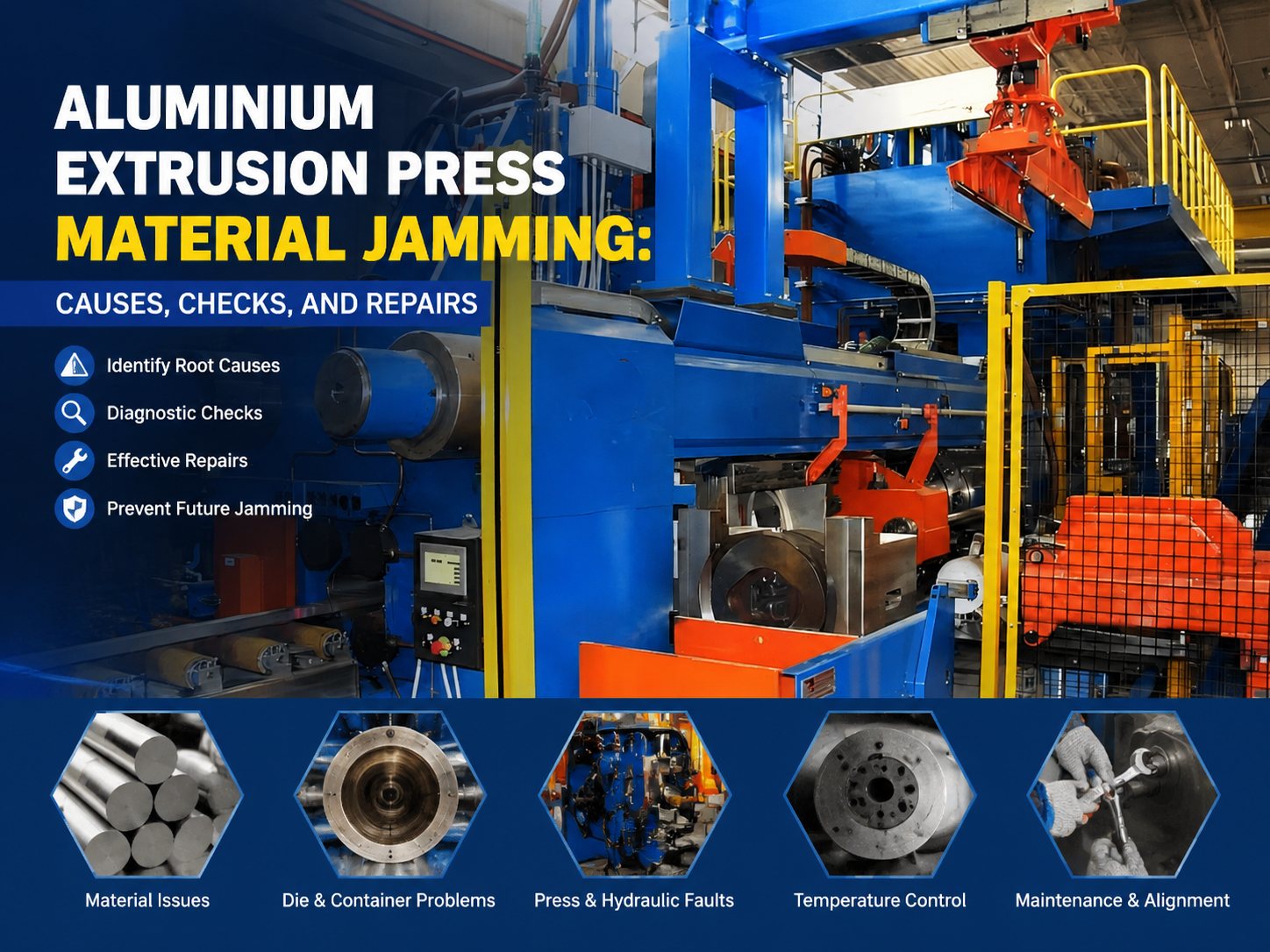
In the high-stakes world of metal fabrication, the aluminium extrusion press stands as a cornerstone of production. These massive machines transform raw aluminium billets into complex profiles used in everything from aerospace components to window frames. However, the efficiency of this process is frequently threatened by a common yet disruptive issue: material jamming. When an aluminium extrusion press experiences a jam, production grinds to a halt, leading to significant downtime, potential equipment damage, and wasted raw materials. Understanding the intricacies of Aluminium Extrusion Press Material Jamming: Causes, Checks, and Repairs is essential for any facility aiming to maintain a competitive edge.
Material jamming, often referred to as a ‘stuck billet’ or ‘die blockage,’ occurs when the aluminium flow is interrupted within the container or the die assembly. This can happen due to thermal imbalances, mechanical misalignments, or contamination. For operators and maintenance engineers, the ability to quickly diagnose the root cause and implement a precise repair is the difference between a minor delay and a multi-day shutdown. HARSLE, a leader in industrial machinery, emphasizes that proactive maintenance and a deep understanding of the extrusion cycle are the best defenses against these operational hurdles.
This comprehensive guide delves into the technical nuances of why jams occur, how to systematically check the machinery for faults, and the professional repair protocols required to restore functionality. By following these industry-standard practices, manufacturers can extend the lifespan of their extrusion presses and ensure a consistent output of high-quality aluminium profiles.
Key Considerations in Extrusion Press Operation
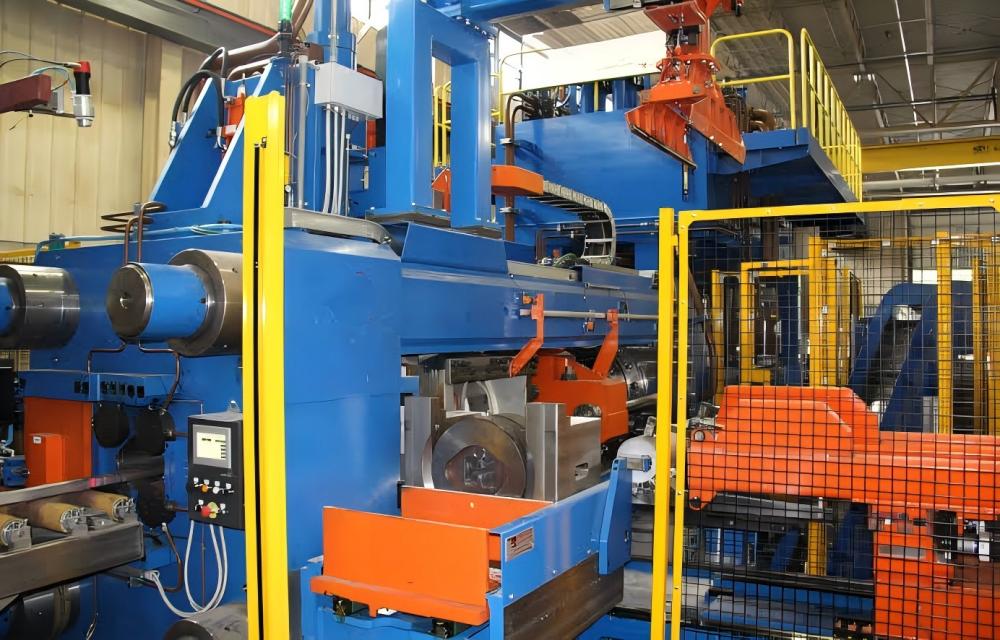
Before addressing the specifics of jamming, it is vital to consider the fundamental factors that influence the extrusion process. The first consideration is the Billet Temperature. Aluminium must be heated to a specific plastic state (usually between 400°C and 500°C) to flow through the die. If the billet is too cold, the extrusion pressure required exceeds the machine’s capacity, leading to a jam. Conversely, if it is too hot, the metal may become too soft, leading to surface defects or ‘pick-up’ that can eventually clog the die orifices.
Another critical factor is Lubrication and Cleanliness. The interface between the billet, the container liner, and the dummy block must be managed carefully. While modern ‘dry’ extrusion often avoids excessive lubrication to prevent internal defects, the use of boron nitride or graphite on the shear blade and die face is common. Contamination from oxides or foreign debris can act as a catalyst for jamming, as these particles do not flow smoothly and can lodge in narrow die channels.
The Alignment of the Press is perhaps the most overlooked consideration. The extrusion stem, the container, and the die slide must be perfectly concentric. Even a deviation of a few millimeters can cause uneven pressure distribution. This misalignment forces the aluminium to flow asymmetrically, increasing friction on one side of the container and potentially causing the billet to wedge itself firmly against the liner, resulting in a catastrophic jam that is difficult to clear without specialized tools.
Technical Details: Why Material Jamming Occurs
1. Thermal Imbalance and Gradient Issues
The physics of extrusion relies on a delicate thermal balance. If the container is not preheated correctly or if the heating elements are failing, the outer skin of the billet cools too rapidly upon contact with the liner. This creates a ‘chilled zone’ where the aluminium is significantly harder than the core. The extrusion stem then pushes the soft core through the hard shell, leading to a ‘back-end’ defect or a complete blockage where the hardened shell refuses to move, effectively welding itself to the container wall.
2. Die Design and Wear
The die is the heart of the extrusion process. Over time, the ‘bearing surfaces’ of the die—the areas that actually shape the metal—undergo extreme stress and heat. If the die is not properly nitrided (a hardening process), the aluminium can chemically bond to the steel. This ‘galling’ effect increases friction exponentially. Furthermore, if the die design includes overly complex thin walls or sharp corners without adequate support, the metal may stagnate in these areas, cooling down and forming a solid plug that prevents further flow.
3. Hydraulic System Failures
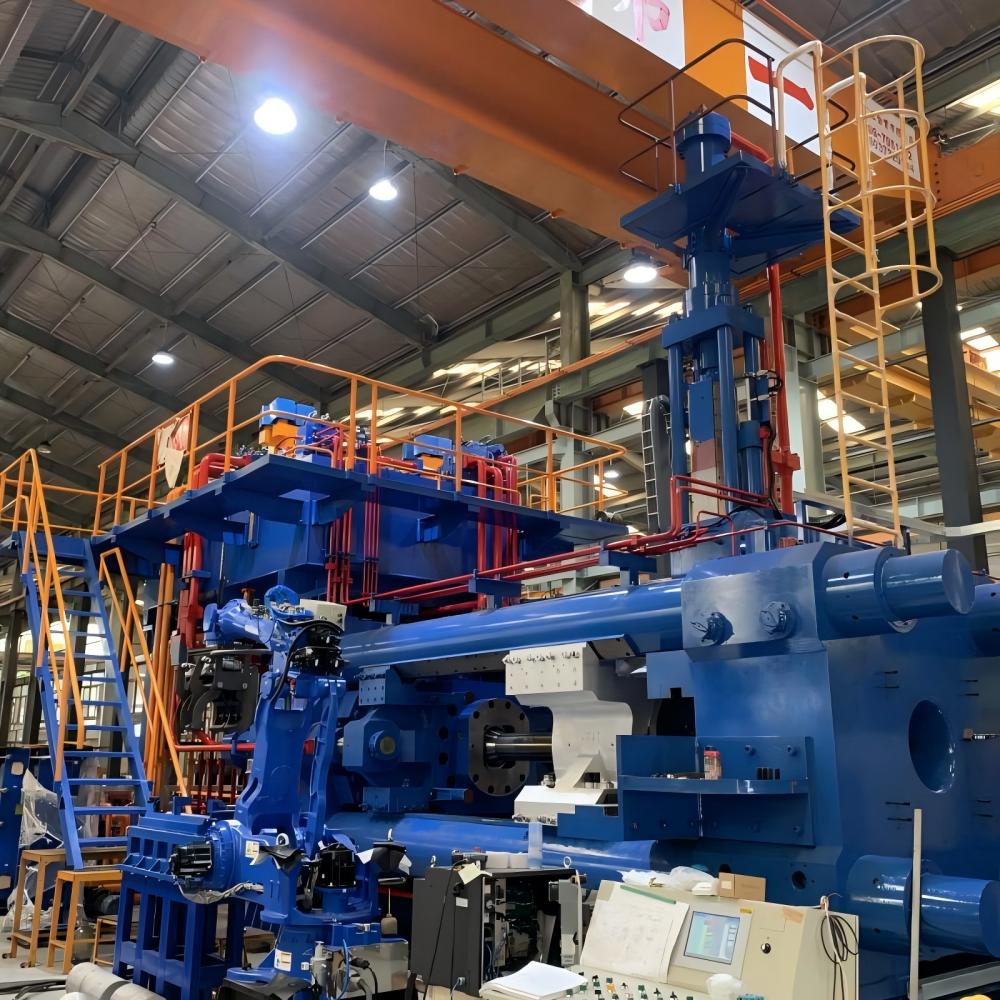
The force required to extrude aluminium is immense, often reaching thousands of tons. This force is provided by a complex hydraulic system. If there is a drop in hydraulic pressure due to a leaking seal, a failing pump, or a malfunctioning proportional valve, the press may lose the ‘momentum’ required to push the billet through the die. Once the movement stops, the aluminium begins to cool and solidify within the press, making it nearly impossible to restart the cycle without clearing the jam manually.
4. Dummy Block and Stem Issues
The dummy block is the component that sits between the extrusion stem and the billet. Its job is to expand slightly under pressure to seal the container and prevent the aluminium from flowing backward (back-extrusion). If the dummy block is worn or if the ‘expansion’ mechanism fails, aluminium can leak behind the block. This ‘flash’ then hardens around the stem, effectively jamming the entire moving assembly within the container. This is one of the most difficult types of jams to repair as it involves the main moving parts of the press.
Systematic Checks and Diagnostic Procedures
When a jam occurs, the first step is not to apply more pressure—this can lead to frame cracking or hydraulic explosions. Instead, a systematic check must be performed. Operators should first verify the Hydraulic Pressure Readings on the PLC interface. If the pressure reached its relief valve setting without the billet moving, the issue is mechanical or thermal. If the pressure never reached the required level, the issue lies within the hydraulic circuit itself.
Next, perform a Visual Inspection of the Die Exit. Is there any metal emerging? If the metal has stopped mid-way, it suggests a blockage within the die. If no metal has emerged at all, the jam is likely at the die face or within the container. Checking the Container Temperature using an infrared pyrometer is also crucial. Ensure that all heating zones are functioning; a cold spot in the container is a frequent culprit for material sticking.
The following table provides a quick diagnostic checklist for operators:
| Symptom | Potential Cause | Check Action |
|---|---|---|
| Stem stops moving, pressure at max | Cold billet or die blockage | Check billet oven temp and die preheat log |
| Aluminium leaking behind dummy block | Worn dummy block or liner | Inspect dummy block diameter and liner wear |
| Erratic stem movement | Hydraulic air pocket or valve fault | Bleed hydraulic lines and check valve response |
| Profile comes out twisted then stops | Die misalignment or uneven heating | Check die slide alignment and heater bands |
Repair Protocols for Clearing Jams
Repairing an Aluminium Extrusion Press Material Jamming situation requires patience and the right tools. The most common method for clearing a stuck billet is the ‘Butt Shear’ and ‘Pull Back’ method. If the billet is stuck in the container, the operator may attempt to shear off the ‘butt’ (the remaining piece of the billet) and then use the hydraulic cylinders to pull the container away from the die. This creates a gap that may allow the stuck material to be pushed out using a specialized ‘ejection tool’ that is stronger than a standard billet.
If the material is fused to the container liner, Thermal Contraction can be used. By allowing the container to cool significantly, the aluminium (which has a higher coefficient of thermal expansion than the steel liner) will shrink more than the steel. This can sometimes break the bond, allowing the jam to be pushed out. However, this method is time-consuming as the press must then be reheated before production can resume.
In extreme cases where the aluminium has flowed into the internal components of the press, Mechanical Removal is necessary. This involves disassembling the die slide or removing the container entirely. Technicians may need to use torches to carefully melt away the aluminium or use heavy-duty drills to remove the core of the jam. It is imperative that these repairs are conducted by trained professionals to avoid damaging the precision-ground surfaces of the container liner or the extrusion stem.
Selection Advice: Minimizing Jamming Risks
When purchasing a new aluminium extrusion press, certain features can significantly reduce the likelihood of material jamming. HARSLE recommends looking for machines equipped with Advanced PLC Control Systems. These systems monitor pressure and speed in real-time, automatically adjusting the extrusion rate if they detect a spike in resistance, often preventing a jam before it becomes critical.
Consider the following when selecting a press:
- Isothermal Extrusion Capability: Systems that coordinate billet temperature and extrusion speed to maintain a constant temperature at the die exit.
- High-Precision Alignment Systems: Look for presses with robust guide rails and easy-to-adjust die slides to ensure perfect concentricity.
- Quick Die Change (QDC) Systems: These allow for faster removal of the die assembly if a jam occurs, reducing the total downtime.
- Robust Hydraulic Components: Ensure the press uses high-quality valves (such as Rexroth or Vickers) that provide consistent pressure without fluctuations.
- Automated Lubrication: Systems that precisely apply lubricant to the shear and dummy block can prevent ‘flash’ and sticking.
Investing in a high-quality machine from a reputable manufacturer like HARSLE ensures that you have the technical support and the build quality necessary to handle the rigors of continuous aluminium extrusion. A well-built press is more resilient to the variables that typically cause jamming, such as minor temperature fluctuations or slight billet impurities.
Frequently Asked Questions (FAQ)
1. How often should I check the alignment of my extrusion press?
Alignment should be checked at least once a month during a scheduled maintenance shutdown. However, if you notice uneven wear on the dummy block or if profiles are consistently curving to one side, an immediate alignment check is required.
2. Can I reuse a billet that caused a jam?
Generally, no. A billet that has been subjected to the high pressures of a jam has likely undergone significant work hardening and may have surface contamination. Reusing it risks causing another jam or damaging the die.
3. What is the most common cause of ‘back-extrusion’?
Back-extrusion is usually caused by a worn dummy block that no longer fits tightly against the container liner. This allows pressurized aluminium to flow backward over the block and onto the extrusion stem.
4. How does die nitriding help prevent jamming?
Nitriding creates a very hard, low-friction layer on the surface of the die steel. This prevents the aluminium from ‘sticking’ or welding to the die, which is a primary cause of flow restriction and jamming.
5. Is it safe to use a torch to clear aluminium from a die?
While common, it must be done with extreme caution. Excessive heat can draw the temper out of the die steel, making it soft and prone to premature failure. It is better to use a caustic soda bath to dissolve the aluminium if time permits.
Conclusion
Mastering the challenges of Aluminium Extrusion Press Material Jamming: Causes, Checks, and Repairs is a journey of continuous improvement for any metal fabrication facility. By understanding the thermal and mechanical triggers of jamming, implementing rigorous diagnostic checks, and following professional repair protocols, operators can significantly reduce the impact of these events. Furthermore, selecting the right equipment—characterized by precision, advanced control, and robust construction—is the foundation of a trouble-free extrusion process.
HARSLE remains committed to providing the industry with the tools and knowledge necessary to excel. Whether you are troubleshooting an existing press or looking to upgrade your production line, focusing on the details of material flow and machine maintenance will ensure your operations remain fluid, efficient, and profitable. Remember, in the world of extrusion, prevention is always more cost-effective than repair.


