
How to Fix Poor Surface Finish in Aluminium Extrusion Press Operations

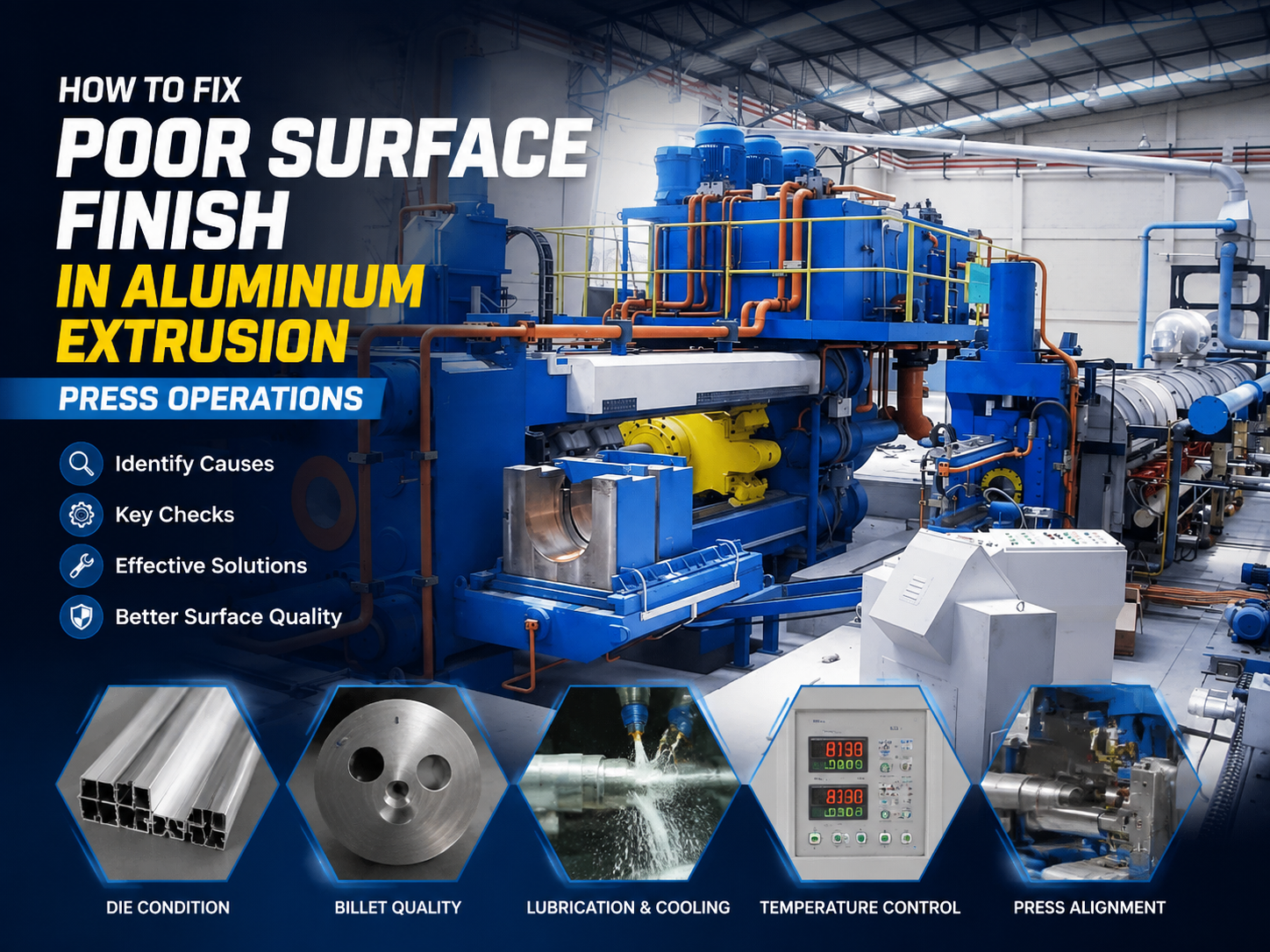
Introduction to Surface Quality in Aluminium Extrusion
In the world of metal fabrication, the quality of the final product is often judged by its surface finish. For industries ranging from architectural construction to high-end automotive components, the aesthetic and structural integrity of an aluminium profile is paramount. Achieving a mirror-like or perfectly matte finish consistently requires a deep understanding of the extrusion process. When operators encounter issues, the primary goal is to Fix Poor Surface Finish In Aluminium Extrusion Press Operations as quickly as possible to minimize scrap rates and maintain production schedules.
Poor surface finish is rarely the result of a single factor. It is typically a combination of material science, mechanical precision, and thermal management. Whether the issue is die lines, pick-up, tearing, or ‘orange peel’ effects, each defect tells a story about what is happening inside the container and at the die land. HARSLE, a leader in industrial machinery, emphasizes that the press itself—its stability, hydraulic control, and alignment—serves as the foundation for high-quality output. However, even the best machinery requires meticulous operational parameters to succeed.
This guide provides an in-depth technical analysis of the causes of surface degradation and offers actionable solutions to rectify these issues. By focusing on the synergy between the aluminium extrusion press, the die, and the billet, manufacturers can achieve superior surface finishes that meet the most stringent international standards. We will explore the technical nuances of temperature gradients, extrusion speeds, and the critical role of die maintenance in ensuring a flawless finish.
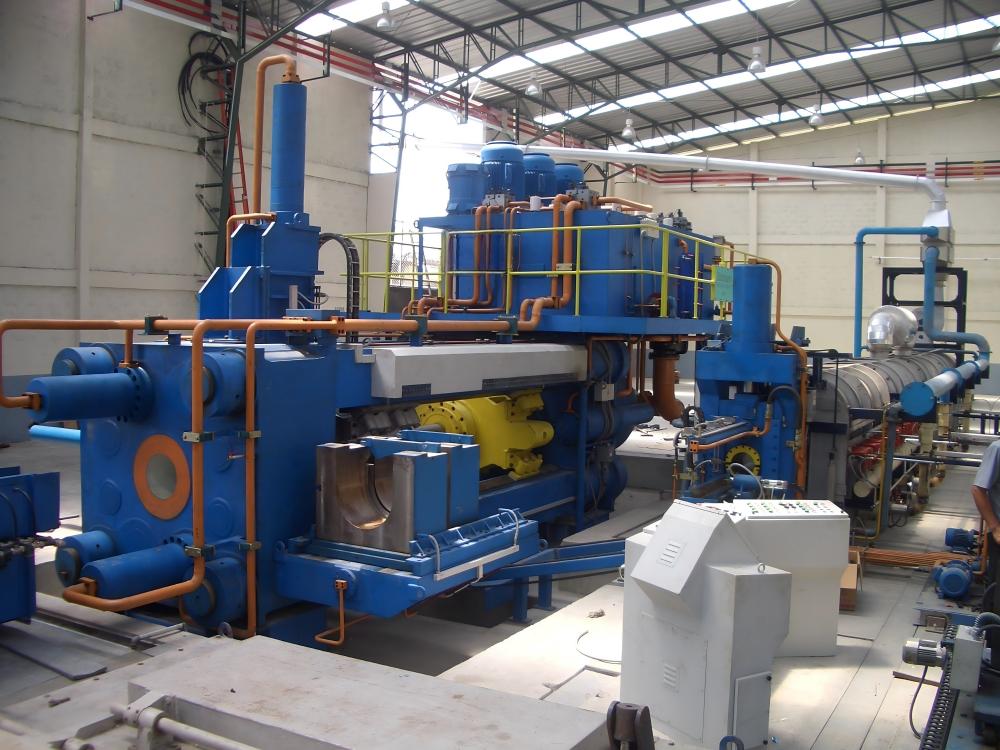
Key Considerations for Surface Finish Excellence
Billet Quality and Homogenization
The journey to a perfect surface finish begins long before the metal reaches the press. The chemical composition and metallurgical structure of the aluminium billet are foundational. For common alloys like 6063 or 6061, the presence of impurities—particularly iron and silicon—must be strictly controlled. If the iron content is too high, it can lead to the formation of primary crystals that cause scratching and tearing as the metal flows through the die.
Homogenization is another critical factor. A billet that has not been properly homogenized will have non-uniform grain structures and segregated alloying elements. This leads to inconsistent flow stress during extrusion, resulting in wavy surfaces or variations in gloss. To Fix Poor Surface Finish In Aluminium Extrusion Press Operations, ensure that your billet supplier provides certified homogenized material with a fine, uniform grain structure. This reduces the internal friction and allows for a smoother transition through the die bearing.
Die Design and Bearing Surface Condition
The die is the most influential component regarding surface finish. The ‘bearing’—the part of the die that actually shapes the metal—must be perfectly polished and maintained. Over time, the high pressure and temperature of the extrusion process cause the bearing surface to degrade. This leads to ‘die lines,’ which are longitudinal scratches on the profile. These lines are often the result of aluminium particles welding themselves to the die bearing, a phenomenon known as ‘pick-up.’
To combat this, die nitriding is essential. Nitriding hardens the surface of the die, reducing friction and preventing the aluminium from sticking. However, over-nitriding can make the die brittle, leading to micro-cracks that also ruin the surface finish. A balanced approach to die maintenance, including regular polishing with diamond paste and controlled nitriding cycles, is vital for maintaining a high-quality finish over long production runs.
Thermal Management and the ‘Extrusion Window’
Extrusion is a thermal process as much as it is a mechanical one. The ‘extrusion window’ refers to the specific range of temperatures and speeds where the metal flows optimally. If the billet is too cold, the pressure required to extrude increases, leading to potential press stalling or surface tearing. If the billet is too hot, or if the extrusion speed is too high, the exit temperature can exceed the solidus temperature of the alloy, causing localized melting and a ‘burnt’ or torn surface appearance.
Monitoring the exit temperature is the most effective way to maintain surface quality. Modern HARSLE presses utilize infrared sensors to provide real-time feedback. By adjusting the extrusion speed dynamically to keep the exit temperature within the target range (typically 500°C to 530°C for 6063 alloy), operators can prevent thermal-related defects. This practice, known as isothermal extrusion, is a cornerstone of high-end profile production.
Technical Details: Troubleshooting Common Surface Defects
Eliminating Die Lines and Scratches
Die lines are perhaps the most common surface defect. They appear as continuous lines along the length of the profile. To fix these, one must first identify if the lines are ‘raised’ or ‘sunken.’ Raised lines indicate a scratch or gouge in the die bearing, while sunken lines suggest that debris is trapped in the die. The solution involves pulling the die for inspection and polishing. Using a high-grit abrasive and ensuring the polishing direction is parallel to the metal flow is crucial. Furthermore, ensuring the die is properly pre-heated in a die oven to the same temperature as the container prevents ‘thermal shock’ which can cause surface irregularities at the start of a cycle.
Managing ‘Pick-up’ and Tearing
Pick-up occurs when small nodules of aluminium adhere to the die bearing and then tear the surface of the subsequent metal passing through. This is often caused by excessive heat or poor lubrication. While aluminium extrusion typically doesn’t use external lubricants on the die face (to avoid contamination), the use of boron nitride on the shear blade and the billet end can prevent ‘back-end’ defects from migrating into the profile. If pick-up persists, reducing the extrusion speed or increasing the cooling rate of the die can help stabilize the metal flow and prevent the adhesion of particles.
Addressing the ‘Orange Peel’ Effect
The ‘orange peel’ effect refers to a grainy, rough surface that resembles the skin of an orange. This is almost always a metallurgical issue related to grain size. If the billet was overheated during the pre-heating stage or if the extrusion ratio is too low, the grains can grow excessively large. When the metal is deformed, these large grains rotate and create a rough surface. To Fix Poor Surface Finish In Aluminium Extrusion Press Operations involving orange peel, verify the billet heating furnace’s calibration and ensure the cooling rate after the die (the quench) is sufficiently fast to ‘freeze’ the grain structure before it can grow.
Hydraulic Stability and Vibration Control
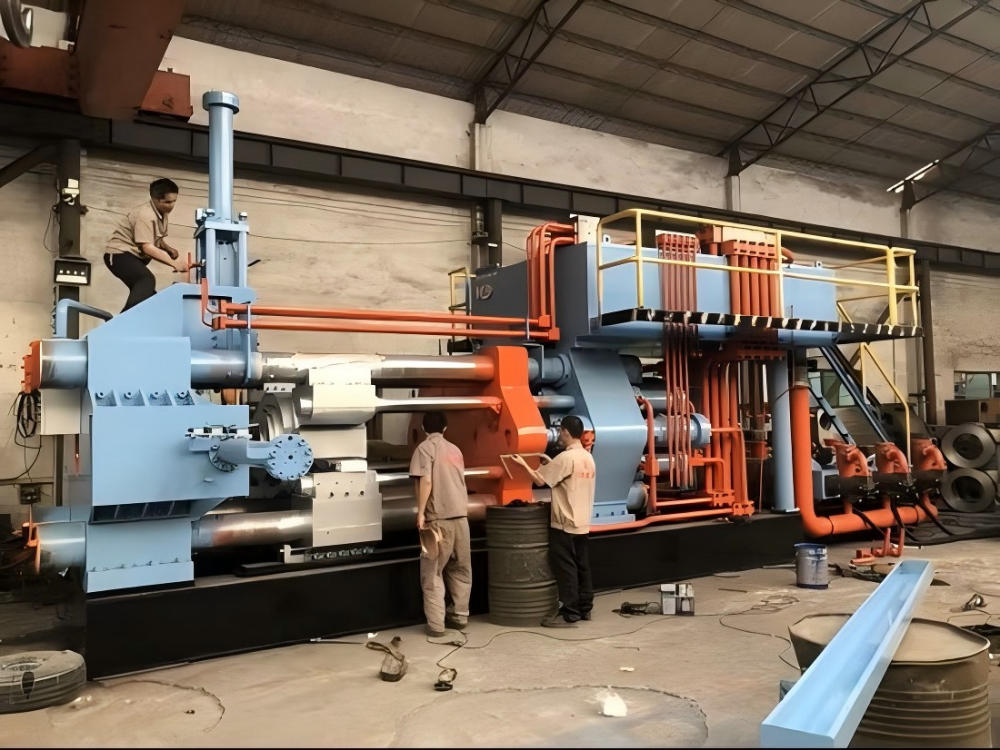
The mechanical stability of the press itself plays a significant role. Any vibration in the hydraulic system or misalignment in the press ram can lead to ‘chatter marks’ or periodic ripples on the profile surface. HARSLE extrusion presses are engineered with high-precision hydraulic valves and robust frames to minimize these vibrations. Ensuring that the container is perfectly aligned with the die and that the pressure is applied smoothly—without sudden surges—is essential for a consistent finish. Regular maintenance of hydraulic filters and pumps ensures that the fluid power is delivered without pulsation.
Selection Advice: Choosing the Right Press for Quality Output
When investing in new equipment, selecting a machine that facilitates high surface quality is essential. Not all extrusion presses are created equal. Here are the key features to look for when choosing a HARSLE aluminium extrusion press to ensure you can always Fix Poor Surface Finish In Aluminium Extrusion Press Operations through superior control:
- Precision Control Systems: Look for presses equipped with advanced PLC systems (like Siemens or Mitsubishi) that allow for fine-tuning of the extrusion speed in increments of 0.1 mm/s.
- Robust Frame Design: A four-column pre-stressed frame provides the rigidity necessary to prevent deflection under high pressure, which is a major cause of profile eccentricity and surface unevenness.
- Integrated Cooling Systems: High-quality presses should offer integrated air and water quench systems that can be adjusted based on the profile’s wall thickness and alloy type.
- Efficient Billet Heating: Consider an induction heater or a high-efficiency gas furnace that provides uniform temperature across the entire billet cross-section.
- Container Heating: A multi-zone container heating system allows for better control of the thermal gradient, preventing the ‘dead metal zone’ from shifting and causing surface impurities.
By selecting a press with these technical capabilities, manufacturers reduce the variables that lead to poor surface finish. HARSLE’s commitment to engineering excellence ensures that their machines provide the stability and data feedback required for modern, high-precision extrusion.
Troubleshooting Summary Table
| Defect Type | Primary Cause | Recommended Fix |
|---|---|---|
| Die Lines | Worn or dirty die bearing | Polish die bearing; check nitriding layer |
| Pick-up | Excessive heat/speed | Reduce extrusion speed; improve die cooling |
| Tearing | Exit temperature too high | Lower billet temp; slow down extrusion |
| Orange Peel | Large grain size | Check billet homogenization; increase quench rate |
| Chatter Marks | Hydraulic vibration | Check pump stability; inspect hydraulic valves |
| Blisters | Air entrapment | Check billet skin thickness; optimize ‘burp’ cycle |
Frequently Asked Questions (FAQ)
1. How often should I nitride my extrusion dies?
The frequency of nitriding depends on the alloy and the complexity of the profile. Generally, a die should be nitrided after every 500 to 1,000 kg of aluminium extruded. Regular, thin-layer nitriding is better for surface finish than infrequent, heavy nitriding.
2. Can I fix surface finish issues by just changing the lubricant?
In aluminium extrusion, lubrication is primarily used on the billet ends and the shear blade, not the die bearing itself. If you have surface issues, it is more likely related to temperature, speed, or die condition rather than lubrication.
3. Why does the surface finish change from the start to the end of the billet?
This is usually due to the temperature rise during the extrusion cycle caused by internal friction. Using ‘taper heating’ (where the back of the billet is cooler than the front) can help maintain a constant exit temperature and a uniform finish.
4. What is the ‘Dead Metal Zone’ and how does it affect the surface?
The dead metal zone is an area in the container corners where the metal doesn’t flow. If the container is not cleaned properly or if the dummy block is worn, impurities from this zone can be pulled into the profile, causing surface streaks.
5. Does the quench system affect the surface finish?
Yes. While the quench primarily affects mechanical properties, uneven cooling can cause the profile to warp or create ‘water spots’ if the water quality is poor. Proper air-flow or mist-quench distribution is key.
6. How does HARSLE ensure the stability of their extrusion presses?
HARSLE uses high-grade castings, precision-ground columns, and world-class hydraulic components to ensure that the press operates with minimal vibration and maximum alignment accuracy, which are critical for surface quality.
Conclusion
To Fix Poor Surface Finish In Aluminium Extrusion Press Operations, one must adopt a holistic approach that encompasses the entire production chain. From the metallurgical integrity of the billet to the microscopic smoothness of the die bearing, every detail matters. By implementing rigorous maintenance schedules for dies, optimizing the thermal ‘extrusion window,’ and utilizing high-precision machinery like HARSLE extrusion presses, manufacturers can virtually eliminate surface defects.
Consistency is the hallmark of a professional extrusion operation. By monitoring data, investing in operator training, and maintaining the mechanical health of the press, you ensure that every profile leaving the run-out table meets the highest standards of quality. Whether you are producing simple architectural angles or complex automotive heat sinks, the principles of surface excellence remain the same: control the heat, control the speed, and maintain the tools.


